Colorectal Cancer | Diagnosis

If you’ve had an abnormal colorectal screening result, a concerning colonoscopy finding, new digestive symptoms, or have been told you might have colorectal cancer, Siteman Cancer Center offers a clear next step – with expert diagnosis, personalized treatment planning, and access to nationally recognized care tailored to your cancer and your life. 

The right diagnosis is where exceptional colorectal cancer care begins. At Siteman Cancer Center, specialists use advanced imaging, precision pathology, genomic testing, and multidisciplinary expertise to define colorectal cancer with clarity from the start – because getting the diagnosis right the first time can shape treatment options, speed access to care, and improve outcomes.  


The colorectal program at Siteman Cancer Center combines leading surgical expertise, advanced rectal cancer treatment approaches, dedicated young-onset colorectal cancer leadership, and a deep portfolio of clinical trials designed to bring the next generation of cancer care to patients today.  


Learn more about colorectal cancer symptoms, screening findings, diagnosis, and the treatment options available at Siteman below. 

What Is Colorectal Cancer?

Colorectal cancer begins in the lining of the colon, rectum, or anus. It is the third most common cancer in the United States, with more than 140,000 people diagnosed each year (PDF).. When found early, it is also one of the most treatable. 

Most colorectal cancers begin as small growths called polyps on the inner lining of the colon or rectum. Over time, certain types of polyps can become cancerous. This gradual progression is exactly why screenings are effective at preventing cancer. Screenings give physicians the opportunity to find and remove polyps before they become cancerous.

Colon cancer and rectal cancer are closely related. For both, the same type of cells become cancerous. Even though it’s the same kind of cancer cells because the rectum sits deep in the pelvis, rectal cancer often requires a different treatment approach than colon cancer. At Siteman, our multidisciplinary team of WashU Medicine specialists excels in both. 

What Causes Colorectal Cancer? 

The exact cause of colorectal cancer is not fully understood, but a combination of lifestyle, environmental, and genetic factors can increase a person’s risk. 

Risk factors are not the same as a direct cause. Many people with risk factors never develop colorectal cancer, and some people without known risk factors do. But understanding your risk is an important step toward prevention and early detection through routine screenings. 

Common risk factors for colorectal cancer include:
 

  • Age: 45 or older, though colorectal cancer is rapidly rising among younger adults  
  • A personal or family history of colorectal cancer or polyps 
  • Inherited genetic syndromes, including Lynch syndrome (HNPCC) and familial adenomatous polyposis (FAP) 
  • Inflammatory bowel diseases such as Crohn’s disease or ulcerative colitis 
  • A diet high in processed or red meat and low in fiber 
  • Physical inactivity, obesity, or type 2 diabetes 
  • Behaviors like tobacco use and heavy alcohol consumption 

WashU Medicine physicians and genetic counselors at Siteman are experienced in identifying and supporting patients with hereditary predispositions. In fact, Siteman leads a registry of patients with known inherited tendencies for colon cancer to better support them and their families.  

When Should I See a Doctor? 

Colorectal cancer often does not cause symptoms in its early stages, which is exactly why regular screenings are important. When symptoms do appear, they can easily be mistaken for common, benign digestive problems and ignored, which can delay diagnosis. 

If you are at average risk, talk with your primary care physician about starting colorectal cancer screening at age 45. If you have a family history, other risk factors, or have noticed symptoms, you may need earlier and more frequent screening. 

Colorectal Screenings at WashU Medicine

Siteman Cancer Center works closely with WashU Medicine’s Division of Gastroenterology to seamlessly connect you to care if you need it. 

WashU Medicine gastroenterologists lead routine screenings and diagnostic colonoscopies. Following these procedures, their team connects patients directly to Siteman experts if they need additional support. You will know the next best step if your screening is abnormal.  

If you have concerns about your colon health, or if you simply want to come in for a routine checkup, you can contact our care coordinators. Our oncology-trained care coordinators – nurses who help with scheduling and navigation – can help you through the process.  

If you are experiencing any of the following symptoms, especially if they are new, persistent, or worsening, make an appointment with your doctor and request a screening.  

Symptoms that need evaluation through screening: 

  • Blood in your stool (bright red or very dark) 
  • Changes in bowel habits, such as diarrhea, constipation, or narrowing of the stool that last more than 2 weeks 
  • A feeling that your bowel doesn’t empty completely 
  • Abdominal pain, cramping, or discomfort 
  • Rectal pain or pressure 
  • Unexplained weight loss 
  • Persistent fatigue or weakness 

Experiencing these symptoms does not necessarily mean you have colorectal cancer. Many conditions cause gastrointestinal symptoms, but if symptoms persist, you need to have a physician evaluate you. 
 

Research shows colorectal cancer is on the rise in younger adults. WashU Medicine researchers and scientists are leading studies to learn why. This is called early onset colorectal cancer or young-onset colorectal cancer (YO-CRC). Siteman was one of the first cancer centers in the country to address the needs of this growing population with YO-CRC and open a dedicated program just for them.  

Our experts excel in correctly diagnosing YO-CRC and treating younger patients, even at more advanced stages.  

Learn more about kinds of colorectal cancer screenings

Why Choose Siteman for Your Colorectal Cancer Diagnosis? 

Siteman Cancer Center sets the standard for colorectal cancer diagnosis in the region. As the only NCI-designated Comprehensive Cancer Center in the region, WashU Medicine physicians and pathologists at Siteman are trained in the most advanced diagnostic techniques available.  

If you have received a diagnosis elsewhere or are looking for a second opinion, you can come to Siteman. Many patients in our care have referred themselves directly. To get started, reach out to one of our care coordinators to take advantage of our expertise and treatment options.  


When you come to Siteman for a colorectal cancer diagnosis, our team works to determine: 

  • The exact type and location of your cancer  
  • If and how far the cancer has spread 
  • The genetic and molecular profile of your tumor 

All of this information will directly shape which treatments will work best for you. 

At Siteman, we coordinate your care to create the most benefit for you and the time you are at your diagnostic visit. That means you will often meet with several colorectal specialists on the day of your appointment. This can reduce the total number of appointments you need. Your diagnostic team may include a surgeon, a medical oncologist, a radiation oncologist, and a pathologist, all reviewing your care plan together. 

What to Expect During a Colorectal Cancer Diagnosis

If you have a screening test that is abnormal, or if your symptoms need further evaluation, your physician will order a series of tests.

For an accurate colorectal cancer diagnosis, your team may order:

  • Lab work and blood tests
  • Imaging and scans such as CT, MRI, PET-CT, and ultrasound
  • Internal tests including colonoscopy, biopsy, and endoscopic procedures
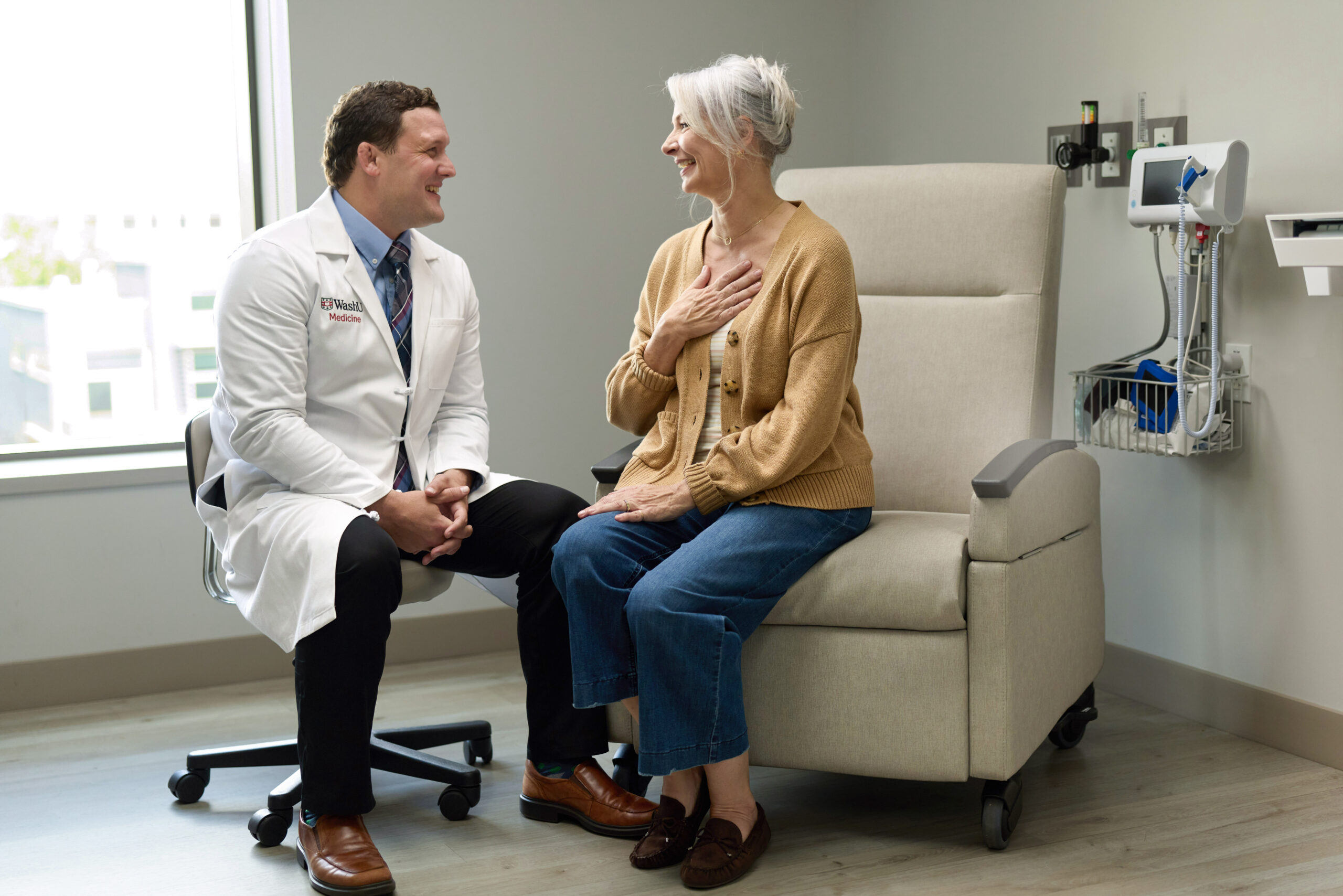
Dr. Michael Waters, MD, PhD, wearing a WashU Medicine lab coat, smiles as he speaks with a patient seated in a medical recliner.

Imaging Tests 

Imaging tests create detailed pictures of the inside of your body using sound waves, radiation, or magnetic fields. For colorectal cancer, imaging helps physicians locate the tumor, assess its size, and determine whether cancer has spread to nearby lymph nodes or other organs. 

CT scan: Takes detailed cross-sectional X-ray images of the abdomen and pelvis. Often the first imaging test used after a colorectal cancer diagnosis. 

MRI: Uses magnets to create highly detailed images of soft tissue. Especially important for rectal cancer to assess how deeply the tumor has grown into the rectal wall and nearby structures. 

PET-CT scan: Combines a PET scan (which uses a special sugar solution to detect active cancer cells) with a CT scan. Helps identify whether cancer has spread to distant sites in the body. 

Endorectal ultrasound: A probe inserted into the rectum uses sound waves to create images of the rectal wall. Used specifically for rectal cancer staging to determine how far the tumor has grown. 

Chest X-ray: May be used to check whether colorectal cancer has spread to the lungs. 

Internal Tests 

Internal diagnostic tests allow physicians to directly examine the colon and rectum, and collect tissue samples for analysis. Some require light or complete sedation so you are comfortable during the procedure. 


Colonoscopy: A physician guides a thin, flexible tube with a camera through the colon and rectum. This allows direct visualization of the entire colon lining and the ability to remove polyps or take biopsies during the same procedure. 

Biopsy: A small sample of tissue is removed from the tumor or suspicious area and examined under a microscope by a pathologist. A biopsy is the only way to definitively confirm the presence of cancer. Pathologists conduct genetic sequencing on sample cells to pinpoint mutations.  

Rigid proctoscopy: A rigid scope is used to examine the rectum closely, particularly to assess the exact location and size of a rectal tumor. 

Staging Colorectal Cancer 

Once a diagnosis is confirmed, staging describes how large the tumor is and how far the cancer has spread. Staging is a critical part of the process. It directly determines your treatment options and helps your team set realistic expectations for outcomes. 

Colorectal cancers are staged from 0 to 4, but staging for colon and rectal cancers can be different from each other.  

Cancers caught at earlier stages generally have more treatment options and better outcomes. But even at later stages, Siteman offers advanced care, including clinical trials, that can make a meaningful difference in survivability and quality of life.  

Understanding Colorectal Cancer Stages 

Every treatment plan at Siteman is individualized for you. Your team will evaluate all factors before making a recommendation. Here is what each stage generally means: 

Stage 0 (Carcinoma in situ): Abnormal cells are found only in the innermost lining of the colon or rectum. This is the earliest possible stage and is often treated with local removal during colonoscopy. 

Stage 1: The cancer has grown into the wall of the colon or rectum but has not spread beyond it. Surgery alone is often curative. 

Stage 2: The tumor has grown through the wall of the colon or rectum into nearby tissue, but has not reached lymph nodes. Surgery is the primary treatment, and chemotherapy may be recommended afterward for higher-risk cases. 

Stage 3: The cancer has spread to nearby lymph nodes. Treatment typically involves surgery followed by chemotherapy. For rectal cancer, radiation and chemotherapy before surgery (neoadjuvant therapy or TNT) is often the standard approach. 


Stage 4: The cancer has metastasized, or spread, to other organs,  most commonly to the liver or lungs. Treatment may include chemotherapy, targeted therapy, immunotherapy, surgery for metastatic sites, or enrollment in clinical trials.  

Access to Clinical Trials 

As the only NCI-designated Comprehensive Cancer Center in the region, Siteman offers access to groundbreaking clinical trials that are unavailable elsewhere. With over 100 open trials for colorectal cancer, Siteman patients have access to the latest diagnostic tools and treatment strategies being developed. 

Some trials focus on improving diagnostic precision — for example, identifying genetic mutations that predict how a cancer will behave. Others explore novel therapies for specific tumor profiles. 

Your care team will review your case and identify every clinical trial for which you may be eligible. 

Clinical Trials at Siteman Cancer Center

Clinical trials are research studies that help us find new ways to prevent, diagnose, and treat cancer. If you have a rare or complex diagnosis or your treatment path seems uncertain, you might qualify for a clinical trial.

Our team will help you find a study that is right for you. Call us to speak with a Siteman care coordinator.
Colorectal Cancer | Care at Siteman Cancer Center

If you have recently received a colorectal cancer diagnosis, are concerned about symptoms after an abnormal colonoscopy, or want a second opinion, Siteman Cancer Center at Barnes-Jewish Hospital and WashU Medicine is here. You can talk to a Siteman care coordinator about what to do next and how to schedule with a specialist.  

Colorectal cancer is sometimes referred to as colon cancer and can include rectal cancer and anal cancer, too.  

As colorectal cancer continues to impact more people at younger ages, it is even more important to get an accurate diagnosis as early as possible – and before symptoms become more serious. Siteman Cancer Center takes symptoms seriously at any age, moves quickly to provide a thorough recommendation for your next steps.  

Young-onset colorectal cancer (YO-CRC) is now the leading cause of cancer death in adults under 55 in the United States. At Siteman, we built a program designed to meet the specific needs of a younger patient – that focuses on your unique recovery and life goals. 

We offer the most advanced research and treatment options in the region for colorectal cancer at any age – with a dedicated program for young-onset colorectal cancer. Plus, WashU Medicine physicians who lead the national conversation on prevention, surgery, and survivability. Whether you are a patient, a caregiver, or a physician referring your patient, our care coordinators will help guide you, starting with your first call.

Talk with a Care Coordinator

Nurses at Siteman answer every call and every form. Speak with them directly 8:00 am to 4:30 pm CT Monday- Friday for guidance on appointments, second opinions, and referrals.

Refer Your Patient to Siteman Cancer Center

A Siteman care coordinator is the fastest path to referral, consult, or second opinion. Our care coordinators – oncology nurses who help with scheduling and navigation – will guide you from your first call.

Why Choose Siteman Cancer Center for Colorectal Cancer?

At Siteman Cancer Center, we treat colorectal cancer with a level of expertise and precision that is rare in our region. 

National excellence, regional leadership in colorectal cancer care 

Siteman is the region’s only NCI-designated Comprehensive Cancer Center, a distinction that reflects the highest standard of cancer research, treatment, and patient care. Our colorectal cancer program, for colon, rectal, and anal cancers, is recognized for scientific leadership, more clinical trial options and our multidisciplinary care standard. 

Siteman Cancer Center leads one of the highest volume colorectal programs in the region. A high-volume surgical environment can lead to better outcomes in colorectal cancer – because we see more of this cancer and can better understand how to treat it.   

At Siteman, we treat patients at every stage of colorectal cancer, from early polyp surveillance to advanced rectal cancer requiring surgery, radiation, and systemic chemotherapy. Our depth of expertise means Siteman can recognize patterns others can miss and bring options others can’t offer. 

WashU Medicine physicians at Siteman Cancer Center specialize in colorectal cancer – and are active researchers of the disease. They publish guidelines, lead trials, and train the next generation of colorectal oncologists. Here, we set the standard for what becomes common practice around the country. 

A dedicated program for young-onset colorectal cancer 

The number of patients diagnosed with young-onset colorectal cancer, also called early onset colorecal cancer, is rising. Right now, 1 in 5 patients with colorectal cancer is under the age of 55, and physicians forecast this will increase. Siteman is one of the only cancer centers ready to meet these needs. We designed our dedicated young-onset colorectal cancer (YO-CRC) program specifically for these patients. 

We understand young-onset colorectal cancer is different. It is often diagnosed at later stages, is more frequently linked to hereditary factors, and comes with life-stage challenges our older patients don’t face. YO-CRC can impact fertility, careers, parenting, and finances. Our program addresses all of these. 

We offer care for every aspect of your life, not just your cancer. Our care includes genetic counseling to fertility preservation coordination, and even return-to-work support. 

A smiling doctor in a white coat posing next to a male patient in a medical hallway.
A Colonoscopy Changed His Life: Jordan’s Young-Onset Colorectal Cancer Story

A colonoscopy before his 42nd birthday changed Jordan’s life forever. What started as stomach pain led to a colorectal cancer diagnosis—an important reminder that cancer can happen at any age.

Watch Jordan's Story

A second opinion here could change your path 

You do not need a physician referral for a second opinion at Siteman Cancer Center. You can choose us for your care. Our oncology-trained care coordinators – nurses who help with scheduling – can help you through the process.  

Because WashU Medicine physicians for colorectal cancer specialize entirely on this cancer type, they see options others may not. Siteman can help provide peace of mind that you’re in the right place, with the right diagnosis, receiving the right care.  

Your Second Opinion at Siteman 

Siteman wants to be your first choice for cancer care, but that might not always be possible. If you have received a cancer diagnosis, started care somewhere else, or are a physician seeking specialized care for your patient, ask us about a second opinion. You can start the process. To make it easy, our care coordinators guide scheduling for yourself or your patient.   

Two female doctors in white lab coats reviewing medical papers together in a hallway.

Team-Based Specialist Care at Every Colorectal Cancer Stage

Colorectal cancer, especially rectal cancer, almost always requires more than one kind of treatment. Surgery, radiation, chemotherapy, and immunotherapy must be coordinated with precision. At Siteman, this coordination is built into how we work. 

Our multidisciplinary colorectal cancer team brings together WashU Medicine colorectal surgeons, medical oncologists, radiation oncologists, gastroenterologists, genetic counselors, pathologists, and radiologists.  

Every new patient with a colorectal diagnosis is reviewed at our tumor board. This dedicated, collaborative meeting discusses your specific situation. Each specialist contributes in real time. 

Research shows that multidisciplinary tumor boards improve treatment plans. At Siteman, that process is part of our standard of care. That means you start with Siteman’s best collective thinking, and it shapes the treatment your team decides is right for you. 

Learn more about the colorectal cancer specialists at Siteman


Olivia Aranha, MD, PhD — Medical Oncologist

Personalizing a patient’s treatment options is important. So we use genomic characterization of their tumor. We offer genomic testing of the tumor tissue and then use that to guide treatment.  


Yin Cao, ScD, MPH — Research

We used to think colorectal cancer was a disease of the older population, but in the past two decades, the median age of diagnosis for this cancer in the U.S. dropped from 72 to 66 years. Our team aims to unravel and ultimately reverse the intricate network of causal factors throughout the life course that contribute to early-onset colorectal cancer. 


Graham Colditz, MD, DrPH — Associate Director of Prevention and Control, Siteman Cancer Center • Niess-Gain Professor, WashU Medicine

Dr. Colditz is one of the most cited cancer prevention researchers in the world. His work at Siteman led education efforts and practical tools like 8ightWays to Prevent Cancer and Your Disease Risk. Both help people reduce their risk of colorectal cancer before diagnosis ever happens. His leadership at Siteman in prevention spans from screening and genetic risk assessment to education.   

Advanced Surgeries and Treatments for Colorectal Cancer

At Siteman Cancer Center, WashU Medicine colorectal surgeons are internationally recognized experts, treating approximately 350 new cancer patients each year. Our colorectal specialists have access to surgical techniques and treatment technologies that are not available at most cancer centers. That matters when your diagnosis is complex, your tumor is in a difficult location, or you want every care option available. 

Minimally Invasive and Robotic Surgery 

WashU Medicine surgeons at Siteman are specialists in laparoscopic and robotic-assisted colorectal surgery. These techniques mean smaller incisions, less blood loss, faster recovery, and earlier return to daily life. Plus, these benefits don’t compromise outcomes.  

For patients with rectal cancer, our surgeons specialize in sphincter-preserving approaches that protect their quality of life. 

Sequenced Treatment Combinations 

Rectal cancer requires a precise, sequenced combination of chemotherapy, radiation, and surgery. Our team coordinates all three. We offer total neoadjuvant therapy (TNT), organ preservation approaches, and watch-and-wait protocols for patients who respond to treatment, all approaches that can reduce the need for permanent ostomy. 

Radiation Therapy and Proton Therapy 

Our radiation oncologists use the most precise imaging and delivery systems available, including proton therapy for select patients. WashU Medicine radiologists at Siteman provide the highest level of diagnostic image interpretation in the region. This expertise directly improves staging accuracy and treatment decisions. 

Immunotherapy and Targeted Therapy 

For patients with MSI-high tumors, Lynch syndrome, or specific genetic mutations, immunotherapy and targeted agents have transformed outcomes. Our oncologists use comprehensive molecular profiling to match every patient with the therapy most likely to work for their specific cancer. 

Integrated Care: Screening to Treatment 

Siteman integrates prevention, screening, diagnosis, and treatment. If an abnormal colonoscopy, a mass in the colon, or a suspicious CT result brings you to us, we can move from evaluation to a care plan quickly, so you don’t experience delays you would elsewhere. 

Open Clinical Trials at Siteman 

Clinical trials at Siteman open up new and unique treatment options for our patients – with access to research-based treatments not available elsewhere. Some are investigating advanced or recurrent disease, or tumors with specific molecular profiles. 

Siteman leads more active clinical trials than any other cancer center in the region. We have over 600 open trials each year, and many study colorectal cancer specifically. When you come to Siteman, your care team will review your diagnosis and identify trials that may be right for you. 

Clinical trials at Siteman currently offer access to treatments including: 

  • Immunotherapy combinations for MSI-high and Lynch syndrome-associated colorectal cancers  
  • Targeted agents designed for KRAS, BRAF, and HER2 mutations in advanced colorectal cancer  
  • Novel chemotherapy regimens for metastatic disease, including liver-directed therapies  
  • Precision-based treatment that uses genomic sequencing to match your tumor’s molecular profile 
  • Prevention and early detection trials for people at high risk (family history or hereditary syndromes) 

Clinical Trials at Siteman Cancer Center

Clinical trials are research studies that help us find new ways to prevent, diagnose, and treat cancer. If you have a rare or complex diagnosis or your treatment path seems uncertain, you might qualify for a clinical trial.

Our team will help you find a study that is right for you. Call us to speak with a Siteman care coordinator.

Specialized Research Only at Siteman 

Colorectal cancer is among the most researched, and most preventable, cancers in the world. At Siteman, patients benefit directly from our research focus. 

Siteman is a national leader in colorectal cancer prevention science. The work Graham Colditz, MD leads in prevention has shaped cancer control policy and clinical guidelines nationally.  

Plus, our researchers are at the leading-edge of discovering why colorectal cancer is occurring at younger ages. WashU Medicine researcher Lin Cao and her team are studying the biological link between accelerated aging and cancer.   

Our researchers have led discoveries now replicated at institutions across the country, including: 
  

Siteman’s NCI “Exceptional” rating confirms the highest possible level of research quality. Discoveries made here change the standard of care across the country and benefit patients everywhere. When you come to Siteman, your care team will review whether any active research programs could expand your options. 

For Referring Physicians: Coordinate Care with Confidence

WashU Medicine experts at Siteman Cancer Cener specialize in colorectal cancer survivability. For your patient with rectal cancer, our team manages chemotherapy, radiation, and surgery in a coordinated, sequenced plan. For your patient with an early-stage colon cancer, our surgical team offers laparoscopic and robotic-assisted resection with outcomes that match or exceed national benchmarks.  

Our young-onset colorectal cancer program provides subspecialized care that younger patients might need. We offer genetic counseling, fertility guidance, and social-emotional support – programs unique to Siteman Cancer Center.  

We can also help with second opinions. WashU Medicine radiology specialists can clarify staging, identify resectability, and adjust treatment options in complex cases.

Refer Your Patient to Siteman Cancer Center

A Siteman care coordinator is the fastest path to referral, consult, or second opinion. Our care coordinators – oncology nurses who help with scheduling and navigation – will guide you from your first call.

Ready to Get Started?

Whether you are a patient seeking care, a family member helping with research, or a physician with a patient who needs a colorectal specialist, we are ready to help 

Start Here. Get the Care You Need.

Our Siteman care coordinators – oncology-trained nurses who help with scheduling, finding the right specialist, and guidance – can help you through the process.

Call us directly or submit a form, and we will call you back.

Call Us (800) 600-3606

Colorectal Cancer | Treatment & Therapies

You are more than just your cancer. We want you to thrive. 

If you’ve been diagnosed with colorectal cancer, Siteman Cancer Center is here to help. WashU Medicine physicians at Siteman create a plan that’s customized to treat your cancer — based on your age, your lifestyle, and your goals. 

Siteman’s advanced approach to colorectal cancer care draws on the expertise of a multidisciplinary team of surgeons, medical oncologists, and radiation oncologists. Together they work to deliver the most effective, personalized treatment possible. 

Your team of WashU Medicine physicians, from surgeons to radiation oncologists, take a precise approach to your care, maximizing the full effectiveness of treatments while protecting overall wellbeing. This requires the skill and experience Siteman subspecialists have gained by seeing hundreds of patients with colorectal cancer each year.   

Because Siteman is a leader in colorectal cancer, our patients receive minimally invasive surgeries and short courses of radiation therapy, called hypofractionation, to promote fewer treatments, limit side effects, ensure faster recoveries, and increase survivability.  

What are my treatment options for colorectal cancer? 

Colorectal cancer treatment depends on several factors, including the location of the cancer (colon, rectum, or anus), the stage of your cancer, and your overall health. Many patients receive a combination of treatments. Your WashU Medicine team at Siteman Cancer Center will explain every option and what to expect for a personalized care plan. 

The main treatment options for colorectal cancer include: 

What surgeries does Siteman offer for colorectal cancer? 

Surgery is the most common first-line treatment for colorectal cancer. For patients with early-stage tumors, surgery alone may achieve cure. For more advanced cases, surgery is often combined with chemotherapy, radiation, or both. 

WashU Medicine colorectal surgeons at Siteman are internationally recognized experts — treating approximately 350 new cancer patients each year. They use minimally invasive and robotic techniques whenever possible to reduce complications, limit blood loss, shorten hospital stays, and speed recovery. 

Types of surgery for colon and rectal cancers 

The type of surgery recommended depends on the size, location, and stage of your tumor. Your surgical team at Siteman will walk you through every option before making a recommendation. 

Because the rectum is positioned deep in the pelvis, surgical treatment for rectal cancer is technically complex. Siteman’s surgeons have pioneered sphincter-sparing techniques that allow most patients to avoid a permanent colostomy and maintain normal bowel function. 

Colonoscopic resection: For very small tumors confined to a polyp, a surgeon may remove the cancer entirely during a colonoscopy — no incision required. 

Partial colectomy (laparoscopic or robotic): The most common colon surgery. A section of the colon containing the tumor — along with a margin of healthy tissue and nearby lymph nodes — is removed. More than 60% of partial colectomies at Siteman are performed using minimally invasive techniques, including robotic-assisted surgery. 

Metastasectomy: When colorectal cancer has spread to another organ — most commonly the liver, lungs, or pelvis — surgeons at Siteman are skilled at removing those metastatic tumors using specialized techniques. 

Sphincter-sparing resection: When the tumor does not involve the anal sphincter muscle or pelvic floor, WashU Medicine surgeons at Siteman can remove the tumor while leaving those structures intact, preserving bowel function. 

Transanal endoscopic microsurgery (TEM): A minimally invasive procedure used to remove early-stage tumors located high inside the rectum, without abdominal incisions. 

Ostomy: In some cases, a temporary or permanent opening (stoma) is created to allow waste drainage after colorectal surgery as your body heals. A dedicated ostomy nurse will train patients on care and management. For most patients, ostomies are a temporary measure. 

When do patients with colorectal cancer receive radiation therapy? 

Radiation therapy uses high-energy beams to target and destroy cancer cells. It is used more commonly for rectal cancer than colon cancer, often in combination with chemotherapy. 

Your WashU Medicine radiation oncologist will make a personalized recommendation based on the location of your tumor, its stage, and your overall health. Radiation may be recommended: 

  • Before surgery to shrink a tumor and improve surgical outcomes 
  • After surgery to destroy any remaining cancer cells 
  • Alongside chemotherapy (chemoradiation) to treat locally advanced rectal cancer 
  • As palliative therapy to relieve symptoms such as pain or bleeding in advanced disease 

WashU Medicine radiation oncologists at Siteman are national leaders in using shorter durations of radiation, called hypofractionation, to achieve the same strong results — meaning patients often complete their treatment more quickly than at other cancer centers. 

Total Neoadjuvant Therapy (TNT) for Rectal Cancer 

TNT is an approach used for locally advanced rectal cancer in which both chemotherapy and radiation therapy are delivered before surgery. This combination shrinks tumors, improves the chances of sphincter preservation, and may allow some patients to avoid surgery altogether. 

WashU Medicine radiation oncologists at Siteman have shortened the standard TNT for patients so they can complete treatment sooner, effectively.  

Types of radiation therapy 

External beam radiation therapy (EBRT): The standard approach for rectal cancer. A linear accelerator delivers targeted radiation beams from outside the body to the tumor site. 

Intensity Modulated Radiation Therapy (IMRT): An advanced technique that maps radiation doses to the 3D shape of the tumor, protecting surrounding healthy tissue — particularly important near pelvic structures. 

MR-guided adaptive radiation therapy: This therapy uses MRI images to deliver radiation for highly-targeted treatment to see how radiation is impacting the tumor during the treatment, enabling them to make adjustments in real time.  

Siteman Cancer Center was the first institution in the world to use MR-guided adaptive radiation therapy to treat a patient. The technology was developed by WashU Medicine physicians and researchers at Siteman. 

Stereotactic Body Radiation Therapy (SBRT): Delivers high, focused doses over a small number of sessions. May be used for metastatic colorectal cancer sites (e.g., liver or lung lesions).

What is HIPEC, and when is it used for colorectal cancer?

HIPEC (Heated Intraperitoneal Chemotherapy) is a specialized surgical procedure used when colorectal cancer has spread to the lining of the abdominal cavity — a condition called peritoneal metastasis. 

For HIPEC, first WashU Medicine surgeons remove visible tumors (called cytoreduction), then they use heated chemotherapy to ensure all remaining cancer cells are killed. The chemotherapy circulates in the abdomen for 60-90 minutes.  

Siteman is one of the few cancer centers in the U.S. to offer cytoreduction and HIPEC for colorectal and other cancers.  

Clinical Trials at Siteman Cancer Center

Clinical trials are research studies that help us find new ways to prevent, diagnose, and treat cancer. If you have a rare or complex diagnosis or your treatment path seems uncertain, you might qualify for a clinical trial.

Our team will help you find a study that is right for you. Call us to speak with a Siteman care coordinator.
What is drug therapy for colorectal cancer? 

Drug therapy, also called systemic therapy, is a broad term for any colorectal cancer treatment delivered through medication. These medicines can be given as a pill or through an IV infusion. Systemic therapies are designed to treat cancer throughout the body so they can reach wherever cells may have spread. 

Depending on your diagnosis, your physician may use drug therapy to shrink a tumor before surgery, destroy cancer cells after surgery, slow the growth of advanced cancer, or improve your quality of life during treatment. 

Types of drug therapy 

At Siteman Cancer Center, drug therapy for colorectal cancer includes chemotherapy, targeted therapy, and immunotherapy. 

Chemotherapy uses drugs that kill cancer cells throughout the body. Patients typically receive chemotherapy through an IV in multi-week cycles.

Targeted therapy attacks specific molecular features of cancer cells that allow them to grow and spread. Unlike chemotherapy, which affects all rapidly dividing cells, targeted drugs pinpoint exactly where cancer cells are vunerable. 


Immunotherapy harnesses your immune system to recognize and attack cancer cells. The most common immunotherapies for colorectal cancer are checkpoint inhibitors. These are most often used in patients with advanced disease or those with specific genetic mutations. WashU Medicine physicians at Siteman are studying immunotherapy in clinical trials to expand its use to a broader group of patients. 

Clinical Trials at Siteman Cancer Center

Clinical trials are research studies that help us find new ways to prevent, diagnose, and treat cancer. If you have a rare or complex diagnosis or your treatment path seems uncertain, you might qualify for a clinical trial.

Our team will help you find a study that is right for you. Call us to speak with a Siteman care coordinator.

Colorectal Cancer | Risk & Prevention

Colorectal cancer is the third most common cancer in the U.S. — but it’s also one of the most preventable. Many cases of colon and rectal cancer could be avoided with regular screening and certain lifestyle changes. 

Some risk factors are things we can’t control, like age and family history. But many are areas where you can promote your wellbeing. 

Understanding your personal risk is the first step toward protecting your health. Your doctor will be an important part of that conversation. Siteman is here to support you every step of the way. 
 

What Is My Risk of Colorectal Cancer? 

You and your doctor can assess your individual colorectal cancer risk together. There are many factors to consider.  

To help you get started, Siteman has developed an online tool called Your Disease Risk. It gives you useful, trusted, research-based information about your cancer risk and what you can do about it. 

Take the Your Disease Risk® Assessment

Who Is at Risk for Colorectal Cancer? 

Some risk factors for colorectal cancer are biological, things we are born with or that change as we age. Other risks come from lifestyle choices, where your choices and decisions can make a real difference. Knowing which factors apply to you helps you and your physician make more informed decisions about screening and prevention. 

Risk Factors Include:

  • Age 45 or older — risk increases significantly with age, though colorectal cancer is rising in younger adults 
  • A personal history of colorectal cancer, colorectal polyps, or inflammatory bowel disease (Crohn’s disease or ulcerative colitis) 
  • A family history of colorectal cancer or polyps in a first-degree relative (parent, sibling, or child) 
  • An inherited genetic syndrome — including Lynch syndrome (HNPCC) or familial adenomatous polyposis (FAP) 
  • Race and ethnicity — African Americans have a higher risk of colorectal cancer and are recommended to begin screening earlier 
  • Type 2 diabetes 
  • A diet high in red meat or processed meat, and low in fruits, vegetables, and fiber 
  • A sedentary lifestyle with limited physical activity 
  • Overweight or obesity 
  • Heavy alcohol consumption 
  • Current or long-term tobacco use 

Addressing Genetic Predispositions at Siteman 

WashU Medicine physicians and genetic counselors at Siteman are experienced in identifying and supporting patients with hereditary predispositions. Siteman maintains a registry of patients with known inherited tendencies for colorectal cancer. 

If colorectal cancer does not seem to run in your family but multiple relatives have developed different cancers, or one family member has had several types of cancer, mention it to your physician. Genetic testing may still be appropriate.

Inherited Cancer Syndromes and Colorectal Cancer

The two most common hereditary syndromes linked to colorectal cancer are: 

Lynch Syndrome (HNPCC): The most common inherited colorectal cancer syndrome. People with Lynch syndrome have a significantly elevated lifetime risk of colorectal cancer, as well as  other cancers. Genetic testing can identify this syndrome, and carriers benefit from more frequent colonoscopy starting at a younger age. 

Familial Adenomatous Polyposis (FAP): A condition where hundreds to thousands of polyps develop in the colon. Because any polyp may become cancerous, surgical removal of the colon is often recommended. Polyps can also develop elsewhere in the digestive system, requiring lifelong monitoring.  

Rising Colorectal Cancer in Younger Adult

Many young people assume colorectal cancer is a disease that only affects older adults. But recent research, including studies from WashU Medicine scientists at Siteman, shows that rates are rising among people under 50.  

If you are younger and experiencing symptoms like rectal bleeding, persistent changes in bowel habits, or unexplained weight loss, don’t dismiss them. Talk to your doctor. Siteman’s Young-Onset Colorectal Cancer Program focuses exclusively on patients under 50. 

How Can I Lower My Risk of Colorectal Cancer? 

Even if you have risk factors you can’t change, there is a great deal you can do to reduce your overall risk. The steps below are among the most evidence-based actions for colorectal cancer prevention.  

One of the most effective preventative steps you can take is to get screened for colorectal cancer each year when you become eligible. Screenings allow physicians to detect and remove polyps before they become cancerous, and it’s estimated that a significant percentage of colon and rectal cancers could be prevented if screening guidelines were followed.  

Siteman’s 8IGHTWAYS® outlines evidence-based lifestyle habits you can adopt that are proven to reduce the risk of multiple cancers, including colorectal cancer.  

Learn ways to reduce your risk of colon cancer here.
Colorectal Cancer | Screening

Colorectal Cancer Screening in St. Louis 

Colorectal cancer is the second leading cause of cancer death in the U.S. for men and women combined and is also one of the most preventable and detectable cancers when caught early. Screening changes everything. 

Siteman Cancer Center leads the region in colorectal cancer screening, helping patients: 


  • Understand their personal risk and the right time to start screening 
  • Access the full range of screening options — from at-home stool tests to comprehensive colonoscopy, plus bringing screenings closer to home through our mobile screening unit
  • Receive results interpreted by expert WashU Medicine gastroenterologists and radiologists 
  • Connect directly with a WashU Medicine colorectal specialist at Siteman if screening reveals a concern  

Why Is Colorectal Cancer Screening So Important? 

Colorectal cancer almost always begins as a small, noncancerous growth called a polyp on the inner lining of the colon or rectum. Left undetected, some polyps can develop into cancer over years. Screening is the only way to find — and remove — polyps before that happens. 

That makes colorectal cancer screening uniquely powerful: it doesn’t just detect cancer early. It can prevent cancer from developing in the first place. 

When colorectal cancer is found at an early stage survivability is high at more than 90% at 5 years.  

What If I Don’t Have Symptoms? 

Colorectal cancer in its early stages often causes no symptoms at all. By the time symptoms like rectal bleeding, persistent bowel changes, or abdominal pain appear, the disease may be more advanced. That is precisely why screening matters — it finds cancer and pre-cancerous polyps before they make themselves known. 

When colorectal cancer is caught early through screening: 

  • Treatment is significantly more effective 
  • Survival rates are substantially higher 
  • More treatment options are available, including minimally invasive surgery 
  • Treatment is often less intensive, with fewer side effects 

When Should I Start Colorectal Cancer Screening? 

The U.S. Preventive Services Task Force recommends that all adults at average risk begin colorectal cancer screening at age 45. If you have elevated risk factors, earlier and more frequent screening may be appropriate. 

Average Risk: Start Screening at Age 45

You are considered average risk if you have no personal or family history of colorectal cancer or polyps, no inflammatory bowel disease, no known inherited genetic syndrome, and no symptoms. If this describes you, begin screening at age 45. How often you are screened after you begin depends on your test results.  

Higher Risk: Start Screening Before 45 

Talk to your physician about starting screening before age 45 if you: 

  • Have a parent, sibling, or child who was diagnosed with colorectal cancer or advanced polyps. This is especially important if they had cancer before age 60. 
  • Have a personal history of colorectal cancer, colorectal polyps, or inflammatory bowel disease (Crohn’s disease or ulcerative colitis) 
  • Have been diagnosed with an inherited genetic syndrome such as Lynch syndrome (HNPCC) or familial adenomatous polyposis (FAP) 
  • Are African American  

As a general guideline, higher-risk patients should begin screening 10 years before the earliest colorectal cancer diagnosis in their immediate family. For example, if a parent was diagnosed at age 45, you should start screening at age 35. 

Your physician will recommend a specific screening schedule based on your individual risk profile. Ask about colorectal cancer screening at your next appointment. 

Colorectal Cancer Screening Tests

Screening tests fall into two main categories: stool-based tests and visualization tests, like colonoscopy. 

Colonoscopy — The Gold Standard 

Colonoscopy is the most comprehensive and effective colorectal cancer screening test available. It is also the only test that can both find and remove polyps in the same procedure. It provides a complete view of the entire colon and rectum. 

During a colonoscopy, your physician guides a thin, flexible tube with a small camera through the colon. If they find polyps or other abnormalities, they can be removed or biopsied immediately. 

How often: Every 10 years for average-risk patients with no polyps found. These screenings are more frequent if polyps are detected or risk is elevated. 

What to expect: 

  • You prepare the day before with a bowel preparation (“prep”) to clear the colon 
  • You will be sedated for the procedure for your comfort  
  • The procedure itself typically takes 30–60 minutes 
  • You will need someone to drive you home due to sedation 
  • Most patients return to normal activities the following day 

At Siteman, WashU Medicine gastroenterologists and colorectal surgeons with extensive expertise perform colonoscopies.If your colonoscopy reveals a concern, you have immediate access to the region’s leading colorectal cancer specialists. 

Stool-Based Tests — Convenient, At-Home Options 

Stool-based tests are a practical alternative for patients who are unable or unwilling to undergo colonoscopy. They can be completed at home and do not require bowel preparation or sedation. If your stool-based test has a positive result, you will need a follow-up colonoscopy. 

Fecal Immunochemical Test (FIT) 

FIT uses antibodies to detect hidden blood in the stool. Blood is a potential indicator of polyps or colorectal cancer. It is simple, painless, and done entirely at home using a test kit from your physician. Siteman distributes FIT tests as part of our community commitment to screenings. Learn more here.

How often: Once a year.

Stool DNA Test (Cologuard®) 

This test detects both hidden blood and abnormal DNA shed by cancer cells or advanced polyps into the stool. It combines the blood-detection capability of FIT with DNA biomarker analysis for higher sensitivity. 

How often: Every 3 years.

High-Sensitivity Guaiac Fecal Occult Blood Test (gFOBT) 

An older stool-based test that uses a chemical reaction to detect blood in the stool. Requires some dietary restrictions before the test and is collected at home. 

How often: Once a year. 

CT Colonography (Virtual Colonoscopy) 

CT colonography uses a CT scanner and specialized software to produce detailed 3D images of the entire colon and rectum without inserting a scope. A small tube is placed in the rectum to gently inflate the colon with air, and the scan takes only a few minutes. 

Unlike a traditional colonoscopy, CT colonography does not require sedation. However, bowel preparation is still required, and polyps cannot be removed during the procedure — a positive result will require a follow-up colonoscopy. 

How often: Every 5 years. 

Flexible Sigmoidoscopy 

Flexible sigmoidoscopy uses a thin, lighted tube to examine the rectum and the lower portion of the colon (the sigmoid colon). It does not require sedation, but it cannot examine the upper portions of the colon, so it is a less comprehensive screening than a full colonoscopy. 


If polyps or abnormalities are found, a follow-up colonoscopy is typically needed. 

How often: Every 5 years, or every year when combined with an annual FIT test. 

Colorectal Cancer Screening at Siteman 

Siteman Cancer Center’s colorectal cancer screening program brings together the expertise of WashU Medicine gastroenterologists, radiologists, and colorectal surgeons to deliver the most accurate, comprehensive screening in the St. Louis region. 

If a polyp is found and removed during your colonoscopy, our pathology team analyzes the tissue to determine if any further action is needed. You are never left to navigate next steps alone. 

Contact information for Siteman Colorectal Cancer Screening Program: 314-747-3046

Colorectal Cancer | Team & Locations

At Siteman Cancer Center, your care is guided by a multidisciplinary team of WashU Medicine specialists at BJC HealthCare, bringing together expertise across the full spectrum of cancer care.

Depending on your diagnosis and the complexity of your case, specialists from different disciplines work together to evaluate your cancer type, consider your treatment options and develop a coordinated plan.

From your first appointment, we bring together the right expertise for you. You might meet with specialists in medical oncology, radiation oncology, surgery, pathology, radiology and other disciplines, all working together as one team.

Below are some of the experts who might be part of your care team. Siteman care coordinators – oncology-trained nurses who help with scheduling, finding the right specialist, and guidance – will help you through the process.

Colorectal Cancer Specialist Team

Medical Oncologists
Radiation Oncologists
Interventional Radiologists
Surgeons
Gastroenterologists
Psychologists

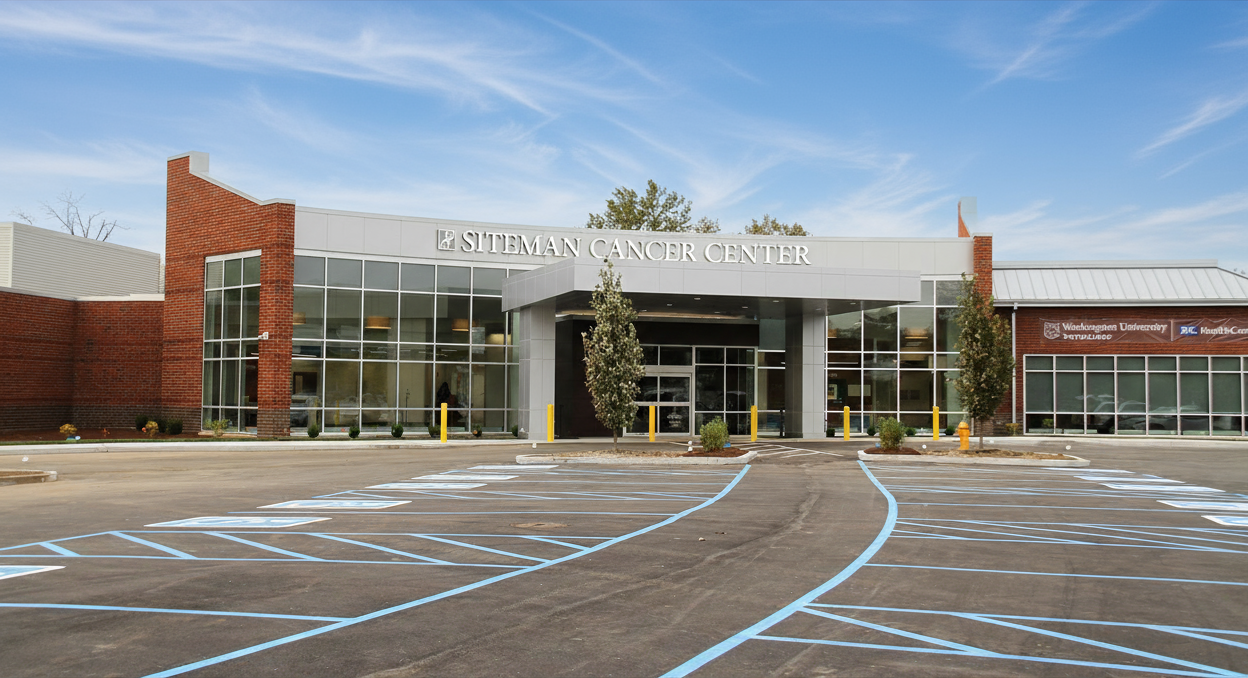
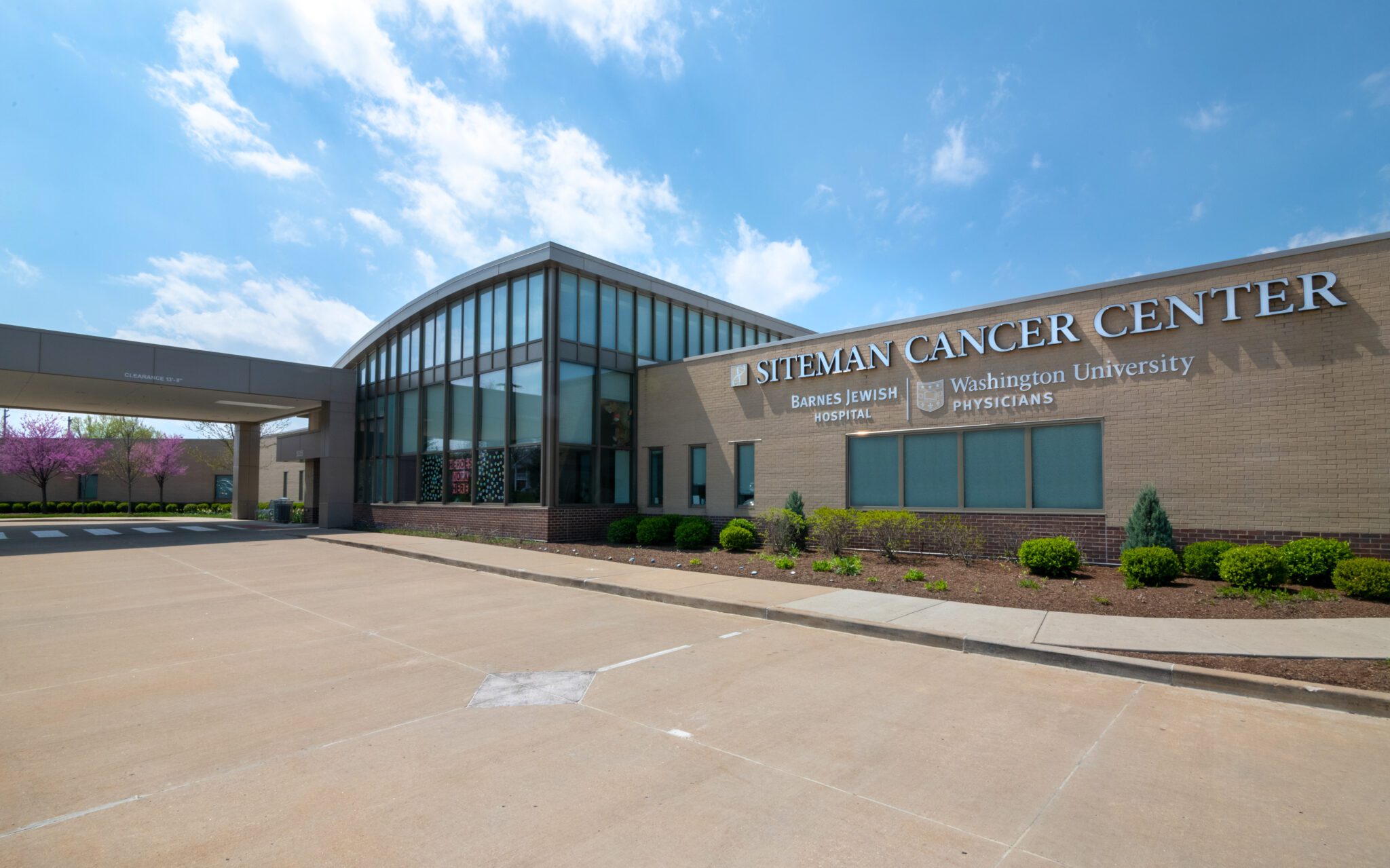
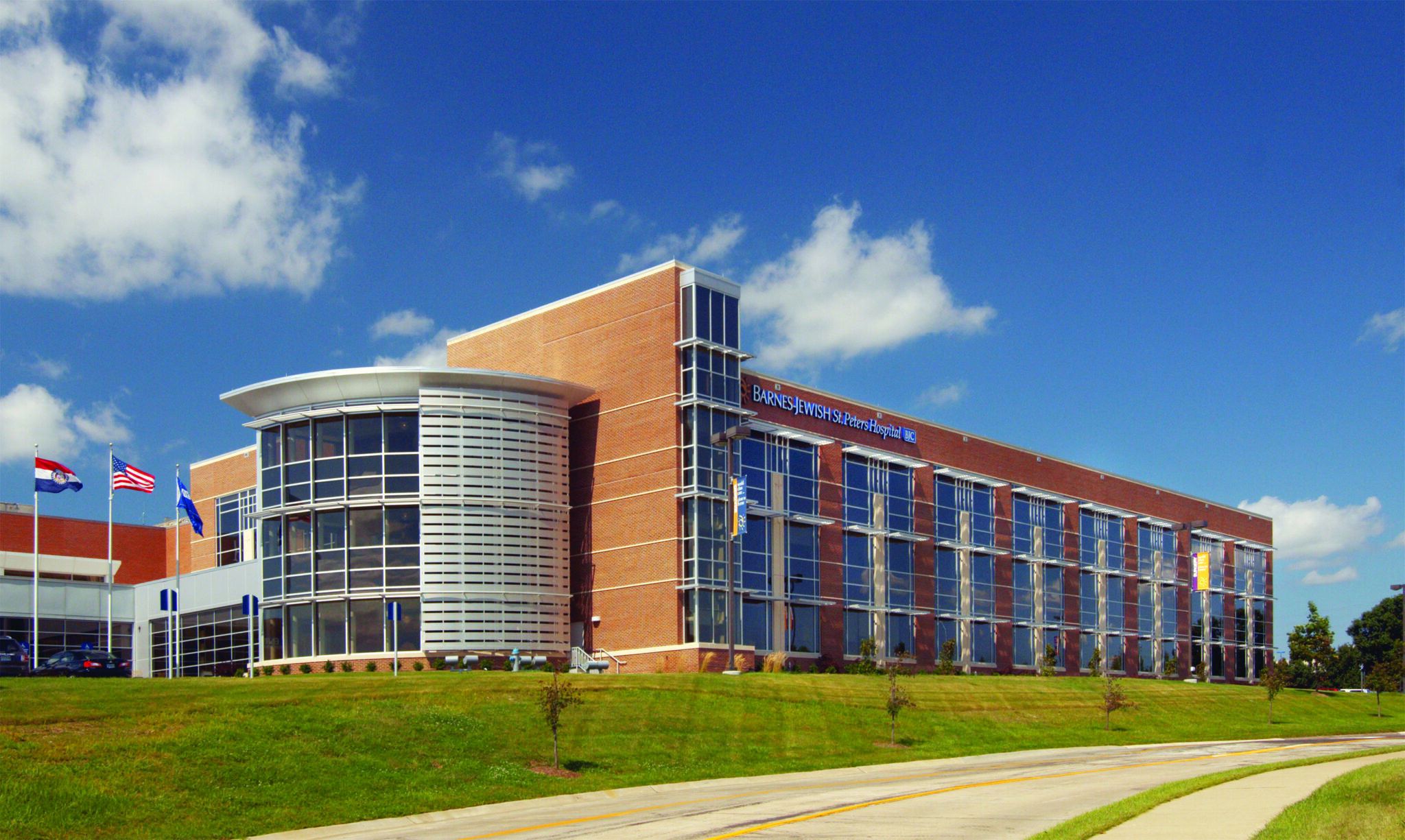
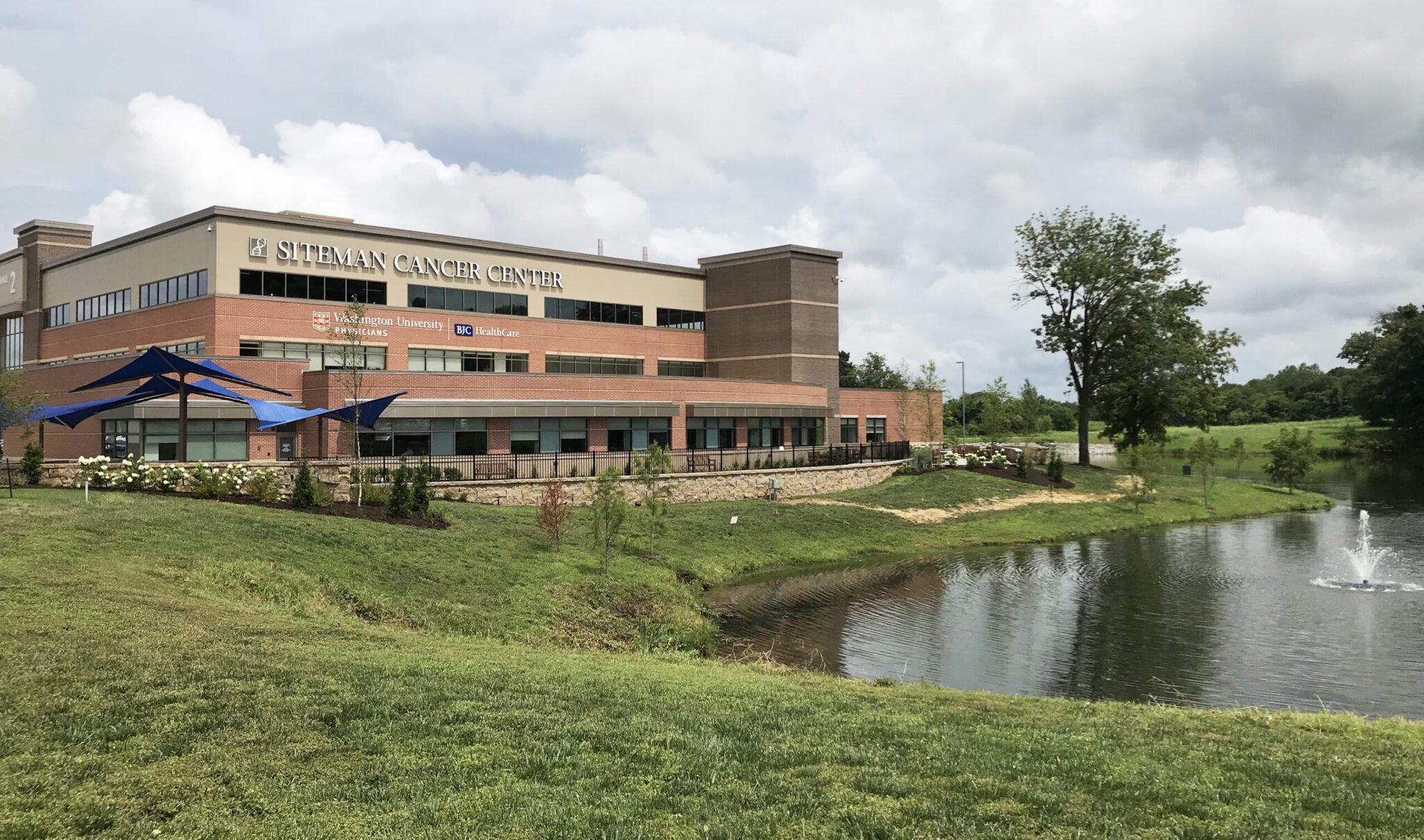
Our Locations