

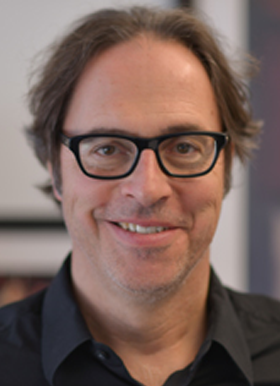

Researcher Background
Primary Academic Title
Professor of Medicine, Division of Oncology, and Co-Director, Section of Molecular Oncology, WashU Medicine
Training
- 1983 - 1985: Intern and Resident, Internal Medicine, New England Deaconess Hospital and Harvard Medical School, Boston, MA
- 1985 - 1986: Visiting Scientist, Massachusetts Institute of Technology, Boston, MA
- 1986 - 1987: Chief Resident, Internal Medicine, New England Deaconess Hospital and Harvard Medical School, Boston, MA
- 1987 - 1988: Clinical Fellow, Medical Oncology, Dana Farber Cancer Institute and Harvard Medical School, Boston, MA
- 1987 - 1990: Clinical Fellow, Hematology, Brigham and Women's Hospital and Harvard Medical School, Boston, MA
- 1988 - 1992: Postdoctoral Research Fellow, Whitehead Institute for Biomedical Research and Massachusetts Institute of Technology, Cambridge, MA
Education
- 1979: MS, University of Toronto, Toronto, ON
- 1983: MD, McGill University, Montreal, QC
Research & Selected Publications
Research Interest
The Longmore laboratory major research focus is to determine how tumor cells and their immediate environment communicate with one another to facilitate tumor cell invasion, migration, and metastasis. In general, Cell adhesions and Cell Migration. The laboratory has identified and validated a number of novel pathways and putative targets with the potential for development of novel therapeutics. We use multidisciplinary approaches that include: molecular cell biology, mechanobiology, computational simulation, and various live 3D imaging modalities.
Research Publications