

- Home
- About Siteman Cancer Center
- Committees
Committees
The internal and external committees at Siteman Cancer Center, Barnes-Jewish Hospital, and WashU Medicine are key to our success, as well as the success of our patients. They do this by assessing and suggesting ways to improve in patient safety and care, cancer research, drug administration, clinical trials, support programs and much more.
Internal Committees
Barnes-Jewish Hospital’s Cancer Committee is comprised of specialists from different fields involved in the diagnosis, treatment and support of cancer patients at Barnes-Jewish Hospital, as well as the cancer prevention in the community. The committee has a number of objectives, which include:
- Developing and assessing the hospital’s cancer care goals
- Promoting a coordinated multidisciplinary approach to patient care
- Advising in drug distribution and control
- Evaluating adverse drug reactions and medication errors
- Organizing cancer seminars
- Creating an active supportive care system for patients, families and staff
Chair: David Mutch, MD
Cancer Liaison Physician: Mattew Mutch, MD
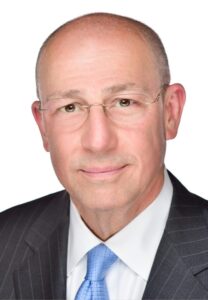 Timothy Eberlein, MD Director |
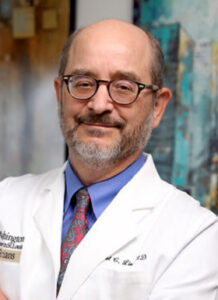 Daniel Link, MD Deputy Director |
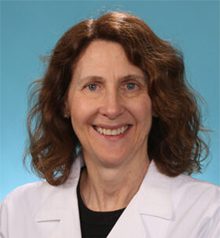 Nancy Bartlett, MD Chair, Quality Assurance & Safety Monitoring Committee |
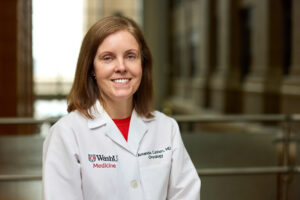 Amanda Cashen, MD Co-Chair, Clinical Research Committee Associate Director, Clinical Research |
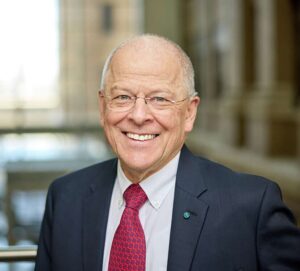 Graham Colditz, MD, DrPH Associate Director, Prevention and Control |
 Jorge Di Paola, MD Professor and Division Chief of Hematology and Oncology, Department of Pediatrics |
 Bettina Drake, PhD, MPH Associate Director, Community Outreach & Engagement |
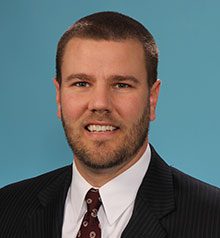 Nick Fisher, MBA Executive Director, Research & Business Administration |
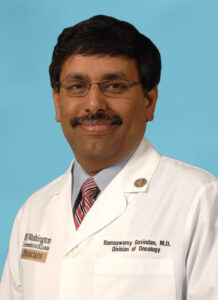 Ramaswamy Govindan, MD Associate Director, Translational Research |
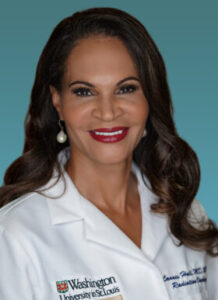 Lannis Hall, MD, MPH Co-Chair, Clinical Research Committee Director, Clinical Studies Outreach |
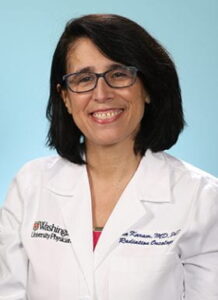 Sana Karam, MD, PhD Professor and Chair of Radiation Oncology |
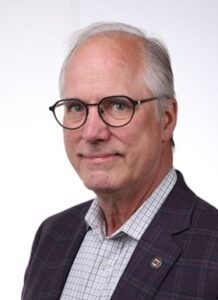 Jeff Michalski, MD, MBA Professor of Radiation Oncology |
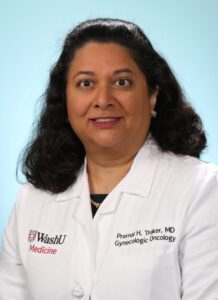 Premal Thaker, MD, MS Professor and Director of Gynecologic Oncology Clinical Research |
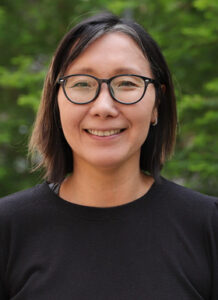
Yi Zhang, RN, JD |
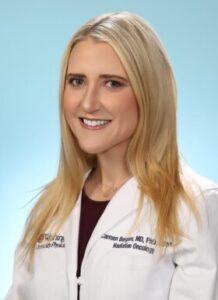 Carmen Bergom, MD, PhD Associate Professor of Radiation Oncology |
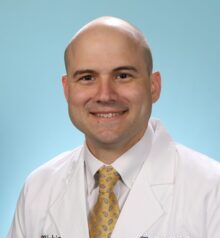 Will Chapman, Jr, MD, MPHS Assistant Professor of Surgery |
 Milan G. Chheda, MD Associate Professor of Medicine, Division of Medical Oncology |
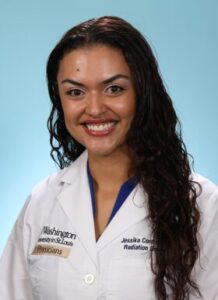 Jessika Contreras, MD Associate Professor of Radiation Oncology Chief, Gynecological Oncology and Brachytherapy |
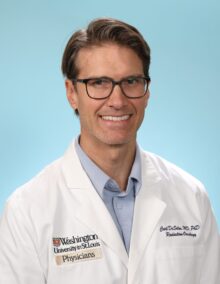 Carl DeSelm, MD, PhD Assistant Professor of Radiation Oncology |
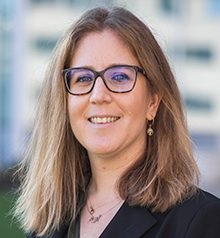 Aimilia Gastounioti, PhD Assistant Professor of Radiology |
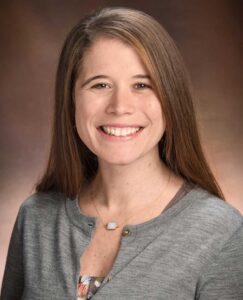 Abby Green, MD Assistant Professor of Pediatrics Assistant Professor of Pathology and Immunology |
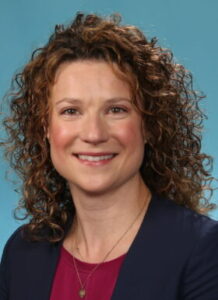 Ashley Housten, OTD, MSCI, OTR/L Assistant Professor of Surgery, Division of Public Health Sciences |
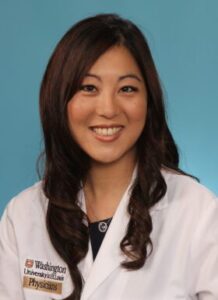 Lindsay Kuroki, MD, MSCI Associate Professor of Obstetrics & Gynecology Associate Division Director of Gynecologic Oncology |
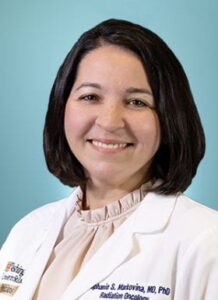
Stephanie Markovina, MD, PhD |
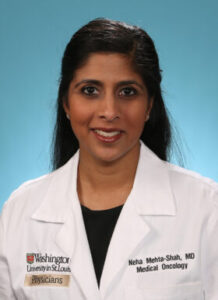 Neha Mehta-Shah, MD, MSCI Associate Professor of Medicine, Division of Medical Oncology |
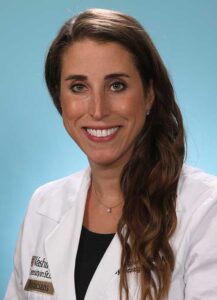 Maggie Mullen, MD, MSCI Assistant Professor of Obstetrics and Gynecology |
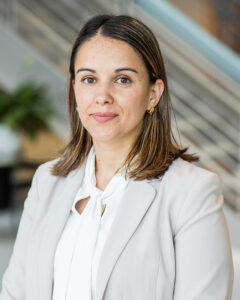 Patricia Pereira, PhD Assistant Professor of Radiology |
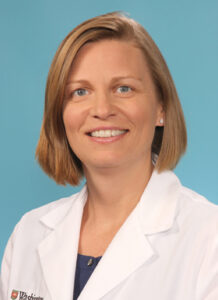 Lindsay Peterson, MD, MSCR Associate Professor of Medicine, Division of Medical Oncology |
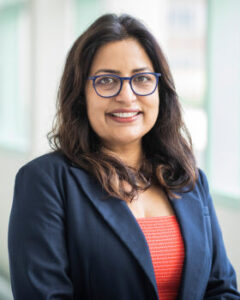 Monica Shokeen, PhD Associate Professor of Radiology Director, Molecular Imaging Center |
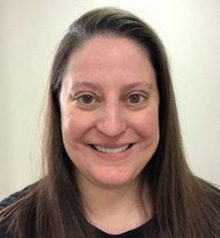 Amber Stratman, PhD Assistant Professor of Cell Biology & Physiology |
 Priyanka Verma, PhD Assistant Professor of Medicine |
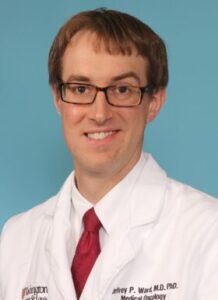 Jeffrey Ward, MD, PhD Assistant Professor of Medicine |
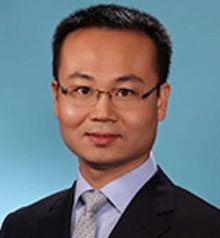 Jin Zhang, PhD, MPHS Assistant Professor of Radiation Oncology |
Outreach & Education (OE) Liaisons serve a critical role in support of Siteman Cancer Center (SCC). These leaders are focused on assessing gaps and bridging activities between the cancer center’s research program and components, including: Cancer Research Training and Education Coordination (CRTEC) and Community Outreach and Engagement (COE). Each of the seven research programs has one liaison selected to represent their program.
Benefits
- Named cancer center leadership role
- 10% annual salary support; continuation will be assessed annually and offered on an individual basis
- On-boarding and orientation to the Cancer Center Support Grant (CCSG), Siteman Cancer Center structure, exposure to the program leader and component leader roles, opportunity to impact and drive change in cancer center activities and investments throughout the center
- Will gain critical cancer center experience useful for any future leadership roles within a cancer center
Eligibility
To be considered for an OE Component Liaison position, investigators must be:
- An assistant professor or higher
- Able to commit 10% of their effort per year to the liaison role
- A Siteman Cancer Center Member
- May be an associate member or full CCSG member
- Health Equity Fellows and Emerging Leaders Council participants and alumni are encouraged to apply
Responsibilities and Expectations
- Identify ongoing efforts clearly tied to COE/CRTEC-related priorities through the evaluation of all active research (current grants and recent publications) within a specific Siteman Cancer Center research program
- Identify key gaps related to COE/CRTEC priorities and any barriers that may exist in launching successful COE/CRTEC research activities in the program, based on the understanding of a program’s current research portfolio
- Work with program leaders to identify the program’s specific COE/CRTEC related goals/priorities. In preparation for the annual CCSG progress report and EAC, propose at least one program-oriented goal for each component (goals can be shared between the three components) for the upcoming year and what actions are needed to reach the established goal
- Help define and monitor success of COE/CRTEC-related efforts within the program. In preparation for the annual CCSG progress report and EAC, draft language for the progress report and component-related slides for the EAC presentation reporting successes over the past year and accomplishments made towards the previously identified program goals. OIE liaisons will be the point of contact responsible for requesting data from each of the components in advance of their EAC presentations
- Facilitate bi-directional communication between the program and the COE/CRTEC teams. Help advance the program’s specific COE/CRTEC related goals. Attend program leadership meetings (~6/year) and share component-specific info with program leadership. Attend meetings with component associate directors quarterly to ensure understanding of current initiatives and share information from the respective research program to the OE components
- Meet with other OE liaisons as a team at least quarterly, in preparation for the progress report and EAC, to debrief regarding EAC feedback and plans to address identified gaps, and to get update from component associate directors
Applications
Applications are currently not being accepted for this role. Questions about the role or future cycles may be emailed to: [email protected].
External Committees
For a full list of Siteman Cancer Center’s EAC members, click here: External Advisory Committee Members (PDF)
Siteman Cancer Center’s External Advisory Committee (EAC) comprises renowned directors and research leaders from other NCI-designated cancer centers. The committee also includes an administrative leader and a patient advocate. The EAC plays a key role in guiding Siteman as it grows and evolves.
The Community Advisory Board (CAB) was established over 15 years ago to guide Siteman’s community outreach. It is led by community and academic co-chairs. CAB membership has been expanded to align with changing community needs.
To maintain appropriate balance between community and academic perspectives, no more than four academic members attend any one CAB meeting. In addition to the two leaders, the CAB currently includes 12 community members with varied expertise.
The COE also supports three cancer-specific partnerships, focused on breast, prostate, and colon cancer initiatives in the community. Each cancer-specific community partnership is co-led by one academic and one community member or survivor, and at least one representative from each group is a CAB member. An additional 25 community members partner with COE through these partnerships. In the past 15 years, this group has provided expertise on outreach, research, and training to promote health equity for minority, rural, and medically underserved populations in Siteman’s 82-county catchment area.
Patient and Family Advisory Council
Patients and their families are at the heart of what Siteman does, and for us to understand their needs, they need to have a voice. That is why the leaders of Siteman Cancer Center and BJC started the Patient and Family Advisory Council (PFAC) — as an opportunity to hear patients and caregivers input on oncology services and initiatives. The result was a mission-driven group of patients and caregivers as well as employees who work in oncology-related departments. The PFAC has been an active and essential part of Siteman’s work since 2011.
The PFAC has woven itself into all that Siteman does. PFAC members and their efforts continuously make Siteman a better place for patients and their loved ones to receive their care and a better place for our experts to work.
PFAC’s Impact
PFAC members influence policy and messages for Siteman patients and their families. Some notable early work of the group includes:
- Reviewing the overnight visitor policy
- Establishing the Distress Measurement Pilot Committee
- Implementing the Distress Screening at most of Siteman’s clinical practices within Radiation Oncology and Gynecologic Oncology
- Collaborating on construction for the Siteman Cancer Center – South County facility
- Promoting awareness of PFAC to BJC leadership through video media
PFAC’s Work to Create Therapeutic Spaces
A key way the PFAC has made a difference for patients and their loved ones is through collaborating on campus renewal projects like new building construction. Many PFAC members have been patients or caregivers or work directly in oncology care. They bring that specific and unique perspective to how buildings can be designed to anticipate and meet needs of people with cancer.
Frequently the PFAC is asked to advise on finishes for a Siteman building, providing input on fabrics, interior colors, and furniture as well as room setup and floor layout and outdoor green spaces. After seeing early blueprints of Parkview Tower, the PFAC advocated for a revision that addressed an oversight: the need for a quiet, private space for staff working working with patients. The requested change allowed oncology care team members to step away, if needed. Because of the PFAC’s perspective, now each oncology floor in Parkview Tower has respite rooms for nurses, patient care techs, and others to use at their discretion.
PFAC’s Vision
We advocate for improving the care and experience of our Siteman patients, families and team members by sharing and expanding the patient and family voices.
Our Mission
The PFAC ensures that patient and family voices are an integral part of delivering the highest standard of safe, comprehensive and compassionate cancer care and services.
PFAC Accomplishments and Activities:
- Administered “Powered by Hope” award program
- Partner with the Survivorship team to develop patient education materials
- Key contributor to the patient engagement initiative
- Provided feedback for the new patient-centered resource landing page on the Siteman website
- Participation in ongoing work with the patient experience team
- Started “Death Over Dinner,” a series that normalizes the discussion of death, grief, and other topics
PFAC has on-going representation and active participation in:
- PCORI I-Hope research grant on inpatient services. Read about PCORI I-Hope here.
- Barnes-Jewish Hospital Ethics Committee
- Siteman Cancer Committee
- National Comprehensive Cancer Consortium for Quality Improvement/PFAC workgroup for member cancer centers
- Patient Celebration Committee
- Patient Safety and Quality Committee
- Present to various staff groups describing the vision, mission, help and perspective that PFAC offers
PFAC Membership
PFAC members serve a two-year term and meet on a monthly basis. Meetings take place in the evenings. Siteman’s PFAC welcomes applications from patients and caregivers at any time. Interested iindividuals are asked to complete a PFAC Interest Questionnaire.
To learn more, please contact Tate Rondot, the PFAC manager, at 314-262-1330 or [email protected].