

Research at Siteman Cancer Center
Siteman Cancer Center at Barnes-Jewish Hospital and WashU Medicine has a mission to prevent cancer in the community and transform cancer patient care through scientific discovery. We accomplish this through exceptional research at WashU Medicine, Barnes-Jewish Hospital, St. Louis Children’s Hospital, and BJC HealthCare.
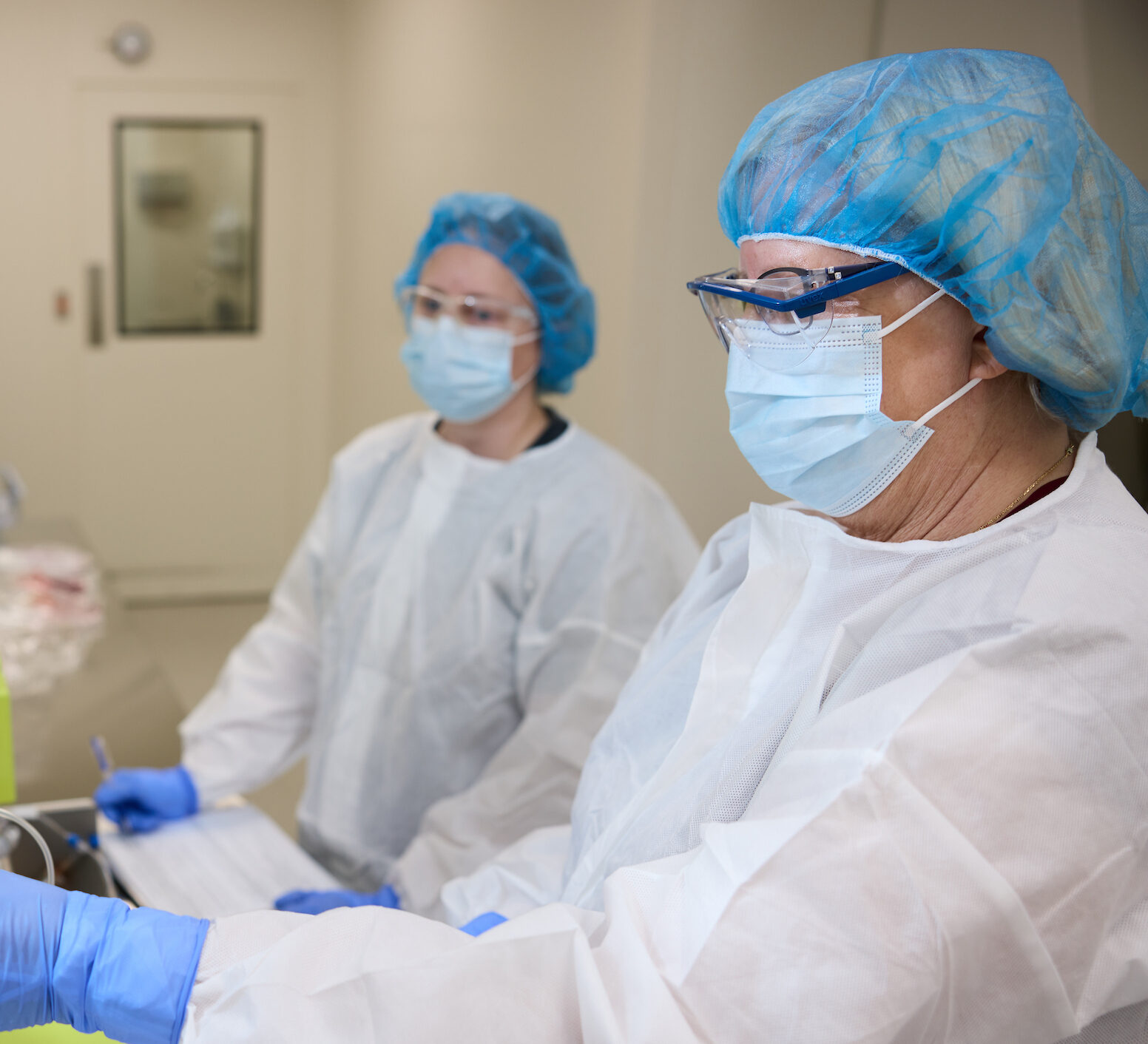
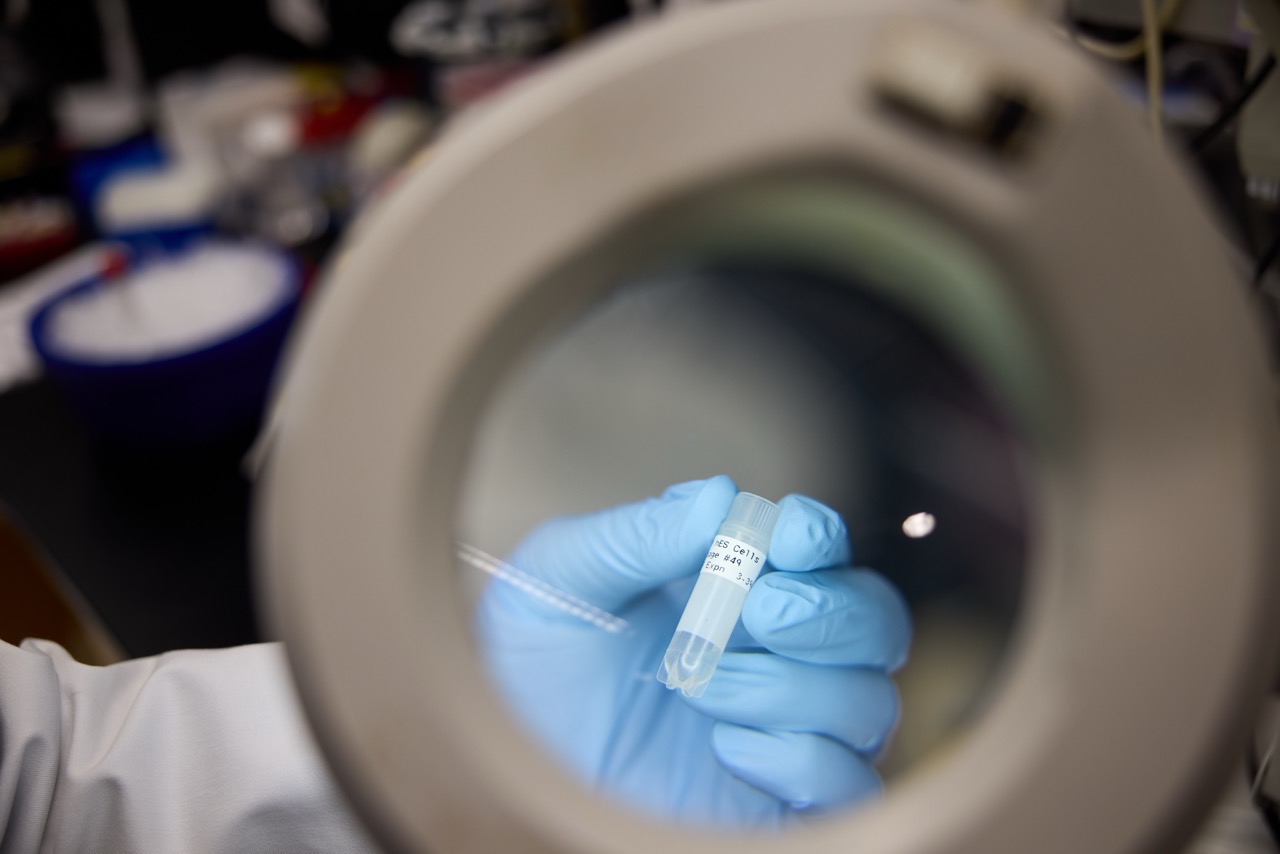
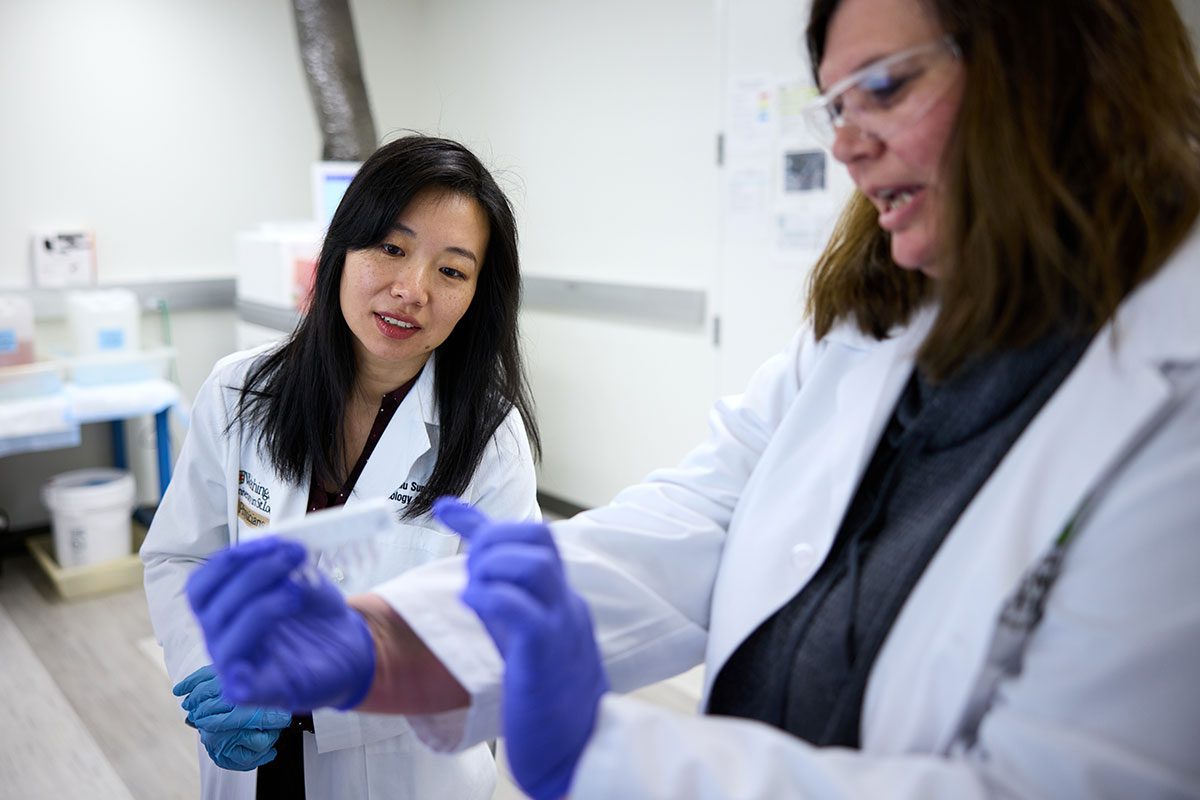
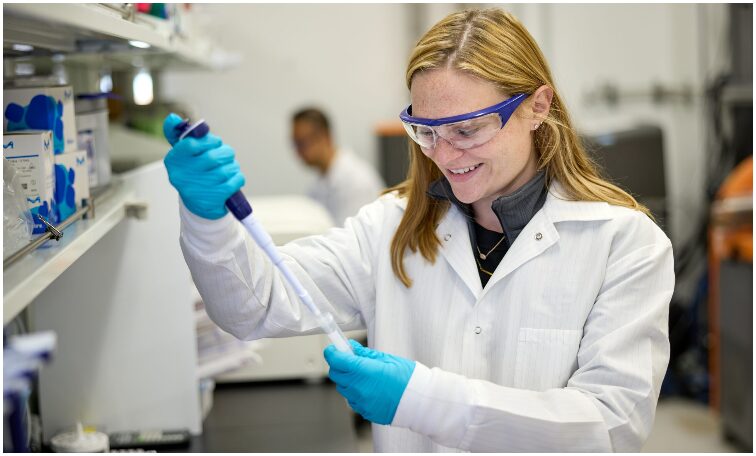
Siteman Cancer Center members/researchers have successfully conducted paradigm-shifting research to further understand the mechanisms of cancer pathways, speed the conduit from bench to bedside, and implement prevention strategies that impact cancer screening, incidence, and mortality in our catchment area. This progress is attributable to Siteman’s seven research programs, 11 shared resources, education and training, pilot funding programs, and community outreach. Research Programs promote novel, multidisciplinary cancer research and encourage intra, inter, and cross-institution collaboration. Siteman shared resources provide high quality imaging, genomics, proteomics, immunomonitoring, flow cytometry, informatics, and biostatistics services to Siteman members at subsidized rates to facilitate cutting edge science.
Siteman Cancer Centers NCI Comprehensive Cancer Center status recognizes Siteman’s commitment, discovery, and innovation across the translational continuum; specifically, in three major areas.
- Prevention, control, population-based science (including public health research): Includes researchers studying health outcomes at the population level to determine the effects of diseases and efforts to prevent, diagnose, and treat them. Findings help guide scientists working to assess the effects of current interventions and to develop new ones.
- Basic Laboratory Research: Basic Laboratory Research generates fundamental knowledge about the nature and behavior of living systems. Through basic science, researchers are able to answer questions about how life works; for example, how cells talk to each other, what controls gene activity, and how diseases develop. This knowledge serves as the foundation for biomedical advances and leads to better ways to predict, prevent, diagnose, and treat disease.
- Preclinical and Clinical (Translational) Research: Preclinical research is intended to further understand the basis of a disease or disorder and find ways to treat it. Testing is carried out using cell or animal models of disease; samples of human or animal tissues; or computer-assisted simulations of drug, device or diagnostic interactions within living systems. Clinical Research aims to better understand a disease, new technology, treatment, intervention, behavior, and/or outcomes.