
Siteman investment program awards $1.89 million in cancer research grants

Siteman Cancer Center at Barnes-Jewish Hospital and Washington University School of Medicine is pleased to announce funding for nine new projects. These include research focused on:


  • Improving CAR T-cell therapy for lymphoma
  • Identifying new treatment targets for leukemia
  • Better understanding how myelodysplastic syndromes (MDS) develop
  • Identifying a treatment for a broad range of myeloproliferative neoplasms (MPNs) independent of individual mutations
  • Improving outcomes for brain tumors in children


The projects will benefit from $1.89 million in new grants awarded through the Siteman Investment Program. The goal of the grants is to support and accelerate the pace of innovation in cancer research. The money awarded comes from a variety of sources: Pedal the Cause annual bike event and Illumination Gala through the Cancer Frontier Fund at The Foundation for Barnes-Jewish Hospital; the Cancer Center Support Grant (CCSG) from the National Cancer Institute; the Alvin J. Siteman Cancer Research Fund; the Siteman Discovery Fund; Swim Across America – St. Louis; and various philanthropic gifts via Siteman Cancer Center.

This grant cycle also includes a new clinical trial focused on a combination immunotherapy treatment for metastatic castrate-resistant prostate cancer that will expand the horizons for improved understanding of how the immune system responds to and may guide treatment of this disease.

The funded research projects are described below.

New Clinical Trial Category

Project Title: A Phase Ib Study Evaluating the Safety and Tolerability of Sipuleucel-T (Sip-T) in Combination with an N-803 in Patients with Metastatic Castrate-Resistant Prostate Cancer (mCRPC)

Russell Pachynski Md (1)
Russell Pachynski, MD

Principal Investigator (PI): Russell Pachynski, MD

Daniel Thorek PhD
Daniel Thorek, PhD

Co-PI: Daniel Thorek, PhD


Goal: To determine the recommended phase 2 dose of an immunotherapy treatment for metastatic castrate-resistant prostate cancer that combines a protein called N-803 with a Food and Drug Administration (FDA)-approved cellular immunotherapy called sipuleucel-T (Provenge). Researchers hypothesize that the combination will have an acceptable safety profile and will be feasible to administer in this population.


Project Summary: Immunotherapy is an emerging treatment platform for cancer patients that can be highly effective. However, only a subset of patients demonstrates long-term responses. A persistent challenge has been how to identify patients that would benefit, and how to enhance immunological treatments to benefit more patients. This proposal addresses these critical issues by:


  • Combining two immunotherapies that the researchers have shown work together in preclinical models
  • Advancing a promising functional scanning technology to noninvasively characterize the immune response in these patients


Prostate cancer is the second most diagnosed cancer in males. Surgery or radiation can be curative when treated early and localized to the prostate; however, it is incurable once it has spread. Novel modes of treatment are needed. The researchers propose to combine Sipuleucel-T, an FDA-approved adoptive cell therapy for prostate cancer with modest outcomes, with N-803, an immunostimulatory engineered protein that binds to interleukin-15, a cytokine involved in activating immune cells. N803 has recently been FDA-approved for bladder cancer. The researchers will establish optimal dose and schedule for this new combination approach across three treatment cohorts. They will study the immune responses in blood, and use novel, functional noninvasive imaging of the active immune system using a novel radiotracer (specific for an immune mediator called granzyme-B). Together, this work is immediately impactful to men with prostate cancer and expands the horizons for the improved understanding of how the immune system responds to and may guide treatment.

Pre-R01 Category

Project Title: Mechanisms Driving Obesogenic Diet-accelerated Gliomagenesis in NF1
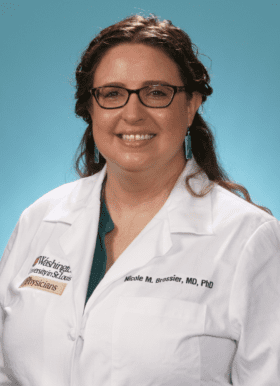
Brossier Nicole Peds 1400x1930 280x386
Nicole Brossier, MD, PhD

Principal Investigator: Nicole Brossier, MD, PhD


Goal: To improve the outcomes for brain tumors in children. This proposal aims to determine how different dietary components (fat and sugar) affect tumor formation, epidermal growth factor (EGF) levels and epidermal growth factor receptor (EGFR) signaling in a murine model of pediatric brain tumor formation, and then to determine whether inhibition of EGFR prevents diet-accelerated tumor formation in this model. This information will be used to improve dietary counseling in patients and to design subsequent studies testing the benefits of risk-adapted therapeutic strategies in children with brain tumors and poor dietary exposure.

Project Summary: As we enter into an era of precision pediatric oncology, it is becoming increasingly important to identify the factors that underlie the risk of brain tumor development. This challenge is particularly relevant for individuals with cancer predisposition syndromes like NF1, where 15-20% of children born with a germline NF1 gene mutation develop optic pathway gliomas (OPGs). Our inability to provide accurate risk assessment information for these young children leads to frequent sedated neuroimaging, suboptimal visual screening and delays in instituting treatment for those at greatest risk. The researchers recently performed pre-clinical studies that found exposure to an unhealthy, obesity-promoting diet (obesogenic diet, Ob) increased the likelihood of OPG development in NF1 mouse models. They also identified that these animals have much higher levels of epidermal growth factor (EGF) in their blood. Based on these observations, as well as findings that a high-fat diet drives tumor formation in other tumor types through activation of the EGF receptor (EGFR), the researchers hypothesize that high dietary fat intake drives NF1-OPG formation through increased EGFR signaling. In this grant, they propose to perform a detailed analysis of how different diets (high-fat, high-sugar or high-fat, high-sugar) affect NF1-OPG formation and how this correlates with circulating EGF levels. They will then inhibit EGFR through genetic and pharmacologic means in Ob-diet-driven NF1-OPG to determine whether this impairs tumor formation. Taken together, these experiments will determine how dietary composition affects tumor formation and the role of EGF in this process. This will provide a foundation for future investigations to determine whether EGF may be used as a biomarker to detect children at higher risk of NF1-OPG due to dietary exposure and to ascertain whether EGFR-directed therapy could be a useful addition to the existing treatment strategy of NF1-OPG in children with poor diets.

Project Title: Enhancing CAR T-cell Therapy for Diffuse Large B-cell Lymphoma

John Dipersio Md Phd Headshot
John DiPersio, MD, PhD

Principal Investigator: John DiPersio, MD, PhD


Goal: To improve anti-CD19 chimeric antigen receptor T cell (CART19) therapy for patients with relapsed or refractory large B-cell lymphoma (r/r LBCL). Currently, long-term disease-free survival with commercial CART19 in r/r LBCL is only about 40%, so more strategies to improve the efficacy of CART19 are warranted.


Project Summary: Diffuse large B-cell lymphoma (DLBCL) is a common type of fast-growing non-Hodgkin lymphoma. In about 33% of patients, DLBCL returns after the first treatment (relapsed DLBCL), or the first treatment is not effective and the patient is not cured (refractory DLBCL). The FDA has approved three chimeric antigen receptor T-cell (CAR-T) therapies for use in adults with relapse or refractory DLBCL. T cells are a part of the immune system and help protect the body from infection and cancer. CAR-T therapy involves engineering healthy T cells to attack cancer cells. Unfortunately, about 50% of patients treated with CAR-T cells will relapse again with DLBCL within eight months. Interleukins are a type of protein that help activate our immune system to fight infections and cancer. Three interleukins named IL-7, IL-15, and IL-21 are especially effective at helping T cells survive, proliferate and kill infected cells. In this proposal, the researchers are testing if IL-7, IL-15 and IL-21 can help CAR-T cells kill DLBCL. Since interleukins are very short-lived and only last for one to two hours, they are testing novel long-acting versions of IL-7, IL-15 or IL-21 that last two to three days in humans. In part 1 of their proposal, the researchers are performing a clinical trial to determine if a drug named NT-I7, which is a long-acting version of IL-7, is safe and effective in helping CAR-T cells kill DLBCL tumors. In part 2, they are testing a new compound named HCW9206 that merges IL-7, IL-15 and IL-21 into a single long-acting drug. Their studies with HCW9206 will test its safety and ability to help CAR-T cells kill DLBCL in mice.


Project Title: Targeting Myeloid-biased Multipotent Progenitor to Rebalance Lineage Output in MPNs

Yoon A Kang Phd
Yoon-A Kang, PhD

Principal Investigator: Yoon-A Kang, PhD


Goal: To identify a treatment for a broad range of myeloproliferative neoplasms (MPNs) independent of individual mutations. This project will focus on cells called multipotent progenitor 3 (MPP3), the expansion of which are common in a range of MPNs, and will investigate whether the process of controlling MPP3 blood cell production mechanisms can be targeted to regulate the excessive production of myeloid cells and form the foundation of a future therapy.


Project Summary: Myeloproliferative neoplasms (MPNs) are a group of diseases characterized by too many white blood cells, red blood cells or platelets in the bone marrow. There are several well-known disease-causing mutations, and researchers have targeted these mutations to develop treatments. Although targeted therapies have revolutionized MPN treatment, they are not curative in most cases as the mutant cell population driving disease development and recurrence is usually not eradicated. However, their success in controlling disease development and progression has shown the clinical importance of normalizing blood production in disease contexts. Additionally, there are patients without known driver mutations, with no targetable driver mutations or who develop resistance to targeted therapies. Therefore, a better understanding of the mechanisms underlying myeloid cell expansion, a shared feature of various MPNs, is necessary to develop new treatments to be used in combination with current targeted therapies or as alternatives for patients who are ineligible for current therapies. The goal of this study is to find a treatment that is applicable to a broad range of MPNs independent of individual mutations. The researchers’ previous work found there is a specific immature bone marrow population, called multipotent progenitor 3 (MPP3), that can generate white blood cells, red blood cells and platelets. Importantly, MPP3 is expanded in various MPN mouse models regardless of their driver mutations. Interestingly, distinct MPP3 subsets are specifically increased corresponding to the overproduced mature cell types in MPNs. This indicates that controlling the production of different MPP3 subsets can regulate disease development and progression irrespective of disease-causing mutations. For this project, the researchers propose to study two commonly dysregulated pathways in human blood malignancies to control the production of distinct MPP3 subsets. Their study will provide insights into the common mechanism underlying MPN development and foundations to develop broadly applicable therapeutic interventions.

Project Title: Targeting HOXB13-mediated Immune Suppression of Prostate Cancer

Kiran Mahajan Phd
Kiran Mahajan, PhD

Principal Investigator: Kiran Mahajan, PhD

Nupam Mahajan Phd
Nupam Mahajan, PhD

Co-PI: Nupam Mahajan, PhD


Goal: To demonstrate that a protein called HOXB13 can be targeted to treat prostate cancer with novel combination therapies. The study will benefit African American patients expressing increased HOXB13 through genetic and epigenetic mechanisms.


Project Summary: Prostate cancer disproportionately affects African American men compared to white men. Recently, a HOXB13 variant (X285K) predisposing to prostate cancer in men of West African ancestry was reported in a large-scale germline genetic testing. HOXB13-X285K was significantly enriched in self-reported Black (1.01%;~21000 men screened) versus white (0.01%) patients. HOXB13-X285K carriers tended to have more aggressive disease, due to increased protein stability that resulted in an increase in cell proliferation. Besides germline mutations, gain-of-function modification in HOXB13 bump up HOXB13 RNA and protein levels. Thus, screening for HOXB13 expression and development of effective treatments is critical to improve clinical outcomes. Prostate-Specific Membrane Antigen-Targeted Imaging (PSMA-PET) imaging could be combined with molecular profiling of prostate biopsies for HOXB13 expression in white and African American patients for early detection and treatment of aggressive prostate cancers.

Results from this study will reveal previously unknown epigenetic regulation of immune suppression in prostate cancer. The researchers’ pre-clinical studies will advance the use of other checkpoint inhibitors alone or in combination with PD-L1/PD-1 axis to overcome poor response to immunotherapy. The results will provide the basis for combination therapies to improve treatment outcomes for prostate cancer patients.

Project Title: Regulation of Hematopoietic Stem Cell Metabolism by Stathmin 1

Laura Schuettpelz Md Phd
Laura Schuettpelz, MD, PhD

Principal Investigator: Laura Schuettpelz, MD, PhD


Goal: To determine how the gene called Stathmin 1 (Stmn1) regulates hematopoietic stem cell (HSC) metabolism and contributes to hematopoietic malignancies, especially leukemia. The researchers predict that high levels of Stmn1 support the needs of growing leukemic cells, and that it may be a new therapeutic target on which to focus.


Project Summary: The gene stathmin 1 (Stmn1) is expressed at high levels in normal blood stem cells and is overexpressed in blood cancer cells. The researchers’ preliminary studies suggest that Stmn1 is important for supporting various aspects of healthy blood stem cell metabolism, including maintaining healthy mitochondria and protein turnover in the cell. They predict that high levels of Stmn1 in leukemia cells are necessary to sustain the unique metabolic needs of leukemia cells. The proposed studies will determine the mechanisms by which Stmn1 influences blood stem cell metabolism, and in future studies researchers will determine whether inhibition of Stmn1 impairs the growth of leukemic blood cells. Ultimately, these studies will test Stmn1 as a novel therapeutic target to treat leukemia. As Stmn1 is overexpressed on multiple types of blood cancers, and loss of Stmn1 in mouse models has few effects outside of the blood system, the researchers predict that Stmn1-directed drugs could be useful to treat a wide variety of leukemias with limited side effects.


Project Title: Defining How the Role of DDIT4 in Mitochondrial Metabolism and Turnover Impacts Chemotherapy Responses in Acute Myeloid Leukemia

Stephen Sykes Phd

Principal Investigator: Stephen Sykes, PhD


Goal: To identify molecular pathways that support chemotherapy resistance in acute myeloid leukemia (AML) and utilize that information to identify potential new therapeutic targets. This proposal will specifically focus on a protein called DNA-Damage Induced Transcript 4 (DDIT4) that the researchers hypothesize supports AML cell survival and chemotherapy resistance and will establish that targeting this protein in a certain pathway will have therapeutic potential for leukemia patients.


Project Summary: Annually, approximately 1 in 12,500 Americans are diagnosed with acute myeloid leukemia (AML), and more than 12,000 die from the disease. The overall survival rate of AML patients is below 25% for adults and 70% for children, and these poor outcomes are largely due to high rates of resistance to the current standard-of-care treatments and disease relapse. The researchers have discovered that a protein called DDIT4 (DNA-Damage Induced Transcript 4) may play a central role in how AML cells evade current chemotherapies. This project will decipher the molecular mechanisms by which DDIT4 promotes chemotherapy resistance as well as test whether pharmacological targeting of DDIT4 enhances the anti-leukemia effects of current chemotherapies.


Project Title: Rescuing BRCA1 Haploinsufficieny and DNA Replication Fork Stability with Antisense Oligonucleotides

Alessandro Vindigni Phd
Alessandro Vindigni, PhD

Principal Investigator: Alessandro Vindigni, PhD

Sergej Djuranovic Phd
Sergej Djuranovic, PhD

Co-PI: Sergej Djuranovic, PhD


Goal: To study early detection strategies for breast and ovarian cancer in women with BRCA1 or BRCA2 gene mutations and research molecularly guided and nonsurgical interventions to prevent tumor development.


Project Summary: More than 1 in 500 women are affected by mutations in the breast cancer susceptibility genes BRCA1 or BRCA2. While it is known that these women have up to an 80% risk of developing breast and ovarian cancer in their lifetime, exactly why these cells become cancerous is unknown. The only preventive options currently available are risk-associated prophylactic surgeries of ovary/fallopian tube and breast removal, which result in surgical menopause and significant aesthetic consequences. Therefore, two major challenges that women with BRCA1 or BRCA2 gene mutations currently face are the lack of:


  • Early detection strategies to identify which carriers will develop these malignancies
  • Molecularly guided and nonsurgical strategies to prevent breast and ovarian tumor development

This project joins experts in DNA replication (Alessandro Vindigni, PhD), RNA processing (Sergej Djuranovic, PhD), and ovarian cancer (Mary Mullen, MD, MSCI) to tackle these challenges. The researchers know that BRCA1 is important for DNA replication and it helps protect the genome. Women with mutations in the BRCA1 gene have less BRCA1 protein in their cells. The researchers believe this lack of BRCA1 protein causes problems with DNA replication. These problems lead to more mutations in the genome, which can cause cells to become cancerous. They will test these new ideas using fallopian tube cells, new technologies from the Vindigni lab, and samples from patients. Next, they will use a technology developed by the Djuranovic lab called “antisense oligonucleotides” to increase BRCA1 protein levels. The researchers think that by increasing this protein, they can stop the unstable replication forks and prevent mutations that cause these cancers. Collectively, their studies will:


  • Define the early changes that happen when normal fallopian tube cells with BRCA1 gene mutations turn into tumors
  • Establish novel nonsurgical strategies to prevent ovarian cancer development in women with BRCA1 gene mutations

Project Title: Modulating TP53 Activity to Target Splicing Factor-mutant Blood Cancers

Matthew Walter Md

Principal Investigator: Matthew Walter, MD


Goal: To begin developing a new way to treat patients suffering from myelodysplastic syndrome, or MDS, by understanding how blood cells with mutations grow and expand. This project will test the safety and efficacy of selectively eliminating mutated blood cells by hyperactivating a pathway that reduces their growth, which could improve patients’ lives.


Project Summary: Myelodysplastic syndromes (MDS) are one of the most common types of blood cancer in adults. MDS patients suffer from problems related to low blood counts, including life-threatening infections and bleeding. Once MDS develops, the only cure is a bone marrow transplant. However, most patients are not eligible for a transplant due to their advanced age and other illnesses. Understanding how MDS develops may help researchers identify new ways to treat patients with MDS.


Up to half of MDS patients have mutations in genes in their blood cells that regulate how RNA is stitched together in a cell, called RNA splicing. A goal of this project is to understand how blood cells with a gene mutation that controls RNA splicing grow, expand and cause MDS. The researchers observed that early after a cell gets an RNA splicing gene mutation, mutant cells grow slower than normal cells. However, over time, a mutated cell changes and outgrows normal cells, causing MDS and other blood cancers. The researchers are studying what happens early after a mutation occurs in a blood cell so they can identify ways to kill cells with the mutation.


Their initial studies identified a pathway in mutant blood cells that they can hyperactivate to preferentially kill mutated cells in a culture dish. The researchers now want to test if they can kill mutant cells in preclinical models and see if it is safe. If this works, they could design a trial to test if a new approach could kill mutated MDS cells in patients and improve their lives.

Researchers named National Academy of Inventors senior members

Three Washington University scientists who also are research members of Siteman Cancer Center at Barnes-Jewish Hospital and Washington University School of Medicine have been named senior members of the National Academy of Inventors (NAI).

They are:

They are among the162 new senior members who will be inducted at the NAI’s annual conference in June.


Aaron Diantonio Md Phd
Aaron DiAntonio, MD, PhD

Aaron DiAntonio, MD, PhD

DiAntonio is being recognized for outstanding contributions to the field of neuroscience, especially for showing how nerves respond to injury and disease and for developing ways to protect them from degeneration.

After injury and in some diseases, axons — the long fibers of nerve cells throughout the body — spark a self-destruct mechanism that disrupts communication in the nervous system. This is common to many neuronal injuries and diseases, revealing potential for a treatment for multiple disorders.

Working with WashU’s Office of Technology Management (OTM), DiAntonio co-founded Disarm Therapeutics, a startup developing medicines to stop the loss of axons and to prevent or treat a range of diseases, which has been acquired by Eli Lilly.


John Dipersio Md Phd
John DiPersio, MD, PhD

John DiPersio, MD, PhD

DiPersio, who treats patients at Siteman, is being recognized for outstanding contributions to understanding blood cancers and for the development of new ways to improve therapies for such cancers, including leukemia and lymphoma.

His work focuses on improving stem cell transplantation and developing novel cell-based immunotherapies. Working with the Office of Technology Management, he co-founded Wugen, a WashU startup creating investigational cellular immunotherapies. He developed so-called “universal” CAR-T cell therapies, which don’t require the donor and recipient to have matching immune systems.

DiPersio is developing small-molecule drugs to help collect more healthy stem cells from donors more easily, increasing the chances for successful transplants.


Srikanth Singamaneni, Phd
Srikanth Singamaneni, PhD

Srikanth Singamaneni, PhD

Singamaneni is an international pioneer in the design, synthesis and biomedical applications of plasmonic nanostructures.

His research integrates nanotechnology and biomaterials to create innovative products with applications from diagnostics to wastewater treatment.

His lab has pioneered the design and synthesis of ultrabright fluorescence nanolabels and devised methods to preserve biomolecules under harsh conditions. He holds numerous U.S. patents and licenses the core plasmonic fluors technology to Auragent Bioscience, where he is co-founder and chief scientific officer.

Drug in clinical trials for breast cancer could also treat some blood cancers

Researchers are working with industry toward a clinical trial for blood cancer patients

Two new studies led by Washington University researchers at Siteman Cancer Center have identified a possible way to block the progression of several forms of blood cancer using a drug already in clinical trials against breast cancer.

The studies — both conducted in patient samples and animal models — found that inhibiting a protein called RSK1 reduces inflammation and stops the progression of blood cancers called myeloproliferative neoplasms (MPNs) as well as an aggressive form of acute myeloid leukemia (AML). With the RSK1 inhibitor already in clinical testing, the path to expanded use as a treatment for blood cancers likely is accelerated.

One study appears Jan. 16 in Nature Communications. The second is available online in Blood Cancer Journal.

In humans, MPNs can be slow-growing blood cancers that simmer for years. Doctors can monitor the disease and treat symptoms, but there is no reliable way to cure it or slow progression. Patients with MPNs are at high risk of developing a secondary AML that is very aggressive with no effective treatment options.

“Patients with chronic MPNs can live with the disease sometimes for decades, but they’re at increased risk of developing secondary AML, which has a poor prognosis,” said senior author Stephen T. Oh, MD, PhD, an associate professor of medicine and co-director of the Division of Hematology at Washington University School of Medicine. “These patients have no effective medical therapies, so we hope this new drug will help fill that gap in clinical care. At minimum, we’re hopeful this drug can stop the chronic disease from progressing to AML. But the goal is to eliminate the disease and get patients into remission.”

According to Oh, researchers have long been seeking an inhibitor to block MPN progression because current therapies only reduce symptoms caused by the disease, including severe fatigue, night sweats, poor appetite, weight loss, and an enlarged spleen, but do not slow progression of the disease or reduce the risk of it evolving into acute leukemia.

In theory, using RSK1 inhibitors to treat patients with chronic MPNs may improve their health to a point where they could become eligible for a stem cell transplant, which is the preferred therapy for many blood cancers because it can potentially lead to long-term remission. Oh treats patients with MPNs and related blood cancers at Siteman Cancer Center, based at Barnes-Jewish Hospital and the School of Medicine.

In the Nature Communications study, inhibiting RSK1 helped reverse the progression of MPNs in mice, reducing fibrosis, or scar formation, in the bone marrow. Inhibiting RSK1 eliminated up to 96% of cancer in mice after four weeks. It also showed evidence of preventing the chronic disease from transforming into secondary AML.

In the Blood Cancer Journal study, blocking this protein treats a specific form of AML called FLT3-ITD AML that develops directly — without an MPN developing first. This type of AML can be treated with established drugs called FLT3 inhibitors, but the cancer often develops resistance to this treatment over time. Because the RSK1 inhibitor blocks a different pathway, Oh and his co-authors suggested, it could help address this resistance.

The specific RSK1 inhibitor used in both studies, called PMD-026, is given as a pill and is currently in clinical trials as a treatment for breast cancer. Those ongoing studies seek to determine efficacy, and early testing showed trial subjects with metastatic breast cancer have tolerated the drug well with low-grade side effects.

Tracking the Path to MPN Development – and Stopping It


An earlier study by Oh’s group identified a signaling molecule called DUSP6 as an important protein driving the progression of MPNs. Further work identified the downstream signals triggered by DUSP6, and RSK1 stood out as the one they could potentially block with the RSK1 inhibitor already in clinical trials for breast cancer.

The investigational drug PMD-026 is a pan-RSK inhibitor in that it blocks all four versions of the protein — RSK1, RSK2, RSK3 and RSK4. In breast cancer, the evidence suggests that PMD-026 may work by blocking RSK2. If approved by the Food and Drug Administration to treat breast cancer, it would be the first drug on the market to inhibit the RSK family of proteins.

Oh and his team, including Tim Kong, first author of both studies and an MD-PhD student in Oh’s lab, became interested in working with the company that makes the drug — a biotech firm called Phoenix Molecular Designs — when they identified RSK1 as a key driver of several blood cancers and hypothesized that this drug potentially could block its activity as well. The company provided the drug for these studies.

“We are excited about these studies because they highlight RSK1 as a novel therapeutic target for MPNs and AML with a viable strategy for moving an investigational drug into clinical trials in the near future,” Oh said. “There are a few scenarios that we’re considering in designing a future clinical trial. It will most likely be for patients who are beyond the standard therapies that we use for the chronic phase of this disease but are not eligible for stem cell transplantation due to age or overall health.”

# # #

Kong T, Laranjeira ABA, Letson CT, Yu L, He F, Jayanthan A, Los G, Dunn SE, Challen GA, Oh ST. RSK1 dependency in FLT3-ITD acute myeloid leukemia. Blood Cancer Journal. Nov. 26, 2024.

This work was supported by the National Institutes of Health (NIH), grant numbers R01HL134952 and R01HL147978; a Canadian Institutes of Health Research (CIHR) Doctoral Foreign Study Award; and the MPN Research Foundation. Additional support was provided by the Leukemia and Lymphoma Society Translational Research Program; When Everyone Survives Foundation; the Edward P. Evans Foundation; Gabrielle’s Angel Foundation; and a Leukemia and Lymphoma Society Scholarship.

On both papers, three co-authors are employees of Phoenix Molecular Designs, which provided PMD-026. Co-author Sandra E. Dunn, PhD, founder and CEO of Phoenix Molecular Designs, holds patents on using RSK inhibitors for treatment of cancer.

This content is solely the responsibility of the authors and does not necessarily represent the official views of the NIH.

Newsweek highlights whole genome sequencing work at Washington University

Pioneering work in genetic testing at Washington University School of Medicine and elsewhere has yielded invaluable – even lifesaving – information for cancer patients and physicians. Newsweek spotlights these groundbreaking advances, including WashU’s sequencing of the first cancer genome, as well as the development of ChromoSeq, the only whole genome sequencing test approved by Medicare, by Washington University pathologist Eric Duncavage, MD, at Siteman Cancer Center.

Read the article.

Learn more about ChromoSeq:

Using genetics to prevent lung cancer

Genetic information is often used to guide precision cancer treatments. In the future, genetics could guide personalized efforts to stop smoking and prevent lung cancer.

343,000+. That’s the number of cigarettes Chris Kneibert, 65, has probably smoked over his lifetime.

Chris Kneibert 2 Using Genetics To Prevent Lung Cancer

“I basically smoked a pack a day for 47 years,” he said. “And there are 20 cigarettes in a pack. I smoked when I woke up or when I got bored. I smoked in the mornings and socially. It seemed like the thing to do when I first went to college, and I never really stopped — or couldn’t.”

The Centers for Disease Control and Prevention estimates that 49.2 million people in the U.S. — one in five adults — use tobacco products. Add e-cigarettes/vaping, cigars and smokeless tobacco products, and the number rises. With today’s average cost of cigarettes at more than $8 per pack, that means Kneibert and other smokers dole out almost $3,000 annually to support a pack-a-day habit.

The bigger problem comes when individuals want to quit smoking. Tobacco products contain nicotine, a known addictive chemical. When people smoke, the nicotine absorbs into the bloodstream and increases dopamine levels in the brain. Smokers then start craving the “hit” of nicotine, ingesting it more and more, and rapidly become addicted. Trying to quit causes withdrawal symptoms, and about half the people who want to quit, can’t.

“I really thought I could quit on my own, but I enjoyed it too much,” said Kneibert. “Even when news came out that smoking was bad for you and could cause cancer or heart attacks and stroke, I didn’t stop. It really was an opportunity for me to step outside and smoke a cigarette and temporarily get out of whatever I was doing.”

In the 1980s, the U.S. Food and Drug Administration (FDA) approved a nicotine gum, Nicorette, as the first medication to help people quit. Over-the-counter sales of Nicorette were authorized in 1996. Along the way, a plethora of other treatments became available, including hypnosis and behavioral therapy as well as phone and web-based counseling services to support those who wanted to quit. Still, many people can’t stop smoking.

“I tried the nicotine gum and was successful for only one to two months, said Kneibert. “I was not optimistic I could succeed and stop smoking.”

Using Genetics to Quit Smoking

Last year, Kneibert was told about a new clinical trial underway at Washington University School of Medicine in St. Louis. The study focuses on gathering genetic information from individuals identified as smokers to better understand the mechanisms behind their smoking addiction as a tool for identifying optimal treatment options.

“I am very interested in how we can motivate people to have healthy behaviors,” said Washington University psychiatrist and physician scientist Li-Shiun Chen, MD, MPH, ScD, director of the Tobacco Treatment Program at Siteman Cancer Center at Barnes-Jewish Hospital and the School of Medicine. “Precision medicine is used in cancer treatment but not used in cancer prevention. We wanted to know if we could use precision medicine to affect behavior and lower the risk of health problems stemming from smoking. We, therefore, could shift the paradigm from cancer treatment to potentially cancer prevention using genetics and targeted therapies.”

Two years ago, Chen, along with organizational psychologist Alex Ramsey, PhD, and their colleagues in Washington University’s Precision Prevention and Treatment Lab received grants from the National Institutes of Health to see if individualized counseling along with a personalized genetics report highlighting the percentage of cancer risk would result in more effective treatment and smoking cessation rates. The first trial, PRECISE, focused on identifying the level of risk for lung cancer and counseling on the benefits of lung cancer screening for each study participant. In the second trial, MOTIVATE, researchers added information related to genetic markers that identified optimal smoking cessation treatments for each participant.

“Like an ACT test for college, a genetics ‘score’ can tell you your own individual lung cancer risk and, significantly, how difficult it may be to actually quit smoking,” Chen said. “We analyzed DNA and created a report that not only showed the benefits of quitting smoking but, significantly, also showed which smoking cessation products might be better for a person to try based upon their own genetic profile.”

In the MOTIVATE trial, the team analyzed more than 50,000 biomarkers linked to elevated cancer risk in 100 study participants. A report then was shared with both primary care physicians and patients to see if it would motivate individuals to stop smoking.

The report identified genetic markers and noted whether a person had a high or low nicotine metabolism level. “If you have a slow metabolism, you could use an other-the-counter nicotine patch to help you quit,” Chen explained. “But if you have a fast metabolism, nicotine patches or gum are less likely to work. In those cases, individuals would be more successful if they used a prescription medication.”

See an example of a personalized report here.

For Kneibert, an early participant in the MOTIVATE trial, he had a genetic marker that pointed toward a fast metabolism. His report also showed that he had a very high risk for developing lung cancer. “It was in the red zone, which was bad,” he recalled. He agreed to try Varenicline, one of seven FDA-approved prescription medications to help adults quit smoking. To his surprise, it worked.

“I started with one pill a day and still smoked,” he said. “But when I got to two pills a day, the medicine stopped my nicotine receptors from working. I would smoke and think to myself, ‘That was very unappealing.’ I quit about a month later and I’ve been smoke-free ever since.”

Chen and her colleagues still have a long way to go before they say their research will make a huge impact in the field of cancer prevention. The MOTIVATE trial is still underway, and they plan to recruit 800 participants to continue testing whether the genetics report motivates people to change behavior, stop smoking and get regular screenings for lung cancer. Still, publication last year of their early research is gaining attention.

“I believe we are at the forefront of innovation, and Siteman Cancer Center is really leading the country by using genetics for cancer prevention,” stressed Chen. “Patients and their doctors are more motivated when we can offer evidence-based risk assessments and smoking cessation treatment suggestions. I predict that we can move the needle on effective addiction treatment and, therefore, prevent some cancers because of our work.”

Kneibert now steps outside often to enjoy nature instead of smoking a cigarette. He also got a lung cancer screening, testing negative for any cancer. “I’m glad I found out why the nicotine patch didn’t work before,” he said. “That report was eye-opening and made me want to try to quit again because it really wasn’t my lack of willpower that caused me to fail.”

“I’m proud of myself for quitting,” he added. “And my kids are proud of me, too.”

To learn more about the MOTIVATE trial call 314-273-3826.

# # #

Chen, Tony et al. Genomic insights for personalised care in lung cancer and smoking cessation: motivating at-risk individuals toward evidence-based health practices. eBioMedicine. December 2024.

Steinberg family establishes fund for blood cancer research

Pledge will help advance treatments for acute myeloid leukemia and multiple myeloma

For Howard Steinberg, Washington University in St. Louis runs in the family. His father, Harold, and his uncle, Ben, both studied business at the university with assistance from the GI Bill. In 2013, he and his wife, Cynthia, became Washington University parents when their daughter, Halle Steinberg, arrived on campus from the family’s home in suburban Atlanta.

The Steinbergs’ recent gift to the university, however, has roots in another family history: blood cancer. At the end of his junior year at Washington University, Steinberg lost his father to a brain aneurysm triggered by medications used to treat multiple myeloma. About a decade later, his younger brother, John, was diagnosed with acute myeloid leukemia (AML) and underwent two bone marrow transplants. Howard served as the donor for both procedures. In 1994, John died at just 32 years old.

Now, Howard and Cynthia are helping advance research into these cancers by creating the Steinberg Family Cancer Research Fund through their family foundation, which includes their children, Halle, and John, who is named after Howard’s late brother. The spendable funding to Washington University School of Medicine will support research led by Todd Fehniger, MD, PhD, a professor of medicine in the Division of Oncology and an investigator at the Alvin J. Siteman Cancer Center, based at Barnes-Jewish Hospital and Washington University School of Medicine. The research fund provides Fehniger and his lab with minimum of $250,000 over five years. The first payment was received in March. The Steinbergs also made an additional gift of $50,000 to bolster Fehniger’s work, which focuses on understanding and treating AML and multiple myeloma.

“It is incredibly motivating to receive support from families like the Steinbergs who have firsthand experience with these difficult diseases,” Fehniger says. “Often, our ability to advance research is limited by our resources. Every dollar helps push us further toward curing more patients in the future. I am truly thankful for the Steinbergs’ generous gift to support research into developing new treatments for these diseases.”

A Promising Start

Over the years, the Steinberg family has supported cancer research at Seattle’s Fred Hutchinson Cancer Center, where Steinberg’s brother received treatment, and other institutions. But despite his connection to the university, Howard was less familiar with Siteman’s innovative approaches to treating blood cancers. That is until December 2021, when he came across an article about an encouraging new immunotherapy that leverages the immune system’s own natural killer (NK) cells to address recurrent AML in children and young adults. Four of the eight patients participating in the phase 1 clinical trial conducted at the School of Medicine reached total remission after 28 days of therapy. Two of these patients stayed in remission for more than three months — one remains in remission over four years later.

These results built upon earlier findings in adult patients made by Fehniger’s lab. In their original study from 2016, Fehniger and his team devised a method to enhance a patient’s NK cells by exposing them to a specific protein cocktail. The researchers observed that exposure to this mixture activated a “memory-like” quality in the NK cells, which increased their ability to attack cancers such as AML in adults.

Intrigued by their discovery, Steinberg arranged a call with Fehniger in early 2022 and was impressed by their interaction. “I just thought he was an absolute rock star,” he says. “And I wanted to help make his work more successful.”

The Business of Research

When Steinberg entered Washington University in 1978, he was on a path toward medical school. But like legions of premedical students before him, he hit a wall with organic chemistry. “I still have nightmares about ‘Benny the benzene ring,’” he jokes. Steinberg eventually pivoted to studying psychology and business and earned an MBA through Olin Business School’s 3-2 dual degree program.

In the 40-plus years since he graduated, Steinberg, along with his business partners, has built a thriving rental car and truck franchise in seven cities. A seasoned entrepreneur, Steinberg recognizes that moving the dial in cancer treatment is an enterprise that requires consistent capital. He sees his family’s new research fund as an angel, or early-stage, investment in Fehniger’s promising research. “Often when investing, you are betting as much on a person as you are on a concept,” Steinberg says. “That’s what our family is doing here. Dr. Fehniger does not have to write a paper or submit an application. The money is there for him to use at his discretion and support his efforts.”

Unrestricted funds like these provide critical fuel for scientific discovery, according to Fehniger. “There is a real gap in our current funding system,” he explains. “You need considerable preliminary data to compete for grants from the National Institutes of Health and many major nonprofits, which takes years to obtain. Multiyear support like this gives us much-needed flexibility to ask questions, explore different paths, and gather additional information. And that enables us secure larger grants and continue our research while making rapid progress.”

New Directions

Support from the Steinbergs is already helping propel Fehniger’s work with NK cells forward. He recently completed a clinical trial testing NK cell immunotherapy in children and young adults who had relapsed after undergoing allogeneic bone marrow transplants, which use stem cells from donors. Fehniger says the new study upheld results from the earlier clinical trials, and half of the participants achieved complete remission. Last year, his collaborator, Thomas Pfeiffer, MD, assistant professor of pediatrics, presented their findings at a meeting of the American Society of Transplantation and Cellular Therapy, and they are now preparing a manuscript for publication.

Fehniger has also been able to experiment with chimeric antigen receptors (CAR), synthetic receptors that help identify and destroy cancer cells. With resources from the fund, he has generated several CARs, adding them to the NK cells to create modified CAR-NK cells. According to him, the CAR-NK cells can see and attack AML and multiple myeloma better than the NK cells alone.

Last year, the Leukemia & Lymphoma Society awarded a $5 million grant to Fehniger and a group of investigators at the medical school. He and fellow oncologist Brad Kahl, MD, professor of medicine, will use their portion of the grant to further study the effectiveness of genetically engineered NK cell immunotherapy in treating blood cancers. In addition, he and another colleague, Amanda Cashen, MD, professor of medicine, will explore NK cell immunotherapy through one of four projects funded by a recent $10.8 million grant from the National Cancer Institute that renews the medical school’s Specialized Program of Research Excellence in leukemia led by principal investigator Dan Link, MD, deputy director of Siteman.

“Support from donors like the Steinbergs has really allowed us to test new approaches, including these modified CAR-NK cells, and get a better grasp on how different cells behave in patients,” Fehniger says. “And we have been able to leverage that information to pursue additional funding.”

For his part, Steinberg appreciates receiving regular progress updates from Fehniger, even if his communications require some translation. “I keep telling him, I’m a rental car guy,” he says. “You have to simplify it for me!”

Paying It Forward

Steinberg’s relationship with Fehniger marks yet another chapter in his family’s legacy of leadership and philanthropy at Washington University. He is a member and past chair of the Atlanta Regional Cabinet and sits on the national council of the Skandalaris Center for Interdisciplinary Innovation and Entrepreneurship. He previously served as a member and vice chair of the Alumni Board of Governors.

He and Cynthia are generous donors as well. In 1997, the couple established and later endowed the Regina Karmel Memorial Scholarship, named in honor of Howard’s grandmother, for undergraduates studying economics or business. In 2000, they created the Harold and John Steinberg Memorial Nursing Scholarship Fund for nurses and advanced practice nurses working in the Division of Oncology.

When daughter Halle joined the Bears softball team, the Steinbergs became steadfast supporters of Washington University athletics. They have also previously made gifts for internships at the Skandalaris Center and research at Siteman Cancer Center.

Their latest gift to the university is particularly special because it is the first made through their newly formed family foundation. “We’re so lucky to be able to give back to WashU,” Howard says. “It’s truly a blessing.”

Learn more about how you can support research and patient care at Washington University School of Medicine.

New cellular immunotherapy approach shows promise for B-cell lymphoma

Off-the-shelf CAR-natural killer cells could expand accessibility, reduce cost of cell-based cancer therapies

A new type of cell-based immunotherapy shows promise for B-cell lymphomas and — due to innovations in manufacturing — could make future cellular immunotherapies less expensive and more accessible to patients. A phase 1 clinical trial found one such immunotherapy to be safe for patients with several types of B-cell lymphoma, a type of blood cancer. Larger studies are needed to assess efficacy, but early data suggest this approach could offer a less toxic alternative to CAR-T cell therapies that are approved by the Food and Drug Administration to treat lymphoma.

The study, co-led by researchers at Washington University School of Medicine in St. Louis, was published Jan. 9 in The Lancet. The clinical trial was conducted at nine sites across the U.S. with Siteman Cancer Center, based at Barnes-Jewish Hospital and the School of Medicine, enrolling the highest number of participants.

Like CAR-T cell therapy, in which immune cells called T cells are harvested from the patient and genetically modified to attack cancer cells, this new approach engineers a different type of immune cell called a natural killer (NK) cell. For the new therapy, these cells are derived from stem cells that originated from healthy adult donor tissue — called induced pluripotent stem cells (iPSCs) — to make therapeutic CAR-NK cells. These new CAR-NK cells have features that allow them to be given to any patient without eliciting graft versus host diseases.

“The main difference between these CAR-NK cells and the FDA-approved CAR-T cell products lies in the ease of manufacturing,” said lead author Armin Ghobadi, MD, a professor of medicine and clinical director of the Center for Gene and Cellular Immunotherapy at the School of Medicine. “Currently, 10-20% of patients who need CAR-T cell therapy can’t access the treatment due to manufacturing failure or disease progression during manufacturing. Therapeutic CAR-NK cells produced from iPSCs address some of the key limitations of CAR-T cell therapies and could make cellular immunotherapy more accessible globally.”

Off-the-Shelf Immunotherapy

In cell-based immunotherapies, harnessing NK cells also is an attractive alternative to T cells, in part, because other clinical trials have shown NK cells administered therapeutically tend to cause fewer serious side effects than CAR-T cells do.

The CAR-NK cell product studied in this trial — called FT596 — was developed by Fate Therapeutics, which funded the trial. Compared with traditional CAR-T cell products, FT596 has several differences in design and manufacturing that could reduce cost, accelerate production and make this type of cellular immunotherapy available to more patients worldwide.

FT596 has features that allow the CAR-NK cells to target the cancer in two different ways to avoid tumor resistance, compared with standard CAR-T cell therapy, which only targets the cancer cells in one way.

CAR-T cell products are made by harvesting T cells from donors or directly from the patient, shipping them to a manufacturing facility, genetically modifying them, expanding their numbers and then shipping them back to be administered to the patient in a process that takes three to five weeks. Induced pluripotent stem cell-derived CAR-NK cell products such as FT596 eliminate the harvesting, initial shipping, and patient-specific manufacturing as it is off-the-shelf and is available right away for broad patient access.

These therapeutic CAR-NK cells are made from induced pluripotent stem cells derived from healthy donor fibroblast cell lines with centralized manufacturing of a large number of doses per manufacturing run. These CAR-NK cells can be prepared ahead of time, stored and shipped to a patient’s doctor when needed or in advance. This is similar to off-the-shelf medicines in a pharmacy, potentially making iPSC-derived CAR-NK cell therapies more accessible to patients in places where health-care services don’t have the infrastructure to collect, freeze and ship donor cells, according to the investigators. The CAR-NK cell production process also avoids the variability seen in cell therapy products when the starting cells originate from a unique donor each time.

Promising Results of CAR-NK Immunotherapy

To assess the safety of off-the-shelf cellular immunotherapy, the study administered the CAR-NK cells to 86 patients with hard-to-treat B-cell lymphomas. On average, patients had already received four lines of therapy, including FDA-approved CAR-T cell therapy for 33 of the patients. Their cancers either had not responded to those treatments initially or had later returned. Patients with lymphoma whose disease has returned after several lines of therapy have a very poor prognosis, with most succumbing to the disease within a few months.

The trial investigated escalating doses of the CAR-NK cells and found that patients tolerated even the highest dose given in this trial. The investigators tested these CAR-NK cells alone in 18 patients and for the remainder in combination with rituximab, a monoclonal antibody that helps further target the CAR-NK cells to lymphoma cells.

A total of 10 study participants experienced low-grade cytokine release syndrome, a side effect of immunotherapy that was managed with additional treatments. None of the patients experienced neurotoxicity, which can be a serious complication for some patients who receive CAR-T cell therapy. These results suggest CAR-NK cells could be safely administered in an outpatient setting.

Patients with follicular lymphoma, a slow-growing form of the blood cancer, responded most to the experimental therapy. All of them responded at least partially, and 85% experienced a complete response, meaning their cancer could no longer be detected after treatment with CAR-NK cells. This response continued for an average of almost 17 months after treatment. Among 20 patients with relapsed or progressed disease after standard CAR-T cell therapy who then received CAR-NK cell therapy plus rituximab, 45% responded with 30% achieving complete remission.

“In patients with follicular lymphoma, FT596 has shown comparable efficacy to the three FDA-approved CAR-T cell therapies, but with significantly reduced toxicity,” Ghobadi said. “For patients with large B-cell lymphoma who undergo FDA-approved CAR-T cell therapy, approximately 60% experience a relapse. These patients have very limited treatment options, and most survive only a few months. This study demonstrates that nearly half of these patients could achieve another complete or partial remission with FT596, representing a significant improvement.”

The apparent safety of the new approach also makes it appealing for investigating the potential of CAR-NK cells in treating solid tumors and autoimmune diseases.

# # #

Ghobadi A, Bachanova V, Patel K, Park JH, Flinn I, Riedell PA, Bachier C, Diefenbach CS, Wong C, Bickers C, Wong L, Patel D, Goodridge J, Denholt M, Valamehr B, Elstrom RL, Strati P. Induced pluripotent stem-cell-derived CD19-directed chimeric antigen receptor natural killer cells in B-cell lymphoma: a phase 1, first-in-human trial. The Lancet. Jan. 9, 2025.

This work was funded by Fate Therapeutics, which developed and manufactured FT596. The funder had a role in study design, data collection, data analysis, interpretation and the writing of the report.