

Gene-Edited Stem Cell Transplant Shows Promise for Aggressive Blood Cancers

Strategy seeks to expand immunotherapies for leukemia, other malignancies

For highly aggressive types of blood cancer, stem cell transplantation is often the only potentially curative therapy, yet even after a transplant, these cancers often return.

Now, a clinical trial, led by researchers at Washington University School of Medicine in St. Louis, shows that a stem cell transplant in which the donor cells have been genetically engineered to remove a particular protein helps prevent toxic side effects and potentially improves the effectiveness of therapies given after a transplant to help prevent cancer recurrence.

The study was conducted at Siteman Cancer Center, based at Barnes-Jewish Hospital and WashU Medicine, and 14 other sites in the U.S. and Canada. The findings are published May 12 in the journal Nature Medicine.

According to the study’s corresponding author, John F. DiPersio, MD, PhD, the Virginia E. & Sam J. Golman Professor of Medicine at WashU Medicine, this gene-editing technology could help address a longstanding frustration in the field: CAR-T cell therapy — an immunotherapy that effectively treats some aggressive blood cancers — has not worked against all blood cancers, including acute myeloid leukemia (AML) and myelodysplastic syndrome (MDS).

According to DiPersio, who treats patients at Siteman and is a research member there, myeloid cancers like AML and MDS are tricky to treat with CAR-T cells because the same proteins on cancer cells that the immunotherapy homes in on for destruction are also present on healthy myeloid cells, including therapeutic donor stem cells. As such, the anti-cancer therapy carries a high risk of toxicity because it also destroys healthy blood stem cells, which can trigger a dangerous inflammatory cascade. This effect also could dilute the effect of the anti-cancer therapy because so many of the CAR-T cells are attacking the wrong targets, leaving many cancer cells untouched.

This basic concept was first described by Miriam Y. Kim, MD, now an assistant professor of medicine at WashU Medicine. She began this research as a postdoctoral researcher at the University of Pennsylvania and continued the work in the DiPersio lab before becoming an independent investigator in the WashU Medicine Division of Oncology. She treats patients at Siteman and is also a research member there.

For this clinical trial, patients with AML and MDS received donor stem cells that had a target protein, called CD33, removed, in hopes that immunotherapy targeted against CD33 would kill the cancer and ignore the healthy cells.

“We are encouraged by the results of this study showing that a CD33-deleted stem cell transplant looks very similar to the outcomes of standard stem cell transplantation,” said DiPersio, who also directs WashU Medicine’s Center for Gene and Cellular Immunotherapy. “In the future, we are hopeful we will be able to combine this with CD33-targeted immunotherapies, such as CAR-T cells, and improve treatment options for patients with these very aggressive blood cancers.”

To that end, DiPersio and his collaborators have also published a single case study of a patient with high-risk AML who received a CD33-deleted stem cell transplant and later, upon relapse after the transplant, received a CD33-targeted CAR-T cell therapy, which used T cells from the same donor who provided the stem cell transplant. The patient — who had one of the most aggressive types of AML — achieved complete remission and remains cancer free over one year after receiving the CAR-T cell therapy. The patient also had normal blood cell production return with all blood cells lacking CD33, providing evidence that the genetically engineered donor cells had established themselves in the bone marrow. DiPersio is the senior author of this study, published in October 2025 in JCO Precision Oncology.

Shielding Healthy Cells

CD33 is an appealing protein to delete from donor stem cells because it is only present on blood-forming cells and not in other tissues, and because there is evidence it is not required for the proper function of blood stem cells, given that individuals born without CD33 have no apparent health problems. After a patient has successfully received this type of stem cell transplant, any remaining cells in the body with CD33 on the surface should, in theory, only be the cancer. Then, CAR-T cells or another immunotherapy designed to target CD33 would kill only the cancer cells and leave healthy donor stem cells untouched.

In this phase 1/2 multicenter clinical trial, 30 adult patients with AML or MDS at high risk of relapse received a stem cell transplant in which CD33 had been removed from the donor cells using CRISPR gene editing technology before the transplant procedure. The CD33-deleted stem cell product is called tremtelectogene empogeditemcel (trem-cel) and was made by Vor Biopharma, which funded the study.

As proof of concept, the patients also received a maintenance therapy that targets CD33, after they underwent the stem cell transplant. While not a CD33-targeted CAR-T cell, the maintenance therapy, called gemtuzumab ozogamicin, is a type of engineered antibody that targets CD33 and carries an anti-cancer drug. Gemtuzumab ozogamicin is approved by the Food and Drug Administration to treat CD33-positive AML and is in clinical trials for CD33-positive MDS. While it helps prevent relapse, the drug’s use is limited because it can cause liver toxicity and damage to blood cells, including dangerously low counts of white blood cells, red blood cells and platelets.

All patients achieved engraftment of their transplanted stem cells by day 28, meaning the cells had gathered in the bone marrow and started working. Some patients met this goal sooner, and platelet production returned by day 16, on average. These timeframes are comparable to those of standard transplanted stem cells.

Average survival was just over 14 months. Nineteen patients received at least one cycle of the antibody maintenance therapy as part of a dose-escalation protocol, and the researchers were able to establish the recommended dose. The researchers found that patients maintained blood cell counts across all doses, suggesting that the gene-edited stem cell transplant protected patients from the dangerously low blood cell counts typically seen during this maintenance therapy following a standard stem cell transplant.

Side effects during the treatment were similar to those of standard transplants, including anemia, low platelets, fever, infections and graft-versus-host disease, in which the donor cells attack the patient’s healthy tissues. Seven patients died during the study, with four due to the cancer progressing and three due to transplant-related causes, including kidney failure, liver toxicity and sepsis.

DiPersio said the results of the study lay the groundwork for developing paired CD33-deleted stem cell transplant and CD33-targeted immunotherapy interventions that avoid destruction of healthy donor cells in the course of cancer treatment.

# # #

DiPersio JF, Koehne G, Shah NN, Bernard L, Suh HC, Koura D, Tamari R, Mushtaq MU, Maakaron J, Rimando J, Kennedy VE, Patel SS, Hudson C, Loken M, Stanizzi DA, Lee-Sundlov MM, Thosar S, Mundelboim G, Guo G, Ge HG, Li BE, Xavier-Ferrucio J, Hyzy SL, Lin MI, Raffel GD, Cooper BW. Phase 1/2 trial of trem-cel CD33-deleted allogeneic hematopoietic cell transplantation with gemtuzumab ozogamicin maintenance in adult high-risk AML. Nature Medicine. May 12, 2026. DOI: 10.1038/s41591-026-04362-1.

This work was supported by Vor Biopharma. Several co-authors were employees of the company when the work was conducted.
Donor provides gift for blood cancer research

Anita Palmer Corbin learned to meet challenges head-on when she was diagnosed with Type 1 diabetes at age 10 in 1964. Her mother first noticed the symptoms, and after blood tests confirmed a problem, she was admitted to Cardinal Glennon Children’s Hospital in St. Louis, located one hour north of her home in Ste. Genevieve, Missouri. No visitors were allowed except immediate family members, and since both of her parents worked, she was left with few visitors for nearly two weeks while doctors brought her diabetes under control.

From the time of her diagnosis, Anita, who died in 2023, was told she had a disability that would prevent her from living a full life. On the contrary, she never allowed the disease to stand in her way. She enjoyed a more than 20-year career at St. Louis-based Ralston Purina Co., which became Nestlé Purina PetCare after merging with Nestlé in 2011, and became the company’s youngest and first female officer. In her retirement, Anita traveled the world, riding elephants in Thailand, walking with lions in South Africa, and snorkeling the Great Barrier Reef in Australia.

Anita wanted to create a permanent legacy to honor her medical journey and the experiences of family members who faced serious illnesses. Now, an $11 million gift from her trust, which is expected to grow in the coming years, is helping advance critical work at Washington University School of Medicine. The gift established three endowed funds to drive research and develop new treatments for Type 1 diabetes, leukemia, and lymphoma. The funds augment three corresponding spendable funds created by Corbin in 2022.

Anita hoped to inspire all individuals battling a disease to live boldly, says her husband, Daniel Corbin. “She refused to let her diagnosis define her life and didn’t accept it as a limitation to what she could accomplish,” he says. “Every time she talked with other people facing health challenges, she would tell them, ‘You can do anything you want.’ She encouraged them to take ownership of their disease so it didn’t own them. She left a lasting impression on countless lives.”

Innovative treatments for blood cancers

Anita’s gift is also fueling research at the Alvin J. Siteman Cancer Center, based at Barnes-Jewish Hospital and WashU Medicine. The gift established two endowed funds at the cancer center — $7 million for leukemia research and $1.25 million for lymphoma research.

The Trevor Stuart Palmer Memorial Leukemia Endowed Fund pays tribute to Anita’s nephew, who died from the disease shortly after his diagnosis at age 26. She believed if Trevor had received care at a world-class cancer center like Siteman, he would have been accurately diagnosed earlier and obtained lifesaving treatment.

Payout from the fund will further efforts that are part of the School of Medicine’s Specialized Program of Research Excellence (SPORE) in leukemia, a prestigious grant from the National Cancer Institute. The medical school’s SPORE in leukemia is one of only two such programs in the nation.

The leukemia fund currently supports work with patients who have acute myeloid leukemia and myelodysplastic syndrome with mutations in an important gene called TP53. Outcomes for patients with these types of blood cancers are typically poor, with survival rates of less than a year. Researchers in the lab of Dan Link, MD, professor of medicine and principal investigator for WashU Medicine’s leukemia SPORE, have identified a promising new drug combination that selectively kills leukemia cells with TP53 mutations. A clinical trial based on their observations is in development.

The Daniel E. Corbin Lymphoma Research Endowed Fund created by Anita’s gift recognizes the many years of outstanding care Daniel received at Siteman. “When I initially visited another facility, the providers treated many different types of cancer in one room,” he says. “Siteman was a godsend because my entire care team specialized in lymphoma, and I felt reassured that each person was an expert who could solve any problem that might come up.”

This year, the fund’s resources are bolstering efforts led by John DiPersio, MD, PhD, professor of medicine, to improve an immunotherapy technique called CAR-T cell therapy for individuals with a fast-growing non-Hodgkin lymphoma. Investigators are testing different combinations of cytokines, proteins that help activate the immune system, to enhance the ability of CAR-T cells to kill lymphoma cells.


“Siteman is at the forefront of advancing groundbreaking discoveries that revolutionize the way we understand and treat blood cancers,” says cancer center director Timothy Eberlein, MD, who also serves as the Spencer T. and Ann W. Olin Distinguished Professor and senior associate dean for cancer programs at WashU Medicine and BJC HealthCare. “It is through partnerships with forward-thinking philanthropists like Anita that visionary ideas come to life. Investments in our research have the power to save lives and set new standards of care worldwide.”

A remarkable life

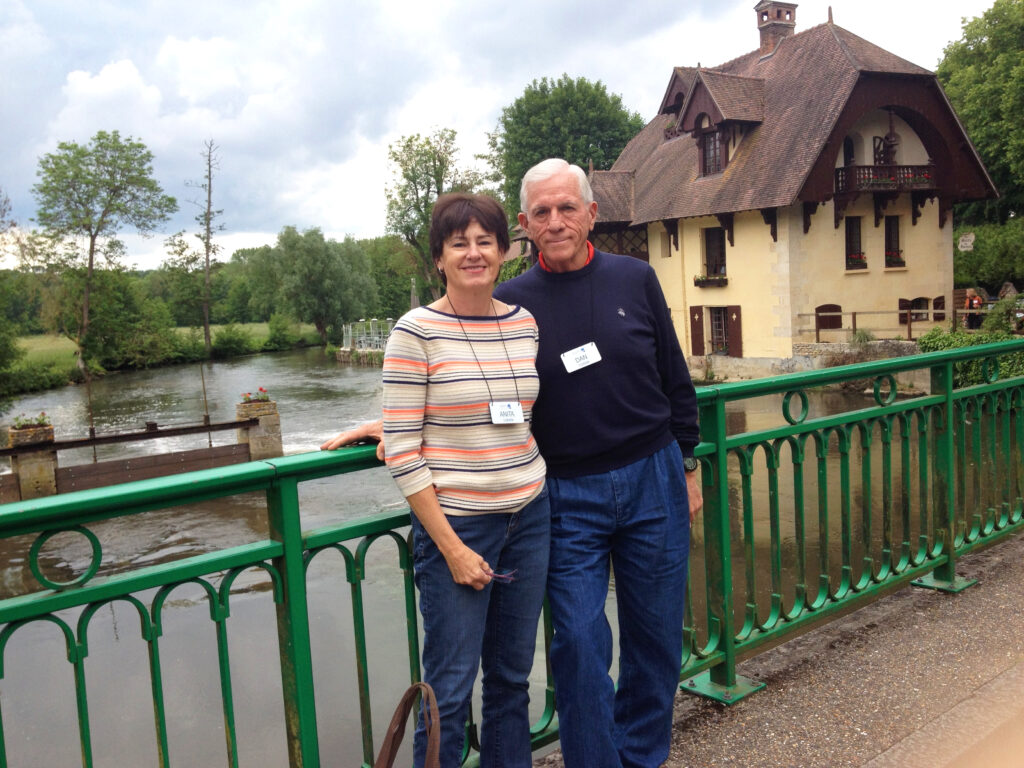
a portrait of a wife and husband over a bridge with a river behind them
Anita Palmer Corbin shared an adventurous spirit with her husband, Dan Corbin. The couple’s many travels included a visit to southern England. (Courtesy photo)

Anita grew up the youngest of four children and the only daughter. As a child, she ran home from school to finish her homework and chores so she had time to play outside. Daniel says her motto was always work first, play second.

Though her family thought it would be difficult for her to go to college, Anita earned her undergraduate degree in accounting from the University of Missouri-St. Louis and received a master’s degree in business administration with a focus on finance from Saint Louis University.

Anita began her career with Ernst and Young LLP and then joined Ralston Purina in 1979 as a senior accountant. She held several positions of increasing responsibility and was named corporate vice president and controller of the company in 1994.

She met Daniel at Ralston Purina, though they did not begin dating until years later after their first marriages had ended. Together, the couple enjoyed logging miles on their motorcycles. Anita was also an avid bicyclist, covering ground from the Blue Ridge Mountains to Florida beaches. Still, she experienced lifelong complications from diabetes, which contributed to her death.

Today, Daniel wears a silver necklace engraved with Anita’s index fingerprint and the inscription “The love of my life, I am a better man and person because of you.” The engraving shows dozens of scars from where she pricked her finger to test her blood.  “Diabetes is a terrible disease,” he says. “If Anita’s gift to WashU Medicine spares even one person from experiencing what she went through, her struggles will have been worthwhile.”

Innovative CAR-T cell therapy receives FDA breakthrough therapy designation

Immunotherapy for aggressive T-cell cancers developed by WashU Medicine researchers moves to faster approval pathway

A cell-based immunotherapy designed to treat rare and aggressive types of blood cancer has been granted Breakthrough Therapy designation by the U.S. Food and Drug Administration (FDA). Developed by researchers at Washington University School of Medicine in St. Louis, this innovative CAR-T cell therapy is licensed to Wugen, a WashU Medicine startup biotechnology company based in St. Louis’ Cortex Innovation District.

The immunotherapy was developed by WashU Medicine physician-scientists who treat patients at Siteman Cancer Center, based at Barnes-Jewish Hospital and WashU Medicine.

The therapy — called WU-CART-007 (soficabtagene geleucel) — targets specific blood cancers called T-cell acute lymphoblastic leukemia (T-ALL) and T-cell lymphoblastic lymphoma (T-LL). These are aggressive forms of blood cancer that originate in the immune system’s T cells, a type of white blood cell important for the body’s immune response. These cancers often don’t respond at all to standard care or return after several rounds of treatment, leaving patients with few treatment options and poor prognoses. Stem cell transplantation is the only curative treatment for such cancers, but these patients rarely qualify for it because they must first achieve remission following early rounds of chemotherapy, which is rare for these blood cancers.

The FDA’s Breakthrough Therapy designation aims to speed up the development and regulatory review of treatments for serious or life-threatening conditions, especially therapies that may offer substantial improvements over existing options. The Breakthrough Therapy designation for Wugen’s immunotherapy is based on preliminary clinical evidence showing early success in treating these aggressive blood cancers. Early-phase clinical studies have demonstrated that the therapy can selectively target and eliminate cancerous T cells with manageable side effects.

About 1,000 people are diagnosed with T-cell cancers each year in the U.S. If the cancer does not respond to treatment or returns after initial treatment, patients survive an average of six months, and fewer than 7% are still living at the five-year mark.

“This therapy has the potential to enable long-term survival for this patient population by controlling the disease and allowing patients — who would otherwise not be eligible — to proceed to stem cell transplantation, the only potentially curative treatment for these blood cancers,” said WashU Medicine oncologist John F. DiPersio, MD, PhD, the Virginia E. & Sam J. Golman Professor of Medicine and director of WashU Medicine’s Center for Gene and Cellular Immunotherapy, who first developed the therapy in his lab at WashU Medicine. “We remain hopeful that the ongoing Phase 2 study will be completed soon, and we’ll have positive results — but we’ll need some time to see how the patients do in both short-term and long-term follow-up.”

DiPersio treats patients at Siteman Cancer Center and founded Wugen alongside other WashU Medicine investigators, including Matthew Cooper, PhD, who then was on the WashU Medicine faculty and now serves as Wugen’s chief scientific officer. The researchers worked with WashU’s Office of Technology Management (OTM) to launch the company in 2018.

The early-phase clinical trial that led to the Breakthrough Therapy designation was conducted in multiple study centers in the U.S., Australia and Europe. The Phase 1 study included 28 adult and adolescent patients with either T-cell lymphoblastic cancer that returned after several lines of therapy or that never responded to treatment. Of 11 patients who could be evaluated after treatment, the overall response rate was 91%, meaning 10 patients either showed no signs of cancer after treatment or their cancer cell burden was reduced significantly. Eight out of 11 patients (72.7%) achieved complete remission. At the study’s data cutoff, six who underwent a transplant remained in remission, with no evidence of disease six to 12 months later, according to the study published in the journal Blood.

“This FDA Breakthrough Therapy designation for soficabtagene geleucel highlights the role of Siteman Cancer Center, a leading NCI-designated Comprehensive Cancer Center, and WashU Medicine in advancing innovative CAR-T cell therapies for aggressive T-cell leukemias and lymphomas,” said Timothy J. Eberlein, MD, director of Siteman Cancer Center and the Spencer T. and Ann W. Olin Distinguished Professor at WashU Medicine. “The dedicated work of our physician-scientists and clinicians is translating the most cutting-edge cellular immunotherapy research into the newest treatment options for patients with relapsed or refractory T-cell acute lymphoblastic leukemia and T-cell lymphoblastic lymphoma.”

The phase 2 trial is currently ongoing. At the Siteman site, the clinical trials have been led by principal investigator Armin Ghobadi, MD, a professor of medicine, director of cellular therapies at Siteman, and clinical director of WashU Medicine’s Center for Gene and Cellular Immunotherapy. Siteman Kids at St. Louis Children’s Hospital and WashU Medicine is a key site for the pediatric portion of the clinical trial, co-led by Thomas Pfeiffer, MD, an assistant professor of pediatrics. Ghobadi and Pfeiffer have no financial interest in Wugen.

A major advantage of the treatment is its “off-the-shelf” availability, eliminating the need to manufacture an individualized cell product for each patient. The cell therapy can be prepared in advance from cells donated by healthy individuals and used to treat any patient with a T-cell cancer. In contrast, already-approved CAR-T cell therapies are adapted from the patient’s own immune cells, a process that typically takes three to four weeks. The accelerated treatment timeline of the Wugen immunotherapy reduces logistical and financial barriers associated with most cell-based therapies. This speed can make a meaningful difference because it is not unusual for patients with these aggressive cancers to die while waiting for the therapeutic cells to be prepared.

These particular blood cancers present a unique challenge because the therapeutic cells and the cancer cells are both T cells, so DiPersio and his colleagues came up with further innovations to prevent the therapeutic T cells from mistaking one another for the cancer and causing CAR-T cell fratricide. All other approved CAR-T cell therapies target B cell cancers, which do not have this T cell self-targeting complication.

FDA Breakthrough Therapy Designation Reflects Practice-Changing Trends Only at Siteman

Recognition follows strong early clinical results for a novel off-the-shelf CAR T therapy targeting rare and aggressive T-cell malignancies

A novel off-the-shelf CAR T-cell therapy pioneered at Siteman Cancer Center at Barnes-Jewish Hospital and WashU Medicine is gaining national recognition after delivering striking clinical results in patients with rare and aggressive blood cancers.

The FDA has granted Breakthrough Therapy Designation to WU-CART-007, an allogeneic anti-CD7 CAR T-cell therapy developed by WashU Medicine researchers. In early global trials, 73% of adults and adolescents with relapsed or refractory (R/R) T cell acute lymphoblastic leukemia or T cell lymphoblastic lymphoma (T-ALL/LBL) achieved full remission following treatment — an outcome that positions the therapy as a potential gamechanger in T-cell malignancies.

“Relapsed T-cell leukemias and lymphomas represent one of the most challenging areas in hematologic oncology,” said oncologist John DiPersio, MD, PhD, director of the Center for Gene and Cellular Immunotherapy at WashU Medicine and an internationally recognized cell therapy leader at Siteman Cancer Center. “We are leading transformative advances for patients with these rare and aggressive cancers. Developing an off-the-shelf CAR T platform that can induce high remission rates in this population reflects the translational depth and cellular therapy infrastructure we’ve built at Siteman.”

DiPersio and Matthew Cooper, PhD, developed the therapy — manufactured using an off-the-shelf approach from healthy donors — to target CD7+ malignancies. The two founded the biotech company Wugen in 2018 to advance the research. Further clinical trials are underway in the U.S., Europe, Asia and Australia, including at Siteman Cancer Center and Siteman Kids at St. Louis Children’s Hospital.

In reviewing results from earlier clinical trials in children, researchers at Siteman Kids noted that WU-CART-007 (also known as soficabtagene geleucel, or sofi-cel) could be a gamechanger if the therapy continues to move almost all patients from disease-state to remission, thus enabling patients to undergo stem cell transplantation.

Learn more about:

‘An Eco-System of Innovation and Excellence’

The rapid advance of WU-CART-007 is just the latest example of what Timothy J. Eberlein, MD, director of Siteman Cancer Center, says arises out of a robust eco-system of innovation, collaboration and excellence in cancer research at WashU Medicine.

Siteman is known internationally for its basic and translational research efforts and is one of only a few institutions to receive three prestigious Specialized Program of Research Excellence (SPORE) grants from the National Cancer Institute (NCI), for leukemia, endometrial and pancreatic cancer research.

Blood Cancer United, formerly known as the Leukemia & Lymphoma Society, also has awarded scientists at Siteman a Specialized Center of Research (SCOR) grant for lymphoma research. Such grants are specifically designed to accelerate promising translational research into patient care.

“We are committed to continually advancing treatments for cancer and broadening options for patients,” Eberlein said. “Toward that goal, we have initiated several home-grown clinical trials that have changed the course of treatment for many cancers. Our depth and breadth of oncology research is wide, and our expertise is the result of innovation, dedication and multidisciplinary cross-collaboration that occurs throughout our center.”

Other examples of comprehensive, specialized programs at Siteman include the:

Translational Research Highlights

In addition to the latest breakthrough in leukemia and lymphoma research and care, examples of other research efforts that have changed practice guidelines include:

  • New Standard of Care Established for Locally Advanced Head and Neck Cancers — In the first change in standard-of-care therapy in more than 20 years, the FDA approved the use of the immunotherapy drug pembrolizumab (Keytruda) for treatment of resectable locally advanced head and neck squamous cell carcinoma (HNSCC) in adults. The approval, announced in mid-2025, came after a clinical trial initiated at Siteman in 2013. That trial and later ones, including an international trial, demonstrated greater tumor shrinkage prior to surgery and longer survival rates when immunotherapy was added. “It’s exciting to see our ideas move toward clinical practice with such impressive and potentially life-changing results,” said Douglas Adkins, MD, co-director of the Head and Neck Tumor Center at Siteman, who co-led the clinical trials at Siteman and elsewhere.
  • Addition of Brentuximab Vedotin for Relapsed Diffuse Large B-Cell Lymphoma Results in Statistically Significant Survival Benefit — With approximately 40% of patients diagnosed with diffuse large B-cell lymphoma (DLBCL) having relapsed or refractory disease, researchers at Siteman, led by Nancy Bartlett, MD, found in the ECHELON-Phase Three clinical trial that the use of an antibody-drug conjugate brentuximab vedotin, when combined with either lenalidomide or rituximab, was not only safe but also demonstrated improved survival benefit in patients with R/R DLBCL.
  • Dostarlimab Plus Chemo for Primary Advanced or Recurrent Endometrial Cancer — Matthew Powell, MD, co-led national studies that found adding immune checkpoint inhibitors to standard therapy for endometrial cancer improves outcomes for many patients, with an average increase in overall survival of 31%.
  • T-cell Immunotherapy Effective in Treating Rare Soft Tissue Cancers — Siteman Cancer Center’s Sarcoma program was a major clinical trial site for this study, which found that T-cell immunotherapy, specifically the drug afamitresgene autoleucel, or afami-cel, was effective and generated long-term responses in patients with rare soft tissue cancers.
  • Sotorasib Approved as Targeted Therapy for Patients with Specific Type of Non-Small-Cell Lung Cancer — Following clinical trials at Siteman and globally, the FDA approved sotorasib for patients with non-small-cell lung cancer whose tumors express a G12C mutation in the KRAS gene and who have already undergone previous treatment. Ramaswamy Govindan, MD, who led the study, noted that the drug targeted the most common mutation, reduced tumor sizes, and improved overall survival rates.
  • Medicare Approves Whole-Genome Test for Blood Cancers — A test for acute myeloid leukemia (AML) or myelodysplastic syndrome (MDS) developed at Siteman was the first whole-genome sequencing test for cancer to be approved for reimbursement by the Centers for Medicare & Medicaid Services. Called ChromoSeq, the test is now routinely used by oncologists to guide treatment decisions for patients with blood cancers.

“At Siteman, we have built one of the world’s leading cellular immunotherapy programs focused on developing next-generation treatments for rare and refractory cancers,” Eberlein said. “Many of our most impactful cell therapy trials are investigator-initiated and originated here, reflecting a translational infrastructure designed to bring innovative therapies to patients with the most aggressive and rarest cancers.”

FDA grants breakthrough therapy designation to treatment for rare blood cancers

Recognition follows strong early clinical results for a novel off-the-shelf CAR T therapy targeting rare and aggressive T-cell malignancies

A novel off-the-shelf CAR T-cell therapy pioneered at Siteman Cancer Center at Barnes-Jewish Hospital and WashU Medicine is gaining national recognition after delivering striking clinical results in patients with rare and aggressive blood cancers.

The FDA has granted Breakthrough Therapy Designation to WU-CART-007, an allogeneic anti-CD7 CAR T-cell therapy developed by WashU Medicine researchers. In early global trials, 73% of adults and adolescents with relapsed or refractory (R/R) T cell acute lymphoblastic leukemia or T cell lymphoblastic lymphoma (T-ALL/LBL) achieved full remission following treatment — an outcome that positions the therapy as a potential gamechanger in T-cell malignancies.

“Relapsed T-cell leukemias and lymphomas represent one of the most challenging areas in hematologic oncology,” said oncologist John DiPersio, MD, PhD, director of the Center for Gene and Cellular Immunotherapy at WashU Medicine and an internationally recognized cell therapy leader at Siteman Cancer Center. “We are leading transformative advances for patients with these rare and aggressive cancers. Developing an off-the-shelf CAR T platform that can induce high remission rates in this population reflects the translational depth and cellular therapy infrastructure we’ve built at Siteman.”

DiPersio and Matthew Cooper, PhD, developed the therapy — manufactured using an off-the-shelf approach from healthy donors — to target CD7+ malignancies. The two founded the biotech company Wugen in 2018 to advance the research. Further clinical trials are underway in the U.S., Europe, Asia and Australia, including at Siteman Cancer Center and Siteman Kids at St. Louis Children’s Hospital.

In reviewing results from earlier clinical trials in children, researchers at Siteman Kids noted that WU-CART-007 (also known as soficabtagene geleucel, or sofi-cel) could be a gamechanger if the therapy continues to move almost all patients from disease-state to remission, thus enabling patients to undergo stem cell transplantation.

‘An Eco-System of Innovation and Excellence’

The rapid advance of WU-CART-007 is just the latest example of what Timothy J. Eberlein, MD, director of Siteman Cancer Center, says arises out of a robust eco-system of innovation, collaboration and excellence in cancer research at WashU Medicine.

Siteman is known internationally for its basic and translational research efforts and is one of only a few institutions to receive three prestigious Specialized Program of Research Excellence (SPORE) grants from the National Cancer Institute (NCI), for leukemia, endometrial and pancreatic cancer research.


Blood Cancer United, formerly known as the Leukemia & Lymphoma Society, also has awarded scientists at Siteman a Specialized Center of Research (SCOR) grant for lymphoma research. Such grants are specifically designed to accelerate promising translational research into patient care.

“We are committed to continually advancing treatments for cancer and broadening options for patients,” Eberlein said. “Toward that goal, we have initiated several home-grown clinical trials that have changed the course of treatment for many cancers. Our depth and breadth of oncology research is wide, and our expertise is the result of innovation, dedication and multidisciplinary cross-collaboration that occurs throughout our center.”

Learn more: U.S. FDA Grants to Wugen’s WU-CART-007 Breakthrough Therapy Designation

Siteman Kids is the first site of multicenter CAR-T trial for autoimmune diseases

Access to the novel immunotherapy ­­— which “has the potential for cure” — is the latest offering by the national leader in pediatric hematology, oncology, and cell therapies.

Siteman Kids at St. Louis Children’s Hospital, along with WashU Medicine, is the first site to test a novel immunotherapy drug for the treatment of autoimmune diseases such as systemic lupus erythematosus, juvenile myasthenia gravis, juvenile dermatomyositis, and ANCA-associated vasculitis in children and young adults.

The clinical trial, called HELIOS Descartes-08 (202510129), evaluates dosing levels of an autologous chimeric antigen receptor T-cell (CAR-T) therapy that targets the B-cell maturation antigen (BCMA). Significantly, no neoadjuvant chemotherapy is needed prior to the start of Descartes-08 therapy.

“We are the first site in a multicenter clinical trial that will offer qualified patients an infusion of mRNA-modified CAR-T cells that target plasma cells,” said WashU Medicine hematologist/oncologist Melissa Mavers, MD, PhD, site principal investigator and a leader on the childhood cancers specialist team at Siteman Cancer Center. “This trial is exciting because this is the first available therapy targeting plasma cells in autoimmune disease and has the potential for cure for these patients.”

Earlier results of the Descartes-08 therapy, developed by Cartesian Therapeutics, have been promising. The FDA has granted it Orphan Drug Designation and Regenerative Medicine Advanced Therapy Designation.

To be eligible for the clinical trial, a patient must:

  • Be age 12 or older
  • Diagnosed with systemic lupus erythematous, juvenile myasthenia gravis, juvenile dermatomyositis, or ANCA-associated vasculitis
  • Have undergone systemic treatment

The trial will be administered through the Pediatric Hematopoietic Cell Transplant and Cellular Therapy Program at Siteman Kids at St. Louis Children’s Hospital.

Other Major Advancements

The clinical trial launch follows these recent advances at Siteman Kids:

Acute Lymphoblastic Leukemia/Lymphoblastic Lymphoma (ALL/LBL)

The FDA granted Breakthrough Therapy Designation for WU-CART-007, an allogeneic CAR-T therapy for T-cell malignancies developed by WashU Medicine researchers at Siteman Cancer Center. WU-CART-007 is an off-the-shelf, anti-CD7 CAR T-cell therapy for children and adults diagnosed with relapsed or refractory T-cell lymphoblastic leukemia or T-cell lymphoblastic lymphoma (R/R T-ALL/LBL). The FDA designation, announced in January, came after global clinical trials found that WU-CART-007 (also known as soficabtagene geleucel, or sofi-cel), resulted in 73% of adults and adolescents in the trials achieving full remission after receiving a full dose of the cellular therapy. WashU Medicine pediatric hematologist/oncologist Thomas Pfeiffer, MD, co-led the pediatric component of the clinical trial at Siteman Kids.

Learn more: U.S. FDA Grants to Wugen’s WU-CART-007 Breakthrough Therapy Designation

Brain Tumors

Global consultations and referrals continue to expand the reach and impact of an International Neuro-Oncology Tumor Board that originated at Siteman Kids. WashU Medicine neuro-oncologist Mohamed Shebl Abdelbaki, MD, director of the Pediatric Neuro-Oncology Program at Siteman Kids, began the monthly tumor board meetings in early 2021. To date, more than 2,500 health care specialists from 71 institutions in 41 countries have participated in the meetings, which have resulted in several advancements in best care practices for the management of complex brain tumors in infants, children and young adults.

Also available at Siteman Kids is participation in the CONNECT1906: PEP-CMV vaccine phase II clinical trial that is testing a CMV-directed peptide vaccine in children with recurrent medulloblastoma or newly diagnosed high-grade gliomas or diffuse intrinsic pontine gliomas. The multicenter study advances investigations into whether CMV-targeted vaccines can serve as a novel immunotherapeutic approach and boost responses against these cancers in pediatric patients. Eligible patients will receive a single, 5-day course of oral chemotherapy followed by PEP-CMV injections. Siteman Kids’ site principal investigator is Eric Thompson, MD.

For patients with malignant brain tumors, Siteman Kids also is involved in a multicenter phase I trial investigating the safety and dosing of intra-tumoral injections of NK cells in patients with recurrent or progressive tumors located in the upper part of the brain. Siteman Kids is one of only seven institutions offering this trial through the Pediatric Neuro-Oncology Consortium. WashU researchers are known internationally for their breakthroughs in the development and use of NK cell immunotherapies. Site principal investigators are WashU Medicine neuro-oncologists Mohamed Shebl Abdelbaki, MD, and Michael Angelo Huang, MD, MS.

“These are just a few of the leading-edge research efforts and collaborations we have underway at Siteman Kids,” said Jorge Di Paola, MD, chief of the Division of Pediatric Hematology and Oncology and the Elizabeth Finney McDonnell Endowed Chair in Pediatric Hematology Oncology at Siteman Kids at St. Louis Children’s Hospital and WashU Medicine. “We have 12 basic and translational research labs solely dedicated to advancing understanding and treatments for a wide range of pediatric cancers and more than 280 clinical trials available.”

For more information regarding clinical trials at Siteman Kids, email [email protected] or call 800-600-3606 to make a referral.

Learn about all active trials.

Ghobadi appointed Director of Cellular Therapies at Siteman

Armin Ghobadi, MD, a WashU Medicine professor of medicine and bone marrow transplant specialist, has been named director of cellular therapies at Siteman Cancer Center, based at Barnes-Jewish Hospital and WashU Medicine.

The new position formalizes his role as leader of clinical care and clinical research activities related to cellular therapy in the Hematologic Malignancies program at WashU Medicine.

Cellular therapies — which include chimeric antigen receptor T-cell (CAR-T) therapy and other gene and non-gene modified cellular therapies — supercharge a patient’s own immune cells or donor immune cells to fight disease. Siteman and WashU Medicine were among the first in the nation to offer CAR-T therapy — in clinical trials, initially, which Ghobadi helped lead, and as a standard of care when the therapy first received FDA approval in 2017.

As director of cellular therapies at Siteman, Ghobadi will:

  • Oversee clinical guidelines and protocols for patients receiving such treatments
  • Review quality assurance and quality improvement metrics for the cellular therapy program
  • Support clinical trials and translational research

“Dr. Ghobadi has played a pivotal role in the development of our outstanding CAR-T and cellular therapy program over the past 10 years, and we look forward to his continued stewardship of the program,” WashU Medicine physicians Daniel Link, MD, and Amanda Cashen, MD, said in a joint statement.

Link is the Alan and Edith Wolff Endowed Professor and chief of Oncology at WashU Medicine and deputy director of Siteman. Cashen is a professor of medicine and associate chief of the Hematologic Malignancies program.

A physician and clinical-translational researcher committed to developing and providing leading-edge care, Ghobadi specializes in the treatment of leukemia and lymphoma. He is board-certified in medical oncology.

“It is an honor to be appointed director of cellular therapies,” he said. “The new role strengthens our center’s cellular therapy enterprise in delivering and advancing some of the most promising therapies — and its creation reinforces WashU Medicine and Siteman Cancer Center’s commitment to patients today and tomorrow.”

Ghobadi’s other administrative roles include being clinical director of the Center for Gene and Cellular Immunotherapy at WashU Medicine and Siteman, which is internationally recognized for developing and offering some of the most innovative gene and cellular immunotherapies for hematologic malignancies and solid tumors.

Ghobadi earned his medical degree from Iran University of Medical Sciences and Health Services School of Medicine in 2001. He continued his training as an internal medicine intern and resident at the University of Texas Southwestern Medical School and as a fellow at both WashU Medicine and MD Anderson Cancer Center. In 2013, he joined the WashU Medicine faculty and began treating patients at Siteman.

Other Resources

Inflammatory immune cells predict survival, relapse in multiple myeloma

New ‘atlas’ of immune cells in bone marrow cancer lays foundation for more reliable prognosis

A new study maps the immune cell landscape of bone marrow in patients with multiple myeloma, a rare cancer that develops in the plasma cells of the bone marrow and has no cure. This large immune cell atlas, which includes robust patient outcome data, provides unparalleled new insights into how the immune system interacts with cancerous plasma cells and can be used to determine how aggressive a patient’s multiple myeloma is likely to be. The knowledge may improve survival predictions, guide treatment decisions and help in the development of new immune-based therapies for patients with multiple myeloma.

The study — co-led by WashU Medicine researchers at Siteman Cancer Center, based at Barnes-Jewish Hospital and WashU Medicine, in collaboration with the Multiple Myeloma Research Foundation (MMRF) and other leading institutions across the country — appears Jan. 9 in the journal Nature Cancer.

“It is time for a better understanding of the immune system in multiple myeloma,” said WashU Medicine co-senior author Li Ding, PhD, the David English Smith Professor of Medicine and a research member of Siteman. “In addition to targeting the cancerous plasma cells directly, we also want new and better ways to activate the immune system to attack the malignant cells. This large-scale immune cell atlas will serve as a critical resource to investigators studying multiple myeloma and working to develop better therapies.”

While considered a rare cancer, multiple myeloma is the second most common blood cancer after leukemia, accounting for about 15%-20% of new blood cancer diagnoses in the U.S. annually. Plasma cells are white blood cells in the bone marrow. When they grow out of control, they crowd out healthy blood cells. About 60% of patients are still living five years after diagnosis.

Many new treatment options have emerged for multiple myeloma in recent years that can extend survival for many patients, sometimes for more than a decade. Even so, the disease almost always returns after periods of remission, emphasizing the need for new and better options.

Several of the newest therapies for multiple myeloma are immune system-based, including CAR-T cells and what are known as bispecific antibodies. But researchers suspect there may yet be untapped opportunities for immune-based treatments for multiple myeloma, and the immune cell atlas is a new tool to harness in pursuit of such therapies.

“This immune atlas provides a roadmap for the next generation of myeloma care,” said coauthor and WashU Medicine oncologist Ravi Vij, MD, the Jeffrey S. and Prue H. Gershman Distinguished Professor of Medicine and a research member of Siteman. “As immunotherapies like CAR-T cells and bispecific antibodies become central to treatment, understanding the immune context in which they operate is essential. Clinically, this work lays the foundation for immune-informed risk stratification and rational development of new therapies that not only target the tumor but also restore effective anti-myeloma immunity.”

Vij treats patients with multiple myeloma and other blood cancers at The Blood Cancer Center at Siteman.

A cell-by-cell catalog of multiple myeloma

The research team performed a rigorous and cutting-edge genetic analysis called single-cell RNA sequencing of almost 1.4 million individual plasma and immune cells in bone marrow sampled from 337 newly diagnosed multiple myeloma patients. This type of analysis can reveal how individual immune cells may function — or become dysfunctional — in the context of multiple myeloma.

The data describe patients enrolled in MMRF’s CoMMpass Study, which is the first large-scale, long-running study of patients with multiple myeloma focused on analyzing disease progression and treatment response based on the genomic and molecular profiles of the patients. WashU Medicine is one of multiple sites participating in the CoMMpass Study.

The investigators found that patients with certain types of immune cells in their bone marrow at diagnosis were more likely than others to relapse quickly, meaning their cancer returned soon after a first round of treatment. The researchers identified signaling patterns between the cancer cells and immune cells that drive inflammation, which might be boosting the cancer’s growth in patients with aggressive disease.

The team also identified a type of T cell that had stopped working as expected and, rather than attacking the tumor as it should, acted to suppress immune activity against the cancer. Together, these findings could help make prognosis more accurate and aid in selecting the best therapies.

“This immune atlas represents the power of collaborative science,” said co-senior author and MMRF Chief Scientific Officer George Mulligan, PhD. “The MMRF’s CoMMpass Study, combined with the expertise from investigators at WashU Medicine and leading institutions across the country, has created an unprecedented resource that will accelerate discovery and improve outcomes for myeloma patients.”

Importantly, the researchers showed that knowledge of the immune environment in a patient’s bone marrow could improve upon current methods for predicting which patients are most likely to experience an aggressive course of the disease and have shortened survival. Such predictions can help guide treatment decisions in terms of matching the intensity of the treatment with the aggressiveness of the cancer.

Current methods for determining whether a patient has high-risk multiple myeloma versus standard risk rely on knowing the genetic features of the cancer cells combined with clinical aspects of the patient’s health. The new study found that adding an immune component to this analysis would likely improve the accuracy of the categorization.

“More work is needed to develop specific immune-based blood tests, for example, that clinicians could order to better identify the aggressiveness of a particular case of multiple myeloma and help them select the best treatments for that patient,” Ding said. “This immune cell atlas fills a gap in knowledge that is needed to develop these types of new clinical tools.”

The MMRF designed and funded this research, which involved collaboration among the Georgia Institute of Technology, Emory University, Harvard Medical School and the Icahn School of Medicine at Mount Sinai.

# # #

Pilcher WC, Yao L, Gonzalez-Kozlova E, Pita-Juarez Y, Karagkouni D, Acharya CR, Michaud ME, Hamilton M, Nanda S, Song Y, Sato K, Wang JT, Satpathy S, Ma Y, Schulman J, D’Souza D, Jayasinghe RG, Ohlstrom D, Ferguson KE, Cheloni G, Bakhtiari M, Pabustan N, Nie K, Foltz JA, Saldarriaga I, Alaaeldin R, Lepisto E, Chen R, Fiala MA, Thomas BE, Cook A, Vieira Dos Santos J, Chiang I, Figueiredo I, Fortier J, Slade M, Oh ST, Rettig MP, Anderson E, Li Y, Dasari S, Strausbauch MA, Simon VA, Immune Atlas Consortium, Radkevich E, Rahman AH, Chen Z, Lagana A, DiPersio JF, Rosenblatt J, Kim-Schulze S, Lonial S, Kumar S, Bhasin SS, Kourelis T, Dhodapkar MV, Vij R, Avigan D, Cho HJ, Mulligan G, Ding L, Gnjatic S, Vlachos IS, Bhasin M. A single-cell atlas characterizes dysregulation of the bone marrow immune microenvironment associated with outcomes in multiple myeloma. Nature Cancer. Jan. 9, 2026. DOI: 10.1038/s43018-025-01072-4.

This work was designed and supported by the Multiple Myeloma Research Foundation; the Myeloma Solutions Fund; the Paula C. and Rodger O. Riney Blood Cancer Research Fund; and the National Institutes of Health (NIH), grant numbers U24CA224319, U01DK124165, P30CA196521, R50CA211466, R35CA210084, 5K12CA090628, U24CA211006, U2CCA233303, PJ000021702, R01CA258776 and UL1TR004419. The content is solely the responsibility of the authors and does not necessarily represent the official views of the NIH.

Innovative immunotherapy shows promise against aggressive T cell cancers

WashU startup’s “off-the-shelf” CAR-T cell therapy evaluated in international clinical trial

A new type of immunotherapy that targets aggressive blood cancers shows promising results alongside manageable side effects, according to the results of an international phase 1/2 clinical trial led by WashU Medicine researchers at Siteman Cancer Center, based at Barnes-Jewish Hospital and WashU Medicine.

The clinical trial evaluated the safety and efficacy of an innovative CAR-T cell immunotherapy that is specifically designed to attack cancerous T cells. Participants in the trial had been diagnosed with rare cancers — T cell acute lymphoblastic leukemia or T cell lymphoblastic lymphoma — and had run out of treatment options after standard therapy proved ineffective for them. With the new immunotherapy, most of the patients in the study who received the full dose of cells achieved full remission of their cancer.

The trial’s results were published May 30 in the journal Blood.

“For patients with these rare and aggressive cancers, who have no other options, this has the potential to become a transformative advance in the field,” said senior author John F. DiPersio, MD, PhD, the Virginia E. & Sam J. Golman Professor of Medicine at WashU Medicine, who first developed the therapy in his lab at WashU Medicine. “The trial demonstrated a high likelihood of response to the therapy and even remission. This CAR-T cell treatment shows promise in becoming a ‘bridge-to-transplant’ therapy for patients who would otherwise not be eligible for stem cell transplantation, which is the only potentially curative treatment for these blood cancers.”

Larger studies with more patients and longer follow-up are necessary before the researchers can determine whether this new therapy could be curative on its own.

The current trial included 28 adult and adolescent patients with T cell acute lymphoblastic leukemia and T cell lymphoblastic lymphoma that either returned after several lines of therapy or that never responded to treatment. About 1,000 people are diagnosed with these cancers annually in the U.S. If the cancer does not respond to treatment or returns after initial treatment, patients survive only six months, on average, and less than 7% are still living at the five-year mark.

The therapy, called WU-CART-007, was developed by Wugen, a WashU biotech startup company founded by DiPersio and other WashU Medicine investigators, including Matthew Cooper, PhD, who co-founded the company when he was on the WashU Medicine faculty and now serves as Wugen’s chief scientific officer. The clinical trial was conducted in Australia, Europe and multiple sites across the U.S. For the St. Louis site, the trial was conducted at Siteman Cancer Center.

The trial design included a dose-escalation phase, which determined the recommended dose of therapeutic cells that patients would receive for the second phase of the trial. Dose escalation helps determine the largest dose of CAR-T cells that patients can receive and still have manageable side effects. Thirteen patients received the full dose of 900 million CAR-T cells after undergoing a procedure to clear the patients’ own immune cells. This procedure — called lymphodepletion — reduces immune cells, making room for the new therapeutic T cells to establish themselves and expand in number. Two of these patients died from their cancer or treatment complications, such as infection, during the study period.

Of 11 patients who could be evaluated after treatment, the overall response rate was 91%, meaning 10 patients either showed no signs of cancer after treatment or their cancer cell burden was reduced significantly. Eight out of 11 patients (72.7%) achieved complete remission. At the study’s data cut off, six who underwent a transplant remain in remission, with no evidence of disease, six to 12 months later.

“These response and remission rates — ranging from 70%-90% of patients — are much higher than we would expect from standard-of-care for this cancer type, which typically leads to remission in only 20%-40% of patients,” said first and corresponding author Armin Ghobadi, MD, a professor of medicine and clinical director of the Center for Gene and Cellular Immunotherapy at WashU Medicine. “These responses are remarkable because the patients in this trial had run out of options. They had very aggressive cancers return after several lines of therapy, including several who relapsed after an earlier stem cell transplant.”

Most patients (88.5%) experienced cytokine release syndrome as a side effect of the immunotherapy, and these cases were predominantly mild or moderate. Cytokine release syndrome is a common side effect of CAR-T cell therapy that occurs when large numbers of immune cells release chemicals that cause a full-body inflammatory response. About 19% of the patients experienced more-severe cytokine release syndrome. A small number of patients experienced rarer side effects, such as neurotoxicity syndrome and low-grade graft-versus-host disease. Adverse events were managed with additional therapies.

Off-the-Shelf Cell Therapy

The immunotherapy evaluated in the trial is considered a “universal” CAR-T cell therapy because — harnessing CRISPR gene editing technology — it can be produced from cells donated by any healthy individual and used to treat any patient with a T cell cancer. In contrast, approved CAR-T cell therapies are adapted from the patient’s immune cells. The cells must be collected from the patient and shipped to a manufacturing facility to be made and then shipped back, a process that typically takes three to six weeks. In contrast, universal CAR-T cell therapies can be made ahead of time, stored frozen and be readily available “off-the-shelf,” greatly reducing the wait time before therapy can begin.

Using CRISPR gene editing tools, the production process deletes the T cell receptor from the donor cells, greatly reducing the risk of graft-versus-host disease, in which donor T cells attack healthy tissue. Removing another key antigen also prevents the CAR-T cells from attacking one another. The types of rare cancers in this study presented a unique challenge: the therapeutic cells and the cancer cells are both T cells, so steps must be taken to prevent the therapeutic T cells from mistaking one another for the cancer and causing CAR-T cell fratricide. All other approved CAR-T cell therapies target B cell cancers, which do not have this T cell self-targeting complication. After using CRISPR gene editing to modify the CAR-T cells to prevent these harmful side effects, the cells are further engineered to target a protein called CD7 on the surface of cancerous T cells to then destroy the cancer.

“A larger international clinical trial of this therapy is already underway,” DiPersio said. “We must complete this larger trial first, but we are hopeful this universal CAR-T cell therapy can become an approved treatment for patients with deadly T cell cancers.”

# # #

Ghobadi A, Aldoss I, Maude SL, Bhojwani D, Wayne AS, Bajel A, Dholaria B, Faramand R, Mattison RJ, Rijneveld A, Zwaan CM, Calkoen F, Baruchel A, Boissel N, Rettig M, Wood B, Jacobs K, Christ S, Irons H, Capoccia B, Masters D, Gonzalez J, Wu T, del Rosario M, Hamil A, Bakkacha O, Muth J, Ramsey B, McNulty E, Baughman J, Cooper ML, Davidson-Moncada J, DiPersio JF. Phase 1/2 trial of anti-CD7 allogeneic WU-CART-007 in patients with relapsed/refractory T cell malignancies. Blood. May 30, 2025.
Ghobadi has provided consulting for Wugen. Wugen’s founders include members of Washington University physicians who are colleagues of Ghobadi. Several co-authors are employees of Wugen and some hold shares in the company. DiPersio is a co-founder of Wugen and holds equity-ownership in the company.
This trial was funded by Wugen; and by the National Cancer Institute (NCI) of the National Institutes of Health (NIH), through an NCI Outstanding Investigator Award, grant number R35CA210084; an NCI Leukemia SPORE, grant number P50CA171963; and an NCI Research Specialist Award, grant number R50CA211466.