Uterine Cancer | Team & Locations

Uterine Cancer Specialists

Gynecologic Oncologists/Surgeons
Radiation Oncologists
Plastic and Reconstructive Surgeons
Psychologist

Our Locations

Center for Advanced Medicine

Center for Advanced Medicine

On Washington University Medical Campus
4921 Parkview Place, Saint Louis, MO 63110
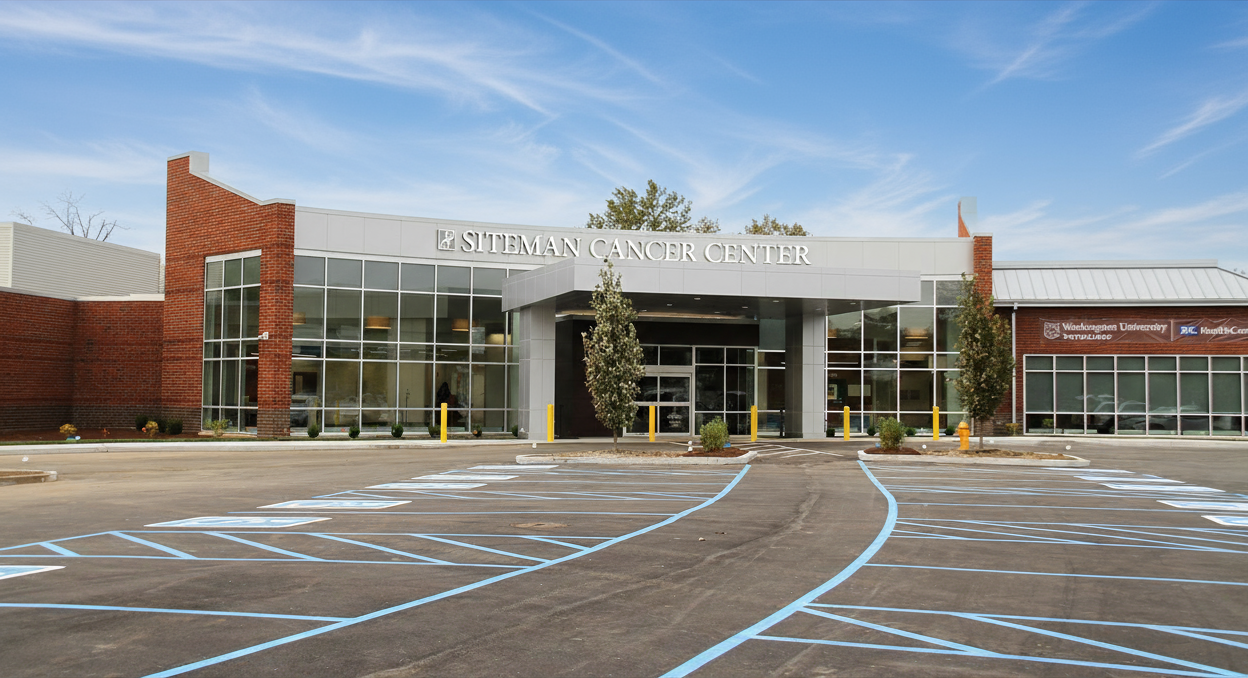
Gary C. Werths Building at Siteman Cancer Center

Gary C. Werths Building at Siteman Cancer Center

On Washington University Medical Campus
4500 Forest Park Avenue, Saint Louis, MO 63108
Parkview Tower at Barnes-Jewish Hospital

Parkview Tower at Barnes-Jewish Hospital

On Washington University Medical Campus
1 Parkview Place, Saint Louis, MO 63110
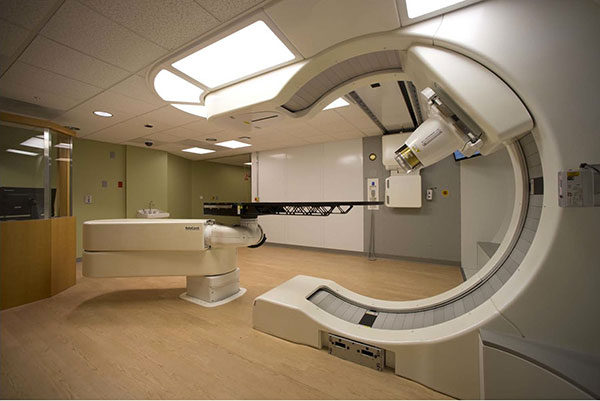
S. Lee Kling Proton Therapy Center

S. Lee Kling Proton Therapy Center

On Washington University Medical Campus
224 Euclid Ave. , Saint Louis, MO 63110
Siteman Kids at St. Louis Children’s Hospital

Siteman Kids at St. Louis Children’s Hospital

On Washington University Medical Campus
1 Children’s Place, St. Louis, MO 63110
Aerial view of Washington University Medical Campus.

Washington University Medical Campus

4921 Parkview Place, St. Louis, MO 63110
Siteman Cancer Center at Barnes-Jewish West County Hospital

Siteman Cancer Center at Barnes-Jewish West County Hospital

Medical Office Building 2, 10 Barnes West Drive, Creve Coeur, MO 63141

Uterine Cancer | Risk & Prevention

Risk & Prevention

Uterine cancer can happen to anyone with a uterus but some people are at a higher risk than others. 

When you understand your risk, you can take steps to lower it. You can also talk to your doctor about additional monitoring to catch uterine cancer early.

What’s My Risk of Getting Uterine Cancer?

The best way to evaluate the risk of uterine cancer is to have a conversation with your doctor. 

However, there are also online tools you can use to quickly assess your risk and start a conversation with your physician later on.

Your Disease Risk® is an effective tool developed by physicians and scientists at Siteman Cancer Center and WashU Medicine. It can provide you with an estimate of your risk, as well as targeted suggestions to help you reduce it.

Who Is At Risk of Getting Uterine Cancer? 

Several factors can raise your risk of uterine cancer:

  • Excess weight
  • Certain inherited genetic mutations (such as Lynch Syndrome)
  • High blood pressure, high blood sugar, or high cholesterol
  • A longer lifetime exposure to estrogen — such as starting periods early, going through menopause late, or never being pregnant
  • Use of tamoxifen or estrogen-only supplements
  • Radiation therapy to the lower belly or pelvis

Black women are twice as likely as white women to develop uterine sarcomas, a rare form of uterine cancer. Researchers aren’t sure why race is a risk factor for this cancer.

How Can I Lower My Risk of Uterine Cancer?   

There are some risk factors for uterine cancer that you can’t change. You can’t control your genetic history, when you started your period, or when you went through menopause. 


However, it is possible to change parts of your lifestyle. Focusing on good nutrition and getting regular physical activity can help lower your risk of many cancers, including uterine cancer.

Getting regular check-ups with your gynecologist is also a good way to stay on top of your health.

Start Here. Get the Care You Need.

Our Siteman care coordinators – oncology-trained nurses who help with scheduling, finding the right specialist, and guidance – can help you through the process.

Call us directly or submit a form, and we will call you back.

Uterine Cancer | Treatment & Support

Treatment & Support

You are more than just your cancer. We want you to thrive.

If you’ve been diagnosed with uterine cancer, Siteman is here to help. Our WashU Medicine physicians will make a customized plan to treat your cancer based on your age, your lifestyle, and your goals. Uterine cancer is very treatable, with effective treatments available even for more advanced stages.

What Are My Treatment Options For My Uterine Cancer?

Surgery is the most common treatment for uterine cancer. Patients with advanced cancer may also receive a combination of drug therapy and radiation therapy.

WashU Medicine clinical trials at Siteman are also an option. Patients who join trials can get new treatments that have not yet been released on the market. Your team of WashU Medicine physicians at Siteman will let you know if you are a good fit for any clinical trials.

Surgical Treatments

Surgical treatment of uterine cancer involves removing the uterus. This procedure is called hysterectomy.

We know surgery can be scary. Our doctors perform many hysterectomies every year – they are experienced, skilled, and ready to help you. 

At Siteman, we  are able to offer minimally-invasive hysterectomies for many of our patients. One such treatment option is a robotic-assisted hysterectomy, which involves making several small incisions and using robotic arms to remove the uterus. 

Robotic surgeries have many benefits. They:

  • Help prevent complications during and after the procedure
  • Lower the risk of infection
  • Require less time being sedated
  • Have a faster recovery time

Another treatment option is the traditional hysterectomy with a larger incision. Traditional hysterectomies at Siteman are also safe, effective procedures for uterine cancer. Your team will choose the type of surgery that is right for you and your cancer.

Drug Therapy Treatments 

Drug therapy uses medication to kill cancer cells or stop them from spreading. Here are four types of drug therapy used for treating uterine cancer:

  • Chemotherapy: Chemotherapy uses medication to kill cancer cells.. Patients with uterine cancer take chemotherapy drugs through an IV. 
  • Hormone therapy: Hormone therapy uses the hormone progesterone to stop endometrial cancer cells from growing and spreading. Some patients use hormone therapy to delay surgery long enough to have children. You can take progesterone in pill-form or as an injection.
  • Immunotherapy: Immunotherapy is a new form of cancer treatment that uses your own immune system to attack cancer cells. The immunotherapy drugs used for uterine cancer are called checkpoint inhibitors. They help your white blood cells recognize cancer cells as a threat. You take them through an IV.
  • Targeted therapy: Targeted therapy uses medications that change how cancer cells work, stopping them from growing and multiplying. This can help if your cancer is more advanced. The medicine keeps uterine tumors from growing new blood vessels. You can take this medication in pill-formor through an IV.  

Radiation Therapy Treatments

Radiation therapy is used to:

  • Keep cancer from coming back after a hysterectomy (recurrence).
  • Treat uterine cancer when surgery is not possible.

At Siteman, many people with uterine cancer follow a treatment plan that combines two types of radiation: intensity-modulated radiation therapy (IMRT) and brachytherapy.

Intensity-modulated radiation therapy (IMRT) is a highly-precise form of radiation therapy that covers the tumor with radiation while protecting nearby tissues.

Brachytherapy uses a small applicator inserted through the vagina to deliver radiation directly to the tumor.  Siteman Cancer Center has one of the largest brachytherapy centers in the United States. 

Fertility Preservation

Undergoing treatment for uterine cancer can impact the ability to conceive. For younger patients who want to get pregnant, Siteman has treatment and services that can support family planning.  

Hormone therapy can delay the need for surgery to remove your uterus. Parenthood through surrogacy can be another option to explore. 

Siteman partners with WashU Medicine’s Fertility and Reproductive Medicine Center to help patients pursue parenthood.  

Talk with a Care Coordinator

Nurses at Siteman answer every call and every form. Speak with them directly 8:00 am to 4:30 pm CT Monday- Friday for guidance on appointments, second opinions, and referrals.


Uterine Cancer | Diagnosis

Diagnosis

At Siteman Cancer Center, we make sure you get the right diagnosis — because getting it right the first time can affect how we treat it. Then, we will create a care plan just for you, your cancer, and your life.

Learn more about uterine cancer, getting a diagnosis, and understanding your diagnosis below.

About Uterine Cancer

What is Uterine Cancer?

Uterine cancer is not a single disease. It is a general term for cancers that begin in the uterus — most commonly endometrial cancer, which starts in the uterine lining, and the rarer uterine sarcoma, which develops in the muscle or supporting tissues.

At Siteman Cancer Center, our gynecologic oncology specialists treat the full spectrum of uterine cancers, including complex and uncommon cases. Most people receive a uterine cancer diagnosis after menopause, though it can occur earlier. It’s the most common gynecologic cancer. 

Advances in minimally invasive surgery, molecular testing and targeted therapy are transforming care. At Siteman, we tailor every treatment plan to the biology of your specific tumor. That means you get the most advanced options available.

What Causes Uterine Cancer? 

Endometrial cancer is the most common type of uterine cancer. It happens when cells in the uterine lining grow too fast and become abnormal. 


It’s not always clear why cells in the endometrium become abnormal. We do know that cells sometimes change because they get too much of the hormone estrogen.


A uterine sarcoma is a rarer type of uterine cancer. Genetic mutations can cause uterine muscle cells and connective tissue cells to turn into cancer cells. These cells then grow uncontrollably.

Getting a Diagnosis

When Should I See a Doctor?

Symptoms of uterine cancer can include:

  • Vaginal bleeding after menopause
  • Abnormal bleeding between periods
  • Pain in the lower belly
  • Pain when going to the bathroom
  • A feeling of fullness in your abdomen
  • A mass (lump or growth) in your pelvic region

If you experience any of these symptoms, make an appointment with a primary care doctor or your gynecologist, so they can answer your questions first. If needed, they might recommend that you see a gynecologic specialist to do further testing. Getting an opinion from a specialist at Siteman Cancer Center first can make a difference.

Your Second Opinion at Siteman 

Siteman wants to be your first choice for cancer care, but that might not always be possible. If you have received a cancer diagnosis, started care somewhere else, or are a physician seeking specialized care for your patient, ask us about a second opinion. You can start the process. To make it easy, our care coordinators guide scheduling for yourself or your patient.   

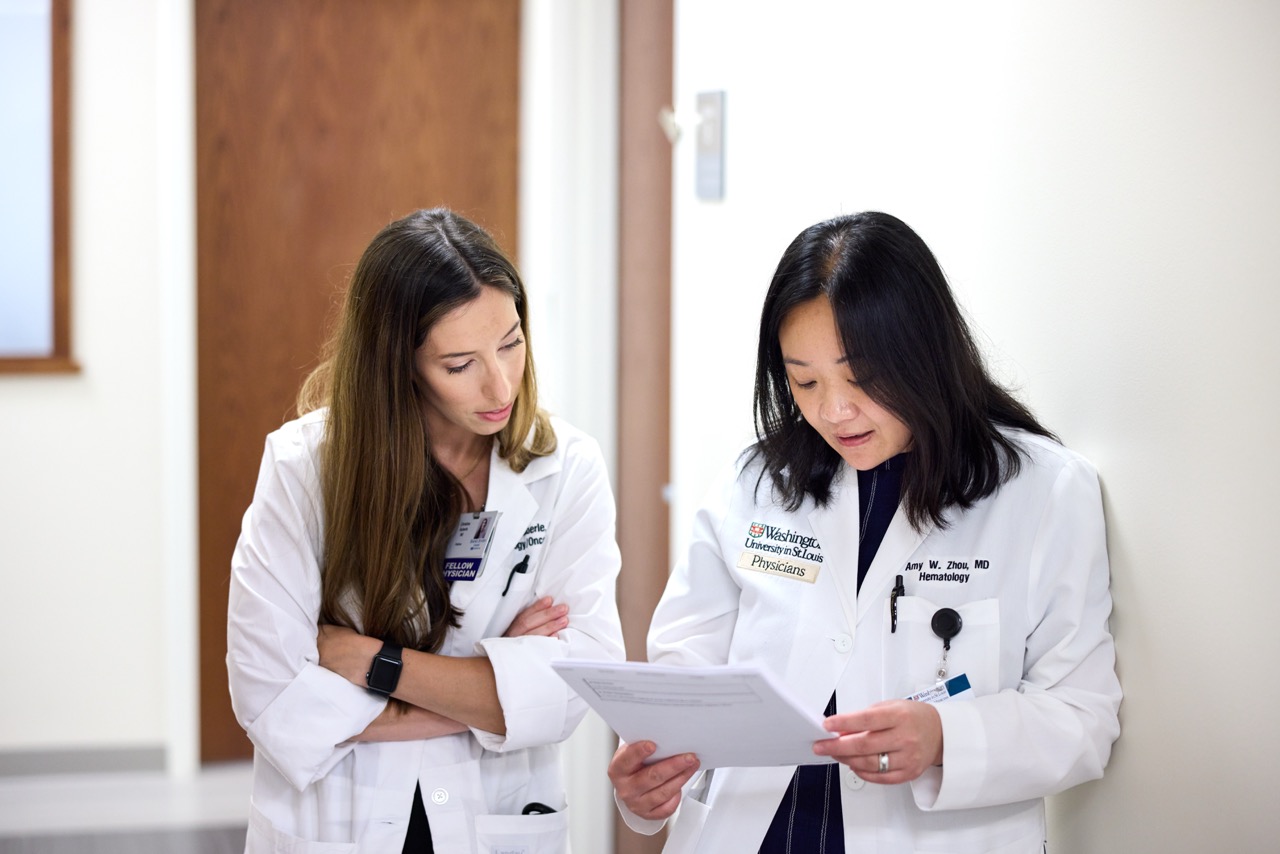
Two physicians converse while reviewing a patient file

What Should I Expect During a Diagnosis? 

There are various tests that diagnose uterine cancer. Your gynecologist, or another specialist, might recommend:

  • Ultrasound: During an ultrasound, a doctor or technician will scan your uterus with a small wand. The wand uses sound waves to make a picture of the inside of your body. It can show if there is anything abnormal in your uterus. An ultrasound is a simple, painless test.
  • Tissue biopsy: If your doctor suspects a tumor, they’ll collect and test the tissue for cancer cells. This is a biopsy. You can get a uterine biopsy in your doctor’s office. To take a biopsy of the tissue in your uterus, the doctor will place a tiny tube through your cervix.
  • Dilation and curettage (D&C): You may have a D&C if your doctor needs to take a larger tissue sample from your uterus. During this outpatient procedure, the doctor will remove tissue from the inside of the uterus with a special tool. They will test the tissue samples for signs of cancer. You’ll be asleep during the procedure.
  • Imaging tests: Imaging tests take pictures of the inside of the body. You may have additional imaging tests to see if cancer has spread beyond your uterus. This might include an MRI, a CT scan, or a PET scan.

Understanding Your Diagnosis

What is the Difference Between Stages 1 – 4 of Uterine Cancer?

Doctors stage uterine cancer from Stage 1 to Stage 4, based on how far the cancer has spread. Cancers caught at Stage 1 are located in the body of the uterus only. At Stage 2, the cancer has spread into the supporting connective tissue of the cervix. By Stage 3, the cancer has spread beyond the uterus but has not yet moved outside the lower belly, or pelvis. At Stage 4, the cancer has grown outside the pelvis into other parts of the body. 

Talk with a Care Coordinator

Nurses at Siteman answer every call and every form. Speak with them directly 8:00 am to 4:30 pm CT Monday- Friday for guidance on appointments, second opinions, and referrals.

Uterine Cancer | Care at Siteman

Care at Siteman

If you have recently received a uterine or endometrial cancer diagnosis or you are worried about symptoms, getting an opinion from Siteman Cancer Center sooner than later can make all the difference in your care plan.

Siteman Cancer Center at Barnes-Jewish Hospital and WashU Medicine is known nationwide for our innovative thinking and most advanced treatments for uterine cancer. We have the largest gynecologic oncology program in the region, treating hundreds of patients each year from early diagnosis to the most rare cases.

Start Here. Get the Care You Need.

Our Siteman care coordinators – oncology-trained nurses who help with scheduling, finding the right specialist, and guidance – can help you through the process.

Call us directly or submit a form, and we will call you back.

Why Choose Siteman Cancer Center?

At Siteman Cancer Center, we know uterine cancer well and know how to treat it effectively. We bring the most recent research and very best treatments to create a care plan that is right for you.

Seeking an opinion from Siteman Cancer Center first can make a difference. We treat more patients with uterine and other gynecologic cancer than anyone else in the region. Our WashU Medicine physicians subspecialize in your specific cancer type. They use the latest science and clinical trial research to recommend the best treatment.

Siteman Cancer Center has been a national leader in uterine cancer for nearly 20 years, exploring new treatment options and offering unique clinical trials not available anywhere else. That means, WashU Medicine researchers and specialists at Siteman Cancer Center are creating new guidelines in gynecologic oncology for other doctors around the country. We will explore all the best options for your care, so you have all you need for the best possible outcome.

Team-Based Specialist Care

Our unique team approach combines WashU Medicine physicians and researchers with the strength of BJC HealthCare to create thorough, multidisciplinary care. That means you won’t have just one doctor, you will have many. That makes your care different at Siteman Cancer Center.

Medical oncologists, radiation oncologists, surgeons, nurses and all of our experts work together as one team, so you have the very best of all clinical opinions. We give you the most collaboration to achieve your personal care needs.

State-of-the-Art Treatments

At Siteman Cancer Center, WashU Medicine gynecologic oncology specialists are leaders in advanced minimally invasive and robotic surgical techniques. These precision-driven approaches allow us to treat cancer carefully and thoroughly while protecting surrounding healthy tissue. That means we can reduce your risk of complications and also support your faster recovery.

Surgery is typically the first and most important step in treating uterine cancer – so surgical experience matters most. Siteman gynecologic oncology surgeons focus exclusively on cancers of the female reproductive system and are leaders in advanced surgical techniques.

Dr. Premal Thaker, WashU Medicine gynecologic oncologist, is nationally recognized for her exceptional surgical skills and has been a key figure in the field of gynecologic oncology globally. She leads a team and brings her leadership at WashU Medicine and her extensive experience in gynecologic surgery to treat uterine cancer at Siteman.

Clinical Trials

Clinical trials are research studies that test new drugs and procedures. They allow patients to access new treatments before they are available everywhere. Every cancer treatment we use today was tested in a clinical trial first.

Siteman Cancer Center brings patients WashU Medicine clinical trials that are not available anywhere else. We lead the region in unique clinical trials, so you have more care options and the most recent research.

Clinical trials at Siteman Cancer Center offer access to treatments that are not yet widely available, including:

  • New targeted drugs designed to block specific cancer-driving mutations
  • Immunotherapy combinations that may improve response in recurrent disease
  • HER2-directed therapies for aggressive subtypes in uterine cancer
  • Precision-based adjuvant therapy tailored to tumor genetics after surgery
  • Comprehensive lifestyle and metabolic support studies that aim to improve long-term outcomes
Clinical Trials at Siteman Cancer Center

Clinical trials are research studies that help us find new ways to prevent, diagnose, and treat cancer. If you have a rare or complex diagnosis or your treatment path seems uncertain, you might qualify for a clinical trial.

Our team will help you find a study that is right for you. Call us to speak with a Siteman care coordinator.

Specialized Research

Endometrial cancer is the fastest growing women’s cancer, and Siteman is first-in-the-nation for research in endometrial cancer treatment. With a special grant from the National Cancer Institute, we are accelerating the most groundbreaking discoveries in the country and bringing them to our patients even faster. 

Siteman Cancer Center was the first to receive this Specialized Programs of Research Excellence (SPORE) grant. In 2023, we earned our second SPORE for endometrial cancer. 

Talk with a Care Coordinator

Nurses at Siteman answer every call and every form. Speak with them directly 8:00 am to 4:30 pm CT Monday- Friday for guidance on appointments, second opinions, and referrals.