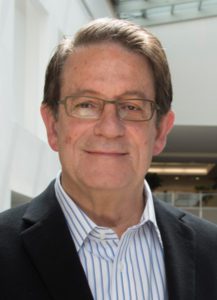
Washington People: Mary Politi

Medical students aren’t the only learners in Mary Politi’s class on how health information is conveyed and received. Sometimes other faculty members attend also, to improve how they consider treatment options and discuss them with patients.

Politi, whether in person or through evidence-based decision tools she develops with others at Washington University School of Medicine in St. Louis, works with patients to empower them and help optimize their care.

“If we can better match the care patients want and need to the care they get, we can improve their patient experience and overall health” said Politi, an associate professor of surgery and a health psychologist in the school’s Division of Public Health Sciences.

A New Jersey native, Politi earned a bachelor’s degree in psychology from Barnard College at Columbia University in 2001 and a doctoral degree in clinical psychology, with a health psychology concentration, from George Washington University in 2006. She completed her clinical internship and postdoctoral fellowship in behavioral medicine at Brown University before joining the Washington University faculty.

Timothy J. Eberlein, MD, the Bixby Professor of Surgery and head of the Department of Surgery at the School of Medicine, said Politi is “a superb researcher” and an important mentor and role model to junior faculty members and trainees in the department and at Siteman Cancer Center, where she is a researcher.

“She has spent enormous amounts of time helping others while maintaining her own incredible productivity,” said Eberlein, who also is director of Siteman. “She is an incredible human being. Not only is she a fabulous researcher, she is without a doubt one of the nicest people at WashU.”

In addition to researching and teaching about health-care communications and shared decision-making, Politi also has helped develop digital tools to help:

  • People choose health insurance plans that best meet their health and financial needs.
  • Breast cancer patients choose whether or when reconstruction is right for them after a mastectomy.
  • Patients with Hepatitis C and advanced kidney disease decide which treatment option is best.
  • Support rural cancer patients’ participation in clinical trials.

“Together, we look at ways to support decisions to positively affect their health,” Politi said. “If you really start asking people questions about what it is they value and what their daily life is like, you learn a lot about how their health fits into that picture.”

Read the full profile on the School of Medicine site.

Thurman honored for marketing work addressing health disparities

Christina Thurman, marketing team lead at Siteman Cancer Center at Barnes-Jewish Hospital and Washington University School of Medicine, was honored April 27 at the St. Louis American Foundation’s 18th Annual Salute to Excellence in Health Care awards luncheon.

She received an Excellence in Health Care Award in part for her work educating the public about health disparities, including in the African-American community, and for increasing awareness about the importance and availability of cancer screenings.

“She has taken on a role to ensure that Siteman’s marketing messaging regarding prevention, screening, research and treatment is reaching and touching all communities in the St. Louis area and beyond,” Lannis Hall, MD, director of radiation oncology at Siteman Cancer Center at Barnes-Jewish St. Peters Hospital, said in her letter nominating Thurman for the award.

“Christina has the uncanny ability to listen intently, analyze facts and opinions, and reach a fair decision that would work best for all parties involved,” Hall wrote. “Her desire to make sure that everyone is treated fairly and given the necessary tools to succeed is both amazing to witness and more important now than ever.”

Thurman and other professionals in the health-care community were recognized at a luncheon at Hilton St. Louis Frontenac. The foundation is the philanthropic arm of the St. Louis American newspaper.

“I would like to thank the St. Louis American Foundation for honoring me with the Excellence in Healthcare Award,” she said after the ceremony. “I work with a lot of  amazing people and truly feel lucky and blessed that I have the opportunity to do what I love to do while making a positive impact in my community.”

Thurman, a six-year employee of Siteman and BJC HealthCare, leads Siteman’s communications efforts for:

  • The Program for the Elimination of Cancer Disparities (PECaD), a national model for eliminating local and regional disparities in cancer education, prevention and treatment.
  • Breast health clinics and a mammography van.
  • Prostate screening program for African-American men, as part of the Prostate Care Coalition.
  • The new Siteman Cancer Center satellite location at Christian Hospital.

Thurman received multiple nominations for the award.

“Christina is a very humble person who would never boast or talk about her accomplishments, which I think is another reason she is so deserving of this award,” wrote Angie Phillion, a former colleague on the Siteman marketing team.

Other Salute to Excellence in Health Care awardees included:

  • Moyosore Onifade, MD, an internal medicine specialist at Christian Hospital and a graduate of Washington University School of Medicine.
  • Shunta Johnson, RN, a nurse practitioner at BJC HealthCare.

Renee Cunningham-Williams, PhD, an associate professor of social work and associate dean for doctoral education at the Brown School at Washington University in St. Louis, received the Dr. John M. Anderson Excellence in Mental Health Award.

DiPersio to become president of transplantation society

John DiPersio, MD, PhD

John DiPersio, MD, PhD, director of the Division of Oncology and deputy director of Siteman Cancer Center at Barnes-Jewish Hospital and Washington University School of Medicine in St. Louis, has been elected to the top leadership post in the American Society for Blood and Marrow Transplantation (ASBMT). He will take over the role during the society’s meetings in Salt Lake City in February. 

DiPersio, the Virginia E. and Sam J. Golman Professor of Medicine in Oncology at the School of Medicine, has served on the ASBMT board of directors for several years.

His clinical research focuses on fundamental and translational aspects of leukemia and stem cell biology. Among his many accomplishments, DiPersio was instrumental in developing a drug called plerixafor that was approved by the Food and Drug Administration in 2008 to help treat multiple myeloma and non-Hodgkin’s lymphoma.

DiPersio also is chair of the American Society of Hematology Scientific Committee on Hematopoiesis and a member of the Board of Scientific Counselors (Clinical Science and Epidemiology) for the National Cancer Institute.

Medical School faculty named to National Academy of Inventors

Noted innovators Samuel Achilefu, PhD, David Holtzman, MD, and Eric Leuthardt, MD – faculty members at Washington University School of Medicine in St. Louis – have been named fellows of the National Academy of Inventors (NAI). The 2017 class of NAI fellows was announced Tuesday.

They are recognized as fellows for demonstrating innovation in creating and facilitating outstanding inventions that have made a tangible impact on quality of life, economic development and the welfare of society.

The newest class of fellows – 155 scientists from universities and governmental and nonprofit institutions – will be honored April 5 at a ceremony in Boston.

Other NAI fellows at Washington University include Chancellor Mark S. Wrighton; Holden Thorp, provost and executive vice chancellor for academic affairs; and Jennifer K. Lodge, PhD, vice chancellor for research.

Samuel Achilefu

Achilefu, the Michel M. Ter-Pogossian Professor of Radiology, is being recognized for his innovative approach to integrating engineering, biology and medicine. He is known for pioneering the development of strategies for molecular imaging and treatment of human diseases using novel molecular probes and light-sensitive drugs. Also a professor of biochemistry and molecular biophysics, and of biomedical engineering, he discovered a new molecular entity that can be used to deliver drugs to many types of tumors.

Achilefu also led a team that developed a wearable, goggle-based imaging system for guiding surgical removal of cancer in real time. Cancer cells are notoriously difficult to see, even under high-powered magnification. Achilefu’s eyewear is designed to make it easier for surgeons to distinguish malignant cells from healthy cells, helping to ensure that no stray tumor cells are left behind during surgery to remove a cancerous tumor. The glasses could reduce the need for additional surgical procedures and the subsequent stress on patients, as well as time and expense.

After receiving a PhD in chemistry at the University of Nancy, France, and postdoctoral training in blood oxygen transport mechanisms, Achilefu came to St. Louis in 1993 to join the nascent Discovery Research Department at Mallinckrodt Medical Inc. In 2001, he joined Mallinckrodt Institute of Radiology at Washington University, where he now heads the Optical Radiology Laboratory. A Siteman Cancer Center researcher, he is also director of the university’s Molecular Imaging Center and a co-director of the Center for Multiple Myeloma Nanotherapy.

He is the recipient of numerous awards, including the prestigious St. Louis Award, given to St. Louis-area residents whose achievements reflect positively on the community. He also has been issued more than 50 U.S. patents.

David M. Holtzman

Holtzman, the Andrew B. and Gretchen P. Jones Professor and head of the Department of Neurology, is being honored for distinguished contributions to understanding the pathogenesis of Alzheimer’s disease and for developing diagnostics and treatments for the disease.

His research has focused on how levels of the Alzheimer’s proteins amyloid beta and tau in the brain and spinal fluid are linked to risk for and progression of the disease. He helped develop a technique known as stable isotope-linked kinetics (SILK) for monitoring production and clearance of amyloid beta in the brain and spinal fluid. The technique involves giving people a slightly altered form of one of the amino acids the body uses to make proteins. Through monitoring the presence of proteins with the altered amino acid, scientists can track how quickly the proteins are produced and cleared from the brain. The technique also can be adapted to study other diseases and biological processes.

His laboratory also developed antibodies against amyloid beta and tau that are currently in clinical trials in people with very early stages of Alzheimer’s disease. Holtzman co-founded a company called C2N Diagnostics in 2007 with Randall Bateman, MD, the Charles F. and Joanne Knight Distinguished Professor of Neurology, to develop biomarkers for neurodegenerative diseases.

Holtzman earned his bachelor’s and medical degrees from Northwestern University. He completed an internship, residency and postdoctoral fellowship at the University of California, San Francisco, where he was an assistant professor of neurology from 1991-94 before joining the Washington University faculty.

Past honors include the MetLife Foundation award for research on Alzheimer’s disease, the Potamkin Prize for Alzheimer’s research from the American Academy of Neurology, the 2014 Chancellor’s Award for Innovation and Entrepreneurship at Washington University, and election to the National Academy of Medicine of the National Academy of Sciences. He also is a fellow of the American Association for the Advancement of Science.

Eric Leuthardt

Leuthardt, a professor of neurosurgery, of neuroscience, of biomedical engineering, and of mechanical engineering and applied science, is an expert in brain mapping and in devices that link the brain with computers. He studies how the brain encodes information so researchers can develop electronic devices controlled by the mind. Such brain-computer interfaces could allow patients to use their thoughts to communicate, move artificial or paralyzed limbs, or perform other neurological functions.

As director of Washington University’s Center for Innovation in Neuroscience and Technology, he gathers neurosurgeons, engineers, mathematicians, physicists and computer scientists to collaborate and develop new technologies to improve neurosurgery. He has helped develop techniques to identify the location of brain functions such as language and motor function to minimize the chance that surgery will impair crucial abilities.

With more than 500 issued patents and six startup companies for medical devices and brain-computer interface technologies, Leuthardt is a prolific inventor. He was named a Top Young Innovator by the Massachusetts Institute of Technology’s magazine Technology Review in 2004, and won the Academy Award of the American Academy of Neurological Surgery that same year. He also received the Innovation Award from the Academy of Science in St. Louis and was honored with the Chancellor’s Award for Innovation and Entrepreneurship at Washington University.

A native of Cincinnati, Leuthardt earned his bachelor’s degree in biology and theology at Saint Louis University and his medical degree from the University of Pennsylvania School of Medicine before returning to St. Louis to do his residency in neurological surgery at Barnes-Jewish Hospital and the School of Medicine. He joined the School of Medicine faculty in 2006.

Undaunted explorer

Timothy Ley, MD, the Lewis T. and Rosalind B. Apple ­Professor of Medicine, has been investigating leukemia, particularly acute myeloid leukemia (AML), for decades. A glimpse of his research over just the past 10 to 15 years — featured in ­journals like NatureCell, the New England ­Journal of Medicine and ­Journal of the American Medical Association — illustrates how challenging the journey has been, yet it also showcases the resolve that he and his ­colleagues continue to display in their quest for answers and ultimately cures for this terrible disease.

After the human genome was sequenced in 2003 (after nearly 13 years of research and more than $2 billion in ­funding), Ley ­proposed an audacious plan to find all the ­mutations ­associated with AML, which is a heterogeneous set of diseases with many ­subtypes. He approached Rick Wilson, then ­director of the ­university’s Genome ­Sequencing Center (now the ­McDonnell Genome Institute­), with the idea, and they both knew it would be too daunting and too expensive to do at the time.

Yet they prepared for a day when the cost of sequencing would go down and speed would go up. Banking the right samples from people with AML, and tracking their disease to identify all the laboratory and clinical features, Ley and John DiPersio, MD, PhD, the Virginia E. & Sam J. Golman Professor of Medicine and chief of the Division of Oncology, and their colleagues laid the groundwork for research to come. In 2007, a technical breakthrough — next-generation ­sequencing — dropped the cost of sequencing a genome by nearly ­1,000-fold and allowed them to proceed.

Cobbling together funding from various sources, the team from the Genome Sequencing Center and the oncology division ­began the initial sequencing work. But funding ran short, and none of the usual sources were willing to pitch in at the time. The work was new, unproven, expensive and risky. Soon thereafter, however, they received a visionary gift from Alvin Siteman to conduct whole genome sequencing on two patients with AML; these were the first cancer genomes to be sequenced in the world. The aim was to begin to define AML-specific mutations that could identify who would do poorly and who would do well after therapy. Each AML sample had about 1,000 mutations, but only 10 to 15 were in genes. This work catapulted their efforts into the national spotlight and was featured on the front page of The New York Times.

These findings created a blueprint for cancer genome ­sequencing and allowed the team to acquire major long-term funding from the National Cancer Institute. The WashU team then collaborated with The Cancer Genome Atlas to sequence hundreds of AML cases. This work led to the discovery of nearly all the genes mutated in AML patients and provided the foundation for a new understanding of the disease.

“The grand idea was that by retrospectively ­analyzing banked samples (from patients whose outcomes were known), we would be able to recognize ­mutations that would better predict who was going to do well and who wasn’t. We could then reclassify our patients and tailor therapy for each person. But it didn’t work out that way,” says Ley, associate director of the ­McDonnell Genome ­Institute. “It turned out to be far more complicated than it had looked to be on first blush.”

Their early studies of AML, however, led to an important understanding of the problem: clonal heterogeneity, which, ­according to Ley, is now at the center of all cancer genomics.

In short, when cancer cells are placed under therapeutic ­bottlenecks — when treated with drugs that try to kill them — some will adapt in response, “kind of like Roundup-resistant weeds in soybean fields,” while others will be resistant up-front.

“AML tumors turned out to be clonally complex even before therapy, which was a great surprise to us,” Ley says. “Every AML has a founding clone and also unique subclones (each with a unique set of mutations). It turned out that our existing therapies often eliminate only some AML subclones in a particular patient, and the resistant ones rise again to cause a relapse.”

This finding has been extrapolated to most other ­cancer types in adults and represents one of the greatest ­challenges in cancer therapeutics. “Regardless of how difficult this problem is, it is important that we discovered the truth about it,” Ley says.

Thinking about how to clinically address the clonal ­heterogeneity problem, the team used each ­patient’s own AML cells to assess how different subclones respond to initial therapy. They sequenced AML samples from patients at presentation and then again after their initial therapy to see whether the ­mutations were cleared by the treatment. Surprisingly, about half of the patients — who were thought to be in remission ­using standard methods — had not cleared all of their mutations, and they relapsed a year earlier than the ­patients who did clear all ­measurable disease. This study has moved forward to a prospective trial to determine whether serial ­sequencing can help assign risk and help clinicians pick the least toxic and most effective therapy for each intermediate-risk AML patient who seeks ­treatment at Siteman Cancer Center.

The same serial-sequencing approach was also recently used by the group to define which patients were responding to a less toxic form of therapy with a drug called decitabine, which is often used in older AML patients who cannot tolerate the ­aggressive therapies used in younger, more fit patients. This study provided yet another surprise: Patients with the most ­lethal form of AML, harboring mutations in a gene called TP53, all responded favorably to this milder form of therapy. Again, these results have led to the development of new clinical trials using this therapy earlier for patients with this mutation, which truly represents the central goal of precision medicine: ­matching the mutation to the right drug.


In the 60 percent of AML patients who have an ­intermediate risk of relapse, some respond well to conventional treatments, while others do very poorly. “When we started these ­studies, the mutations associated with this kind of AML were not ­understood. These patients represented the ­biggest therapeutic conundrum in the field,” Ley says. After years of ­research, Ley and his team now understand the initiating events for most of these cases, including the 35 percent who have mutations in the gene DNMT3A, which was discovered in the first AML genome the team sequenced. “The discovery of the major initiating ­mutations for this kind of AML was crucial,” Ley says, “because it has ­allowed us to begin to think about new approaches to target these ­mutations.”

Currently, the only AML-initiating mutation that can be ­targeted specifically is a fusion gene that causes one subtype of AML, called acute promyelocytic leukemia (APL), which ­comprises about 10 percent of cases. APL patients are now ­routinely treated with drugs that destroy the protein that initiates the ­disease — without traditional chemotherapy — and nearly 95 ­percent are cured. “This is the poster child for what we want to do for all AML cases: find drugs that eradicate cells harboring the ­initiating mutations. And now that we know what these ­mutations are for nearly all patients, we have new hope that we’ll find novel ways to target them,” Ley says.

Ley admits that his team still has a lot of work to do, but they at least know the face of the enemy. “We don’t have everything solved,” he says, “but we now have a sound understanding of the problem: the mutations that we need to go after ­aggressively, the ones we can go after less aggressively, the nature of the ­mutations that need to be targeted and why patients relapse.”

[Note: According to Timothy Ley, this ongoing work has been a team effort. In the Division of Oncology, in addition to Ley and John DiPersio, key members of the team have included the following: Daniel Link, MD, the Alan A. & Edith L. Wolff Professor of Medicine; Timothy Graubert, MD; Matthew Walter, MD, professor medicine; Michael Tomasson, MD; John Welch, MD, assistant professor of medicine; Lukas Wartman, MD, assistant professor of medicine; Peter Westervelt, MD, professor of medicine; Jeffrey Klco, MD, PhD; David Spencer, MD, assistant professor of medicine; Matthew Christopher, MD; Michael Rettig, MD, associate professor of medicine; Eric Duncavage, MD, associate professor of pathology & immunology; Jacqueline Payton, MD, assistant professor of pathology & immunology; Mark Watson, MD, associate professor of pathology & immunology; Sharon Heath and Jack Baty. At the McDonnell Genome Institute, key contributors have included Richard Wilson, PhD; Elaine Mardis, PhD; Li Ding, PhD; Chris Miller, PhD; Malachi Griffith, PhD; Obi Griffith, PhD; Allegra Petti, PhD; David Larson, PhD; Michelle O’Laughlin, Catrina Fronick, Bob Fulton and Lucinda Fulton. Numerous others have also made important contributions to this body of work. Finally, none of the work could have been done without the willing participation of the patients and families who participated, who are also team members in the truest sense of the word.]


Maher recognized by Lung Cancer Research Foundation

Christopher A. Maher, PhD, an assistant professor of medicine at Washington University School of Medicine and a Siteman Cancer Center research member, has received the William C. Rippe Award for Distinguished Research in Lung Cancer.

Given by the Lung Cancer Research Foundation, the annual award goes to an “investigator whose proposal not only demonstrates exceptional scientific merit but also exemplifies an enduring commitment to making an impact in the field of lung cancer research.” The award comes with $150,000 in funding.

Maher, who also is an assistant director at the McDonnell Genome Institute, received the grant for his research project, “Understanding the regulatory roles of long non-coding RNAs in lung cancer.”

His research focuses on better understanding how cancerous tumors metastasize to other parts of the body. Specifically, he’s studying how the role that long non-coding RNA (lncRNA) transcripts play in cancer cells. Maher’s lab has observed differences between the long non-coding RNA transcripts of lung cancer tumors and non-cancerous lung tissue, and researchers there are testing the hypothesis that long non-coding RNA transcripts regulate genes that promote cancer. The funding Maher received for his research will help lead to the development of better and more specific clinical treatments for cancer.

For more information about Maher’s research, visit www.maherlab.com.

$6 million supports leukemia research

John F. DiPersio, MD, PhD, of Washington University School of Medicine in St. Louis, has received a $6 million outstanding investigator award from the National Cancer Institute (NCI) of the National Institutes of Health (NIH) to support research aimed at improving therapies for leukemia.

DiPersio, the Virginia E. and Sam J. Golman Professor of Medicine in Oncology, is also deputy director of Siteman Cancer Center at Barnes-Jewish Hospital and Washington University School of Medicine. He is a leading expert in understanding and treating leukemia, a cancer of the blood-forming cells in the bone marrow. Along with chemotherapy, the standard of care for leukemia is a stem cell transplant, commonly referred to as a bone marrow transplant.

“One of our major goals is to optimize stem cell transplantation — both in making the process of donating stem cells faster and more efficient and in finding ways to control the potentially damaging side effects of the transplant,” DiPersio said. “A stem cell transplant is often the only curative therapy for these types of blood cancers. But the transplant itself can be life-threatening if the donor’s stem cells begin to attack the patient’s vital organs. If we can control and prevent these side effects, it could have a significant impact on patients.”

The NCI’s outstanding investigator award recognizes physician-scientists who have a long history of successful research and are deemed likely to make major gains in the cancer field with the support of continuous funding for seven years.

The grant will support three major areas of research in DiPersio’s lab. One area is focused on improving the effectiveness of standard chemotherapy and in making stem cell donation faster and more efficient. DiPersio and Michael P. Rettig, PhD, an associate professor of medicine, are seeking better ways to force cancerous cells that hide in the bone marrow to move into the bloodstream, where they are more vulnerable to chemotherapy. In addition, boosting this movement of blood stem cells also helps speed the process of harvesting healthy stem cells from a donor, for use in a stem cell transplant. Today, that process can take up to two weeks. DiPersio said he and his colleagues are testing strategies that have the potential to reduce the time to minutes or hours.

A second area of focus for DiPersio’s lab is to prevent graft-versus-host disease, a major and sometimes life-threatening complication of bone marrow transplantation. Graft-versus-host disease occurs when the donor immune cells that kill cancer begin inadvertently to attack a patient’s organs. Researchers in DiPersio’s lab, led by Jaebok Choi, PhD, an assistant professor of medicine, are investigating a class of drugs called JAK inhibitors — approved by the Food and Drug Administration to treat rheumatoid arthritis. These drugs have been shown in animal models and in small clinical trials to reduce graft-versus-host disease while maintaining the anti-cancerous effect against the leukemia.

A third area of focus is to develop new immunotherapies to treat acute myeloid leukemia (AML), T-cell acute lymphoblastic leukemia (T-ALL) and T-cell non-Hodgkin lymphoma (T-NHL). The grant will support developing antibodies and engineered T cells, called CAR-T cells, capable of targeting multiple proteins on AML, T-ALL and T- NHL. Also, to pursue targeted therapies for T-ALL, the grant will support the use of CRISPR gene-editing technology to design T-cells that can attack cancer without harming healthy cells.

“Tumor cells make proteins that distinguish these cells from healthy cells,” DiPersio said. “We can now genetically program immune cells to target these proteins, taking what an immune cell does normally, every day, to protect us from infection and directing it at a specific type of cancerous cell. It’s a bit like giving a dog a scent. You’re telling the immune cells what to look for, sensitizing them to the target.”

In this approach, the gene-editing technology also is used to remove the cellular machinery that triggers graft-versus-host disease while still allowing these genetically edited CAR-T cells to track down and kill the T-ALL cells. Using this approach, the DiPersio lab will be able to use T-cells obtained from any donor without relying on the patient’s own T cells, which are “sick” and hard to separate from the patient’s malignant T-ALL, among other challenges.

DiPersio’s novel approach has been dubbed “off-the-shelf” CAR-T cell therapy because the T-cells could be donated by anyone and prepared ahead of time. This is in contrast to a traditional stem cell transplant, in which the potential donors are restricted to a patient’s close relatives or a person with similar immune characteristics. Efforts in this third research area are led by Matthew L. Cooper, PhD, an instructor in medicine.

In addition to his research program, DiPersio also directs the Division of Oncology at the School of Medicine and was the founding director of the adult bone marrow and stem cell transplant program, which he led for many years. One of the largest such programs worldwide, it currently is led by Peter Westervelt, MD, PhD, a professor of medicine. The program performs almost 500 transplants per year and recently performed its 7,500th transplant.

Director of Cancer Biology Division named

Julie K. Schwarz, MD, PhD, an associate professor of radiation oncology, has been named director of the Cancer Biology Division in the Department of Radiation Oncology at Washington University School of Medicine in St. Louis.

Schwarz is a leading physician-scientist focused on understanding the biology of cervical cancer. In an effort to provide the best possible care for her patients, she studies cervical tumor metabolism, radiographic imaging of those tumors and ways to use radiation and chemotherapy to attack these types of cancer cells.

“Dr. Schwarz is a superb research scientist and an excellent physician, leading the way in working to better understand cervical cancer, so that more effective treatments can be brought to the clinic,” said Dennis E. Hallahan, MD, the Elizabeth H. and James S. McDonnell III Distinguished Professor of Medicine and head of the Department of Radiation Oncology. “Her strengths, talents and expertise were precisely what we were looking for in leadership for the Cancer Biology Division.”

Washington University is a national leader in radiation oncology, developing standard protocols and quality-assessment tools used by radiation therapy centers across the country. Schwarz said she and her colleagues in the division are particularly interested in pursuing research into new ways to combine radiation therapy with the latest tools and strategies being harnessed against cancer, including immunotherapy, tumor metabolism and bioinformatics.

“It is my great pleasure to work with the outstanding faculty in the department and to seek new ways to collaborate with our esteemed colleagues in the wider research community at Washington University,” said Schwarz, who sees patients at Siteman Cancer Center at Barnes-Jewish Hospital and Washington University School of Medicine.

“We have tremendous resources in our department, including tissue banks with tumor samples and blood samples, clinical data from the patients who gave those samples, and radiographic images of their tumors,” she added. “The potential to put all these big data resources together and ask fundamental questions about radiation therapy efficacy — including how it may be combined with the latest chemotherapies, immunotherapies or metabolic therapies against tumors — is a really exciting opportunity.”

After earning a bachelor’s degree in biology from Duke University in 1995, Schwarz came to Washington University, where she joined the Medical Scientist Training Program. She earned a medical degree and a doctorate in cell and molecular biology in 2004. Schwarz continued her training with an internship and residency at Washington University and Barnes-Jewish Hospital.

Schwarz joined the faculty in 2009. Her laboratory research is supported by grants from the National Institutes of Health (NIH) and the Radiological Society of North America.

Schreiber awarded Balzan Prize for pioneering cancer research

Robert D. Schreiber, PhD, the Andrew M. and Jane M. Bursky Distinguished Professor at Washington University School of Medicine, has been named a co-recipient of the Balzan Prize for his groundbreaking work in immunology and melanoma research.

The award is meant to “foster culture, the sciences and the most meritorious initiatives in the cause of humanity, peace and fraternity among peoples throughout the world,” according to the International Balzan Prize Foundation. 

Schreiber will receive the award with co-recipient James Allison, PhD, of the University of Texas MD Anderson Cancer Center on Nov. 17 in Bern, Switzerland. It comes with a $790,000 prize, half of which must go toward research. 

“Professors Schreiber and Allison have played transformative roles in the field of tumor immunology,” said Jules Hoffmann,emeritus distinguished class research director at the French National Center for Scientific Research, in announcing the prize winners Monday. “Both have collaborated recently in the identification of tumor-specific neoantigens, together with other scientists, an approach that might lead to the development of effective personalized cancer-specific vaccines.” 

By targeting tumor-specific neoantigens, which are formed during cancer development and are unique to each patient’s tumor, Schreiber and other scientists aim to eradicate cancer cells while sparing healthy ones. 

Schreiber, who also is director of the Andrew M. and Jane M. Bursky Center for Human Immunology and Immunotherapy Programs at the School of Medicine and co-leader of the tumor immunology program at Siteman Cancer Center at Barnes-Jewish Hospital and Washington University School of Medicine, helped to pioneer our understanding of the immune system’s potential role in battling cancer. He and collaborators at the School of Medicine have laid the foundation for the development of personalized vaccines for patients with cancers of the breastbrainlungpancreasprostatemelanoma and certain forms of lymphoma

Balzan Prizes are awarded in four subject areas – two in the sciences and two in the humanities – that change every year.

The Balzan Foundation acts jointly through two foundations, one headquartered in Milan and the other in Zurich. The foundation’s General Prize Committee is  composed of respected European scholars and scientists . Eugenio Balzan, for whom the foundation is named, was a leading figure in business and culture in Milan at the beginning of the 20th century.

Dunn awarded cancer fellowship

Gavin Dunn, MD, PhD, an assistant professor of neurosurgery at Washington University School of Medicine in St. Louis, has received the Damon Runyon Clinical Investigator Award. The three-year award will support his investigations into how the body’s immune system can be harnessed to fight brain cancer.

Dunn, who also is a member of the Andrew M. and Jane M. Bursky Center for Human Immunology and Immunotherapy Programs, focuses on glioblastoma, the most deadly form of brain cancer. He studies how the immune system recognizes brain cancer cells and how it can be harnessed to treat patients with glioblastoma.

Dunn earned his medical and doctoral degrees from Washington University in 2006 and joined the faculty in 2014.

The Damon Runyon Cancer Research Foundation funds scientists it believes have the highest potential to revolutionize how to prevent, diagnose and treat cancer.