

Siteman Cancer Center Shares the Latest in Medical Oncology, Screening Innovation and Translational Science at ASCO

WashU Medicine physician-scientists and others affiliated with Siteman will share findings from multi-institutional studies they lead and will present on health equity, mentorship and more at the 2026 American Society of Clinical Oncology (ASCO) Annual Meeting.

At the 2026 annual meeting of the American Society of Clinical Oncology (ASCO), WashU Medicine scientists and physician-researchers at Siteman Cancer Center will present on the scale, depth and translational impact of their most recent research in advancing cancer outcomes worldwide.

With presentations representing the continuum of scientific and medical discovery, health equity, mentorship and more, Siteman will share its newest advances that reflect where oncology is headed –— more personalized therapies, smarter screening strategies, multidisciplinary treatment models and deeper understanding of how biology and lived experience intersect in cancer outcomes.

Nearly 45,000 scientists, clinicians and other healthcare professionals, survivors, patients and advocates gather at the conference in Chicago each year to share and discuss the latest breakthroughs. This year’s meeting takes place from May 29-June 2 and will feature key findings from WashU Medicine faculty members, fellows and others associated with Siteman Cancer Center, based at Barnes-Jewish Hospital and WashU Medicine.

“Siteman Cancer Center is proud to once again take the stage at ASCO, where the brightest minds in oncology gather to push the boundaries of what’s possible,” said Timothy J. Eberlein, MD, director of Siteman, based at Barnes-Jewish Hospital and WashU Medicine in St. Louis. “The research our team brings to this meeting reflects both scientific rigor and an unwavering dedication to patients. This is where ideas become breakthroughs — and breakthroughs become better lives.”

In one of the most anticipated oral abstract sessions at ASCO, Matthew A. Powell, MD, the Ira C. and Judith Gall Professor of Obstetrics and Gynecology at WashU Medicine, will present data from the landmark RUBY trial, which evaluated the addition of dostarlimab to standard chemotherapy with carboplatin and paclitaxel for patients with advanced endometrial cancer. 

Powell, a nationally recognized physician-scientist who treats patients at Siteman Cancer Center, was recently installed as president of the Society of Gynecologic Oncology (SGO). 

WashU Medicine physician-scientists at Siteman also will present key findings in lung cancer: 

  • Ramaswamy Govindan, MD, FASCO, the Anheuser Busch Endowed Chair in Medical Oncology and Associate Chief of Oncology and principal investigator of a Phase III study under the National Cancer Institute’s ALCHEMIST platform, will discuss findings from the trial, which found that erlotinib did not improve overall survival but did improve disease-free survival in resected EGFR-mutant non-small cell lung cancer. 
  • Brendan Heiden, MD, MS, MBA, Assistant Professor of Surgery, will present an analysis of the data of nearly 1 million U.S. veterans that may support a shift in national screening guidelines. 

Additional details of these and other Siteman and WashU-led advances and presentations are below. For a full schedule, click here.

Below are highlighted presentations by WashU Medicine researchers and physician-scientists at Siteman. And be sure to follow us at #ASCO26 on X @SitemanCenter and Bluesky @sitemancenter.bsky.social.

All presentations will be at Chicago’s McCormick Place and available via live stream, if noted, for virtual registrants. All times are CDT.

Friday, May 29

Matthew A. Powell, MD, Ira C. and Judith Gall Professor of Obstetrics and Gynecology, WashU Medicine


Powell will present full data on model-based predictions from the pivotal phase 3 ENGOT-ENG-NSGO/GOG-3031/RUBY trial (NCT03981796) that suggest the potential for cure with dostarlimab-gxly (Jemperli) plus carboplatin and paclitaxel in patients with mismatch repair–deficient (dMMR)/microsatellite instability–high (MSI-H) primary advanced or recurrent endometrial cancer.

Presentation: Long-term survival rates and cure modeling with dostarlimab plus chemotherapy in mismatch repair deficient/microsatellite instability-high (dMMR/MSI-H) primary advanced or recurrent endometrial cancer in the ENGOT-EN6-NSGO/GOG-3031/ RUBY trial.  


When: 2:45-2:57 p.m.
Where: Room S100bc + Live Stream


Saturday, May 30

Douglas R. Adkins, MD, Professor of Medicine, WashU Medicine


Adkins will discuss an exploratory analysis of the international KEYNOTE-689 trial (NCT03765918) that found neoadjuvant and adjuvant pembro plus surgery and postoperative [chemo]radiotherapy (SOC) significantly improved event-free survival versus SOC in patients with resectable locally advanced head and neck squamous cell carcinoma.


Poster Presentation: Neoadjuvant and adjuvant pembrolizumab (pembro) plus standard of care (SOC) for resectable locally advanced head and neck squamous cell carcinoma (LA HNSCC): Efficacy by surgical outcomes in the phase 3 KEYNOTE-689 trial.


When: 1:30-4:30 p.m.
Where: Hall A


Sunday, May 31

Emily L. Podany, MD, Assistant Professor of Medicine, WashU Medicine


Podany will discuss findings of a multi-institutional study of 851 metastatic breast cancer patients that found that those living in food deserts had distinct tumor DNA profiles — including more RTK/RAS mutations and CCNE1 variants — and significantly shorter survival, particularly among Black patients, highlighting the critical intersection of tumor biology and social determinants of health.


Presentation: Impact of food access and poverty on somatic genomic profiles and clinical outcomes in metastatic breast cancer.


When: 11:42-11:48 a.m.
Where: Hall D1 + Live Stream


Monday, June 1

Ramaswamy Govindan, MD, FASCO, Anheuser Busch Endowed Chair in Medical Oncology and Associate Chief of Oncology, WashU Medicine

Govindan, principal investigator of the Phase III A081105 trial (NCT02193282), will discuss findings from the evaluation of adjuvant erlotinib versus placebo in resected EGFR-mutant non-small cell lung cancer. Among 390 patients, erlotinib did not significantly improve overall survival but did improve disease-free survival. Erlotinib did not significantly improve overall survival but did improve disease-free survival in 390 of 450 patients.

Presentation: Adjuvant erlotinib versus observation after complete resection of EGFRmutant NSCLC: Final overall survival results of Alliance A081105.


When: 1:27-1:39 p.m.
Where: Hall D1 + Live Stream


Brendan Heiden, MD, MS, MBA, Assistant Professor of Surgery, WashU Medicine


Heiden and his fellow researchers analyzed the data of nearly 1 million U.S. veterans to compare tobacco smoking duration (TSD) versus pack-years (TPY) for lung cancer screening eligibility. TSD identified more at-risk individuals, reduced missed diagnoses from 30% to 7.5% and improved equity across racial and sex subgroups — supporting a shift in national screening guidelines toward smoking duration.

Presentation: Redefining lung cancer screening eligibility: Smoking duration vs. pack-years in a national VA cohort of nearly 1 million patients.


When: 2:27-2:39 p.m.
Where: Hall D1 + Live Stream

Dineo Khabele, MD, Mitchell & Elaine Yanow Professor and Chair of OB/GYN, WashU Medicine


Khabele joins other senior leaders in academic oncology to discuss her perspective on career development, including strategic planning and actionable steps for each level.


Presentation: Senior Career Perspective: Gynecologic Oncologist


When: 3:36-3:48 p.m.
Where: Room E350


Tuesday, June 2

Cynthia X. Ma,  MD,  PhD, Professor of Medicine, WashU Medicine


Ma is chair and moderator of this session featuring 11 presenters who will give an overview of their novel research and answer questions during a panel discussion.

Rapid Oral Abstract Session: Developmental Therapeutics—Molecularly Targeted Agents and Tumor Biology


When: 9:45-11:15 a.m.
Where: Room E451


# # #

About Siteman Cancer Center

Siteman Cancer Center is one of only a few cancer centers to receive the highest rating of the National Cancer Institute (NCI) — “exceptional.” Comprising the cancer research, prevention and treatment programs of Barnes-Jewish Hospital and WashU Medicine in St. Louis, Siteman treats adults at six locations, including the new Gary C. Werths Building for outpatient care and an inpatient hospital on the Washington University Medical Campus, and partners with St. Louis Children’s Hospital in the treatment of pediatric patients at Siteman Kids. All locations offer patient-focused, multidisciplinary care driven by scientific breakthroughs and powered by WashU Medicine physicians.

Quick Facts

  • Established in 1999, Siteman is recognized as a leading cancer center by its peers and the NCI.
  • Every year, 75,000+ people are treated at Siteman, including 12,000+ who are newly diagnosed.
  • Siteman is powered by 600+ WashU Medicine physicians and scientists focused on the latest in cancer treatment and research.
  • With 9,000+ patients enrolled every year in 1,600+ clinical research studies, including 600+ therapeutic clinical trials, Siteman offers access to investigational therapies not generally available to the public.
  • Siteman has held NCI’s highest rating — “exceptional” — since 2015, based on a rigorous review of its research programs.
  • Siteman is also proud to receive more than $185 million annually for basic and clinical oncology research grants, including $66 million from the NCI, funding 1,400+ research projects. This includes three Specialized Programs of Research Excellence (SPORE) grants, for endometrial, leukemia and pancreatic research.
  • In 2024, WashU faculty at Siteman filed for 198 patents.
  • WashU Medicine has the second-largest research funding portfolio from the National Institutes of Health (NIH) among U.S. medical schools.
Donor provides gift for blood cancer research

Anita Palmer Corbin learned to meet challenges head-on when she was diagnosed with Type 1 diabetes at age 10 in 1964. Her mother first noticed the symptoms, and after blood tests confirmed a problem, she was admitted to Cardinal Glennon Children’s Hospital in St. Louis, located one hour north of her home in Ste. Genevieve, Missouri. No visitors were allowed except immediate family members, and since both of her parents worked, she was left with few visitors for nearly two weeks while doctors brought her diabetes under control.

From the time of her diagnosis, Anita, who died in 2023, was told she had a disability that would prevent her from living a full life. On the contrary, she never allowed the disease to stand in her way. She enjoyed a more than 20-year career at St. Louis-based Ralston Purina Co., which became Nestlé Purina PetCare after merging with Nestlé in 2011, and became the company’s youngest and first female officer. In her retirement, Anita traveled the world, riding elephants in Thailand, walking with lions in South Africa, and snorkeling the Great Barrier Reef in Australia.

Anita wanted to create a permanent legacy to honor her medical journey and the experiences of family members who faced serious illnesses. Now, an $11 million gift from her trust, which is expected to grow in the coming years, is helping advance critical work at Washington University School of Medicine. The gift established three endowed funds to drive research and develop new treatments for Type 1 diabetes, leukemia, and lymphoma. The funds augment three corresponding spendable funds created by Corbin in 2022.

Anita hoped to inspire all individuals battling a disease to live boldly, says her husband, Daniel Corbin. “She refused to let her diagnosis define her life and didn’t accept it as a limitation to what she could accomplish,” he says. “Every time she talked with other people facing health challenges, she would tell them, ‘You can do anything you want.’ She encouraged them to take ownership of their disease so it didn’t own them. She left a lasting impression on countless lives.”

Innovative treatments for blood cancers

Anita’s gift is also fueling research at the Alvin J. Siteman Cancer Center, based at Barnes-Jewish Hospital and WashU Medicine. The gift established two endowed funds at the cancer center — $7 million for leukemia research and $1.25 million for lymphoma research.

The Trevor Stuart Palmer Memorial Leukemia Endowed Fund pays tribute to Anita’s nephew, who died from the disease shortly after his diagnosis at age 26. She believed if Trevor had received care at a world-class cancer center like Siteman, he would have been accurately diagnosed earlier and obtained lifesaving treatment.

Payout from the fund will further efforts that are part of the School of Medicine’s Specialized Program of Research Excellence (SPORE) in leukemia, a prestigious grant from the National Cancer Institute. The medical school’s SPORE in leukemia is one of only two such programs in the nation.

The leukemia fund currently supports work with patients who have acute myeloid leukemia and myelodysplastic syndrome with mutations in an important gene called TP53. Outcomes for patients with these types of blood cancers are typically poor, with survival rates of less than a year. Researchers in the lab of Dan Link, MD, professor of medicine and principal investigator for WashU Medicine’s leukemia SPORE, have identified a promising new drug combination that selectively kills leukemia cells with TP53 mutations. A clinical trial based on their observations is in development.

The Daniel E. Corbin Lymphoma Research Endowed Fund created by Anita’s gift recognizes the many years of outstanding care Daniel received at Siteman. “When I initially visited another facility, the providers treated many different types of cancer in one room,” he says. “Siteman was a godsend because my entire care team specialized in lymphoma, and I felt reassured that each person was an expert who could solve any problem that might come up.”

This year, the fund’s resources are bolstering efforts led by John DiPersio, MD, PhD, professor of medicine, to improve an immunotherapy technique called CAR-T cell therapy for individuals with a fast-growing non-Hodgkin lymphoma. Investigators are testing different combinations of cytokines, proteins that help activate the immune system, to enhance the ability of CAR-T cells to kill lymphoma cells.


“Siteman is at the forefront of advancing groundbreaking discoveries that revolutionize the way we understand and treat blood cancers,” says cancer center director Timothy Eberlein, MD, who also serves as the Spencer T. and Ann W. Olin Distinguished Professor and senior associate dean for cancer programs at WashU Medicine and BJC HealthCare. “It is through partnerships with forward-thinking philanthropists like Anita that visionary ideas come to life. Investments in our research have the power to save lives and set new standards of care worldwide.”

A remarkable life

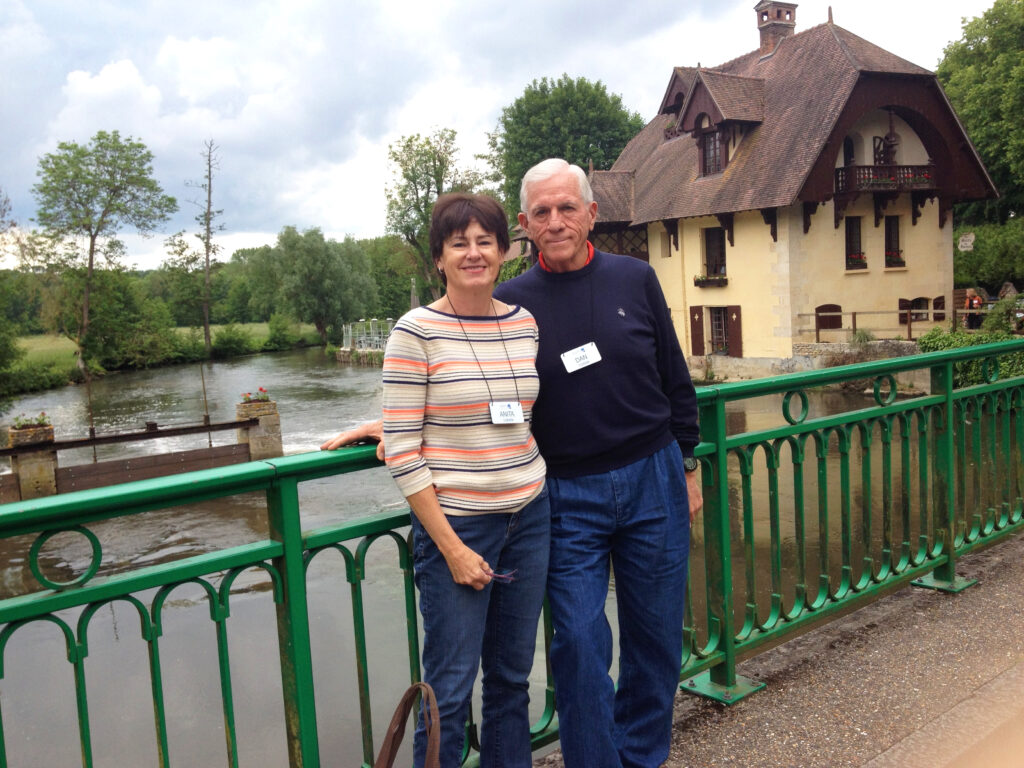
a portrait of a wife and husband over a bridge with a river behind them
Anita Palmer Corbin shared an adventurous spirit with her husband, Dan Corbin. The couple’s many travels included a visit to southern England. (Courtesy photo)

Anita grew up the youngest of four children and the only daughter. As a child, she ran home from school to finish her homework and chores so she had time to play outside. Daniel says her motto was always work first, play second.

Though her family thought it would be difficult for her to go to college, Anita earned her undergraduate degree in accounting from the University of Missouri-St. Louis and received a master’s degree in business administration with a focus on finance from Saint Louis University.

Anita began her career with Ernst and Young LLP and then joined Ralston Purina in 1979 as a senior accountant. She held several positions of increasing responsibility and was named corporate vice president and controller of the company in 1994.

She met Daniel at Ralston Purina, though they did not begin dating until years later after their first marriages had ended. Together, the couple enjoyed logging miles on their motorcycles. Anita was also an avid bicyclist, covering ground from the Blue Ridge Mountains to Florida beaches. Still, she experienced lifelong complications from diabetes, which contributed to her death.

Today, Daniel wears a silver necklace engraved with Anita’s index fingerprint and the inscription “The love of my life, I am a better man and person because of you.” The engraving shows dozens of scars from where she pricked her finger to test her blood.  “Diabetes is a terrible disease,” he says. “If Anita’s gift to WashU Medicine spares even one person from experiencing what she went through, her struggles will have been worthwhile.”

Gift for ovarian cancer research memorializes beloved wife and dedicated advocate

This past spring – perhaps motivated by the green-is-gold possibility of the season and surely inspired by poetry – Bob Fuessle decided to turn his love for his late wife, Paula, into a lasting tribute. To help fight the disease that took Paula’s life, he made a commitment to endow the Paula Emons-Fuessle Ovarian Cancer Research Fund, which will support ovarian cancer research at the Alvin J. Siteman Cancer Center, based at Barnes-Jewish Hospital and WashU Medicine.

The gift will be paid in part during Bob’s lifetime and completed with a bequest through his will. The gift’s structure will enable Bob to witness the impact of his philanthropy firsthand while ensuring Paula’s memory continues to ripple forward into the lives of future patients facing the condition she bore so gracefully. As Bob says, “It’s not just about Paula; it’s about the women yet to come.”

Paula and Bob, a retired professor of environmental engineering at Bradley University, shared a love of poetry. Avid naturalists, they gravitated toward poets who observed the world closely, discerning beauty in nature’s bittersweet pattern of dormancy and renewal. Among their favorites was Robert Frost. They memorized many of his poems, including “Hyla Brook,” which traces the life of a small stream — boisterous throughout the jewel-weed spring then fading with the hot, dry days of July.


In the years since Paula’s death in 2021, Bob has come to recognize even more keenly the generative power of poetry to renew endlessly, like the stream in “Hyla Brook.” By establishing the ovarian cancer research fund, Bob has created his own cycle of remembrance, a living poem for Paula, who was passionate about advancing ovarian cancer research.

Bob recalls the morning that passion took root. “I was working at the kitchen sink, and Paula had her back to me,” he says. “She was reading the newspaper as she did every morning, and she suddenly started to cry. She said, ‘I’m reading a front-page article about cancer research that is underfunded.’” Ovarian cancer research was mentioned.

“Soon after that episode,” adds Bob, “Paula committed herself to raising money for research to help women like her.”

Reflecting on the impact of such philanthropy, Dineo Khabele, head of the Department of Obstetrics and Gynecology at WashU Medicine, says, “The most meaningful advances in women’s health often begin with visionary donors who believe in the power of research. Their support enables us to explore promising treatments, improve early detection, and bring better outcomes to patients who urgently need them.”

Through her own research, Khabele is making progress in the fight against ovarian cancer. She and her team have identified novel drug combinations that are being advanced into early-phase clinical trials for women whose cancer has become unresponsive to chemotherapy. Innovations such as this led Bob and Paula to Siteman more than six years ago.

They became aware of the world-class research underway at the cancer center during Paula’s treatment in Springfield, Illinois, about an hour from their home near Peoria, Illinois. As Paula’s condition progressed, they were determined to receive the best care. At the recommendation of her Springfield oncologist, Paula began traveling to Siteman in St. Louis. She quickly became an advocate for the center’s exceptional research efforts.

A well-known teacher and designer in the knitting world, Paula used her popular “Knitting Pipeline” podcast to raise awareness and funds for ovarian cancer research at Siteman. Together, she and Bob — and eventually far-flung friends and family — made it their mission to ensure that more women would benefit from the kinds of discoveries Siteman was pursuing. They provided spendable support for research and, after Paula’s death, established a fund in her honor.

When asked what motivated his latest gift, Bob pauses to consider the sense of responsibility he feels for other ovarian cancer patients, rooted in his 47-year marriage to Paula and strengthened through her illness.

“Frost has another well-known poem, ‘The Road Not Taken,’ and that’s a motivation,” he says. “There’s a lot of giving in other areas of cancer research and rightfully so. But this cancer is underfunded. And that drives me, because it is so needed.”

Nussbaum family fuels pancreatic cancer research

When Sam Nussbaum was diagnosed with pancreatic cancer in his 70s, it was no surprise to his family that he chose WashU Medicine for his care. After all, Nussbaum had spent a significant portion of his distinguished career as a physician-scientist and health-care executive at the medical school and BJC HealthCare. And during that time, his family forged a deep connection to WashU.

But the choice did not come out of loyalty. Nussbaum wanted the very latest in cancer care, and he conducted an international search to find it. The pursuit led him to Kian-Huat Lim, MD, PhD, a professor of medicine in the Division of Oncology at WashU Medicine and a medical oncologist at Siteman Cancer Center at Barnes-Jewish Hospital and WashU Medicine. Beyond his clinical skill, Lim is nationally recognized for his innovative and promising bench-to-bedside pancreatic cancer research.

Within months of beginning treatment, Nussbaum and his family — wife, Rhoda; daughters Barrie Kahn Levine and Cara Kahn, AB ’02; and son, Jeffrey — saw the promise of Lim’s science. They decided to support his mission to find effective solutions for this notoriously difficult-to-treat cancer. Although they knew that Sam faced a bleak prognosis, they hoped their support would benefit future patients and their families.

The Nussbaums made their first gift to advance Lim’s work in May 2021, contributing $300,000 in spendable funding to establish the Samuel R. Nussbaum, MD Fund for Innovative Pancreatic Cancer Research within the John T. Milliken Department of Medicine’s Division of Oncology. In November 2024, roughly three years after Sam’s death, they pledged an additional $480,000 to the fund. Their gift fuels WashU’s efforts to promote healthier lives through With You: The WashU Campaign.

“Sam knew that gastrointestinal cancers are significantly on the rise, and he recognized that Dr. Lim is a brilliant scientist,” Rhoda Nussbaum says. “We are fortunate to be able to give back, and we feel strongly that Sam would have wanted us to help other families in this way.”

Their support has enabled Lim to identify several methods used by tumor cells to evade cancer treatment. He has translated those findings into potential new therapies that are currently being tested in multiple national clinical trials. “The Nussbaum Fund has been critical in moving my research forward,” Lim says. “I’m eternally grateful for their support.”

Coming full circle

Barrie Kahn Levine describes her father as a brilliant, well-loved, family-oriented Renaissance man who was passionate about history, architecture, art, gardening, and, of course, biomedicine. Sam Nussbaum began his career at Harvard University, where he spent two decades as a leading endocrinology clinician and researcher. In 1996, he was recruited to St. Louis to serve as executive vice president of medical affairs and system integration at BJC HealthCare. “It was a big deal to move from the East Coast to the middle of the country,” Barrie says. “But our family fell in love with St. Louis and WashU.”

The Nussbaums quickly put down WashU roots. Sam served on the WashU Medicine faculty and taught in Olin Business School’s executive MBA program. Daughter Cara earned a bachelor’s degree from WashU in 2002. Sam and Rhoda, who was a lecturer in communication disorders at Fontbonne University, became close friends with Chancellor Emeritus Mark S. Wrighton and his wife, Risa Zwerling Wrighton. And when family friends visited St. Louis, Sam gave walking tours of the Danforth Campus to show off the beautiful architecture.

“He just loved WashU,” Barrie says. “And our family respected WashU as a pillar of the St. Louis community, so supporting the university was a no-brainer.”

Later, Sam became a nationally acclaimed executive at insurance company WellPoint/Anthem and a consultant for biomedical startups and international health agencies. But he and Rhoda maintained their WashU connection through their philanthropy and leadership.

Over the years, the couple made gifts to the Institute for Public Health and for scholarships across the university. In 2014, the Nussbaums committed $500,000 for new education and research facilities at the Brown School, and they made another $250,000 gift to the school in 2015. In recognition of their generosity, the outdoor space connecting Brown Hall and Goldfarb Hall with Hillman Hall is now known as the Sam and Rhoda Nussbaum Family Plaza. A classroom in Hillman Hall also bears their names. Sam served on the Brown School National Council from 2018 to 2021, and the school posthumously awarded him the Dean’s Medal in June 2022.

The unwanted challenge

A network of support formed around Sam when he began treatment at Siteman Cancer Center during the height of the COVID-19 pandemic. Barrie and Cara temporarily relocated from the East Coast with their young children to maximize time with their father. Friends delivered nightly dinners to the Nussbaums for months, leaving the food on their doorstep. The Wrightons also visited the family regularly.

Sam continued working as much as he could. Meanwhile, he formed a strong partnership with Lim, who shared his latest research findings and helped him consider participation in clinical trials. Sam did not qualify for trials at Siteman but participated in one at Massachusetts General Hospital in Boston and another at Sarah Cannon Research Institute in Nashville, Tennessee.

Sam died from pancreatic cancer on Sept. 23, 2021, at age 73. “Dr. Nussbaum showed strength and grace right to the end,” Lim says. “He was a special man.”

“Interesting” is not enough

Sam was one of the roughly 320 patients treated for pancreatic cancer each year at Siteman, which is one of the nation’s top five centers for pancreatic cancer patient volume. For Lim, treating patients like Sam inspires and guides his research. “For some researchers, ‘interesting’ is enough,” Lim says. “But it’s not enough for me. I have to think about how my research will benefit the patients who have put their trust in me.”

Unfortunately, pancreatic cancer is among the most difficult cancers to treat, with five-year survival rates of around 11%. Lim is determined to push that number much higher. Championing the unconventional idea that pancreatic cancer is an inflammatory disease, he works to understand and address the mechanisms underlying its aggressive behavior and treatment resistance. 

Bolstered by resources from the Nussbaum Fund, Lim and his team have made significant breakthroughs. They recently discovered that a protein called IRAK4 drives inflammation and prevents the immune system from attacking tumors. The team created a method to block IRAK4 and weaken tumor defenses. Their technique is now being tested in a national clinical trial under the National Cancer Institute’s Experimental Therapeutics Clinical Trials Network (ETCTN) led by Patrick Grierson, MD, PhD, an assistant professor of medicine at WashU Medicine and medical oncologist at Siteman. Lim says the early results are promising.

In related work, Lim has pinpointed how pancreatic tumors evade the first-line chemotherapy regimen known as FOLFIRINOX, a combination of drugs that attack pancreatic cancer cells in multiple ways. He is testing a blocking agent that could allow FOLFIRINOX to do its job better and is now evaluating the approach in a national clinical trial funded by a Specialized Program of Research Excellence (SPORE) grant from the NCI. WashU Medicine’s SPORE in pancreatic cancer is one of only three such programs in the country.

A third study involves the HER-2 receptor, a protein on the surface of cancer cells that is perhaps best known for promoting tumor growth in breast cancer. The Lim lab found that pancreatic tumors generate extra HER-2 as a protective mechanism against certain cancer treatments. He and his colleagues are exploiting that behavior by using HER-2 as a conduit to deliver chemotherapy directly to tumor cells. This clinical trial has also been approved by the NCI’s ETCTN and is currently under protocol development.

Lim believes WashU’s strength in cancer research is its ability to innovate. At the same time, the NIH favors research ideas that are well tested. Philanthropy fills the gap by supporting high-risk, high-reward science, he says. The SPORE grant is a prime example. When Lim first began seeing Sam as a patient, he was struggling to get research funding. “The Nussbaum Fund allowed us to gather the evidence we needed to compete successfully for the SPORE, which supports not only my HER-2 research but also two other major projects addressing pancreatic cancer,” Lim says. “The ultimate goal is to cure pancreatic cancer. I’m hopeful that we will increase survival significantly within the next decade or two.”

Finding solace

Seeing firsthand how philanthropy can push science toward a cure has been gratifying for Cara Kahn. “It feels like Dr. Lim is so close — like he’s on the cusp of something big,” she says. “He’s a hero in our eyes.”

The family’s philanthropic experience also helps them cope with their loss. “It gives you a level of control over something that feels so out of control,” says Barrie, who hopes their story will inspire others to give. “Our dad taught us that research is the cornerstone of medical breakthroughs. It’s critical to support this work, especially now. Philanthropy has never been more important.”

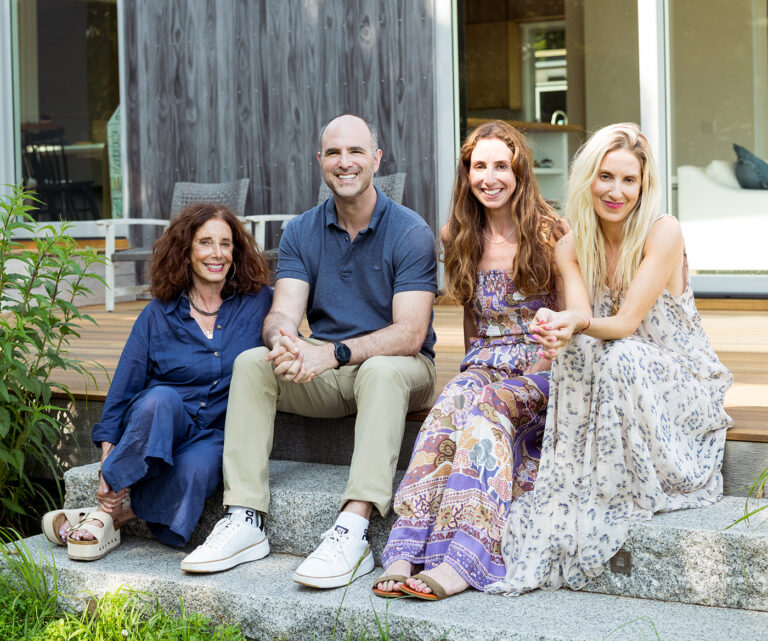
A family portrait in the backyard of a house on a sunny day
Rhoda Nussbaum, far left, and her children, from left, Jeffrey, Barrie, and Cara, hope their support for research conducted by Kian-Huat Lim, MD, PhD, at WashU Medicine and Siteman Cancer Center will improve outcomes for patients facing pancreatic cancer diagnoses. (Photo: Christine Sargologos)

Siteman recruiting participants for multi-cancer detection tests

National study aims to detect disease before symptoms appear

Siteman Cancer Center at Barnes-Jewish Hospital and WashU Medicine is recruiting participants for a national study of a new type of blood test aimed at detecting several types of cancer before symptoms appear. The tests could identify the presence of ovarian, pancreatic, bladder and other cancers that currently have no recommended screenings, as well as more common cancers that do.

WashU Medicine researchers at Siteman are recruiting people ages 45 to 75 who haven’t been diagnosed with cancer in the past five years to participate in the study. A blood draw is the most invasive part of participating, though additional time for follow-up is also required. There is no cost for participating in the study.

“We’re building the evidence on how these tests will perform: how they’re experienced by people, their potential benefits and more,” said Aimee James, PhD, MPH, MA, a WashU Medicine cancer prevention and control researcher at Siteman. “This could open up access to screenings for cancers we don’t already have screening options for — including stomach, esophageal and liver cancer.”

Multi-cancer detection tests are designed to detect biological substances that cancer cells release into the bloodstream, information that can even indicate where the cancer originated. The tests in this study, a national effort known as the Vanguard Study, also will screen for cancers that already have recommended screenings, including breast, colorectal, lung and prostate cancers.

The Vanguard Study is an important preliminary step in a larger plan to evaluate how well such tests work for reducing cancer deaths. The study will:

  • Provide information on how the tests work as cancer screening tools
  • Explore the decisions that participants and care providers make based on the results

The tests under review are expected to detect cancer in fewer than 5% of participants. If cancer is indicated, a nurse navigator will work with study participants to find appropriate follow-up care.

To enroll in the study or to learn more, call 314-362-5539 or visit https://publichealthsciences.wustl.edu/csrn.

AI-driven blood test could aid earlier detection of brain cancer

WashU Medicine physician-researchers at The Brain Tumor Center at Siteman Cancer Center have co-developed an innovative approach that uses artificial intelligence (AI) to detect brain cancer, potentially leading to earlier diagnoses. Siteman is based at Barnes-Jewish Hospital and WashU Medicine.

The process incorporates a noninvasive blood test and machine learning that analyzes the blood sample for evidence of brain cancer – specifically, circulating DNA patterns associated with brain tumors. It then identifies repeating genomic patterns that indicate the presence of brain cancer. Such tests have already shown success in the earlier detection of lung cancer.

“We now have a method that detects brain cancer based on its unique characteristics, including DNA fragmentation and immune responses,” said WashU Medicine neurosurgeon Dimitrios Mathios, MD, who developed the test with Victor E. Velculescu, MD, PhD, co-director of the Cancer Genetics and Epigenetics Program at Sidney Kimmel Comprehensive Cancer Center at Johns Hopkins.

“The signals we detect come from both the tumor itself and the immune system’s reaction to it,” said Mathios, an assistant professor of neurosurgery and director of the Lab for Molecular Neuro-oncology at WashU Medicine and a Siteman research member.

Mathios and Velculescu published their work April 29 in Cancer Discovery.

Detecting brain cancer before symptoms appear is challenging, often leading to diagnoses at more advanced stages when tumors are larger and located in high-risk areas. This complicates treatment, making it both riskier and less effective. The blood-brain barrier, which protects the brain, also prevents biomarkers — signs of cancer — from entering the bloodstream, further complicating early detection.

Using their new approach, the researchers successfully detected brain cancer in approximately 75% of cases from a cohort of 505 patients in the U.S. and South Korea, according to their paper, and validated their results in a separate group of 95 patients in Poland. In contrast, traditional blood-based liquid biopsy methods have detected brain cancer in fewer than 10% of cases.

A key factor in this success is the detection of immune system changes associated with brain cancer. Brain cancer often leads to immune suppression and alters the immune cell profile in the blood. These immune changes occur throughout the body, bypassing the blood-brain barrier and making them detectable, Mathios said.

In a simulation, the researchers modeled the potential benefits of using their method to screen the 10 million patients who visit emergency rooms or primary care clinics annually due to headaches. Normally, these patients are only referred for brain imaging if a physician suspects a problem. However, the simulation showed that incorporating blood-based liquid biopsy results could help identify nearly 1,700 additional cancer cases in the U.S.

The next step for the team is to conduct a larger prospective trial to confirm these findings in a broader population at higher risk for brain cancer.

Innovative immunotherapy shows promise against aggressive T cell cancers

WashU startup’s “off-the-shelf” CAR-T cell therapy evaluated in international clinical trial

A new type of immunotherapy that targets aggressive blood cancers shows promising results alongside manageable side effects, according to the results of an international phase 1/2 clinical trial led by WashU Medicine researchers at Siteman Cancer Center, based at Barnes-Jewish Hospital and WashU Medicine.

The clinical trial evaluated the safety and efficacy of an innovative CAR-T cell immunotherapy that is specifically designed to attack cancerous T cells. Participants in the trial had been diagnosed with rare cancers — T cell acute lymphoblastic leukemia or T cell lymphoblastic lymphoma — and had run out of treatment options after standard therapy proved ineffective for them. With the new immunotherapy, most of the patients in the study who received the full dose of cells achieved full remission of their cancer.

The trial’s results were published May 30 in the journal Blood.

“For patients with these rare and aggressive cancers, who have no other options, this has the potential to become a transformative advance in the field,” said senior author John F. DiPersio, MD, PhD, the Virginia E. & Sam J. Golman Professor of Medicine at WashU Medicine, who first developed the therapy in his lab at WashU Medicine. “The trial demonstrated a high likelihood of response to the therapy and even remission. This CAR-T cell treatment shows promise in becoming a ‘bridge-to-transplant’ therapy for patients who would otherwise not be eligible for stem cell transplantation, which is the only potentially curative treatment for these blood cancers.”

Larger studies with more patients and longer follow-up are necessary before the researchers can determine whether this new therapy could be curative on its own.

The current trial included 28 adult and adolescent patients with T cell acute lymphoblastic leukemia and T cell lymphoblastic lymphoma that either returned after several lines of therapy or that never responded to treatment. About 1,000 people are diagnosed with these cancers annually in the U.S. If the cancer does not respond to treatment or returns after initial treatment, patients survive only six months, on average, and less than 7% are still living at the five-year mark.

The therapy, called WU-CART-007, was developed by Wugen, a WashU biotech startup company founded by DiPersio and other WashU Medicine investigators, including Matthew Cooper, PhD, who co-founded the company when he was on the WashU Medicine faculty and now serves as Wugen’s chief scientific officer. The clinical trial was conducted in Australia, Europe and multiple sites across the U.S. For the St. Louis site, the trial was conducted at Siteman Cancer Center.

The trial design included a dose-escalation phase, which determined the recommended dose of therapeutic cells that patients would receive for the second phase of the trial. Dose escalation helps determine the largest dose of CAR-T cells that patients can receive and still have manageable side effects. Thirteen patients received the full dose of 900 million CAR-T cells after undergoing a procedure to clear the patients’ own immune cells. This procedure — called lymphodepletion — reduces immune cells, making room for the new therapeutic T cells to establish themselves and expand in number. Two of these patients died from their cancer or treatment complications, such as infection, during the study period.

Of 11 patients who could be evaluated after treatment, the overall response rate was 91%, meaning 10 patients either showed no signs of cancer after treatment or their cancer cell burden was reduced significantly. Eight out of 11 patients (72.7%) achieved complete remission. At the study’s data cut off, six who underwent a transplant remain in remission, with no evidence of disease, six to 12 months later.

“These response and remission rates — ranging from 70%-90% of patients — are much higher than we would expect from standard-of-care for this cancer type, which typically leads to remission in only 20%-40% of patients,” said first and corresponding author Armin Ghobadi, MD, a professor of medicine and clinical director of the Center for Gene and Cellular Immunotherapy at WashU Medicine. “These responses are remarkable because the patients in this trial had run out of options. They had very aggressive cancers return after several lines of therapy, including several who relapsed after an earlier stem cell transplant.”

Most patients (88.5%) experienced cytokine release syndrome as a side effect of the immunotherapy, and these cases were predominantly mild or moderate. Cytokine release syndrome is a common side effect of CAR-T cell therapy that occurs when large numbers of immune cells release chemicals that cause a full-body inflammatory response. About 19% of the patients experienced more-severe cytokine release syndrome. A small number of patients experienced rarer side effects, such as neurotoxicity syndrome and low-grade graft-versus-host disease. Adverse events were managed with additional therapies.

Off-the-Shelf Cell Therapy

The immunotherapy evaluated in the trial is considered a “universal” CAR-T cell therapy because — harnessing CRISPR gene editing technology — it can be produced from cells donated by any healthy individual and used to treat any patient with a T cell cancer. In contrast, approved CAR-T cell therapies are adapted from the patient’s immune cells. The cells must be collected from the patient and shipped to a manufacturing facility to be made and then shipped back, a process that typically takes three to six weeks. In contrast, universal CAR-T cell therapies can be made ahead of time, stored frozen and be readily available “off-the-shelf,” greatly reducing the wait time before therapy can begin.

Using CRISPR gene editing tools, the production process deletes the T cell receptor from the donor cells, greatly reducing the risk of graft-versus-host disease, in which donor T cells attack healthy tissue. Removing another key antigen also prevents the CAR-T cells from attacking one another. The types of rare cancers in this study presented a unique challenge: the therapeutic cells and the cancer cells are both T cells, so steps must be taken to prevent the therapeutic T cells from mistaking one another for the cancer and causing CAR-T cell fratricide. All other approved CAR-T cell therapies target B cell cancers, which do not have this T cell self-targeting complication. After using CRISPR gene editing to modify the CAR-T cells to prevent these harmful side effects, the cells are further engineered to target a protein called CD7 on the surface of cancerous T cells to then destroy the cancer.

“A larger international clinical trial of this therapy is already underway,” DiPersio said. “We must complete this larger trial first, but we are hopeful this universal CAR-T cell therapy can become an approved treatment for patients with deadly T cell cancers.”

# # #

Ghobadi A, Aldoss I, Maude SL, Bhojwani D, Wayne AS, Bajel A, Dholaria B, Faramand R, Mattison RJ, Rijneveld A, Zwaan CM, Calkoen F, Baruchel A, Boissel N, Rettig M, Wood B, Jacobs K, Christ S, Irons H, Capoccia B, Masters D, Gonzalez J, Wu T, del Rosario M, Hamil A, Bakkacha O, Muth J, Ramsey B, McNulty E, Baughman J, Cooper ML, Davidson-Moncada J, DiPersio JF. Phase 1/2 trial of anti-CD7 allogeneic WU-CART-007 in patients with relapsed/refractory T cell malignancies. Blood. May 30, 2025.
Ghobadi has provided consulting for Wugen. Wugen’s founders include members of Washington University physicians who are colleagues of Ghobadi. Several co-authors are employees of Wugen and some hold shares in the company. DiPersio is a co-founder of Wugen and holds equity-ownership in the company.
This trial was funded by Wugen; and by the National Cancer Institute (NCI) of the National Institutes of Health (NIH), through an NCI Outstanding Investigator Award, grant number R35CA210084; an NCI Leukemia SPORE, grant number P50CA171963; and an NCI Research Specialist Award, grant number R50CA211466.