

News & Breakthroughs at Siteman
Stay informed with the latest cancer news and breakthroughs from Siteman Cancer Center. Our news feed provides timely updates on research breakthroughs, clinical trials, and community events.
Clinical News & Stories
Clinical, In the Media, Research
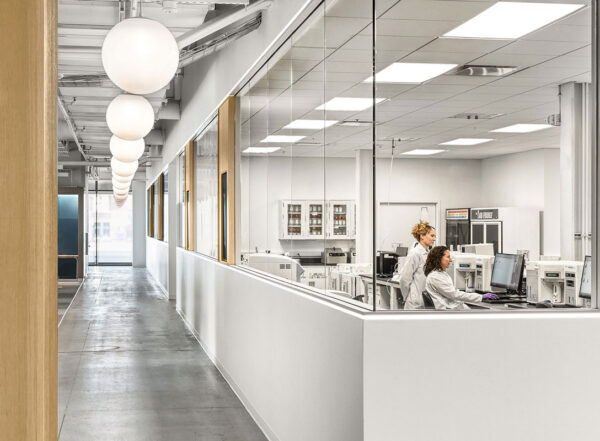
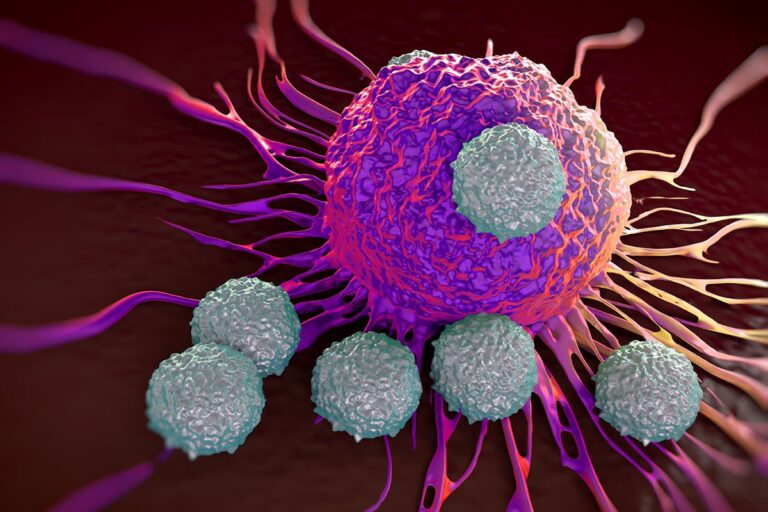
Innovative CAR-T cell therapy receives FDA breakthrough therapy designation
Immunotherapy for aggressive T-cell cancers developed by WashU Medicine researchers moves to faster approval pathway A cell-based immunotherapy designed to treat rare and aggressive types of blood cancer has been granted Breakthrough Therapy designation by the U.S. Food and Drug Administration (FDA). Developed by researchers at Washington University School of Medicine in St. Louis, this […]
Clinical, In the Media, Research
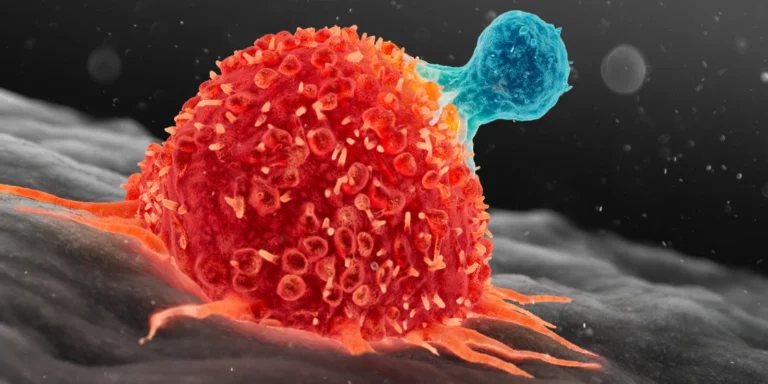
FDA Breakthrough Therapy Designation Reflects Practice-Changing Trends Only at Siteman
Recognition follows strong early clinical results for a novel off-the-shelf CAR T therapy targeting rare and aggressive T-cell malignancies A novel off-the-shelf CAR T-cell therapy pioneered at Siteman Cancer Center at Barnes-Jewish Hospital and WashU Medicine is gaining national recognition after delivering striking clinical results in patients with rare and aggressive blood cancers. The FDA […]
Clinical, In the Media
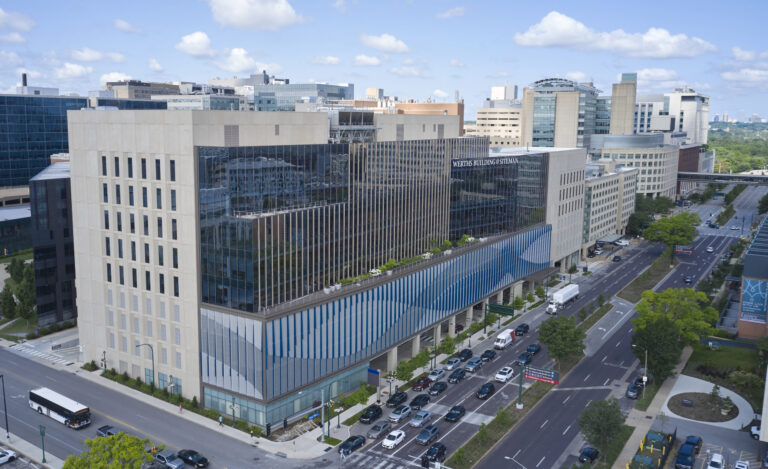
Gary C. Werths building at Siteman earns LEED Gold
Project team identified more environmentally friendly solutions throughout the building process The Gary C. Werths Building at Siteman Cancer Center, based at Barnes-Jewish Hospital and WashU Medicine, has earned Leadership in Energy and Environmental Design (LEED) Gold certification from the U.S. Green Building Council. Buildings that achieve this recognition must meet stringent criteria in categories […]

Clinical, In the Media, Research
Connecting cancer patients to tobacco treatment is aim of $7.5 million, WashU-led trial
Cancer patients who quit smoking live significantly longer than those who don’t The science is clear: Cancer patients who quit smoking fare much better than those who don’t. Quitters respond better to treatment and are less likely to see their disease come back or develop a new cancer, and they have a lower risk of […]

Clinical, In the Media, Research
New center to develop AI-based imaging tools to improve diagnosis, care
WashU Medicine Mallinckrodt Institute of Radiology leads effort on image-based precision medicine Mallinckrodt Institute of Radiology (MIR) at Washington University School of Medicine in St. Louis is establishing a new center dedicated to developing AI-based imaging tools to improve the diagnosis and precision treatment of cancers, cardiovascular disease, neurological diseases and numerous other conditions. The […]
Clinical, In the Media, Staff/Faculty Update
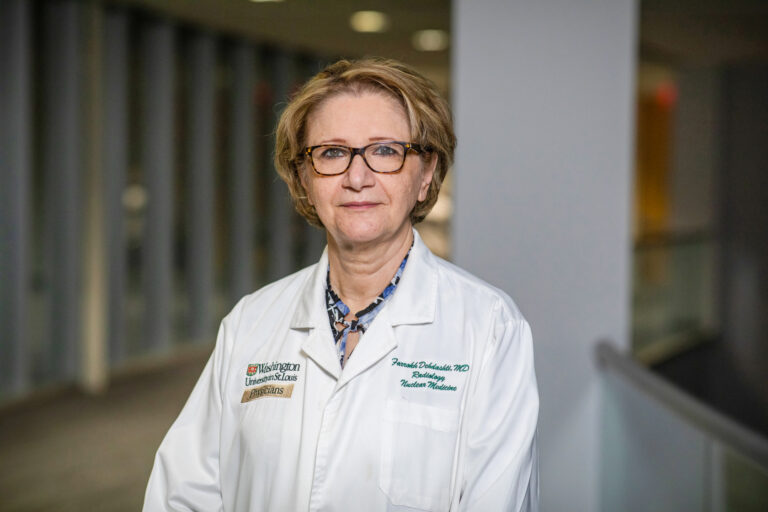
Dehdashti honored by Radiological Society
Award recognizes her career contributions in research Physician-scientist Farrokh Dehdashti, MD, the Drs. Barry A. and Marilyn J. Siegel Professor of Radiology and senior vice-chair and director of the Division of Nuclear Medicine at WashU Medicine, is being recognized by the Radiological Society of North America for advancing the radiologic sciences throughout her career in research. […]
Clinical, In the Media, Research
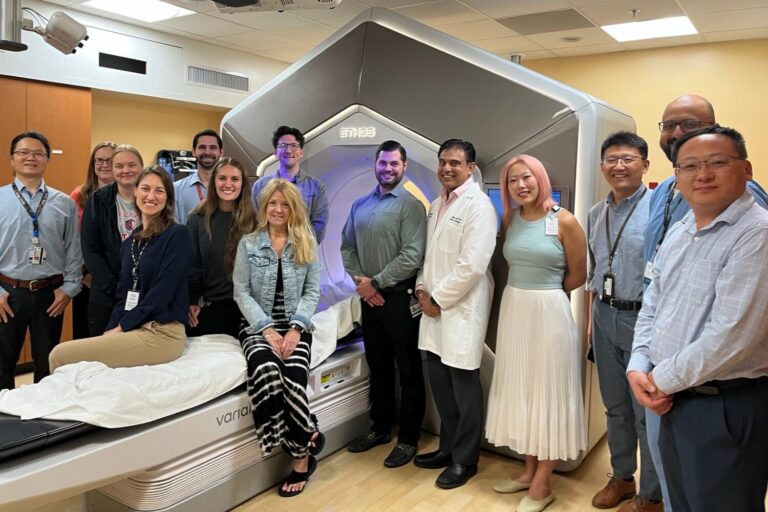
1,000th patient treated at Siteman with AI-enabled radiation therapy system
Combining artificial intelligence (AI) with advanced imaging, the technology supports more precise, personalized daily treatments by WashU Medicine physicians Siteman Cancer Center at Barnes-Jewish Hospital and WashU Medicine has treated its 1,000th patient using state-of-the art radiation therapy technology that allows physicians to update a patient’s treatment plan on each day of treatment. Called adaptive […]
Clinical, In the Media, Research
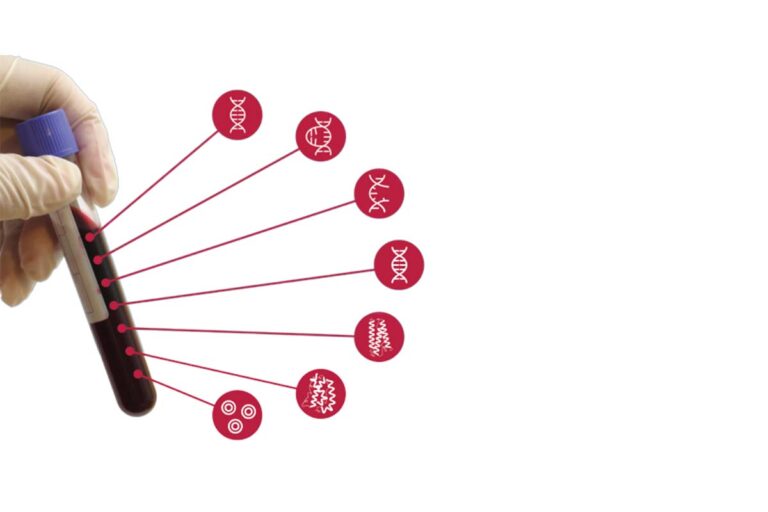
Siteman recruiting participants for multi-cancer detection tests
National study aims to detect disease before symptoms appear Siteman Cancer Center at Barnes-Jewish Hospital and WashU Medicine is recruiting participants for a national study of a new type of blood test aimed at detecting several types of cancer before symptoms appear. The tests could identify the presence of ovarian, pancreatic, bladder and other cancers […]
Clinical, In the Media
Immunotherapy improves survival of patients with locally advanced head and neck cancer
Approved drug that revolutionized melanoma treatment may change the standard of care for yet another cancer type An international phase 3 clinical trial led by Washington University School of Medicine in St. Louis and Dana-Farber Brigham Cancer Center shows that patients with certain locally advanced head and neck cancers benefited from the addition of the […]
Clinical, Research
Vaccine Shows Promise Against Aggressive Breast Cancer
Clinical trial targeted recurrence of hard-to-treat triple-negative breast cancer A small clinical trial shows promising results for patients with triple-negative breast cancer who received an investigational vaccine designed to prevent recurrence of tumors. Conducted at Washington University School of Medicine in St. Louis with a therapy designed by Washington University researchers, the trial is the […]