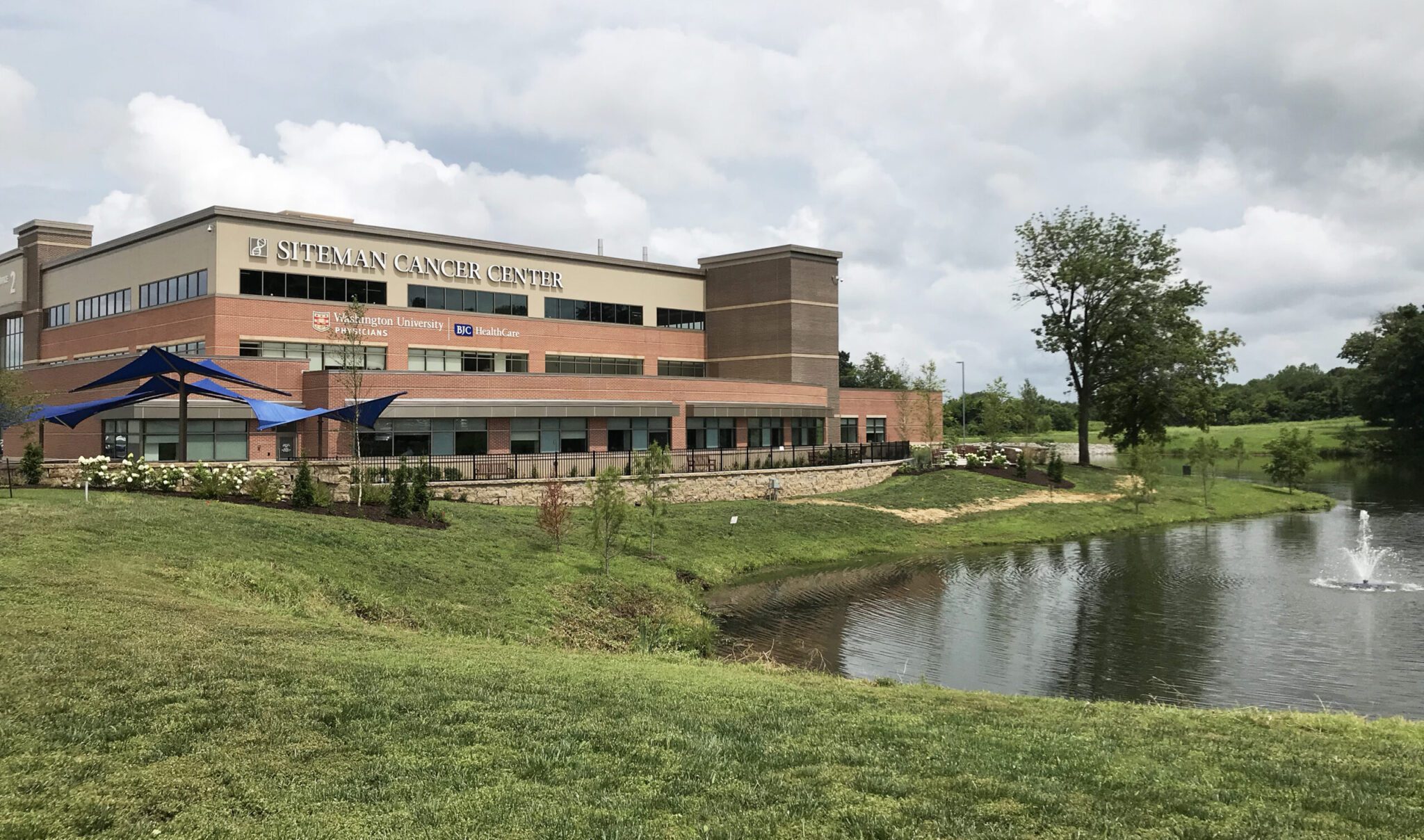
Pancreatic Cancer | Team & Location

Pancreatic Cancer Specialist Team

Medical Oncologists
Radiation Oncologists
Surgical Oncologists
Surgeons
Gastroenterologists
Radiologists
Interventional Radiologists
Psychologist

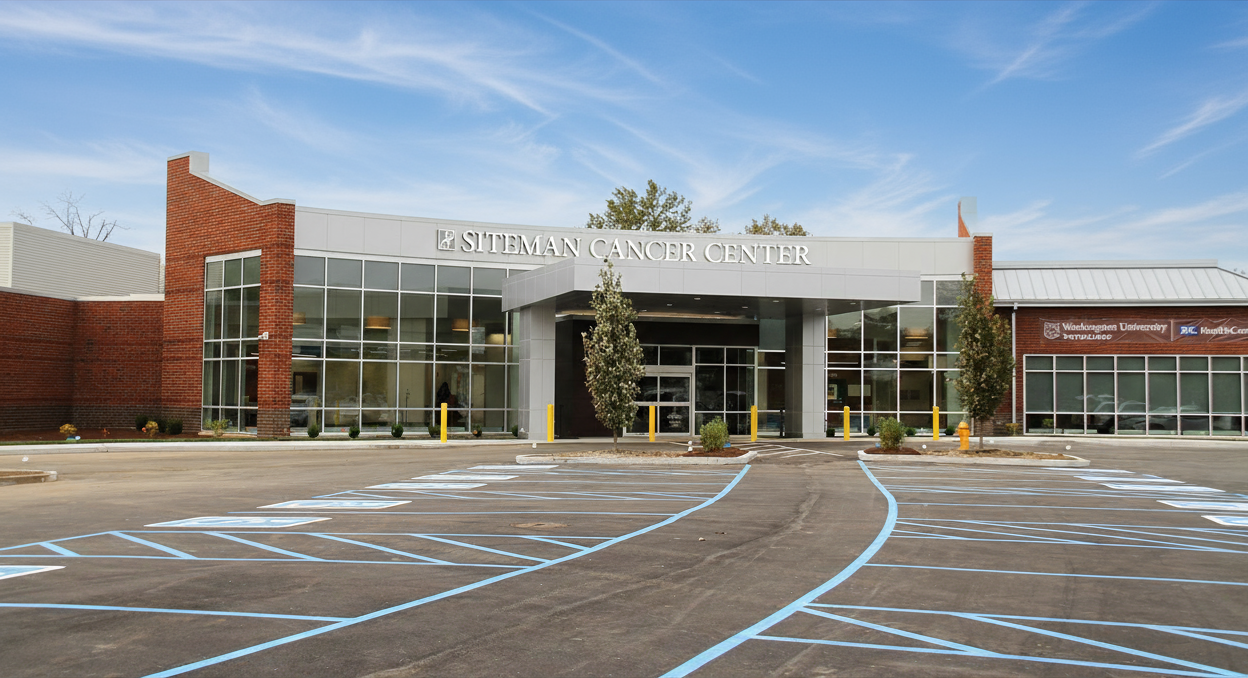
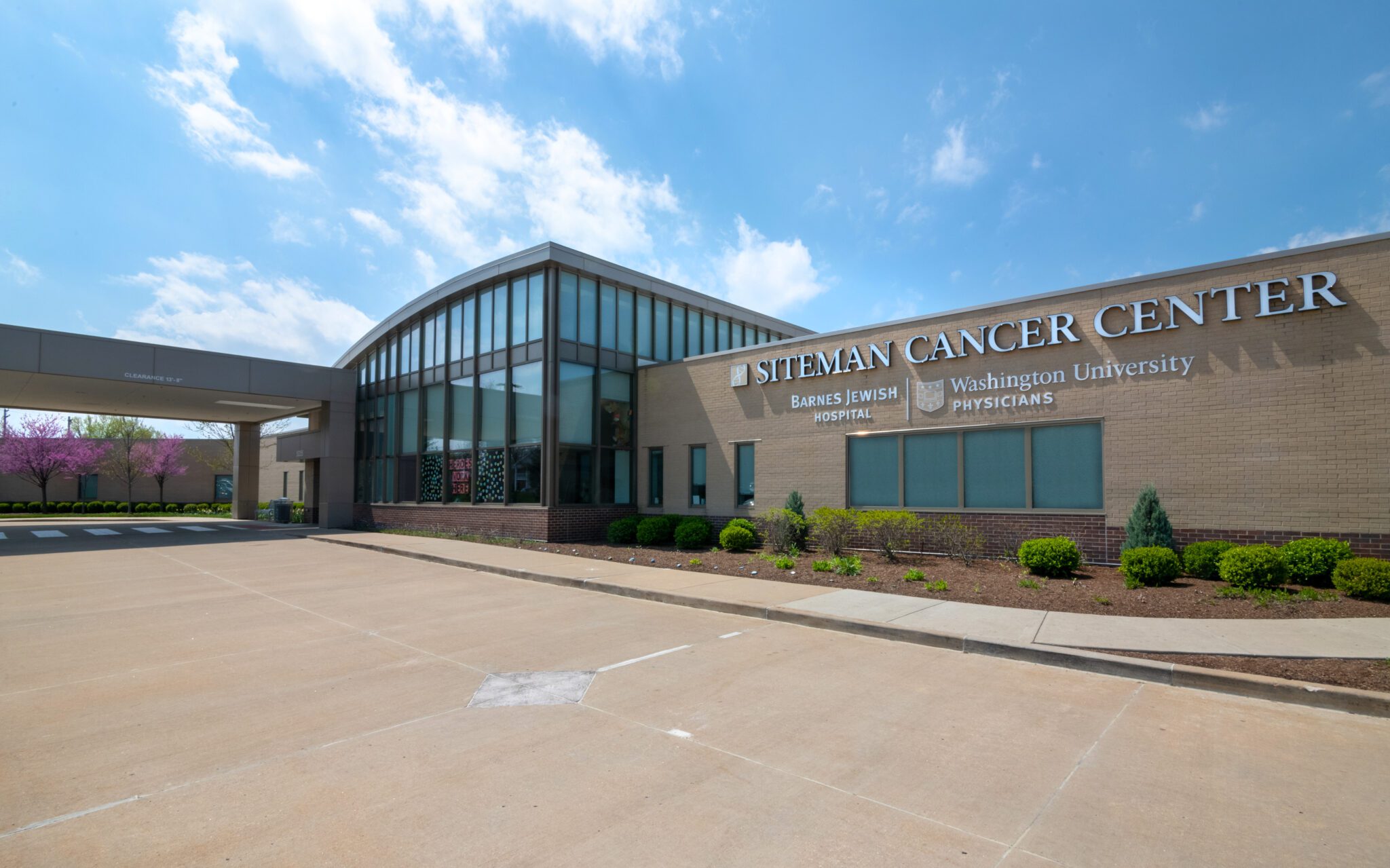
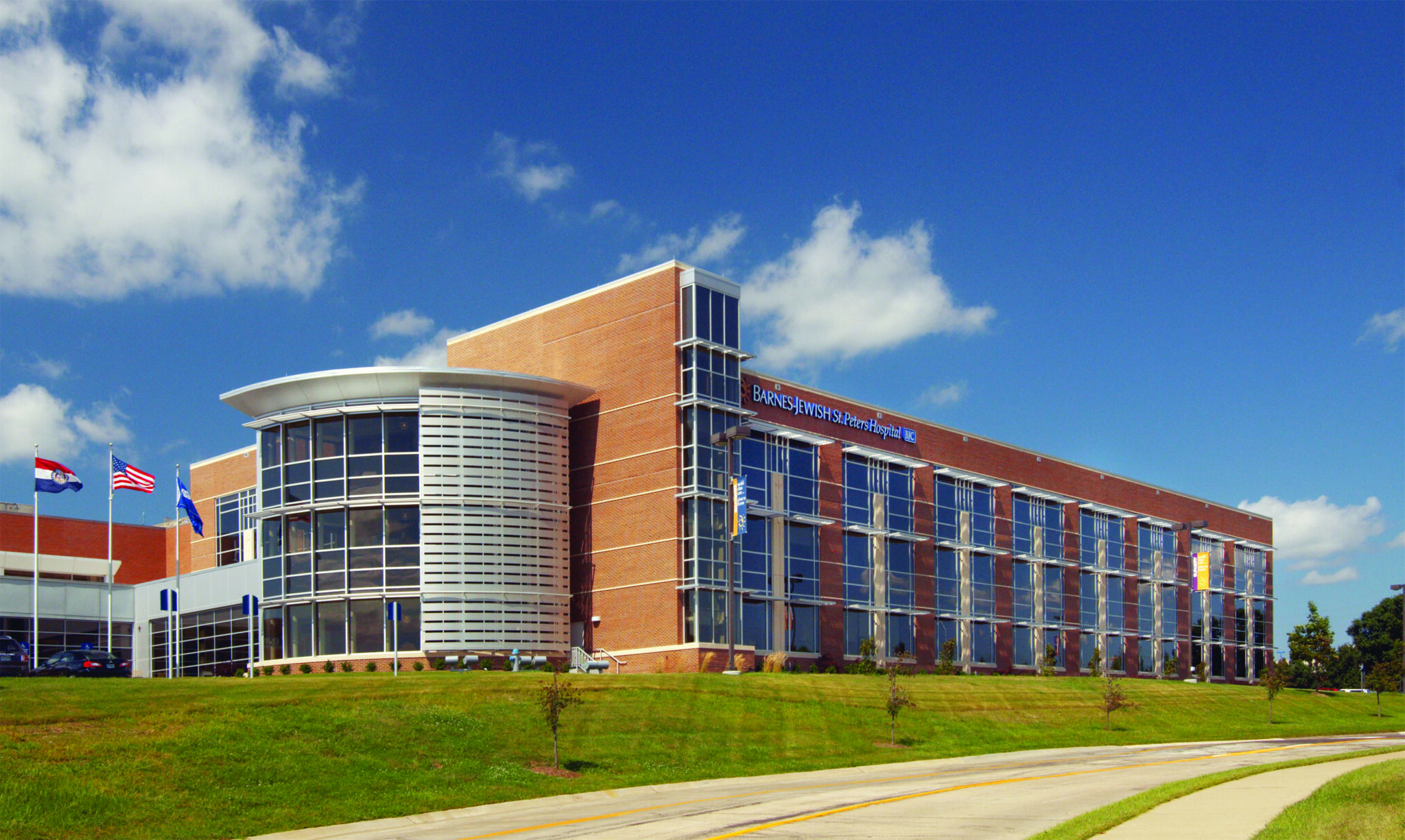
Our Locations

Pancreatic Neuroendocrine Tumors (PNETS)

Pancreatic neuroendocrine tumors (PNETs) are a different disease than pancreatic adenocarcinoma. They have their own risk factors and symptoms, and often need to be treated differently.


At Siteman, your care team will personalize your treatment plan depending on the exact type of tumor you have.

Kinds of Pancreatic NETs

Pancreatic NETs fall into two different groups with different symptoms. Sometimes these tumors produce hormones. Sometimes they don’t.


1.) Tumors that make hormones are called “functional tumors.” Functional tumors can make hormones such as gastrin, insulin, glucagon, and somatostatin. These hormones are already in the body, so more can create issues and drive symptoms.


2.) Tumors that do not make hormones are called “nonfunctional tumors.” These cause symptoms as the tumor spreads and grows.


Most pancreatic NETS are functional and are often noncancerous. Nonfunctional tumors are more likely to be cancer. Siteman treats every kind of pancreatic tumor, even if they are noncancerous (benign). 

What are the symptoms of Pancreatic NETs?

Functional NETs symptoms

This kind of pancreatic tumor makes too many hormones for the body to use. It’s the hormones that cause symptoms. 


  • Extra gastrin causes stomach ulcers, belly pain, and acid reflux 
  • Extra insulin causes low blood sugar and a fast heartbeat  
  • Extra glucagon causes skin rashes, high blood sugar, blood clots, unintended weight loss, or a sore mouth 
  • Extra somatostatin causes high blood sugar, gallstones, or jaundice  

What are the risk factors for PNETs?

In most cases, pancreatic NETs happen when a person has a hereditary genetic condition. These are conditions caused by changes in genes that are passed down from parents to children. A main condition is multiple endocrine neoplasia type 1 (MEN1) syndrome. Because it often runs in families (hereditary), Siteman’s High Risk Clinic can provide families with support and resources for every age.

What are the treatments for PNETs?

There are different types of treatment for patients with PNETs. Often, treatment includes surgery and medications. 


Surgeries for NET pancreatic tumors include:

  • Removing the tumor: This procedure is called “enucleation.” It is done when the tumor is in one small area of the pancreas. For this surgery, part of the pancreas is left to function normally in digestion and making insulin.  
  • Removing the body and tail of the pancreas: This procedure is called a “distal pancreatectomy.” It is done when more of the pancreas is affected by the tumor. Sometimes, surgeons will also remove the spleen. 
  • Whipple procedure: This is a procedure to remove the head of the pancreas, the gallbladder, nearby lymph nodes and part of the stomach, small intestine, and bile duct. Enough of the pancreas is left to make digestive juices and insulin.  

Not all patients can have surgery. Siteman excels at nonsurgical opinions, too. These are less invasive ways to shrink the tumor. These include: 


  • Radiofrequency ablation: Your surgeon will place a special probe with tiny electrodes into the tumor. The electrodes will kill the cancer cells. 
  • Cryoablation: Your surgeon will use an instrument that contains a very cold liquid to freeze the cancer cells in the pancreas.  

Drug therapies for NET pancreatic tumors include: 


  • Chemotherapy: This is a type of medication that kills cancer cells. Chemotherapy drugs can be taken as pills or given through an IV. 
  • Hormone therapy: Sometimes, tumor cells respond to hormones. Taking hormone therapy can stop them from growing. Hormone therapy can also help treat symptoms caused by functional PNETS that make hormones.  
  • Targeted therapy: Targeted therapies change how cancer cells work. They keep the cancer cells from growing and making more cells. This can make the tumor stop growing and even shrink over time. 
  • Theranostics: Theranostics uses imaging with a type of drug called “radiopharmaceuticals.” During a theranostic treatment, you’ll get a medication containing a small amount of radiation. The radiation will travel to your cancer cells. It will make them more visible on an imaging scan. Once the imaging scan has shown exactly where the cancer cells are, you will receive another medication containing radiation. The radiation will kill the cancer cells.   

Pancreatic Cancer | Treatment & Support

When you come to Siteman for the treatment of pancreatic adenocarcinoma, you will be in capable, compassionate hands. Our WashU Medicine physicians are highly experienced at treating this disease and will develop a treatment plan personalized to you, your cancer, your lifestyle, and your goals. We offer the newest drugs, the most advanced technology, and approaches guided by our own, world-renowned scientific research.


At Siteman, we understand that you are more than just your cancer. We will provide you with resources to help you and your family cope through the treatment process and beyond. Nurse navigators will guide you and your loved ones as you receive care.


The first important step for every patient is to accurately determine if his or her pancreatic cancer can be safely and entirely removed by surgery.


Surgery is usually the foundation of your treatment plan. But, not always. Siteman offers cutting-edge nonsurgical approaches for pancreatic cancer, too. If surgery is not initially an option, we focus on the most effective drug therapies and advanced radiation to control your cancer. Sometimes, drug therapies and radiation will shrink a tumor so much that surgery becomes an option.


To learn more about treatments for pancreatic neuroendocrine tumors, or PNETS, click here. 

Surgery for Pancreatic Cancer

The WashU Medicine surgeons at Siteman are among the most experienced in the country and work to ensure that surgery is possible and safe. They are skilled at performing minimally-invasive, robotic-assisted procedures that are less risky for patients and lead to faster recoveries.

Types of pancreatic cancer surgery

Patients who are eligible for surgery will likely have one of the following procedures: 


  • Removing the end (tail) of the pancreas: This procedure is called a “distal pancreatectomy.” It’s usually done when the tumors are only in the tail of the pancreas. This surgery removes the end of the pancreas. This portion is called the “tail.” Sometimes, the surgeon also removes part of the body of the pancreas and the spleen. Pancreatic surgeons at Siteman were the first in the world to develop a new method for this surgery. Because it is safer and more effective, cancer centers across the world have adopted our approach. 
  • Removing the head of the pancreas: This procedure is called a “Whipple procedure.” It’s done when the tumors are located in the head of the pancreas. In a Whipple procedure, your surgeon will take out the head of the pancreas as well as the gallbladder, the bile duct, and part of the small intestine. They do this to remove all cancer cells while leaving part of the pancreas.  
  • Removing the entire pancreas: This procedure is called a “total pancreatectomy.” In addition to removing the whole pancreas, your surgeon will also take out other organs, including the gallbladder, part of the stomach, part of the small intestine, and nearby lymph nodes.  

The benefits of pancreatic surgery at Siteman

Pancreatic surgeries require surgeons who are experts in treating pancreatic cancer.  As a top five high-volume pancreatic treatment center, Siteman has the expertise patients need.


WashU Medicine physicians at Siteman use robotic surgery whenever possible, so patients have the benefit of minimally-invasive procedures. This means, instead of making one large incision, your surgeons will make several smaller ones. They will use special tools and cameras to do the surgery inside your body.


There are many advantages to minimally-invasive pancreatic surgeries.


Short-term benefits include:


  • During surgery: shorter surgery times, less anesthesia needed, less blood loss 
  • After surgery: fewer complications 
  • Recovery:  
    • Shorter time spent in the hospital 
    • A quicker return to eating 
    • Faster return to treatments like chemotherapy 
    • Less rehabilitation needed overall 

In the long term, minimally invasive surgeries may lead to better patient outcomes. Chemotherapies for pancreatic cancer have become much more effective in recent years, and the sooner a patient recovers from surgery, the sooner he or she can begin or continue chemo. This means patients can access life-saving drugs faster.


Not every patient is a candidate for minimally-invasive surgery. Your doctor will carefully evaluate your tumor to decide whether a minimally-invasive procedure is right for you. 

Siteman’s “Pre-habilitation” Program for Better Surgical Outcomes

Enhanced recovery after surgery (ERAS) program at Siteman Cancer Center 

Recovering from any surgery takes time. But we have developed a way to get patients back to normal life, sooner. At Siteman, we have developed a special program for patients with pancreatic cancer. This research-based program  helps our patients  prepare for surgery and guides you into long-term recovery. We call it “pre-habilitation.”


During this program, you will meet regularly with expert nurses. They will teach you how to care for yourself before surgery and during recovery. They will also monitor your health and will be monitoring carefully for complications and setbacks.


Enhanced surgical recovery ensures that you:

  • Are in the best possible condition before surgery. 
  • Have personalized care both during and after surgery. 
  • Experience the best possible outcome and rehabilitation after surgery.  

Navigating pancreatic cancer surgery is a team effort, and you are just as much a part of the team as your surgeons and nurses. Patients who are active partners in their care have: 


  • An improved experience. 
  • An earlier return to normal activities. 
  • Reduced exposure to hospital infection. 
  • Fewer complications. 
  • Fewer readmissions to the hospital. 

Drug Therapy for Pancreatic Cancer

Drug therapy, also called “systemic therapy,” is the use of medications to kill or block cancer cells. These medications are often given into a vein through an IV or taken as pills.


Overall, approximately 80% of pancreatic cancer treatment involves drug therapy.


These are the types of medications given for pancreatic cancer. 


  • Chemotherapy: Chemotherapy drugs shrink tumors, reduce the risk of the cancer coming back, and stop the tumor from growing or spreading.  
  • Immunotherapy: This is a newer form of drug therapy that helps your immune system recognize and attack cancer cells. It can cause fewer side effects than chemotherapy. 
  • Targeted therapy: Like immunotherapy, targeted therapy can have fewer side effects.  These drugs target specific genetic or molecular parts of your cancer cells. They block what the cancer cells need to grow and spread. Instead of doing more harm, cancer cells are starved and die, and the tumor stops growing. Sometimes targeted therapy causes a tumor to shrink.  

Drug therapy can be used before surgery to shrink a tumor, or it can be used after surgery to improve long-term outcomes.


Not all patients are eligible for surgery. Drug therapy can help treat these patients’ cancers like a chronic illness or prepare them to receive chemotherapy.


Patients with metastatic cancer (cancer that has spread to other places in the body) will primarily be treated with drug therapy because it can slow and limit cancer from spreading. This can add more quality years to life.

Radiation Therapy for Pancreatic Cancer

Radiation therapy uses beams of energy to kill cancer cells. It can be an excellent option for patients with pancreatic tumors that can’t be removed safely with surgery.


At Siteman Cancer Center, we offer a revolutionary radiation treatment called MR-Guided Daily Adaptive Stereotactic Body Radiation Therapy (SBRT) for pancreatic cancer. This means that we use magnetic resonance imaging (MRI) during radiation therapy to target the tumor precisely.


Siteman helped pioneer this technology, becoming the first center in the world to treat patients with the MRIdian system in January 2014, and the first to perform adaptive radiation therapy under MR-guidance.


This advanced, personalized radiation therapy is redefining what’s possible for patients with pancreatic cancer.


What does this mean for you?


  • Unmatched precision: Using real-time MRI imaging, our team can see your tumor and surrounding organs during each treatment session. This is important because your body and your tumor move constantly, even as you lie still and breathe. Radiation is delivered directly to the tumor and tracks the tumor as it moves. The technology also allows us to adapt the radiation plan daily, ensuring the highest dose goes to the tumor while protecting healthy tissues, such as the colon, that are constantly moving around the tumor. 
  • Fewer treatments: This highly-focused approach often means fewer treatment sessions than conventional radiation. Patients often complete the treatment in just five sessions. 
  • Better outcomes: This procedure gives patients who can’t have surgery more options. Somtimes their tumors are controlled for years even without ongoing chemotherapy.      

Clinical Trials at Siteman

WashU Medicine physicians at Siteman cancer are actively involved in clinical trials. These studies are aimed at improving outcomes for patients with operable, inoperable, and metastatic pancreatic cancers.


Clinical trials may test:

  • New chemotherapy combinations 
  • New immunotherapy approaches 
  • Targeted medicines directed at specific tumor mutations 
  • Promising combinations of systemic therapy with surgery or radiation

The WashU Medicine physicians on your care team will likely be leading clinical trials, and they may suggest trials that could be a good match for you.

Pancreatic Cancer | Diagnosis

If you come to Siteman with a diagnosis of pancreatic cancer, the first thing we will do is make sure your diagnosis is correct. In addition to confirming that you have pancreatic cancer, your care team will identify what type it is and how far it’s spread. This is also called the “stage” of the cancer. It’s crucial to get every detail of a diagnosis right before designing a treatment plan. That way, your WashU Medicine physicians will be able to choose the best treatments for your specific cancer.

What are the types of pancreatic cancer?

Not all kinds of pancreatic cancer are the same. After diagnostic testing, pathologists will have what they need to know if you have cancer cells near or in your pancreas. They will also learn what kind of pancreatic cancer cells you have. There are two major types of pancreatic tumors: pancreatic adenocarcinomas and pancreatic neuroendocrine tumors.


  • Pancreatic adenocarcinomas: This type of pancreatic cancer is far more common. 95 percent of patients with pancreatic cancer will have pancreatic adenocarcinoma. These tumors often start in the pancreas ducts. These ducts are small channels that carry digestive enzymes from the pancreas to the intestines.  
  • Neuroendocrine (islet cell) tumors: Pancreatic neuroendocrine tumors, or “PNETS,” are rare. PNETS are also known as “islet cell” tumors or “islet cell carcinoma.” They’re a type of neuroendocrine tumor found in the pancreas. 

The remaining information on this page is for pancreatic adenocarcinoma. To learn more about PNETS, click here.

What are the symptoms of pancreatic cancer?

Pancreatic adenocarcinoma often doesn’t cause symptoms in its early stages. This is when the tumor is small.  As the tumor grows, you may notice changes like:


  • Yellowing of the skin and whites of the eyes (jaundice) 
  • Light-colored stools 
  • Dark urine  
  • Pain in the upper or middle abdomen and back  
  • Weight loss for no known reason  
  • Loss of appetite  
  • Feeling very tired 

What are the risk factors for pancreatic cancer?

It is impossible to predict who will develop pancreatic cancer. Also, there is no guaranteed way to avoid it. However, certain traits or lifestyle factors can make pancreatic cancer more likely. These are called “risk factors.”


Some of the risk factors for pancreatic cancer include: 


  • Personal behaviors like smoking 
  • Health history: 
    • Chronic pancreatitis 
    • Being overweight or obese 
  • Family history of pancreatic cancer or pancreatitis 
    • Having certain hereditary conditions, such as: 
      • Hereditary breast and ovarian cancer syndrome 
      • Hereditary nonpolyposis colon cancer (HNPCC; Lynch syndrome) 
      • Familial atypical multiple mole melanoma (FAMMM) syndrome 

Diagnosing pancreatic cancer

If you suspect you may have pancreatic adenocarcinoma, you will want to schedule an appointment with your primary care physician. They will examine you and do tests to get a clearer picture of what is going on.


A specialist needs to lead your diagnosis, so your doctor might refer you to Siteman. You don’t need a referral. You can make an appointment with us yourself. Many patients come to Siteman for a second opinion.


At Siteman, we will likely do additional tests to confirm that your diagnosis is right.


We understand that undergoing medical tests makes many people anxious. Your comfort is our priority – we want you to feel safe when you’re in our care. Please don’t hesitate to ask questions or to request accommodations.

What tests are used to diagnose pancreatic cancer?

Patients with symptoms of pancreatic cancer will probably have the following tests:


  1. Physical exam and history: This basic exam looks at the patient’s past illnesses and treatments, and any signs of disease, or abnormalities 
  2. Blood tests: Doctors will look at samples of your blood to see if there are any signs that something is wrong. 
  3. Imaging tests: These are tests that look at the inside of the body. Patients with pancreatic cancer will usually have a CT scan of their belly (abdomen). A CT scan uses X-rays to take pictures of the organs and other tissues. If there is a tumor in the pancreas, it will likely show up on a CT scan.   
  4. Examination of the bile ducts: This bile duct test, called endoscopic retrograde cholangiopancreatography (ERCP), is done in an operating room while you are asleep. Sometimes, pancreatic tumors will block these ducts. This causes skin to turn yellow (jaundice). For the exam, your doctors will place a small tube with a camera in your throat and guide it down to your bile ducts.  If your doctors see that the ducts are blocked by a tumor, they may place a tiny tube into the duct to open it. This is also when they may collect tissue samples (biopsy) and have them checked under a microscope for signs of cancer. 
  5. Ultrasound-guided biopsy: This kind of biopsy is also called an “endoscopic ultrasound with biopsy.” The procedure is done in an operating room. While you are asleep, doctors will place a small tube with a camera down your throat. They guide it down to look closely at the pancreas. If they see anything that looks abnormal, they will be able to collect a tissue sample. This is called a biopsy. An expert called a pathologist looks at the cells under a microscope to see if there are cancer cells.

Pancreatic Cancer | Care at Siteman Cancer Center

If you have just been diagnosed with pancreatic cancer, you may be wondering what to do and where to turn.


At Siteman Cancer Center at Barnes-Jewish Hospital and WashU Medicine, we are experts in treating pancreatic cancer. We help hundreds of patients with pancreatic cancer each year, and we’re ready to help you, too. We’ll find the treatment approach that’s right for you and work to achieve the best possible long-term outcome.

About Pancreatic Cancer

The pancreas is an organ located in the upper part of the belly just behind the stomach. The first part of the small intestine and the spleen surround it.


The pancreas is small, but it has a large role in the body. It releases hormones, like insulin, that help control your blood sugar. It also makes proteins called enzymes that help you digest your food.


Pancreatic cancer happens when cells in the pancreas have a genetic change and begin to grow and multiply out of control. Over time, the abnormal cells can form lumps called tumors. These tumors cause symptoms such as pain, yellowing of the skin (jaundice), losing weight, and not feeling hungry. 

Why Choose Siteman

Top 5 in the U.S.

Siteman is one of the top five high-volume pancreatic treatment centers in the U.S. “High-volume” means that we see a significant number of patients with pancreatic cancer every year. Pancreatic cancer patients who come to high-volume centers often have the best outcomes. 

Holistic, Expert Care

At Siteman, you face your care with experts by your side. When you come here, a team of WashU Medicine physicians will work together to make a treatment plan just for you. This team-based approach is called “multidisciplinary care.” It is the best way to treat pancreatic cancer. You’ll also benefit from the support of nutritionists, psychologists, and experienced cancer nurses who will meet your needs at each step of your cancer treatment.


Minimally-invasive, robotic surgeries

Surgery for pancreatic cancer is complex. WashU Medicine physicians at Siteman have developed methods that make pancreatic surgery safer for all patients in our care.  Our surgical team is one of the most experienced in the country, performing more than 150 pancreatic surgeries every year. We’ve also developed enhanced recovery protocols for our patients. These protocols guide them through the important period after surgery. This means our patients will heal better and faster.

Ground-breaking radiation therapy

Sometimes, it’s not possible to remove a pancreatic tumor surgically. But patients who can’t have surgery still have options at Siteman. When done precisely, radiation therapy can slow and even stop pancreatic tumor growth.


We are global leaders in radiation therapy. Siteman is one of the only centers in the world that can provide the newest, most advanced radiation techniques. We pair these technologies with our highly-experienced team of physicians and technicians. This means our patients can often return to their normal lives. 

High-Risk Clinic for Pancreatic Cancer

Some patients come to Siteman to prevent pancreatic cancer. Risk factors like family history or having a pancreatic cyst mean you can join the Pancreatic Cyst Surveillance Program. This specialized program offers regular testing and close monitoring. Also, we can effectively treat existing cysts to prevent them from becoming precancerous or turning into cancer.


Pancreatic cancer is easier to treat if it is caught early, before the cancer has grown and spread. Patients whose cancer is found at an earlier stage tend to have better outcomes. That’s why Siteman Cancer Center has launched a special clinic for patients at an especially high risk of pancreatic cancer. Our goal is to stop pancreatic cancer before it even starts.


Patients who come to our clinic have two major risk factors for pancreatic cancer.


  • Family history: They have one or more close relatives who have been diagnosed with the disease (hereditary). 
  • Personal health history: They have been diagnosed with a pancreatic cyst.  

Pancreatic cysts are lumps filled with fluid that start in the pancreas. Most pancreatic cysts are benign (not cancer). They’re not likely to harm you or cause symptoms. But some are precancerous and can turn into pancreatic cancer.


Siteman Cancer Center’s Pancreatic Cyst Surveillance Program diagnoses and treats pancreatic cysts, even though these cysts are not cancer. Watching them carefully over time can help prevent cancer in the future.  

What does “Watchful Waiting” look like at Siteman?

High-risk patients who enroll in our program will receive regular scans to see if their cysts are growing. They may also have opportunities to enroll in clinical trials testing immunotherapies for very early-stage pancreatic cancers.

Clinical Trials Grounded in Scientific Discoveries

Every cancer treatment used today was tested in a clinical trial first. Clinical trials are research studies that examine new treatments and therapies. Siteman offers more clinical trials than any other center in the region. Many of our trials are grounded in discoveries made by WashU Medicine physicians and researchers. This means that, when you come to Siteman, the newest scientific insights will guide your care.

Start Here. Get the Care You Need.

Our Siteman care coordinators – oncology-trained nurses who help with scheduling, finding the right specialist, and guidance – can help you through the process.

Call us directly or submit a form, and we will call you back.