Sarcoma | Risk & Prevention

What Causes Sarcoma?  

There are some links between risk factors and sarcoma, but right now, the cause isn’t clear. Physicians and scientists continue to research it to discover ways of preventing this cancer.  

Who Is at Higher Risk for Sarcoma? 

Right now we can’t predict who will or won’t develop sarcoma in their lifetime.  But there are some groups of people who are at a higher risk than others.   

Some things can increase your chances of getting sarcoma: 

  • Health history:  
    • Past treatment with radiation therapy 
    • Genetic conditions like Li-Fraumeni syndrome or Rothmund-Thomson syndrome 
    • Having Paget disease 
    • Chronic lymphedema (long-term swelling) after breast cancer surgery 
    • Changes (abnormalities) in certain genes (TP53, retinoblastoma, or NF1) 
  • Environment: exposure to harmful chemicals like herbicides, dioxin, or vinyl chloride 

How Can I Lower My Risk?  

Sarcoma has risk factors, like health history, that you just can’t control. But if you have a number of risk factors and are worried, please talk with your doctor. If you’ve had cancer before, your physician will be monitoring you closely. And if you are at elevated risk, you can request monitoring to catch any early signs or symptoms. 

8IGHT WAYS® to Stay Healthy and Prevent Cancer

The power of healthy living is hard to overestimate. A large percentage of cancers and many other chronic diseases can be prevented by things like eating a healthy diet, getting regular exercise, keeping weight in check, and getting important screening tests.


The best part? These are things under your control. Take some simple steps to improve your health, and help your family do the same.


Explore Our 8IGHT WAYS® Resources

Watch Video

Sarcoma | Specialist Team & Locations

Sarcoma Specialist Team

Medical Oncologists
Radiation Oncologists
Surgeons
Reconstructive Surgeons
Psychologist

Prepare for a Visit

Sarcoma | Treatments & Therapies

If you’ve been diagnosed with sarcoma, you have several treatment options available. There are many options for sarcoma that are standard of care, and new treatments are being tested all the time through clinical trials. Your care team will help you find the best options for you and your specific diagnosis.  

Understanding Your Treatment Plan 

Treatment for sarcoma often uses more than one approach. Your doctors might combine different treatments to give you the best results. The treatments you receive will depend on: 

  • What type of sarcoma you have 
  • Where it’s located in your body 
  • What stage your cancer is 
  • Your overall health 

Surgery for Sarcoma

Surgery is often the main treatment for sarcoma. The goal is to remove the entire tumor and some healthy tissue around it to make sure all cancer cells are gone. 

What to expect with surgery: 

Every surgery to remove sarcoma will be different, but many share similar stages. Most patients who have sarcoma in an arm or leg (limb) can expect to have their surgeon:  

  • Remove the tumor and affected bone or tissue 
  • Replace what was removed with either: 
    • A bone graft (bone taken from another part of your body) 
    • An artificial implant (like artificial bone or a joint replacement) 

Our Siteman experts can replace any joint in your body—knee, hip, shoulder, or elbow—with custom-designed artificial parts or bone grafts. This means many patients can keep the use and appearance of their arm or leg. 

Types of Surgery

These are the most common types of surgeries you may encounter if your physicians determine them relevant for your case.

Wide local excision

This surgery removes the cancer and some healthy tissue around it. Taking out healthy tissue helps make sure no cancer cells are left behind.

Limb-sparing surgery

If you have sarcoma in your arm or leg, our WashU Medicine surgeons can often remove the tumor without removing (amputating) your limb. This is called limb-sparing surgery.

Lymph node removal

Sarcomas can spread in the body. If cancer has spread to your lymph nodes (small organs that filter your blood), they will be surgically removed.  

Radiation Therapy for Sarcoma

Radiation therapy uses powerful energy beams (like very strong X-rays) to kill cancer cells and shrink tumors. 

Types of radiation therapy are listed below.

External-beam radiation therapy

In external-beam radiation therapy, a machine outside your body aims radiation at the cancer. Doctors use special imaging techniques to make sure the radiation hits exactly the right spot. 

Intensity-modulated radiation therapy (IMRT)

Intensity-modulated radiation therapy (IMRT) is a more precise type of external radiation that can target the tumor more accurately while protecting healthy tissue nearby. 

Brachytherapy (internal radiation)

For brachytherapy, tiny radioactive materials are placed in or right next to the tumor. This allows doctors to give a high dose of radiation directly to the cancer while protecting nearby healthy tissue. 

Proton beam therapy

Proton beam therapy is an advanced, precise way to use radiation. This is a special type of radiation that gives doctors even more control. 

What makes proton beam therapy special: 

  • Doctors can control exactly how deep the radiation goes 
  • Most of the radiation stops right at the tumor 
  • Very little radiation goes beyond the tumor 
  • This protects healthy organs and tissues near the cancer 

Typically, radiation passes all the way through your body, leaving radiation along its entire path. Proton beam therapy stops at the tumor, which is especially beneficial when the tumor is near important organs.  

The S. Lee Kling Proton Therapy Center is one of the only proton therapy centers in Missouri and one of the few in the U.S. [add link]

Medical Therapy  

Often patients will have a combination of treatments for their sarcoma, including chemotherapy. Chemotherapy is a kind of medical therapy and is used before and after surgery. It is a powerful drug that kills cancer cells wherever they are in the body. Patients receive chemotherapy through an IV, as a pill, or as an injection.  

Before surgery, you might get chemotherapy to shrink the tumor. A smaller sarcoma tumor means less tissue to be removed, making surgery less difficult and helping speed recovery.  

After surgery, you might get more chemotherapy. These rounds of chemotherapy can kill any cancer cells that are left or that have spread to other parts of your body. This acts to prevent the cancer coming back (recurrence).  

Ablation techniques

Ablation procedures use extreme temperatures to kill cancer cells: 

  • Cryoablation: Uses extreme cold to freeze and kill tumor cells 
  • Radiofrequency ablation: Uses extreme heat to burn and kill tumor cells 

Ablation is effective, precise, and does not use radiation, so it can be helpful interventions. There is a limit to how much radiation a person can be exposed to, and some patients aren’t able to have more. Ablations allow for new options for these patients.

Newer Treatment Options

Medical research has developed new ways to fight cancer that work differently than traditional treatments. 

Targeted therapy

These treatments (like kinase inhibitors) find and attack specific cancer cells without harming your normal, healthy cells. Think of it like a smart missile that only hits the cancer. 

Immunotherapy 

Immunotherapy helps your own immune system (your body’s natural defense system) fight the cancer. Types include:


  • Checkpoint inhibitors: Take the “brakes” off your immune system so it can attack cancer 
  • T cell therapies: Boost special white blood cells that fight cancer 
  • Personalized cancer vaccines: Custom vaccines made specifically for your cancer 

Clinical trials 

Clinical trials are research studies that test new treatments before they become widely available. They give you access to the newest treatments that might work better than standard options. 

Important to know:

For sarcoma that has spread to other parts of the body or cannot be removed with surgery, clinical trials are considered the best, next treatment option. They offer cutting-edge treatments that aren’t available anywhere else.

Why consider a clinical trial? 

  • Access to new treatments before they’re available to everyone 
  • Close monitoring by a team of specialists 
  • You might help future patients by advancing cancer research 
  • Often the best option for advanced sarcoma 

Ask your doctor if there are any clinical trials that might be right for you. 

Combining Treatments 

Most patients with sarcoma receive a combination of treatments for maximum benefits. For example: 

  • Chemotherapy to shrink the tumor + Surgery to remove it + Radiation to kill any remaining cells 
  • Surgery + Immunotherapy 
  • Targeted therapy + Chemotherapy 

Your care team will create a personalized treatment plan based on your specific situation.

Things to Remember 

Everyone’s cancer is different, which means everyone’s treatment plan is different too. At Siteman, your care team works with you to find the best treatment for your specific situation. Don’t hesitate to ask questions—understanding your treatment options is an important part of your care. 

Sarcoma | Diagnosis

A sarcoma diagnosis is difficult news to hear. If your doctor has diagnosed you or someone you love with sarcoma, you will have a lot of questions and needs. Take your time to process the information and learn what your options are for treatment. 

Siteman is experienced in diagnosing and treating rare tumors like sarcoma.  

What to Expect During a Sarcoma Diagnosis 

Getting an accurate diagnosis is the first step to getting the right treatment. Your doctors will use several tools to figure out if you have sarcoma and what type it is. Your diagnosis may begin with your primary care physician and continue with a specialist.  

Physical Exam and History 

If you’ve been experiencing symptoms, you may make an appointment with your doctor. During that exam, they will check your body and ask about your past illnesses, treatments, and symptoms. They may order lab work to check your blood levels like your complete blood count (CBC).  

These questions and test results may require more tests. Any cancer diagnosis needs multiple tests to be sure of what is going on.  

Imaging Tests 

These tests create pictures of the inside of your body. They’re done before a biopsy.


Common imaging tests include: 

  • X-rays: Takes pictures of your bones and organs 
  • CT scan (CAT scan): Takes detailed pictures from different angles. You might get a special dye to make things show up more clearly 
  • MRI: Uses magnets and radio waves to create very detailed pictures 
  • Bone scan: A small amount of radioactive material is injected into your vein. It travels to your bones and helps doctors see if cancer cells are present 

Invasive tests: Biopsy 

A biopsy is when doctors remove a small sample of tissue to look at under a microscope. This is the only way to know for sure if you have cancer.   

Your biopsy should only be done by an expert. This could be a surgeon who specializes in cancer in the bone or an interventional radiologist with expertise in sarcoma. That is because a biopsy for sarcoma is not like other biopsies. It can impact the kind of surgery you can have later. Often our patients are referred to Siteman because of how difficult they can be. 

At Siteman the same expert leads your biopsy and your cancer removal surgery. A consistent expert means you will get the best care from the person who is most familiar with you. 

Sarcoma Symptoms 

Finding sarcoma early is very important. Different types of sarcomas their size, location, and how quickly they are growing can all cause different symptoms. Some symptoms may be easy to ignore. Others, like a broken bone, mean you need to go to the doctor immediately.

Bone Sarcoma Symptoms 

If you have bone sarcoma, you might notice: 

  • Swelling over a bone or bony area of your body 
  • Pain in a bone or joint 
  • A broken bone that happens without any injury or accident 
  • Bone sarcomas often show up in long bones or around the knee, shoulder, or pelvis. 

Soft Tissue Sarcoma Symptoms 

If you have soft tissue sarcoma, you might notice: 

  • A lump or mass that you can see or feel 
  • The lump might be painful or painless 
  • Sometimes there are no symptoms at all until the cancer is more advanced 

Good to Know:

In adults, most soft-tissue lumps are not cancer. However, it’s still important to get checked by a doctor if you are concerned. If a lump has not gone away in 2 weeks, it is time to make an appointment. 

Understanding Stages 

After diagnosis, doctors determine the “stage” of the cancer. Cancer stages are a way to describe your sarcoma and how far it has spread.  

  • Bone Sarcoma Stages 
  • Localized: The cancer is still in the bone where it started 
  • Metastatic: The cancer has spread to other parts of the body 

Soft Tissue Sarcoma Stages 

  • Stage 1: Low-grade tumor that hasn’t spread 
  • Stage 2: Tumor is 5 cm or smaller and hasn’t spread 
  • Stage 3: Tumor is larger than 5 cm and deep, but hasn’t spread 
  • Stage 4: Cancer has spread to lymph nodes or other body parts 
  • Recurrent: Cancer has come back after treatment 

What Affects Your Chance of Recovery (Prognosis)?

Your chance of recovery depends on several things: 

  • Where the tumor is in your body 
  • How big the tumor is 
  • Whether it has spread to other parts of your body 
  • What type of tumor you have 
  • Your age 
  • Whether the tumor has caused a bone to break 
  • Whether you have certain genetic diseases 

Sarcoma | Care at Siteman

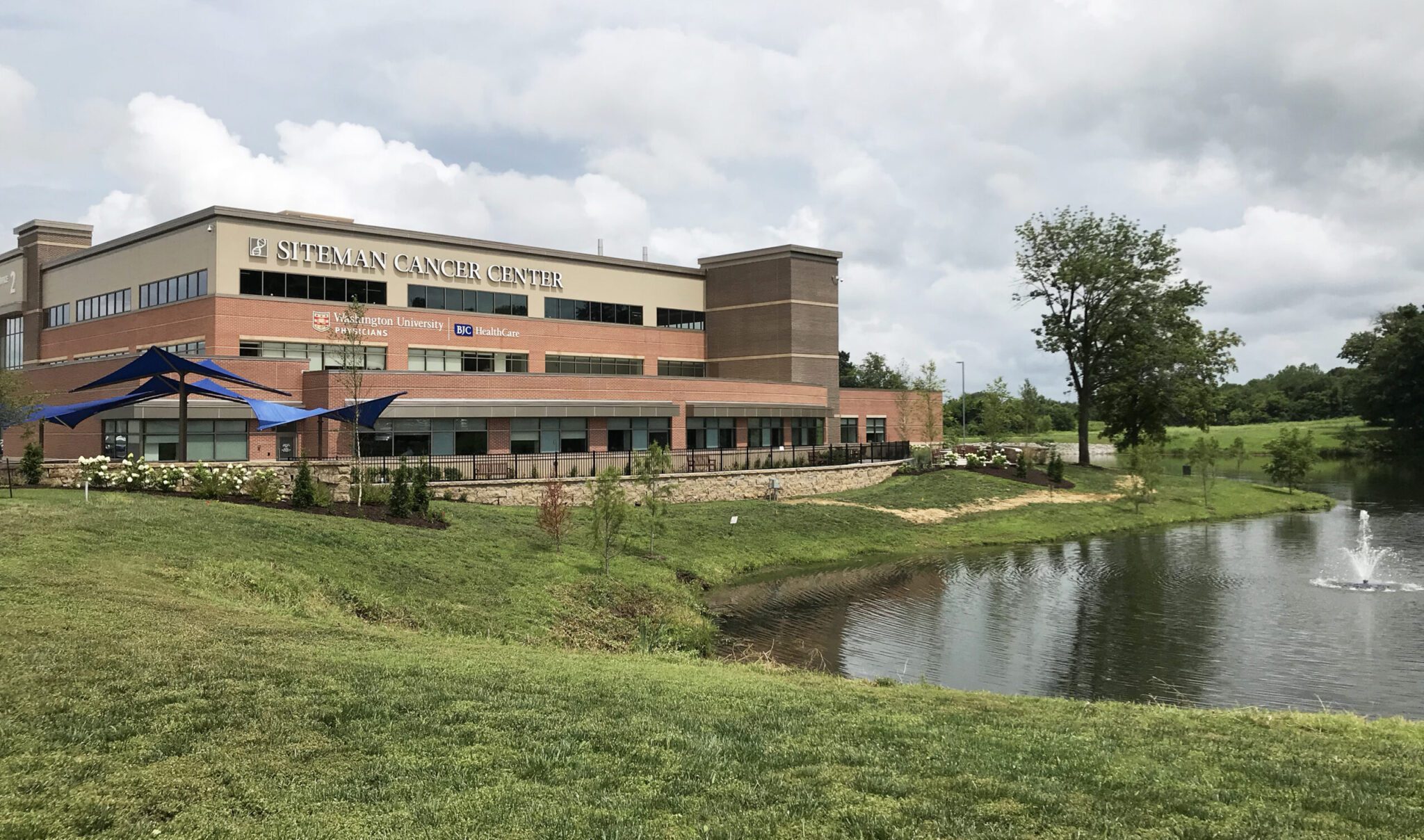
Sarcoma is a very rare type of cancer. Even though it’s rare, the experts at Siteman Cancer Center at Barnes-Jewish Hospital and WashU Medicine specialize in treating it.  

Why Choose Siteman

When you have a rare cancer, experience matters. About 50 new patients with sarcoma choose Siteman Cancer Center for their care every year. Every patient has personal reasons for coming to us. But most of our patients share they feel hopeful and encouraged when they learn how we approach their care.

If you come to Siteman, you will notice how we treat you. You are unique to us, and so is your diagnosis. You will have an entire team working to treat your cancer. This team has experts from different backgrounds and specialties who work together just for you. We call this a “multidisciplinary” approach to cancer treatment. Multidisciplinary care is our best response to the complex problems cancer causes our patients.

We don’t just care for your cancer. We also support your life and your family with support services.

Start Here. Get the Care You Need.

Our Siteman care coordinators – oncology-trained nurses who help with scheduling, finding the right specialist, and guidance – can help you through the process.

Call us directly or submit a form, and we will call you back.

What Is Sarcoma? 

Sarcoma is a type of cancer that begins in bones or soft tissues like muscle and fat. It is different from most tumors because of the cells in it and where it begins to grow. It can develop almost anywhere in your body: 

  • In your arms and legs (called extremity sarcomas) 
  • In your chest or belly (called non-extremity sarcomas) 
  • In bones anywhere in your body 

Most bone tumors actually come from cancer that started somewhere else, like the lung, colon, or breast. Primary bone sarcomas (cancer that starts in the bone) are less common than other types. 

Common Types of Bone Sarcoma 

  • Osteosarcoma – The most common type of bone sarcoma 
  • Ewing sarcoma 
  • Chondrosarcoma 

There are two kinds of sarcoma: bone sarcoma and soft tissue sarcoma. Sarcomas can begin with bone or soft tissue (like muscles, fat, and connective tissue). They can grow anywhere in the body.  

Sarcomas are a rare kind of cancer. Only 15,000 people in the U.S. have sarcoma each year. That is about 1% of all tumors. 

There are many different kinds of sarcomas. About 80 specific subtypes exist. There may be one or two cases of these tumors each year.  

Finding a cancer center that specializes in sarcoma treatments is an important step. Our WashU Medicine physicians at Siteman Cancer Center are experts in every kind of rare tumor. They focus on learning exactly what kind of sarcoma you have for an accurate diagnosis. Then, they create a specific treatment plan for you.  

Siteman’s Expertise with Sarcoma Cancer

Siteman Cancer Center has experts that specialize in treating sarcoma. We use team-based care to diagnosis and create a care plan for every patient. 

Tumor boards

Multidisciplinary sarcoma teams at Siteman include experts like musculoskeletal surgeons; medical, surgical, and radiation oncologists; musculoskeletal and interventional radiologists; sarcoma pathologists, and more. 

Each week, your team of experts attend a “tumor board.” Tumor boards are collaborative meetings where Siteman experts discuss your specific sarcoma, the care plan, how treatment has gone, and other specific details. Then, experts brainstorm new options and ideas drawing from their research, experience, and even clinical trials.  

Innovative surgical options and procedures

Surgery is one of the best kinds of treatment for sarcoma tumors. Where they grow and their size can make surgeries difficult. Siteman has several specially trained bone cancer surgeons called orthopedic oncology specialists. Their knowledge and experience developing personalized surgical plans mean patients have more options. Some patients come to Siteman after they have been told they can’t have surgery. Others come to us for a second opinion. 

Our teams take a patient’s whole life into consideration, not just curing their cancer. We try to protect mobility and avoid amputation. We combine innovative surgical options with treatments like radiation to be as limb-sparing as possible.

Adolescent and Young Adult (AYA) Program

The Adolescent and Young Adult (AYA) Program at Siteman specializes in treating sarcoma.  Siteman’s AYA Program bridges the developmental differences of teens growing into adulthood. It also navigates the training differences between pediatrics and adult cancer care.  We bring physician scientists, pediatric and adult oncologists, pathologists, psychologists, fertility specialists and other experts into a single team. 

AYA also opens new clinical trials opportunities to patients with sarcoma who fall into this age range.  

Clinical Trials for Sarcoma

Clinical trials are important research studies that are discovering new ways to treat sarcoma. Patients at Siteman are encouraged to join (called “enrolling”) studies and ask about them.  

Trials give patients the chance to try new treatments before they are used for patients everywhere. Some Siteman Cancer Center physicians lead research of their own or were chosen to lead a study here. That means our patients have more clinical trial options than patients who get care other places.  

Clinical trials for sarcoma are studying new ways to use chemotherapy and radiation to treat sarcoma. Plus, teens and young adults in our AYA Program have more access to studies than they would at other cancer center.  

Because of clinical trials and their breakthroughs more patients with sarcoma have promising futures. 

Refer Your Patient to Siteman Cancer Center

A Siteman care coordinator is the fastest path to referral, consult, or second opinion. Our care coordinators – oncology nurses who help with scheduling and navigation – will guide you from your first call.