

For Your Health: At the heart of it, even a little physical activity has benefits

For Your Health Graphic


It’s likely not the first heart-themed celebration that comes to mind in February – that of course goes to Valentine’s Day – but American Heart Month certainly deserves just as much attention as its more popular counterpart.

While we’ve made a lot of progress in the treatment and prevention of heart disease, it remains the number one killer in the U.S., and American Heart Month works to raise awareness of both its continued importance and the steps we can all take to look after our heart health.

Dr. Graham A. Colditz

Being physically active as well as cutting back on the amount of time we spend being sedentary, such as sitting, are key ways to help lower the risk of heart disease as well as other conditions.

“High levels of sedentary behavior have been associated with increased risk of cardiovascular disease, type 2 diabetes and even mortality,” says Elizabeth Salerno, PhD, a behavioral scientist at Washington University School of Medicine who specializes in physical activity research.

A new study that’s made recent headlines suggests that some fairly practical approaches to breaking up longer periods of sitting could have benefits when it comes to certain heart disease risk factors.

The study, by researchers out of Columbia University, found that short, light-intensity walking breaks for every 30 to 60 minutes of sitting could help lower measures of blood glucose and blood pressure. Five minutes of walking every 30 minutes had a significant impact on glucose levels, and walking breaks as short as one minute for every 60 minutes of sitting could lower systolic blood pressure.

Though this study was small, with only 11 participants all age 45 or over, and so may not be generalized to the broader public, Salerno says that, “What is exciting about these findings is that there may be cardiometabolic benefits to many different types of sedentary breaks. Just one minute can make a difference!”

These findings also contribute to a much larger body of evidence showing that there can be real health and well-being benefits from simply being a little more physically active throughout our days – whether it’s very short periods of light activity, longer sessions of moderate activity or, really, any combination that just gets us moving more.

“This is the foundation of a physically active lifestyle,” says Salerno. “Little bits of movement, no matter how small, can be important for health.”

Some simple strategies can help break up longer periods of sitting, whether we’re at home, work or school. Salerno suggests trying these “activity snacks”:

  • Drink more water during the day to prompt walks to the restroom.
  • Set movement reminders on phones or activity trackers.
  • Do simple stretches in place, which break up sedentary time, but also support better posture, improve blood flow and flexibility.
  • Go on short walking meet-ups, for work or fun, which can be a great way to replace sedentary time with a bit of physical activity – a double win.

Of course, work and personal schedules can really vary from person to person. What’s important is finding which approaches work best at helping you fit in these kinds of “activity snacks” and then building from there.

Working toward the recommended total amounts of physical activity is still an important goal.  Getting around 150 minutes or more of activities, like walking or cycling, each week likely leads to the most health and wellness benefits. But it’s becoming clearer and clearer that you can get to that amount by stringing together small bits of activity – and that any amount we can move our bodies during the day is worth doing.

“Really, every minute of activity can be beneficial,” says Salerno.

And that’s really the heart of the matter.

___________________________________________________________________________________

Dr. Graham A. Colditz, associate director of prevention and control at Siteman Cancer Center at Barnes-Jewish Hospital and Washington University School of Medicine in St. Louis, is an internationally recognized leader in cancer prevention and the creator of the free prevention tool YourDiseaseRisk.com.

For Your Health: Zero alcohol is likely the healthiest amount

For Your Health Graphic


With New Year’s celebrations behind us and the promise of the new year ahead, it can be a great time to talk about the relationship between alcohol and our health.

While the dangers of regular heavy drinking and binge drinking (drinking a lot in a short period) are fairly well known, less understood by many are the health risks from regularly drinking more modest amounts of alcohol.

Dr. Graham Colditz

This may be in part because of the dominant message of the possible “heart health” benefits of moderate drinking, which have appeared for decades in media and in many health guidelines.

We know now more than ever that when it comes to drinking there are many other conditions that need to be considered beyond just heart disease.

“Alcohol is associated with increased risks of developing cancer – specifically, cancers of the oral cavity, pharynx, larynx, esophagus, colorectum, liver and breast,” said Yin Cao, ScD, an associate professor of surgery and medicine at Washington University School of Medicine in St. Louis. “For the majority of these, risk increases with moderate alcohol intake, which also increases the risk of injury, suicide, liver disease, mental illness and infectious disease.”

Globally, alcohol is a leading factor in deaths of people between the ages of 15 to 49 years old.

Taken together, the science on alcohol points to a shift in how we should view drinking and health.

“The research is now quite clear that, overall, the healthiest choice is not to drink,” said Cao.

That message can feel like a major change from those we’ve been hearing for years, and it can take a little time to process. But, like recommendations to get more exercise, or eat more whole grains, or get better sleep, knowing that not drinking is likely the best choice allows us to make informed decisions about our health behaviors.

When working on limiting alcohol, unsweetened coffee, tea and carbonated water can be easy substitutes. Grocery store shelves and online shops also stock an increasing selection of alcohol-free beer, wine and spirits that can taste a lot like the originals that include alcohol. Ideally, try to choose healthy, alcohol-free drinks that aren’t high in sugar and calories.

Experiment to find what works best for you when cutting back, or cutting out, alcohol. If you ever feel that you have an alcohol problem, reach out to a health professional for help or call the SAMHSA National Helpline at 1-800-662-HELP (4357).

Try these additional tips for limiting alcohol:

  • Meet up with friends at a coffee shop or park rather than a bar or brewery
  • Bring your own alcohol-free options to parties
  • Don’t center meals or other gatherings around alcohol
  • Keep healthy, alcohol-free drinks on hand

With over half of people in the U.S. reporting drinking in the past month, it’s important that we have a clear view of how alcohol can impact our health – beyond the heart-health messages that have been so dominant. Alcohol increases the risk of many different diseases, often at moderate or even low levels of drinking. Knowing that can help us each make the best decisions about our health.

“It’s well past time to change how we talk about alcohol’s impact on health,” concluded Cao.

___________________________________________________________________________________

Dr. Graham A. Colditz, associate director of prevention and control at Siteman Cancer Center at Barnes-Jewish Hospital and Washington University School of Medicine in St. Louis, is an internationally recognized leader in cancer prevention and the creator of the free prevention tool YourDiseaseRisk.com.

For Your Health: For the busy holidays, 18 easy ways to give your health a boost

For Your Health Graphic


December can be a good time for some reflection, so I thought I’d take a look back at my health columns from the past year.

With the help of my colleagues, we were able to cover a wide range of topics – from sun-safety, healthy sleep and greenspaces to macular degeneration, cancer and mental health.

Dr. Graham A. Colditz

Notably, for such a diverse set of columns, there was one key theme that ran throughout: Small changes in our behaviors can be powerful tools for improving our mental and physical health.

That’s an important message for any time of year, but maybe even more so right now as we head into the busy winter holidays.

So, keeping with that theme, here are 18 quick, healthy wins you can pick from to work into your days between now and the new year.  While it’s great if they’re part of a plan to slowly build up to bigger health and fitness goals, they don’t have to be. They can just be stand-alone victories that help keep our health and wellness in mind as we navigate our way through the end of this year and beginning of the next.

For healthier eating – and drinking

  1. Say “no, thank you” to whipped cream – at least sometimes.
  2. Pick a day to go meatless and cheese-less. Bonus: Go even healthier with a lot of fruits, vegetables and whole grains.
  3. Choose the small size when ordering a sweet, holiday-flavored coffee drink. Bonus: Try unsweetened coffee or tea instead, with just a dash of milk.
  4. Switch up the order of foods in your cupboards and fridge. Move healthier choices (fruits, vegetables, nuts) to where they’re easier to see and grab.
  5. Instead of alcohol, choose fizzy water or an alcohol-free beer or spirit at your next holiday gathering.

For keeping moving

  1. Pick a day where you take a five-minute standing and easy stretching break every hour.
  2. Try walking for some of your close-by errands instead of taking a car or transit (if you can do it safely).
  3. Take your kids to the indoor playground at your local rec center.
  4. Pick a morning and commit to fitting in an exercise class or some other physical activity before your day gets busy.

For better sleep

  1. Say “no, thank you” to that afternoon tea or coffee, or choose decaf instead.
  2. Pick a night to get to bed 30 – 60 minutes earlier than you would normally.
  3. Pick a night to go without any screens once you get in bed. Bonus: Silence your phone or leave it in another room (if you’re able to be out of contact).

For mental health

  1. Pick an hour (or even an afternoon) to fully unplug – from social media, news, podcasts or just screens in general.
  2. Try to take some time for yourself, especially when things get stressful. Visit with friends, take a yoga or stretching class or go for a walk (if you can do it safely).
  3. If you’re in a mental health crisis, call 988 – Suicide and Crisis Lifeline.

For overall health

  1. If you haven’t yet, pick a day to get your flu vaccine and COVID booster. Bonus: Make plans for your family to keep up to date on vaccines.
  2. Call your doctor or clinic about scheduling any missed or upcoming cancer screenings.
  3. If you smoke, spend five minutes checking out smokefree.gov. Bonus: Text QUIT to 47848 to receive daily text messages to help you stop smoking, from smokefree.gov.

As we make our way through the month’s celebrations, family visits, colder weather and, yes, sometimes stresses, it can be more important than ever to look after our health and wellness.  These simple behaviors may be just what we need to do that – and head toward a happy and healthy 2023.

It’s your health.  Take control.

___________________________________________________________________________________

Dr. Graham A. Colditz, associate director of prevention and control at Siteman Cancer Center at Barnes-Jewish Hospital and Washington University School of Medicine in St. Louis, is an internationally recognized leader in cancer prevention and the creator of the free prevention tool YourDiseaseRisk.com.

Drug triggers immune cells to attack prostate cancer

A single drug compound simultaneously attacks hard-to-treat prostate cancer on several fronts, according to a new study in mice and human cells. It triggers immune cells to attack, helps the immune cells penetrate the tumor, and cuts off the tumor’s ability to burn testosterone as fuel, according to new research from Washington University School of Medicine in St. Louis. The drug may offer a promising new strategy for treating patients whose tumors don’t respond to standard therapy.

The study appears online in the journal Nature Communications.

Prostate cancer is notorious for eventually developing resistance to standard treatments that block or reduce testosterone, which fuels growth of these tumors. And like many solid tumors, prostate cancer also has proven stubbornly resistant to newer immunotherapies, which are intended to take the brakes off the immune system’s T cells to get them fighting cancerous invaders. Immunotherapies — most commonly, immune checkpoint inhibitors — can be extremely effective but only in certain cancers, such as melanoma.

“We need to develop better therapies for prostate cancer patients, because most of these tumors develop resistance to hormone-based therapies doctors rely on to treat these cancers,” said senior author Nupam P. Mahajan, PhD, a professor of surgery. “Immunotherapy is the newest and most promising type of therapeutic for cancer right now, but even so, immune checkpoint inhibitors have failed to do much against most solid tumors, including prostate cancer. This study was surprising because we found that this drug activates anti-cancer T cells in a novel way, and it also increases the T cells’ ability to penetrate the tumor. This could lead to a more effective strategy for patients whose cancers are hard to treat.”

The drug, called (R)-9b, is a small molecule that blocks an oncogene, a gene that drives cancer. The researchers initially attributed the drug’s success in mouse studies to its ability to reduce or eliminate androgen receptors in the prostate cancer cells. These receptors bind to testosterone and use the hormone to fuel tumor growth. The drug’s ability to eliminate the androgen receptor differs from standard drugs that reduce the amount of testosterone in the body, and other drugs that block the androgen receptor’s function as a transcription regulator.

But because the new drug was so effective, Mahajan and his colleagues suspected something more was going on. The drug blocks a gene called ACK1. The researchers developed a strain of mice that totally lacked this gene in order to study what happens when it’s missing. At first, the researchers were baffled by these mice. Mice missing an entire gene often have obvious problems. But these mice seemed fine. And when the researchers looked for tumor growth, they found very little. It was difficult to model cancer in these animals.

“In most of these mice, when we introduced cancer cells as we typically do, there was no trace of a tumor,” said Mahajan, also a research member of Siteman Cancer Center at Barnes-Jewish Hospital and Washington University School of Medicine. “In the few that did develop tumors, the tumors were small compared to those of wild-type mice. This was the first clue that something important was happening in mice missing this gene. We found that they were able to mount a robust immune response against the cancer cells.”

When different mice — mice with this gene — were implanted with human prostate tumors and given the drug that blocks this gene, it had the same effect: taking the brakes off the immune system and producing increased levels of certain types of T cells known to attack cancer. The drug also increased signaling molecules that allow the T cells to penetrate the tumor and kill cancer cells more effectively. The tumors in these (R)-9b treated mice were much smaller than those of mice in control groups.

Given the drug’s success in tumor penetration, the researchers investigated whether adding immune checkpoint inhibitors to treatment with the drug would be even more effective, taking the brakes off T cells in more than one way at the same time — but there was no such improvement.

“Surprisingly, we found that the immune checkpoint inhibitor is activating ACK1, the very pathway we are shutting down with this drug compound,” Mahajan said. “It’s possible immune checkpoint inhibitors don’t work well in these tumors because they are turning on ACK1, which suppresses the immune response. Similar to prostate cancer, the ACK1 pathway activation also could be employed by other cancers that do not respond to checkpoint inhibitors. However, these cancers could respond to (R)-9b, so we would like to investigate this drug in other solid tumors as well.”

Mahajan said the drug spurs multiple responses because of the nature of the gene it blocks. Many genes have several roles in the body, and ACK1’s roles in expression of the androgen receptor and in reigning in the immune system make it an appealing target for cancer therapy, especially against solid tumors with a hormonal growth component, such as prostate and breast cancers.

Mahajan has worked with Washington University’s Office of Technology Management/Tech Transfer to file patents on the use of this drug in cancer treatment. His team is gathering data to apply for permission from the Food and Drug Administration to test the drug in a clinical trial for patients with prostate cancer.

For Your Health: Shedding light on family history and cancer risk

For Your Health Graphic


If you ask some of your friends to name three things that increase the risk of cancer, it’d be likely that some version of “family history” would make most of their lists.

They’d be right, of course.  Having a family history of cancer can increase the risk of developing the disease, sometimes very much so.  At the same time, the link between the two can be more nuanced than many people may realize.

Dr. Graham A. Colditz

Some types of family history may not increase cancer risk at all.  Some may increase risk only moderately, and others may signify a strong family history that puts people at a higher risk of cancer and may indicate a genetic risk that runs in the family.

“Red flags of a strong family history include multiple family members with the same type of cancer or family members diagnosed with cancer at a younger age than average,” said Dr. Amy Cyr, an oncologist specializing in hereditary breast cancer at Washington University School of Medicine in St. Louis. “Other red flags include unexpected cancers, like men with breast cancer, or multiple cancers in a single person.”

Those who are at higher risk of cancer may need to get certain screening tests earlier and more often than most people.  They may also be eligible for medications or other care that can help lower or manage their risk.

When it comes to determining risk from a family health history, cancers in parents, brothers, sisters and children – what are known as first-degree relatives – are most important, Cyr said. But cancer history in other relatives, like grandparents, cousins, aunts and uncles provide useful information as well.

The more detailed the information you have about your family history, the better.  Knowing the specific type of cancer and at what age your relative was diagnosed is especially important.

Whatever the season, family gatherings around holidays can be great opportunities to fill in any blanks.  But, admittedly, doing so isn’t always easy, or even possible, for those who’ve been adopted, don’t have contact with their families, or simply have family members that don’t like to share such things. 

Sometimes, the best we can do is just piece together what we can.

When should we talk to a health care professional about our family history of cancer?

“I think it’s reasonable for anyone with cancer in a first- or second-degree relative – parent, brother, sister, child, aunt, uncle, grandparent – to talk to their health care provider about how their family history impacts their risk and the need for screening. Depending on that history, the next step may be referral to a cancer specialist or genetic counselor,” Cyr said.

These conversations have benefits at nearly any age but should ideally happen in early adulthood, by age 30.

Whether you have a family history or not, discussions with a provider about cancer risk may also include the importance of healthy behaviors.

“Sometimes there is so much focus on family history that we underestimate the impact of lifestyle choices on cancer risk,“ Cyr said. “Having a family history of breast cancer, for example, does impact a woman’s risk, but it is only one component of risk.”

Healthy behaviors to focus on that can help lower the risk of cancer, as well as heart disease, stroke and diabetes, include: not smoking, being physically active, keeping weight in check, eating a healthy plant-based diet and avoiding alcohol.

As the field rapidly advances, though, we’re learning more and more about the ways family history and inherited genes impact the risk of cancer – as well as the steps that can help lower or manage that risk in the future.  That makes it an important part of looking after our overall health and wellness.

“Not everyone with a family history of cancer needs extra screening or genetic testing, but it never hurts to talk to a healthcare provider for personalized recommendations,” Cyr concluded.

___________________________________________________________________________________

Dr. Graham A. Colditz, associate director of prevention and control at Siteman Cancer Center at Barnes-Jewish Hospital and Washington University School of Medicine in St. Louis, is an internationally recognized leader in cancer prevention and the creator of the free prevention tool YourDiseaseRisk.com.
For Your Health: The many benefits of spending time in greenspaces

For Your Health Graphic


As wonderful as summertime can be, there’s also something really nice about the calendar – and the weather – turning toward fall. The light starts to soften a bit, and the crisp mornings and warm afternoons invite us to spend more time outside.

Maybe that’s walking the kids home from school, cycling to the grocery store to grab a few items, or just enjoying a talk with a friend on a coffee shop patio.

Dr. Colditz
Dr. Graham A. Colditz

Spending time at a park is another great fall activity, and one that can have a surprising number of benefits. Whether it’s a ballfield down the street or a state or national park further away, research shows that spending time in open areas with grass, trees, and other plants can be good for both our mental and physical health.

“Some of the benefits that can come from exposure to greenspaces include improvements in sleep, blood pressure, cognitive function and physical activity, as well as reduced risks of chronic diseases, such as type 2 diabetes, cardiovascular disease and cancer,” said Heather Eliassen, ScD, a professor of nutrition and epidemiology at the Harvard T.H. Chan School of Public Health. She says other benefits include better mental health in both children and adults, improved infant birth weights and possibly even a lower risk of dying prematurely.

How do greenspaces provide such benefits? One key reason is that they encourage people to be physically active – to walk, skate, kick a ball around or play frisbee. We know that being more active has wide-ranging health benefits.

However, that’s likely not the only reason parks and other greenspaces are good for us. They can also help decrease stress and anxiety, improve mindfulness, and provide an environment that may be cooler, quieter and have cleaner air than where we typically live. Greenspaces also offer opportunities for social interactions and community engagement. Each of these can have its own health benefits, Eliassen added.

When planning a trip to a park, it’s good to keep a few things in mind that can keep your visit as safe and enjoyable as possible:

  • Bring enough water, and if it’s going to be a longer visit, don’t forget snacks.
  • Wear sunscreen and sun-protective clothes, and seek out shade when you can.
  • If you’ll be walking, hiking or playing a sport, wear a good pair of shoes and keep your effort in line with your fitness.
  • It’s always safest to go with a friend or family member, rather than by yourself.

A quick search on the phone can often be the easiest way to find which city, state and even national parks are closest to us. While bigger trips to state and national parks can be wonderful, it’s the parks closest to us that we’ll visit the most and likely get the most benefit from.

“Learn about opportunities in your neighborhood and which greenspaces are easily accessible to you,” Eliassen said. “If there are some that are a short or medium distance from home, try walking or biking to the greenspace to get the benefits of exercise while getting to the greenspace. Or, find greenspace you could incorporate into your commute to and from school or work.”

Spending time in greenspaces can have so many benefits that they’re sometimes referred to as a “public health resource.” That should give each of us a little extra incentive to regularly visit our neighborhood parks, or plan a special trip to a state or national park. That may even inspire some of us to become advocates for greenspaces, working to make them a part of our cities’ plans so that even more people in our communities can have access to the broad benefits they have to offer.

For many reasons, try to get out and enjoy a walk in this park this fall.

It’s your health. Take control.

___________________________________________________________________________________

Dr. Graham A. Colditz, associate director of prevention and control at Siteman Cancer Center at Barnes-Jewish Hospital and Washington University School of Medicine in St. Louis, is an internationally recognized leader in cancer prevention and the creator of the free prevention tool YourDiseaseRisk.com.

For Your Health: Simple tips for keeping weight in check and improving health

For Your Health Graphic


Weight can be a tricky topic. While our weight has no bearing on who we are or how we should be viewed or treated, it can be quite important when it comes to health and well-being. And that can be very meaningful – not only to us personally but also to our family, friends and others who care about us.

Keeping weight in check can lower the risk of heart disease, stroke, diabetes, arthritis, liver disease, gallstones and 13 different cancers. It can also give a boost to quality of life and even how long we live.

Dr. Graham A. Colditz

Numbers, though, show what most of us already know: that keeping weight in check isn’t easy.  Nearly 75 percent of adults in the United States are at an unhealthy weight, and just over 20 percent of children and adolescents 6 years old and up are obese.

One reason for this is that many of us live and work in environments that can make it harder to make choices that promote healthy weight. For example, there may be few places in our neighborhoods where we can easily walk or find affordable, healthy food, or our work schedules may make it difficult to fit in exercise or get enough sleep. Efforts to improve such situations are ongoing by health professionals, policy makers and community members, but change can take time.

There are, though, helpful steps many of us can take right now toward a healthier weight. Achievable goals can have real benefits, such as keeping weight steady over time, no matter our starting weight – or losing a few pounds if overweight. Try these tips, starting with small changes and building from there:

Move your body every day – and cut back on time spent sitting

This doesn’t have to mean sweating on a treadmill, unless that’s what you enjoy. The important thing is just to get some type of physical activity regularly. In general, the more, the better, and even small bits of activity can add up during the day. A good goal to slowly work to is to get around five hours a week of activity, like walking.

Eat healthy, mostly plant-based foods

Focus on fruit, vegetables and whole grains, and limit processed and fast foods, which can be high in calories, refined grains and added sugar.

Cut back on sugary drinks

Drinks like sugary soda, energy drinks and sports drinks are a big source of extra calories and have been linked to weight gain. Try to slowly cut back, ideally getting down to zero.  No-calorie fizzy water and unsweetened tea and coffee are great alternatives.

Start the day with a healthy breakfast

A healthy breakfast can help you feel energized – and avoid hunger pangs – until lunchtime.  Good choices can include fruit, whole-grain bread or cereal, low-fat yogurt or an egg or two.

Help your kids develop healthy weight habits

The benefits of being at a healthy weight start early in life – and grow into adulthood. Help your kids develop good habits by doing things like going on walks as a family, preparing healthy meals and snacks together and making good sleep a priority.

Work to improve the health of your community

We can each play a role in creating communities that help promote and support healthy weight and well-being. Attend a school board meeting to ask about adding healthier snacks to after school activities. Take part in a park or trail clean up, or ask your local government about adding more bike lanes to roads. Efforts like these, no matter the size, can help make a difference.

We don’t have to look like fitness influencers or world-class athletes to be healthy, but some doable weight goals can have a real impact on our health and well-being. Working toward those goals may also help bring our family, friends and community along with us.

It’s your health and your family’s health. Take control.

For more tips, see Siteman Cancer Center’s 8 Ways to a Healthier Weight.

___________________________________________________________________________________

Dr. Graham A. Colditz, associate director of prevention and control at Siteman Cancer Center at Barnes-Jewish Hospital and Washington University School of Medicine in St. Louis, is an internationally recognized leader in cancer prevention and the creator of the free prevention tool YourDiseaseRisk.com.

For Your Health: Planning for a healthier school year

For Your Health Graphic


It’s not what many kids want to hear right now, but the new school year is just around the corner.  Even while the long days remain filled with summer activities, families are starting to make plans for the first day of school and the coming year.

While it’s hard to know what might happen with the ongoing pandemic, hopefully this school year will feel more “normal” than the last two.  With this return to school comes the chance to help our school-aged children to get back to more normal health routines.  Some recent research highlights two areas families could focus on, including physical activity and youth vaccinations.

Dr. Graham A. Colditz

One paper, appearing this July in JAMA Pediatrics, put specific numbers to something many of us have suspected: that children and teens the world over were less physically active during the pandemic compared to before.  Overall, the study’s authors found that the daily level of activity in youth ages 3 to 18 dropped by 20 percent.  That is a large amount, particularly for something that has such important health benefits for children. Regular physical activity can help with healthy weight and bone health, and provide a boost in mood – among other benefits.  Plus, youth who are regularly active are also more likely to become regularly active adults, where such health benefits continue to build.

With most of our regular routines so upended during the pandemic, it’s likely to take some effort to help the youth in our lives continue to get back to their pre-pandemic levels of activity.  Family walks and regular visits to the park, playground and recreation centers are great approaches.  Slowly cutting back on screen time is also likely an important part of helping kids re-build their overall activity level.  Kids’ screen time, including online games and video streaming, increased during the pandemic.  Helping them cut back can open up more opportunities for them to engage in physical activity.

On top of the decrease in physical activity, studies have also found that the pandemic has had an important impact on rates of youth vaccination.  One paper published this spring in Morbidity and Mortality Weekly Report looked specifically at vaccine coverage in kindergarteners and found lower rates of vaccination in the 2020-21 school year than the previous school year, which began before the pandemic.

The disruptions in health care and well child visits during the pandemic make it understandable that rates of vaccinations would drop.  Skipped vaccine doses, though, can make children more vulnerable to preventable diseases.  This includes vaccines that are most commonly required to enroll in school, as well as the HPV vaccine, which protects against human papillomavirus (HPV).  HPV infection can increase the risk of a number of cancers later in life.

If you haven’t done so in the past year, schedule a well child visit with your health care provider to make sure your school-aged children are up to date on all recommended vaccines. With the pandemic ongoing and new COVID-19 variants developing, getting kids vaccinated against COVID-19 remains important as well.  It’s recommended that children 6 months and up get the COVID-19 vaccine, which not only helps protect their health but also the health of friends and family members.

Though it may not always feel like it to our school-aged kids, the beginning of the school year is something to celebrate.  It helps mark how far they’ve come and the promise of the new year.  That also makes it a great time to help them get back on track with routines that help improve their health – now and into the future.

It’s your family’s health.  Take control.

___________________________________________________________________________________


Dr. Graham A. Colditz, associate director of prevention and control at Siteman Cancer Center at Barnes-Jewish Hospital and Washington University School of Medicine in St. Louis, is an internationally recognized leader in cancer prevention and the creator of the free prevention tool YourDiseaseRisk.com.

Sugar metabolism is surprisingly conventional in cancer

Glucose, a common sugar in food, is one of the most important nutrients in the body. Cancer cells tend to consume it at an astounding pace. At first glance, that seems to make good sense because cancer cells have a lot of synthesis to do. After all, as tumors grow rapidly, each cell has to replicate its entire contents.

But here’s the catch. Cancer cells don’t use the glucose very efficiently. Instead of sucking all of the energy they can out of glucose, they release most of it as a waste material.

“To extract the maximum amount of energy from glucose, cells must transport its transformation products into mitochondria,” said Gary Patti, the Michael and Tana Powell Professor of Chemistry in Arts & Sciences and of genetics and of medicine at the School of Medicine. Patti, a member of Siteman Cancer Center at Barnes-Jewish Hospital and the School of Medicine, is senior author of the new study


“There are certain biochemical rules that metabolism is supposed to follow. It’s been interesting to think about why tumors might be allowed to break them,” Patti said. “However, the findings we report here demonstrate that cancer cells do follow conventional principles.”

Overflowing

Mitochondria are tiny compartments inside cells, often referred to as the cell’s power plants or powerhouses. What goes in and out of them is tightly controlled.

As a bit of backstory, a famous biochemist named Otto Warburg first discovered the wasteful nature of tumors in the 1920s. To explain why more energy isn’t harvested from glucose, he postulated that mitochondria are damaged in cancer cells.

“We now know that this is not true. Mitochondria are functional and, in fact, active in most cancers,” Patti said. But that leaves a persistent and vexing question unanswered: Why do cancer cells metabolize so little of the glucose they consume in mitochondria?

“I think what has been confounding is that there has been this notion that cancer cells prefer not to oxidize glucose in their mitochondria,” Patti said. “Perhaps as a legacy of Warburg’s original thinking or maybe because it happens so extensively, the assumption has often been that cancer cells want to use glucose wastefully.”

All sorts of explanations have been offered as to why cancer cells might want to be wasteful with their glucose. However, Patti and his team contend that these rationalizations may be unnecessary. In the end, cancer metabolism may not be as unusual as scientists thought.

Cancer cells really do want to metabolize glucose in their mitochondria, and they do so. Until they can’t.


“When we restrict the amount of glucose taken up by cancer cells, almost all of it makes its way into mitochondria,” Patti said. “But as glucose consumption is increased, the speed of moving glucose-derived molecules into mitochondria can’t keep up.”

In other words, cancer cells only waste glucose away because transport into mitochondria is too slow.


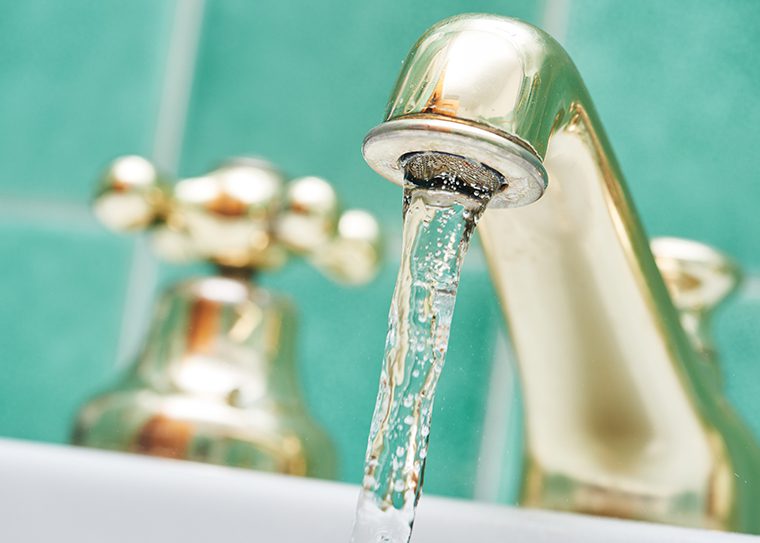
Imagine a bathtub faucet that is spitting out water faster than the drain can remove it. Eventually, the water overflows onto the floor.


“This is not a radically new metabolic paradigm. Most cells do prefer to oxidize glucose in mitochondria rather than excrete it as waste,” Patti said. “Our data suggest that cancer cells are not an exception. They appear to follow the same biochemical patterns as other cells.”

Saturated

The Patti team’s discovery was made possible by a powerful technology called metabolomics.

“During the past decade, advances in the field of metabolomics and mass spectrometry have been extraordinary,” Patti noted. “We have now reached a point where measuring molecules in single cells is even possible.”

In this study, the researchers combined metabolomics with stable isotope tracers. This allowed them to tag different parts of glucose so that they could track it inside of cells, watching the speed at which things entered mitochondria or were excreted from cells. That is how the scientists discovered that the normal pathways for transporting fuel were getting outpaced, or saturated, in cancer cells.

The rate at which tumors consume glucose has been exploited by doctors in the clinic for decades as a way to diagnose cancer and identify its stage. It also has led some to believe that limiting glucose uptake with drugs or by eating a sugar-free diet might “starve” the cancer cells to death.

This study’s findings raise questions about such a strategy.

“We may need to rethink how best to target glucose metabolism in cancer,” Patti said. “If cancer cells take up more glucose than they need, and using it wastefully is not a driver of disease, then glucose metabolism may not be as attractive of a therapeutic target as we had hoped.”

For Your Health: 4 healthy eating tips that can lower the risk of cancer ‬‬‬‬‬

For Your Health Graphic


It’s likely no surprise to read that what we choose to eat and drink can have a large impact on our health, including our risk of cancer.  Practically from the time we can sit up at the kitchen table, we’re reminded of the importance of eating our vegetables.  And although some of the messages and headlines we read these days about healthy eating can seem complicated or even contradictory, the science-backed basics of healthy eating actually remain simple.

Here are four tips that have been found to help lower the risk of cancer:

Focus on fruits, vegetables and whole grains

Eating healthy, plant-based foods has a lot of overall health benefits and can also help prevent some cancers.  Foods high in fiber and whole-grains – like whole-wheat bread and whole-grain cereals – have been found to lower the risk of colon cancer.  Diets rich in fruits and vegetables have been found to lower the risk of a collection of cancers that include cancers of the mouth, lungs, stomach and colon. And there’s growing evidence to suggest that eating higher amounts of vegetable protein in youth (from sources like soy, nuts and vegetables) may improve breast health and lower the risk of adult breast cancer.   Try to get at least five servings of fruits and vegetables each day and at least three servings of whole grains.  Also, work to keep foods like white bread, sugary cereals and white rice to a minimum.

Limit food from animals

There’s no need to go full vegetarian – unless you want to – but there’s compelling evidence that eating fewer animal-based foods can lower the risk of colon cancer, prostate cancer and possibly breast cancer. Try to eat fewer than three servings of red meat and processed meat each week, and choose more plant-based sources of protein and fat, like nuts, beans and vegetables.

Limit alcohol. Zero is best


When it comes to cancer, as well as overall health, the best choice is to not drink alcohol.  While moderate drinking may have some heart-health benefits in older adults, even low levels of regular drinking can increase the risk of colon and breast cancer.  Drinking in youth and young adulthood seems particularly risky for later adult breast cancer risk.  And with the growing list of other risks associated with alcohol, not drinking is the healthiest choice.  For adults who choose to drink, it’s best to keep it to 1 drink a day or less.

Mind the calories

Though they’re not always included in messages about healthy eating, calories are actually the single most important part of what we eat when it comes to cancer risk.  Consistently eating too much can lead to weight gain. Among other health risks, obesity has been found to increase the risk of at least 13 different cancers. Yes, 13.

These tips can help us balance the number of calories we eat with the calories we burn:

  • Fit some physical activity into each day.
  • Limit fast food and avoid sugary drinks.
  • Eat mostly healthy plant-based foods.
  • Be a more mindful eater. Start with smaller portions, eat slowly and try to eat only when hungry.

Making changes to how we eat isn’t always easy, but it’s something we can all do.  Start with something small, like cutting out one sugary soda a week or testing out a new vegetarian recipe, and then slowly build from there. Little changes can lead to big health benefits. Bit by bit.  Bite by bite.

It’s your health.  Take control.

___________________________________________________________________________________

Dr. Graham A. Colditz, associate director of prevention and control at Siteman Cancer Center at Barnes-Jewish Hospital and Washington University School of Medicine in St. Louis, is an internationally recognized leader in cancer prevention and the creator of the free prevention tool YourDiseaseRisk.com.