Sex differences identified in deadly brain tumors


For decades, scientists have recognized that more males get cancer and die of the disease than females. This is true for many types of cancer, including the deadly brain tumor glioblastoma. Now, a team of researchers led by Washington University School of Medicine in St. Louis has identified distinct molecular signatures of glioblastoma in men and women that help explain such underlying disparities in patients’ response to treatment and survival.

The research suggests that tailoring treatments to men and women with glioblastoma based on the molecular subtypes of their tumors may improve survival for all patients.

The findings are published Jan. 2 in Science Translational Medicine.

“It is our expectation that this study could have an immediate impact on the care of patients with glioblastoma and further research, as the findings indicate we should be stratifying male and female glioblastoma into risk groups and evaluating the effectiveness of treatment in a sex-specific manner,” said Joshua B. Rubin, MD, PhD, a Washington University professor of pediatrics and of neuroscience and the study’s co-senior author. “The biology of sex differences and its applications in medicine are highly relevant but almost always ignored aspects of personalized treatments.”

Glioblastoma is the most common malignant brain tumor and kills about half of patients within 14 months of diagnosis. It is diagnosed nearly twice as often in males, compared with females.

The tumor is most often diagnosed in people over age 50, and standard treatment is aggressive — surgery, followed by chemotherapy and radiation. However, stubborn stem cells often survive and continue to divide, producing new tumor cells to replace the ones killed by treatment. Most tumors recur within six months.

Studying adults with glioblastoma, the researchers found that standard treatment for glioblastoma is more effective in women than men.

To help understand such sex differences in treatment response, the researchers, including Kristin R. Swanson, PhD, a mathematical oncologist at the Mayo Clinic, measured tumor growth velocity in standard MRI scans.

“Basically, you can look at tumor growth velocity while patients are undergoing treatment and derive a value for how fast their tumors are growing,” said Rubin, who also is co-founder and co-director of the Pediatric Neuro-Oncology Program at St. Louis Children’s Hospital, where he treats patients. “This gives you an opportunity to think more deeply about whether the drug you’re giving a patient is actually helping.”

The researchers culled patient MRI scans and survival data from a cancer research database. They then calculated tumor growth velocity every two months for the duration of therapy in 63 glioblastoma patients — 40 males and 23 females — who received standard chemo-radiation treatment following surgery.

While initial tumor growth velocities were similar between females and males, only the females showed a steady and significant decline in tumor growth after treatment with temozolomide, the most common chemotherapy drug used to treat glioblastoma.

“The males did not respond as well, and we wanted to understand why, so we looked at the underlying genetics of patients’ tumors,” said Rubin, a co-leader of the Solid Tumor Therapeutics Program at Siteman Cancer Center at Barnes-Jewish Hospital and Washington University School of Medicine.

The researchers tapped into The Cancer Genome Atlas (TCGA) — a project launched in 2005 to pursue the genetic basis of cancer and funded by the National Cancer Institute and National Human Genome Research Institute, both of the National Institutes of Health (NIH). Led by the study’s co-senior author Jingqin “Rosy” Luo, PhD, a Washington University associate professor of surgery in the Division of Public Health Sciences, and the study’s lead author, Wei “Will” Yang, PhD, a Washington University bioinformaticist in the Department of Genetics, the researchers applied sophisticated statistical algorithms to distinguish  male- or female-specific gene expression patterns from such patterns that were shared among the male and female patients. The team then focused on the sex-specific gene expression to identify molecular subtypes that corresponded to differences in survival for males and for females.

“We observed tremendous genetic sex differences in the tumors of glioblastoma patients that correlated with survival,” Luo said. “All evidence supports the need to define these distinctions and incorporate the sex differences into glioblastoma biology research and treatment.”

Specifically, the researchers showed that the tumors of patients with glioblastoma cluster into 10 distinct subtypes — five for tumors in males and five for tumors in females. The clusters are distinguished by gene activity and survival. For example, females with tumors in one such cluster survived longer than females with tumors in any of the other four clusters — just over three years compared with just over one year. Similarly, they found a male cluster linked to longer survival — just over 18 months compared with just over one year for men with tumors in the other clusters.

The researchers validated the clusters in three additional data sets and also showed that even genes activated at similar levels in tumors in males and females can result in substantial sex-specific effects on survival.

“Additionally, we identified genetic pathways that correlated with the longest survival, and they were very different in males compared with females,” Rubin said. “For example, in males survival was all about regulating cell division, which suggests that drugs that block cell-cycle progression may be more effective in men. For females, survival was all about regulating invasiveness, which suggests that drugs targeting integrin signaling may be more effective in women. This tells us it might be better to separate males and females and examine their sex-specific genetic signatures. We tested this hypothesis by doing a series of in vitro drug screens in which we took four relatively common chemo drugs and looked at how the expression of these genes correlated with response to those drugs. In both males and females, there was a clear correlation.”

Among diseases in general, sex differences are often tied to hormones. For example, the female hormone estrogen contributes significantly to more women getting breast cancer than men. However, with glioblastoma diagnosis and survival, sex hormones did not directly contribute to female and male differences, Rubin said. “The sex-specific genetic activity in glioblastoma is not dependent on the acute actions of circulating sex hormones as differences are evident across all stages of life.”

“In a broader sense, I want our research to encourage people to think more about how diseases uniquely affect males and females, making it the norm and not the exception,” Rubin added. “I hope the research will inspire more specific approaches to treatments. It may be that we shouldn’t be using the same criteria when treating diseases in males and females, and as a next step we should definitely develop and evaluate sex-specific treatment regimens for glioblastoma.”

In addition to researchers at Washington University and the Mayo Clinic, scientists at the Cleveland Clinic, Case Western Reserve University and TGen, a genomics research institute, also contributed to the study.


For Your Health: Simple touch-ups for your New Year

For Your Health Graphic 2020


This is not your typical New Year’s resolution health-and-fitness column. Those often focus on big, sweeping changes, such as losing 40 pounds or training for a marathon. Here, instead, we’re heading in the opposite direction by focusing on smaller, easier-to-accomplish changes. Let’s call them, New Year’s touch-ups.

While big New Year’s resolutions can be fantastic and really beneficial, smaller goals can be easier to start and include in your daily routine. And although they might not feel as bold as bigger resolutions, they can still have an important impact on your health, helping to lower the risk of cancer and other important diseases.

Best of all, they’re simple. You might be doing some of them already. If so, keep them up, and try to work in new ones. If these are mostly new, pick one or two to work on. And once you have them down, pick up others. There’s no need to rush.

Stand more

Most of us spend too much time sitting, and it’s increasing our risk of weight gain, diabetes, heart disease and maybe even some cancers. If you have to sit for work or school, try to stand up once or twice an hour for a few minutes. Standing desks are even better. At home, try standing when watching TV or spending time on your computer or phone.

Go meatless one day a week

You might have heard of “Meatless Mondays,” but you can pick any day of the week to give it a try. A plant-based diet has major health benefits, so pick one day a week to really focus on fruits, vegetables and whole grains. If you’re not ready to go completely meatless, try baked or grilled fish one night instead of red meat.

Step on your bathroom scale

“Easy but not fun” may best describe this one. But stepping on your scale regularly (once a day or once a week) is a great way to keep weight in check. If you notice your weight creeping up, you can make small changes to how much you eat and how active you are.

Sneak in some vegetables

Adding more vegetables to your diet is always a good idea. And one easy, and somewhat sneaky, way to do it is to grate vegetables into some of your usual dishes. Carrots, squash and cauliflower practically disappear when grated into soups, casseroles and pasta sauce, but they provide a good nutrition boost.

Pick low- or zero-sodium canned foods

Most people eat too much sodium, which can increase the risk of high blood pressure, stroke, heart disease, even stomach cancer. Canned foods can be a major source of sodium, so choosing zero- or low-sodium options can be an easy way to cut back.

Cut back on sugary drinks

Sugary drinks – such as sodas, energy drinks, juice drinks and many coffee drinks – are a major source of extra calories and have been found to increase the risk of obesity, diabetes and heart disease. Drinking fewer sugary drinks is an easy way to shave calories from your day. And getting down to zero is best. Try no-calorie fizzy water and unsweetened coffee and tea instead.

Slow down

We tend to rush through our days, and this often includes our meals and snacks. Try to slow down the next few times you eat. Take a minute to sit quietly before you start, then eat much more slowly than you normally would. You may find you’re satisfied with less food than you would be usually.

Keep sunscreen within arm’s reach

Broad-spectrum SPF 30 or higher sunscreen provides good protection against the sun’s damaging rays. But it can’t do its job if you forgot it at home. So, keep some backup sunscreen in your car, backpack, desk, purse or other easy-access spots. This way, when you’re ready to go outside, you’ll have it ready to put on.

New Year’s is filled with promise and energy, which makes it a wonderful time to set new health goals for ourselves. Trying these touch-ups can be a great way to harness that potential and improve your health in 2019 and beyond.

It’s your health. Take control. Happy New Year.


Dr. Graham A. Colditz, associate director of prevention and control at Siteman Cancer Center at Barnes-Jewish Hospital and Washington University School of Medicine in St. Louis, is an internationally recognized leader in cancer prevention. As an epidemiologist and public health expert, he has a long-standing interest in the preventable causes of chronic disease. Colditz has a medical degree from The University of Queensland and a master’s and doctoral degrees in public health from Harvard University’s T.H. Chan School of Public Health.

Phelps County Regional Medical Center joins Siteman Cancer Network

Phelps County Regional Medical Center and the hospital’s Delbert Day Cancer Institute have joined the Siteman Cancer Network to collaborate on efforts to reduce the impact of cancer in south-central Missouri through research, treatment and prevention.

The network is affiliated with Siteman Cancer Center at Barnes-Jewish Hospital and Washington University School of Medicine in St. Louis. Together, the institutions will provide access to cancer prevention and control strategies, and genomic and genetic testing. Patients also will have access to highly specialized treatments and technologies, including clinical trials at Siteman Cancer Center.

“Phelps County Regional Medical Center and the Delbert Day Cancer Institute are proud to partner with Siteman, a nationally recognized cancer center,” said Ed Clayton, CEO of the regional medical center. “This partnership will bring additional resources and care to cancer patients living in south-central Missouri.”

As a network member, Phelps County Regional Medical Center and the Delbert Day Cancer Institute will work with Siteman Cancer Center to assess cancer’s impact on south-central Missouri, develop a plan to lessen the overall burden, and measure results. Possibilities include a greater emphasis on reducing smoking rates and promoting cancer screenings and other healthy interventions.

Key components of the network affiliation include:

  • Navigators to help patients coordinate access to highly specialized care for complex cases, including access to clinical trials, at Siteman Cancer Center.
  • Use of genomic and genetic testing to help identify personalized treatments based on the characteristics of a patient’s disease.
  • Development of a database that incorporates such information (with patients’ permission) to improve clinical care and patient outcomes.
  • Sharing of best practices to improve patient care. Examples include sharing details regarding how nurses and radiation therapists are trained to care for oncology patients, and implementing industry-approved guidelines for screenings, genetic counseling programs and post-treatment care.
  • Implementation of cancer prevention strategies, such as the use of interactive risk-assessment tools, e-books, videos and individual coaching.
  • Development of targeted interventions to reduce cancer risk and of evaluation tools to measure success.


The network’s efforts also are expected to increase the number of people screened for cancer, which should result in earlier detection and improved health outcomes.

“Siteman Cancer Center and Phelps County Regional Medical Center – through the Siteman Cancer Network – are committed to preventing cancer and transforming patient care in the communities we serve,” said Timothy J. Eberlein, MD, director of Siteman Cancer Center and the Bixby Professor of Surgery at Washington University School of Medicine. “Together, we’re working to build a healthier Missouri.”

Through this relationship, the physicians and patients of the Delbert Day Cancer Institute will have access to prevention, diagnosis and treatment resources available through Siteman Cancer Center, with care coordinated by both centers.

“The Delbert Day Cancer Institute was founded on the idea of offering patient-centered care,” Clayton said. “This partnership with Siteman is a natural extension of that initial goal.”

Gift allows Siteman Cancer Center to establish resiliency program for nurses

A $500,000 donation to Washington University School of Medicine in St. Louis will be used to provide resiliency training for nurses at Siteman Cancer Center at Barnes-Jewish Hospital and the School of Medicine. The program will be aimed at improving care for them and, ultimately, their patients.

The gift establishes the Josh Gottheil Memorial Endowment for the Promotion of Resiliency, which will support symposia and other programs to teach nurses scientifically proven methods for maintaining good mental and emotional health so they may continue caring for patients with empathy and understanding.

The donation is from the Josh Gottheil Memorial Fund for Lymphoma Research, which raises money to support nurses who work with patients undergoing bone marrow or stem cell transplantation. Also known as Josh’s Fund, the Urbana, Illinois based nonprofit was established in memory of Gottheil, a lymphoma patient who died in 1989 at age 19.

Since 1995 Josh’s Fund has worked with the Oncology Nursing Society of America to provide educational grants to oncology nurses working in bone marrow and stem cell transplant units.

“Thanks to the generosity of donors to Josh’s Fund over the years, the fund is now in a position to find a second worthy cause,” said Diane Gottheil, Josh’s mother and the fund’s president. “At its outset we were inspired by the dedication of the nurses in the bone marrow transplant unit at Barnes-Jewish Hospital, where Josh was a patient, and we immediately thought of finding a cause specifically for nurses and their colleagues at Siteman Cancer Center. We are grateful to Siteman for identifying this important way in which nurses and their patients can directly benefit from support from Josh’s Fund.”

Resiliency training topics include:

* Compassion fatigue and lowering the effects of stress and burnout

* Providing ongoing support to staff members, recognizing signs of struggling, and using tools to manage everyday challenges

* Using storytelling to strengthen resiliency, energize one’s brain and create a sense of belonging and connectedness

* Writing letters of gratitude, learning to give oneself credit for handling adversity, and identifying ways to reduce negativity

Christi Longnecker, Siteman’s vice president of oncology services and a registered nurse, said caring for the sick, while one of the most rewarding endeavors, can take a toll emotionally.

“You get to know and care for your patients, which isn’t something you shut off at the end of your shift,” she said. “With this generous gift, Josh will be remembered and nurses will receive important support when it’s needed, so they may continue giving their patients the compassionate care they deserve.”

Family and friends remember Josh Gottheil as having a special charm and a big heart. A drummer turned rock music promotor, he established his own production company during high school to promote concerts in Champaign-Urbana. A few months into college he was diagnosed with lymphoma, a cancer of the lymph system, but while undergoing treatment his spirits were high and he continued producing rock shows. After Josh’s cancer went into remission he moved to Chicago to continue his career and had plans for concerts in Chicago and St. Louis. Unfortunately, this was not to be as the cancer returned and, despite Josh undergoing a bone marrow transplant, would take the young man’s life.

“Always remembering Josh, we remain inspired by the oncology nurses who, committed to their profession, meet the challenges of patient care,” Diane Gottheil said. “We are proud of what Josh’s Fund has accomplished to date and look forward to how the Josh Gottheil Memorial Endowment in Support of Resiliency will enable the Siteman Cancer Center to provide for their outstanding team of nurses and their colleagues and to the patients in their care.”

PECaD’s Manshack Appointed to New ACS Board of Directors

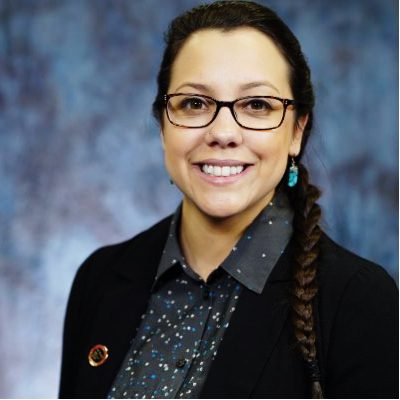
Lindsey Manshack, MPH

Lindsey Manshack, MPH, a member of Siteman Cancer Center’s Program for the Elimination of Cancer Disparities (PECaD), has been appointed to the American Cancer Society (ACS) Missouri Area Board of Directors. In this newly created position, Manshack will work with four other ACS board members to reduce cancer disparities in the Missouri region through creating awareness, fundraising and strategic planning around cancer risk reduction and disparities. Her appointment runs through 2021.

Manshack, who works as a public health research coordinator at Washington University School of Medicine in St. Louis, spends time working with underserved populations to help inform them of cancer prevention strategies and increasing screening opportunities. Recently, Manshack helped lead efforts to increase mammography screening for American Indian women. She is an enrolled member of the Choctaw-Apache Tribe of Ebarb and a Gates Millennium Scholar.

“Lindsey brings great passion to her research and advocacy for the wellbeing of St. Louis community and the American Indian community,” said Aimee James, PhD, MPH, associate professor of surgery at Washington University School of Medicine, and prevention and control research program co-leader for Siteman Cancer Center. “In this role with the American Cancer Society, she brings passion, knowledge and heart.”

PECaD, a National Institutes of Health- and Siteman Cancer Center-funded program, is a national model for eliminating local and regional disparities in cancer education, prevention and treatment. PECaD focuses on strengthening capacity to reduce cancer disparities by working with community organizations, cancer survivors, clinicians, researchers and advocates to enhance education and awareness about cancer risk, prevention, community resources and care centers. The program conducts quality-improvement initiatives and research at Washington University School of Medicine and Siteman Cancer Center, and in the St. Louis community to understand and advance ideas that will eliminate disparities. PECaD works across the region, including the St. Louis metro area, southern and central Illinois and southeast Missouri.

Bartlett receives Legacy Leadership Award from Leukemia & Lymphoma Society

Nancy L. Bartlett, MD,the Koman Chair in Medical Oncology at Washington University School of Medicine in St. Louis, has been named a 2018 Legacy Leadership Award honoree by the Gateway Chapter of the Leukemia & Lymphoma Society. She was recognized May 18 at the society’s Man & Woman of the Year gala at The Ritz-Carlton, St. Louis.

Bartlett treats lymphoma patients at Siteman Cancer Center at Barnes-Jewish Hospital and Washington University School of Medicine.

The annual Legacy Leadership Award recognizes individuals who have contributed significantly to the society’s mission of improving the quality of lives of patients with leukemia, lymphoma, Hodgkin’s disease or myeloma, and their families.

In 2017, John DiPersio, MD, PhD, deputy director of Siteman and the Virginia E. and Samuel J. Golman Endowed Professor of Oncology and director of the Division of Oncology at the School of Medicine, received a Legacy Leadership Award.

Brain cancer vaccine effective in some patients

Most people with the deadly brain cancer glioblastoma die less than 18 months after diagnosis. But a multicenter clinical trial of a personalized vaccine that targets the aggressive cancer has indicated improved survival rates for such patients.

The study appears May 29 in the Journal of Translational Medicine.

The phase three clinical trial included 331 patients at over 80 sites in four countries. Among the trial participants was Siteman Cancer Center at Barnes-Jewish Hospital and Washington University School of Medicine in St. Louis, which recruited one of the largest groups of patients in the trial. The patients were randomized to receive standard therapy plus the personalized vaccine, called DCVax-L, or standard therapy plus a placebo. Personalized vaccines are specifically tailored to individual patients.

According to the trial design, the vaccine group had twice the number of patients as the placebo group. Further, any patient in the trial was allowed to receive the vaccine if his or her cancer recurred or progressed after initial treatment. As such, almost 90 percent of all participants received the investigational vaccine.

The trial, which was funded by the vaccine maker, Northwest Biotherapeutics Inc., is ongoing to allow for continued study of patients who are living beyond what is expected of those diagnosed with glioblastoma.

As of the analysis detailed in the study, all 331 patients in the trial (including those who did and did not receive the vaccine) had a median survival of just over 23 months. One-hundred patients had an average overall survival of 40.5 months — more than three years — and were designated as “extended survivors.” Investigators are particularly interested in the latter group’s response to the vaccine, though they don’t yet know whether everyone in this group received the vaccine since the trial is ongoing and remains blinded. The continued blinding means neither the patients nor physicians know which patients are receiving the vaccine. But since the researchers reported that almost 90 percent of all participants received the vaccine at some point, the chances that the extended survivors are getting the vaccine, rather than placebo, are high.

“The overall patient population in the trial appears to live longer than we would typically see with current standard of care, and 30 percent of the patients have lived much longer than we would expect, given the typical course of this cancer,” said oncologist Jian L. Campian, MD, PhD, one of the study’s authors and a Washington University assistant professor of medicine who treats patients at Siteman Cancer Center. “In general, patients with this cancer live 15 to 17 months. The surprising part was that the 100 ‘extended survivors’ don’t appear to have the usual characteristics associated with a good prognosis. We are continuing to study these patients to understand why they have done so well.”

The personalized vaccine used was specific to each patient. After surgery to remove as much of the tumor as possible, a small amount of tumor tissue is processed and then exposed to the same patient’s own immune cells, called dendritic cells. Exposure to the tumor material essentially trains the dendritic cells to seek out and destroy tumor cells. These trained dendritic cells are returned to the patient as a vaccine injected in the arm. Relatively few vaccinations are needed: The first three are weeks apart; the next three are months apart; and then they continue with one vaccination every six months after the first year.

Campian said the vaccine had very few side effects, especially compared with standard treatment for this cancer, which includes surgery, radiation and chemotherapy. About 2 percent of participants (seven patients) experienced a serious adverse event — such as brain swelling or seizures — that may have been related to the vaccine, according to the researchers.

$5 million supports innovative breast cancer trial at Siteman

A $5 million grant from the Department of Defense will support research at Washington University School of Medicine in St. Louis aimed at improving breast cancer therapies. The study, which includes a clinical trial at Siteman Cancer Center at Barnes-Jewish Hospital and the School of Medicine, will focus on HER2-positive breast cancer. Such tumors are dotted with an overabundance of so-called HER2 receptors.

About 20 percent of women with breast cancer have HER2-positive tumors. Drugs that block HER2, such as Herceptin, have improved survival rates dramatically for these patients.

But these drugs’ use has been limited to patients who have too many copies of HER2. Recent studies led by Washington University researchers, however, have shown that other breast cancer patients with different HER2 defects may benefit from HER2 inhibitors. In these patients, mutations in HER2 can fuel cancer growth. Standard testing for HER2 positive breast cancer won’t identify patients with HER2 mutations.

“We’re figuring out how to treat breast cancer based on the mutations present in the specific patient’s tumor,” said co-principal investigator Ron Bose, MD, PhD, an associate professor of medicine and Siteman research member. “We’ve developed a diagnostic test for mutations in HER2 that cause overactive signaling, and we have a good drug for patients with these mutations in their tumors. These new diagnostic and therapeutic tools may let us identify more women with HER2-driven cancers and treat them with HER2 inhibitors.”

Based on data from 2017, Bose and his colleagues estimate that about 4,000 women have metastatic breast cancer with HER2 mutations and could potentially benefit from this strategy. Drug combinations targeting tumor proteins are generally less toxic than standard chemotherapy, which is not very effective in controlling metastatic cancer and is the only current treatment option for these patients.

The clinical trial at Siteman will investigate a HER2 blocker called neratinib. Trial participants will be patients with metastatic breast tumors that have HER2 mutations and are estrogen-receptor positive, meaning these tumors also are fueled by estrogen. Because these tumors are fed by two fuel sources, participants will receive neratinib to block HER2 and fulvestrant to attack the estrogen receptor.

“In a past clinical trial, we tested neratinib alone, and we saw that about 30 percent of patients had a positive therapeutic benefit from the drug,” said co-principle investigator Cynthia X. Ma, MD, PhD, an associate professor of medicine and Siteman research member. “Now, we want to see whether adding fulvestrant will improve that outcome and help more patients.”

To more fully understand how patients respond to the drugs, the researchers will implant the patients’ tumors into mice that then will receive the same treatment regimens. Additional drugs also will be tested in these mouse models to see if other treatment combinations suggest promising directions for future clinical trials.

The mouse models will provide insight into why some tumors become resistant to neratinib therapy. The scientists will perform genome sequencing and protein analysis on these tumors, seeking clues to how some of them develop the ability to evade drugs that had been lethal to them initially.

Collaborating sites for the clinical trial include Dana-Farber Cancer Institute at Harvard Medical School and Baylor College of Medicine.

This work is supported by the U.S. Department of Defense, grant numbers 12473122 and 12473075.

Strasberg honored by surgical association

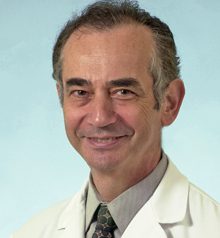
Steven Strasberg, MD

Steven M. Strasberg, MD, the Pruett Professor of Surgery at Washington University School of Medicine in St. Louis, has received the 2018 Medallion for the Advancement of Surgical Care from the American Surgical Association.

Strasberg was recognized at the association’s annual meeting in Phoenix as a master surgeon of the hepatobiliary system, which comprises the liver, gall bladder and bile ducts, and for mentoring association members and students.

Among other contributions, he described in 1992 the concept of a targeted approach to identifying the anatomy of the biliary, or bile, system. In 1995, he introduced the term, “Critical View of Safety.”

“By identifying the Critical View of Safety, the surgeon can avoid bile duct injury,” E. Christopher Ellison, MD, president of the surgical association, said while honoring Strasberg during the association’s annual meeting, April 19-21 in Phoenix. “It is taught in every general surgical training program in the world and has become the standard of care.”

The committee that selected Strasberg “believes that the Critical View of Safety is without question one of the most important contributions in general surgery and hence its creator worthy of this award,” Ellison said.

Strasberg, who treats patients at Barnes-Jewish Hospital and Siteman Cancer Center, also was recognized for his contributions to the treatment of pancreatic adenocarcinoma, liver resection, the treatment of cholelithiasis and its complications and the management and prevention of bile duct injury during laparoscopic cholecystectomy. At the School of Medicine, Strasberg also is the Carl Moyer Departmental Teaching Coordinator. In 2005, he received the Evarts A. Graham Resident Teaching Award. He has published more than 290 peer-reviewed manuscripts and presented more than 100 national and international lectures. He also serves on the editorial boards of many journals.