
What is Pediatric Leukemia? Are There Different Kinds?
Pediatric leukemia is a cancer that shows up in blood cells. It often starts in bone marrow, the center part of bones, where blood cells are created in the body. The causes of leukemia in children aren’t understood yet, but once it starts, the body makes blood cells that are not typical and those reproduce quickly. Soon the unhealthy cells outnumber the healthy blood cells and cause different physical symptoms. Many of these symptoms are because the blood cannot carry out its normal jobs like protecting against infections and carrying oxygen.
There are several different types of pediatric leukemias. Some are more common than others. WashU Medicine physicians at Siteman Kids at St. Louis Children’s Hospital are well-versed in treating even the rarest blood cancers.
- Acute lymphocytic (lymphoblastic) leukemia (ALL)
- Acute myelogenous (myeloid, myelocytic, non-lymphocytic) leukemia (AML)
- Chronic myelogenous leukemia (CML)
- Mixed phenotype acute leukemia (MPAL)
- Juvenile myelomonocytic leukemia (JMML)
What causes pediatric leukemia?
It is important to know pediatric leukemia can’t be prevented, and the symptoms of leukemia can be easily taken for more common illnesses. If you are a parent or a caregiver of a child with leukemia, you did not do anything wrong.
What Are the Early Symptoms of Pediatric Leukemia?
If a physician suspects your child has leukemia, they will order further testing of a sample of your child’s blood, called a complete blood count. A complete blood count can show an abnormal level of red blood cells, white blood cells or platelet cells. You wouldn’t know for certain what was going on until a doctor or provider ordered blood work and studied the results.
Common early symptoms include:
- Pale skin
- Feeling tired, weak, or cold
- Dizziness
- Headaches
- Shortness of breath, trouble breathing
- Frequent or long-term infections
- Fever
- Easy bruising or bleeding, such as nosebleeds or bleeding gums
- Bone and/or joint pain
- Abdominal swelling
- Poor appetite and weight loss
- Swollen lymph glands (nodes)
How is Leukemia Diagnosed in Children?
If your child is experiencing these symptoms and has not had blood tests done, let your pediatrician know. They can assess your child and refer to a pediatric oncologist for additional workup. From there a pediatric leukemia diagnosis often requires more tests.
Some tests that your physician may order include:
- Bone marrow samples, aspiration or biopsy
- X-ray
- Ultrasound (sonography)
- Lymph node biopsy
- Lumbar puncture
Second Opinions
Parents often first hear their child has cancer during an emergency room visit. Getting care soon is important, and there are always options for what is best for your child. Siteman Kids welcomes second opinions and offers unique treatment plans for each patient.
Why Choose Siteman Kids for Treating Pediatric Leukemia?
After getting a correct diagnosis, the most important thing a parent or caregiver can do for their child is find the best care possible for them. Siteman Kids at St. Louis Children’s Hospital’s cutting-edge care stands out to families as they research pediatric oncology programs.
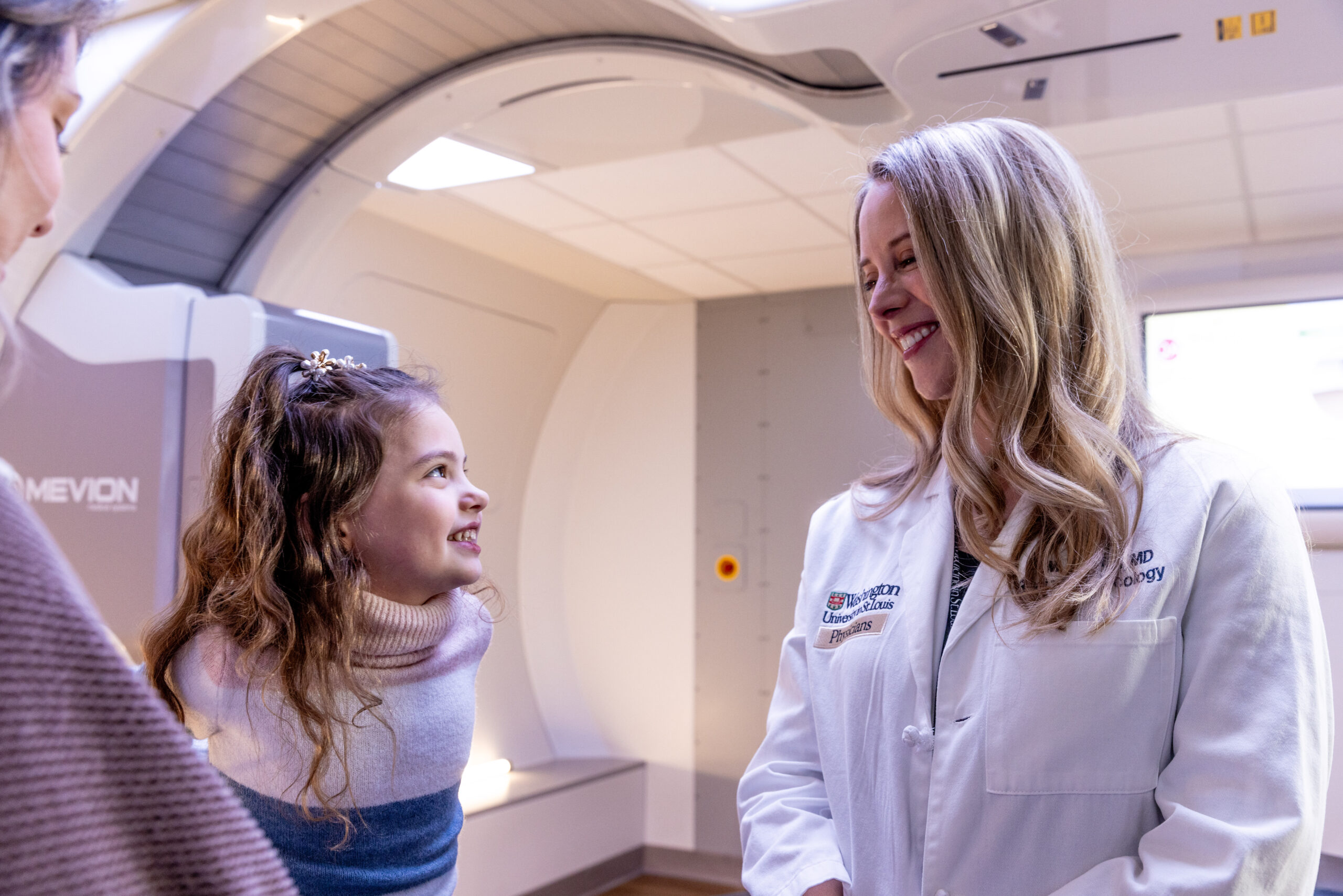
Families at Siteman Kids are seen by WashU Medicine physicians who have specialized in pediatric medicine and are working on clinical trials and research studies to unlock new treatments for curing disease.
U.S. News and World Report ranks us #12 in the nation for neurosurgery and neurology programs and as one of the nation’s top children’s hospitals. We are the only children’s hospital in Missouri that receives funding from the National Cancer Institute for ongoing research.
In addition to providing the best pediatric cancer care in the St. Louis region, the Siteman Kids pediatric brain tumor program is a member of the following international organizations:
- Pediatric Neuro-Oncology Consortium (PNOC)
- Children’s Oncology Group (COG)
- Childhood Brain Tumor Network (CBTN)
- COllaborative Network for NEuro-oncology Clinical Trials (CONNECT)
These organizations of experts all conduct research on brain tumors. Siteman Kids is the only member of PNOC in the region, attracting not just families from the area but also drawing patients from across the globe to be a part of the clinical trials offered.
At Siteman Kids, we care for the whole family. Our support services are extensive, providing professionals who care for the well-being of our young patients, their siblings and their caregivers.
- Psychologists guide children and their families through the many emotions that come from a cancer diagnosis with in-person and virtual visits.
- Child Life specialists assist in practical ways, educating your child on what procedures will be like, helping them learn coping strategies for their fears and stress and more.
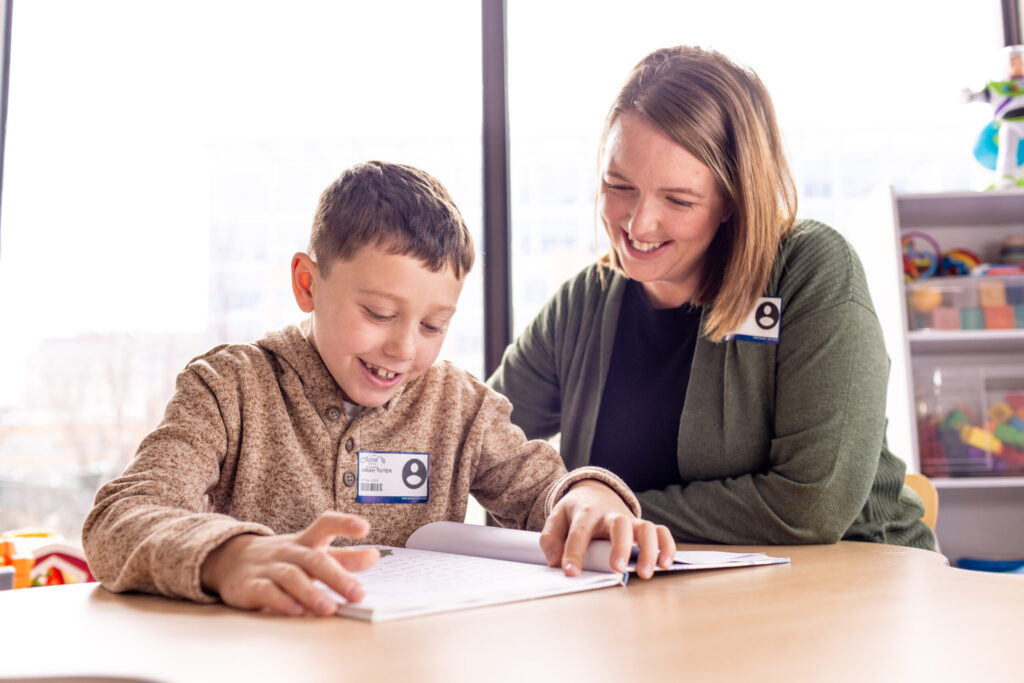
- Educational liaisons help communicate and coordinate with your school district so there is a plan for continuing to learn, even when being in the classroom isn’t possible.
- Social workers guide adults through the many responsibilities and realities related to caretaking while balancing work and parenting.
Our oncology-trained care coordinators – nurses who help with scheduling and navigation – can help you through the process. Call us directly or submit a form, and we will call you back.