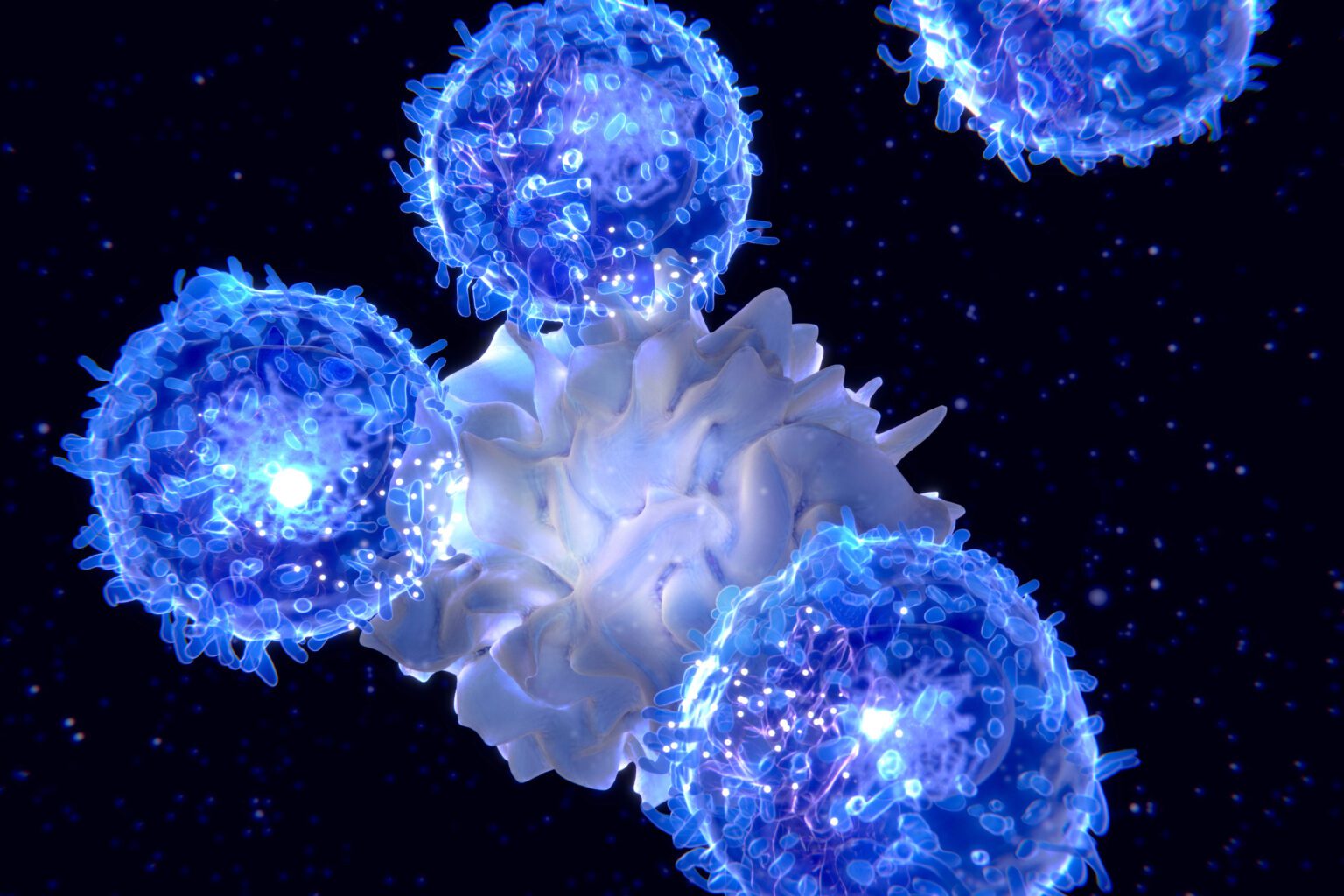
Immunotherapy is an ever-growing field of research and therapy that offers new possibilities for personalized cancer treatment —by enhancing the body’s own immune system to recognize, target, and eliminate cancer cells. By overcoming the biological mechanisms that tumors use to evade immune detection, immunotherapy has changed the treatment landscape for multiple cancers, providing long-term control and recovery for some patients with advanced disease.
Siteman Cancer Center at Barnes-Jewish Hospital and WashU Medicine has a long history of leading advancements in immunotherapy treatments. Patients who undergo immunotherapy treatment at Siteman receive the most advanced therapies from the same researchers who invented them — including tumor infiltrating lymphocytes (TIL), CAR T-cell therapy, cancer vaccines, T-cell receptor (TCR) therapy, NK cell therapy, antibody drug conjugates, monoclonal antibodies, checkpoint inhibitors, and more.
Immunotherapy represents one of the most significant advances in modern cancer care. By activating or engineering the body’s immune system to recognize and attack cancer, immunotherapy has expanded treatment options for patients with many forms of cancer and, in some cases, achieved outcomes that were previously not possible.
Ongoing research at Siteman Cancer Center and around the world continues to refine these approaches, identify which patients are most likely to benefit, and develop new strategies that extend the reach of immune-based therapies.
Our Siteman care coordinators – oncology-trained nurses who help with scheduling, finding the right specialist, and guidance – can help you through the process.
Call us directly or submit a form, and we will call you back.
Harnessing the Power of the Immune System
For patients, immunotherapy is not a one-size-fits-all treatment. At Siteman Cancer Center, a multidisciplinary care team evaluates the type and stage of cancer, tumor characteristics, prior treatments and overall health to determine whether immunotherapy should be part of an individualized treatment plan.
Depending on the cancer type and clinical goals, immunotherapy might be used alone or in combination with surgery, radiation therapy, chemotherapy, or other targeted treatments. Throughout treatment, patients are supported by WashU Medicine specialists with expertise in managing both the cancer and the unique effects associated with immune-based therapies, ensuring care is tailored to each patient’s needs and circumstances.
The science of immunotherapy continues to advance, creating new opportunities to improve outcomes across a growing range of cancers. As an academic cancer center, Siteman offers eligible patients access to clinical trials evaluating next-generation immunotherapies, novel combinations, and emerging cellular therapy approaches. These studies reflect the center’s commitment to translating scientific discovery into new treatment possibilities and expanding the options available to patients facing complex cancer diagnoses.
Immunotherapy for Pediatric Cancers
Immunotherapy has also shown promising results for children diagnosed with cancer. It can be an effective therapy option, as an alternative or in addition to other standard childhood treatments.
These therapies harness the immune system to recognize and attack cancer cells and may be used in select blood cancers, certain solid tumors, and other pediatric cancers where immune-based approaches have demonstrated benefit. Ongoing research continues to improve understanding of how immunotherapy can be applied safely and effectively in younger patients.
The most significant benefit for children is that immunotherapy does not have as many chronic side effects that sometimes accompany other types of standard cancer treatments. This gives young people better options for long-term recovery and quality of life.
Siteman Kids at St. Louis Children’s Hospital is also equipped to treat immunotherapy to pediatric patients diagnosed with liver cancer.
Why Choose Siteman
At Siteman Cancer Center, immunotherapy is advanced through a nationally recognized research and clinical enterprise focused on understanding the complex interactions between cancer and the immune system. Together at Siteman, WashU Medicine physicians and scientists are leading efforts to develop next-generation immune-based therapies, expand access to innovative clinical trials, and translate laboratory discoveries into new treatment approaches.
This depth of expertise allows patients to access sophisticated immunotherapy strategies— including cellular therapies for blood cancers and emerging investigational approaches for solid tumors — while benefiting from the multidisciplinary expertise required to manage complex disease and treatment decisions.
Our unique team approach brings together physician-researchers at WashU Medicine and the strength of BJC HealthCare, including Barnes-Jewish Hospital, to create holistic, multidisciplinary care, giving patients who choose their care here a distinct advantage over their cancer.
Siteman’s dedication to research, clinical programs, patient outcomes, and community outreach improves patients’ quality of life and survivorship. Our care team has experience managing complex and rare cases, developing novel strategies to treat even the most difficult-to-treat cancers.
Nationally recognized for immunotherapy treatment
The National Cancer Institute (NCI) recognizes Siteman Cancer Center with the highest ranking of “Exceptional,” and is the only NCI-designated Comprehensive Cancer Center in the region. We are also part of the NCI’s National Clinical Trials Network, which expands access for patients who receive care here to enroll in advanced therapies not available elsewhere.
As part of the NCI’s broader recognition of the efforts at Siteman, WashU Medicine is one of only two institutions in the country to receive a SPORE grant for leukemia, where researchers investigate immunotherapy applications for patients with this type of cancer. This funding also helps mentor and train new scientists researching immunotherapies, signaling more advancements on the horizon.
The Bone Marrow and Cellular Therapy Program at Siteman Cancer Center is one of only a few hundred healthcare organizations in the country accredited by the Foundation for the Accreditation of Cellular Therapy (FACT) for immune effector cell therapy. To receive this accreditation, an institution must demonstrate rigorous competence and quality control standards in immunotherapy.
For patients, that means WashU Medicine physicians are vetted and trained to meet the high standards of administering this type of advanced therapy.
Clinical trials are research studies that help us find new ways to prevent, diagnose, and treat cancer. If you have a rare or complex diagnosis or your treatment path seems uncertain, you might qualify for a clinical trial.
Our team will help you find a study that is right for you. Call us to speak with a Siteman care coordinator.
How Immunotherapy Works
Immunotherapy is a type of treatment that uses your own immune system to target cancer cells and eliminate them. It’s a relatively new way for physicians to administer cancer treatment with promising gains for survival for several types of cancer.
Immunotherapy is the most personalized type of cancer treatment available since it uses your own living cells to fight cancer. Your treatment is developed by your care team after they carefully review your biological markers, medical history, type and stage of cancer, and genomic profile.
Several types of immunotherapy are available as standards of care or in clinical trials, including:
- Immune checkpoint inhibitors, including pembrolizumab (brand name: Keytruda) and nivolumab (Opdivo)
- Monoclonal antibodies, including rastuzumab (Herceptin), rituximab (Rituxan) and antibody-drug conjugates (ADC)
- Immune system modulators, or immunomodulators, including lenalidomide (Revlimid) and thalidomide
- Stem cell transplants
- Cytokines
- CAR T-cell therapy, including axicabtagene ciloleucel (Yescarta), tisagenlecleucel (Kymriah), lisocabtagene maraleucel (Breyanzi), and ciltacabtagene autoleucel (Carvykti
- Therapeutic cancer vaccines, including, sipuleucel-T (Provenge)
- Oncolytic virus therapy, including Talimogene laherparepvec (T-VEC)
- Tumor-infiltrating lymphocytes (TIL) therapy
- T-cell receptor (TCR) therapy
- T-cell engaging antibodies (bispecifics, trispecifics and others)
- Natural killer (NK) therapy
Each type of immunotherapy requires a different approach to administration. You might receive your treatment via an IV, injection, topical application, or oral medication.
Depending on the type of treatment you receive, physicians might treat you in a hospital, or you might be able to go through a cycle at home. Your care team will detail your treatment plan after they have completed a thorough diagnosis of your specific condition.
How immunotherapy is different from chemotherapy
Chemotherapy and immunotherapy are both important cancer treatments, but they work in different ways. Chemotherapy directly attacks rapidly growing cancer cells throughout the body. Immunotherapy works by helping the immune system recognize and respond to cancer cells that might otherwise evade detection. Depending on the type of cancer, its biology and the goals of treatment, these therapies might be used alone or in combination.
For some patients, immunotherapy offers advantages that were not previously possible with traditional treatments alone. Certain immunotherapies can produce durable responses, meaning the immune system continues to recognize and control cancer long after treatment has ended. In some cancers, immunotherapy has improved outcomes and expanded treatment options for patients with advanced disease.
However, not every cancer responds to immunotherapy, and not every patient is a candidate. Determining the most appropriate treatment requires careful evaluation by our multidisciplinary cancer team.
At Siteman Cancer Center, specialists consider a wide range of factors — including cancer type, molecular and tumor characteristics, overall health, and prior treatments — to develop an individualized treatment plan. For some patients, that plan might include chemotherapy. For others, immunotherapy, targeted therapy, cellular therapy, or a combination of approaches may offer the greatest potential benefit.
The goal is not to choose the newest treatment but selecting the treatment and care plan most likely to achieve the best possible outcome for each patient.
What to Expect
Since immunotherapy harnesses your own body’s immune system to fight cancer, you feel the benefits long-term. During immunotherapy, doctors program your cells to produce memory cells that can more easily recognize and fight cancer cells if they recur, reducing the chance of remission.
This type of treatment also has fewer side effects than other types of cancer therapy. Your care team can manage the side effects you might experience with greater ease.
How you respond to immunotherapy could vary by your specific treatment type, cancer, and medical history, but you might experience one or a few of these side effects during your immunotherapy program:
- Fatigue
- Rash
- Diarrhea
- Nausea
- Fever
- Flu-like symptoms
Response rates vary from person to person and are dependent on several factors that are best explained by your physician. Your care team will thoroughly review your medical history and perform tests to determine if immunotherapy is the best option for you.
The important thing to know is that immunotherapy has expanded the arsenal of treatment options available for patients who once had difficult-to-treat cancer. The field is rapidly advancing with improved response rates as physicians and researchers learn more about the efficacy and applications of this practice.
Immunotherapy regimens will look different depending on your cancer type, stage, and medical history. Your care team may determine that immunotherapy alone will be enough, or they may administer it in combination with other types of cancer therapies.
Treatment can happen in cycles, or physicians may administer it on a daily, weekly, or monthly schedule. With cyclical treatment, you will take time off to rest. This resting period gives your body time to produce enough healthy T cells to fight cancer cells.
You might receive immunotherapy in the following forms:
- IV infusions through the vein
- Injections that target the tumor or disease area via a shot
History of Immunotherapy Innovations at Siteman
WashU Medicine physicians and researchers at Siteman Cancer Center are leading the way in immunotherapy research and clinical applications. With a decades-long history of immunotherapy research and a high volume of patients treated at Siteman Cancer Center, ours is one of the safest places in the country to receive the most advanced, precise forms of this treatment.
Siteman-led immunotherapy breakthrough for head and neck cancer
In June 2025, the Food and Drug Administration (FDA) approved the immunotherapy drug pembrolizumab for patients with locally advanced head and neck cancer squamous cell carcinoma (HNSCC). That approval followed the Phase 2 clinical trial that originated at Siteman in 2013, co-led by Douglas Adkins, MD.
The Phase 2 trial results led to the global Phase 3 KEYNOTE-689 trial, where researchers gave patients the drug before and after surgery. The results demonstrated significant improvements over the prior standard of care, giving patients with head and neck cancer new outlooks on overall survival.
Siteman was one of only 16 facilities worldwide authorized to begin CAR T-cell therapy
The FDA officially approved CAR T-cell therapy for clinical use in 2017, and Siteman Cancer Center was one of only 16 facilities worldwide authorized to provide it. The treatment, called Yescarta, was first approved for patients diagnosed with non-Hodgkin lymphoma. It marked the beginning of CAR T-cell therapy research and clinical application that has rapidly grown since then.
Science-driven, off-the-shelf CAR T-cell therapy treatment
In 2018, scientists here used a gene editing technology called CRISPR to develop fratricide-resistant off-the-shelf CAR T cells for the treatment of T-cell malignancies. Researchers engineered the therapy to kill a patient’s cancerous T cells without harming the healthy T cells. It also allowed researchers to create the therapy in advance from a donor, meaning it is available to give to a patient quickly after diagnosis.
For patients with advanced-stage leukemia or lymphoma, eliminating the waiting period for treatment makes all the difference in survivability. Rather than wait weeks for the manufacturing of T cells, the therapy is ready to go, right when it’s needed.
Researchers here invented the immunotherapy WU-CART-007, which received Breakthrough Therapy designation from the FDA
In 2026, the FDA granted WU-CART-007 (soficabtagene geleucel) as a Breakthrough Therapy designation. This CAR T-cell therapy was developed by WashU Medicine researchers and licensed to Wugen, a WashU Medicine biotech firm founded in St. Louis. The therapy helps target aggressive forms of blood cancer called T-cell acute lymphoblastic leukemia (T-ALL) and T-cell lymphoblastic lymphoma (T-LL) that originate in the immune system’s T cells.
This designation gives patients with these cancers a better prognosis since it can selectively target and eliminate the cancerous T cells, resulting in fewer and more manageable side effects. The work, co-led by John DiPersio, MD, PhD, Matthew Cooper, PhD, and other WashU Medicine investigators, highlights Siteman’s dedication to cutting-edge immunotherapy research and development.
Clinical Trials Give You Advanced Immunotherapy Options
By choosing your care with Siteman Cancer Center, you have access to investigational therapies not generally available everywhere. WashU Medicine physicians and researchers at Siteman lead more than 600 active therapeutic clinical trials, many of which involve immunotherapy. That means your treatment timeline might proceed with greater efficiency than it would at many other cancer centers in the region and country.
At Siteman Cancer Center, clinical trials are integrated into the treatment planning process. For eligible patients, participation may be considered alongside established standards of care as part of a comprehensive evaluation of available options. The goal is not simply to access a new therapy, but to identify the treatment approach most appropriate for a patient’s disease, tumor biology, and treatment goals.
By connecting scientific discovery with patient care, clinical trials help expand what may be possible for patients today while advancing cancer treatment for the future.
Your Second Opinion at Siteman
Siteman wants to be your first choice for cancer care, but that might not always be possible. If you have received a cancer diagnosis, started care somewhere else, or are a physician seeking specialized care for your patient, ask us about a second opinion. You can start the process. To make it easy, our care coordinators guide scheduling for yourself or your patient.
Am I a Good Candidate for Immunotherapy?
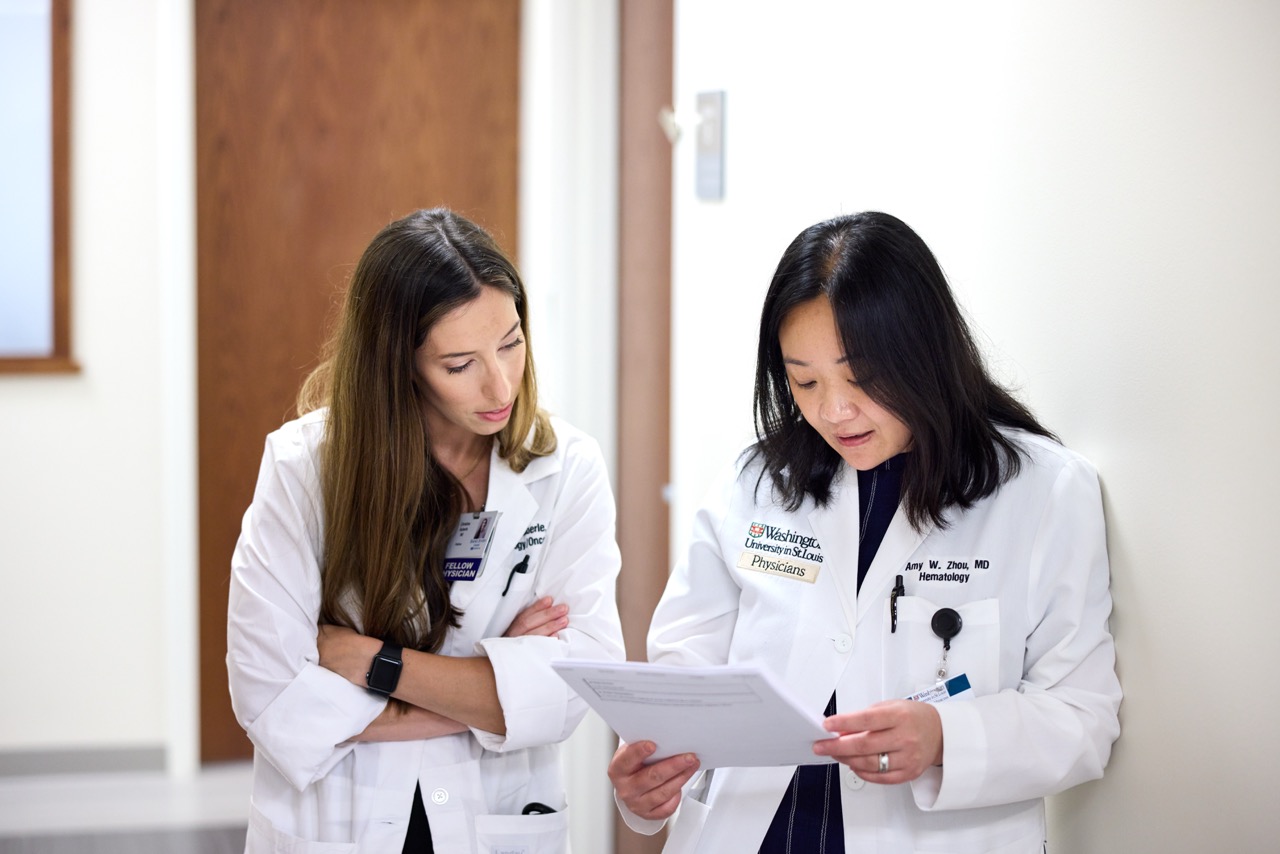
Your care team will conduct a thorough review of your medical profile and treatment plan to determine if immunotherapy is right for you. They will direct biomarker testing to see if your genes express certain proteins or features that respond well to immunotherapy treatment. They gather that information through biopsies, blood smears, and your medical history, and consider any other conditions that might influence your treatment.
Not everyone is a good candidate for this type of treatment. Your care team will consider the right therapies for the right treatment of your cancer type for your best outcomes and recovery.