WashU Medicine surgeons at Siteman Cancer Center bring a multidisciplinary approach to every type of cancer, providing precision for the most common procedures and the rarest, most complex operations. They are internationally recognized leaders in the field who pioneered many of the techniques other centers now follow, as well as setting surgical standards around the world.
Because of their international renown, they have earned the trust of patients who travel to Siteman from around the world when precision matters most.
If you or a loved one has a cancer diagnosis and are considering surgery, WashU Medicine surgeons at Siteman will guide you through each step of your treatment plan. They will explain how surgery fits into your overall wellbeing. Choosing Siteman for your care means you access advanced techniques from top surgeons in the country.
Our Siteman care coordinators – oncology-trained nurses who help with scheduling, finding the right specialist, and guidance – can help you through the process.
Call us directly or submit a form, and we will call you back.
Types of Cancer Surgeries
WashU Medicine surgeons at Siteman Cancer Center are experts in every major type of cancer surgery — from minimally invasive and robotic-assisted procedures to advanced multimodality operations. Whatever your diagnosis, your care team will identify the surgical approach that is most appropriate for your cancer type, stage, and goals.
Your surgeon may determine that one of these is the best operation for your specific case:
- Robotic-Assisted Surgery: In these procedures, surgeons control a small robotic device with human-like arms, a light, and a camera after making small incisions in the body. These procedures are highly precise and have fewer side effects than traditional open surgeries.
- Laparoscopic Surgery: This is a type of minimally invasive surgery we provide. It uses small cuts, cameras, and special tools to treat cancer, reducing harm to nearby tissues.
- Transoral Laser & Endoscopic Surgery: Surgeons at WashU Medicine use an endoscope through the mouth to remove certain head and neck tumors without making external cuts. That helps preserve patients’ appearance and function in this sensitive neck area
- Video-Assisted Thoracoscopic Surgery (VATS): These procedures are for patients with lung cancer and other types of thoracic cancers, such as esophageal cancer. During a VATS operation, surgeons will insert a tiny video camera, called a thoracoscope, between the ribs in the chest. This is another type of minimally invasive surgery that has fewer side effects and a quicker recovery time after the operation.
- Reconstructive Cancer Surgery: WashU Medicine surgeons train in plastic and reconstructive surgery to restore your body’s appearance and function after cancer treatment. These particularly benefit patients diagnosed with breast, head and neck, and skin cancers.
- Organ-Preserving, Nerve-Sparing, and Tissue-Sparing Surgical Techniques WashU Medicine surgeons, including our reconstructive surgeons, use organ-preserving, nerve-sparing, and tissue-sparing surgical techniques to keep healthy tissue and maintain normal organ function. They have training and experience in several areas:
- Sphincter-sparing and transanal endoscopic microsurgery for colon and rectal cancers
- Fertility-sparing techniques for patients with gynecological cancers
- Nipple-sparing procedures for breast cancer
- Other innovative treatments for patients with head and neck cancers and prostate cancer
- CRS/HIPEC: At WashU Medicine, doctors combine cytoreduction surgery (CRS) with hyperthermic intraperitoneal chemotherapy (HIPEC). This dual treatment helps patients with cancers in the appendix, colon, rectum, ovaries, and other gastrointestinal areas.
- Other Multi-Modality Treatment Plans: The Department of Surgery at WashU Medicine trains surgeons in many oncological surgeries. As an NCI-designated Comprehensive Cancer Center, Siteman’s doctors work closely with a multidisciplinary care team for your case. Surgeons meet with other physicians who specialize in different types of cancers and therapies to design a treatment plan for you. Your plan might involve a mixture of surgery, chemotherapy, immunotherapy, or other targeted cancer therapies.
Why Choose Siteman
WashU Medicine surgeons at Siteman bring their expertise, precision training, and patient-centered care to every person they perform operations on. Their dedication to science and research goes beyond the operating room — they strive to advance the field and improve patient outcomes, while also training the next generation of surgeons to carry on this important work.
Before recommending surgery, surgeons meet with other subspecialists as an integrated care team assembled for every patient called a tumor board meeting. These tumor board meetings improve patient outcomes by bringing in specialists from different departments to create the best, individualized treatment plan available. They check your medical records, imaging studies, biopsies, and genetic tests. This way, they make sure you get the right diagnosis and staging before suggesting any treatment.
Access to multidisciplinary specialists is a standard of care not offered at other healthcare centers, giving you a distinct advantage over your cancer at Siteman. Siteman is the only NCI-designated Comprehensive Cancer Center in Missouri and Southern Illinois. It provides access to unique surgeries, clinical trials, and advanced surgical technologies that you won’t find anywhere else in the region.
Pioneering minimally invasive approaches
WashU Medicine surgeons at Siteman lead in minimally invasive cancer surgery. They were the first in the world to perform laparoscopic kidney removals. Surgeons use smaller incisions in procedures like laparoscopies. This leads to quicker recovery and less pain for patients.
The minimally invasive approach we led for kidneys includes even more surgical options today for brain, sinuses, thyroid, and many others.
Learn more about minimally-invasive surgeries at Siteman Cancer Center
Setting surgical standards
WashU Medicine surgeons and radiation oncologists helped redefine who qualifies for surgery by working together as part of an integrated care team. For lung cancer patients, they set protocols for high-risk individuals. This helps them safely have surgery, which often works better than other treatments like radiation therapy.
This highlights the advantage of working with world-class experts who continue to advance treatment options. Doors that seem closed elsewhere may be open at Siteman. If you’ve been told surgery isn’t an option, a second opinion can make a difference.
Inventing new ways to see cancer
WashU Medicine surgeons at Siteman invented a technology that allows them to see your cancer in real time during surgery. The specialized surgical goggles, developed here, use an imaging dye inserted into cancer cells to light them up during an operation. This gives surgeons greater precision to see exactly where the cancer is and remove it precisely, protecting the healthy tissue around it.
Developing complex surgeries that preserve organ function
WashU Medicine surgeons at Siteman lead in organ-sparing surgery. They use techniques like robotic partial nephrectomy for kidney cancer. This method removes tumors carefully, preserving function and quality of life. Our urologic surgeons travel around the world to teach these procedures to other surgeons.
They also excel in liver and other organ transplants, performing the first liver transplant in the region in 1963 and continuing to improve their methods since then. WashU Medicine surgeons lead in approaches that reduce the physical toll of treatment without compromising results.
Your Second Opinion at Siteman
Siteman wants to be your first choice for cancer care, but that might not always be possible. If you have received a cancer diagnosis, started care somewhere else, or are a physician seeking specialized care for your patient, ask us about a second opinion. You can start the process. To make it easy, our care coordinators guide scheduling for yourself or your patient.
Surgical Breakthroughs and Techniques by Cancer Type
At Siteman, our surgical expertise shows in every cancer program.
Siteman has top urologic surgeons who perform surgeries like nerve-sparing bladder removal. They also create new bladders, called neobladders, to help patients with bladder cancer maintain urinary control.
For many patients with brain tumors, surgery is the first, and sometimes the only, treatment needed. WashU Medicine’s Brain Tumor Center features nationally-recognized surgeons. They provide various procedures, such as “keyhole” craniotomies, awake craniotomies, and image-guided endoscopic surgeries. These methods use smaller incisions to reduce damage to healthy brain tissue.
The team also pioneered the use of laser interstitial thermal therapy (LITT) to place probes deep inside a tumor. Minimally invasive transorbital neuroendoscopic surgery (TONES) is also available to remove tumors without removing a portion of the skull.to place probes deep inside a tumor. Minimally invasive transorbital neuroendoscopic surgery (TONES) is also available to remove tumors without removing a portion of the skull.
WashU Medicine breast cancer surgeons at Siteman are experts in skin- and nipple-sparing surgeries. They perform breast conservation and multiple lumpectomy procedures. These techniques can help avoid the need for a full mastectomy. Breast cancer surgeons here see over 1,000 breast cancer patients on average, and patients benefit from going to a high-volume center. That experience directly correlates to positive surgical outcomes.
WashU Medicine surgeons at Siteman pioneered the development of a post-mastectomy surveillance tool to identify early signs of infection. That level of care helps patients preserve their implants and reduces the need for further intervention down the line.
WashU Medicine colorectal surgeons were the first in the region to perform a minimally invasive laparoscopic colectomy for early-stage colon cancer. This signals their early adoption of advanced treatment options that provide patients with favorable outcomes.
Surgical experts at Siteman excel in nerve-sparing cystectomy. They might also implant a hepatic arterial infusion pump (HAIP) to deliver chemotherapy directly to tumors in advanced colon cancer cases. They rigorously study this complex treatment by leading or participating in many clinical trials and consortiums to evaluate best practices and results.
WashU Medicine has one of the largest endocrine surgery teams in the country. Our surgeons perform both minimally invasive and complex reoperative procedures, which includes transoral thyroidectomy and laparoscopic adrenalectomy.
The team is well-known worldwide for treating rare medullary thyroid carcinoma and multiple endocrine neoplasia (MEN) syndromes. Siteman is one of the few places in the United States to offer scarless thyroidectomy, which uses a transoral approach to remove part or all of the thyroid or the parathyroid.
Learn more about treatments and surgery options for patients with thyroid cancer.
Specialists at Siteman see and treat over 130 cases of esophageal cancer each year. With a high volume of cases, the team has gained experience in advanced procedures, including minimally invasive robotic-assisted esophagectomy to remove all or part of the esophagus. This procedure is the cornerstone treatment for early and locally advanced esophageal cancer. It is also one of the most complex surgeries in cancer care.
Siteman has one of the largest gynecologic programs in the Midwest. WashU Medicine specialists treat about 650 patients each year with cancers of the cervix, fallopian tubes, ovaries, uterus, vagina, and vulva.
Surgeons perform multiple types of surgeries for gynecologic cancers, according to a patient’s needs and diagnosis.
Their techniques include:
- Fertility-sparing surgeries, like ovarian transposition.
- Radical trachelectomies, which remove the cervix but keep the uterus.
- Other minimally invasive surgeries that help maintain a patient’s quality of life.
WashU Medicine surgeons are part of a multidisciplinary team that composes the Robert Ebert and Greg Stubblefield Head and Neck Tumor Center at Siteman. This center unites specialists in an integrated care team. They work together to create and assess new cancer treatments, including surgical methods like robotic surgery, minimally invasive techniques, and advanced reconstructive surgery when necessary.
They are experts in transoral procedures like transoral robotic surgery, scarless thyroidectomy, and transoral laser microsurgery for larynx, pharynx, and salivary cancers, which is a complex procedure that lets surgeons remove tumors through the mouth, avoiding neck incisions. They also offer endoscopic skull-base surgery to minimize the removal of bone and tissue when treating certain cancers found in the head and neck.
Siteman Cancer Center was one of the first to perform laparoscopic kidney removal in 1991. Since then, it has maintained a high standard in treating kidney cancer patients. WashU Medicine surgeons focus on organ removals, transplants, and advanced techniques. They use minimally invasive and robotic-assisted methods to boost recovery time and improve overall wellness.
Patients diagnosed with lung cancer benefit from treatment at a high-volume clinic when they choose their care at Siteman. With over 900 lung cancer patients treated annually, WashU Medicine surgeons perform more lung cancer surgeries than any other facility in the region.
Among the surgical options, patients might receive robotic-assisted lobectomies, minimally invasive sleeve resections, or video-assisted thoracoscopic surgery (VATS), among other surgical options.
WashU Medicine scientists continue to make strides in lung cancer care. They recently developed AI software and a tissue analysis tool that predicts which patients may need extra therapy after lung cancer surgery.
Dermatologic, plastic, and reconstructive WashU Medicine surgeons at Siteman use precision and clarity to treat patients with skin cancer. Mohs micrographic surgery can help some patients cut down on basal cell carcinomas and squamous cell carcinomas (BCCs and SCCs). It does this while keeping as much healthy tissue as possible.
More complicated procedures involve microvascular techniques and reconstructive surgery to restore function and appearance. Your care team will provide you with the best treatment available for the best results possible.
WashU Medicine’s pancreatic surgeons focus on a special surgery known as the Whipple procedure. They perform this operation on over 100 patients every year. This makes it one of the highest volumes in the United States, with a zero percent operative mortality rate.
During this procedure, your surgeon will take out the head of the pancreas as well as the gallbladder, the bile duct, and part of the small intestine. They do this to remove all cancer cells while leaving part of the pancreas.
Patients at Siteman Kids at St. Louis Children’s Hospital benefit from seeing expert oncologists and surgeons from WashU Medicine who specialize in pediatric care. Every type of cancer needs different treatments. If your care team decides surgery is best for your child, they will support both of you throughout the process.
Learn more about our services at Siteman Kids.
WashU Medicine specialists provide minimally invasive surgeries and multimodal options for patients with peritoneal cancer. Surgical treatment for this cancer often includes cytoreductive surgery (CRS) and hyperthermic intraperitoneal chemotherapy (HIPEC).
WashU Medicine surgeons at Siteman use advanced robotic techniques for prostate cancer. They perform nerve-sparing prostatectomies and MRI-guided lumpectomies,. which can help preserve function and sexual health. Our surgeons treat over 1,000 patients with prostate cancer each year, making Siteman a center of expertise in early and advanced-stage cases.
Patients with rectal cancer need advanced care. WashU Medicine colorectal surgeons are the only ones in the area offering transanal endoscopic microsurgical (TEM) excision. This complex procedure removes early cancers as well as polyps from the rectum, allowing surgeons to avoid making large abdominal incisions.
Other advanced surgery options are available at Siteman that you won’t find anywhere else in the region, such as sphincter-sparing procedures.
WashU Medicine offers a fellowship program dedicated to the treatment of sarcomas and bone cancers. It trains doctors in limb-sparing surgery to remove tumors without amputation. They also offer custom prosthetic reconstruction where necessary for patients.
In some cases, doctors might give you a round of chemotherapy before surgery to make the tumor smaller so that you need to have less bone tissue removed. This also helps prevent potential complications after surgery.
A Siteman care coordinator is the fastest path to referral, consult, or second opinion. Our care coordinators – oncology nurses who help with scheduling and navigation – will guide you from your first call.
Clinical Trials
Clinical trials at Siteman open up surgical options you may not find anywhere else. Siteman Cancer Center is the region’s only NCI-designated Comprehensive Cancer Center. The surgical trials led by WashU Medicine researchers set tomorrow’s standard of care, and eligible patients can access these advancements today.
You can always ask if you are eligible for a clinical trial. Your care team will review your diagnosis and let you know if a trial is right for you.
Clinical trials are research studies that help us find new ways to prevent, diagnose, and treat cancer. If you have a rare or complex diagnosis or your treatment path seems uncertain, you might qualify for a clinical trial.
Our team will help you find a study that is right for you. Call us to speak with a Siteman care coordinator.
Meet Our Surgical Experts
WashU Medicine surgeons are board-certified and uphold the highest standards in treating patients at Siteman Cancer Center to provide patient care and precise treatment. As part of a multidisciplinary team assigned to your case, they bring a level of expertise with recognition across the globe in different surgical techniques you can find only here.
Julie Margenthaler, MD, FACS
Julie Margenthaler is a key player in reducing breast cancer surgery risks. She improves techniques that lower complications but still keep patients safe. Her work with sentinel lymph node biopsy (SLNB) substantiated other trials’ results, helping incorporate them into changed the standard of care. Now, routine axillary lymph node dissection is less common. This spares patients from serious complications like chronic lymphedema and limited arm function.
Margenthaler’s research shows that sentinel lymph node biopsy is safe and accurate. This holds true even for women with multiple breast tumors. As a result, many can skip more extensive lymph node surgery. In addition, she helped demonstrate that sentinel node biopsy is often not needed during preventive mastectomy.
Margenthaler also helped create new imaging technology for breast cancer patients. This tech maps lymph nodes and finds possible cancer involvement without invasive procedures. This supports more precise and less invasive breast cancer surgery.
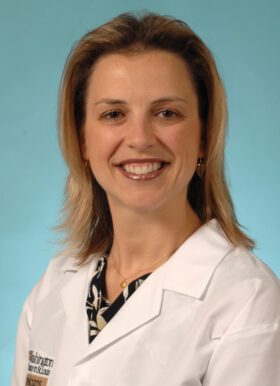
Paul Wise, MD
Paul Wise is a global expert in sphincter-sparing surgery. This modern method removes rectal and colon cancers, allowing patients to avoid a colostomy. He is seen as a pioneer for using robotic and laparoscopic techniques in cancer care. This lets surgeons operate with great precision in tight pelvic spaces. He has trained hundreds of surgeons worldwide in the complex skills required for these procedures.
Wise is a leader at WashU Medicine, Siteman Cancer Center and top expert in the field of hereditary colorectal cancers, including Lynch syndrome and familial adenomatous polyposis. His surgical guidelines help determine when patients with genetic risks can safely preserve normal bowel function.
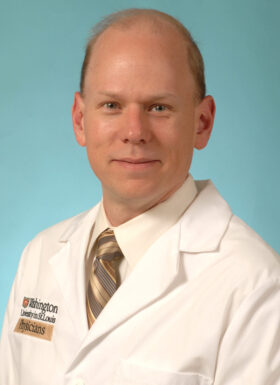
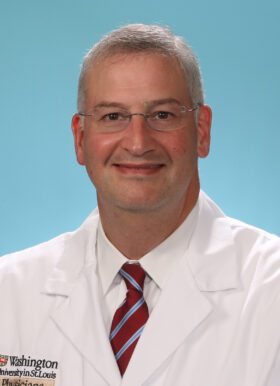
Benjamin Kozower, MD, MPH
Benjamin Kozower is a member of WashU Medicine and Siteman Cancer Center’s thoracic surgery team, which cares for more than 500 lung cancer patients each year.
He is skilled in lung-sparing cancer surgeries, minimally invasive and robotic methods, and advanced airway and chest procedures. As Vice Chair for Patient Safety and Quality Improvement in the Department of Surgery, Kozower is nationally recognized for his leadership in thoracic surgery outcomes.
Benjamin Kozower is a member of WashU Medicine and Siteman Cancer Center’s thoracic surgery team, which cares for more than 500 lung cancer patients each year.
Frequently Asked Questions about Cancer Surgery
WashU Medicine surgeons have put together a Surgical Prehabilitation and Readiness Program (SPAR) to encourage you to be as healthy and strong as you can before operating on you. Following these recommendations will improve your recovery after surgery.
One of the major benefits patients have when choosing to pursue their cancer treatment at Siteman Cancer Center is that their treatment plan is co-determined with them and a group of specialists assigned to their case. This multidisciplinary care team will meet in a tumor board meeting to review your medical history, imaging, and any other relevant data before recommending a treatment plan.
If they determine that surgery is a good option for you, they will let you know more details about the procedure, any associated risks, and how that fits into the overall treatment plan.
In certain cases, yes.
Your treatment depends on your tumor type and stage. For some, surgery alone might be enough. But for others, your care team may suggest an additional treatment or a combination of methods. One of the multimodality treatments we offer at Siteman is a CRS/HIPEC procedure, where you will receive a round of chemotherapy before your surgery. This helps shrink the tumor so the surgeons have less mass to remove.
Your care team will lay out a comprehensive treatment plan and inform you of where surgery fits into your overall care.
Any type of surgery indicates some risk, but WashU Medicine surgeons strive for the safest procedures with the least amount of associated side effects. Some common side effects from surgery include nausea, fatigue, infection, and pain at the point of incision. Often, your care team will have interventions to help relieve those symptoms.
Each surgery type comes with a different risk profile. Be sure to ask your care team for more details before you begin treatment.
Anesthesia is a medicine administered to relieve pain and sensation during surgery. The anesthesiologist will choose from different types of anesthesia for you. Their decision depends on your medical condition and history.
The types of anesthesia include:
- Local anesthesia: A healthcare provider administers this type of medicine locally to the site of operation, and you remain conscious during the operation. Surgical teams use these in minor surgeries, where patients usually go home after the operation.
- Regional anesthesia: A healthcare provider administers this type of medicine to an entire region of the body, typically in the spine and lower pelvic region. This numbs an entire area of the body, and you remain conscious during the operation.
- General anesthesia: Doctors use this medication for major surgeries. It keeps you unconscious during the procedure. It is either inhaled through a mask or injected through an IV. For patients who receive this type of anesthesia, a recovery period in the hospital is required.
Most surgical teams do surgeries on an inpatient basis. This means you will stay in the hospital for a short time after your surgery, where nurses and doctors will check on you as you recover. The length of stay will depend on the type of surgery you receive, among other individual factors.
In general, it’s common for patients to stay anywhere from one to seven nights in the hospital. The exact duration will vary from case to case.
Cost can be the first worry for cancer treatments. However, most insured patients, including those with Medicare or Medicaid, will have coverage for these treatments. There are also programs that can reduce or cut out-of-pocket costs for others.
You don’t have to face the cost of surgery alone. If you need to explore financial assistance options, reach out to the billing department at WashU Medicine or BJC HealthCare, depending on who sent you the bill. They will let you know all of your options for coverage or payment plans.
WashU Medicine Financial Assistance BJC HealthCare Financial Assistance
Questions you can ask your doctor might include:
- How many times have you done this type of surgery?
- What are the pros and cons of this type of surgery for me?
- Are there any other treatment choices available for me — including clinical trials?
- Will this be an inpatient or outpatient procedure?
- If inpatient, how long should I expect to stay in the hospital?
- Will I need any other treatment before or after the operation?
- What are the potential risks or side effects of this type of surgery?
- What will recovery from surgery look like?
- What type of aftercare will I need from a caregiver?
- What type of medicine will I need to take?
- Will I receive a written care plan after surgery?