
By choosing your care at Siteman Cancer Center at Barnes-Jewish Hospital and WashU Medicine, you have access to breakthrough clinical trials and internationally recognized leukemia experts. Our work unites leading specialists and scientists at WashU Medicine with the strength of BJC HealthCare. Their medical discoveries have led to improved outcomes for hundreds of leukemia patients at Siteman each year – and for patients all over the world.
If you’ve received abnormal CBC results or a diagnosis of leukemia, the next step is clarity – and speed. Leukemia is a complex group of blood cancers that requires immediate evaluation by a specialized team.
Our Siteman care coordinators – oncology-trained nurses who help with scheduling, finding the right specialist, and guidance – can help you through the process.
Call us directly or submit a form, and we will call you back.
Why Choose Siteman
Siteman Cancer Center is recognized internationally as one of the best cancer centers for leukemia treatment. Many patients travel from around the country for advanced diagnostics, cutting-edge cellular therapies and access to leading clinical trials.
Leukemia experts treat the most rare, recurring, and complex cases here. Specialists see hundreds of patients with leukemia at Siteman each year, and their medical breakthroughs have led to improved outcomes for patients all over the world.
Leukemia can look different for different people, with subtypes including:
- Acute leukemias
- Acute lymphocytic leukemia (ALL) – most common in children
- Philadelphia chromosome positive or negative (Ph+ and Ph- ALL)
- Acute myeloid leukemia (AML) – most common acute in adult
- Acute promyelocytic leukemia (APL)
- Chronic leukemias
- Chronic lymphocytic leukemia (CLL) – most common in adults
- Chronic myeloid leukemia (CML)
- Hairy cell leukemia (HCL)
- Myeloproliferative neoplasms (MPN)
- Systemic mastocytosis (SM)
Leukemia remission rates have improved due to new targeted therapies and exceptional treatment options in recent years – with Siteman leading the way. No matter the type of leukemia, our team of sub-specialists has experience treating patients and improving survival rates. They will guide you through every step of the way with a level of care you won’t find anywhere else.
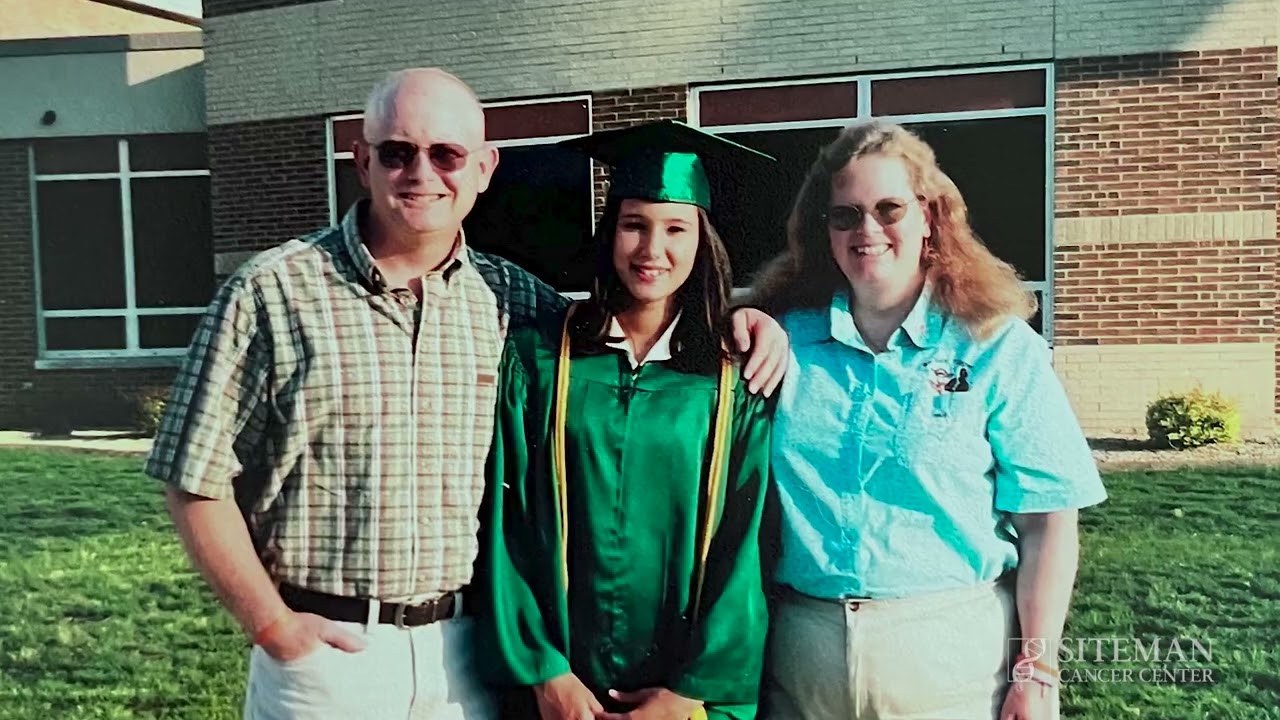
Paul, now cancer-free, reflects on both his acute myeloid leukemia diagnosis and 3-hour routes to St. Louis for appointments with his wife Evelyn. They celebrate their 20th wedding anniversary in town.
Watch Paul's StoryExperts on Leukemia
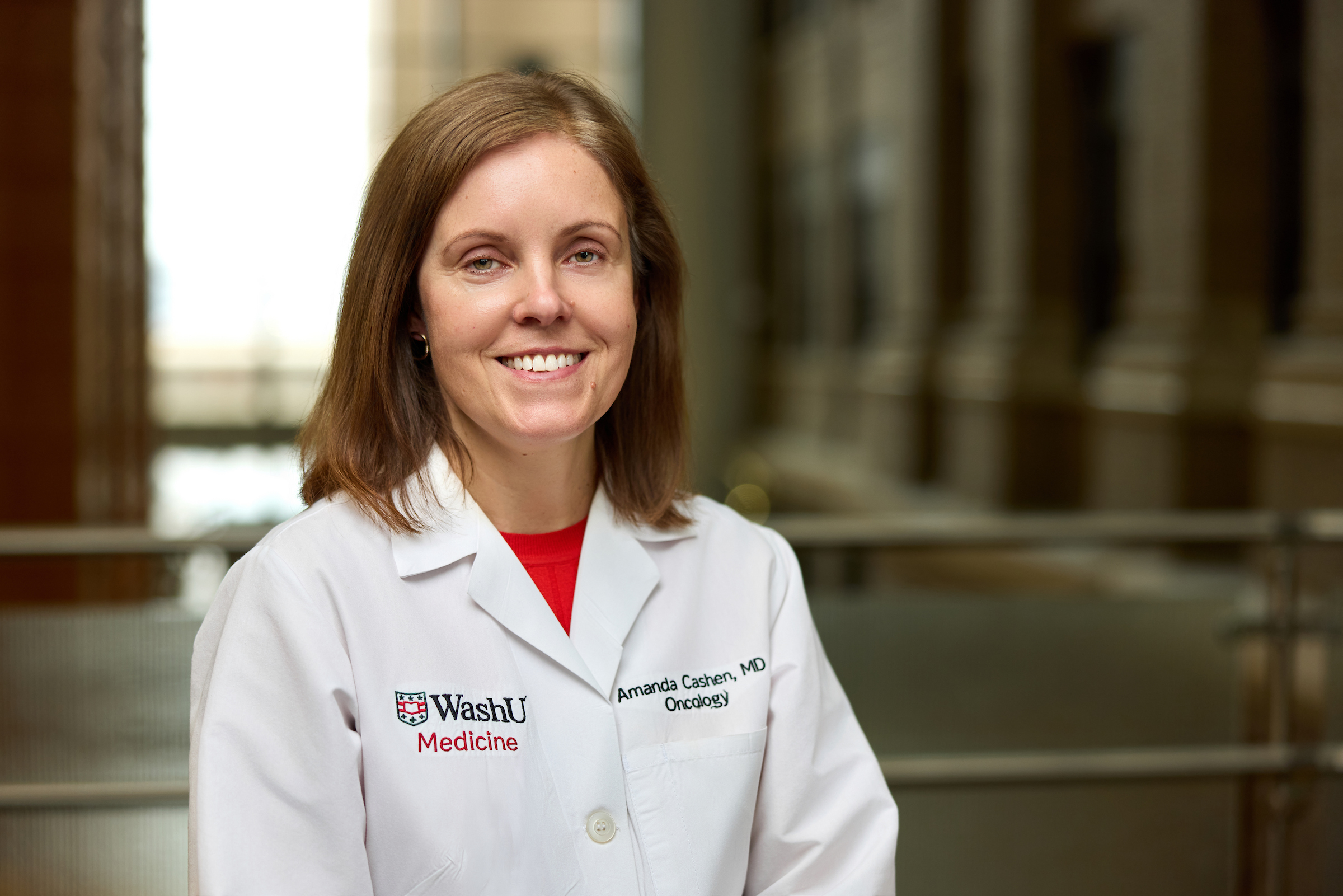
“I believe we are unquestionably the best blood cancer program in the region, with expertise in all blood cancers, stem cell transplant, and cellular therapies. We are highly regarded nationally—our physicians have leadership in national organizations and our transplant and cellular therapy programs are among the largest in the country.”
– Dr. Amanda Cashen, Professor of Medicine, Associate Chief of hematologic malignancies at WashU Medicine, and leading blood cancer specialist at Siteman Cancer Center.

Uniting Compassionate Patient Care with Groundbreaking Cancer Research and Treatment
Some of the most advanced treatment options you can receive for leukemia are only offered at a limited number of institutions – Siteman is one of them. At Siteman, we have a breadth of experience in an array of treatments, including stem cell transplants and CAR T-cell therapy.
The results of our researchers’ efforts have led to FDA approval for many cellular and gene therapies now offered as a standard of care, meaning that patients with leukemia all over the world benefit from our advancements.
Since Siteman’s Stem Cell Transplant Program began in 1982, physicians have conducted over 10,000 transplants. It is one of the largest stem cell transplant programs in the world, conducting on average 400 transplants a year. WashU Medicine physicians were one of the first to conduct an autologous bone marrow transplant in 1979, using a patient’s own cells to drive their treatment.
Additionally, Siteman was one of the first cancer centers in the United States authorized to administer CAR T-cell therapy. That means our oncologists are some of the most experienced practitioners that you can find. This innovative treatment uses the patient’s own T cells from the blood to fight cancer.
Learn more about CAR T-cell therapy for leukemia.
A Siteman care coordinator is the fastest path to referral, consult, or second opinion. Our care coordinators – oncology nurses who help with scheduling and navigation – will guide you from your first call.
How Siteman Cancer Center Leads in Leukemia Treatment
Siteman is one of only two programs in the United States to receive a specialized program of research excellence (SPORE) grant for leukemia from the National Cancer Institute. The NCI renewed the grant in 2024, ensuring that your care is in the most advanced hands for leukemia.
WashU Medicine physicians use the SPORE grant in leukemia to develop new biomarkers and treatments for leukemias and myelodysplastic syndromes (MDS). They split the grant into four main projects, where physicians can focus on specific challenges that patients with blood cancer face.
Our care teams take a multidisciplinary approach by using advanced tests and imaging procedures. This way, patients receive an accurate diagnosis of their leukemia. Researchers on Siteman’s leukemia team focus specifically on this type of blood cancer. This focus ensures that patients receive personalized treatment plans based on their specific subtype of leukemia.
Your treatment will depend on your specific type and medical background. Siteman leads in the advancement of CAR T-cell therapy, which recently became FDA-approved for greater patient access.
The leukemia team at Siteman is composed of specialists who are experts in leukemia, ensuring a personalized treatment plan based on the specific type of leukemia and the patient’s overall health. Treatment options may include chemotherapy, targeted therapy, radiation therapy, and stem cell transplants, depending on the leukemia type and patient condition. Clinical trials and CAR T-cell therapy are also available for patients who may benefit from the latest treatments.
Whole-genome sequencing test developed at Siteman
Among other recent advances in leukemia care, Siteman pioneered a new whole-genome sequencing test for AML and myelodysplastic syndromes (MDS) that the Centers for Medicare and Medicaid Services (CMS) approved for reimbursement in 2023. This advancement helps Siteman lead in finding the best treatment options for each individual – and helps our patients access leukemia care at a more reasonable cost.
Physicians use the test, called ChromoSeq, to inform them of the best way to guide a patient through treatment. A team at Siteman, led by Eric Duncavage, MD Professor of Pathology and Immunology at WashU Medicine, developed the test.
WashU Medicine’s Pioneering Research in Leukemia
Siteman has stood out in leukemia care for decades. In 2008, WashU Medicine physicians and scientists and other researchers at Siteman were the first in history to sequence the DNA of a patient’s cancer. The research team at the Genome Sequencing Center sequenced the genome of a patient with AML to identify the genetic changes unique to her cancer.
This advancement helped set a foundation for developing more effective ways to diagnose and treat cancer. Earlier research efforts had not gone as far in studying the specific mutation leading to a patient’s cancer, leaving gaps in the understanding of the DNA variations relevant to disease risk.
Siteman Cancer Center continues to pioneer research in the field of blood cancers. Your team will use the latest information and therapies to make sure you receive the most optimal treatment for your leukemia.
Experts in Leukemia Treatment
Your care team at Siteman is directed by a multidisciplinary team with deep expertise in leukemia, cellular therapy, and stem cell transplants. Your team includes medical oncologists, radiation oncologists, bone marrow transplant specialists, hematologists, and psychologists to guide you through every step of treatment. This multidisciplinary approach is integrated to manage complex diseases and deliver the most advanced treatment options available.
John DiPersio, MD, PhD
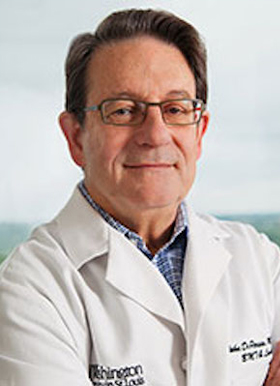
John DiPersio, MD, PhD is a Bone Marrow Transplant Specialist and Medical Oncologist at WashU Medicine. He is also the director of the Center for Gene and Cellular Immunotherapy. His research focuses on leukemia and stem cell biology, exploring new treatment options and targeted interventions in AML and other hematological malignancies.
Geoffrey Uy, MD
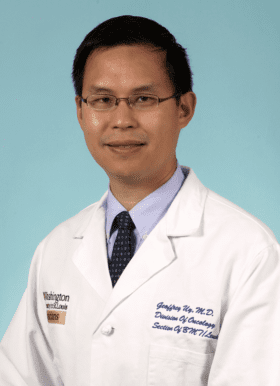
Geoffrey Uy, MD is a Bone Marrow Transplant Specialist and Medical Oncologist at WashU Medicine, and the program co-leader of the Hematopoietic Development and Malignancy Program (HDMP). The primary goal of the program is to develop innovative strategies to prevent, diagnose, and treat blood cancers.
Kelly Bolton, MD, PhD
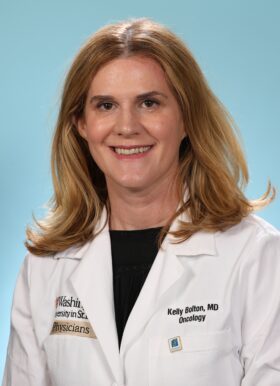
Kelly Bolton, MD, PhD‘s research focuses on what makes an individual high-risk for developing cancer, so doctors can intervene earlier to stop blood cells from transforming into leukemia. Her research has paved the way for earlier detection and prevention strategies in blood cancers.
Our experts specialize in blood cancers and lead research efforts that advance leukemia treatment in our region and around the world.
Whole-Genome Sequencing Advances Leukemia Care
WashU Medicine physicians at Siteman Cancer Center work to advance patient care by easing the process of treatment. This ensures that the patient has the best quality of life, so they can spend more time outside of the hospital with their loved ones.
One of the ways they’ve advanced this approach is through a whole-genome sequencing test developed in 2021. This test, which relies on DNA instead of living cells, determines the complete genetic makeup of a patient’s sample. Earlier efforts to identify genetic changes relied on multiple tests using 60-year-old technology.
With whole-genome sequencing, physicians get test results faster, and it costs the patient less time in the office. The test streamlines the patient experience so that patients can start treatment sooner rather than waiting for multiple test results.
Even more important for patients, the test provides crucial information that physicians use to help determine the optimal treatment strategy for individual patients. That includes knowing if the patient is at low or high risk of aggressive disease, so physicians can assess treatment options appropriately.
Blood Cancer Breakthroughs From Clinical Trials
Clinical trials for leukemia at Siteman open up new and unique treatment options for our patients. We give patients a level of access and options they can’t find everywhere. That means patients at Siteman have a distinct advantage over their disease.
Siteman has one of the best reputations in the research world, so we lead many clinical trials each year.
One of the clinical trials conducted at Siteman led to the FDA’s Breakthrough Therapy designation for an innovative CAR-T cell therapy. WashU Medicine researchers developed the therapy and licensed it to Wugen, a startup biotech company based in St. Louis. Most significantly, this designation lowers some logistical and financial barriers linked to many cell-based therapies. For patients who have aggressive blood cancers, this makes a meaningful difference that reduces the waiting time for treatment.
This is only one example of many clinical trials that lead to important developments in leukemia survivorship.
If you are ready to begin your treatment at Siteman or want to refer your patient, reach out to one of our care coordinators.
Nurses at Siteman answer every call and every form. Speak with them directly 8:00 am to 4:30 pm CT Monday- Friday for guidance on appointments, second opinions, and referrals.