


News & Breakthroughs at Siteman
Stay informed with the latest cancer news and breakthroughs from Siteman Cancer Center. Our news feed provides timely updates on research breakthroughs, clinical trials, and community events.
Research News & Stories
Research
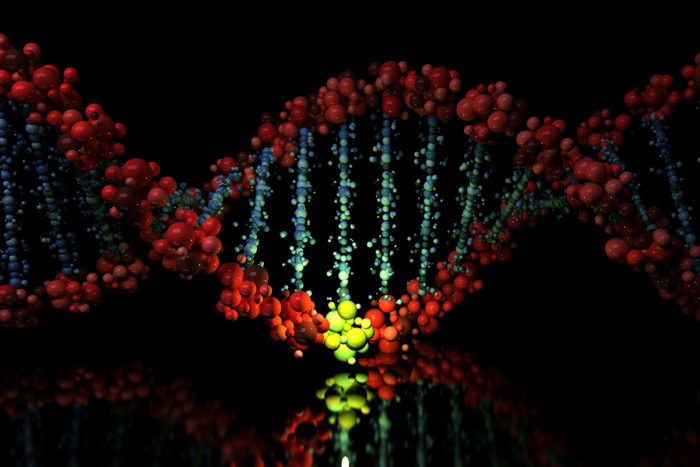
How cells detect, mend DNA damage may improve chemotherapy
The busy world inside a cell is directed by its DNA blueprint. When the blueprints are altered, cells can sicken, die or become cancerous. To keep DNA in working order, cells have ways to detect and mend damaged DNA. Now, researchers at Washington University School of Medicine in St. Louis report that they have found […]
Research
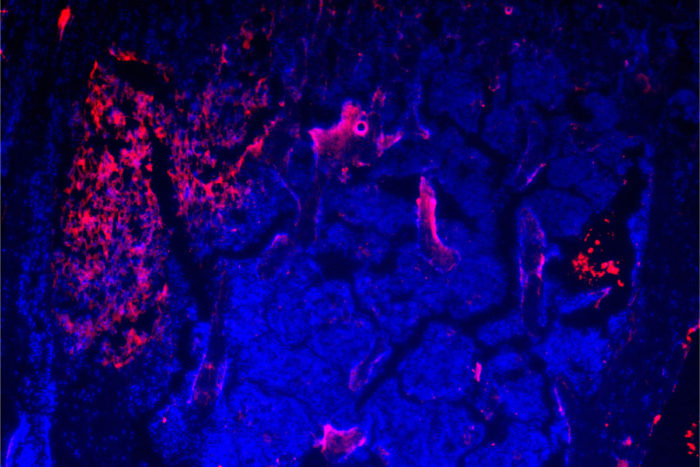
Chemo-loaded nanoparticles target breast cancer that has spread to bone
Breast cancer that spreads often infiltrates bone, causing fractures and intense pain. In such cases, chemotherapy is ineffective because the environment of the bone protects the tumor, even as the drug has toxic side effects elsewhere in the body. Now, scientists at Washington University School of Medicine in St. Louis have developed a nanoparticle that […]
Research
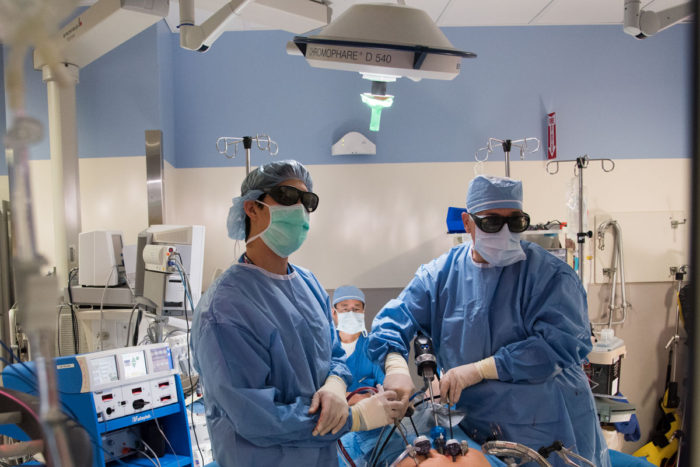
Surgery for early prostate cancer may not save lives
A major 20-year study provides further evidence that prostate cancer surgery offers negligible benefits to many men with early-stage disease. In such men, who account for most cases of newly diagnosed prostate cancer, surgery did not prolong life and often caused serious complications such as infection, urinary incontinence and erectile dysfunction. The study, by a […]
Research
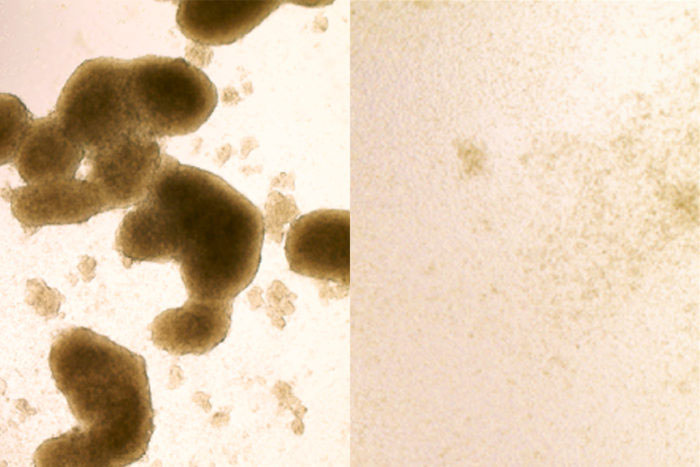
Zika virus kills brain cancer stem cells
While Zika virus causes devastating damage to the brains of developing fetuses, it one day may be an effective treatment for glioblastoma, a deadly form of brain cancer. New research from Washington University School of Medicine in St. Louis and the University of California San Diego School of Medicine shows that the virus kills brain […]
Research
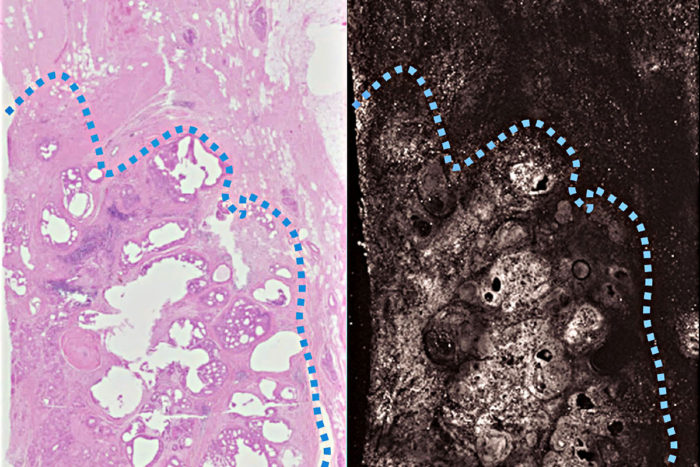
New imaging technique aims to ensure surgeons completely remove cancer
Of the quarter-million women diagnosed with breast cancer every year in the United States, about 180,000 undergo surgery to remove the cancerous tissue while preserving as much healthy breast tissue as possible. However, there’s no accurate method to tell during surgery whether all of the cancerous tissue has been successfully removed. The gold-standard analysis takes a […]
Research
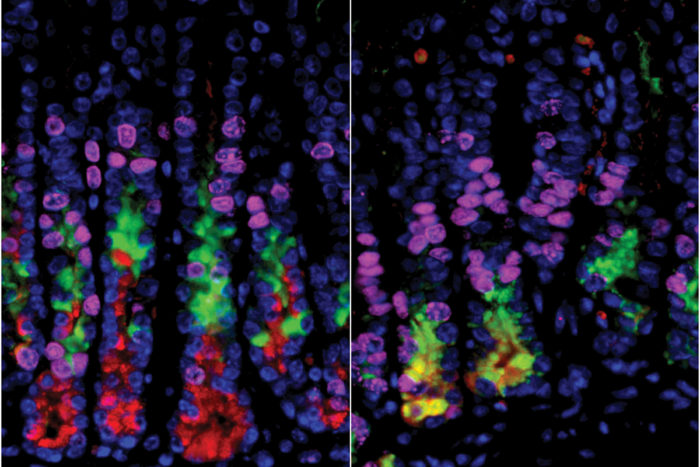
New insight into origin of stomach cancer
Conventional wisdom holds that the loss of cells that secrete acid in the stomach leads to a condition that eventually can develop into stomach cancer. But new research at Washington University School of Medicine and Siteman Cancer Center at Barnes-Jewish Hospital and Washington University in St. Louis indicates otherwise. Researchers found that damage to acid-secreting […]

Research
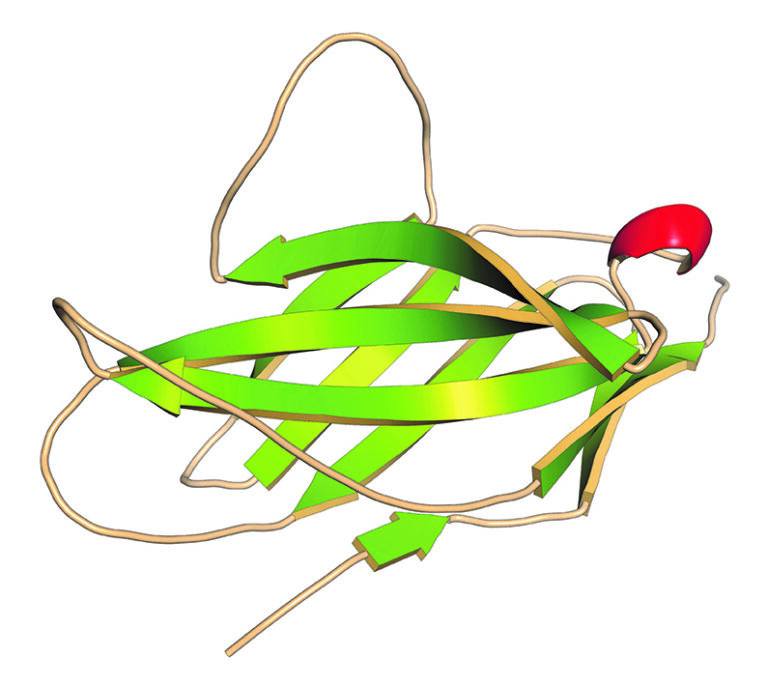
Online database aims to collect, organize research on cancer mutations
The body of knowledge on cancer genomics is massive and ever-expanding. But this wealth of potentially critical information is far less likely to be of help to patients if it is inaccessible to the doctors who treat them. Researchers at Washington University School of Medicine in St. Louis have developed an online “knowledgebase” intended for […]
Research
Immunotherapy for newly diagnosed endometrial cancer
For the first time ever, investigators are studying immunotherapy for patients with newly diagnosed endometrial cancer. The trial uses pembrolizumab, a programmed death receptor-1 (PD-1) inhibitor. The drug is currently approved by the Food and Drug Administration for treatment of advanced melanoma and metastatic non-small-cell lung cancer. “Pembrolizumab has been studied in patients with relapsed […]
Research
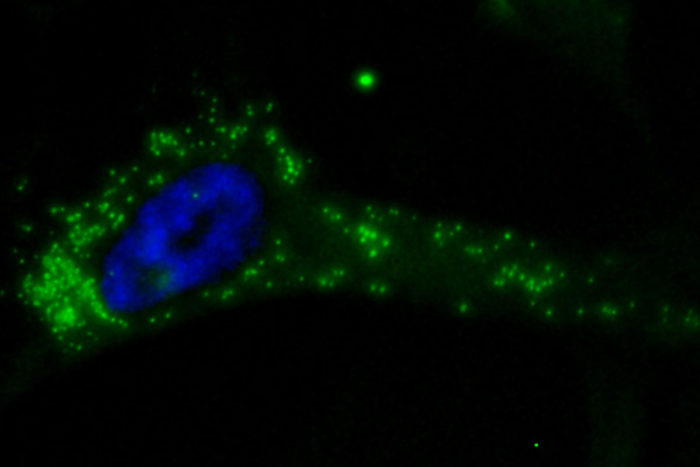
Study unveils new way to starve tumors to death
For decades, scientists have tried to halt cancer by blocking nutrients from reaching tumor cells, in essence starving tumor cells of the fuel needed to grow and proliferate. Such attempts often have disappointed because cancer cells are nimble, relying on numerous backup routes to continue growing. Now, scientists at Washington University School of Medicine in […]
Research
In highly lethal type of leukemia, cancer gene predicts treatment response
Patients with the most lethal form of acute myeloid leukemia (AML) – based on genetic profiles of their cancers – typically survive for only four to six months after diagnosis, even with aggressive chemotherapy. But new research indicates that such patients, paradoxically, may live longer if they receive a milder chemotherapy drug. Treatment with the […]