


News & Breakthroughs at Siteman
Stay informed with the latest cancer news and breakthroughs from Siteman Cancer Center. Our news feed provides timely updates on research breakthroughs, clinical trials, and community events.
Research News & Stories
Clinical, Research
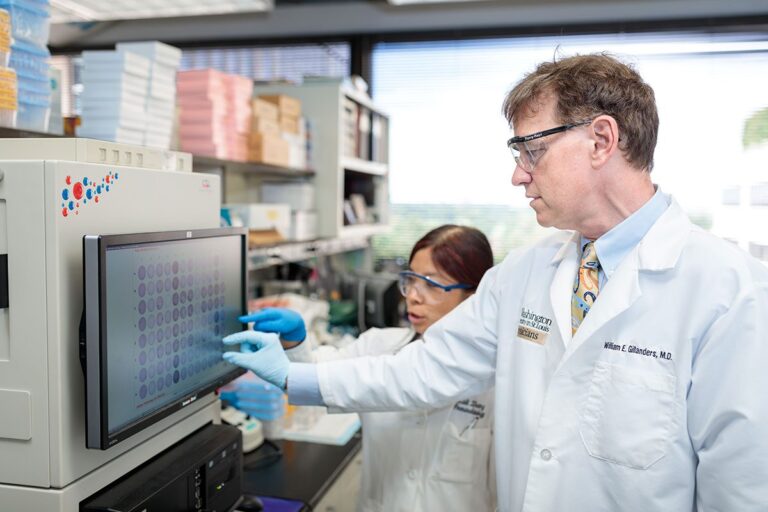
Vaccine Shows Promise Against Aggressive Breast Cancer
Clinical trial targeted recurrence of hard-to-treat triple-negative breast cancer A small clinical trial shows promising results for patients with triple-negative breast cancer who received an investigational vaccine designed to prevent recurrence of tumors. Conducted at Washington University School of Medicine in St. Louis with a therapy designed by Washington University researchers, the trial is the […]
Research
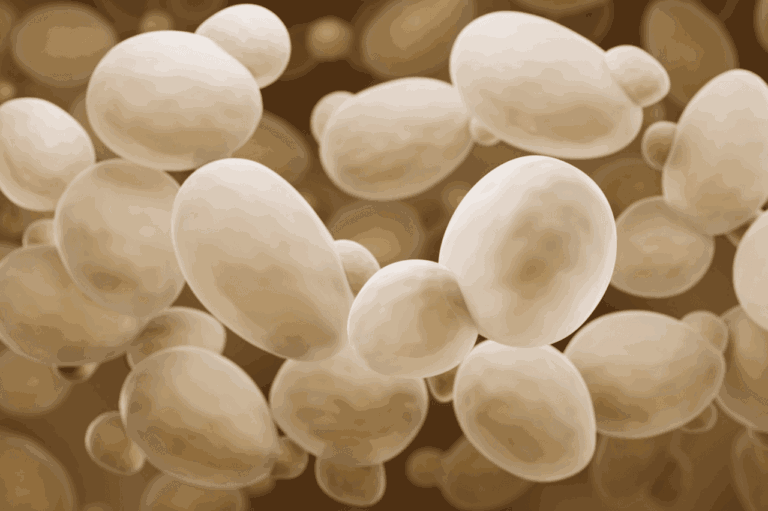
Probiotic delivers anticancer drug to the gut
Oral immunotherapy shrinks gastrointestinal tumors in mouse study Immunotherapy is a promising treatment that recruits the immune system to help fight cancer, but it has had limited success in gastrointestinal cancers. Now, researchers at Washington University School of Medicine in St. Louis have engineered a probiotic that delivers immunotherapy directly to the gut to shrink tumors […]
Research
Researchers Make Glioblastoma Cells Visible to Attacking Immune Cells
In the Media, Research
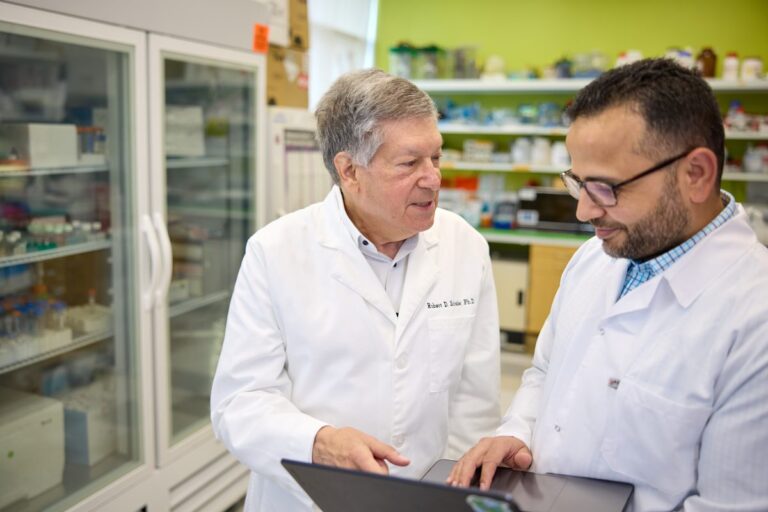
Drug bypasses suppressive immune cells to unleash immunotherapy
By recruiting the immune system to combat tumor cells, immunotherapy has improved survival rates, offering hope to millions of cancer patients. However, only about one in five people responds favorably to these treatments. With a goal of understanding and addressing immunotherapy’s limitations, researchers at Washington University School of Medicine in St. Louis have found that […]
In the Media, Research
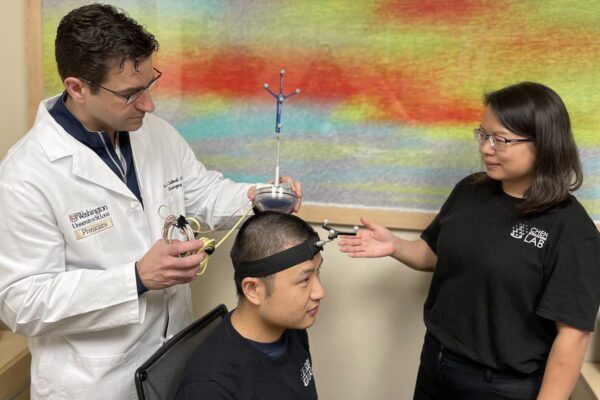
Device for noninvasive brain biopsies via blood draw moves closer to market approval
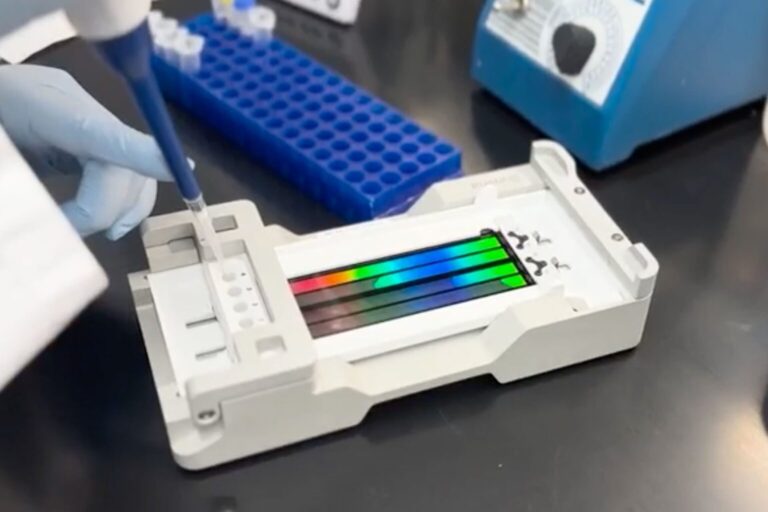
A device aimed at enabling neurosurgeons and other physicians to perform noninvasive blood-based biopsies in adults with brain tumors has received Food and Drug Administration (FDA) “Breakthrough Device” designation. The device includes technology from Washington University in St. Louis and developed by Cordance Medical Inc., a medical device company in Mountain View, Calif. The designation […]
Research
Medicare approves whole-genome test for blood cancers
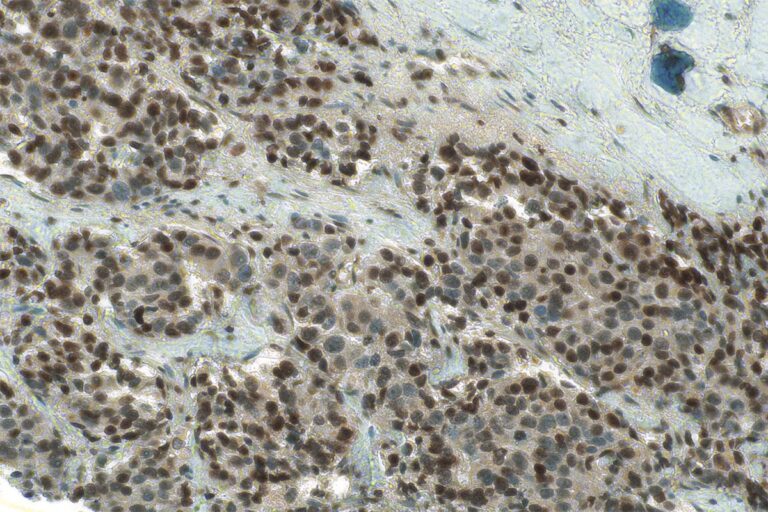
Developed at Washington University, ChromoSeq offers a complete picture of genetic errors that guides precision medicine approaches to treatment A new test for two blood cancers – developed by a team at Washington University School of Medicine in St. Louis – is the first whole-genome sequencing test for cancer to be approved for reimbursement by […]
In the Media, Research
Study reveals how treatment-resistant prostate cancer provides its own hormonal fuel
A new study in mice, led by researchers at Washington University School of Medicine in St. Louis, explains how prostate cancer senses a drop in testosterone levels due to common anti-hormone therapy and then begins making cholesterol — a necessary precursor to testosterone — to generate its own testosterone to fuel tumor growth. The study […]
Research
Red flags indicate risk for early-onset colorectal cancer
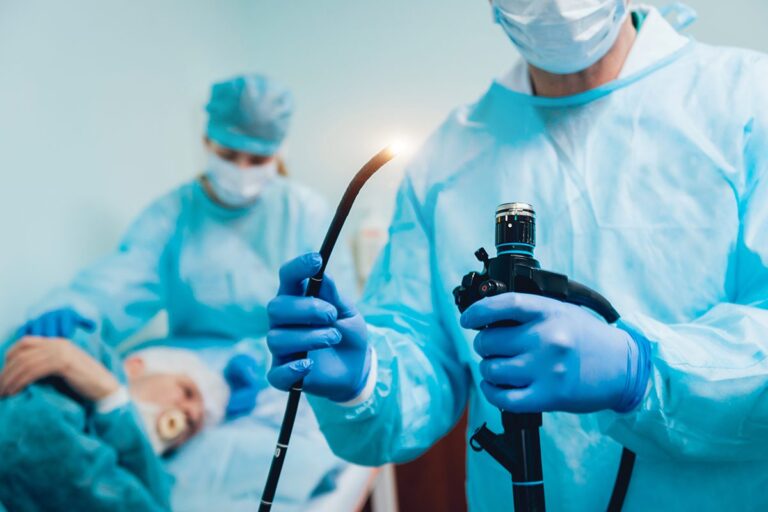
Researchers at Washington University School of Medicine in St. Louis have identified four important signs and symptoms that signal an elevated risk of early-onset colorectal cancer. These red flags may be key to earlier detection and diagnosis of early-onset colorectal cancer among younger adults. The number of young adults with colorectal cancer has nearly doubled […]
Research
Two-pronged immunotherapy eliminates metastatic breast cancer in mice
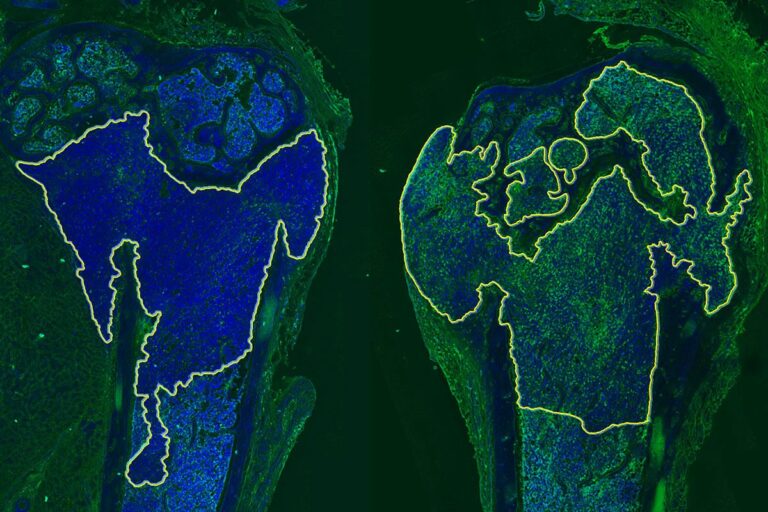
Metastatic breast cancer has no cure and has proven stubbornly resistant to one of the most innovative and promising new cancer treatments: immunotherapy. Now, researchers at Washington University School of Medicine in St. Louis have identified a way to treat the area surrounding breast tumors that have spread to bone so that such tumors become […]
Research
Jumping genes in cancer cells open door to new immunotherapies
Jumping genes are short sections of DNA that have been incorporated randomly into the human genome over the long course of evolution. Also called transposable elements, these pieces of DNA have been implicated in the development of cancer. But new research from Washington University School of Medicine in St. Louis suggests that transposable elements in […]