Part of what makes MDS difficult to detect and diagnose is that the disease does not have a single, clear-cut cause. It isn’t inherited or triggered by an identifiable event. It develops gradually as blood stem cells accumulate genetic mutations.
When blood stem cells mutate, the changes are duplicated repeatedly. These cloned abnormal cells begin to crowd out healthy blood cells, which impairs the bone marrow’s ability to function. Cloning is what leads to low blood counts that eventually develop into MDS.
Who is at Risk of Getting MDS?
There is no single predictor for MDS, but some factors are associated with higher risk.
Risks can increase for:
Patients over 60
Patients who have received prior cancer treatment
Patients with a genetic change in blood stem cells, called a clonal hematopoiesis (CH)
People exposed to harmful chemicals like benzene or pesticides
People who smoke
How Can I Lower My Risk of Developing MDS?
Beyond starting healthy habits, many risk factors for MDS are not under your control. You can’t change your age or genetics, and if you had cancer previously, you needed life–saving treatments.
Siteman does offer one proactive option through monitoring in our Clonal Hematopoiesis Clinic.
8IGHT WAYS® to Stay Healthy and Prevent Cancer
The power of healthy living is hard to overestimate. A large percentage of cancers and many other chronic diseases can be prevented by things like eating a healthy diet, getting regular exercise, keeping weight in check, and getting important screening tests.
The best part? These are things under your control. Take some simple steps to improve your health, and help your family do the same.
WashU Medicine experts in blood cancers like MDS and AML started the Clonal Hematopoiesis (CH) Clinic at Siteman Cancer Center as a proactive way to support patients with a CH diagnosis before they develop cancer. There is a strong link between mutations in blood stem cells and people who later develop blood cancer like MDS.
While CH doesn’t always lead to cancer — risk of progression is under 4% — close monitoring gives physicians the ability to act early if that changes.
What the CH Clinic offers patients
At the CH Clinic, our team creates a personalized monitoring plan for each patient. If your blood counts begin to shift, your care plan adapts with them. Physicians work proactively to prevent cloned cells from multiplying — keeping more patients cancer-free for longer.
This is preventive medicine at its most precise, and it’s one more reason why patients with a CH diagnosis or those at elevated risk, choose care at Siteman Cancer Center.
Siteman Cancer Center offers many effective treatments for patients with myelodysplastic neoplasms. The right treatment plan depends on your specific MDS type, risk score, overall health, and other factors that contribute to quality of life.
At Siteman, your doctors will create a treatment plan that best matches your specific situation and needs for the right outcomes for you.
What Treatment Could I Have for MDS?
MDS treatment falls into four main categories. Your care team will determine which of these best fits your diagnosis and goals:
Supportive care
Supportive care usually involves medication and transfusions that focus on easing MDS symptoms. They help stabilize blood cell counts and improve the quality of life by easing side effects of the disease.
Drug therapy
There are several targeted medications used to treat MDS, including chemotherapy, immunotherapy, and other immunosuppressant drugs.
Allogenic stem cell transplants
Transplants are the most aggressive form of treatment for MDS and are currently the only known path to long-term remission for patients who have high-risk scores.
Stem cell transplants, also called hematopoietic stem cell transplants (HSCT), replace a patient’s abnormal stem cells with healthy donor cells so that their bone marrow can produce healthy cells again.
Clinical trials for MDS
Siteman Cancer Center has more clinical trials available for patients to enroll in than any other cancer center in the region. For patients with MDS, these research studies give them access to promising treatments before they become standards of care.
Supportive care focuses on managing symptoms rather than treating MDS directly. Because MDS impairs how your bone marrow makes blood cells, you may experience anemia, frequent infections, or easy bleeding. Supportive care addresses these issues so you can maintain your quality of life.
For patients with low-risk MDS, supportive care alone may be all that you need. Depending on your age, overall health, and risk score, it may give you years of stable, comfortable living without more aggressive treatment.
The types of supportive care you may receive include growth factor drugs like epoetin alfa and filgrastim, blood transfusions with transfusion support if needed, and platelet support medications like aminocaproic acid.
Drug therapy for MDS directly treats the abnormal cells. The right medication depends on your MDS subtype, risk score, and how your body has responded to prior treatment.
Drug therapy options include chemotherapy (azacitidine and decitabine), immunotherapy (lenalidomide), and targeted therapy (imetelstat). There are also newer medications like luspatercept for patients who have not had success with blood transfusions.
For patients with higher-risk MDS, a stem cell transplant offers the best chance at long-term remission. The goal is to replace your bone marrow’s abnormal stem cells with healthy ones from a matched donor. Transplants help reset the system so your body can produce healthy blood cells again.
At Siteman Cancer Center, our patients with MDS don’t receive radiation therapy. Because MDS is a disease of the bone marrow that affects blood cells throughout the entire body, localized treatments like surgery or radiation can’t reach it. Treatment must work systemically.
Allogeneic and haploidentical transplants are successful and can cure patients’ cancer on their own. They achieve positive results for patients without the side effects of radiation or surgery.
Leading in Stem Cell Transplants
SitemanCancer Center has performed over 10,000 stem cell transplants, making us one of the most experienced transplant programs in the United States. That volume translates into better outcomes, more refined protocols, and a care team that has seen and managed every complexity.
Myelodysplastic syndromes (MDS), also called myelodysplastic neoplasms, is one of the most complex blood cancers to diagnose, because it can look like many other things first — like fatigue, anemia, or frequent infections. That’s why having the right specialists who really understand this type of cancer specifically makes all the difference.
The WashU Medicine physicians at Siteman Cancer Center are trained to recognize what others might miss. They evaluate with precision, identifying the specific type of MDS and disease risk to create individualized treatment plans for every new patient they see.
What are the symptoms of MDS?
The symptoms of MDS depend on the way it is impacting your blood cells. Patients with MDS may have lower counts of red blood cells, white blood cells, or platelets, which can cause many different issues in the body.
Low red blood cell count
When your body doesn’t produce enough red blood cells, it struggles to carry oxygen where it’s needed. This is one of the most common presentations of MDS, and one of the most easily confused with other conditions.
You might notice:
Persistent fatigue or weakness, even with rest
Difficulty breathing during normal activity
Unusually pale skin
Heart palpitations or racing heartbeat
Chest discomfort
Low platelet count (thrombocytopenia)
Platelets help your blood clot. When levels drop, your body can’t stop bleeding efficiently — even from small injuries.
You might notice:
Easy or unexplained bruising
Bleeding that takes longer to stop (nosebleeds, gum bleeding)
Tiny red or purple dots under the skin (petechiae)
Low white blood cell count
White blood cells are your immune system’s first defense against infections. When MDS reduces your white cell count, your body is less able to fight illness.
You might notice frequent infections that are hard to shake (sinus, urinary, respiratory) and/or recurring fevers with no obvious cause.
Patients with MDS might also experience weight loss, bone pain, or a decreased appetite. These symptoms can appear together or separately — which is another reason MDS is so often misread without specialist evaluation.
How MDS Is Diagnosed: What to Expect
An MDS diagnosis often starts with bloodwork. The complete blood count (CBC) that your primary care physician orders during your annual physical can show there is a problem with your stem cells. To find a WashU Medicine physician, reach out to one of our care coordinators to set up an appointment.
If your CBC is not normal or shows concern, your provider might order more tests, refer you to a specialist, or both. Beyond lab work and blood tests, your physician might also order a lymph node biopsy for a more accurate diagnosis.
Blood tests your physician may order
Lab work gives your physician a detailed picture of what’s happening in your blood. They might order multiple tests to measure cell counts, examine cell shape and structure, and identify genetic markers.
Common blood tests for MDS include:
Complete blood count (CBC)
Peripheral blood smear
Blood chemistry studies
Immunophenotyping
Flow cytometry and cytogenetic analysis
Bone marrow biopsy: the most definitive test
When blood tests suggest MDS, a bone marrow biopsy can confirm it. A physician will numb a small area near your hip bone and use a specialized needle to collect a bone marrow sample. This sample is then evaluated by a pathologist who specializes in diagnosing blood cancer.
The pathologist examines the cells for signs of MDS and, if found, assigns a risk score to it that will guide your treatment.
Scoring Myelodysplastic Syndromes (MDS)
Unlike many cancers that are described in stages, MDS is evaluated using a scoring system. A pathologist examines your bone marrow biopsy and assigns a score based on five key factors:
Number of blast cells (immature blood cells)
Chromosomal changes, if any
Red blood cell count
White blood cell count
Platelet count
Scores range from very low risk to very high risk. A lower risk score may call for active monitoring, sometimes called “watch-and-wait.” A higher-risk score may lead to targeted therapy or stem cell transplants.
Pathologists at Siteman Cancer Center have scored hundreds of MDS cases, giving them insight into MDS diagnosis that is more precise and that can directly improve your care plan and patient outcomes.
Start Here. Get the Care You Need.
Our Siteman care coordinators – oncology-trained nurses who help with scheduling, finding the right specialist, and guidance – can help you through the process.
Call us directly or submit a form, and we will call you back.
Myelodysplastic syndromes (MDS), also referred to as myelodysplastic neoplasms, are a group of rare blood cancers that are not very well understood, even by most physicians. At Siteman Cancer Center at Barnes-Jewish Hospital and WashU Medicine, our entire team understands how this cancer develops and identifies the best methods of treatment for patients who have it.
Our WashU Medicine researchers actively explore the onset and treatment of MDS. Their research focuses on genetic drivers, clonal evolution, and how the disease can progress and even lead to another type of cancer, acute myeloid leukemia (AML). Their research is done with the intent to improve quality of life and survivorship for patients who receive a diagnosis.
Approximately 120 new patients with MDS seek out Siteman Cancer Center for their care every year. Since our team has developed and defined the standard of care across other cancer centers for this particular type of blood cancer, patients have more informed treatment options available from the very beginning.
At Siteman, we lead in MDS research and treatment through:
Myeloid malignancy research
Low-risk vs. High-risk MDS
MDS prognosis expertise to AML
Clinical trials
Allogeneic stem cell transplant expertise
Patient-centered health care approach
Complex case experience
Academic medicine foundation
Siteman’s Blood Cancer Center further leads research into MDS and other blood cancers. Our specialists actively work to prevent the expansion of blood cancer progression.
Whole-Genome Sequencing Test: The Gold Standard for Blood Cancer Diagnostics, Developed by Our Team
Siteman doesn’t just treat patients with MDS. WashU Medicine researchers here define how to accurately diagnose and treat MDS for better patient outcomes.
WashU Medicine researchers at Siteman developed the ChromoSeq test in 2021. The test is a whole-genome sequencing test designed to diagnose and stage blood cancers, including MDS and AML. This test now sets the gold standard for diagnosing and staging MDS worldwide.
ChormoSeq is a testament to the outstanding research that physicians, including pathologists and geneticists at WashU Medicine are leading for cancers like MDS. Researchers from Siteman pioneered whole-genome sequencing tests for numerous other studies that applied the insights to different types of cancer, which has led to our unique understanding of MDS and how to treat it.
Start Here. Get the Care You Need.
Our Siteman care coordinators – oncology-trained nurses who help with scheduling, finding the right specialist, and guidance – can help you through the process.
Call us directly or submit a form, and we will call you back.
MDS can be difficult to diagnose since the symptoms look like other ailments, like anemia or fatigue. To receive a thorough diagnosis, an MDS specialist may order a complete blood count, blood smear, biopsy, or genetic testing.
Approximately one-third of patients diagnosed with MDS may see it develop into acute myeloid leukemia (AML), which happens when immature myeloid cells, or myeloblasts, start to multiply in your bone marrow and blood and overwhelm your healthy cells. This makes an early MDS diagnosis extremely important to prevent future disease progression.
Once your Siteman Cancer Center care team has determined your level of risk and other health factors, they will inform you of the prognosis and treatment options best available for you. Your MDS treatment may involve anything from targeted chemotherapy, stem cell transplants, antibiotics, or blood transfusions with immunosuppressive therapy.
Siteman researchers are dedicated to discovering top-tier treatment for patients with different blood cancers. They also research how to prevent cancer from developing in the first place. The Clonal Hematopoiesis (CH) Clinic is one of the ways they do that.
CH, a genetic mutation of blood cells, can be a precursor to developing MDS. When this condition arises, the blood creates and clones mutant stem cells. This leads to more cells that have a different genetic makeup than normal, healthy blood cells.
The risk of CH turning into MDS or another blood cancer is low, under 4%. Still, WashU Medicine researchers at Siteman study CH closely to gain a deeper understanding of the connections. This careful study gives physicians insight to produce preventive measures.
Stem Cell Transplants: Why Patients and Physicians Choose Us for MDS Treatment
Many of the MDS treatment options involve active surveillance, which doctors may refer to as a “watch-and-wait” period, to see if the cancer develops further. The only currently known method to cure more aggressive forms of MDS is through stem cell transplants.
At Siteman, we have one of the largest stem cell transplant programs in the United States. As of 2024, our physicians have performed over 10,000 transplants, giving us better outcomes and more refined protocols for treatment. This means you can trust us to guide you through this specialized treatment with the most advanced options.
Patients who have MDS usually receive an allogeneic transplant, which means the stem cells come from a donor. Physicians will find a match using your human leukocyte antigens to determine whether a donor will be a good match or not. A donor may be a close relative or someone found from a registry like the National Marrow Donor Program (NMDP).
Our physicians also have valuable insights on preventing and treating a common side effect of stem cell transplants: graft versus-host disease, or GvHD. Many of our physicians actively research ways to prevent this issue. They also aim to ease the burden for patients who may develop it.
The entire process of stem cell transplants for MDS is a months-long endeavor. Because of the advanced science and precision technologies available at Siteman, your care team at Siteman will use all the best tools available to minimize any risks and ensure your experience is as comfortable as possible. They will also continue to monitor your health and progress long after you leave our center.
Refer Your Patient to Siteman Cancer Center
A Siteman care coordinator is the fastest path to referral, consult, or second opinion. Our care coordinators – oncology nurses who help with scheduling and navigation – will guide you from your first call.
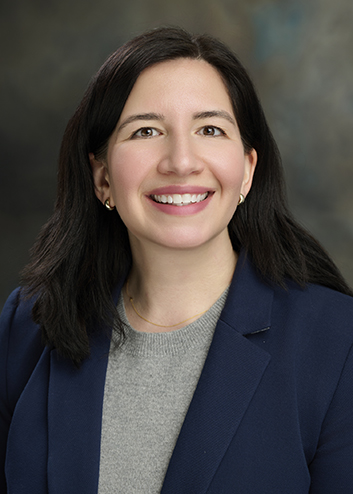
Getting the right answers and treatment begins with MDS specialists who understand this specific type of blood cancer and are recognized internationally for their expertise. Below are some of the WashU Medicine physicians at Siteman Cancer Center who lead research and provide care to patients with MDS.
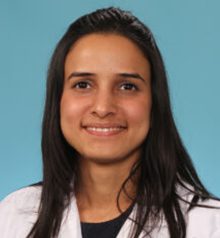
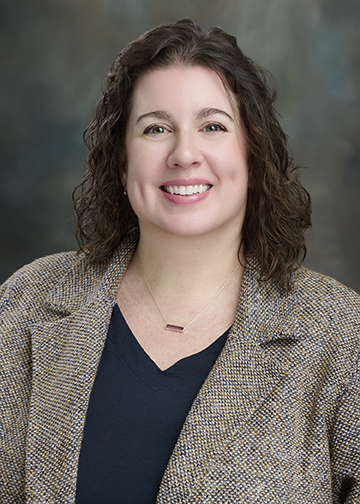
Samuel Urrutia, MD, MS
Samuel Urrutia, MD, MS, is a physician and bioinformatician whose research focuses on developing novel therapies for patients with MDS and AML. He also creates tools to better understand these conditions.
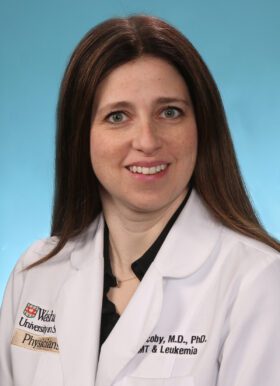
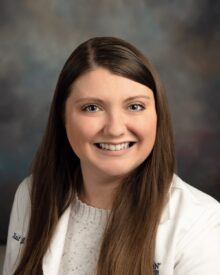
Meagan Jacoby, MD, PhD, is a professor of medicine in the Division of Oncology, specializing in stem cell biology. Her research focuses on stem cell transplants, MDS, and leukemia.
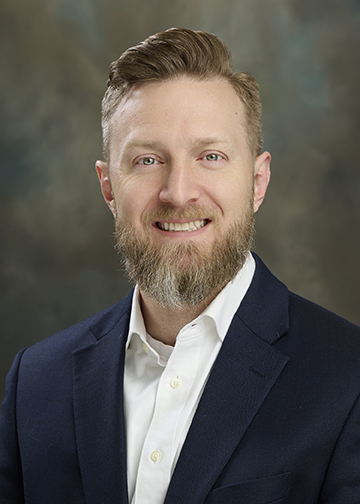
Eric Duncavage, MD is a pathologist who co-led the development of ChromoSeq with David Spencer, MD, PhD, the whole-genome sequencing test that doctors use all over the world to accurately diagnose and guide treatment for patients with MDS. His research helps his fellow physicians determine treatment efficacy and monitoring to prevent disease recurrence.
Siteman has more clinical trials available than any other cancer center in the region, giving patients access to novel treatments they can’t find elsewhere. That means patients at Siteman have a distinct advantage over their diseases.
Active trials for Siteman involve the full spectrum from early discovery to late-phase research, leading efforts to help patients with higher-risk MDS or to prevent them from developing further complications, including AML.
One of those MDS clinical trials is being led by Stephen Oh, MD, to test a drug formerly used only in breast cancer treatment, PMD-026, to improve spleen response and stem cell transplant responses in patients. In early lab experiments, this drug nearly eliminated cancer cells, leading to promising results.
Another recent clinical trial, led by David Spencer, MD, PhD, will focus on a test that can detect hidden cancer cells with greater reliability. This test will help identify patients with a higher risk of relapse — especially pertinent to patients whose MDS may progress into AML.
Siteman is proud to be a Certified Center of Excellence by the MDS Foundation, a nonprofit dedicated to improving the care and lives of patients with MDS. This recognition means you can trust us to answer any questions you might have about your diagnosis and to provide you with the best possible treatment options available.
Further, Siteman Cancer Center is recognized with the highest rating of “exceptional” by the National Cancer Institute (NCI) and is the only NCI-designated Comprehensive Cancer Center in Missouri and central and southern Illinois. Because of this credential, our patients receive health care here that they can’t receive anywhere else in the region.
If you are ready to begin your treatment at Siteman or want to refer your patient, connect directly with one of our care coordinators. Our team of registered nurses works closely with referring providers to guide each case with speed and personal touch. They ensure your patient is connected to the right specialist, the right diagnosis, and the right next step.
Your Second Opinion at Siteman
Siteman wants to be your first choice for cancer care, but that might not always be possible. If you have received a cancer diagnosis, started care somewhere else, or are a physician seeking specialized care for your patient, ask us about a second opinion. You can start the process. To make it easy, our care coordinators guide scheduling for yourself or your patient.