Pediatric Brain Tumors | Treatment & Support

Treatment options for brain tumors at Siteman Kids

All childhood cancers are rare, but some are more common than others. Pediatric brain tumors are the most common solid tumors in children and are diagnosed in about 4,000 children and teens in the United States every year. The Siteman Kids team consults on over 100 new children with brain tumors each year. Some children are diagnosed here, many others have physicians who referred their case to us or a family member asked for a second opinion after doing research.  

Patients at Siteman Kids are treated by WashU Medicine physicians. Because every physician at Siteman Kids studies tumors and how they act in the body, they can administer research-based clinical care. Physicians thoughtfully consider the individual child and what they may need rather than following protocols for standard treatments. 

Every child with cancer is different, and every treatment plan for a child with a brain tumor is unique. There are many considerations for how to treat a brain tumor, including your child’s overall health, the kind of brain tumor, the tumor’s location in the brain, its size, genetic factors, and more. It is common for a treatment plan to include multiple interventions in combination.  

Many of the treatment options offered at Siteman Kids are not available everywhere. WashU Medicine physicians have pioneered the use of specific technology and treatments, like Proton Beam Therapy and Gamma Knife Radiosurgery, with pediatric patients. This allows our young patients access to cutting-edge interventions. After learning about their specific case, your child’s physician may recommend one or more of the following treatments: 

Chemotherapy is a medicine that attacks cancer cells. Often, the drugs in chemotherapy stop cancer cells from growing and reproducing and can reduce the tumor’s size. Chemotherapy (or chemo) may be given through a vein (IV) or spinal canal, injected into a muscle, or taken by mouth.  There are several medicines that make up chemotherapy and they are often given at different times. Treatment can have side effects and can be hard on the body, so it is usually done in cycles, with rest periods in between. This gives your child time to recover.

Gamma Knife radiosurgery is a minimally invasive procedure that is an option when surgery is not possible. It uses highly precise amounts of radiation to target the brain tumor and does not require any incisions.

Another approach to chemotherapy can take place alongside a stem cell transplant. First, young blood cells, called stem cells, are taken from the child or from a donor. Then, high doses of chemotherapy medicine can be administered. This causes damage to the bone marrow, where new blood cells are made. After the chemotherapy, the stem cells are replaced, which allows the child’s body to begin making new, healthy blood cells.

Intraoperative MRI is a treatment that uses magnetic resonance imaging (MRI) to view the brain during surgery. This clear imaging allows surgeons a precise view of the tumor as they work to remove it from the healthy tissue. This ability to see the tumor can reduce the number of surgeries needed to remove all of the cancer cells. Siteman Kids is one of a very few facilities in the nation that are equipped with this technology.

Immunotherapy utilizes the body’s immune system to recognize tumors as abnormal so that it can target and kill cancer cells.

MRI-guided Laser Interstitial Thermal Therapy (LITT) is a minimally invasive procedure that uses a laser to destroy brain tumor tissue as an alternative to traditional open surgery, offering the advantage of shorter recovery and reduced pain. This technique can be considered for some types of benign brain tumors as well as to treat seizures related to brain tumors.

Radiation therapy uses high energy beams of radiation to treat brain tumors. Radiation kills cancer cells and plays an important role in treatment for many pediatric brain tumors. Radiation can be delivered with x-rays, protons, or gamma rays.

Radiation is a non-invasive treatment where the radiation beam travels through the air. Children must lie down and hold very still for treatment. For younger children, they may require sedation in order to complete the treatments. Our team works hard to minimize anxiety for all of our patients. Children are able to watch videos or listen to music during treatments and we work with each child to minimize the need for sedation when possible.

Radiation treatment options for brain tumors include:

  • X-ray radiation uses x-rays or photons to deliver treatment to the brain. There are different ways these x-rays can be delivered into the brain, including volumetric modulated arc therapy (VMAT) and intensity modulated radiation therapy (IMRT).
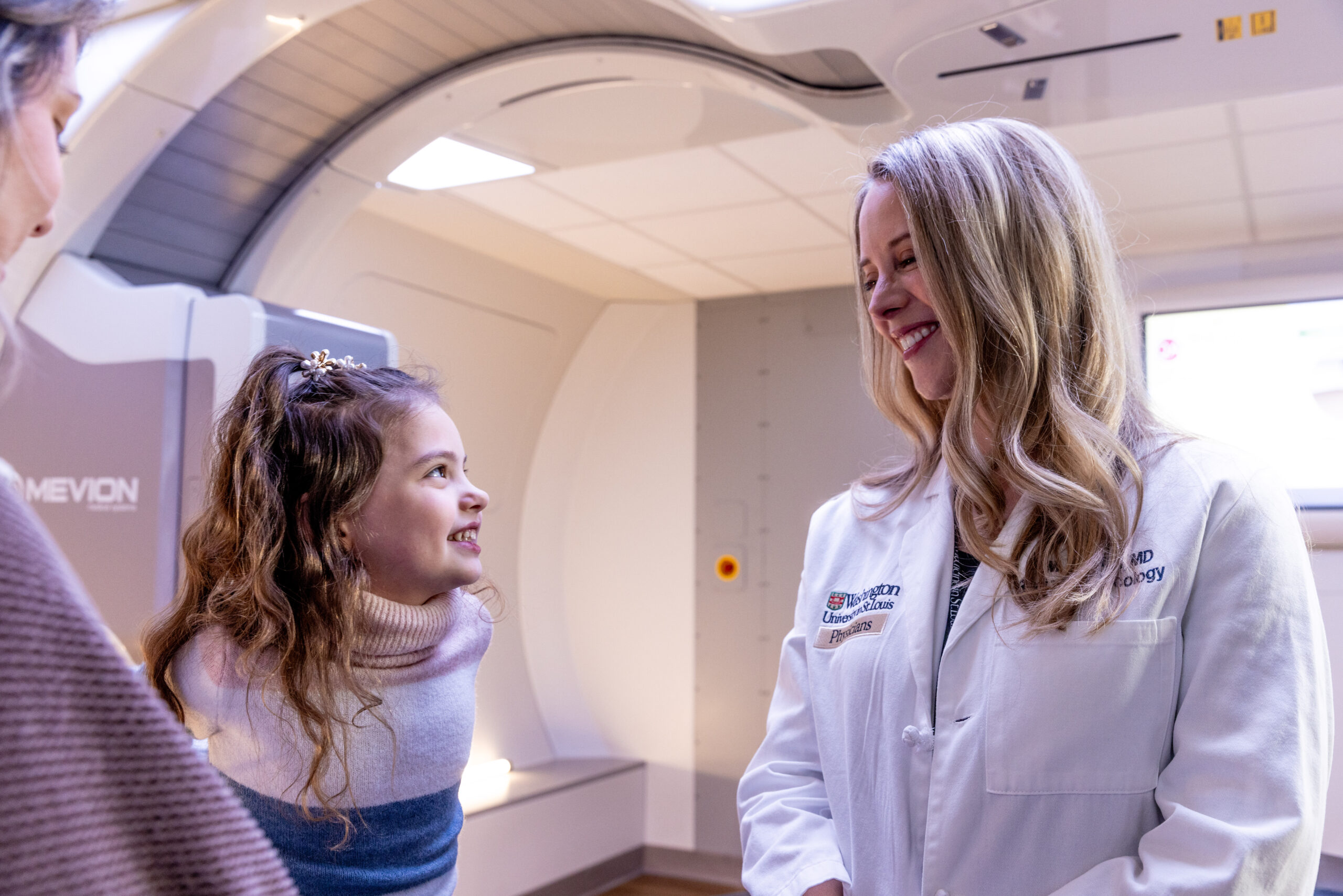
  • Proton Beam therapy uses a different form of radiation, proton particles, to destroy cancer cells. Proton particles act differently than other forms of radiation because they can be more controlled as they deliver radiation to the tumor. Because the proton particles are precise, they can limit how much normal tissue is exposed to radiation, keeping it healthy while treating tissues deep in the tumor. Sparing normal, healthy tissue in the brain is especially important for pediatric patients since their brains are growing and developing. While x-ray therapy is widely available in the United States, proton therapy is a specialized treatment that is not as widely available. Siteman Kids uses two proton therapy machines, both with pencil beam scanning (PBS) technology, the most advanced type of proton therapy that provides very focused radiation treatment plans.

Surgery is often the first intervention used with pediatric brain tumors. As much of the tumor is surgically removed as possible.

Targeted therapy is a cutting-edge form of precision medicine that works in proteins found in the body. They work on the specific pathways that lead to tumor growth so they do not have the same side effects that chemotherapy does.

Clinical trials are research studies designed to give patients access to innovative treatments before they are available everywhere while providing valuable information about treating pediatric cancers. Clinical trials for children often take place at multiple locations across the nation. Siteman Kids is proud to lead some of these research efforts. Learn more about pediatric clinical trials for brain tumors here.

It is important to note that your child’s well-being is a priority during diagnostic testing. Our care team tries to ease any fears or pain a patient has during testing. If needed, we can use light sedation to limit stress and help children feel more comfortable for more involved procedures.   

Start Here. Get the Care Your Child Needs.

Our oncology-trained care coordinators – nurses who help with scheduling and navigation – can help you through the process. Call us directly or submit a form, and we will call you back.
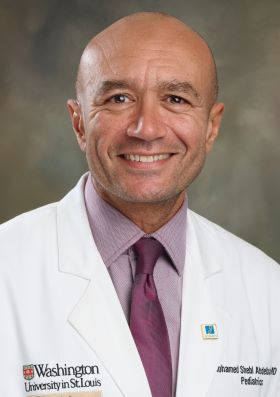
Clinically reviewed by:

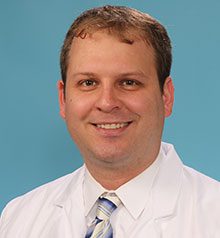
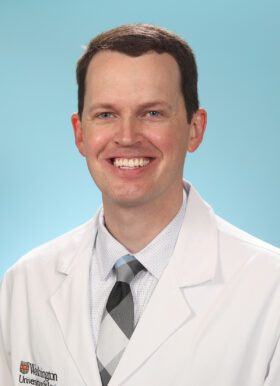
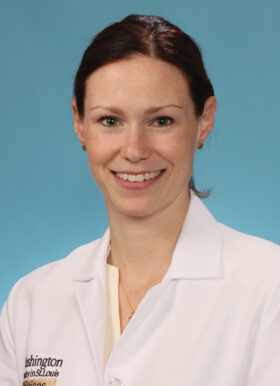
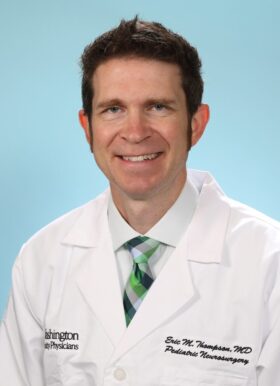
Eric Thompson, MD, Pediatric Neurosurgeon Stephanie Perkins, MD, Pediatric Radiation Oncologist Mohamed Abdelbaki, MD, Pediatric Neuro-Oncologist

Pediatric Brain Tumors | Team & Locations

Pediatric Brain Tumor Specialist Team

Pediatric Neuro-Oncologists
Pediatric Neurosurgeons
Pediatric Radiation Oncologists
Pediatric Neurologists

Prepare for a Visit

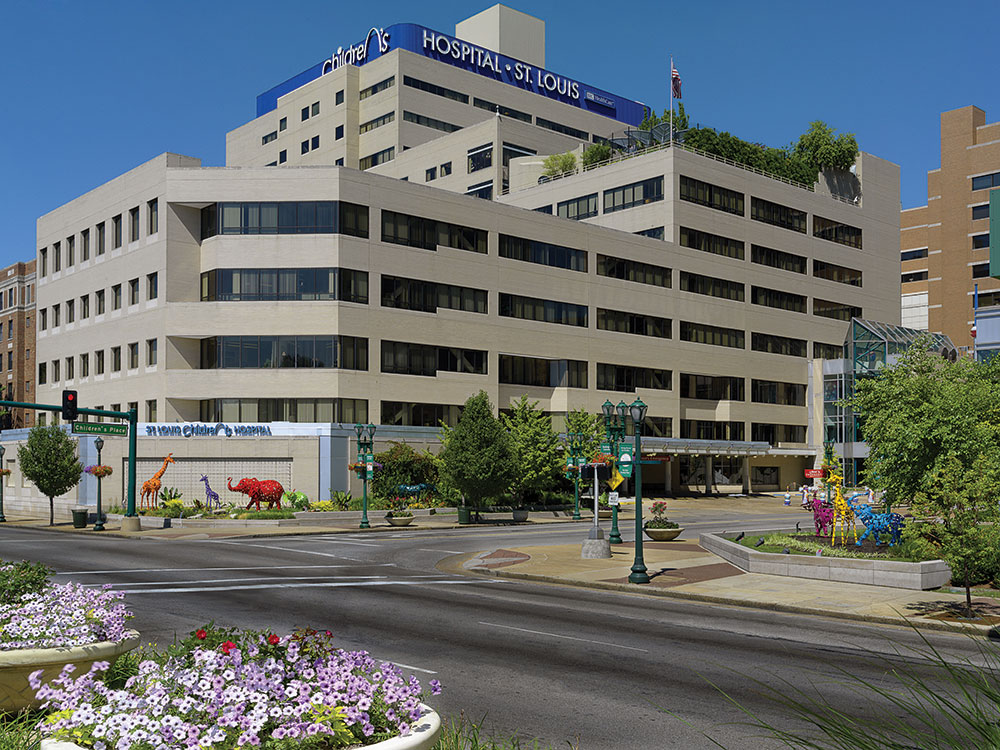
Siteman Kids at St. Louis Children’s Hospital

Siteman Kids at St. Louis Children’s Hospital

On Washington University Medical Campus
1 Children’s Place, St. Louis, MO 63110
Start Here. Get the Care Your Child Needs.

Our oncology-trained care coordinators – nurses who help with scheduling and navigation – can help you through the process. Call us directly or submit a form, and we will call you back.
Pediatric Brain Tumors | Diagnosis

What are Pediatric Brain Tumors? Are There Different Kinds?

A brain tumor is an abnormal growth of cells found in the central nervous system, either in the brain or the spinal cord. Pediatric brain tumors are the most common solid tumor in children, and there are many different kinds.

Every brain tumor falls into one of two categories: benign and malignant. They can happen at any age and are very different from brain tumors in adults.

Benign brain tumors are not cancerous, but because they are in the brain and can impact different functions of the body as they grow, they always require intervention. Sometimes, if a benign brain tumor is removed, it will not grow back. In our patients, more than half cannot have their tumor completely removed with surgery, so it is typical for patients to receive chemotherapy or targeted therapy, or, in some cases, radiation therapy.

Malignant brain tumors have cancer cells. These cells can grow quickly and can spread within the brain or in the spinal cord. Cancerous, or malignant, brain tumors do not often spread beyond the brain or spinal cord. It is possible that the tumor may grow back after treatment.

Pediatric brain tumors can grow anywhere in the brain, including the cerebrum, cerebellum, and brainstem, and where the tumor is located will help your child’s physician decide how to treat it.

The treatment that children need is often quite different from adult brain tumors, so it is important to receive care with a team that is experienced in the management of pediatric brain tumors. All children with malignant brain tumors will have a treatment plan that combines surgery with chemotherapy or radiotherapy.

Siteman Kids’ Pediatric Brain Tumor Program experts collaborate with The Brain Tumor Center at Siteman. WashU Medicine physicians from both groups participate in tumor boards to consider new approaches and establish the best, unique treatment plans for patients.

The most common type of pediatric brain tumors are gliomas. Gliomas begin as glial cells, which are cells that create supportive tissue in the brain. There are different types of gliomas, and they grow in different areas of the brain. 


  • Pediatric-type diffuse low-grade gliomas 
  • Pediatric-type diffuse high-grade gliomas 
  • Circumscribed astrocytic gliomas, including diffuse midline glioma 
  • Ependymoma 
  • Oligodendroglioma  
  • Optic nerve glioma 


Other types of brain tumors include:


  • Medulloblastoma  
  • Other embryonal tumors   
  • Choroid plexus tumor 
  • Craniopharyngioma 
  • Mixed glial and neuronal tumors  
  • Schwannoma 
  • Germ cell tumors 
  • Atypical teratoid rhabdoid tumors 


What Are the Early Symptoms of a Pediatric Brain Tumor?

Some early symptoms of pediatric tumors can seem like other, more common illnesses and are easy to ignore, while others are concerning and cause parents to take their child to the doctor or emergency room. It is important to seek medical advice if neurological symptoms come on quickly and severely.

  • Headache 
  • Nausea and vomiting 
  • Personality and mood changes 
  • Drowsiness 
  • Seizures 
  • Coma 
  • Changes in eyesight (including double vision) or hearing (including hearing loss) 
  • Trouble talking or swallowing 
  • Weakness or paralysis 
  • Trouble with eye movement 
  • Clumsy movements of the hands, arms, feet, or legs 
  • Problems walking (ataxia) 
  • Muscle stiffness 

Because their skulls are not fully formed, babies and infants’ symptoms can differ from older children’s. One notable symptom of brain tumors in babies is an enlarged, swollen head. Although this symptom can be caused by other, benign conditions, you should still make an appointment with your pediatrician if you observe it in your infant.  

How Are Brain Tumors Diagnosed in Children?

There are several tests a physician can do to determine if your child has a brain tumor. Some of these will be tests they have done before, like a blood test, and others will be new.

If they suspect there is a brain tumor, the physician will first do tests that check your child’s nervous system. They can do this right in the exam room by talking with your child, checking their reflexes, conducting an eye exam, assessing their overall coordination, and more. If you are at your pediatrician, they may refer you to a neurologist.

  • CT scan. A CT scan uses a series of X-rays and a computer to make detailed pictures of the body.
  • MRI. An MRI uses large magnets, radio waves, and a computer to make detailed pictures of the body. Contrast dye may be injected into your child’s vein. It helps cancer cells be seen more clearly.
  • Lumbar puncture. A special needle is placed into the lower back, into the spinal canal, to take a small amount of cerebral spinal fluid (CSF) to check it for cancer cells.
  • Biopsy. To learn exactly what cells are in a tumor, some of the cells are removed and sent to a lab for testing. This is done to determine the type of tumor and how fast it is likely to grow.
  • Blood tests. Blood tests may be done to check for substances that are released by some tumors. These are called tumor markers.

Second Opinions

Parents often first hear their child has cancer during an emergency room visit. Getting care soon is important, and there are always options for what is best for your child. Siteman Kids welcomes second opinions and offers unique treatment plans for each patient.


Why Choose Siteman Kids for Treating Pediatric Brain Tumors?  

After getting a correct diagnosis, the most important thing a parent or caregiver can do for their child is find the best care possible for them. Siteman Kids at St. Louis Children’s Hospital’s cutting-edge care stands out to families as they research pediatric oncology programs. 

Families at Siteman Kids are seen by WashU Medicine physicians who have specialized in pediatric medicine and are working on clinical trials and research studies to unlock new treatments for curing disease.

U.S. News and World Report ranks us #12 in the nation for neurosurgery and neurology programs and as one of the nation’s top children’s hospitals. We are the only children’s hospital in Missouri that receives funding from the National Cancer Institute for ongoing research.

In addition to providing the best pediatric cancer care in the St. Louis region, the Siteman Kids pediatric brain tumor program is a member of the following international organizations:

  • Pediatric Neuro-Oncology Consortium (PNOC)
  • Children’s Oncology Group (COG)
  • Childhood Brain Tumor Network (CBTN)
  • COllaborative Network for NEuro-oncology Clinical Trials (CONNECT)

These organizations of experts all conduct research on brain tumors. Siteman Kids is the only member of PNOC in the region, attracting not just families from the area but also drawing patients from across the globe to be a part of the clinical trials offered.

At Siteman Kids, we care for the whole family. Our support services are extensive, providing professionals who care for the well-being of our young patients, their siblings and their caregivers.

  • Psychologists guide children and their families through the many emotions that come from a cancer diagnosis with in-person and virtual visits.
  • Child Life specialists assist in practical ways, educating your child on what procedures will be like, helping them learn coping strategies for their fears and stress and more.
  • Educational liaisons help communicate and coordinate with your school district so there is a plan for continuing to learn, even when being in the classroom isn’t possible.
  • Social workers guide adults through the many responsibilities and realities related to caretaking while balancing work and parenting.
Talk with a Care Coordinator

Nurses at Siteman answer every call and every form. Speak with them directly 8:00 am to 4:30 pm CT Monday- Friday for guidance on appointments, second opinions, and referrals.

Clinically reviewed by:

Eric Thompson, MD, Pediatric Neurosurgeon Stephanie Perkins, MD, Pediatric Radiation Oncologist Mohamed Abdelbaki, MD, Pediatric Neuro-Oncologist

Pediatric Brain Tumors | Clinical Trials & Research

About Clinical Trials

Clinical trials for pediatric oncology patients provide access to new, cutting-edge care that is not offered as part of standard of care at this time. For children especially, participating in clinical trials is a more common practice than participation for adults.

Because of the research done during clinical trials, children are beating cancer at higher numbers than they were 20 years ago. And breakthroughs and discoveries continue through this approach to treatment.

Siteman Kids patients have access to clinical trials that are taking place at multiple cancer centers across the country.

Siteman & Cancer Research

Many of the WashU Medicine physicians caring for our pediatric oncology patients are also physician scientists, creating and leading these trials both nationwide and exclusively at Siteman Kids.

These physicians lead both clinical trials and research studies to advance our understanding of how pediatric cancers develop and grow in order to find specific cures.

This dedication to research and the close collaborative relationship with WashU’s medical school means that Siteman Kids patients have access to:

  • Project Sunshine clinical trials
  • Early Phase clinical trials led by WashU Medicine physicians 
  • Pediatric Early Phase-Clinical Trial Network (PEP-CTN), (Siteman Kids is 1 of 21 other member cancer centers) 
  • Children’s Oncology Group (COG), offering 100 trials a year 
  • Pediatric Neuro-Oncology Consortium (PNOC) clinical trials 
  • COllaborative Network for NEuro-oncology Clinical Trials (CONNECT) clinical trials
Explore Clinical Trials

When you meet with your child’s care team, mention your interest in clinical trials if it hasn’t come up already. Then you and your team can discuss the benefits of them, and any questions you may have.

If your child’s physician feels a clinical trial may be helpful to your child’s treatment plan, they will discuss it with you. And if they decide enrollment in a trial is not working well, they can make a change to something that is.

Pediatric Brain Tumors | Pediatric Brain Tumor Program

About the Pediatric Brain Tumor Program at Siteman Kids

The Pediatric Brain Tumor Program at Siteman Kids at St. Louis Children’s Hospital excels in neuro-oncological care.  Brain tumors in children are rare and our program is sought out by families not just in Missouri but in the country and worldwide for our expertise. Our multidisciplinary approach to treating kids with brain tumors sets us apart from other pediatric cancer centers. 

Our program, which includes top ranked pediatric neurosurgery, neuro-oncology, neurology and other specialty teams, is one of the best in the country. Over 100 families each year bring their child to Siteman Kids for pediatric brain tumor care. Each of these pediatric patients have a unique treatment plan, designed specifically for them that considers their age, overall health, tumor type and stage, genetics and other considerations.  

Siteman Kids’ Pediatric Brain Tumor Program experts collaborate with The Brain Tumor Center at Siteman. WashU Medicine physicians from both groups participate in tumor boards to consider new approaches and establish the best, unique treatment plans for patients. 


Siteman Kids Pediatric Brain Tumor Program

Our program, which includes top ranked WashU Medicine pediatric neurosurgeons, neuro-oncologists, neurologists and other specialty teams, is one of the best in the country.

Why Choose Siteman Kids?

Siteman Kids at St. Louis Children’s Hospital offers cutting-edge care with a focus on not just your child, but on your family as well. Families at Siteman Kids are seen by WashU Medicine physicians who have specialized in pediatric medicine and are leading clinical trials and research studies to unlock new treatments for curing disease. U.S. News and World Report ranks us #1 in the region for pediatric cancer care.  

How Siteman Kids’ expertise sets us apart from other pediatric cancer centers:  

  • We prioritize child and family well-being. Our pediatric hospital and oncology specialists prioritize a child’s learning, growth, and development when creating their unique treatment plan. And we deliver family-centered care through comprehensive support services for parents, caregivers, and siblings.  
  • We bring scientific breakthroughs to the bedside. Physicians at Siteman Kids are clinicians and researchers. Because they excel at caring for children and studying cancer in a lab, our physicians take innovative approaches to curing their patients’ cancers. 
  • We lead pediatric cancer research. Siteman Kids’ physician researchers lead and participate in national clinical trials. So our young patients have more opportunities to be enrolled and have access to the latest treatments at the earliest opportunity possible.

Second Opinions

Parents often first hear their child has cancer during an emergency room visit. Getting care soon is important, and there are always options for what is best for your child. Siteman Kids welcomes second opinions and offers unique treatment plans for each patient.

Our Locations

Siteman Kids at St. Louis Children’s Hospital

Siteman Kids at St. Louis Children’s Hospital

On Washington University Medical Campus
1 Children’s Place, St. Louis, MO 63110
Start Here. Get the Care Your Child Needs.

Our oncology-trained care coordinators – nurses who help with scheduling and navigation – can help you through the process. Call us directly or submit a form, and we will call you back.