

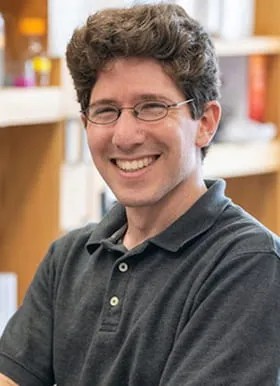

Researcher Background
Primary Academic Title
Associate Professor, Department of Pediatrics, Division of Genetics and Genomics, WashU Medicine
Training
- 2010 - 2010: Post-doctoral Training, Stanford University, Stanford, CA
- 2010 - 2014: Post-doctoral Training, Harvard Medical School, Boston, MA
Education
- 2004: BA, Case Western Reserve University, Cleveland, OH
- 2010: PhD, Stanford University, Stanford, CA
Research & Select Publications
Research Interest
The Greer lab is interested in how non-genetic information, termed epigenetics, regulates complex physiological and pathological phenotypes across generations. The rapidly expanding field of epigenetics describes how gene expression changes occur without changes to the DNA sequence. Proteins, RNA molecules, or chemical modifications to histones or DNA can induce
these epigenetic changes. Epigenetic information regulates an increasing number of complex phenotypes, such as physical appearance, energy metabolism, psychological state, and longevity.
How this epigenetic information is regulated, how it instructs biological outcomes, and how this epigenetic information can be passed from generation to generation remain unknown.
Understanding the molecular determinants of stable epigenetic memory will provide insight into how environmental changes can affect the health and lifespan of not only the individual who
experiences them, but also of their progeny. A central goal of our lab is to identify epigenetic inheritance phenotypes and to elucidate the mechanisms behind their transmission across
generations. We also aim to understand how dysregulation of epigenetic mechanisms cause developmental defects and diseases.
Research Publications