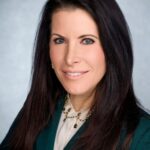
Cornelius receives research achievement award

American Skin Association recognizes her work in public policy, education

Lynn Cornelius, MD, the Winfred and Emma Showman Professor of Dermatology and chief of the Division of Dermatology at WashU Medicine, has been honored with the 2025 Research Achievement Award in Public Policy and Education from the American Skin Association.

The award, given May 9 at the Society of Investigative Dermatology Annual Meeting in San Diego, recognizes established scientists in investigative dermatology and cutaneous biology. Cornelius was honored for advancing the association’s work in public policy and education.

She sees patients at Siteman Cancer Center at Barnes-Jewish Hospital and WashU Medicine, where she also is a research member. Her clinical and research focus is on melanoma and skin cancer.

At the American Skin Association, Cornelius is a founding member of Sun Protection Outreach Teaching by Students (SPOTS), a public health outreach educational program. Through SPOTS, medical students teach adolescents about early detection and prevention to reduce their risk of cancer over their lifetimes.

Learn more about SPOTS efforts in the St. Louis region.

Study sheds light on how inherited cancer mutations drive tumor growth

Findings could help predict cancer risk over a person’s lifetime, develop prevention strategies

Most cancer genome studies have focused on mutations in the tumor itself and how such gene variants allow a tumor to grow unchecked. A new study, led by researchers at Washington University School of Medicine in St. Louis, takes a deep dive into inherited cancer mutations measured in a healthy blood sample and reports how those mutations might take a toll on the body’s cells starting at birth, perhaps predisposing a person to develop cancers at various stages of life.

The authors analyzed the inherited genomes of more than 1,000 cancer patients and determined how inherited mutations — also known as germline variants — result in malfunctioning proteins, which in turn can impair physiological activities. The findings have implications for determining an individual’s inherited cancer risk and informing potential new strategies for prevention, early detection and treatment.

The study appears April 14 in the journal Cell.

“This is important foundational work for the field,” said senior author Li Ding, PhD, the David English Smith Distinguished Professor of Medicine at WashU Medicine. “We need to know how the germline variants — rare or common — potentially impact the protein machinery that makes our bodies work and what those impacts might mean for cancer development over the lifespan.”

The study represents a key milestone in the work of the Clinical Proteomic Tumor Analysis Consortium, a nationwide effort supported by the National Cancer Institute of the National Institutes of Health (NIH) that aims to define the roles of all cellular proteins involved in cancer development and progression. Everyone is born with germline variants — some consequential, some inconsequential, and many uncertain — and over the lifespan, different tissues pick up their own mutations. Tumors almost always have a set of new mutations that has been the focus of most clinical research. In this new study, the focus is on the inherited germline variants, rather than those acquired later.

Physicians can offer people with certain inherited mutations — such as those in two BRCA genes, which are known to increase breast cancer risk — options to reduce their risk of developing cancer. These interventions include more frequent breast cancer screening, preventive chemotherapy and surgeries.

The new study builds on the utility of knowing cancer risks generated by germline mutations by analyzing the genomes of healthy cells from more than 1,000 cancer patients.

The team, co-led by first author Fernanda Martins Rodrigues, PhD, a postdoctoral researcher in Ding’s lab, analyzed the proteins associated with the inherited genomes of 1,064 individuals with 10 cancer types. The researchers identified 119 rare, cancer-causing genetic variants and additional common variants in cancer genes that may affect the structure, abundance and stability of key proteins involved with these cancer types. They also identified new, rare mutations strongly associated with cancer as well as common variants that, in concert, may tip the scales toward disease.

“What is new here is this study expands our knowledge beyond the inherited rare cancer-causing variants that we understand well, such as mutations in the BRCA genes,” said Ding, also a research member of Siteman Cancer Center, based at Barnes-Jewish Hospital and WashU Medicine. “This analysis now adds more common variants that may not cause cancer individually but appear to function as a group to influence important pathways involved in cancer.”

To determine the collective effect of all the variants they identified that could affect cancer risk, the researchers calculated what’s called a polygenic risk score for each patient. Such a score can estimate the combined cancer risk based on all the mutations taken together. If a person just has one or two cancer-predisposing inherited variants, that might not have a large effect. But inheriting multiple such variants could result in a higher risk.

The researchers found that patients with the deadly brain cancer glioblastoma, pancreatic cancer or an aggressive form of lung cancer had significantly higher polygenic risk scores than did healthy people or even people who developed other types of cancer. For patients with any cancer type, those with higher polygenic risk scores had more aggressive disease.

Based on their protein analysis, Ding and her colleagues found that multiple inherited risk variants, while seemingly independent, had downstream effects that converged on some biological process, such as certain aspects of immune function and protein stability.

One of the particularly insightful aspects of the study was the authors’ examination of how inherited mutations can affect structural alterations that proteins can undergo after they are assembled. Two of these important modifications involve small molecular tags being added to a protein in certain places.

These tags can have tremendous impact on how a given protein functions, such as determining when and where the protein is active or not.

Genome sequencing alone — and not precisely matching germline mutations to the consequences they have on proteins, as Ding and her coauthors did — will miss these important modifications. This type of study adds new knowledge about the genetic factors that increase cancer risk, which could help improve the accuracy of polygenic risk scores in the future.

# # #

Rodrigues FM, Terekhanova NV, Imbach KJ, Clauser KR, Selvan ME, Mendizabal I, Geffen Y, Akiyama Y, Maynard M, Yaron TM, Li Y, Cao S, Storrs EP, Gonda OS, Gaite-Reguero A, Govindan A, Kawaler EA, Wyczalkowski MA, Klein RJ, Turhan B, Krug K, Mani DR, da Veiga Leprevost F, Nesvizhskii AI, Carr SA, Fenyo D, Gillette MA, Colaprico A, Iavarone A, Robles AI, Huang K, Kumar-Sinha C, Aguet F, Lazar AJ, Cantley LC, Marigorta UM, Gumus ZH, Bailey MH, Getz G, Porta-Pardo E, Ding L, Clinical Proteomic Tumor Analysis Consortium. Precision proteogenomics reveals pan-cancer impact of germline variants. Cell. April 14, 2025.

This work was supported by the National Cancer Institute (NCI) Clinical Proteomic Tumor Analysis Consortium (CPTAC) under award numbers U24CA210955, U24CA210985, U24CA210986, U24CA210954, U24CA210967, U24CA210972, U24CA210979, U24CA210993, U01CA214114, U01CA214116, U01CA214125, U24CA210972, U24CA210979 and U24CA270823; and contract GR0012005; the Spanish Ministry of Science, under grants RYC2019-026415-I, PID2019-107043RA-I00, RYC2019-026415-I, PID2019-107043RA-I00, RYC2020-030632-I, PID2019-108244RA-I00); the Fundación Cris Contra el Cáncer (PR TPD 2020-19). This research has been conducted using the UK Biobank Resource under Application Numbers 54343 and 74382. Data used in this publication were generated by the National Cancer Institute Clinical Proteomic Tumor Analysis Consortium (CPTAC), access through dbGaP accession numbers phs000892.v6.p1 (“CPTAC Proteogenomic Confirmatory Study”) and phs001287.v17.p6 (“CPTAC Proteogenomic Study”). This project has been funded in part with federal funds from the National Cancer Institute, National Institutes of Health, under Contract No. HHSN261201500003I, Task Order No. HHSN26100064.

The content is solely the responsibility of the authors and does not necessarily represent the official views of the NIH.

Q&A: Jennifer De Los Santos, MD, highlights head and neck cancer

April is Head and Neck Cancer Awareness Month, an opportunity to highlight a set of cancers that 60,000 Americans will be diagnosed with in 2025, according to the American Cancer Society. These cancers most commonly include those of the tongue; tonsils and throat behind the mouth; and gums, floor of the mouth and other parts of the mouth.

Remembering the recent passing of actor Val Kilmer due to laryngeal cancer, Jennifer De Los Santos, MD, a WashU Medicine radiation oncologist at Siteman Cancer Center at Barnes-Jewish Hospital and WashU Medicine, talks about warning signs and raising awareness.

Tell us a little about these cancers and symptoms and other information we should be aware of.

Dr. De Los Santos: Head and neck cancers, including laryngeal cancer, can present with symptoms of sore throat, hoarse voice, ear pain and a mass in the neck. These cancers, which affect the throat, voice box and mouth, are often delayed in detection, as symptoms are often attributed to an upper respiratory infection. If patients do not have insurance or a primary care provider, diagnosis can be delayed even further.

What is laryngeal cancer?

Dr. De Los Santos: Laryngeal cancer is a type of cancer that develops in the larynx, also known as the voice box. The larynx is a part of the throat located between the back of the mouth and the trachea (windpipe) at the level of the thyroid cartilage (sometimes called the Adam’s apple). It plays a crucial role in breathing and speaking because it houses the vocal cords.

What are some risk factors for this cancer?

Dr. De Los Santos: The most common ones include:

  • Tobacco use – Smoking cigarettes, cigars or pipes is the single largest risk factor for laryngeal cancer. Both smoking and chewing tobacco can increase the risk.
  • Alcohol consumption – Heavy drinking of alcohol, particularly when combined with smoking, significantly raises the risk of laryngeal cancer. Alcohol can irritate the lining of the larynx and make it more susceptible to the carcinogenic effects of tobacco.
  • Exposure to certain chemicals – Occupational exposure to industrial chemicals such as asbestos or sulfuric acid has been linked to an increased risk of laryngeal cancer.
  • Marijuana use – New data suggest that marijuana use may also be associated with the development of head and neck cancer.


WashU Medicine’s Department of Radiation Oncology is at the forefront of the fight against head and neck cancers. Could you elaborate on some of the leading-edge treatments you’re working on?

Dr. De Los Santos: Absolutely. Our department is proud to be pioneering several promising treatment options. In particular, radiation therapy, immunotherapy and targeted treatments have made huge strides in improving outcomes for our patients. Tailoring radiation therapy to each patient can help control or even eliminate cancer cells while minimizing damage to surrounding healthy tissue. Immunotherapy is also showing great promise, particularly in helping the immune system recognize and fight cancer. Targeted therapies, which focus on specific genes or proteins involved in cancer growth, are another exciting area.

That’s amazing progress. Please talk about the importance of preserving patients’ voices, especially for those undergoing procedures like laryngectomy, and how technology is playing a role.

Dr. De Los Santos: For many patients, especially those with laryngeal cancer, losing the ability to speak is a devastating consequence. One of our main goals is not only to combat the cancer but also to preserve the patient’s quality of life. With advances in artificial intelligence (AI) and other technologies, we are investigating tools that can help patients communicate more effectively after procedures like a laryngectomy. AI-driven devices are being developed to create more natural-sounding speech, and they hold tremendous potential for improving a patient’s ability to engage in day-to-day life. This technology is transformative, offering an option that may both improve communication and preserve the patient’s natural voice.

It sounds like there’s so much hope on the horizon. How can people help support the critical research and advances you’re making at WashU Medicine and Siteman Cancer Center?

Dr. De Los Santos: Some of the best ways to support our work is through advocacy and spreading awareness. This includes promoting early detection – for example, by encouraging people with ongoing symptoms to seek follow-up care if antibiotics don’t help. The second is by recognizing the real difference that breakthrough discoveries can make. Val Kilmer’s legacy of advocacy is a powerful example of how one person’s story can inspire change, and we hope that this month, and beyond, people will join us in our mission to improve outcomes for patients battling head and neck cancers. Together, we can make a significant difference.

Learn more about multidisciplinary care and research at the Head and Neck Tumor Center at Siteman.

Jennifer De Los Santos, MD Professor of Radiation Oncology

Jennifer De Los Santos, MD

WashU Medicine radiation oncologist at Siteman Cancer Center at Barnes-Jewish Hospital and WashU Medicine

Hall recognized with Provost Impact Award

Honored for breast health outreach to high school students

Lannis Hall, MD, MPH, a WashU Medicine associate professor of clinical radiation oncology and radiation oncologist at Siteman Cancer Center, has been honored with a 2025 Provost Impact Award by the WashU Confluence Collaborative.

The award recognizes her work promoting breast health with young women in the Hazelwood School District. Since 2018, more than 7,000 high school students have benefited from the Breast Health Education initiative, commonly called “Tell Your Momma,” a joint project of the Hazelwood School District and Siteman’s Program for the Elimination of Cancer Disparities (PECaD).

“It is a privilege to educate young women about breast health,” Hall said. “Through the collective efforts of our dedicated breast cancer advocacy groups, PECaD and the Hazelwood School District, we’ve empowered young women with proven strategies to reduce breast cancer risk and improve survival.”

She was recognized along with Nettie Collins-Hart, PhD, superintendent of the Hazelwood School District, at an April 16 ceremony on Washington University’s Danforth Campus.

“Lifestyle and behavioral choices made in early adulthood — like healthy eating, exercise and timely screening can significantly impact health outcomes,” Hall said. “But the real impact lies in what they’ll carry forward by sharing knowledge with their mothers, sisters and communities to promote early screening and healthier futures across generations.”

Hall is involved with other community cancer prevention efforts, as well, including through the:

  • First Ladies of St. Louis, a group of 32 wives of pastors dedicated to promoting health and wellness. This partnership actively advances cancer prevention, awareness and screening throughout the region and hosts an annual cancer screening event.
  • Prostate Cancer Coalition, a group Hall co-founded to promote the timely screening, management and treatment of men with prostate cancer. The collective efforts of the group, Siteman Cancer Center and PECaD have helped double the region’s screening rates for prostate cancer over the past five years.

Hall treats patients at Siteman Cancer Center at Barnes-Jewish St. Peters Hospital, where she also is medical director of radiation oncology. She also serves as co-chair of the Clinical Research Committee and director of Clinical Studies Outreach at Siteman Cancer Center.

For tips on cancer prevention and breast health, visit our 8ightWays® to Prevent Breast Cancer, part of the 8ightWays® to Prevent Cancer series.

WashU Medicine researchers to showcase findings at #AACR25

WashU Medicine faculty members affiliated with Siteman Cancer Center will present the latest in cancer research at the American Association for Cancer Research (AACR) Annual Meeting 2025, April 25-30 in Chicago.

The conference, one of the largest of its kind in the world, convenes physician-scientists and other clinicians, researchers, patients, advocates and others to share and discuss the latest breakthroughs in translational research, clinical studies, population science, survivorship and more.

There, WashU Medicine faculty members at Siteman will:

  • Co-chair conference sessions:
  • Represent the journal Cancer Immunology Research as editor-in-chief (Robert Schreiber, PhD)
  • Serve as a featured mentor for early career researchers (Graham Colditz, MD, DrPH)
  • Present their findings on molecular imaging, the early detection and prevention of early-onset colorectal cancer, and more.

Details about these highlighted presentations are available here.

Additional noteworthy WashU Medicine research that will be presented by collaborators from other institutions or featured in poster sessions includes:

  • “Neoadjuvant and adjuvant pembrolizumab plus standard of care (SOC) in resectable locally advanced head and neck squamous cell carcinoma (LA HNSCC): Phase 3 KEYNOTE-689 study,” research co-led by Douglas Adkins, MD. Learn more.
  • “Trends in breast cancer incidence-based mortality among US women aged 20-49 by molecular subtypes and race,” which will be presented by Adetunji Toriola, MD, PhD. Learn more.

For a complete list of WashU Medicine research being presented at the conference, visit the conference program. And follow Siteman Cancer Center at #AACR25 on X @SitemanCenter.

WashU advances in STAT Madness

Two Washington University research projects – including a breast cancer vaccine launched at Siteman Cancer Center – have advanced to Round 2 of STAT Madness. The annual bracket-style contest highlights scientific and medical advances.

Vote for Washington University School of Medicine research here. A free account is required. Round 2 voting continues until 3 a.m. Central time on March 17.

The breast cancer vaccine, spearheaded by William Gillanders, MD, the Mary Culver Distinguished Professor of Surgery at Washington University, has shown promising results in a small clinical trial. Learn more.

The other Washington University research project involves psilocybin and its effect on brain function. Learn more.

WashU experts to present at NCCN annual conference

NCCN 2025 Annual Conference will feature findings from Jessica Vanderlan, PhD; Laura Bierut, MD; and Saiama Waqar, MD.

Washington University clinician-researchers at Siteman Cancer Center will highlight their work at the NCCN 2025 Annual Conference, March 28-30 in Orlando and virtually.

Hosted by the National Comprehensive Cancer Network, the conference convenes multidisciplinary expertise in the treatment of various cancers, as well as patient access to care, mental health and more.

The Washington University presenters are:

  • Jessica Vanderlan, PhD, manager of the Siteman Psychology Service, who will deliver part of the opening plenary, “Addressing Mental Health in Cancer Care: Optimizing Interdisciplinary Psychosocial Support,” at 8:35 a.m. Eastern time on Friday, March 28.
  • Laura Bierut, MD, who will present during the “Smoking Cessation for Patients with Cancer: State of the Evidence” session at 10:55 a.m. Eastern time on Saturday, March 29.
  • Saiama Waqar, MD, who presents an online, on-demand educational session, “Treatment Updates for Small Cell Lung Cancer.”

Learn more on the conference website. Follow the meeting on X, LinkedIn, Facebook and Instagram using #NCCN2025.

‘This is Cancer’ Season 4: New stories of hope and perseverance

Siteman launches a new season of the award-winning podcast

​Morgan hadn’t reached her 45th birthday, so she hadn’t received a screening colonoscopy for colorectal cancer. But when she noticed unusual signs at age 41, she did exactly what she should have and sought medical evaluation.

Months of missteps turned into years of dismissive care, so Morgan realized it was time for a second opinion at Siteman Cancer Center, where she would soon receive leading-edge treatment for colorectal cancer, including a new approach to radiation therapy.

“To constantly be told that my pain was not as much as I said it was,” Morgan said about her experience before visiting Siteman. “I’m like, no, we need to talk about this more. I’m still having problems.”

Morgan’s story – which gets much more encouraging – kicks off the fourth season of “This is Cancer,” Siteman’s award-winning podcast.

Watch and hear Morgan’s story and past episodes here, on Apple Podcasts, Spotify– or wherever you listen to podcasts.

Every month through 2025, Siteman will drop a new episode exploring such topics as:

  • Being present as a parent while you, yourself, are undergoing cancer treatment
  • A new vaccine aimed at preventing the recurrence of one of the deadliest forms of breast cancer
  • New hope for children diagnosed with cancer
  • The secret life of men fighting cancer

In these episodes and more, patients and their loved ones, doctors and others affected by cancer will share their journeys – their gained wisdom, hard-earned knowledge, and vulnerabilities – to inform and encourage others in similar situations.

As Morgan says in the season 4 premiere (available here), persistence and her pursuit of the best care were key. With the support of her husband, Justin, and her Washington University physicians, including radiation oncologist Hyun Kim, MD, Morgan was able to course-correct her treatment plan so she could refocus on her future.

Said Kim, co-director of the Young-Onset Colorectal Cancer Program at Siteman:

“If the symptoms persist beyond just once or twice, if you’re having them for a couple of months, then you should say, ‘Oh, it wasn’t just a one-time thing.’ Secondly, patients need to advocate for themselves, which Morgan eventually did. And I think, as long as we keep those things in mind, then people will get the care that they need.”

Siteman Cancer Center launches community health van to boost wellness in bistate region

The “Health on the Move” mobile unit will provide screening and other essential resources in St. Louis and 82 counties in Missouri and Illinois.

Siteman Cancer Center, based at Barnes-Jewish Hospital and Washington University School of Medicine in St. Louis, is unveiling a rolling resource to improve community health across the region.

The 40-foot “Health on the Move” community van, operated by Siteman’s Program for Elimination of Cancer Disparities (PECaD), will bring cancer screenings directly to residents of St. Louis and 82 counties in Missouri and Illinois. The van also offers a motorized lift to ensure accessibility for all.

“Siteman Cancer Center is delivering on our mission to prevent cancer in the community and transform the care of patients through scientific discovery,” said Timothy J. Eberlein, MD, Siteman’s director. “By bringing screening, education and prevention strategies out of clinics and into communities, Siteman is extending the reach of our world-class care and research, providing greater access to community members and their families and friends.”

The mobile unit will travel throughout the greater region – from Jefferson City, Mo., to the Indiana and Kentucky borders and from Springfield, Ill., to the Missouri Bootheel – starting in late March.

Available services include:

  • Fecal Immunochemical Tests (FIT kits), which are take-home stool screening tests for colorectal cancer – an alternative to colonoscopies
  • Prostate-Specific Antigen (PSA) tests for the early detection of prostate cancer
  • Blood sugar tests to detect elevated blood sugar, a risk factor for diabetes
  • Educational resources to help prevent cancer, diabetes, heart disease and other chronic illnesses
  • The latest Information on family history, genetics and hereditary cancer and clinical trials

Missouri has the nation’s 10th highest cancer death rate, and the 10th highest death rate due to heart disease, according to the U.S. Centers for Disease Control and Prevention. Illinois ranks 25th and 22nd, respectively. For diabetes, Missouri is 29th and Illinois 39th.

The overall effects of chronic diseases, including cancer, are greater among populations in rural and urban areas that have limited access to health care, said Bettina F. Drake, PhD, Siteman’s associate director of community outreach and engagement. The Health on the Move van addresses this need by delivering internationally recognized research findings and disease screening services to people who need it most.

“Siteman Cancer Center is focused on region-wide impact over time,” said Drake, who also is a Washington University professor of surgery in the Division of Public Health Sciences. “Through our Health on the Move van and other community-focused initiatives, we are widening health-care access to all, putting initiatives in motion that increase screenings and more. When we diagnose cancer and other diseases at earlier stages, we catch them when they are most treatable — and can offer the best opportunity for full recovery.”

Initial screenings are free whether someone has health insurance or not, but an appointment is necessary. PECaD will work with uninsured individuals to find health-care coverage for any recommended follow-up care.

The Health on the Move van will be staffed by Washington University care-team members, including phlebotomists and public health coordinators. All tests will be read by Washington University clinicians, with results typically available two to three weeks after screening.

Normal results will be sent by mail and through MyChart for those with accounts. MyChart is a secure online tool that allows patients to access their medical records and communicate directly with health-care providers. Patients with abnormal test results will receive a personal call to discuss next steps.

The van will make stops in the city of St. Louis and these Missouri counties: Audrain, Bollinger, Boone, Butler, Callaway, Cape Girardeau, Carter, Cole, Crawford, Dent, Dunklin, Franklin, Gasconade, Iron, Jefferson, Lincoln, Madison, Maries, Marion, Mississippi, Montgomery, New Madrid, Osage, Pemiscot, Perry, Phelps, Pike, Ralls, Reynolds, Ripley, Scott, St. Charles, St. Francois, St. Louis City, St. Louis County, Ste. Genevieve, Stoddard, Warren, Washington and Wayne.

The Illinois counties are: Adams, Alexander, Bond, Calhoun, Christian, Clay, Clinton, Edwards, Effingham, Fayette, Franklin, Gallatin, Greene, Hamilton, Hardin, Jackson, Jefferson, Jersey, Johnson, Macon, Macoupin, Madison, Marion, Massac, Monroe, Montgomery, Morgan, Perry, Pike, Pope, Pulaski, Randolph, St. Clair, Saline, Sangamon, Scott, Shelby, Union, Washington, Wayne, White and Williamson.

For information about van stops and to make an appointment, visit siteman.wustl.edu/communityvan.

Learn more about other disease prevention initiatives at Siteman:

  • Get Screened Now, which outlines cancer screening recommendations and suggests other locations that offer screening
  • Your Disease Risk, a tool that assesses one’s risk of 12 types of cancer and six other diseases and provides personalized tips for reducing risk
  • 8ightWays®, a portfolio of cancer prevention resources
  • For Your Health, a monthly wellness series

Experts to highlight advances against gynecologic cancers

Annual Meeting on Women’s Cancer will feature findings from Washington University physicians Matthew Powell, MD, Lindsay Kuroki, MD, and others.

Washington University clinicians and researchers at Siteman Cancer Center will highlight their work against gynecologic cancers at the Annual Meeting on Women’s Cancer, March 14-17 in Seattle.

Hosted by the Society of Gynecologic Oncology (SGO), the conference convenes multidisciplinary expertise in the treatment of cervical, ovarian, endometrial and other cancers.

Presenters include:

  • Matthew Powell, MD, the Ira C. and Judith Gall Professor of Obstetrics and Gynecology at Washington University, who will discuss findings of the phase 3 ENGOT-OV43/GOG-30 clinical trial for advanced nonmutated epithelial ovarian cancer.
  • Lindsay Kuroki, MD, associate professor of obstetrics and gynecology and associate director of the Division of Gynecologic Oncology. She will discuss research focused on high-intermediate and high-risk early stage endometrial cancers.

Learn more on the Siteman and meeting websites. Follow the meeting on Facebook, LinkedIn, Twitter and Instagram using #SGOMtg #AM25IMPACT #SGO2025.