Gene-Edited Stem Cell Transplant Shows Promise for Aggressive Blood Cancers

Strategy seeks to expand immunotherapies for leukemia, other malignancies

For highly aggressive types of blood cancer, stem cell transplantation is often the only potentially curative therapy, yet even after a transplant, these cancers often return.

Now, a clinical trial, led by researchers at Washington University School of Medicine in St. Louis, shows that a stem cell transplant in which the donor cells have been genetically engineered to remove a particular protein helps prevent toxic side effects and potentially improves the effectiveness of therapies given after a transplant to help prevent cancer recurrence.

The study was conducted at Siteman Cancer Center, based at Barnes-Jewish Hospital and WashU Medicine, and 14 other sites in the U.S. and Canada. The findings are published May 12 in the journal Nature Medicine.

According to the study’s corresponding author, John F. DiPersio, MD, PhD, the Virginia E. & Sam J. Golman Professor of Medicine at WashU Medicine, this gene-editing technology could help address a longstanding frustration in the field: CAR-T cell therapy — an immunotherapy that effectively treats some aggressive blood cancers — has not worked against all blood cancers, including acute myeloid leukemia (AML) and myelodysplastic syndrome (MDS).

According to DiPersio, who treats patients at Siteman and is a research member there, myeloid cancers like AML and MDS are tricky to treat with CAR-T cells because the same proteins on cancer cells that the immunotherapy homes in on for destruction are also present on healthy myeloid cells, including therapeutic donor stem cells. As such, the anti-cancer therapy carries a high risk of toxicity because it also destroys healthy blood stem cells, which can trigger a dangerous inflammatory cascade. This effect also could dilute the effect of the anti-cancer therapy because so many of the CAR-T cells are attacking the wrong targets, leaving many cancer cells untouched.

This basic concept was first described by Miriam Y. Kim, MD, now an assistant professor of medicine at WashU Medicine. She began this research as a postdoctoral researcher at the University of Pennsylvania and continued the work in the DiPersio lab before becoming an independent investigator in the WashU Medicine Division of Oncology. She treats patients at Siteman and is also a research member there.

For this clinical trial, patients with AML and MDS received donor stem cells that had a target protein, called CD33, removed, in hopes that immunotherapy targeted against CD33 would kill the cancer and ignore the healthy cells.

“We are encouraged by the results of this study showing that a CD33-deleted stem cell transplant looks very similar to the outcomes of standard stem cell transplantation,” said DiPersio, who also directs WashU Medicine’s Center for Gene and Cellular Immunotherapy. “In the future, we are hopeful we will be able to combine this with CD33-targeted immunotherapies, such as CAR-T cells, and improve treatment options for patients with these very aggressive blood cancers.”

To that end, DiPersio and his collaborators have also published a single case study of a patient with high-risk AML who received a CD33-deleted stem cell transplant and later, upon relapse after the transplant, received a CD33-targeted CAR-T cell therapy, which used T cells from the same donor who provided the stem cell transplant. The patient — who had one of the most aggressive types of AML — achieved complete remission and remains cancer free over one year after receiving the CAR-T cell therapy. The patient also had normal blood cell production return with all blood cells lacking CD33, providing evidence that the genetically engineered donor cells had established themselves in the bone marrow. DiPersio is the senior author of this study, published in October 2025 in JCO Precision Oncology.

Shielding Healthy Cells

CD33 is an appealing protein to delete from donor stem cells because it is only present on blood-forming cells and not in other tissues, and because there is evidence it is not required for the proper function of blood stem cells, given that individuals born without CD33 have no apparent health problems. After a patient has successfully received this type of stem cell transplant, any remaining cells in the body with CD33 on the surface should, in theory, only be the cancer. Then, CAR-T cells or another immunotherapy designed to target CD33 would kill only the cancer cells and leave healthy donor stem cells untouched.

In this phase 1/2 multicenter clinical trial, 30 adult patients with AML or MDS at high risk of relapse received a stem cell transplant in which CD33 had been removed from the donor cells using CRISPR gene editing technology before the transplant procedure. The CD33-deleted stem cell product is called tremtelectogene empogeditemcel (trem-cel) and was made by Vor Biopharma, which funded the study.

As proof of concept, the patients also received a maintenance therapy that targets CD33, after they underwent the stem cell transplant. While not a CD33-targeted CAR-T cell, the maintenance therapy, called gemtuzumab ozogamicin, is a type of engineered antibody that targets CD33 and carries an anti-cancer drug. Gemtuzumab ozogamicin is approved by the Food and Drug Administration to treat CD33-positive AML and is in clinical trials for CD33-positive MDS. While it helps prevent relapse, the drug’s use is limited because it can cause liver toxicity and damage to blood cells, including dangerously low counts of white blood cells, red blood cells and platelets.

All patients achieved engraftment of their transplanted stem cells by day 28, meaning the cells had gathered in the bone marrow and started working. Some patients met this goal sooner, and platelet production returned by day 16, on average. These timeframes are comparable to those of standard transplanted stem cells.

Average survival was just over 14 months. Nineteen patients received at least one cycle of the antibody maintenance therapy as part of a dose-escalation protocol, and the researchers were able to establish the recommended dose. The researchers found that patients maintained blood cell counts across all doses, suggesting that the gene-edited stem cell transplant protected patients from the dangerously low blood cell counts typically seen during this maintenance therapy following a standard stem cell transplant.

Side effects during the treatment were similar to those of standard transplants, including anemia, low platelets, fever, infections and graft-versus-host disease, in which the donor cells attack the patient’s healthy tissues. Seven patients died during the study, with four due to the cancer progressing and three due to transplant-related causes, including kidney failure, liver toxicity and sepsis.

DiPersio said the results of the study lay the groundwork for developing paired CD33-deleted stem cell transplant and CD33-targeted immunotherapy interventions that avoid destruction of healthy donor cells in the course of cancer treatment.

# # #

DiPersio JF, Koehne G, Shah NN, Bernard L, Suh HC, Koura D, Tamari R, Mushtaq MU, Maakaron J, Rimando J, Kennedy VE, Patel SS, Hudson C, Loken M, Stanizzi DA, Lee-Sundlov MM, Thosar S, Mundelboim G, Guo G, Ge HG, Li BE, Xavier-Ferrucio J, Hyzy SL, Lin MI, Raffel GD, Cooper BW. Phase 1/2 trial of trem-cel CD33-deleted allogeneic hematopoietic cell transplantation with gemtuzumab ozogamicin maintenance in adult high-risk AML. Nature Medicine. May 12, 2026. DOI: 10.1038/s41591-026-04362-1.

This work was supported by Vor Biopharma. Several co-authors were employees of the company when the work was conducted.
Personalized Vaccine Shows Promise Against Aggressive Brain Cancer

Participants in early clinical trial had increased immune response, slowed tumor progression

A personalized vaccine to treat glioblastoma, a fast-growing and incurable brain cancer that affects four in 100,000 people in the U.S., is safe and elicits robust and broad immune responses that appears to increase recurrence-free survival in a subset of patients after surgery, according to an early-stage clinical trial co-led by researchers at Washington University School of Medicine in St. Louis.

In patients with an especially aggressive form of glioblastoma, the vaccine caused no serious side effects and prolonged patients’ overall survival compared to historical outcomes after standard-of-care surgery and chemo-radiotherapy. One long-term survivor remains recurrence-free nearly five years later.

The results of the phase 1 trial, conducted at Siteman Cancer Center, based at Barnes-Jewish Hospital and WashU Medicine, were published May 12 in Nature Cancer. The study was led jointly by Mass General Brigham and Geneos Therapeutics, a Philadelphia-based biotechnology company.

“We are extremely encouraged by these results,” said Tanner M. Johanns, MD, PhD, lead author of the study and an assistant professor in the Division of Oncology in the John T. Milliken Department of Medicine at WashU Medicine. “This kind of vaccine is a first for glioblastoma, and it is exciting to think how we can leverage this individualized therapeutic DNA cancer vaccine platform to make a positive impact on the lives of patients who are fighting this disease. Additionally, combination therapies leveraging this personalized platform are currently being investigated at WashU to test if outcomes may be improved further.”

The novel treatment uses engineered DNA molecules designed to stimulate the patient’s immune system against the cancer. Each patient’s tumor has unique proteins specific to that tumor, and this vaccine activates the patient’s immune system to recognize those proteins and eliminate the tumor cells.

Johanns said that although some immunotherapies targeting glioblastoma have shown promise in previous studies, they ultimately are ineffective in significantly delaying or preventing recurrence. That’s likely because glioblastoma can evolve and escape immune attack, but Johanns’ vaccine was designed to help the immune system recognize many different targets on cancer cells. So even if the tumor loses several of these targets, the vaccine is still able to generate responses to many others.

Additionally, glioblastoma is termed a “cold” tumor, meaning that the tumor environment is able to hide from the immune system. The cancer vaccine that was used in this trial, developed by Geneos Therapeutics, transforms cold tumors into “hot” tumors that are then susceptible to immune-mediated eradication. The vaccine is thus able to improve the patient’s immune response by targeting proteins on the cancer cell and by making the environment within the tumor more favorable to immune activation.

“We chose a DNA-based platform because it would allow us an opportunity to target more cancer proteins than any vaccine had targeted before,” said Johanns, who treats patients at Siteman and is a research member there. “Our thinking was that if we could generate a broader range of immune responses against those proteins then it may lead to a more potent vaccine compared to other vaccine platforms with more limited protein targets.”

This DNA-based vaccine platform was able to activate each patient’s immune system to seek out as many as 40 cancer proteins specific to each patient’s tumor — twice as many as had been targeted by any cancer vaccine therapy to date.

More Targets, More Chances for Success

The vaccine in the study, called GNOS-PV01, targets so-called neoantigens — proteins unique to an individual patient’s cancer cells that their immune cells can recognize. The neoantigens were identified and selected using an algorithm developed at WashU Medicine by computational biologists and co-authors Obi Griffith, PhD, a professor of medicine, and Malachi Griffith, PhD, an associate professor of medicine, both in the Division of Oncology and research members at Siteman. Johanns and his colleagues selected neoantigens from different regions of a patient’s tumor, a method they incorporated to further increase the number of cancer cell proteins targeted by the vaccine.

A vaccine platform using a different DNA-based technology developed for breast cancer by co-author William Gillanders, MD, the Mary Culver Distinguished Professor of Surgery at WashU Medicine who treats patients at Siteman, inspired the idea to bring Geneos’ GNOS-PV01 vaccine to WashU Medicine for use against glioblastoma, Johanns said.

The trial enrolled nine adult patients who had been recently diagnosed with glioblastoma. All patients were treated at Siteman Cancer Center. The team prepared a synthetic DNA molecule encoding the unique information for each patient’s tumor neoantigens. The vaccine was manufactured at the Biologic Therapy Core Facility at Siteman during the patient’s post-operative recovery and subsequent radiation treatment.

The vaccine injections started, on average, 10 weeks after the patient’s surgery and were administered every three weeks for a nine-week period, and then every nine weeks thereafter as long as patients were able to participate. All participants, except one who was taking an immune-suppressing steroid, showed an increase in immune-cell activity indicating a response to the vaccine intervention.

Two-thirds of the patients had no progression of their cancer six months out from their surgeries, and two-thirds survived one year. Typically, around 40% of glioblastoma patients reach either milestone.

One-third of the participants were still alive after two years, which is twice the historical survival rate for this patient population. One participant is still alive and recurrence-free today, almost five years after her initial diagnosis.

An Investment in the Future

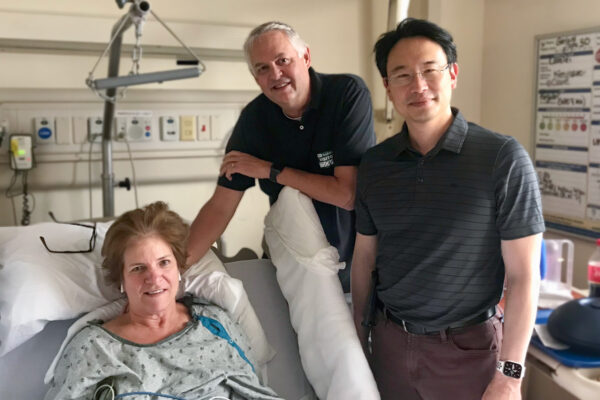
A WashU Medicine-led clinical trial conducted at Siteman Cancer Center has found that a personalized vaccine to treat glioblastoma appears to increase recurrence-free survival in a subset of patients after surgery. Trial participant Kim Garland (left) has had no recurrence of her tumor in the nearly five years since her surgery, which was performed by Albert Kim, MD, PhD (right), the August A. Busch, Jr. Professor of Neurological Surgery at WashU Medicine. Kim’s husband Scott Garland pictured in middle.

A WashU Medicine-led clinical trial conducted at Siteman Cancer Center has found that a personalized vaccine to treat glioblastoma appears to increase recurrence-free survival in a subset of patients after surgery. Trial participant Kim Garland (left) has had no recurrence of her tumor in the nearly five years since her surgery, which was performed by Albert Kim, MD, PhD (right), the August A. Busch, Jr. Professor of Neurological Surgery at WashU Medicine. Kim’s husband Scott Garland pictured in middle.

Kim Garland is a retired school nurse who lives in Kirkwood, Missouri, with Scott, her husband of 31 years. In June 2021, at age 62, Kim was volunteering at a youth camp in Ironton, Missouri, when her daughter-in-law, also volunteering at the same camp, noticed that Kim was struggling with confusion and forgetfulness, as well as headaches that would come and go throughout the day.

“I was forgetting things, things that should have been very obvious,” said Kim.

A scan at a local hospital’s emergency room back in St. Louis revealed a 6.5-centimeter mass in Kim’s brain — about the size of a small avocado. Within the week, Albert Kim, MD, PhD, the August A. Busch, Jr. Professor of Neurological Surgery at WashU Medicine, director of The Brain Tumor Center at Siteman, and co-author of the study, performed the initial surgery to remove her tumor. The grim diagnosis of grade 4 glioblastoma came after the tumor was removed.

When offered the opportunity to participate in a clinical trial, Kim Garland agreed in hopes that her participation would improve future treatments. After receiving this prognosis, both Kim and Scott did not expect that she would be alive with no recurrence nearly five years after her initial diagnosis.

“We know we are fortunate to have the kind of care that Kim has been able to receive, just a 30-minute drive from our home,” Scott said. “We see many other patients who are traveling long distances for their treatments. Having this level of care and treatment so close to home has been a huge blessing.”

With the support of their team, the couple have gained the confidence to make longer-term plans, including a long-delayed vacation this summer and spending quality time with their children and 15 grandchildren — a big change from the week-by-week life they were living in the aftermath of Kim’s initial diagnosis.

“Cancer vaccines have a long history, and the development of personalized neoantigen-targeting therapeutic vaccines now represents a highly compelling approach in glioblastoma and in other cancers,” said co-senior author Gavin Dunn, MD, PhD, a neurosurgical oncologist at Mass General Brigham Cancer Institute. “These programs require a high degree of integrated teamwork, and we are fortunate to have collaborated with many dedicated team members in this effort.”

Kim Garland’s cancer, along with those of the other patients in the trial, was an unmethylated MGMT subtype of glioblastoma, which is particularly hard to treat because it is not responsive to available treatment options such as chemotherapy. Johanns said the next step is to assess the vaccine’s efficacy in a larger group of patients, and to expand the treatment to all types of glioblastomas. The goal of Johanns and his team is to improve the vaccine response to ensure that more patients can experience benefits like those experienced by Kim Garland.

The knowledge that their participation in the trial has potentially advanced care is a comfort to the Garlands, who still need to steel themselves before each follow-up appointment, out of concern that Kim’s tumor could yet return.

“What we’re hopeful for is that through research like this, someday, when another person hears the words ‘you have glioblastoma’ as their diagnosis, it will not cause as much anxiety,” said Scott. “Maybe, they will be told ‘this is the cancer you have, but it is very treatable.’ We are fortunate and blessed to be at the right place and at the right time, to be part of this clinical trial and have a small part in the battle against this terrible disease.”

# # #

Garfinkle EAR, Perales-Linares R, Gimple RC, Livingstone AJ, Kaleigh F. Roberts KF, Butt OH, Goedegebuure. SP, McLellan MD, Chang GS, Hundal J, Yan J, Navarro JB, Paxton SA, Chattopadhyay S, Cooch N, Perales-Puchalt A, Stavroulaki K, Rochestie S, Peters J, Junker B, Campian JL, Chheda MG, Chicoine MR, Kim AH, Willie JT, Zipfel GJ, Dowling JL, Miller CA, Griffith OL, Griffith M, Gillanders WE, Miller, KE, Mardis ER, Sardesai NY, Dunn GP, Johanns TM. Adjuvant personalized multivalent neoantigen DNA vaccination induces tumor-specific immune responses in newly diagnosed glioblastoma patients. Nature Cancer. May 12, 2026. DOI: 10.1038/s43018-026-01163-w

Funding for this study came from the Mark Foundation for Cancer Research Momentum Fellowship, National Institutes of Health (NIH) National Institute of Neurological Disorders and Stroke (NINDS) grants R01NS117149 and R01 NS107833, the Nationwide Foundation Pediatric Innovation Fund, NIH K12CA167540 and The Alvin J. Siteman Cancer Center Investment Program along with The Foundation for Barnes-Jewish Hospital, NIH NINDS R01NS112712 and The Schnuck Family Fund and The Knight and Christopher Davidson Family Fund. Additional study support for development, manufacture, and administration of the treatment and monitoring of the immune responses was provided by Geneos Therapeutics. The content is solely the responsibility of the authors and does not necessarily represent the official views of the NIH.

R.P.L., J.Y., N.C., A.P.P., S.R., J.P., and N.Y.S are either current or previous Geneos Therapeutics employees.

Donor provides gift for blood cancer research

Anita Palmer Corbin learned to meet challenges head-on when she was diagnosed with Type 1 diabetes at age 10 in 1964. Her mother first noticed the symptoms, and after blood tests confirmed a problem, she was admitted to Cardinal Glennon Children’s Hospital in St. Louis, located one hour north of her home in Ste. Genevieve, Missouri. No visitors were allowed except immediate family members, and since both of her parents worked, she was left with few visitors for nearly two weeks while doctors brought her diabetes under control.

From the time of her diagnosis, Anita, who died in 2023, was told she had a disability that would prevent her from living a full life. On the contrary, she never allowed the disease to stand in her way. She enjoyed a more than 20-year career at St. Louis-based Ralston Purina Co., which became Nestlé Purina PetCare after merging with Nestlé in 2011, and became the company’s youngest and first female officer. In her retirement, Anita traveled the world, riding elephants in Thailand, walking with lions in South Africa, and snorkeling the Great Barrier Reef in Australia.

Anita wanted to create a permanent legacy to honor her medical journey and the experiences of family members who faced serious illnesses. Now, an $11 million gift from her trust, which is expected to grow in the coming years, is helping advance critical work at Washington University School of Medicine. The gift established three endowed funds to drive research and develop new treatments for Type 1 diabetes, leukemia, and lymphoma. The funds augment three corresponding spendable funds created by Corbin in 2022.

Anita hoped to inspire all individuals battling a disease to live boldly, says her husband, Daniel Corbin. “She refused to let her diagnosis define her life and didn’t accept it as a limitation to what she could accomplish,” he says. “Every time she talked with other people facing health challenges, she would tell them, ‘You can do anything you want.’ She encouraged them to take ownership of their disease so it didn’t own them. She left a lasting impression on countless lives.”

Innovative treatments for blood cancers

Anita’s gift is also fueling research at the Alvin J. Siteman Cancer Center, based at Barnes-Jewish Hospital and WashU Medicine. The gift established two endowed funds at the cancer center — $7 million for leukemia research and $1.25 million for lymphoma research.

The Trevor Stuart Palmer Memorial Leukemia Endowed Fund pays tribute to Anita’s nephew, who died from the disease shortly after his diagnosis at age 26. She believed if Trevor had received care at a world-class cancer center like Siteman, he would have been accurately diagnosed earlier and obtained lifesaving treatment.

Payout from the fund will further efforts that are part of the School of Medicine’s Specialized Program of Research Excellence (SPORE) in leukemia, a prestigious grant from the National Cancer Institute. The medical school’s SPORE in leukemia is one of only two such programs in the nation.

The leukemia fund currently supports work with patients who have acute myeloid leukemia and myelodysplastic syndrome with mutations in an important gene called TP53. Outcomes for patients with these types of blood cancers are typically poor, with survival rates of less than a year. Researchers in the lab of Dan Link, MD, professor of medicine and principal investigator for WashU Medicine’s leukemia SPORE, have identified a promising new drug combination that selectively kills leukemia cells with TP53 mutations. A clinical trial based on their observations is in development.

The Daniel E. Corbin Lymphoma Research Endowed Fund created by Anita’s gift recognizes the many years of outstanding care Daniel received at Siteman. “When I initially visited another facility, the providers treated many different types of cancer in one room,” he says. “Siteman was a godsend because my entire care team specialized in lymphoma, and I felt reassured that each person was an expert who could solve any problem that might come up.”

This year, the fund’s resources are bolstering efforts led by John DiPersio, MD, PhD, professor of medicine, to improve an immunotherapy technique called CAR-T cell therapy for individuals with a fast-growing non-Hodgkin lymphoma. Investigators are testing different combinations of cytokines, proteins that help activate the immune system, to enhance the ability of CAR-T cells to kill lymphoma cells.


“Siteman is at the forefront of advancing groundbreaking discoveries that revolutionize the way we understand and treat blood cancers,” says cancer center director Timothy Eberlein, MD, who also serves as the Spencer T. and Ann W. Olin Distinguished Professor and senior associate dean for cancer programs at WashU Medicine and BJC HealthCare. “It is through partnerships with forward-thinking philanthropists like Anita that visionary ideas come to life. Investments in our research have the power to save lives and set new standards of care worldwide.”

A remarkable life

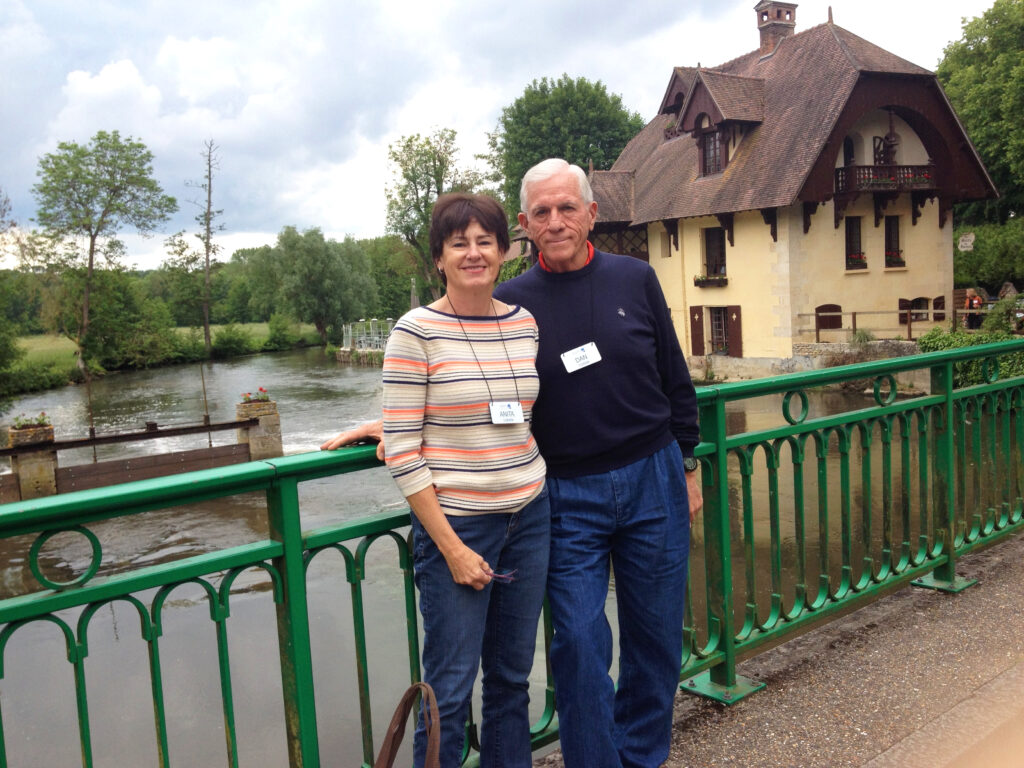
a portrait of a wife and husband over a bridge with a river behind them
Anita Palmer Corbin shared an adventurous spirit with her husband, Dan Corbin. The couple’s many travels included a visit to southern England. (Courtesy photo)

Anita grew up the youngest of four children and the only daughter. As a child, she ran home from school to finish her homework and chores so she had time to play outside. Daniel says her motto was always work first, play second.

Though her family thought it would be difficult for her to go to college, Anita earned her undergraduate degree in accounting from the University of Missouri-St. Louis and received a master’s degree in business administration with a focus on finance from Saint Louis University.

Anita began her career with Ernst and Young LLP and then joined Ralston Purina in 1979 as a senior accountant. She held several positions of increasing responsibility and was named corporate vice president and controller of the company in 1994.

She met Daniel at Ralston Purina, though they did not begin dating until years later after their first marriages had ended. Together, the couple enjoyed logging miles on their motorcycles. Anita was also an avid bicyclist, covering ground from the Blue Ridge Mountains to Florida beaches. Still, she experienced lifelong complications from diabetes, which contributed to her death.

Today, Daniel wears a silver necklace engraved with Anita’s index fingerprint and the inscription “The love of my life, I am a better man and person because of you.” The engraving shows dozens of scars from where she pricked her finger to test her blood.  “Diabetes is a terrible disease,” he says. “If Anita’s gift to WashU Medicine spares even one person from experiencing what she went through, her struggles will have been worthwhile.”

Nussbaum family fuels pancreatic cancer research

When Sam Nussbaum was diagnosed with pancreatic cancer in his 70s, it was no surprise to his family that he chose WashU Medicine for his care. After all, Nussbaum had spent a significant portion of his distinguished career as a physician-scientist and health-care executive at the medical school and BJC HealthCare. And during that time, his family forged a deep connection to WashU.

But the choice did not come out of loyalty. Nussbaum wanted the very latest in cancer care, and he conducted an international search to find it. The pursuit led him to Kian-Huat Lim, MD, PhD, a professor of medicine in the Division of Oncology at WashU Medicine and a medical oncologist at Siteman Cancer Center at Barnes-Jewish Hospital and WashU Medicine. Beyond his clinical skill, Lim is nationally recognized for his innovative and promising bench-to-bedside pancreatic cancer research.

Within months of beginning treatment, Nussbaum and his family — wife, Rhoda; daughters Barrie Kahn Levine and Cara Kahn, AB ’02; and son, Jeffrey — saw the promise of Lim’s science. They decided to support his mission to find effective solutions for this notoriously difficult-to-treat cancer. Although they knew that Sam faced a bleak prognosis, they hoped their support would benefit future patients and their families.

The Nussbaums made their first gift to advance Lim’s work in May 2021, contributing $300,000 in spendable funding to establish the Samuel R. Nussbaum, MD Fund for Innovative Pancreatic Cancer Research within the John T. Milliken Department of Medicine’s Division of Oncology. In November 2024, roughly three years after Sam’s death, they pledged an additional $480,000 to the fund. Their gift fuels WashU’s efforts to promote healthier lives through With You: The WashU Campaign.

“Sam knew that gastrointestinal cancers are significantly on the rise, and he recognized that Dr. Lim is a brilliant scientist,” Rhoda Nussbaum says. “We are fortunate to be able to give back, and we feel strongly that Sam would have wanted us to help other families in this way.”

Their support has enabled Lim to identify several methods used by tumor cells to evade cancer treatment. He has translated those findings into potential new therapies that are currently being tested in multiple national clinical trials. “The Nussbaum Fund has been critical in moving my research forward,” Lim says. “I’m eternally grateful for their support.”

Coming full circle

Barrie Kahn Levine describes her father as a brilliant, well-loved, family-oriented Renaissance man who was passionate about history, architecture, art, gardening, and, of course, biomedicine. Sam Nussbaum began his career at Harvard University, where he spent two decades as a leading endocrinology clinician and researcher. In 1996, he was recruited to St. Louis to serve as executive vice president of medical affairs and system integration at BJC HealthCare. “It was a big deal to move from the East Coast to the middle of the country,” Barrie says. “But our family fell in love with St. Louis and WashU.”

The Nussbaums quickly put down WashU roots. Sam served on the WashU Medicine faculty and taught in Olin Business School’s executive MBA program. Daughter Cara earned a bachelor’s degree from WashU in 2002. Sam and Rhoda, who was a lecturer in communication disorders at Fontbonne University, became close friends with Chancellor Emeritus Mark S. Wrighton and his wife, Risa Zwerling Wrighton. And when family friends visited St. Louis, Sam gave walking tours of the Danforth Campus to show off the beautiful architecture.

“He just loved WashU,” Barrie says. “And our family respected WashU as a pillar of the St. Louis community, so supporting the university was a no-brainer.”

Later, Sam became a nationally acclaimed executive at insurance company WellPoint/Anthem and a consultant for biomedical startups and international health agencies. But he and Rhoda maintained their WashU connection through their philanthropy and leadership.

Over the years, the couple made gifts to the Institute for Public Health and for scholarships across the university. In 2014, the Nussbaums committed $500,000 for new education and research facilities at the Brown School, and they made another $250,000 gift to the school in 2015. In recognition of their generosity, the outdoor space connecting Brown Hall and Goldfarb Hall with Hillman Hall is now known as the Sam and Rhoda Nussbaum Family Plaza. A classroom in Hillman Hall also bears their names. Sam served on the Brown School National Council from 2018 to 2021, and the school posthumously awarded him the Dean’s Medal in June 2022.

The unwanted challenge

A network of support formed around Sam when he began treatment at Siteman Cancer Center during the height of the COVID-19 pandemic. Barrie and Cara temporarily relocated from the East Coast with their young children to maximize time with their father. Friends delivered nightly dinners to the Nussbaums for months, leaving the food on their doorstep. The Wrightons also visited the family regularly.

Sam continued working as much as he could. Meanwhile, he formed a strong partnership with Lim, who shared his latest research findings and helped him consider participation in clinical trials. Sam did not qualify for trials at Siteman but participated in one at Massachusetts General Hospital in Boston and another at Sarah Cannon Research Institute in Nashville, Tennessee.

Sam died from pancreatic cancer on Sept. 23, 2021, at age 73. “Dr. Nussbaum showed strength and grace right to the end,” Lim says. “He was a special man.”

“Interesting” is not enough

Sam was one of the roughly 320 patients treated for pancreatic cancer each year at Siteman, which is one of the nation’s top five centers for pancreatic cancer patient volume. For Lim, treating patients like Sam inspires and guides his research. “For some researchers, ‘interesting’ is enough,” Lim says. “But it’s not enough for me. I have to think about how my research will benefit the patients who have put their trust in me.”

Unfortunately, pancreatic cancer is among the most difficult cancers to treat, with five-year survival rates of around 11%. Lim is determined to push that number much higher. Championing the unconventional idea that pancreatic cancer is an inflammatory disease, he works to understand and address the mechanisms underlying its aggressive behavior and treatment resistance. 

Bolstered by resources from the Nussbaum Fund, Lim and his team have made significant breakthroughs. They recently discovered that a protein called IRAK4 drives inflammation and prevents the immune system from attacking tumors. The team created a method to block IRAK4 and weaken tumor defenses. Their technique is now being tested in a national clinical trial under the National Cancer Institute’s Experimental Therapeutics Clinical Trials Network (ETCTN) led by Patrick Grierson, MD, PhD, an assistant professor of medicine at WashU Medicine and medical oncologist at Siteman. Lim says the early results are promising.

In related work, Lim has pinpointed how pancreatic tumors evade the first-line chemotherapy regimen known as FOLFIRINOX, a combination of drugs that attack pancreatic cancer cells in multiple ways. He is testing a blocking agent that could allow FOLFIRINOX to do its job better and is now evaluating the approach in a national clinical trial funded by a Specialized Program of Research Excellence (SPORE) grant from the NCI. WashU Medicine’s SPORE in pancreatic cancer is one of only three such programs in the country.

A third study involves the HER-2 receptor, a protein on the surface of cancer cells that is perhaps best known for promoting tumor growth in breast cancer. The Lim lab found that pancreatic tumors generate extra HER-2 as a protective mechanism against certain cancer treatments. He and his colleagues are exploiting that behavior by using HER-2 as a conduit to deliver chemotherapy directly to tumor cells. This clinical trial has also been approved by the NCI’s ETCTN and is currently under protocol development.

Lim believes WashU’s strength in cancer research is its ability to innovate. At the same time, the NIH favors research ideas that are well tested. Philanthropy fills the gap by supporting high-risk, high-reward science, he says. The SPORE grant is a prime example. When Lim first began seeing Sam as a patient, he was struggling to get research funding. “The Nussbaum Fund allowed us to gather the evidence we needed to compete successfully for the SPORE, which supports not only my HER-2 research but also two other major projects addressing pancreatic cancer,” Lim says. “The ultimate goal is to cure pancreatic cancer. I’m hopeful that we will increase survival significantly within the next decade or two.”

Finding solace

Seeing firsthand how philanthropy can push science toward a cure has been gratifying for Cara Kahn. “It feels like Dr. Lim is so close — like he’s on the cusp of something big,” she says. “He’s a hero in our eyes.”

The family’s philanthropic experience also helps them cope with their loss. “It gives you a level of control over something that feels so out of control,” says Barrie, who hopes their story will inspire others to give. “Our dad taught us that research is the cornerstone of medical breakthroughs. It’s critical to support this work, especially now. Philanthropy has never been more important.”

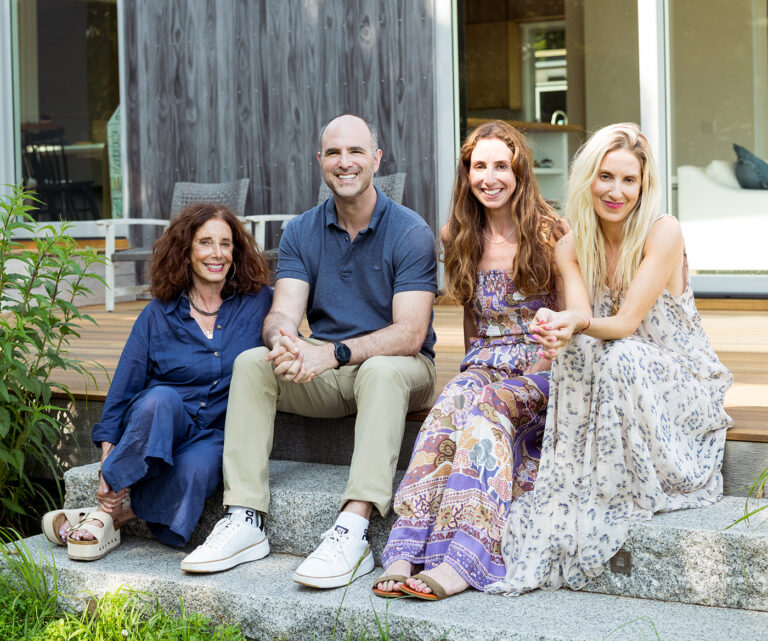
A family portrait in the backyard of a house on a sunny day
Rhoda Nussbaum, far left, and her children, from left, Jeffrey, Barrie, and Cara, hope their support for research conducted by Kian-Huat Lim, MD, PhD, at WashU Medicine and Siteman Cancer Center will improve outcomes for patients facing pancreatic cancer diagnoses. (Photo: Christine Sargologos)

Puram Elected to American Society for Clinical Investigation

Sidharth (Sid) V. Puram, MD, PhD, co-director of The Robert Ebert and Greg Stubblefield Head and Neck Tumor Center at Siteman Cancer Center, has been elected to the American Society for Clinical Investigation (ASCI), one of the nation’s oldest and most respected medical honor societies. Siteman is based at Barnes-Jewish Hospital and WashU Medicine, where Puram also is the Lindburg Professor and chair of the Department of Otolaryngology – Head and Neck Surgery.

The ASCI focuses on the special role of physician-scientists in research, clinical care and medical education, as well as their leadership in academic medicine and industry.

Founded in 1908, the ASCI recognizes early- to mid-career physician scientists who have made significant contributions to translational or clinical research. Election is a recognition of outstanding scholarly achievement and impactful, sustained work that advances the understanding, diagnosis or treatment of human disease.

Puram has advanced scientists’ understanding of tumor growth, treatment resistance and metastasis in head and neck cancers — discoveries that have opened new options for treating these challenging tumors. His research explores the complex ecosystem of diverse cells within a tumor and how they communicate with one another, using single-cell and spatial analyses to understand tumors in exquisite detail. His work has helped define the cellular and molecular diversity within head and neck cancers, informed several innovative clinical trials and identified potential therapeutic targets to improve patient outcomes.

He was one of three WashU Medicine physicians elected to the society this year. The others are Suzanne E. Schindler, MD, PhD, an associate professor of neurology, and Christopher D. Smyser, MD, the A. Ernest & Jane G. Stein Professor of Developmental Neurology and chief of the Division of Pediatric & Developmental Neurology.

Their election to ASCI highlights WashU Medicine’s strength in supporting physician-scientists who bridge laboratory research and clinical care. Puram, Schindler and Smyser were formally inducted at the 2026 annual joint meeting of the ASCI, the Association of American Physicians and the American Physician Scientists Association in Chicago.

They are among seven WashU Medicine physicians who have been elected to the ASCI since 2012. Of the seven, four are affiliated with Siteman Cancer Center or Siteman Kids at St. Louis Children’s Hospital: Puram, Jorge A. Di Paola, MDPatricia Dickson, MD, and Angela Hirbe, MD, PhD.

Grants Bolster Research on Myelodysplastic Syndromes

Foundation awards $1.5 million total in grants to WashU Medicine researchers at Siteman Cancer Center to advance precision diagnosis and treatment for patients with myelodysplastic syndromes

The Edward P. Evans Foundation has awarded separate three-year Discovery Research Grants to Jeremy Baeten, PhD, an assistant professor of medicine, and Matthew Walter, MD, the Edward P. Evans Endowed Professor of Myelodysplastic Syndromes, both in the Division of Oncology at WashU Medicine. Walter treats patients at Siteman Cancer Center, based at Barnes-Jewish Hospital and WashU Medicine. He and Baeten are research members at Siteman.

The awards, which total $1.5 million, represent an investment in research that is advancing the field of myelodysplastic syndromes (MDS), a group of blood cancers characterized by low blood cell counts.


Baeten aims to improve treatments for patients who have MDS with mutations in an important gene called TP53, which causes resistance to current therapies. Baeten will study how a new drug combination kills these cancer cells better than available drugs and how blocking another gene might make these treatments even more effective.


Walter will explore using whole-genome sequencing to monitor mutated blood cells in patients with MDS or clonal cytopenias of undetermined significance, a disease that predisposes patients to developing MDS, including tracking whether changes in mutations are linked to disease progression. The funding also will help advance his work in collaboration with Kelly Bolton, MD, PhD, an assistant professor of medicine in oncology and a Siteman research member, to examine how mutated cells respond to targeted treatments, which could help guide more personalized treatment choices.

The Edward P. Evans Foundation previously provided grant funding to WashU Medicine, including support for Baeten and Walter. In 2019, the foundation established the Edward P. Evans Center for Myelodysplastic Syndromes at WashU Medicine, one of four MDS-supported centers nationally. The foundation also funded the endowed professorship that Walter holds.

Siteman Cancer Center Prevention Expert Named Guggenheim Fellow

With the prestigious award, Yin Cao, ScD, MPH, will write a book examining why cancers are increasingly occurring earlier in life — and how this shift can be better understood, communicated and prevented.

Yin Cao, ScD, MPH, has been named a 2026 Fellow of the John Simon Guggenheim Memorial Foundation, one of the nation’s most prestigious honors recognizing exceptional scholarship and creativity.

Selected from nearly 5,000 applicants as part of the foundation’s 101st class of fellows, Cao is recognized for her leadership in integrating data science, cancer etiology and population health. She is a molecular epidemiologist and an associate professor of surgery and of medicine in the Public Health Sciences Division at WashU Medicine and a research member of Siteman Cancer Center, based at Barnes-Jewish Hospital and WashU Medicine.

This year’s class of 223 distinguished honorees work across 55 disciplines, each awardee selected based on past career achievements and exceptional promise. Cao is one of only two fellows recognized in data science.

“Our new class of Guggenheim Fellows is representative of the world’s best thinkers, innovators and creators in art, science and scholarship,” said Edward Hirsch, award-winning poet and president of the Guggenheim Foundation. “As the foundation enters its second century and looks to the future, I feel confident that this new class of 223 individuals will do bold and inspiring work, undaunted by the challenges ahead. We are honored to support their visionary contributions.”  

Cao leads a research program focused on one of the most urgent questions in modern health: why cancers are rising among younger adults. Anchored in a multidimensional lens spanning exposures, tissues, life stages and populations, her group integrates epidemiologic and biological insights, empowered by data science, to uncover life course risk factors that contribute to cancer risk and tumor progression in younger generations

In recent work, Cao has highlighted the need to transform how cancer risk factors are discovered for prevention. In a perspective in Cell, she and colleagues proposed new interdisciplinary frameworks to accelerate the discovery of cancer causes in the era of rising early-onset cancers. These frameworks for integrating population research, mechanistic biology and data science to understand how exposures accumulate over time, interact across biological systems and shape disease risk long before diagnosis.

“I am deeply honored to receive this Guggenheim Fellowship,” Cao said. “It provides the rare space to think more deeply and creatively about what is needed for the community and to tell a bigger, more connected story — one that brings together science, patients and the public. Our goal is not only to understand why cancer is rising, but to change its trajectory, so fewer young people develop cancer and more are diagnosed earlier and live longer, healthier lives. We cannot achieve this alone, and progress will depend on working together across disciplines and communities.”

Building on years of work she has led to uncover the causes of early-onset colorectal cancer and advance earlier diagnosis in younger populations, Cao now leads a $25 million international initiative through Cancer Grand Challenges, a global team science initiative co-founded by Cancer Research UK and the National Cancer Institute (NCI), part of the National Institutes of Health (NIH). With support from the Guggenheim Fellowship, her work will bring this urgent scientific question into a broader public conversation — providing clear, evidence-based understanding to patients, families and communities, helping to strengthen public trust and highlighting prevention as an increasingly important priority for younger generations.

Siteman Catalyst Awards Support Groundbreaking Science

Four researchers receive new funding to explore brain‑sparing radiation, smarter leukemia drugs, better BRCA1 risk prediction and new strategies against aggressive pancreatic cancer

Four WashU Medicine researchers at Siteman Cancer Center, based at Barnes-Jewish Hospital and WashU Medicine, have received Siteman Catalyst Awards to pursue innovative ideas that could change how cancers are detected and treated.

Each awardee is receiving $100,000 for an early-stage project that is too new for traditional funding but has strong potential to benefit patients. Together, these efforts aim to move promising science from the lab toward real advances in cancer care.

The researchers are:

  • Adam Bauer, PhD, associate professor of radiology and of biomedical engineering, who aims to better protect memory and cognitive ability in people who need whole-brain radiation.
  • Alireza Ghanbarpour, PhD, associate professor of biochemistry and molecular biophysics, who is researching a new weak point in leukemia cells’ energy machinery, which could lead to new therapies.
  • Priyanka Verma, PhD, associate professor of medicine, who seeks to improve how doctors interpret BRCA1 gene changes that affect breast cancer risk, information that could sooner mitigate the chances of breast cancer development.
  • Max Wattenberg, MD, associate professor of medicine, who is studying new ways to treat pancreatic cancer that has spread to the lining of the abdomen.

Please see below for more details on each project.

Reducing Radiation Induced Cognitive Decline Through Inhibiting Neuroinflammation

Principal Investigator: Adam Bauer, PhD

Goal: To determine whether a drug called azeliragon can help protect memory and thinking after whole-brain radiation treatment


Summary: Many brain tumor survivors experience progressive and disabling cognitive decline within months of radiotherapy, leading to impairment and reduced quality of life. The underlying mechanisms are not fully understood, and there are currently no strategies to accurately predict, monitor or prevent this decline. This project will leverage novel optical neuroimaging to establish how radiotherapy and neuroinflammation separately influence brain activity in mice to determine early biomarkers of radiation-induced cognitive decline. Researchers will also determine whether inhibiting radiation-induced neuroinflammation using a novel drug prevents cognitive decline and corresponding changes to neuroimaging biomarkers. Their long-term goals are to develop neuroimaging-based biomarkers to predict cognitive decline in brain tumor survivors after radiotherapy and to develop novel, preventative treatments for brain tumor patients.

Elucidating the Molecular Mechanisms of Mitochondrial Protein Degradation in Cancer

Principal Investigator: Alireza Ghanbarpour, PhD

Goal: To understand how a special protein called ClpXP supports survival in leukemia cells. By better understanding how this process works, researchers will have the knowledge to guide the development of new cancer therapies for leukemia


Summary: Cancer cells require large amounts of energy to grow and divide rapidly. To meet this demand, they rely heavily on mitochondria, the structures in cells that produce energy. Because mitochondria in cancer cells operate under high stress, they depend on systems that remove damaged proteins and maintain mitochondrial function. One such system is ClpXP, a molecular machine that keeps mitochondria healthy by identifying and destroying damaged or unnecessary proteins. Cancer cells appear to depend on ClpXP more than normal cells, meaning that blocking its activity could selectively harm cancer cells while causing fewer side effects in healthy cells. This project will identify the mitochondrial proteins controlled by ClpXP and determine how this system recognizes and destroys its targets, which may help guide the development of new cancer therapies.

Defining the Pathogenicity of BRCA1 Germline Mutations in Predisposition to Breast Cancers

Principal Investigator: Priyanka Verma, PhD

Goal: To develop a platform to predict breast cancer preposition risk in individuals with mutations in the BRCA1 gene


Summary: This project aims to develop ways by which an individual’s genetic information can be used to predict if they are more susceptible to developing breast cancers as compared to general population. Having this information in a timely manner can be used to undertake available preventive measures to mitigate the chances of breast cancer development.

Investigating Peritoneal Anti-Metastatic Programs in Pancreatic Cancer

Principal Investigator: Max Wattenberg, MD


Goal: To understand how the immune system interacts with pancreatic cancer cells in the peritoneum (the lining of the abdomen) and find new ways to treat cancer that spreads to these sites

Summary: Pancreatic cancer often spreads to the peritoneum, the lining of the belly, causing serious health problems such as pain, bowel obstruction and fluid buildup. These sites of cancer spread are hard to treat because they resist current drugs, and there are no effective treatments specifically for them. This project uses studies with mice and patient samples to examine how pancreatic cancer cells and the body’s immune system interact in the peritoneum. By understanding these interactions, researchers hope to develop new treatments to help the immune system better fight pancreatic cancer.

mRNA Technology Opens Doors for Potential New Ways of Preventing and Treating Cancer

WashU Medicine researchers at Siteman Cancer Center are leading next-generation cancer vaccine development.

The advent of mRNA vaccines against SARS-CoV-2 in 2020 changed the course of the COVID-19 pandemic. Now, the Nobel-prize–winning technology is being adapted to fight cancer, with mRNA vaccines in clinical trials for melanoma, small cell lung cancer and bladder cancer, among others, opening the door to new ways of preventing and treating the disease.

Scientists assumed that one specific immune cell subtype was required for mRNA vaccination to activate the immune system. But WashU Medicine researchers at Siteman Cancer Center show in a new study in mice that even without these cells, the mRNA vaccine still triggers strong cancer‑killing responses. That’s because, they found, a cousin to this subtype of immune cell can also stimulate anti-tumor immune activity — an unexpected finding given that this related subtype is not involved in responses to other vaccines.

The findings are published April 15 in Nature, offering a deeper understanding of how the immune system responds to mRNA vaccination and guiding the optimal design of a cancer vaccine.

“There is a lot of interest in applying the mRNA vaccine approaches used during the COVID-19 pandemic to the problem of inducing anti-tumor immunity,” said senior author Kenneth M. Murphy, MD, PhD, the Eugene Opie Centennial Professor of Pathology & Immunology at WashU Medicine and a leader in cancer research at Siteman Cancer Center. “By dissecting which immune cells are involved and how they coordinate the response, we’re offering vaccine developers some additional mechanistic insights to consider in their goal of optimizing these vaccines against tumor proteins.”

Unconventional immune pathway

mRNA vaccines work by delivering instructions, in the form of messenger RNA biomolecules, for immune cells to produce bits of protein that trigger the immune system to destroy cells bearing these proteins. So-called dendritic cells produce the protein bits from the mRNA instructions, and T cells — another immune cell — are the ones that seek and destroy. mRNA vaccines can be designed to generate protein bits unique to a tumor so that T cells eliminate those cancerous cells.

cDC1, a classical type 1 dendritic cell, has long been known to be an effective teacher, priming T cells to attack cells infected by a virus. But less is known about how T cells become activated after an mRNA vaccine, whether against a virus or a tumor. In collaboration with the study’s co-corresponding author William E. Gillanders, MD, the Mary Culver Professor of Surgery at WashU Medicine and a leader in cancer research at Siteman Cancer Center Murphy and members of his lab used mouse models that lacked cDC1 or a related cell subtype known as cDC2 to tease out the role that different groups of dendritic cells play in priming T cells after mRNA cancer vaccination.

Gillanders, a physician-scientist and surgical oncologist who also has developed an investigational vaccine against triple-negative breast cancer, treats patients at Siteman Cancer Center.

The researchers found that mice immunized with an mRNA vaccine generated strong T-cell responses even in the absence of cDC1s. In addition, they found that immunized mice without cDC1s were able to clear sarcoma tumors — cancers that develop in connective tissues such as fat, muscle, nerves, blood vessels, bone and cartilage. This indicated that some other cell type must be stimulating the T-cell response.

Indeed, their study found that cDC2s also participate in generating an immune response from T cells and preventing tumor growth. The study also found that T cells turned on by cDC1s and cDC2s each showed slightly different molecular “fingerprints.” These differences could help scientists design better versions of vaccines in the future.

Similarly, immunized mice lacking cDC2s and mice that had both cell subtypes produced an immune response and rejected tumor growth, demonstrating that mRNA vaccination uses both dendritic cell subtypes to stop cancer.

Further investigation of cDC2s suggested they activate T cells through an outsourcing process that relies on other cells to use the mRNA instructions to make the protein, chop it up and present small fragments on its surface. Once the protein is processed and presented, those cells then transfer the membrane complex that holds the fragment in place on the cell’s surface to the cDC2 to engage with the T cells — through an already-known process referred to as “cross dressing.”

“This work uncovers a new way mRNA vaccines engage the immune system — through both cDC1 and cDC2 — which helps explain their power and gives researchers concrete targets for making future mRNA cancer vaccines more effective,” Gillanders said. “It could improve vaccine formulation and dosing, potentially explain why some patients respond better to vaccines than others and guide strategies for making vaccines more effective.”

Siteman Cancer Center Experts to be Recognized, Present Key Research at AACR Annual Meeting

Two WashU Medicine physician-scientists will be honored, and 30 faculty members and others will present findings at the American Association for Cancer Research (AACR) Annual Meeting 2026, taking place April 17-22 in San Diego.

At the American Association for Cancer Research (AACR) Annual Meeting 2026, WashU Medicine scientists and physician-researchers at Siteman Cancer Center are demonstrating the scale, depth and translational impact of cancer research. With national leadership represented across scientific presentations, prestigious honors and governance of one of the field’s leading research organizations, Siteman’s presence at AACR underscores its role as a driving force in advancing cancer outcomes worldwide.

More than 20,000 scientists, clinicians, other health care professionals, survivors, patients and advocates gather at the annual conference each year to share and discuss the latest breakthroughs. Topics range from population science and prevention to cancer biology, translational and clinical studies to survivorship and advocacy.

Thirty WashU Medicine faculty members, fellows and others associated with Siteman Cancer Center will present their findings this year. They include two researchers who will each receive one of AACR’s highest honors and a third who will be installed as one of the newest members of the AACR Board of Directors.

“Siteman Cancer Center is proud to continue our strong presence at the AACR Annual Meeting, where collaboration and discovery are accelerating progress against cancer at an unprecedented pace,” said Timothy J. Eberlein, MD, director of Siteman, which is based at Barnes-Jewish Hospital and WashU Medicine in St. Louis. “The work our researchers are sharing reflects not only scientific excellence, but also a deep commitment to improving outcomes for patients everywhere. Being part of this global exchange of ideas helps ensure that innovations developed here can translate into real-world impact for the communities and individuals we serve — and beyond.” 

Prestigious Awards for Two Internationally Renowned Siteman Cancer Center Investigators

Two preeminent WashU Medicine physician-scientists from Siteman will be honored with prestigious awards at the ACCR Annual Meeting:

John F. DiPersio, MD, PhD, the Virginia E. and Sam J. Golman Professor of Medicine and director of the Center for Gene and Cellular Immunology, will receive the ACCR’s Award for Outstanding Achievement in Blood Cancer Research.

Internationally recognized for oncology research and clinical breakthroughs, DiPersio is a pioneer in advancing treatment options in hematologic malignancies such as leukemia as well as advances in stem cell transplantation and cellular immunotherapy. His work has been essential to the development of the hematopoietic stem cell mobilizing agents plerixafor and motixafortide. Among his most recent accomplishments is an innovative immunotherapy for rare and aggressive types of blood cancer — called WU-CART-007 — that received Breakthrough Therapy designation by the U.S. Food and Drug Administration in March. DiPersio will lecture at the AACR Annual Meeting on the latest advances in leukemia biology and emerging cellular therapies.

Award Presentation: AACR Award for Outstanding Achievement in Blood Cancer Research
Lecture: Killing the bad without the good: CART for T-cell malignancies
When: April 21, 4:15-5 p.m. PT
Where: Room 30, San Diego Convention Center


Kenneth M. Murphy, MD, PhD, will be presented with the ACCR-Cancer Research Institute (CRI) Lloyd J. Old Award in Cancer Immunology. The award recognizes scientists whose outstanding research has a major impact on the understanding of cancer. Murphy, the Eugene Opie First Centennial Professor in pathology and immunology at WashU Medicine, is credited for groundbreaking research showing how different types of dendritic cells develop and take on specific roles in controlling the body’s immune responses. He uncovered the genetic “programs” that tell immature cells to become specific kinds of dendritic cells, including discovering how a gene called BATF3 helps create a specific dendritic cell that is critical for activating “killer” T cells to destroy infected or cancerous cells. His work has been noted as not only advancing but also reshaping the field of cancer biology and immunology. His latest paper, published April 15 in Nature, shows how mRNA technology further opens doors for potential new ways to prevent and treat cancer.


Award Presentation: ACCR-Cancer Research Institute (CRI) Lloyd J. Old Award in Cancer Immunology
Lecture: DC subsets: Why so much specialization?
When: April 21, 3-3:45 p.m. PT
Where: Room 30, San Diego Convention Center

Leading Scientist Joins AACR Board of Directors

Sheila A. Stewart, PhD, Associate Director for Basic Science and Co-Leader of the Mechanisms of Cancer Biology Program at Siteman Cancer Center, was recently elected to the AACR Board of Directors and will begin her official duties at the annual meeting.

A leading cancer scientist, Stewart also is the Gery Cori Professor and Vice Chair of the Department of Cell Biology and Physiology at WashU Medicine. She studies how age-related changes to noncancerous cells called stroma modulate immune responses and promote the development of cancer. As a board member, Stewart will help oversee the strategic direction and governance of the AACR, one of the world’s largest cancer research organizations.
In addition to her board installation, Stewart will chair a discussion on cancer therapy-induced comorbidities and present specifically on chemotherapy-induced neuropathy.

Chair: Session ED01 – The Dark Side of Cancer Therapies: Therapy-Induced Comorbidities Across the Lifespan
Presentation: Therapy-induced senescence drives chemotherapy-induced neuropathy
When: April 17, 3-4:30 p.m. PT
Where: Room 28, San Diego Convention Center

Other Notable Key Presentations

Multiple other researchers from Siteman and WashU Medicine will present lectures and key findings during the AACR Annual Meeting on topics such as:

  • Advances in immunotherapies
  • Novel therapeutics, combination drug therapies and new cellular drug targets
  • Multiomic insights for next generation cancer research
  • Cancer prediction models
  • Radiomics and artificial intelligence in medical imaging
  • Oncology clinical trial updates

Below are highlights. All presentations will be at the San Diego Convention Center.

Friday, April 17


Li Ding, PhD, the David English Smith Distinguished Professor of Medicine, Section Director of Computational Biology, and Assistant Director of The McDonnell Genome Institute at WashU Medicine


Ding will discuss how ecological and evolutionary principles, combined with the extensive data resources of the Human Tumor Atlas Network, are informing new strategies to predict and overcome tumor progression and therapy resistance. She is lead investigator of the HTAN at WashU Medicine.

Presentation: From precancer to metastasis: Evolution and microenvironment of breast and prostate tumors
When: 3:36-3:56 p.m. PT
Where: Room 30

Sunday, April 19


Graham A. Colditz, MD, DrPH, the Niess-Gain Professor of Surgery and Chief of Public Health Sciences at WashU Medicine and Associate Director of Prevention and Control at Siteman Cancer Center

Presentation: Translating absolute risk of breast cancer into screening frequency: A framework to guide precision screening
When: 1:05-1:25 p.m. PT
Where: Room 5

Monday, April 20

Carl DeSelm, MD, PhD, associate professor of radiation oncology at WashU Medicine

Presentation: 4008 – A novel, first in class chimeric antigen receptor dendritic cell platform driving broad and durable antitumor immunity in solid tumors
When: 3:05-3:20 p.m. PT
Where: Ballroom 20 AB

Xue-Yan He, PhD, Assistant Professor of Cell Biology & Physiology at WashU Medicine


Presentation: 4080 – The neural bridge: Stress-remodeled enteric nervous system (ENS) in the colitis-cancer transition
When: 3:05-3:20 p.m. PT
Where: Ballroom 6 CF

About Siteman Cancer Center

Siteman Cancer Center is one of only a few cancer centers to receive the highest rating of the National Cancer Institute (NCI) — “exceptional.” Comprising the cancer research, prevention and treatment programs of Barnes-Jewish Hospital and WashU Medicine in St. Louis, Siteman treats adults at six locations, including the new Gary C. Werths Building for outpatient care and an inpatient hospital on the Washington University Medical Campus, and partners with St. Louis Children’s Hospital in the treatment of pediatric patients at Siteman Kids. All locations offer patient-focused, multidisciplinary care driven by scientific breakthroughs and powered by WashU Medicine physicians.

Quick Facts

  • Established in 1999, Siteman is recognized as a leading cancer center by its peers and the NCI.
  • Every year, 75,000+ people are treated at Siteman, including 12,000+ who are newly diagnosed.
  • Siteman is powered by 600+ WashU Medicine physicians and scientists focused on the latest in cancer treatment and research.
  • With 9,000+ patients enrolled every year in 1,600+ clinical research studies, including 600+ therapeutic clinical trials, Siteman offers access to investigational therapies not generally available to the public.
  • Siteman has held NCI’s highest rating — “exceptional” — since 2015, based on a rigorous review of its research programs.
  • Siteman is also proud to receive more than $185 million annually for basic and clinical oncology research grants, including $66 million from the NCI, funding 1,400+ research projects. This includes three Specialized Programs of Research Excellence (SPORE) grants, for endometrialleukemia and pancreatic research.
  • In 2024, WashU faculty at Siteman filed for 198 patents.
  • WashU Medicine has the second-largest research funding portfolio from the National Institutes of Health (NIH) among U.S. medical schools.