


- Home
- Research
- Specialized Programs of Research Excellence (SPORE) at Siteman Cancer Center
- SPORE in Pancreatic Cancer
SPORE in Pancreatic Cancer
The Washington University Pancreatic Cancer SPORE is one of only three SPOREs in the nation. Pancreatic cancer is the third leading cause of cancer death in the United States. Only 24% of pancreatic cancer patients survive >1 year from diagnosis, and only 12.5% live for 5 years. Across all BJC locations, physicians evaluate and treat around 450 pancreatic cancer patients per year.
Washington University’s Pancreatic Cancer SPORE is designed to address the deadliest form of pancreatic cancer, pancreatic ductal adenocarcinoma (PDAC), by collaborating with multiple departments, programs and other institutions in interdisciplinary translational research. The Pancreatic Cancer SPORE investigators have expertise in basic and clinical sciences, and individual expertise in immunology, drug development, genomics and imaging to develop novel therapeutic approaches to PDAC.
Pancreatic Cancer SPORE Director: David DeNardo, PhD
Our translational research program possesses both breadth and depth. Our team has repeatedly demonstrated its ability to translate basic science discoveries to therapeutic approaches. Recent examples of this ability include advances in our understanding of the tumor micro-environment (TME) or tumor-mediated immune suppression, which have successfully moved from discovery to preclinical models and ultimately into clinical trials.. The Washington University SPORE in Pancreatic Cancer at Siteman Cancer Center includes patients with all disease stages, and its trials are led by many investigators from multiple disciplines. The clinical program is well established, and our growing reputation has facilitated academic and clinical partnerships, leading to numerous clinical trial opportunities. Since the SPORE’s inception, over 1,254 pancreatic cancer patients have been enrolled in a clinical trial. Thirty eight percent (476 patients) of these patients participated in one or more therapeutic trials).
The Pancreatic Cancer SPORE includes four research programs, an administrative core and two shared resource cores, and research opportunities for collaboration including developmental research and career enhancement programs. Clinical trials are an important and active part of the Pancreatic Cancer SPORE. The long-term goal of the Pancreatic Cancer SPORE is to improve PDAC patient survival. To achieve this goal, our SPORE will collaborate both within Washington University and with external institutions. Our investigators expect no singular approach to solve PDAC and fully commit to supporting young investigators and evaluating new ideas. Our SPORE will provide access to pancreatic cancer-specific resources to further this goal.
For any additional information about the Pancreatic Cancer SPORE, please contact David DeNardo at [email protected] or Christina Kasting at [email protected].
Project 1 Co-Leaders
David DeNardo, PhD and Katrina Pedersen, MD
Project 2 Co-Leaders:
William Gillanders, MD, Robert Schreiber, PhD and William Hawkins, MD,
Project 3 Co-Leaders:
Kian Lim, MD and Gregory Beatty, MD, PhD
SPORE Shared Resources (Cores)
Directors: David DeNardo, PhD
Our Pancreas SPORE brings together a diverse group of talented investigators committed to understanding and treating pancreatic ductal adenocarcinoma. The goal of the Administrative Core is to provide executive oversight and administrative support for all of the Pancreatic Cancer SPORE projects and cores. The Administrative Core facilitates communication among the component activities of the SPORE, serves as the home for pancreatic cancer advocate activities, and provides an organizational portal for collaborations outside the SPORE. The Administrative Core also monitors the activities of all program components, ensures compliance with local and federal grant administration guidelines, and facilitates communication and collaboration among program members.
The specific goals of the Administrative Core are outlined below:
- Facilitate intra- and inter-SPORE communication and collaboration including development and maintenance of this website to provide real-time progress updates and contact information. In addition, the core plans and executes bi-monthly working group meetings, monthly Steering Committee meetings, and an annual retreat to facilitate the exchange of ideas and the use of shared resources.
- Provide administrative and fiscal oversight and support for all SPORE components. The Administrative Core interacts with Washington University’s Grants and Contracts Office and the National Cancer Institute staff to prepare and submit annual progress reports and complete other projects as needed.
- Coordinates all SPORE-related meetings. The Administrative Core coordinates the External Advisory Board and Internal Advisory Board meetings, attendance at the annual SPORE workshop, and monthly SPORE Steering Committee meetings.
- Coordinates SPORE Developmental Research Program administrative activities through soliciting and coordinating the review of pilot project applications.
- Coordinates the SPORE Career Enhancement Program. The Administrative Core assists with recruiting and monitoring candidates and awardees in this program.
- Assists investigators with preparing scholarly presentations, publications, regulatory documents and all other SPORE-related products.
- Enhances participation of underrepresented minorities in all SPORE activities.
- Ensures that advocacy issues are properly addressed and included in all aspects of research with patient participants.
The Administrative Core is a shared resource within the pancreas SPORE and will provide the necessary administrative support for the translational projects and cores.
Directors: Liang Kang, MD, PhD and Roheena Panni, MD, MPHS
The controlled collection and processing of clinical specimens from patients with PDAC is a critical activity for an efficient and comprehensive program in translational research in the pancreas SPORE. Accordingly, the Biospecimen Core has one overarching aim: We will collect, store, process and distribute biospecimens from all patients with a diagnosis of PDAC seen at this institution to facilitate biospecimen-based translational research.
Our investigators collect malignant cell populations from tumors (from pre-surgical and surgical biopsies) along with normal pancreas, pre-malignant pancreatic lesions and peripheral blood from PDAC patients. Serum and plasma are collected for correlative and future studies. Specimens are collected throughout each patient’s disease course (initial presentation, pre-treatment, post-treatment/follow-up), and, where appropriate, archival specimens from previous biopsies/etc. are retrieved. Specimens are processed to cellular RNA, genomic DNA, whole genome amplified DNA and protein extracts as required for each study. Cellular populations can also be frozen or immediately processed for patient-derived xenograft and/or cell line derivitization/creation. A tissue microarray (TMA) has been created and will be expanded, creating an important resource for future studies. Importantly, all specimens used for research are extensively and accurately annotated with clinical (pre-treatment, treatment and follow-up) data utilizing the bioinformatics infrastructure at our institution. Expert pathologic review from a dedicated GI pathologist will ensure high-quality annotation.
The aims of the Biospecimen Core are accomplished by expanding the scope of a well-established Cancer Center Tumor Bank and an on-going, funded effort to collect solid gastrointestinal malignancies at our institution. Specifically, the Biospecimen Core will expand the number of PDAC patients from whom biospecimens will be collected, and serve as a conduit (through data and specimen sharing) to allow for a broader variety of translational research studies in PDAC malignancies, using new and previously banked biospecimens.
The Biospecimen Core is responsible for the identification, enrollment and collection of specimens from adult patients referred to the Siteman Cancer Center (SCC) with newly diagnosed PDAC. The pathologic material from these patients will be banked utilizing our existing collaboration with the SCC Tissue Procurement Core, drawing on caTissue and other informatics resources developed by the Center for Biomedical Informatics. Clinical data will be annotated and prospectively maintained in a robust clinical database. The Biospecimen Core is integrated with and extends the success of our existing Solid Tumor Tissue Bank and Registry, which was established by the Biospecimen Core (PI Fields) in 2011, to serve as a platform for the investigation of solid tumor pathogenesis.
Available Resources: Tissue MicroArrays (TMAs) Pancreatic Tumors Bloods Animal Models Please contact Jacqueline Mudd for specimen requests at 314-362-2678 or [email protected] with the completed biospecimen request form. Request Form for Biospecimens *Please note requests are honored through a peer-review process.
Directors: Graham Colditz, MD, DrPH, and Esther Lu, PhD
The Biostatistics Core provides the statistical design, data management and computational support for all Pancreatic Cancer SPORE investigators and projects. The Biostatistics Core staff will support consultation and collaboration on all aspects of study design, database development and quality control, and analysis, interpretation and presentation of data. The statisticians, epidemiologist and the database manager participating in the Biostatistics Core have a strong record of collaboration, and have been specifically chosen for their broad range of expertise in and experience with clinical trials, laboratory experiments, genetics and genomics research, and epidemiology studies. Our members have participated regularly in planning meetings in which the scientific goals and research methods of the SPORE projects were discussed.
The specific aims of the Biostatistics Core are to provide statistical input to the pancreas SPORE and, by so doing, to ensure a strong collaborative process. The Biostatistics Core will promote interaction among the projects and pilot studies. Through participation in specific projects and leadership activities, the interrelationships and synergy with the investigator team will accelerate the acquisition of knowledge beyond that which would be expected if these projects were implemented individually, or with research teams that were not interdisciplinary.
The Biostatistics Core has the following specific aims:
- Provide ready access to statistical expertise and computing consultation to the Pancreatic Cancer SPORE.
- Provide biostatistical/epidemiological expertise for the planning, analysis and reporting of laboratory experiments, epidemiology studies, and clinical trials and links to the bioinformatics core resources for microarray data and high-throughput genomics data processing as needed.
- Advise and support pancreas SPORE investigators and their data collectors (technicians, nurses, data managers, etc.) in the areas of data form design, data collection, record abstraction, computerization, database designing and management, and data quality control.
- Provide the scientific computing expertise required to meet the data management and analytical needs of pancreas SPORE investigators, and support interpretation and presentation of data.
The Biostatistics Core provides pancreas SPORE investigators with the ability to design and analyze studies that can then be linked to Shared Resources from the Siteman Cancer Center, Clinical Trials Office, Bioinformatics Solutions, and Genome Technology Access Center. These resources can be leveraged for data form creation and uniform adverse event reporting, Tissue Procurement for sample storage and management (caTissue and related informatics), output from high-throughput genomic assays, and the expertise, tools, and analytic pipelines to streamline analyses and interpretation. The Biostatistics Core supports studies across the entire spectrum, from basic research to clinical translational trials.
Clinical Trials in Pancreas Cancer
Clinical trials are research studies that provide hope for patients with cancer. These trials give patients access to new treatment therapies including new drugs or new ways to use existing drugs. They also include new radiation therapies, new surgical procedures, and new ways to combine different cancer treatments.
The ultimate goal of each clinical trial is to find new and improved ways to safely and effectively treat cancer. Clinical trials are important to patients because they give access to treatment that would not be provided otherwise. In addition, they are important because they help get drugs approved and more easily accessible for future patients.
If you are interested in learning more about the Pancreas SPORE clinical trials, you should ask your doctor or nurse if a clinical trial is available and appropriate for you. Below are current clinical trials the Pancreas SPORE investigators are researching.
Programs
Director: William Gillanders, MD
Program Application Information
The Pancreas SPORE will fund one to two investigators per year for the life of the SPORE. The 2026 deadline for applications is May 15, 2026. The award will be $75,000-$100,000 per year for up to two years, beginning on August 1, 2026. Review the SPORE CEP Request For Proposals for more information.
SPORE CEP Overview
The Career Enhancement Program is a joint venture between the SPORE in Pancreatic Cancer, Washington University School of Medicine (WUSM), and Siteman Cancer Center (SCC). The primary objective of the Career Enhancement Program is to enhance pancreatic cancer research by providing financial support and mentoring for investigators who are new to the field to help build translational research careers in pancreatic cancer. The research initiatives that will be funded by the Career Enhancement Program are expected to have a major translational component, focusing on etiology, prevention, diagnosis, early detection, treatment or population science in pancreatic cancer. The Career Enhance Program’s goals are as follows:
- Recruit and support new investigators to the field of pancreatic cancer research. The Career Enhancement Program is able to support a maximum of two investigators per year. Each investigator will be supported for up to two years, and the money can be used for salary support, laboratory supplies or tuition. The Career Enhancement Program will support both new investigators and established faculty members who are new to the field of pancreatic cancer research.
- Provide mentoring to junior faculty members. Truly successful Career Enhancement Program awardees will be those who subsequently apply for and receive independent external funding to support their pancreatic cancer research careers. The Career Enhancement Program will foster this success by mentoring junior faculty members one-on-one, providing numerous opportunities for research training and didactic instruction, and assisting in the development and review of grant applications.
- Promote participation of all investigators in pancreatic cancer research. The Career Enhancement Program will specifically seek to increase the pool of applicants and investigators in pancreatic cancer research through numerous outreach, recruitment, training and retention activities.
The Career Enhancement Program will select awardees from the collaborating SPORE institutions and from other appropriately qualified institutions. Financial support (salary, research supplies and tuition) will be provided for awardees for up to two years. The Career Enhancement Program will facilitate interactions between awardees and all members of the SPORE, emphasizing the basic and clinical science cross-fertilization that is essential to translational research. The SCC, WUSM, and our collaborating SPORE institutions provide outstanding opportunities for career development in translational pancreatic cancer research. We have the broad research base, existing and continually evolving new collaborations, basic science and clinical programs in pancreatic cancer that make the Career Enhancement Program a success. We have established intra-SPORE collaborations with the University of North Carolina, University of Rochester and Johns Hopkins University, broadening the Career Enhancement Program applicant pool and helping to match the interests of junior investigators with local expertise and need. The Career Enhancement Program will be open to all institutions participating in the SPORE.
CEP Past Awardee’s
The CEP has funded a total of four projects. These projects have led to two clinical trials in pancreatic cancer. CEP-funded investigators have published in top-tier journals, including Cancer Discover, Clinical Cancer Research, and Cancer Immunology Research. Thus, our CEP investments, in combination with our DRP awards, account for three out of four of the projects in this SPORE renewal application and a significant number of new trials for pancreatic ductal adenocarcinoma (PDAC) patients. These metrics highlight the quality of our applicants and the projects we foster with the developmental mechanisms. We aim to continue our success in this area. A summary of our CEP awardees and their collaborative, high-impact productivity is provided below.
2016 Awardee
Kian-Huat Lim, MD, PhD
Evaluation of IRAK4 as a Novel Immunotherapeutic in Pancreatic Ductal Adenocarcinoma. Immunotherapy using checkpoint inhibitors has revolutionized the outlook of several cancers, including melanoma, lung, and renal cancer, and yet has been largely unsuccessful in pancreatic cancer. Lim found that pancreatic cancer cells “armor” themselves by activating their own innate immune system, a self-defense mechanism that is usually summoned when cells are injured or invaded by microorganisms. Recent findings in his lab revealed that pancreatic cancer cells can utilize the same mechanism to invoke a fibrotic and inflamed tumor environment that renders immunotherapy ineffective. Lim found that deactivating this defense mechanism by inhibiting interleukin-1 receptor-associated kinase 4 (IRAK4), the master switch that controls the innate immune pathway, caused pancreatic cancer cells to become greatly weakened and thus responsive to immunotherapy. His lab investigated the role of IRAK4 in other cell types within the pancreatic tumor, such as immune cells and fibroblasts, which will facilitate optimization of future clinical trial design. The results of Lim’s research were leveraged to obtain additional grants, including an American Cancer Society Award and a National Cancer Institute R37. He has published five articles in journals such as Clinical Cancer Research, Oncotarget, Molecular Cancer Therapeutics, Cancer Research, andGut. CEP funding of Kian’s project led to development of a clinical trials (NCT03496662 & NCT03851237).
2017 Awardee
Role of Immunosuppressive B Cells in Pancreatic Cancer.
Understanding how cancer promotes immune suppression is vital to our ability to treat Pancreas Ductal Adenocarcinoma. The overall goal of Dr. Pylayeva-Gupta’s initial research revealed that B cells promote growth of pancreatic cancer, and the goal of her research was to identify new targets that can block immune suppression in pancreatic cancer. Her team has been testing strategies that block immune suppressive pathways in the tissue microenvironment and enhance the impact of T cell-reinvigorating therapies. She has published her research in top journals, including Cancer Discovery, Cancer Immunology Research, and Cytokine. The results of her work have led to multiple new grants in pancreatic cancer from the V Foundation for Cancer Research, Concern Foundation Conquer Cancer Now, Department of Defense, and the National Cancer Institute.
2018 Awardee
Aadel Ahmed Chaudhuri, MD, PhD
Circulating Tumor DNA for Early Treatment Response Assessment of Pancreatic Cancer. Pancreatic cancer is among the deadliest cancers worldwide, and surgical resection and stereotactic body radiotherapy (SBRT) play major roles in the treatment of localized disease. Unfortunately, there is no modality in clinical practice that can reliably detect molecular residual disease (MRD) after surgery or distinguish between post-treatment inflammation/fibrosis and residual disease after SBRT. In his research, Chaudhuri plans to address these issues by measuring circulating tumor DNA (ctDNA) in blood plasma using the CAPP-seq method to assess response to therapy at a molecular level. Chaudhuri’s research aims to provide key data to facilitate development of personalized response-adaptive therapy via dose escalation for patients with detectable MRD and avoid excess therapy for those with undetectable MRD. His research has led to publications in Gastroenterology and Molecular Diagnosis and Therapy. Based on Dr. Chaudhuri’s promising preliminary data this project has now evolved into a prospective longitudinal collaboration with Dr. Ryan Fields.
2019 Awardee
Carl DeSelm, MD PhD
CAR Modified Innate Immune Cells for Pancreatic Ductal Adenocarcinoma. Pancreatic cancer remains one of the deadliest cancers and is characterized by a rich infiltration of innate immune cells that are programmed by the tumor to facilitate its own survival, growth, and spread. In other contexts, these same innate immune cells can be potent killers of bacteria, viruses, or even tumor cells. Why they become strong tumor-supportive cells rather than tumor-killing cells and how to reverse this role remain key gaps in knowledge. Using genetic techniques, DeSelm is modifying these innate immune cells with chimeric receptors that, upon tumor binding, initiate a program of anti-tumor activity. These anti-tumor responses range from direct tumor phagocytosis or killing to modulation of the tumor microenvironment to lead to its eventual death. This genetic programming impedes the tumor’s manipulation of innate immune cells. This strategy may become an effective treatment option for pancreatic cancer at all stages. Dr. DeSelm is currently developing a new clinical trial with Dr. David DeNardo of Project 2 that is planned to open in the early 2020’s.
2020 Awardees
Calvin L. Cole, PhD
Role of CCR2 and CXCR1/2 inhibition on the attenuation of PDAC-related cachexia. Pancreatic cancer is a leader in cancer-related deaths due to the aggressive nature of the disease, treatment intolerance, and/or discontinuation related to cancer-related skeletal muscle wasting (SMW) and decreased quality of life. The Cole laboratory is focused on elucidating the mechanisms of SMW uniquely associated with pancreatic cancer and developing interventions. Importantly, a large percentage of patients with pancreatic cancer experience cancer-related SMW, and have reduced physical function and response to treatment, increased postoperative morbidity, and shorter life expectancy. Thus, treatments that attenuate muscle wasting may also improve treatment tolerance, quality of life, and survival. Recently, Dr. Cole obtained NIH P30 pilot grant funding to evaluate sarcopenia in the KCKO murine model of PDAC developed in Dr. David Linehan’s laboratory via standard histology and novel longitudinal dual-energy X-ray absorptiometry (DEXA) outcomes. The results of this research revealed several remarkable innovations that were published in PLOS ONE. Most notable was our discovery that PDAC bearing mice faithfully recapitulate the pathophysiology of cancer-related SMW, upregulated systemic and local inflammation (TNF-α, IL-1, and IL-6), and increased tissue-associated cellularity, which are known to be upregulated in animal models of cancer cachexia. Upregulation of these cytokines have been linked to high levels of the chemokine receptor genes CCR2 and CXCR1/2, which attract myeloid cells to the tumor microenvironment (TME). The goal of Dr. Cole’s current research is to understand the relationship between secretions from the TME and SMW in a murine model of PDAC and translate these findings into clinically relevant treatments.
Patrick Grierson, MD, PhD
Evaluation of MK2 as a novel Immunomodulatory Target in Pancreatic Cancer. Pancreatic cancer remains among the deadliest cancers, and is presently unresponsive to targeted or immunotherapies, leaving combination chemotherapies as the primary treatment for advanced disease. However, treatment responses to chemotherapy are neither universal nor durable, largely due to intrinsic signaling events that drive resistance as well as a protective extrinsic tumor microenvironment that limits the delivery of chemotherapy and neutralizes anti-tumor immunity. In preclinical models, near-complete stromal depletion reverts pancreatic cancer cells into a primitive and more aggressive tumor type and clinically, stromal depletion via addition of hyaluronidase fails to potentiate chemotherapy and may increase toxicity. These findings underscore the need to identify novel therapeutic targets in pancreatic cancer. Grierson has found that adaptive activation of the MK2/Hsp27 pathway is a novel and major resistance mechanism to genotoxic stress in pancreatic cancer, and that treatment with a novel oral MK2 inhibitor concurrent with chemotherapy greatly augments the efficacy of chemotherapy in preclinical models. Furthermore, targeting MK2 causes marked reduction in stromal density and shifts tumor-infiltrating T cells and myeloid cells to an activated anti-tumor phenotype. Beyond the CEP award, his work has also led to grant support from the Emerson Collective Cancer Research Fund to further study pancreatic cancer. Dr. Grierson is currently developing a new clinical trial based on this work.
2023 Awardees
Reyka Jayasinghe, PhD
Distinguishing microenvironments restricting and promoting neoplastic transformation. Pancreatic ductal adenocarcinoma (PDAC) is a highly lethal cancer that arises from different types of neoplastic lesions. Both acinar and ductal cells have the capacity to serve as the cells of origin for PDAC after acquiring genomic alterations in oncogenes and loss of expression of tumor suppressors. Single-cell resolution RNAsequencing techniques have started to tease apart relationships between cells of origin and precursor populations, but most analyses still lack the spatial context within a tissue sample. Previous work by our lab identified acinar cells undergoing metaplastic transformation at single-cell resolution (Cui Zhou and Jayasinghe et al. 2022). From this work we identified two developmental paths by which acinar cells could transition to another preneoplastic lesion (namely PanIN) and normal ductal cells. Additional preneoplastic lesions present alongside PDAC include intraductal papillary mucinous neoplasms (IPMN) and mucinous cystic neoplasms (MCN). The advancement of PDAC from preneoplastic lesions will differ based on genomic underpinnings, transcriptional signature, and spatial context. We hypothesize immune cells including cancer-associated fibroblasts functionally restrict precursor lesions and acquired genomic alterations within neoplastic cells modify cell-cell interactions that facilitates PDAC development. To evaluate this hypothesis, we will perform single-cell RNA sequencing, DNA sequencing and spatial transcriptomics to evaluate the transcriptional diversity and transitionary states of preneoplastic cells along with the spatial context of each lesion to explore tumor microenvironment (TME) related interactions surrounding each lesion. We predict both the surrounding TME and underlying genomic aberrations will tease apart developmental transitions that are currently not well defined. Defining genomic alterations and changes to the TME for each type of neoplastic lesion will inform the discovery of novel markers that will aid early detection strategies.
Calvin Lewis, MD, PhD
Radiation Induced TIP1 as an ADCC Target. Pancreatic cancer is the third leading cause of cancer death in the US, with a poor overall survival rate. Traditional treatment modalities, such as surgery, radiation therapy, and conventional chemotherapy, have shown limited efficacy in halting disease progression and extending patient survival. The aggressive nature of this cancer, coupled with its inherent resistance to many treatment options, necessitates the exploration of novel therapeutics. In recent years, the emergence of precision medicine and targeted therapies have revolutionized the landscape of cancer therapy. Among these promising approaches, antibody-drug conjugates (ADCs) have received significant attention due to their ability to selectively deliver cytotoxic payloads to cancer cells while minimizing damage to healthy tissues. ADCs offer the potential to enhance the therapeutic index of potent agents, such as radiation, by precisely directing their delivery to cancer cells expressing specific antigens. The proposed studies will evaluate ADCs that target overexpressed cancer antigens. Tax-interacting protein 1 (TIP1) is a radiation-inducible, multifunctional, cell surface antigen that is highly expressed in cancer cells and has minimal expression on healthy tissue. Preliminary studies show that TIP1 antibodies bind with high affinity to the TIP1 antigen and are internalized in pancreatic cancer cells. Previous work investigated the induction of TIP1 in non-small cell lung cancer and the enhancement of the therapeutic efficacy of radiotherapy with the targeted delivery of potent chemotherapy using an anti-TIP1 ADC. These proposed studies are significant because of the evaluation of the targeted delivery of anti-TIP1 ADCs to radiation-inducible antigens in pancreatic cancer and the potential of anti-TIP1 ADCs to enhance the therapeutic efficacy of radiotherapy in pancreatic cancer. We hypothesize that an ADC that binds to the radiation-inducible TIP1 antigen will enhance the therapeutic efficacy of radiation in pancreatic cancer.
Xiuting Liu, PhD
Stromal Reprogramming to enhance MAPK inhibition. Pancreatic cancer (PC) is a fatal disease with a 5-year survival rate of 12%. Around 90% of PC cases carry KRAS mutation. KRASG12D mutation mediates overactivation of its downstream targets, including MAPK, PI3K, and p65 pathways, which supports initiation and aggressive phenotypes of PC. Targeting RAS/MAPK signaling is a promising strategy, although MAPK inhibitors quickly acquire resistance in clinical trials. Until now, many tumor-intrinsic resistance factors have been explored, but how the tumor microenvironment (TME) regulates MAPK inhibition resistance is still not well understood. As integrin signaling plays an important role in tumor stromal reprogramming, study of targeting integrin signaling in stroma to synergize RAS/MAPK signaling inhibition and exploring targeting potential factors from TME to optimize RAS/MAPK inhibition are urgent. I have explored the crosstalk between FAK and MAPK signaling pathways in genetic PC mouse models and patient samples to understand mechanisms of MAPK inhibition resistance in PC. My previous data clearly demonstrate that: 1) MAPK signaling is reactivated in long-term FAK inhibitor (FAKi)-treated mouse models (Fig.1A) and human PDAC patient samples from NCT201510157 (Fig. 1B). 2) I verified FAKi combined with MEK inhibitor (MEKi) suppresses tumor progression across 4 pancreatic mouse models (Fig. 1C). 3) Dual FAK and MEK inhibition enhances response of chemotherapy with better control of tumor burden and improved survival in PC mouse models (Fig. 1D). 4) This has led to a newly opened clinical trial at WUSM (NCT05669482). My ongoing studies are investigating the TME changes after dual FAK/MEK inhibition+/- chemotherapy. My preliminary data show FAKi-induced cancer-associated fibroblast (CAF) phenotypic reprograming via decreased FGFR signaling synergizing with MEKi to further inhibit the downstream of MAPK signaling through cMyc (Fig.1E). Discovering the mechanism by which MAPK and integrin inhibition acquired resistance will allow for optimization of therapeutic strategies for PDAC patients with standard therapy based on the mechanism investigation. These impactful data drive my hypothesis that Reprogramming TME overcomes RAS/MAPK resistance and improve standard therapy efficiency. Herein we will explore biomarkers from the TME corresponding with the response of MAPK/FAK inhibition from patient biopsies and blood. I will study the impact of tumor-stroma crosstalk on RAS/MAPK signaling activation and explore strategies to overcome RAS/MAPK inhibition resistance from both tumor-intrinsic and extrinsic ways in PC mouse models.
2024 Awardees
Hema Adhikari, PhD
Elucidating the KRAS interactome in pancreatic cancer in vivo. Pancreatic cancer is the third leading cause of cancer-related deaths in the United States, underscoring the urgent need for more effective therapies. 95% of pancreatic ductal adenocarcinoma (PDAC), the primary subtype of pancreatic cancer, harbor KRAS mutations. These mutations constitutively activate KRAS oncoprotein that promotes progression of pancreatic cancer. Unfortunately, the clinical application of KRAS therapies in PDAC is limited. It is thus critical to determine the KRAS oncoprotein signaling network in an in vivo setting to better understand the tumorigenic process and uncover new targets. To this end, the laboratory of Hema Adhikari, PhD have developed a novel in vivo functional proteomics platform to exploit the clinical properties of KRAS oncoprotein to elucidate how the interactomes of different KRAS mutants are reprogrammed in its native tumor microenvironment during the onset of pancreatic cancer and provide new therapeutic targets to inhibit RAS oncogenesis.
Tim Barnoud, PhD
Mechanisms of response and resistance to HSP70 inhibition in pancreatic cancer. Pancreatic ductal adenocarcinoma (PDAC), the most prevalent type of pancreatic cancer, is an aggressive and fatal malignancy. Despite the emergence of targeted and immune checkpoint therapy, the vast majority of patients with PDAC remain refractory to treatment. Additionally, over 80% of patients with PDAC are unable to undergo surgery due to locally advanced or distant metastatic disease. Collectively, these results highlight the urgent and unmet clinical need for novel therapeutic strategies to combat the intrinsically resistant nature of PDAC. The molecular chaperone HSP70 is a stressed-induced, cytosolic ATPase that is significantly overexpressed in PDAC but is found at low or undetectable levels in normal cells and tissues. Recently, we found that a significant fraction of the cytosolic HSP70 localizes to the mitochondria of PDAC cells. In light of this potential therapeutic vulnerability, we developed a novel HSP70 inhibitor that targets both the cytosolic and mitochondrial fractions of the stress-induced HSP70 with minimal toxicity to normal cells. Our recently published (Ferretti et al., Cell Death and Differentiation 2024) and preliminary data show that HSP70 inhibition: 1) impairs mitochondrial dynamics and membrane integrity in PDAC cells, 2) attenuates the growth of PDAC tumors in vivo, and 3) triggers the release of damage-associated molecular patterns (DAMPs). Based on these data, we hypothesize that HSP70 is a novel therapeutic target in PDAC whereby HSP70 inhibition enhances the efficacy of FDA-approved RAS pathway inhibitors and induces immunogenic cell death to suppress PDAC. To successfully complete the proposed studies, we will utilize transgenic, syngeneic, and patient-derived xenograft (PDX) models of PDAC and our uniquely acting HSP70 inhibitor to advance our fundamental understanding of HSP70 in pancreatic tumorigenesis.
2025 Awardees
Roheena Panni, MD, MPHS
Investigating T-cell Diversity, Phenotype Alterations, and the Impact of Immune Adjuncts with Neoantigen-Specific Vaccines in Pancreatic Adenocarcinoma.
Liang Kang, MD, PhD
The role of TREM2 metastasis-associated macrophages in pancreatic cancer liver metastasis.
Max Wattenberg, MD
Investigating IRF1 as a molecular switch in pancreatic cancer immunosurveillance.
Director: David DeNardo, PhD
Program Application Information
The Pancreatic Cancer SPORE will fund up to three investigators per year in the Developmental Research Program. The 2026 deadline for applications is May 15, 2026. The award will be $75,000 to $100,000 for one year beginning on August 1, 2026. Review the SPORE DRP Request for Proposals for more information.
SPORE DRP Overview
The goal of the SPORE in Pancreatic Cancer Developmental Research Program is to recruit and support developmental research projects in pancreatic cancer, for future incorporation as full SPORE projects or as the basis for applications for other major peer-reviewed funding. The types of research projects to be supported include basic research, clinical research, epidemiological studies, and cancer prevention and control in pancreatic cancer. Projects will expand the scope of translational research and increase the number of investigators committed to pancreatic cancer research. The Developmental Research Program is responsible for recruiting research projects that will promote pancreatic cancer research to help define the new treatment directions and to support early-stage pancreatic cancer research projects so that they may achieve independent funding through competitive applications including R01, SPORE, foundations and other mechanisms. This program is open to all of the institutions participating in the SPORE, and any of their collaborators to maximize the number of innovative and high-quality projects. In addition, plans call for development of new projects with other SPOREs. This program, along with the Career Enhancement Program, is consistent with the Siteman Cancer Center’s overall commitment to the recruitment of minority and underrepresented investigators. New research projects are solicited and funded through developmental funds. Two to three developmental projects will be funded each year throughout the life of the SPORE. Requests for Applications for developmental projects in pancreatic cancer research will be requested annually. All developmental project applications will be reviewed by a Research Development Advisory Committee consisting of scientists (representing basic and applied science) with expertise in pancreatic cancer, a biostatistician, a patient advocate and ad hoc members, as necessary (special expertise, no conflict of interest). This committee will make recommendations to the Pancreatic Cancer SPORE Steering Committee, which will make final funding decisions.
DRP Past Awardee’s
The DRP has funded a total of 10 projects to-date. Our DRP-funded investigators have published their research in high-impact journals including Nature Medicine, Cancer Cell, and Nature Communications. Additionally research funded through the DRP has led to the development of multiple new clinical trials for patients with pancreatic cancer. A summary of our DRP awardees and their collaborative, high-impact work is provided below.
2016 Awardee
Scott Gerber, PhD
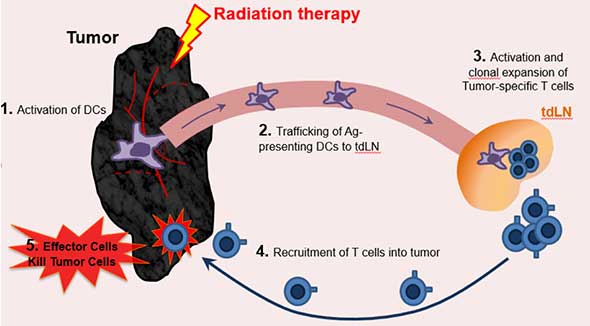
Revisiting neoadjuvant therapy for pancreatic cancer: Incorporation of new strategies. This project investigated whether radiation therapy augmented immune responses to pancreatic tumor in the neoadjuvant setting. The team developed a mouse model to test whether radiation therapy generated a locally potent immune response at the primary pancreatic tumor, and hypothesized that this neoadjuvant therapy would induce systemic antitumor immunity. Thus, this DRP aimed to determine whether neoadjuvant radiation therapy generated an antitumor immune response that reduced local recurrence/metastases in PDAC. The results of this study have been published in multiple top tier journals including Oncotarget, Radiation Research, Cell Reports, and Cancer Immunology Research. Additional Gerber’s team has translated these findings to into the development of multiple planned Clinical Trials and additional grants from the National Cancer Institute, Wilmot Cancer Institute, and the University of Rochester Technology Development Award.
2016 Awardee
Christopher Maher, PhD
Understanding the role of long non-coding RNAs in pancreatic cancer. This project aimed to determine how primary tumors invade and metastasize secondary sites, with an overall goal of identifying novel targets and strategies to improve pancreatic cancer diagnostics and therapeutics. The results of this study were leveraged to obtain grants from the American Cancer Society and the National Cancer Institute.
2017 Awardee
Ryan Fields, MD
An autologous humanized mouse model to evaluate immune modulating therapeutics in pancreatic cancer. This proposal aimed to validate a recently described “MSTRG” HuMo model, which enables development of a human immune system encompassing both innate and adaptive cell populations, and apply this model to pancreatic adenocarcinoma. The results of Dr. Fields work have been published in the journals such as Oncotarget, Immunity, and Journal of Immunology. Additionally, the results of this DRP award were leveraged to obtain additional awards from the National Cancer Institute and National Institutes of Health.

2017 Awardee
Julie Schwarz, MD PhD
Targeting the tumor stroma to improve neoadjuvant approaches in pancreatic cancer.
This project investigated why current chemoradiation strategies for pancreatic cancer are disappointingly ineffective in significant tumor regression. This is likely due to our poor understanding of how these therapies impact the fibrotic and immunologic components of the unique pancreatic cancer stroma. The project goal was to optimize the integration of stromal disrupting therapies to improve responses to radiation therapy in the neoadjuvant setting, and to integrate these therapies 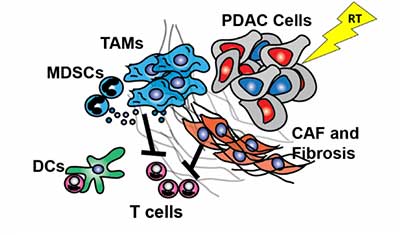 into a new clinical approach that will directly benefit pancreatic cancer patients. The exciting results of Schwarz’s study have been recently published in Science Translational Medicine with another paper accepted at Cancer Cell. Dr. Schwarz and team are in the final phases of developing a clinical trial based on the findings for patients at Siteman Cancer Center.
2017 Awardee
Aram Hezel, MD
Arid1a in pancreatic cancer: Transcription control therapeutic and clinical impact. This project investigated Arid1a gene mutation, which occurs in a significant number of pancreatic cancers. We created new models and systems to study this gene and the effects of its mutation in pancreatic cancers. These newly developed systems were used in this study to determine how cancers with Arid1a mutations can be more specifically and effectively treated. Data from this study was recently published in Gut, and a second manuscript is under review.
2018 Awardee
Delphine Chen, MD
Imaging PARP expression in pancreatic cancer. This project investigates poly (ADP-ribose) polymerase (PARP) inhibitors (PARPi), a promising new class of anticancer drugs. However, identifying patients who best respond to these drugs is challenging, especially because of side effects associated with PARPi therapy. Chen’s team developed a new positron emission tomography (PET) technique to image PARP expression in tumors. The goal of the project was to test whether this new PET technique could be used to identify patients who best respond to PARPi and spare non-responding patients from the side effects of ineffective treatment. Data from this study was leveraged to obtain additional funding from a Multi-PI Siteman Investment Program Award which is being used to support a clinical trial (NCT02469129) that is currently enrolling patients.
2018 Awardee
Yongjian Liu, PhD
PET imaging guided drug delivery for pancreatic adenocarcinoma therapy. This project developed an ultrasmall nanoparticle to improve chemotherapy drug delivery efficiency and treatment accuracy to pancreatic tumors. They investigated a targeted mechanism that used peptide binding to a CCR2 protein, which is highly expressed on monocytes/macrophages that are important components of the tumor microenvironment and a barrier for PDAC treatment. A radioactive copper-64 atom was incorporated into the nanoparticle to investigate whether it could serve as a platform for real-time PET imaging and efficient chemotherapy drug delivery to PDAC tumors. Data from this study was leveraged to obtain a National Cancer Institute grant and led to a clinical trial (NCT03851237) that is currently enrolling patients.
2018 Awardee
Adetunji Toriola, MD, PhD
Metformin use and pancreatic cancer survival in African Americans. This project investigated African American disparities in pancreatic cancer compared with other racial groups. Type II diabetes mellitus (DM) is one of the few modifiable factors that impacts pancreatic cancer survival. Notably, African Americans are approximately twice as likely as non-Hispanic Whites to have type II DM. Evidence is emerging that metformin (an anti-diabetic drug) is associated with better survival in pancreatic cancer patients. Metformin has been proposed as a useful adjunctive therapy for pancreatic cancer, although well-designed prospective studies investigating the associations of metformin use with pancreatic cancer survival are lacking. Thus, it is impossible to determine whether metformin will enhance the survival of African Americans with pancreatic cancer, further exacerbating the disparities. This project investigated associations between metformin use and duration of metformin use with survival and other clinical outcomes in African American pancreatic cancer patients with pre-existing type II DM. Toriola recently had a manuscript published in Cancer Epidemiology, Biomarkers & Prevention.
2019 Awardee
Mark Meacham, PhD
A novel high-throughput, ex vivo, vascularized tumor model for pancreatic cancer. This project leveraged an ex vivo, 3D microphysiological device created by their team of oncologists, cell biologists, immunologists, and biomedical engineers to study vascularized tumor biology. The current device consists of a central chamber in which fibroblasts (FB) and endothelial cells (EC) can form vasculature, and connected upper and lower chambers for tumor/non-tumor cells. Newly proposed model systems will recapitulate cancer biology, immunobiology, tumor-induced vasculature formation, and multiple aspects of the tumor microenvironment (TME) in a high-throughput format. The ability to precisely model the complex TME in vitro is crucial for the development of novel diagnostics and therapeutics. This project is developing a platform that recapitulates major features of the pancreatic cancer and robustly mimics human tumor biology and immunobiology for screening treatment combinations.
2019 Awardee
Kristen Bryant, PhD
Exploiting autophagy for pancreatic cancer treatment. This project builds on Bryant’s preliminary research, which demonstrated that pharmacological inhibition of the MAPK cascade promotes KRAS-mutant pancreatic ductal adenocarcinoma (PDAC) addiction to autophagy; therefore, combining MEK-ERK and autophagy inhibitors could provide a new therapeutic strategy. This project aims to develop additional therapies to exploit the dependency of PDAC on autophagy
2020 Awardees
Linda Peterson, MD
Joseph Ippolito, MD PhD
Targeting pancreatic cancer with sodium glucose transporter 2 (SGLT2) inhibition. The goal of this project is to re-purpose sodium glucose cotransporter 2 inhibitors (SGLT2i) for the treatment of metastatic pancreatic ductal adenocarcinoma (PDAC). SGLT2i are FDA-approved and are an appealing new, class of glucose-lowering therapies that have been shown to improve all-cause survival and decrease major cardiovascular events in patients with type 2 diabetes and in those with heart failure. Normally, SGLT2i block glucose re-uptake in the kidneys resulting in glucosuria that effectively lowers serum glucose. However, exciting new preclinical data show that there may be direct effects on PDAC tumors themselves, as: 1) functional SGLT2 is expressed in human PDAC tumors; 2) glucose uptake through SGLT2 plays a role in PDAC growth and survival in animals with human PDAC xenografts; and 3) treatment with the SGLT2i, dapagliflozin, significantly inhibits PDAC tumor growth and increases tumor necrosis. Thus, SGLT2i may be able to rob PDAC tumors of glucose necessary for growth and function. In addition, SGLT2i have other protective effects including inducing a mild ketonemia (which has anti-tumor effects) as well as reducing visceral obesity, which is associated with worse outcom0es in subsets of PDAC patients. Our primary hypothesis is that dapagliflozin is well-tolerated and safe to use in patients with metastatic PDAC. We also hypothesize that dapagliflozin will be efficacious as an adjunct to PDAC front-line chemotherapy assessed by decreased tumor markers mediated by its pleiotropic metabolic effects. To evaluate their hypothesis this project is conducting a phase Ib clinical trial of the SGLT2i, dapaglifilozin, added to standard of care front-line chemotherapy for metastatic PDAC patients.
2023 Awardees
Yongjian Liu, PhD
Kian-Huat Lim, MD, PhD
CCR2 targeted CuNCs-ECL1i-GEM is a novel cancer nanotheranostic. The outcome of patients with pancreatic ductal adenocarcinoma (PDAC) remains dire. To date, combination chemotherapy remains the mainstay treatment, but treatment response is neither universal nor durable. PDAC cells are intrinsically very resistant to chemotherapeutics. In addition, the extrinsic tumor microenvironment (TME) poses additional obstacles that stifle the effectiveness of therapies. Specifically, the abundance of myeloid-derived suppressor cells including inflammatory monocytes (IMs) and tumor-associated macrophages (TAMs) can further suppress the effect of chemotherapy and anti-tumor immunity. To simultaneously overcome these tumor-intrinsic and extrinsic barriers, we have now developed a novel therapeutic strategy through targeting the C-C motif chemokine ligand 2 (CCL2)/ C-C chemokine receptor type 2 (CCR2) axis, a well-established pro-tumorigenic signaling cascade in PDAC. Secretion of CCL2 by PDAC cells mobilizes CCR2-positive IMs from the bone marrow into the PDAC TME where they subsequently differentiate into immune-suppressive TAMs. Besides IMs, we found that CCR2 is also robustly expressed on the surface of PDAC cells, which can be exploited for selective therapeutic delivery into the PDAC cells using our platform. We have developed a novel nanotheranostic platform, CuNCs-ECL1i-GEM, in which a CCR2 binding peptide ECL1i is used for targeted delivery of chemotherapy gemcitabine (GEM). Through intrinsic radiolabeling of 64Cu, this renal clearable, in vivo degradable 64Cu-CuNCs-ECL1i-GEM could enable the noninvasive imaging using positron emission tomography (PET) to accurately target CCR2+ cells in the tumor of autochthonous PDAC mouse models for image-guided drug delivery. The CCR2 targeted and elevated delivery of GEM effectively depleted intratumoral TAMs, enriched CD8+ T cells and at the same time markedly reduced PDAC burden in the autochthonous KPC mice (p48-Cre; TP53flox/flox; KRASG12D). These changes set the stage for successful combination with checkpoint immunotherapy in eliminating PDAC burden and prolonged the survival of KPC mice. In a subcutaneous xenograft model using KRAS-INK4a tumor cells, 64Cu-CuNCs-ECL1i-GEM plus antiCTLA4 led to complete regression of large established tumors in immunocompetent mice. We submitted an RO1 based on these data and received a 37th percentile. However, we are confident that we can address the Reviewers’ comments with more experimental data, which we hope to gather through this grant, if funded. In this project, we hypothesize that CCR2 targeted CuNCs-ECL1i-GEM is a novel cancer nanotheranostic with robust immunomodulatory effect which will potentiate chemotherapy and checkpoint immunotherapy in PDAC.
2024 Awardee
Ben Major, PhD
Drugging NRF2 in Pancreatic Adenocarcinoma. Aberrant activation of the NRF2 oxidative/electrophilic stress response pathway is common in many cancer types where it promotes cellular resilience and tumor initiation, progression and therapeutic resistance. This project tests the hypothesis that pharmacological inhibition of the NRF2 transcription factor will suppress the growth of pancreas cancer, either as a monotherapy or as a combination agent with frontline chemotherapy. In pancreas cancer, the KRAS-Myc signaling axis, which is active in ~90% of tumors, promotes the expression and activity of NRF2. Genetic KO of NRF2 in KRAS mutant mouse models suppresses the formation and progression of pancreas cancer. Our team recently discovered a specific, potent and in vivo efficacious small molecule inhibitor of NRF2, setting the stage for this project. Using human and mouse pancreas cancer models, this project will determine if pharmacological inhibition of NRF2 will suppress PDAC progression and if it will increase the efficacy of standard-of-care FOLFIRINOX and gemcitabine plus nab-paclitaxel.
The NRF2 inhibitor is a game-changer for the cancer research community and possibly for cancer patients; the inhibitor is currently being tested in a phase 1 clinical trial. NRF2 is a proven and strong pro-tumorigenic factor in many cancers, increasing tumor initiation, tumor progression and driving resistance to chemotherapy, radiation therapy and immune check point inhibitors. The potential that NRF2 chemical inhibition will benefit PDAC cancer patients is high but has remained untested to date. The data we produce with this DRP pilot award will define the phenotypic and molecular impact of NRF2 inhibition on PDAC growth and chemoresponse.
2025 Awardee
Nima Mosammaparast, MD, PhD
Targeting transcriptional stress in KRAS-mutant pancreatic cancer.