- Home
- Research
- Center for Genome Integrity
- Members
Members of the Center for Genome Integrity
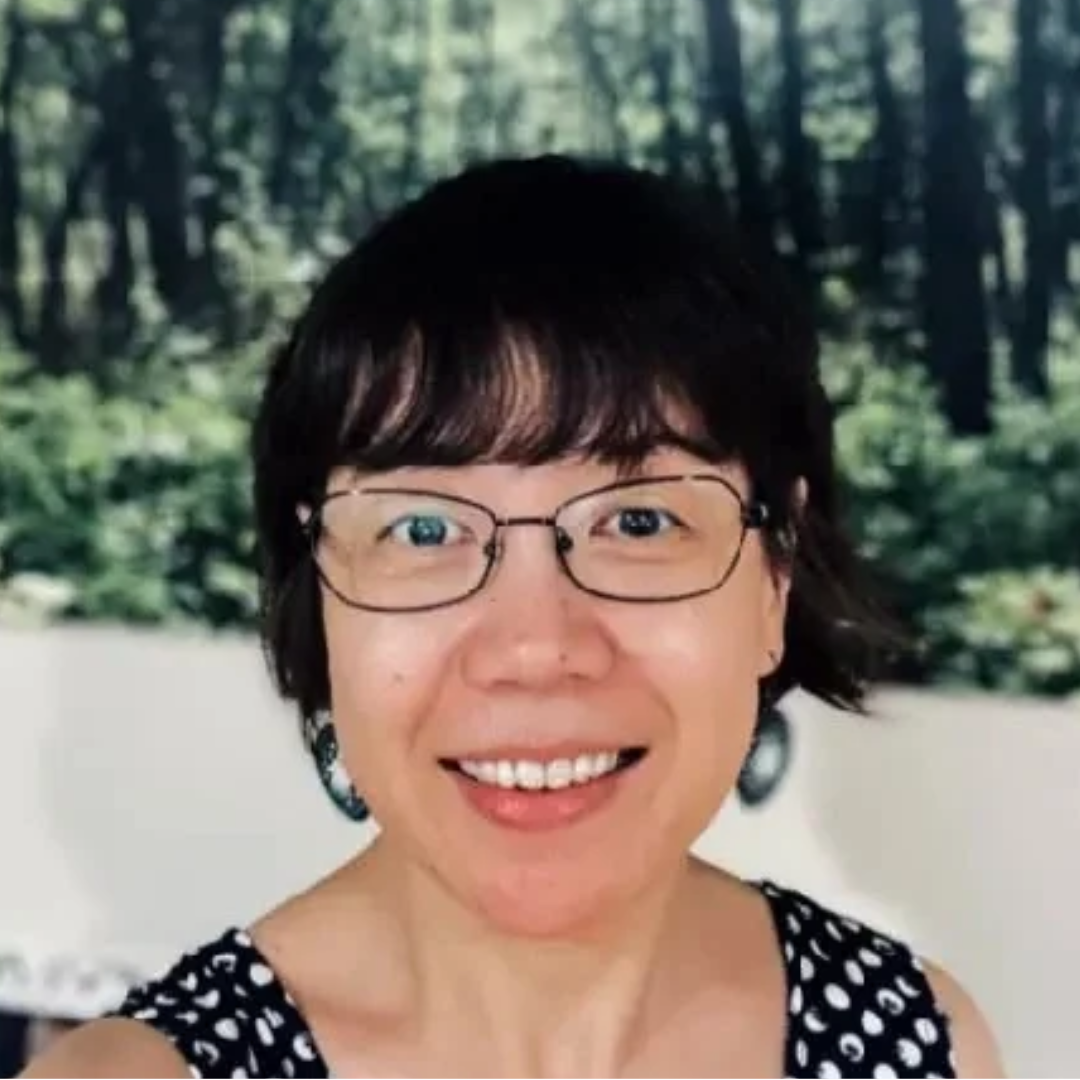
Madison Adolph, Ph.D.
The Adolph lab uses biochemical and cell biology techniques to understand the mechanisms used by DNA binding proteins (SSBs) to protect and manage single-stranded DNA intermediates during DNA replication and repair. The pathways associated with these proteins are involved in how cells respond to damage and are essential for maintaining genome stability
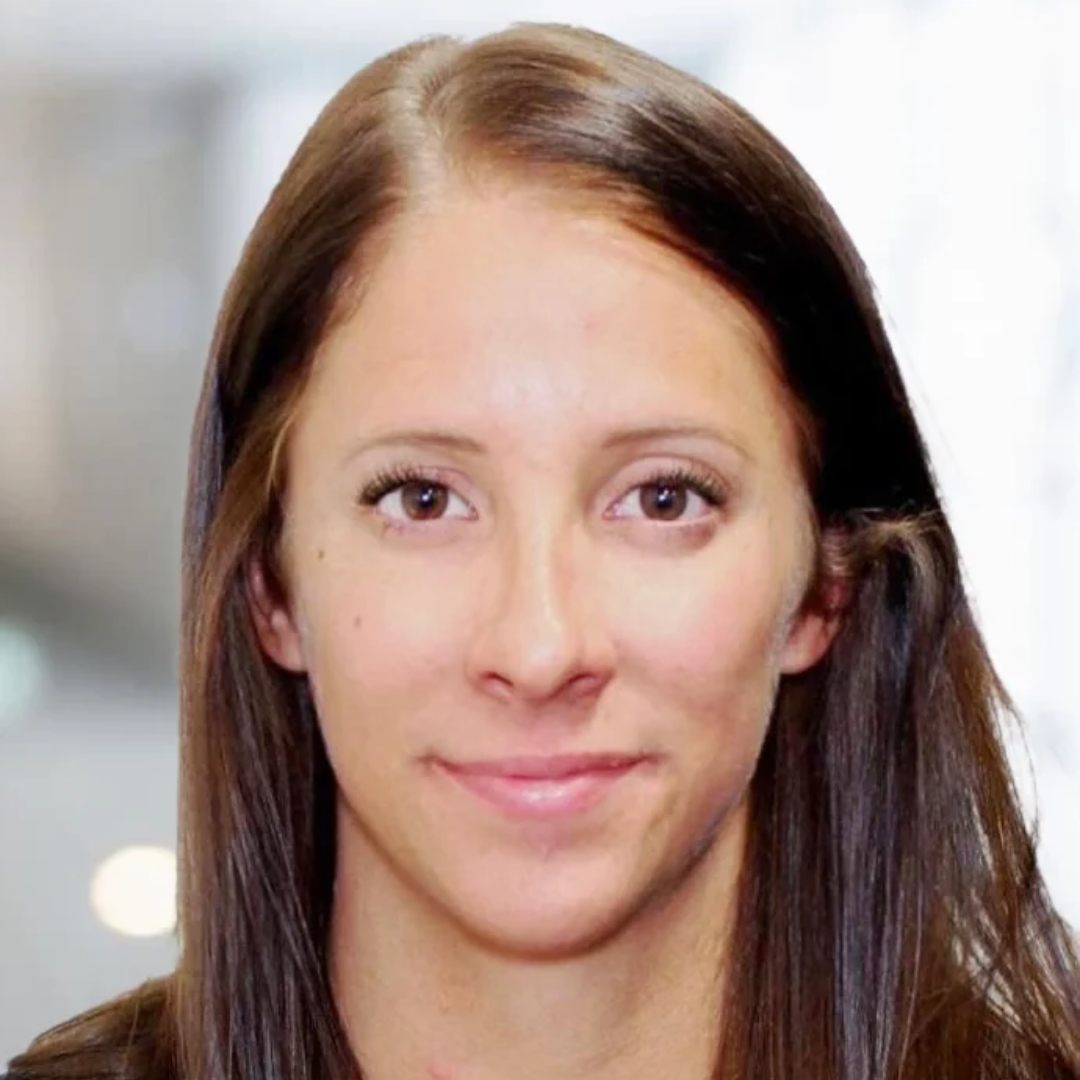
Edwin Antony, PhD
My lab investigates the underlying molecular principles of how protein complexes function together to protect genomic integrity. Our perspective centers around Replication Protein A (RPA), a single-strand DNA binding protein that coats the DNA during various DNA metabolic processes including replication, repair, recombination, and DNA repair.
Lijuan Feng, PhD
My laboratory leverages disease-associated histone mutations to uncover fundamental mechanisms by which chromatin regulates cell identity and function. We focus on cancer-associated histone mutations, known as oncohistones, and study how they alter nucleosome stability and chromatin function. We explore how these changes may influence DNA damage signaling and repair, gene regulation, and tumorigenesis. Our research also examines how different histone paralogs contribute to chromatin function and how their usage differs between normal and cancer cells. By integrating genetic, biochemical, genomic, and proteomic approaches with cellular and mouse models, we aim to define how alterations in histones and chromatin contribute to cancer and identify potential vulnerabilities that could be targeted for cancer therapy.
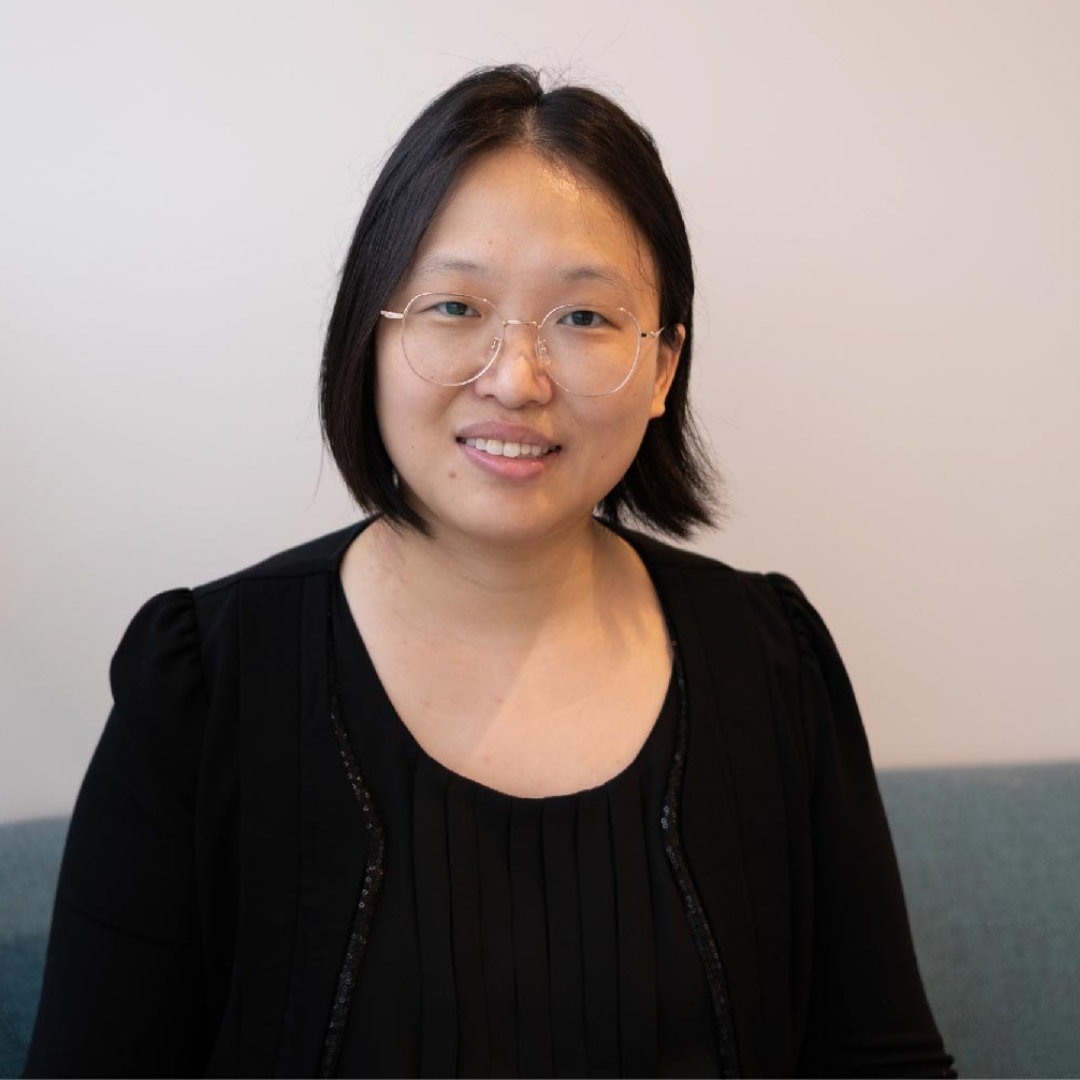
Roberto Galletto, PhD
My lab studies how a class of DNA helicases, the Pif1-family, aids DNA replication at barriers imparted by DNA secondary structure and protein that are tightly bound to DNA. In this context, we have a special interest in how the nucleoprotein formed at telomeres are assembled and how Pif1 helicases impact their maintenance.
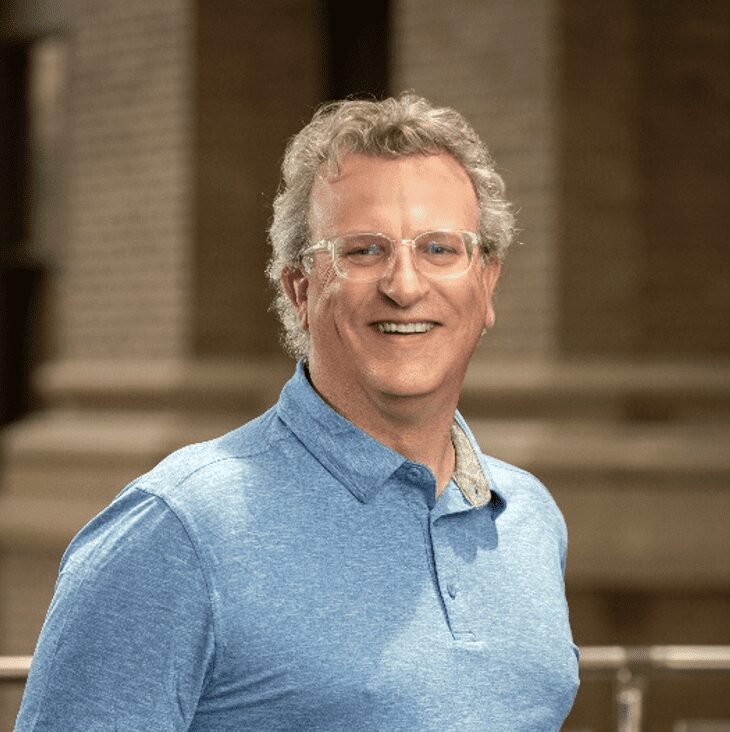
Susana Gonzalo, PhD
My lab focuses on three areas of research: 1) Uncovering essential roles for lamins in DNA repair, DNA replication, and telomere structure, length and function; 2) Identifying new mechanisms underlying Hutchinson Gilford Progeria Syndrome (HGPS) pathology; and 3) Defining the relationship between lamins loss and oncogenic mechanisms, particularly in cancers with poor prognoses such as BRCA-mutated and triple negative breast cancers.
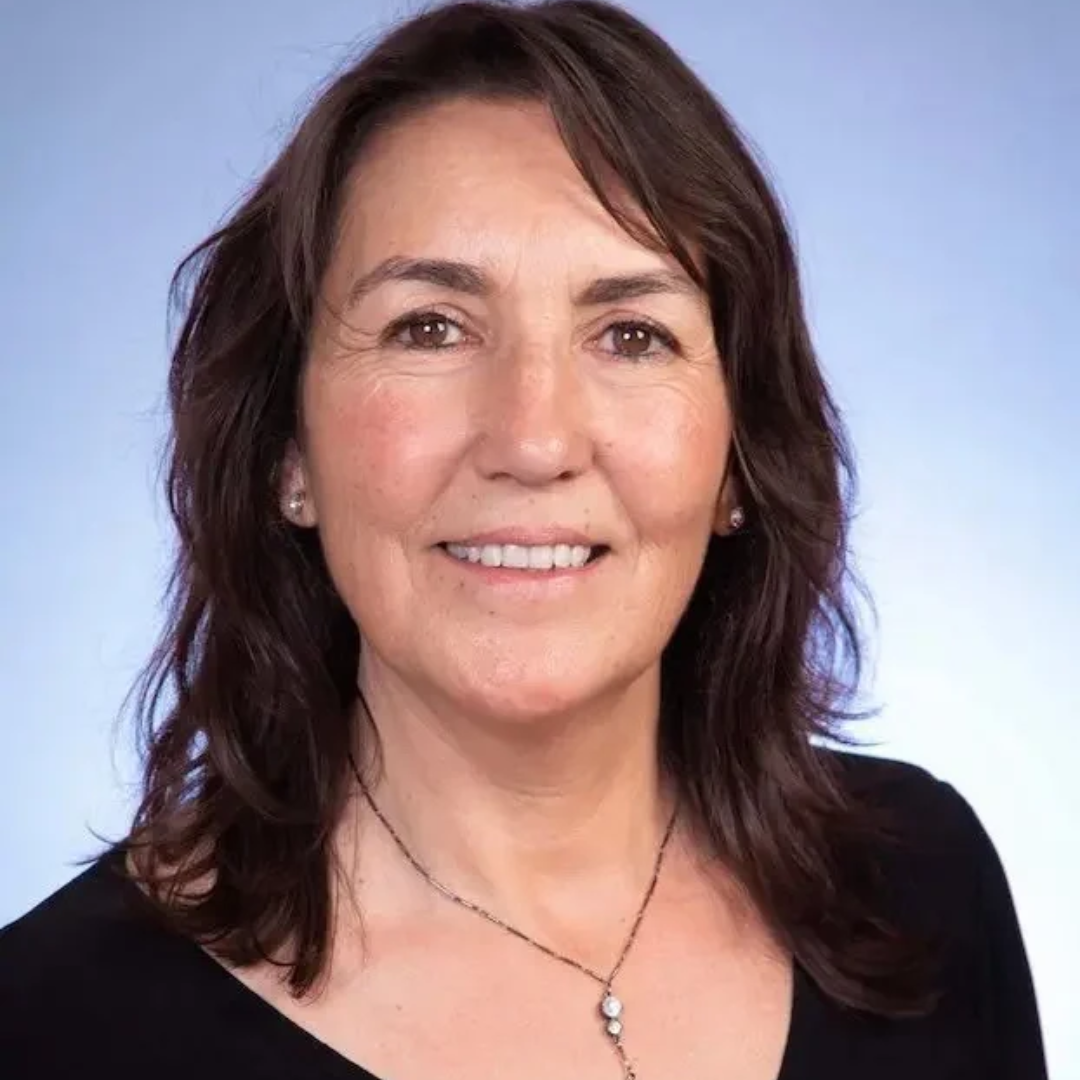
Eric Greer, PhD
My lab is interested in how non-genetic information, termed epigenetics, regulates complex physiological and pathological phenotypes across generations. Our research aims to determine how this epigenetic information is regulated, how it instructs biological outcomes, and how this epigenetic information can be passed from generation to generation. Other work in our lab focuses on identifying new epigenetic and epitranscriptomic regulators and the biological consequences of these post-transcriptional and post-translational modifications.
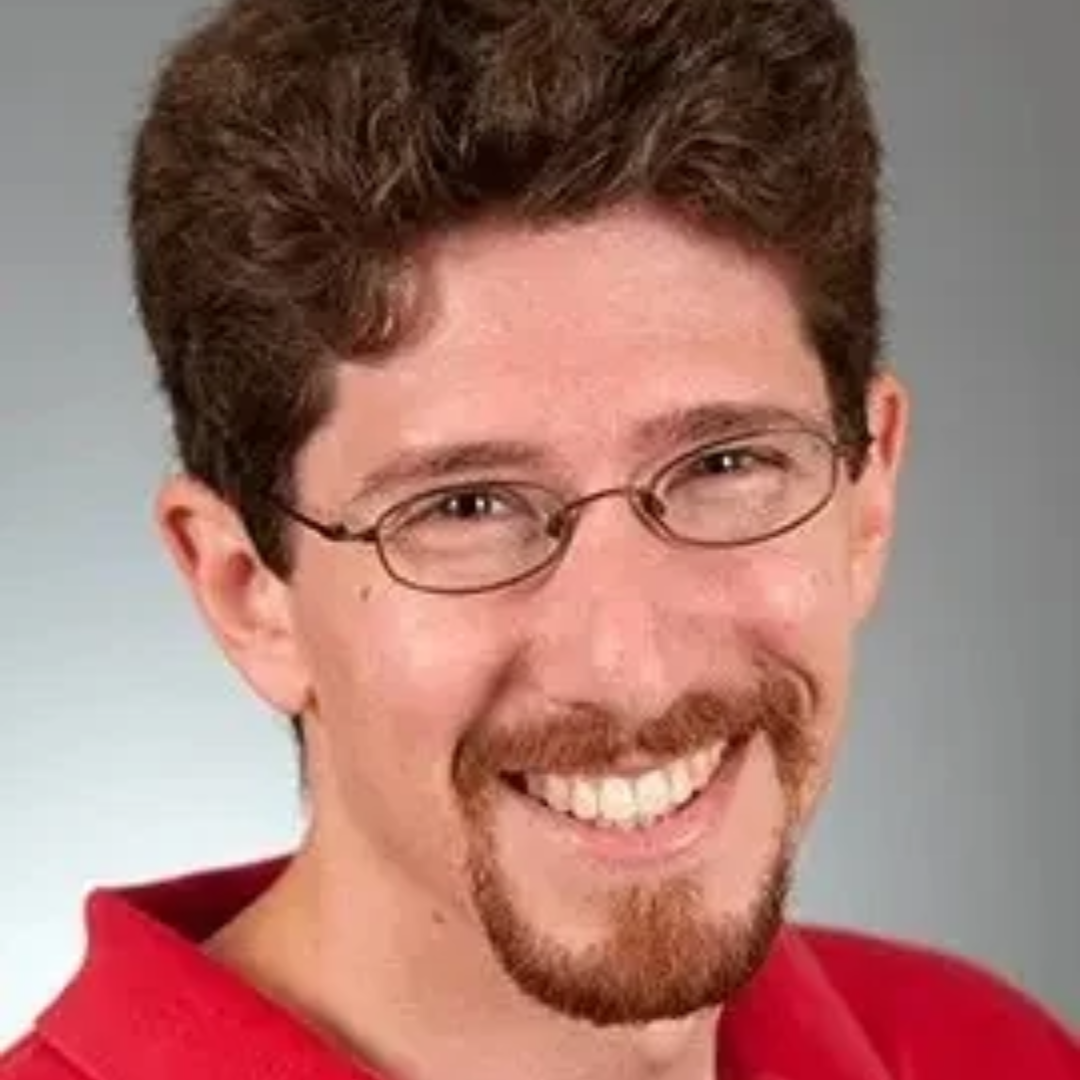
Sergey Korolev, PhD
My laboratory investigates structure and mechanism of pro- and eukaryotic DNA repair proteins and recombination mediator proteins (RMPs) to understand basic principles of nucleic acids metabolism and to advance novel therapy. Analysis of proteins from different kingdoms of life lead to discoveries of new fundamental mechanisms. We also collaborate with other research groups, providing our expertise in structural biology.
Dan Link, M.D.
Daniel Link is the Alan & Edith Wolf Distinguished Professor of Medicine and Chief of the Division of Oncology at WashU. Dr. Link earned his bachelor’s degree from the University of Wisconsin-Milwaukee and his medical degree from the University of Wisconsin-Madison. He completed his residency in medicine at what was then Barnes Hospital and a fellowship in hematology-oncology at Washington University School of Medicine. He joined the faculty in 1993 and has remained at the School of Medicine for his entire career. He has served as the principal investigator of the Washington University SPORE in Leukemia over the past 11 years. Dr. Link’s research over the past 30 years has focused on characterizing mechanisms regulating normal and malignant hematopoiesis. He has a strong commitment to scientific rigor as well as mentoring and developing the next generation of scientists.
Sofia Origanti, PhD
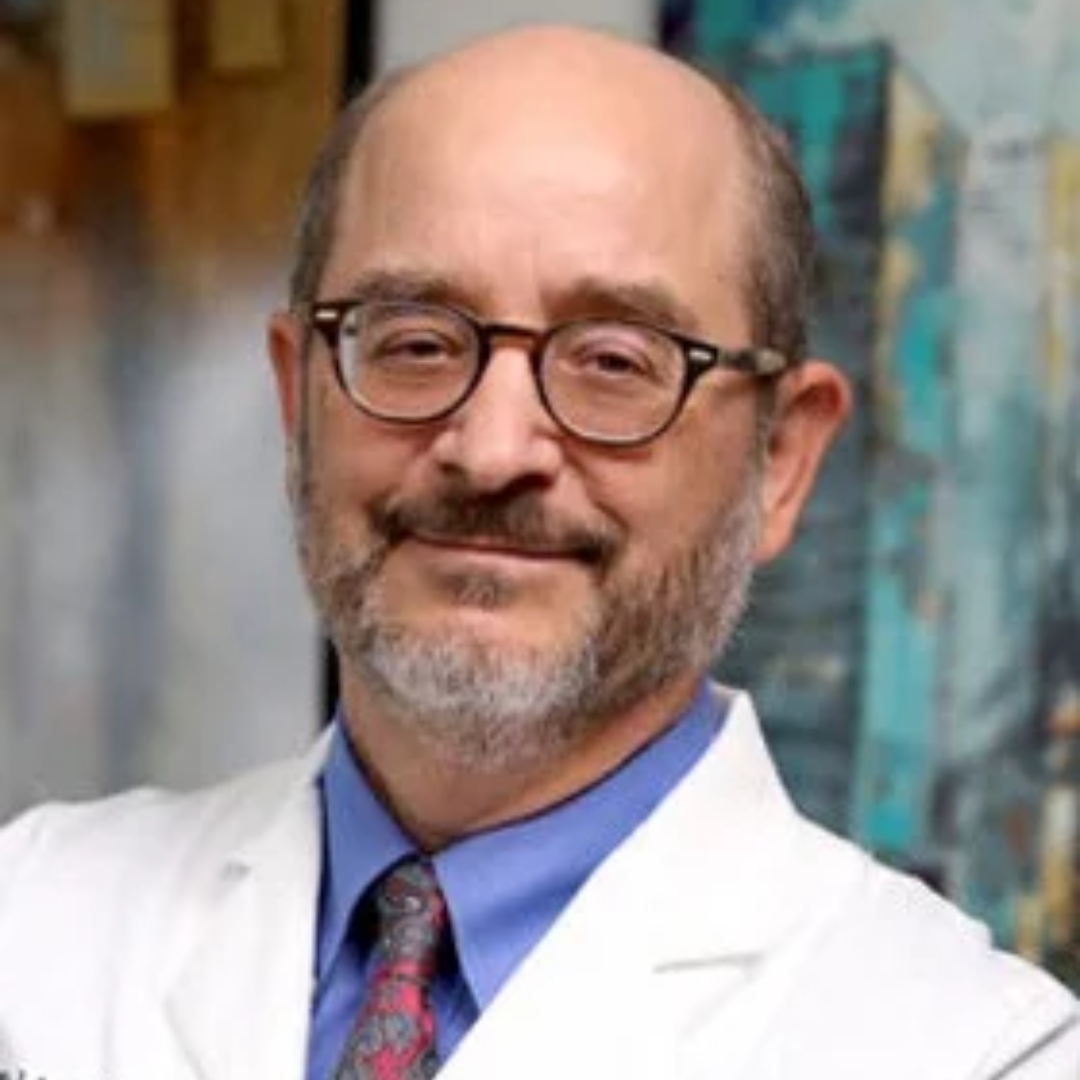
My lab investigates the mechanism of large 60S ribosomal subunit maturation and the interplay of ribosomal stress and genomic stress responses. We are specifically interested in the translational control of cancers and ribosomopathies. We are also interested in signaling networks that modulate homologous recombination-mediated DNA repair and chromosomal integrity.
Jieya Shao, PhD
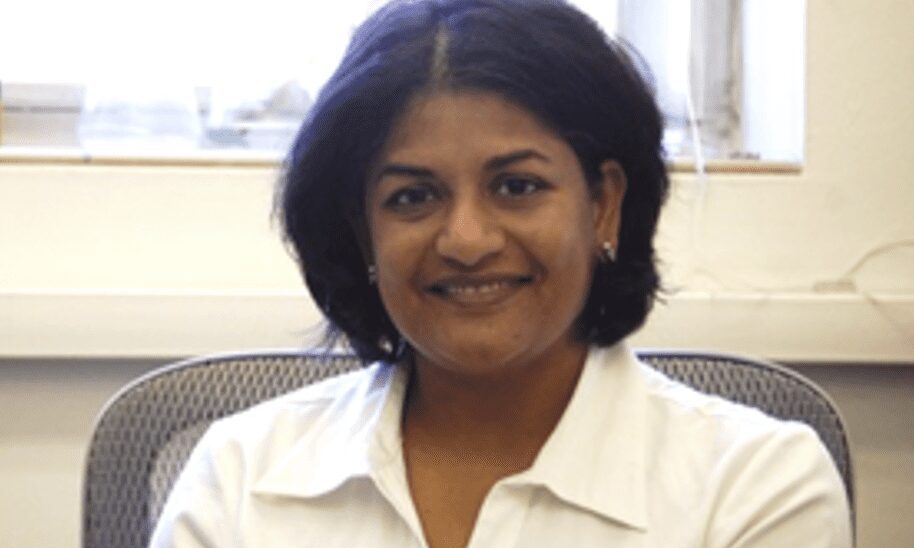
My lab is broadly interested in uncovering novel and clinically relevant drivers and targets of cancer with the overarching goal of improving patient outcome. Our current major research effort is focused on understanding the mechanisms of action and therapeutic potentials of two multi-functional proteins (the actin-binding protein Profilin-1 and the AAA+ ATPase p97/VCP) in the contexts of genome stability maintenance and chemotherapy efficacy.