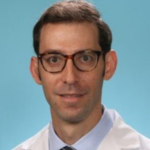
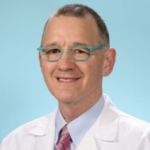
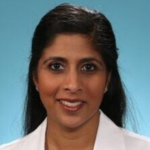
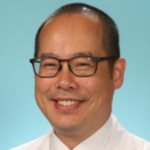
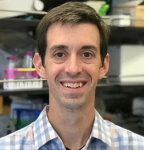
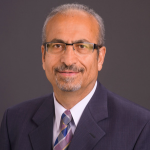
Jeff M. Michalski, MD, MBA, FACR, FASTRO, the Carlos A. Perez Distinguished Professor and director of Radiation Oncology Theranostics at WashU Medicine and a nationally renowned radiation oncologist at Siteman Cancer Center, has been named an honorary member of the American Association of Physicists in Medicine (AAPM).
The AAPM aims to advance medicine through excellence in the science, education and professional practice of medical physics, which is the application of physics principles to biology and medicine, including cancer diagnosis and treatment
Michalski is the only person this year to be named an honorary member of the AAPM and one of only 42 to be named since 1967. He was recognized July 20 at AAPM’s annual meeting in Vancouver.
Honorary membership in the AAPM recognizes distinguished service contributed through other medical and scientific societies that also supports medical physics. Thus, the award not only honors the individual but also strengthens the links between the AAPM and other entities.
Michalski has been active in numerous medical and scientific societies over his career, including as a current member of the Board of Trustees of the American Board of Radiology (ABR) and as past president and chair of the American Society for Radiation Oncology (ASTRO).
The AAPM, which counts nearly 9,500 members in 82 countries, focuses on advancing patient care through education, improving safety and efficacy of radiation oncology and medical imaging procedures through research, and the maintenance of professional standards.
The honor recognizes ASTRO members’ outstanding achievements and contributions to the organization, cancer research, education and patient care. Bergom and other newly named fellows will be recognized at ASTRO’s 68th Annual Meeting in Boston on Sept. 29.
“The 2026 ASTRO Fellows reflect the depth and breadth of leadership in radiation medicine,” said ASTRO CEO Vivek S. Kavadi, MD, MBA, FASTRO. “Their careers demonstrate the many ways ASTRO members move our field forward through discovery, clinical excellence, education, mentorship and service. We are proud to recognize this distinguished class.”
ASTRO is the world’s largest professional society dedicated to advancing radiation medicine, with 10,000 members, including physicians, nurses, physicists, radiation therapists and dosimetrists, who work to improve patient outcomes through clinical care, research, education and advocacy.
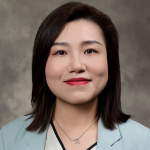
Bergom, an associate professor of radiation oncology who joined the WashU Medicine faculty in 2020, treats breast cancer patients at Siteman Cancer Center. She also is an R01-funded investigator focused on increasing the therapeutic ration of radiation therapy by improving the effectiveness of radiation therapy and decreasing side effects.
Bergom’s research specifically focuses on identifying the mechanisms of radiation-induced cardiac and lung dysfunction to better diagnosis, prevent and treat these toxicities. Her work is examining potential biomarkers and therapeutic targets that may enhance tumor responses to radiation therapy and minimize radiation-induced cardiac and lung dysfunction.
Bergom’s leadership in the field extends beyond her research. She also serves as vice chair of the ASTRO Science Steering Committee and is a lead writer for the Pathology subgroup of the United Nations Scientific Committee on the Effects of Atomic Radiation (UNSCEAR) CircuDis project, the reports of which are used by governments and agencies around the world to set radiation protection standards.
Siteman Cancer Center at Barnes-Jewish Hospital and WashU Medicine is pleased to announce $2.24 million in new funding for 11 new projects, including three clinical trials. Through this research, investigators aim to improve the understanding of tumor formation and growth, develop safer, more effective therapies, and remove barriers to precision medicine. The funded projects focus on a variety of cancers, including breast, colorectal, leukemia, lung, lymphoma, and skin cancer.
Provided through the Siteman Investment Program (SIP), the funding supports innovative, high-impact cancer research across the continuum of discovery, diagnosis, treatment and prevention. This program is designed to advance promising ideas with strong potential for future external funding and meaningful clinical or community impact.
These SIP Research Development Awards are supported by a variety of sources including: The Cancer Frontier Fund at The Foundation for Barnes-Jewish Hospital, which includes gifts from Pedal the Cause, the Foundation’s annual Illumination Gala and donations throughout the year; the Cancer Center Support Grant (CCSG) from the National Cancer Institute; the Alvin J. Siteman Cancer Research Fund; Swim Across America – St. Louis; and various philanthropic gifts via Siteman Cancer Center.
Please see below for more details on each funded project.
New Clinical Trial Category
Project Title: Phase II Trial Evaluating Trastuzumab Deruxtecan and Lovastatin in HER2-low and Ultralow Advanced or Metastatic Breast Cancer
Goal: To evaluate a new drug combination that could help improve outcomes without added toxicity in up to 75% of patients with metastatic breast cancer who are HER2-low or ultralow
Project Summary: Trastuzumab deruxtecan (T-DXd) is approved for patients with metastatic breast cancer whose tumors express various levels of the HER2 protein. However, how well T-DXd works and how long patients stay on this therapy is related to the level of HER2 protein. T-DXd is a treatment that uses an antibody to deliver chemotherapy directly to breast cancer cells in a targeted way. It has improved outcomes for many patients whose tumors have lower levels of the HER2 protein (HER2-low or ultralow). However, these patients do not benefit from T-DXd as much as patients with metastatic breast cancer whose tumors have higher HER2 levels. Based on studies in laboratory models that closely resemble human tumors, we have identified a new way to increase how much T-DXd accumulates in tumors and works in tumors with low HER2 levels using lovastatin, an inexpensive drug that is commonly prescribed to lower cholesterol. These studies suggest that the combination of T-DXd and lovastatin could be more effective than T-DXd alone and safe, as the lovastatin would only need to be given twice every three weeks.
Project Title: Cancer Immunotherapeutic (PCI) Strategy in Triple Negative Breast Cancer Patients
Goal: This is a phase 1 clinical trial to evaluate the safety, feasibility and effectiveness of a personalized cancer vaccine in combination with CD8-selective IL-2 in patients with newly diagnosed triple-negative breast cancer (TNBC) in the window before surgery.
Project Summary: TNBC is an aggressive subtype of breast cancer, accounting for about 15% of all breast cancers. TNBC is more likely to spread, has fewer treatment options and poor clinical outcomes. TNBC disproportionately impacts Black women. The researchers have completed two phase 1 clinical trials of DNA personalized cancer vaccines (PCV) in patients with TNBC (NCT02348320, NCT03199040). In NCT02348320, they demonstrated that DNA PCV can induce neoantigen-specific T cell responses and that patients treated with DNA PCV have improved progression-free survival when compared to institutional historical controls. In NCT03199040, the researchers combined DNA PCV +/- anti-PD-L1 and confirmed these findings, although the addition of anti-PD-L1 did not significantly improve correlative or clinical outcomes.
The focus of this application is a phase 1 clinical trial of a synthetic long peptide (SLP) PCV alone or in combination with CD8-selective IL-2 in patients with newly diagnosed TNBC in the window prior to surgery following neoadjuvant chemoimmunotherapy. Newly diagnosed TNBC patients being treated with chemoimmunotherapy before surgery are eligible to enroll. Patients undergoing standard-of-care neoadjuvant chemoimmunotherapy will be randomized into two treatment arms: SLP PCV alone (Arm 1) or SLP PCV + CD8-selective IL-2 (Arm 2). The primary objective is to evaluate the safety and feasibility of SLP PCV +/- CD8-selective IL-2. The secondary objective is to assess the neoantigen-specific T cell response. The researchers plan to recruit and treat patients at Siteman Cancer Center and satellite locations. To rigorously define the response to SLP PCV +/- CD8-selective IL-2, the researchers will perform state-of-the-art correlative studies focused on neoantigen-specific CD8 T cells in the peripheral blood (Aim 1), neoantigen-specific type 1 regulatory T cells (Tr1) in the peripheral blood (Aim 2), and neoantigen-specific CD8 and Tr1 cells in the tumor microenvironment (Aim 3). The hypothesis is that CD8-selective IL-2 will enhance neoantigen-specific CD8 T cell responses and abrogate neoantigen-specific Tr1 responses. The proposed correlative studies form the basis of an R01 application and will accelerate the clinical development of PCI for the treatment of TNBC.
Project Title: A Pilot Study of Golidocitinib, a JAK1 inhibitor, in Patients with Mycosis Fungoides/Sezary Syndrome and T-Cell Large Granular Lymphocytic Leukemia
Goal: To examine the safety, toxicity and efficacy of golidocitinib in advanced-stage cutaneous T-cell lymphomas and T-cell large granular lymphocytic leukemia (T-LGLL). The researchers will also collect blood and skin samples to help understand the mechanisms of response and resistance to golidocitinib and provide insight into the biology of these diseases using DNA, RNA analysis, measurement of how much the drug inhibits this pathway, and assessment of how gene expression is regulated by golidocitinib.
Project Summary: Cutaneous T-cell lymphomas (CTCL) and T-LGLL are a rare subset of T-cell non-Hodgkin lymphomas for which patients are treated to improve disease burden and improve quality and duration of life. Currently available therapies only work in 5% to 40% of patients, and each therapy has a limited duration of effectiveness and significant cumulative toxicity. Given the relatively meager response rates to currently available therapy, limited duration of response and their toxicity profile, there is a need to develop better-tolerated therapies for these rare diseases.
Golidocitinib is an oral, selective JAK1 inhibitor which is approved in China for the treatment of peripheral T-cell lymphomas. In international studies, it works to reduce the cancer in over half of patients and works for years with limited side effects. Through work done at Siteman Cancer Center and at other centers, the researchers have found that both CTCL and TLGLL cells have activation of the JAK-STAT pathway. Other less selective JAK inhibitors are effective in the treatment of these diseases. Given the known biology of these diseases, which is hinged on this pathway, the researchers are studying the use of golidocitinib in these rare T-cell lymphomas.
Pre-R01 Category
Project Title: Epigenetic Evolution of Cutaneous Squamous Cell Carcinoma
Goal: Cutaneous squamous cell carcinoma is a skin cancer with an estimated incidence of greater than 1 million cases per year and is a major driver of cancer-related death, disfigurement and healthcare costs. This study aims to develop a better understanding of the early initiating events in skin cancer development, which may potentially lead to novel therapeutic and preventive strategies for squamous skin cancer.
Project Summary: Squamous cell skin cancer is the second most common cancer in people, yet it remains relatively understudied because it can often be cured with surgery. However, given its prevalence — over 1 million estimated cases annually in the United States — squamous skin cancer is still a major cause of cancer-related mortality, disfigurement, and healthcare costs. Despite ongoing public health efforts promoting ultraviolet (UV) light avoidance, the incidence of cutaneous squamous cell carcinoma (cSCC) continues to rise, particularly among older age populations. The limited availability of robust cSCC animal models and human translational studies has impeded researchers’ ability to gain a detailed understanding of the molecular causes of cSCC. These resources are critically needed to identify new targets for therapy. In this proposal, the researchers will address these gaps by leveraging two critical resources they have established: a novel mouse model of spontaneous squamous cell carcinoma and a human skin cancer tumor bank. They will investigate how defects in the tumor suppressor gene KDM6A contribute to early stages of squamous skin cancer development. By validating their findings using both their mouse model and patient-derived samples, the researchers will ensure that the findings of this study are relevant to human disease. Ultimately, the insights gained from this study have the potential to inform new preventive and therapeutic approaches for squamous skin cancer.
Project Title: Stress-Activated Enteric Glia Reprogram Premalignant Epithelium to Promote Colorectal Cancer Onset
Goal: To understand how chronic psychological stress changes enteric glial cells, which are the supporting cells of the gut’s nervous system, in a way that helps start colorectal cancer (CRC). The investigators hope this work will show how stress, acting through these glial cells, creates a tumor-permissive environment in the gut and could point to new ways to prevent stress-related colorectal cancer in high-risk individuals.
Project Summary: CRC is a leading cause of cancer-related mortality worldwide. While genetic mutations such as loss of the APC gene are known to initiate tumor formation, the factors that determine whether mutant intestinal stem cells progress toward malignancy remain poorly understood. Chronic psychological stress has long been suspected of influencing cancer development, yet the biological mechanisms linking stress to CRC initiation are largely unknown. Epidemiological studies using large population datasets, including the UK Biobank, have shown that individuals with psychiatric disorders such as depression, anxiety or stress-related conditions have a significantly increased risk of developing CRC. These findings raise an important question: Can chronic stress actively promote the early onset of CRC? Based on these findings, the researchers hypothesize that chronic stress promotes CRC initiation by activating enteric glial cells (EGCs) to create a protumorigenic niche that drives the malignant transformation of mutant intestinal stem cells. To test this hypothesis, the researchers will: 1) Determine how stress-activated EGCs promote the malignant transformation of mutant intestinal stem cells, and 2) Define the epithelial mechanisms that enable stress-induced malignant conversion. These studies will establish a new conceptual framework linking chronic stress to colorectal cancer onset and may identify novel opportunities for CRC prevention and early intervention.
Project Title: Rational Design of Enhanced CAR Signaling Domains Through Deep Learning
Goal: To re-envision the design of cell-based immunotherapies by leveraging an emerging field that combines advanced protein engineering with machine learning. This approach has the potential to empower a new era of highly effective immunotherapies and lay the groundwork for future personalized medicine-based approaches against leukemia.
Project Summary: Chimeric antigen receptor (CAR) T-cell therapy is a revolutionary treatment that re-engineers a patient’s own immune system to identify and destroy cancer cells. While this approach has achieved remarkable success in treating blood cancers, many patients still experience relapses because the engineered cells often fail to persist long enough in the body to fully eradicate the disease. This failure is largely due to current CAR designs relying on “copied and pasted” parts from natural receptors that evolved to fight temporary infections rather than to provide the sustained, synthetic immunity required to cure cancer. This project aims to overcome these limitations by redesigning the “engine” of the CAR T cell from the ground up. To do this, the researchers are taking two complementary strategies. First, they are taking existing machinery that underlies CAR T function and re-engineering it to work more efficiently. Second, they are using advanced computational modeling and artificial intelligence to “evolve” entirely new, synthetic signaling components that outperform anything found in nature. By discovering these new design principles, the researchers will deliver a more durable and potent generation of cell therapies specifically optimized to survive in the patient’s body until the cancer is permanently eliminated. Ultimately, this work shifts the field from simple trial-and-error engineering toward a predictable, chemistry-based framework that will provide more reliable and lasting cures for patients facing aggressive leukemias.
Project Title: Developing 5-year Risk Thresholds for the Initiation, Frequency, and Discontinuation of Supplemental Breast Cancer Screening MRIs
Goal: To design and pilot a doctor- and patient-facing decision support tool about supplemental breast MRI screening for those with dense breasts. The central research question is to investigate if a decision support tool guided by expert consensus and designed with user-centered methods will be feasible,acceptable and improve well-informed decision-making for doctors and patients.
Project Summary: Almost half of all women in the U.S. have dense breast tissue, which is a breast cancer risk factor and makes it harder to spot tumors on mammograms. While federal law requires patients to be notified about their breast density, this often leaves both women and their doctors in a difficult situation, as there is no clear agreement on how often someone should get a supplemental MRI or when the benefits of extra testing outweigh the physical, psychological and financial costs. This research project aims to bridge that gap by creating a decision support tool designed for use during doctor visits to help doctors and patients make well-informed decisions together. To achieve this, the research team will first gather a panel of experts in oncology and radiology to establish clear, consensus-based guidelines on who should get an MRI and how frequently, based on specific risk levels. Next, the researchers will work directly with patients and doctors to design a tool that translates complex medical information into plain language, ensuring it effectively communicates the tradeoffs of extra screening. Finally, the research team will pilot this tool in real-world clinics to see if it is easy to use and if it helps women feel more confident and informed about their decisions. Ultimately, this study will provide the foundation for a larger trial, transforming an unclear notification process into a clear, evidence-informed approach.
Project Title: Modulating Host Myeloid Cells to Enhance CAR T Cell Activity
Goal: To improve long-term survival for patients with cancer by using myeloid cells to help chimeric antigen receptor (CAR) T cells fight cancer more effectively
Project Summary: The researchers aim to mobilize the immune system to fight cancer and improve survival for patients. CAR T cells are immune cells that have been genetically engineered to attack cancer cells and have been very effective in treating certain types of cancers. In this project, the team will investigate how myeloid cells can aid CAR T cells in their fight against cancer. Myeloid cells are the most common type of white blood cell in our bodies and are the first line of defense against injury or infection. In addition to responding directly to threats, they play a key role in supporting the rest of the immune system to restore the body to health. The researchers’ preliminary work shows that CAR T cells perform much better when they receive support from myeloid cells. The team will study how different types of myeloid cells influence CAR T-cell behavior using both mouse models and samples from human patients treated with CAR T cells. The researchers will also test drugs that are known to activate myeloid cells and enhance their ability to stimulate CAR T cells.
Project Title: The Role of YTHDF1 and Acid Signaling in Colon Cancer
Goal: To understand how a modification to RNA affects both cancer cells and immune cells. In this case, cancer cells make the area around them more acidic, which weakens the immune system response to treatment and enables cancer cells to spread to other parts of the body. By studying this process in colorectal cancer, the researchers hope to better understand how colorectal cancer spreads and to find new ways to treat it.
Project Summary: Despite advances in the understanding of how a colon tumor progresses, the mechanisms by which the tumor spreads throughout the body remain poorly characterized. To address this knowledge gap, the research team studies how the primary tumor spreads and interacts with neighboring cells to reduce response rates and promote further tumor growth. This proposal focuses on a novel regulatory mechanism of a “vicious cycle” whereby tumor cells secrete acid to prevent nearby cells from mounting an immune response, further enabling tumor cells to metastasize and remain resistant to existing therapies. The long-term impact of this research is to significantly advance the understanding of colon cancer metastasis and reveal therapeutic vulnerabilities in these aggressive, treatment-resistant tumors to improve the dismal response rates to existing treatments.
Project Title: Evaluation of CD19 CAR-Modified Immune Cells as Novel Chronic GVHD Therapy
Goal: To test a method of engineering immune cells to target harmful B cells — a new treatment approach — with the goal of improving chronic graft-versus-host disease (GVHD) outcomes and making hematopoietic cell transplantation (HCT) safer for patients
Project Summary: Many patients with blood cancers must undergo a treatment called HCT, sometimes known as bone marrow transplantation. However, a serious complication called GVHD can occur. Chronic GVHD can significantly impact patients’ quality of life and even be deadly. Immune cells called B cells play an important harmful role in chronic GVHD, and mice without B cells do not develop this disease. Prior treatments targeting B cells did not work in most patients, likely because they were unable to fully eliminate B cells or stop their function. Other current treatments for chronic GVHD cause broad immune suppression (increasing the risk of infections) and other significant side effects, and do not work in many patients. Therefore, new treatments are needed. One promising approach involves engineering certain immune cells to target and kill B cells. This approach has been used previously in B cell cancers and can very effectively kill cancerous and healthy B cells. Therefore, in this project, the researchers will test whether targeting B cells more effectively with this new approach will lead to better treatment of chronic GVHD in a mouse model. They will engineer two different types of killer immune cells to target and kill B cells and monitor for survival and signs of disease in tissues. This project is very important to providing early data that will allow the team to get additional grant funding to study this novel treatment further. Ultimately, they aim to improve the management and outcomes of chronic GVHD, making HCT a safer and more effective treatment for blood cancers.
Project Title: Adenovirus-Targeted Expression of an Immune Checkpoint Stimulator in Pulmonary Endothelial Cells for Lung Cancer Immunotherapy
Collaboration with University of Missouri-Columbia
Goal: To develop an effective immunotherapeutic approach to treating lung cancer. Pulmonary endothelial cells play a critical role in cancer development and the modulation of the immune system, often promoting cancer progression. The proposed immunotherapeutic approach directly targets both pulmonary endothelial cells and the immune system to generate a response that effectively destroys cancer cells.
Project Summary: This project aims to use a harmless virus to deliver a gene into cells in the lungs. That gene would make the lung cells produce a special immune-boosting molecule. The hypothesis is that these lung cells would begin producing large quantities of this molecule right where the lung tumor is growing. This should help the immune system attack the cancer more strongly, while causing fewer side effects throughout the rest of the body. Researchers will test this idea in mice with a type of lung cancer similar to human non-small cell lung cancer, which is often hard to treat.
Honor recognizes physician-scientist whose discoveries are redefining the future of cancer care at Siteman and around the world
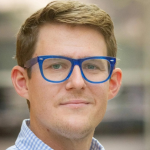
Nathan Singh, MD, MS, an internationally recognized WashU Medicine medical oncologist at Siteman Cancer Center, has been named the inaugural recipient of the Siteman Cancer Center Excellence Award, the institution’s newest and highest honor recognizing exceptional achievement in scientific discovery, clinical innovation and care and academic leadership. The award has been funded by donors who generously have invested in new research and discovery at Siteman Cancer Center.
Singh is a renowned physician-scientist whose research is advancing next-generation engineered immune cell therapies, including CAR T-cell therapies, to overcome treatment resistance and deliver more durable, life-saving responses for patients with cancer. His laboratory is uncovering the biological mechanisms that limit the effectiveness of cellular therapies while developing innovative strategies to expand their curative potential across a broader range of cancers.
Since joining WashU in 2019, Singh has emerged as one of the field’s leading investigators and established a distinguished record of scientific achievement. He was promoted to associate professor of medicine in 2025 and serves as scientific director of the Center for Gene and Cellular Immunotherapy at WashU Medicine and Siteman Cancer Center. His other roles include outreach and education liaison for the Tumor Immunology Program at Siteman.
“Dr. Singh exemplifies the kind of innovative, collaborative and patient-focused leadership that drives our mission forward,” said Daniel C. Link, MD, chief of the Division of Oncology and the Alan A. and Edith L. Wolff Professor of Medicine at WashU Medicine and deputy director of Siteman Cancer Center. “His research has already made a significant impact in the field of cellular immunotherapy, and his continued work holds great promise for improving outcomes for patients.”
Established to recognize individuals whose work fundamentally advances the future of cancer medicine, the Siteman Cancer Center Excellence Award honors transformational contributions that accelerate scientific discovery, elevate patient care and strengthen academic leadership. As the inaugural recipient, Singh sets the standard for a distinction that reflects Siteman’s commitment to advancing the next generation of cancer innovation. The Siteman Excellence Award recognizes the most innovative and transformative advances in all areas of cancer research — helping recruit and retain world-class scientists, invest in the most cutting-edge research infrastructure and lab equipment and enable the fastest response to new opportunities in research and patient care.
“Private philanthropy is what makes possible awards like the Siteman Cancer Center Excellence Award,” says Timothy J. Eberlein, MD, director of Siteman Cancer Center and the Spencer T. and Ann W. Olin Distinguished Professor at WashU Medicine. “Through the generosity of donors who believe in the power of discovery, Siteman can invest in visionary researchers and innovative science that may not yet qualify for traditional funding. Their support fuels breakthroughs that become tomorrow’s life-saving treatments and offer new hope to patients around the world.”
Singh’s selection as the first recipient of the Siteman Cancer Center Excellence Award reflects his growing national and international influence in the field of cancer immunotherapy and his commitment to advancing discoveries that may bring more effective, personalized treatments within reach for patients across a wide range of diseases.
His research has been published in leading journals including Nature Medicine, Nature Communications, Blood, Cancer Discovery and Nature Immunology. His studies have helped define mechanisms of CAR T-cell exhaustion, identify factors that influence T-cell function and advance new approaches to engineering more effective immune-based cancer therapies.
Singh has also secured major competitive funding, including an R37 grant from the National Institutes of Health, a V Foundation research grant and a Damon Runyon Clinical Investigator Award. In addition, he holds seven patents related to cellular immunotherapy, including innovations in CAR T-cell expansion, combination CAR therapies, lipid nanoparticle delivery for CAR mRNA, MHC-independent T-cell receptors, immunotherapy-resistant cancer detection and treatment, CAR T-cell compositions and synthetic antigen receptor design.
Beyond his research, Singh is an active clinician, educator and mentor. He contributes to the care of patients with hematologic malignancies at Siteman Cancer Center, teaches trainees across multiple programs and serves on national scientific committees.
“Dr. Singh is not only a leader in the lab, but also a valued member of our clinical and academic community,” Link said. “This award recognizes both his exceptional accomplishments to date and the promise of what is still ahead.”
The honor is in recognition of their development of an AI tool that refines breast-cancer risk prediction.
WashU Medicine researchers Graham A. Colditz, MD, DrPH, and Shu (Joy) Jiang, PhD, at Siteman Cancer Center are the joint recipients of the 2026 WashU Chancellor’s Award for Innovation and Entrepreneurship. The pair were honored for developing artificial intelligence (AI)-based imaging software that analyzes mammograms to more accurately predict a woman’s personalized five-year risk of developing breast cancer.
Colditz is the Niess-Gain Professor of Medicine and Jiang is an associate professor, both in the Division of Public Health Sciences in the WashU Medicine Mary Culver Department of Surgery. They also are research members at Siteman Cancer Center, based at Barnes-Jewish Hospital and WashU Medicine. At Siteman, Colditz also is associate director for cancer prevention and control.
The Chancellor’s Award for Innovation and Entrepreneurship was established in 2010 to recognize faculty members who have translated their research into significant commercial applications, such as new technologies, therapeutics or diagnostic tools. Colditz and Jiang received the award May 7 at the WashU Office of Technology Management’s (OTM) annual Celebration of Inventors, which recognizes innovation and commercialization successes of WashU faculty during the preceding calendar year.
Colditz is an epidemiologist who specializes in preventable causes of chronic disease, particularly among women. Jiang is a biostatistician and data scientist who focuses on developing statistical methods to identify and predict cancer risks, especially for breast cancer.
In 2024, the collaborators co-founded Prognosia, a WashU startup based on their AI mammography analysis tool, with support from OTM. The tool, Prognosia Breast, received FDA Breakthrough Device designation in June 2025. The company was bought by Lunit, a company that specializes in AI applications, a few months later.
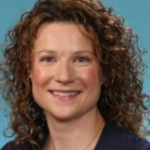
Cynthia X. Ma, MD, PhD, a renowned WashU Medicine physician-scientist at Siteman Cancer Center, has received a Leadership Grant from Susan G. Komen to advance breast cancer research focused on endocrine resistance, a major challenge in treatment for hormone receptor-positive breast cancer.
A medical oncologist, Ma treats patients with this and other types of breast cancer at Siteman Cancer Center, based at Barnes-Jewish Hospital and WashU Medicine.
She will use the grant to study tumor samples collected from postmenopausal women with ER-positive, HER2-negative breast cancer who participated in a major phase III study called the ALTERNATIVE trial, which Ma leads. The tumor samples were collected at diagnosis and then again during surgery after the patients received endocrine therapy, also called hormone therapy. By comparing these samples, her team will investigate the genetic features present before treatment and the changes that occur during therapy that may cause tumors to become resistant. The goal is to better understand why some tumors stop responding to therapy and to identify patients who are at risk of treatment resistance. Ultimately, this knowledge could help guide more personalized treatments that improve patient outcomes and save lives.
Susan G. Komen announced the award July 23, part of $15.4 million total in research grants awarded to 35 leading U.S. researchers, including long-term, well-established researchers such as Ma who have made a profound impact in the field, as well as early-career investigators.
“The researchers receiving grants from Susan G. Komen are making lasting contributions to our understanding of breast cancer and bringing the innovation and technology that’s needed to this disease so that all patients can receive the best care possible and enjoy a high quality of life after a breast cancer diagnosis,” said Ann H. Partridge, MD, MPH, chief scientific adviser for Komen.
Zipfel has led the Taylor Family Department since 2019 and is the neurosurgeon-in-chief at Barnes-Jewish Hospital. He also treats patients at The Brain Tumor Center at Siteman, where he specializes in complex tumors of the skull base, including meningioma, schwannoma, acoustic neuroma, craniofacial tumors and chordoma/chondrosarcoma.
Zipfel also specializes in the treatment and research of cerebrovascular conditions such as stroke — work that has led to the development of new treatments to reduce brain injury after brain aneurysms rupture. Additionally, he studies vascular contributions to dementia.
The Society of Neurological Surgeons is the oldest neurosurgical society in the world and was founded to advance the quality of care for neurosurgical patients through education and research. WashU Medicine’s connections to the society go back to Ernest Sachs, MD, a faculty member who was the first professor of neurosurgery in the U.S. and a founding member of the organization in 1920. All five chairs of the WashU Medicine Taylor Family Department of Neurosurgery — including Zipfel’s predecessor and mentor Ralph G. Dacey Jr., MD, who also treated patients at Siteman — have served as president of the society. Zipfel serves as president until the society’s 2027 annual meeting in May.
As a mentor himself, Zipfel is strongly committed to neurosurgery education and is the principal investigator of the National Institutes of Health-funded National Neurosurgeon Research Career Development Program. He also serves in leadership roles with the Neurosurgery Research and Education Foundation and the Emerging Investigator Mentoring Program of the American Academy of Neurological Surgery.
In the story, McEvoy highlights the risks that often fly under the radar: outdoor jobs, time spent driving, popular hobbies like golf and fishing, and missed areas such as the scalp part, ears and hands. She also explains why immunosuppression can significantly increase the risk of skin cancer, and why it’s so important to make sun protection part of a daily routine.
Renowned physician-scientist is national leader in research and treatment of blood cancers
Ravi Vij, MD, MBA, who has dedicated his career to advancing treatments for blood cancers, has been installed as the inaugural Jeffrey S. and Prue H. Gershman Distinguished Professor in the John T. Milliken Department of Medicine at WashU Medicine.
Vij, a professor of medicine in the department’s Division of Oncology, treats patients at Siteman Cancer Center, based at Barnes-Jewish Hospital and WashU Medicine. He was installed by Chancellor Andrew D. Martin and David H. Perlmutter, MD, executive vice chancellor for medical affairs, the Spencer T. and Ann W. Olin Distinguished Professor and the George and Carol Bauer Dean of WashU Medicine. The professorship was funded by St. Louisans Jeffrey and Prue Gershman, who are dedicated philanthropists and volunteers supporting local education, health and arts organizations.
“Jeffrey and Prue are deeply committed to improving the lives of the people of St. Louis, and it is a true honor that they have chosen WashU to be partners in that goal,” Martin said. “Through this professorship, their generosity will accelerate progress against blood cancers by supporting Dr. Vij’s work to bring new, more effective treatments to patients. His leadership has helped grow WashU Medicine’s reputation as a national force in stem cell transplantation and immunotherapy, and with the Gershmans’ support, that momentum will continue.”
As the principal investigator of the Multiple Myeloma Tissue Banking initiative at Siteman, Vij leads a collaborative research team studying the genetic underpinnings and cellular microenvironment of multiple myeloma, a cancer of the plasma cells in bone marrow. He has led several clinical trials of investigative therapies for blood cancers, including immunotherapy agents and novel stem cell transplant strategies, that went on to become standard treatments. He has authored over 300 scientific publications in the arena of blood cancers.
“Dr. Vij has consistently pushed the field forward, pursuing multiple promising avenues to improve outcomes for patients with blood cancers, particularly multiple myeloma,” Perlmutter said. “His work spans discovery science, clinical trials and national collaboration — advancing new therapies while building the partnerships that move the field as a whole. His ability to translate scientific insight into real-world advances continues to shape the future of care in this field.”
Vij has served on the American Society of Clinical Oncology education and scientific committees and on the myeloma committees of the Clinical Trials Network and Alliance for Clinical Trials in Oncology. He currently serves as senior editor of the journal Clinical Lymphoma, Myeloma and Leukemia and is a past chair of the American Society of Hematology scientific committee on plasma cell dyscrasias, a type of cell disorder linked to blood cancers. Vij has received the Multiple Myeloma Research Foundation Innovator Award, the Center of Excellence Award and the Leukemia & Lymphoma Society Visionary of the Year Award.
A respected and effective educator, Vij has mentored 25 early-career researchers over his career and in 2007 received the Teacher of the Year Award from the Hematology and Oncology Fellowship Program at WashU Medicine.
“Dr. Vij is an expert in myeloma whose warmth and support give his patients confidence that they are in the best possible hands and getting the best treatment,” said Victoria J. Fraser, MD, the Adolphus Busch Professor of Medicine and head of the Department of Medicine. “He is widely recognized as a leader in the field for his research, his thoughtfulness as a physician and his creativity as a clinical investigator and mentor. The tremendous energy he brings to resources such as the Multiple Myeloma Tissue Banking initiative will benefit the field for years and decades to come.”
Vij completed his medical education at Maulana Azad Medical College in New Delhi, India, followed by postgraduate training at Halifax General Hospital and Royal Infirmary in the U.K. He completed an internal medicine residency at Rush University in Chicago and fellowships in medical oncology and hematology and in bone marrow transplantation at WashU Medicine. He joined the WashU Medicine faculty in 2000.
Jeffrey S. and Prue H. Gershman
Jeffrey S. and Prue H. Gershman, of Clayton, Mo., have supported numerous programs and organizations in and beyond St. Louis through philanthropy and through volunteer service for the arts, education, healthcare and community organizations.
Jeffrey is an attorney who has practiced business, real estate and tax law in the St. Louis area since 1981. He is active in the St. Louis business community as a director on the boards of Central Bank of St. Louis and Gershman Investment Corp. Prue has worked for 40 years as an educator and social worker at several institutions, most recently as the director of counseling and wellness at John Burroughs School in Ladue.
The award, presented by the American Statistical Association, recognizes early-career statistical innovators with a tenacious and resolute commitment to excellence. Recipients have represented a variety of disciplines.
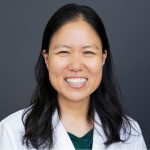
Jiang, an associate professor of surgery in the Division of Public Health Sciences at WashU Medicine, is the co-developer of technology that harnesses artificial intelligence (AI) to analyze mammograms and improve the accuracy of predicting a woman’s personalized five-year risk of developing breast cancer. Last year, the software received Breakthrough Device designation from the Food and Drug Administration (FDA) and was acquired by Lunit, a leading company in developing AI-based technologies for cancer prevention and early detection.
The award was named in honor of pathbreaking Black female statistician Annie T. Randall for her pioneering career in government amid pervasive racial discrimination.
Jiang will be recognized at the 2026 Joint Statistical Meetings, the biggest conference for statisticians and data scientists globally, Aug. 1-6 in Boston.