Gallbladder and Bile Duct Cancer | Diagnosis

Diagnosing gallbladder and bile duct cancers 

Hearing you have gallbladder or bile duct cancer is never easy. But getting the right diagnosis helps us create the best treatment plan.


A diagnosis isn’t just a statement that says you have gallbladder or bile duct cancer. It will also describe what type and even subtype of cancer you have, and how far the cancer has spread.  

What is the first step in a gallbladder or bile duct cancer diagnosis?

In many cases, patients learn they have gallbladder cancer after having their gallbladder taken out for another reason. 

What are the symptoms of gallbladder and bile duct cancers?

Gallbladder and bile duct cancers don’t usually cause symptoms right away. When they do cause symptoms, patients might mistake them for another condition, such as a virus or indigestion.


If you notice one or more of the following symptoms and don’t see any improvement over several weeks, make an appointment with your doctor:

  • Fever 
  • Nausea and vomiting 
  • Upper belly pain 
  • Bloating 
  • Itching 
  • Yellowing of the skin and whites of the eyes (jaundice)  

Jaundice is one symptom that should never be ignored. Call your doctor right away if you notice this.

Why Choose Siteman for Your Cancer Diagnosis?

At Siteman, we will make sure your diagnosis is correct the first time. Our WashU Medicine physicians have seen many cases of gallbladder and bile duct cancers. They will carefully study your tumor and see how far it has spread in your body. They will look at the cells of the tumor to see how they behave and how they can be targeted.


When your team is finished gathering information, they will make your treatment plan. 

What to expect during a diagnosis

If you suspect you may have gallbladder or bile duct cancer, you will want to schedule an appointment with your doctor. They will examine you and do tests to learn more about what is going on.


After doing tests, your doctor might refer you to Siteman. Or, you can make an appointment with us yourself. Many patients come to Siteman for a second opinion. You don’t need a referral to come see us.


At Siteman, we will do more tests to confirm that your diagnosis is right.


We understand that medical tests make many people anxious. Your comfort is our priority – we want you to feel safe when you’re in our care. Please don’t hesitate to ask questions or to request accommodations.


Your Siteman care team will likely recommend one or more of the following tests:


  • Blood tests: Blood tests are an important tool for detecting gallbladder and bile duct cancer. They can show whether gallbladder and bile duct cancer might be present in your body. They will check how well your liver is working and look for substances released by cancer cells.  
  • X-rays of the liver, gallbladder, and bile ducts: X-rays can show whether you have a blockage anywhere in your bile ducts. You’ll have them in an operating room while you’re asleep. Your doctors may inject a special dye that will help them see where the blockages are. If you do have a blockage, your care team can place a tube called a stent to unblock it.  
  • Biopsy: During a biopsy, your doctors will remove a sample of tissue from your bile ducts or gallbladder. Doctors called pathologists will check the samples under a microscope for signs of cancer. You’ll be asleep during the procedure. If you’re already having surgery to remove your gallbladder, your surgeon will collect a tissue sample after the surgery is done. 
  • Imaging tests: Imaging tests take pictures of the inside of the body. They can show how big your tumor is and how far it has spread. You might have an ultrasound, which uses sound waves to make a picture, or a CT-scan.  
  • Laparoscopy: While you are asleep, your doctors will make several small incisions in your belly (abdomen). They will place a tube with a camera called a laparoscope through the incisions. Using the laparoscope, they will look to see if cancer has spread. They might be able to remove your gallbladder at this time. They might also collect (biopsy) other samples of tissue. A laparoscopy is a minimally-invasive surgery.  

Staging Gallbladder and Bile Duct Cancers

If you have gallbladder or bile duct cancer, it’s important to find out how far the cancer has spread in your body. Doctors call this “staging” the cancer. Your treatment plan will depend on what stage the cancer is.


Like most cancers, gallbladder and bile duct cancers are given stages from 0 to 4 (IV). Stage 0 cancers have not spread beyond the original tumor.


Tumors at Stage 1 (I) have grown larger. Tumors at Stages 2 (II) and 3 (III) have grown deeper into the tissues of the gallbladder and bile ducts and may have spread to other organs in the belly such as the liver.


Stage 4 (IV) cancers have spread outside of the belly to other parts of the body. This means that the cancer has “metastasized.” 

Gallbladder and Bile Duct Cancer | Team & Location

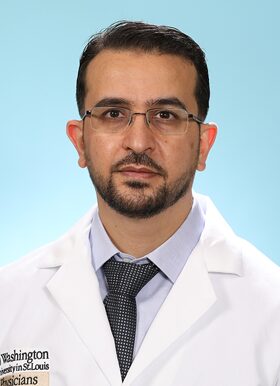
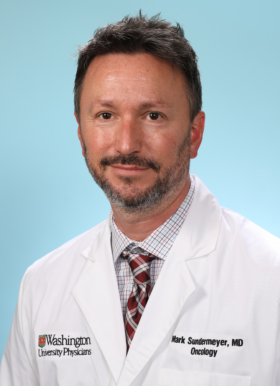
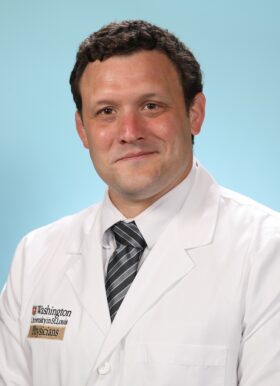
Gallbladder and Bile Duct Cancer Specialist Team

Medical Oncologists
Radiation Oncologists
Hepatobiliary Surgical Oncologists
General Surgeons
Gastroenterologists
Psychologist

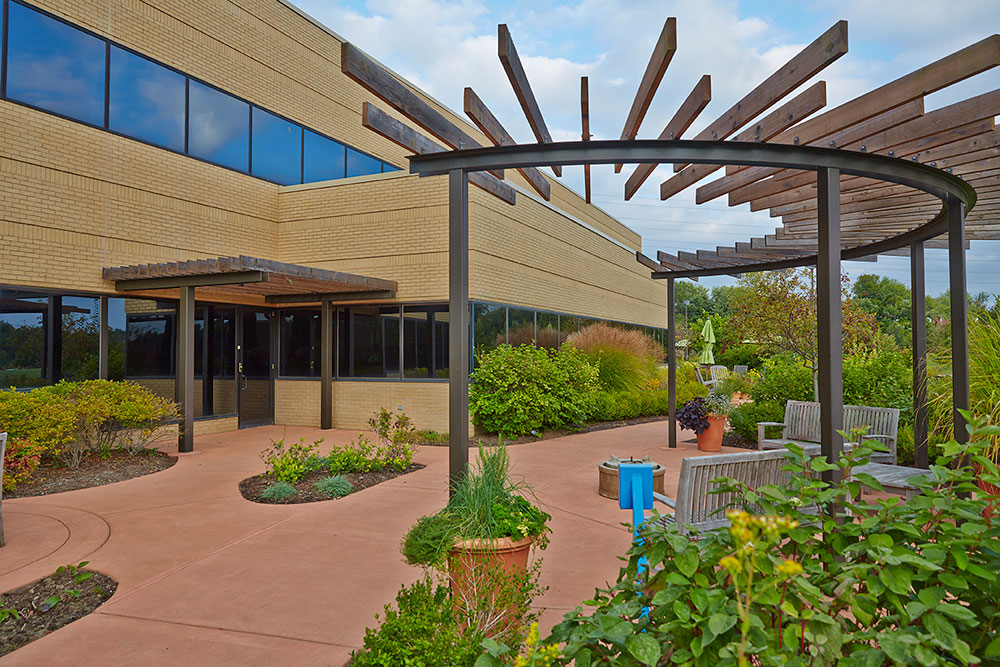
Our Locations

Gallbladder and Bile Duct Cancer | Treatment & Support

Treatment for Gallbladder and Bile Duct Cancers

Gallbladder and bile duct cancers are rare. But at Siteman Cancer Center, we have treatment options that can help you. Our WashU Medicine physicians and surgeons are highly experienced at treating this disease. We use innovative techniques, including immunotherapy and a special pump to deliver chemotherapy at the tumor site.


At Siteman, we understand that you are more than just your cancer. We will provide you with resources to help you and your family cope through the treatment process and beyond. Nurse navigators will guide you and your loved ones as you receive care.


Many patients at Siteman receive treatment through clinical trials. Siteman offers more clinical trials than any other center in our region. If any clinical trials are a good fit for you, your care team will include them in your treatment plan. 

What treatment could I have for my gallbladder or bile duct cancer?

Most patients with gallbladder or bile duct cancer will have a combination of surgery and drug therapy. Drug therapy includes chemotherapy and immunotherapy. Rarely, doctors will recommend radiation therapy. 

Surgery for gallbladder and bile duct cancers

Often, surgery is the first line of treatment for gallbladder and bile duct cancers. If your cancer is at an early stage, surgery might be able to remove it completely. Surgery can also help patients with late-stage cancers feel better.


Because the bile ducts intersect with other important organs, it can be challenging to remove tumors in this area. You’ll want to have surgery at a center that does many gallbladder and bile duct cancer surgeries each year. The WashU Medicine physicians at Siteman excel at performing these surgeries. They have the experience you need.


Common surgical procedures to treat gallbladder and bile duct cancers include:

  • Removing the gallbladder: This procedure is called an “extended cholecystectomy.” Your surgeon will take out your gallbladder and some of the tissue around it. This usually includes part of the liver and some nearby lymph nodes.  
  • Removing the bile ducts: The bile ducts extend from the liver, to the gallbladder, and into the pancreas. The type of procedure you’ll have depends on where your tumor is located. If a tumor is located in the bile ducts inside the liver, your doctors will have to take out part of the liver. This is called a “partial hepatectomy.” If the cancer has spread more extensively in your liver, your surgeons will take out a lobe of the liver. This is called a “hepatic lobectomy.” 
  • Removing the head of the pancreas: This procedure is called a “Whipple procedure.” It’s done cancer is located in the parts of the bile duct inside the pancreas. In a Whipple procedure, your surgeon will take out the widest partof the pancreas, called the “head” as well as the gallbladder, the bile duct, and part of the small intestine. They do this to remove all cancer cells while leaving some of the pancreas in place.

What is drug therapy for gallbladder and bile duct cancers?

Drug therapies are medications that fight cancer cells. There are several types of drug therapies. Each of them works differently. If you have gallbladder or bile duct cancer, you might have drug therapy to prevent the cancer from coming back after surgery.


Drug therapy can also treat gallbladder and bile duct cancers that have started to spread around the body. When this happens, the cancer has metastasized.


At Siteman, drug therapy options for gallbladder and bile duct cancers include:

  • Chemotherapy: Chemotherapies are drugs that kill cancer cells wherever they are found in the body. 
  • HAI pump therapy: An HAI pump (Hepatic Arterial Infusion) pump delivers chemotherapy into the main artery that feeds the liver (the hepatic artery). Because the artery also serves the bile ducts, it will carry the medication straight to the tumor. HAI pump therapy can be an effective option for patients with bile duct cancers. At Siteman, our team is experienced at performing this complex treatment for our patients.  
  • Immunotherapy: Immunotherapy is a new form of cancer treatment that trains your own immune system to recognize and attack cancer cells. It can be a good option for gallbladder and bile duct cancer patients with later-stage cancers. Siteman offers clinical trials exploring immunotherapies for gallbladder and bile duct cancer patients.  

When do patients with gallbladder or bile duct cancer receive radiation therapy?

Radiation therapy is not a common treatment for gallbladder and bile duct cancers. In certain cases, doctors may recommend radiation therapy to treat cancers that have spread to other parts of the body. 

Clinical Trials

Clinical trials are an important part of gallbladder and bile duct treatment at Siteman. They offer the newest treatments and approaches. Learn more about how clinical trials for gallbladder and bile duct cancer could help you.

Gallbladder and Bile Duct Cancer | Risk & Prevention

It’s not possible to predict whether you will or won’t develop gallbladder or bile duct cancer. But there are certain risk factors that can make gallbladder and bile duct cancers more likely.

Risk Factors for Gallbladder and Bile Duct Cancer

Risk factors include:

  • Age: People who are 65+ are at higher risk.
  • Lifestyle factors
    • Not exercising regularly
    • Exposure to toxic chemicals, including tobacco
    • Drinking alcohol
  • Health conditions
    • Having excess weight or obesity
    • Gallstones
    • Lumps in the gallbladder (polyps)
    • Sacs filled with bile in the biliary tract (biliary cysts)
    • Liver damage (cirrhosis)
    • Infection with hepatitis B or C
  • Family history
    • Lynch Syndrome

How can I lower my risk of gallbladder and bile duct cancers?

Some risk factors are things that can’t be changed, such as your age and your health history. Other risk factors are things that you can take action on.


To lower your risk of gallbladder and bile duct cancer, you can take these steps:


  • Reduce alcohol consumption: If you drink alcohol, especially more than three drinks a day, look for ways to cut back.  
  • Improve your diet: Focus on eating a diet rich in whole grains and fruits and vegetables. Limit processed and salty food.  
  • Get some exercise: Even a small amount of exercise can have a big impact. Try get about half an hour of physical activity per day. “Activity” includes walking, gardening, and housework. It can be spread throughout the day. 
  • Quit smoking: We understand that quitting smoking can be a major challenge. If you need help making this change, Siteman has a plan for you
Start Here. Get the Care You Need.

Our Siteman care coordinators – oncology-trained nurses who help with scheduling, finding the right specialist, and guidance – can help you through the process.

Call us directly or submit a form, and we will call you back.

Gallbladder and Bile Duct Cancer | Care at Siteman Cancer Center

Gallbladder and bile duct cancers are both rare. And Siteman Cancer Center at Barnes-Jewish Hospital and WashU Medicine see many patients with these cancers every year. They are not rare to us.


If you have gallbladder or bile duct cancer, we will take care of you. We have the experience you need. We will make a plan to help you feel better now and in the future. 

About Gallbladder and Bile Duct Cancers

The gallbladder is a small organ that stores bile. Bile is a substance that we need to digest our food. The liver makes bile, and the bile duct carries it from the liver to the gallbladder and then to the pancreas.


Cancers that happen in the gallbladder and/or bile ducts don’t always cause symptoms right away. But as the cancer grows, patients can feel uncomfortable.


Bile duct cancer is also called “cholangiocarcinoma.” Together, gallbladder and bile duct cancers are called “biliary tract cancers.” They develop from the same type of cells.     

Types of bile duct cancer  

There are three main types of bile duct cancer. They happen in different parts of the bile ducts.


  • Intrahepatic Bile Duct: These cancers develop in the bile ducts located inside the liver. 
  • Perihilar Bile Duct Cancer: This type of cancer happens where the bile ducts in the liver meet. 
  • Distal Bile Duct Cancer: Distal bile duct cancers develop in the main branch of the bile duct that extends beyond the liver and into the pancreas. They also form in the bile ducts inside the pancreas itself.  

How do gallbladder and bile duct cancers develop?

Gallbladder and bile duct cancers develop when a cell in either the gallbladder or bile duct has a genetic change. The genetic change makes the cell abnormal. The abnormal cell starts to multiply very fast. It makes more and more abnormal cells. Over time, the abnormal cells form a lump called a tumor.

Why Choose Siteman?

For over 25 years, Siteman Cancer Center has been a regional and national leader in cancer care. We are the only cancer center in the region to be recognized as a Comprehensive Cancer Center by the National Cancer Institute (NCI). U.S. News & World Report consistently ranks us among the top cancer facilities in the nation.


Our approach brings together exceptional WashU Medicine physicians, cutting-edge medicine, clinical trials, and a compassionate touch. When you come to us, you are more than your diagnosis. We see you as the unique person you are, and your treatments will reflect that.   

Proactive Treatments

In many cases, patients don’t learn that they have gallbladder cancer until they’ve had their gallbladder removed for a different condition, such as gallstones.


At Siteman, we recognize that these patients aren’t cured. Even though their gallbladder is gone, their cancer is likely to return. To prevent their cancer from coming back, we treat these patients with chemotherapy as soon as possible. 

Expert Physicians and Staff

When you come to Siteman, your doctors will be highly-ranked WashU Medicine physicians. They’ll work as a team to make a treatment plan for you. This team-based approach is called “multidisciplinary care.” Every physician on your team will have extensive experience treating gallbladder and biliary tract cancers. They study these cancers in the laboratory and lead clinical trials.


At Siteman, you can be confident that your treatment plan will be thorough, evidence-based, and grounded in the latest research.


You’ll also benefit from the care of a knowledgeable support staff, including nurse practitioners, psychologists, and cancer navigators. We want you to feel confident and comfortable throughout your treatments.  

HAI Pump Therapy

HAI (hepatic arterial infusion) pump therapy is an advanced treatment for bile duct cancers. It delivers chemotherapy into the main artery of the liver, which also carries blood to the bile ducts. This allows the drug to travel straight to the tumor site and kill cancer cells.


HAI pump therapy can be complex. You need skilled, experienced providers to perform it. At Siteman, we excel at HAI pump therapy. You’ll get the most out of your treatment.

Clinical Trials

Every cancer treatment we use today was tested in a clinical trial first. Clinical trials are research studies that evaluate new drugs and procedures. They allow patients to get the newest treatments before they are available everywhere. Sometimes, clinical trials create new opportunities for patients. They can improve outcomes and quality of life during and after treatment.


WashU Medicine physicians and researchers at Siteman lead more clinical trials than any other center in the region. When you come to us, your team will see if any trials could be a good match for you.  

Start Here. Get the Care You Need.

Our Siteman care coordinators – oncology-trained nurses who help with scheduling, finding the right specialist, and guidance – can help you through the process.

Call us directly or submit a form, and we will call you back.