Bladder Cancer | Risk

Risk Factors

  • Using tobacco, especially smoking cigarettes.
  • Having a family history of bladder cancer.
  • Having certain gene changes linked to bladder cancer.
  • Being exposed to certain chemicals in the workplace.
  • Past treatment with certain anticancer drugs or radiation therapy to the pelvis.
  • Drinking well water that has high levels of arsenic.
  • Drinking water that has been treated with chlorine.
  • Having a history of bladder infections.
  • Using urinary catheters for a long time. 

Making a diagnosis of bladder cancer may involve different approaches. The following tests and procedures may be used:

  • Physical exam and history: The specialist carefully examines the patient’s past illnesses and treatments, and any signs of disease, or abnormalities.
  • Digital rectal or vaginal exam: The doctor or nurse inserts a gloved finger into the rectum or vagina to check for lumps or abnormal areas.
  • Urinalysis: This test looks at a urine sample for its color and content, such as sugar, protein, red and white blood cells.
  • Urine cytology: A urine sample is examined under a microscope for abnormal cells.
  • Cystoscopy: A cystoscope is inserted through the urethra into the bladder to check for abnormal areas. The thin, tube-like instrument has a light and a lens for viewing, and may also have a tool to remove (biopsy) suspicious tissue samples, which are checked under a microscope for signs of cancer.
  • Intravenous pyelogram (IVP): A contrast dye is injected into a vein and a series of x-rays are taken of the kidneys, ureters, and bladder to find out if cancer is present in these organs. As the contrast dye moves through the kidneys, ureters, and bladder, x-rays can also visualize any blockages.

After bladder cancer has been diagnosed, additional tests may be done to determine if the cancer has spread to other parts of the body. However, staging tests may not be done unless the patient has symptoms or signs that the cancer has spread.

8IGHT WAYS® to Stay Healthy and Prevent Cancer

The power of healthy living is hard to overestimate. A large percentage of cancers and many other chronic diseases can be prevented by things like eating a healthy diet, getting regular exercise, keeping weight in check, and getting important screening tests.


The best part? These are things under your control. Take some simple steps to improve your health, and help your family do the same.


Explore Our 8IGHT WAYS® Resources

Watch Video

Bladder Cancer | Treatments

Treatments for Bladder Cancer

There are different types of treatment for patients with bladder cancer, depending on the stage and grade of the cancer and the person’s overall health. At Siteman, each cancer has a wide range of treatments that can be used alone or in combination to give the best outcome for your specific cancer, including standard therapies and novel therapies only available in clinical trials. That’s why careful diagnosis is so important.

As part of a research medical center, physicians at the Siteman Cancer Center at Barnes-Jewish Hospital and WashU Medicine have access to a wide range of clinical trials to test new therapies as they emerge.

Involvement in trials is up to the patient. Many of our doctors are principal investigators in these trials, which cover medical, surgical, and radiation therapies. Discuss with your physician how your cancer might benefit from clinical trials.

The standard treatments for bladder cancer include surgery, radiation therapy, chemotherapy and biologic therapy. Clinical trials are testing many other approaches, some of which are becoming standard of care.

Surgery

Transurethral resection (TUR): In this surgery, a cystoscope (a thin, lighted tube) is inserted into the bladder through the urethra, and a tool with a small wire loop on the end is then used to remove the cancer or to burn the tumor away with high-energy electricity. Siteman is a world leader in experience with TURs.

Radical cystectomy: During this surgery, the bladder and nearby lymph nodes are removed. In women, a hysterectomy (removal of the uterus) would usually be performed at the same time because the uterus would lose its support. The urological cancer team at Siteman is one of the most experienced in the world in performing nerve-sparing bladder removal. For invasive bladder cancer, chemotherapy is often given before cystectomy.

Creation of a neobladder, a replacement bladder made out of intestinal tissue, is done.

Instead of creating an opening through the skin to divert urine, the surgeon places the new bladder in place of the cancerous bladder and connects it to the urethra.

This surgical technique allows both men and women to achieve nearly normal continence. Men who have nerve-sparing bladder removal and a neobladder can continue to have normal erections and urinate through their penis. Women also experience more comfortable sexual intercourse with a neobladder.

Neobladders are only appropriate for certain patients when the chances of recurrence are low and in the absence of certain other chronic conditions.

After surgery, some patients are given chemotherapy to lessen the chances the cancer will come back.

Radiation Therapy

Bladder cancer is often treated with radical surgical removal of the bladder.  However, in many circumstances a combination of radiation therapy and chemotherapy can allow bladder preservation with the same rates of cure.  New technologies such as MRI-guided radiation therapy are allowing radiation oncologists at Siteman to deliver radiation more precisely to the bladder, making the treatment more tolerable and effective.

Chemotherapy

Chemotherapy involves the administration of drugs, either orally or intravenously, to kill cancer cells. Recently, several new drugs have increased the options for physicians treating patients with bladder cancer. Therapy that falls under medical treatment has a wide range of approaches, including timing of treatment. It can be given before or after surgery, in conjunction with radiation or by itself.

Medical oncologists at Siteman currently are investigating a series of new anti-cancer drugs that can be placed in the bladder, either in combination with standard medications or alone. Chemotherapy given through a catheter directly into the bladder is called regional therapy.

Biologic or immunotherapy: This treatment uses the patient’s own immune system to fight the cancer. After removing the cancer, the patient is treated with an intravesical biologic therapy called BCG (bacillus Calmette-Guérin), which is given in a solution that is placed directly into the bladder using a catheter for a brief period and repeated in a series of treatments.  In non-invasive bladder cancer, the biologic approach is usually a single remedy.

Chemoradiation: This treatment combines chemotherapy and radiation to increase the effects of both.

Different combinations of therapies may be used depending on the stage of the cancer and the health of the patient. New combinations of therapies are always being tested in clinical trials and are available at Siteman Cancer Center before other places may have access to them.

Effects of Bladder Cancer Treatment

Cancer treatment is geared toward positive outcomes, such as removing the cancer, reducing tumor size and preventing recurrence. However, many of the treatments used to accomplish that have their own challenges for our bodies. Prior knowledge of what to expect helps in treatment decision-making and getting the support you need to deal with these effects.

Chemotherapy- induced side effects

  • Fatigue: The most common effect of cancer treatment, this fatigue is different than the kind healthy people experience. It can result from any type of cancer treatment.
  • High-frequency hearing loss and tinnitus (ringing in the ears)
  • Low blood counts: An increased risk of infection and anemia may require treatment to compensate.
  • Nausea and vomiting: These can be serious consequences of cancer treatment, but Siteman has considerable experience managing these so cancer therapy can continue, and you can live your normal life.
  • Peripheral neuropathy: Chemotherapy-induced peripheral neuropathy (CIPN) is a set of symptoms caused by damage to the nerves that control the sensation in our arms and legs, and may include pain, numbness and tingling.

Your doctor’s office should have information sheets on the most frequent side effects of your specific chemotherapy and will help you manage them.

Side effects from removal of the bladder

  • Sexual Dysfunction and urinary incontinence: Patients with radical cystectomies may experience these problems due to nerve damage. Our nerve-sparing approach to surgery allows small tumors to be removed without these effects in most cases.
  • Urgency, frequency, temporary blood in urine, slow return to bowel function: Work with your provider in managing these symptoms.
  • Increased amount of care: including, perhaps, self-catheterization.

Cardio-oncology

Cardio-oncology is a new medical discipline focused on optimally treating any associated heart conditions in patients who have been treated for cancer, or are currently being treated for cancer. Specialized cardiologists can assess patients for the potential risk of developing certain heart conditions, especially if they are receiving particular types of cancer drugs, or following radiation treatment to the chest.

Learn more about the cardio-oncology program at Siteman



Bladder Cancer | Team & Location

Bladder Cancer Specialist Team

Medical Oncologists
Radiation Oncologists
Hepatobiliary Surgical Oncologist
General Surgeon
Psychologist

Our Locations

Bladder Cancer | Diagnosis

Symptoms and Diagnosis of Bladder Cancer

Bladder cancer forms in the cells of the lining of the urinary bladder. Depending on the type of cell affected, it may be transitional cell, squamous cell or adenocarcinoma. The main goal at the Siteman Cancer Center is to get a correct diagnosis of your condition and decide on the proper treatment. Specialists at Siteman excel in using technology and their experience to make an accurate diagnosis, often down to the genetic level so the best treatment options may be identified.

Estimate your risk for bladder cancer.

Symptoms of Bladder Cancer

  • Urgency and frequency of urination.
  • Blood in the urine (slightly rusty to bright red in color).
  • Frequent urination.
  • Pain during urination.
  • Lower back pain.

These symptoms are similar to those experienced during a bladder or urinary tract infection.

Staging of Bladder Cancer

Staging defines the extent of the cancer either locally in the bladder or advanced to other areas. Grading defines how aggressive the tumor is. Stage and grade are important factors in treatment options.

Prognosis

The prognosis (chance of recovery) depends on the following:

  • The stage of the cancer: localized or metastatic.
  • Grade of cancer: type of cells and how they look under a microscope.
  • Whether there is cancer in other parts of the bladder.
  • The patient’s age and general health.

If the cancer is superficial, prognosis also depends on how many tumors there are, the size of the tumors and whether the tumor has come back after treatment.

Bladder cancer in the early stages can often be cured. Clinical trials are a good option for getting the latest treatment.

Bladder Cancer | Care at Siteman Cancer Center
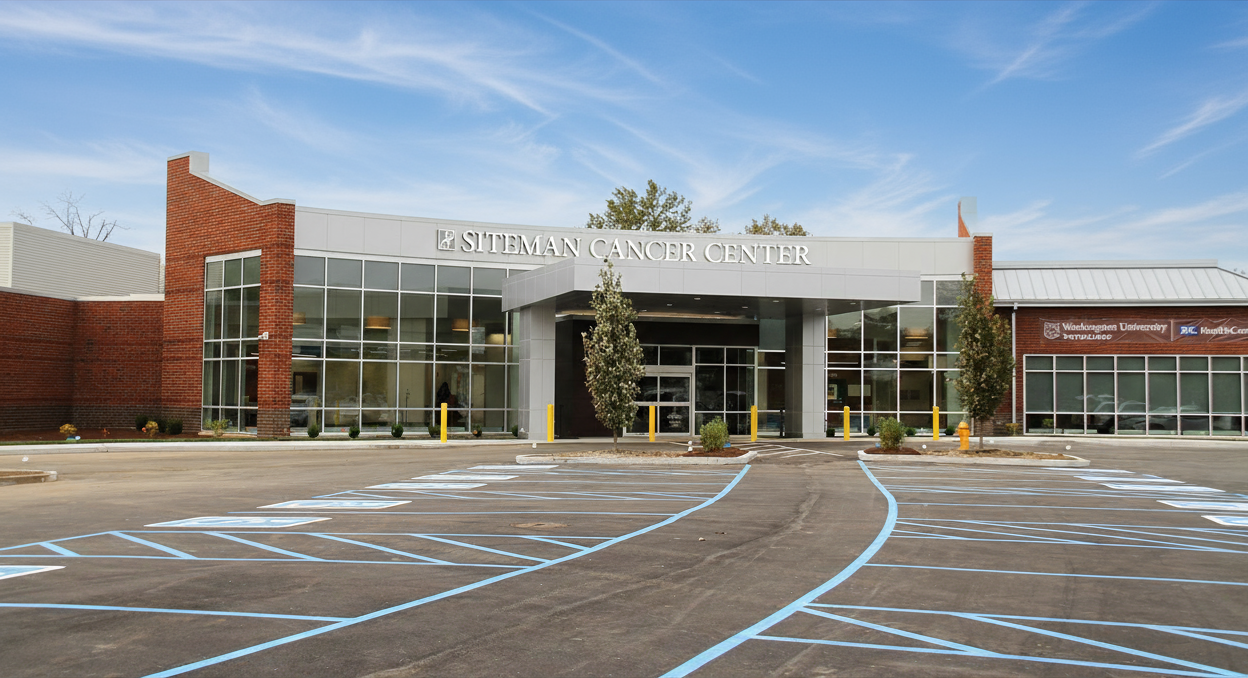
Patients who come to Siteman Cancer Center at Barnes-Jewish Hospital and WashU Medicine for treatment of bladder cancer are seen by a team of WashU Medicine physicians — surgical, medical and radiation oncologists — often during the same visit. A health psychologist is also available as needed. Experienced nurses then spend time with you, answering your questions and putting you in touch with resources that may help during this stressful time. These nurses offer patient literature on your condition, chemotherapy, radiation therapy, surgery and other related issues. As a unique feature of your care, we also offer the services of a palliative care specialist who can help you fit treatment into your own special circumstances, if needed.


Siteman Cancer Center sees on average 200 new cases of bladder cancer a year. Our urological cancer team is one of the most experienced in the world in performing nerve-sparing bladder removal and creating neobladders, replacement bladders made out of intestinal tissue. Instead of creating an opening to the skin to divert urine, the surgeon places the new bladder where the cancerous bladder was removed. This surgical technique allows both men and women to achieve nearly normal continence. Men who have nerve-sparing bladder removal and a neobladder can continue to have normal erections and urinate through their penis. Women also experience more comfortable sexual intercourse with a neobladder.

WashU Medicine medical oncologists at Siteman currently are investigating a series of new anti-cancer drugs that can be placed in the bladder, either in combination with standard medications or alone.

There are three types of bladder cancer that begin in the cells in the lining of the bladder:

  • Adenocarcinoma: This rare type of cancer begins in glandular (secretory) cells found in the lining of the bladder.
  • Transitional cell carcinoma (TCC): These cells in the innermost layer of the bladder are able to stretch when the bladder is full and shrink when it is emptied. Most bladder cancers begin in the transitional cells. Transitional cell carcinoma can be low-grade or high-grade. Low-grade TCC often comes back after treatment, but rarely spreads into the muscle layer of the bladder or to other parts of the body. Only 10 percent of bladder cancers progress to high-grade or invasive.
  • Squamous cell carcinoma: This cancer begins in the thin, flat squamous cells, usually after long-term infection or irritation.

Cancer that is limited to the lining of the bladder is called superficial bladder cancer. Cancer that has spread through the lining of the bladder and invades the muscle wall is invasive. If it is invasive or has spread to nearby organs and lymph nodes it is metastatic bladder cancer and is treated differently.

Treatment used for bladder cancer depends on the stage at which it is diagnosed, whether the cancer has spread outside the bladder, the patient’s age and personal wishes. Therapy is changing rapidly and biologics are taking more of a place in standard treatment.

WashU Medicine physicians at Siteman are actively involved in clinical trials that investigate new chemotherapy regimens and other approaches to cure. Having your cancer treated at Siteman gives you access to new therapies that are as good as – or potentially better than – current standard therapies available elsewhere.

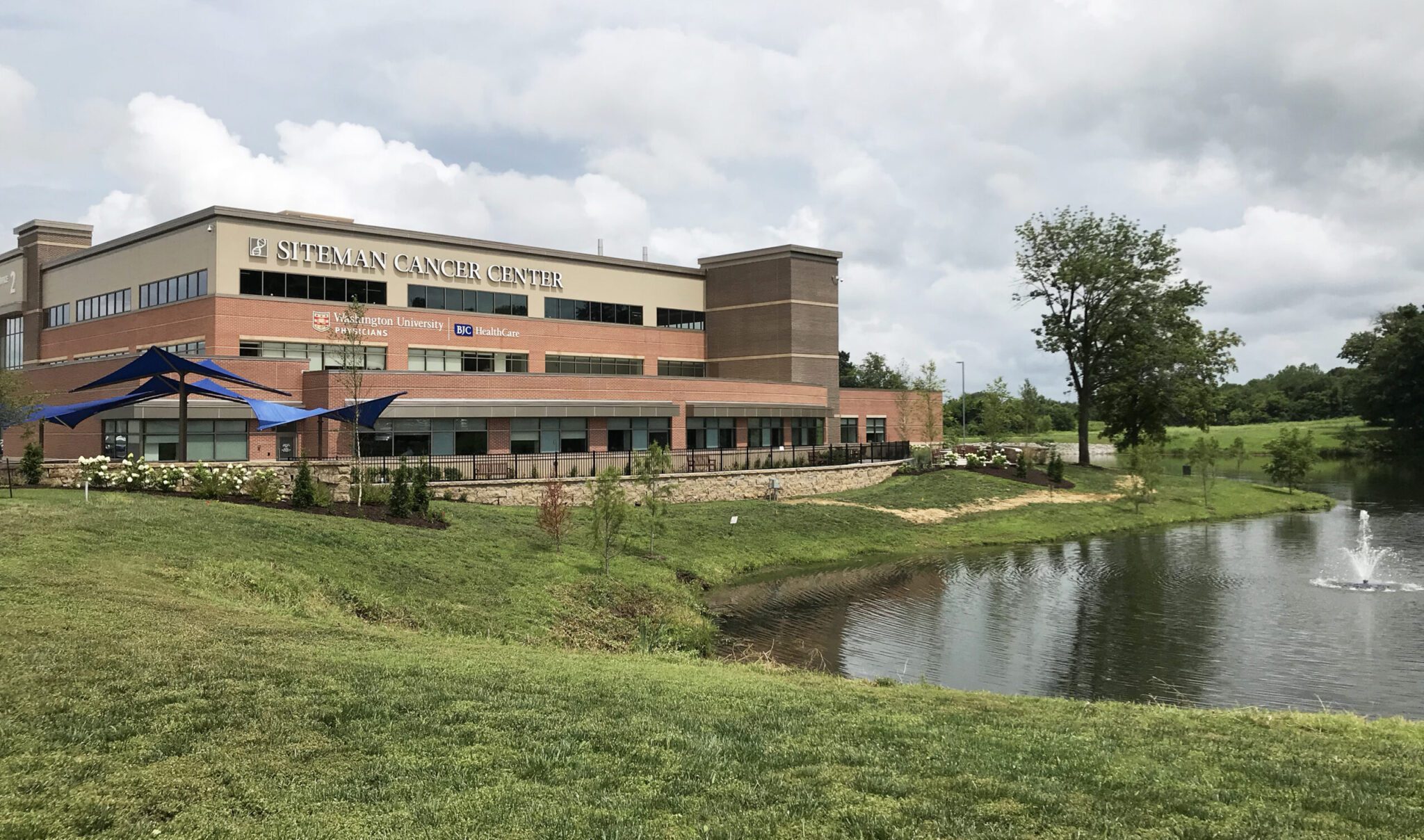
Start Here. Get the Care You Need.

Our Siteman care coordinators – oncology-trained nurses who help with scheduling, finding the right specialist, and guidance – can help you through the process.

Call us directly or submit a form, and we will call you back.