Liver Cancer | Team & Location

Liver Cancer Specialist Team

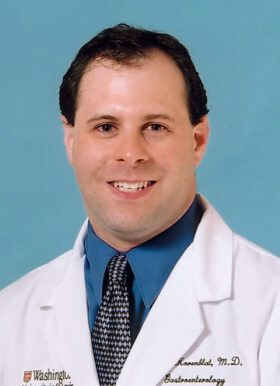
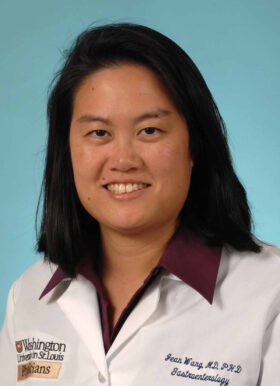
Gastroenterologists
Hepatologists
Transplant Hepatologists
Hepatobiliary Surgical Oncologists
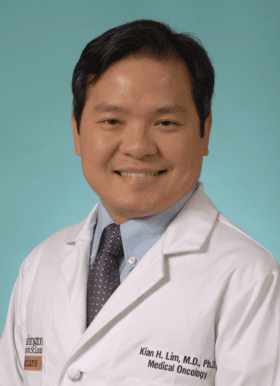
Medical Oncologists
Radiation Oncologists
Radiologists
Interventional Radiologists
Surgeons
Psychologist

Our Locations

Liver Cancer | Care at Siteman Cancer Center

If you’ve recently been diagnosed with liver cancer, Siteman Cancer Center at Barnes-Jewish Hospital and WashU Medicine is ready to help. We are one of the top centers in the U.S. for treating the disease.


Our WashU Medicine physicians and surgeons have cared for many liver cancer patients. They will make a treatment plan so you can feel better now and in the future.


When liver cancer is caught at an early stage, many patients can experience a successful treatment.  

About Liver Cancer

The liver is a large organ in the upper belly. It has many jobs in the body, including filtering blood.  

Liver cancer develops in liver cells. It is also called “hepatocellular carcinoma.”


Sometimes, cancer develops in the bile ducts located inside the liver. This is a type of bile duct cancer called “intrahepatic cholangiocarcinoma.”


Cancer cells from other organs can spread to the liver through the bloodstream. These cancer cells can multiply and form tumors. But the tumors are not liver cancer because they did not grow from liver cells. We call these types of tumors “metastatic tumors.” Tumors that develop in liver cells are called “primary liver cancer.”

How does liver cancer develop?

Liver cancer develops when a cell in the liver becomes abnormal. We call this a “genetic mutation.”  

The abnormal cells begin to cause problems in the liver. It starts to make more abnormal cells very fast. Over time, these abnormal cells form a lump called a tumor.


Liver cells are more likely to become abnormal if the liver is already damaged. This can happen if someone drinks too much alcohol over a long period of time.


Certain viruses also damage the liver. The viruses hepatitis B and hepatitis C cause most cases of primary liver cancer. 

Why Choose Siteman?

Siteman Cancer Center has been a leader in cancer care for over 25 years. We are the only cancer center in our region to be recognized as a Comprehensive Cancer Center by the National Cancer Institute (NCI). U.S. News & World Report consistently ranks us among the top cancer facilities in the nation.


At Siteman, patients benefit from cutting-edge treatments and compassionate, personalized care.  

World-class Transplant Team

WashU Medicine surgeons at Siteman are world leaders in performing liver transplants for cancer. We have a long history of performing liver transplants at Barnes-Jewish Hospital. Since our liver transplant program began in 1985, our team has done over 3,000 transplants.


If you need a liver transplant, you will be in skilled, experienced hands. 

Team-based, Specialist Care

When you become a Siteman patient, a team of WashU Medicine physicians and surgeons will care for you. These doctors specialize in treating patients with liver cancer and other cancers in the belly. You will have different types of doctors on your team, including surgeons, medical oncologists, interventional radiologists, gastroenterologists, and radiation oncologists. They will work together to make a treatment plan for you.

HAI Pump Therapy

Patients with liver cancer often benefit from chemotherapy. At Siteman, WashU Medicine physicians are experts at delivering chemotherapy straight to the tumor with a special device called a hepatic arterial infusion (HAI) pump. This technique yields excellent results while protecting the rest of the body from side effects.

Clinical Trials

Every cancer treatment available today was studied in a clinical trial first. At Siteman, new clinical trials are evaluating the cancer treatments of the future.


Through clinical trials, you can receive treatments that may be more effective than the current standard of care.


Siteman Cancer Center is a leader in clinical trials. WashU Medicine researchers and physicians bring patients numerous trials for liver cancer, including trials for cutting-edge approaches such as immunotherapy. Your WashU Medicine physicians lead clinical trials. If a clinical trial could help you, they will let you know.  

Start Here. Get the Care You Need.

Our Siteman care coordinators – oncology-trained nurses who help with scheduling, finding the right specialist, and guidance – can help you through the process.

Call us directly or submit a form, and we will call you back.


Liver Cancer | Diagnosis

The information on this page is for patients with primary liver cancer (hepatocellular carcinoma). Patients with bile duct cancer can learn more here.

Hearing you have liver cancer is never easy. But getting a diagnosis is an important first step towards feeling better. Once you have a diagnosis, your doctors can make a treatment plan for you.


At Siteman, we’ll ensure that you have an accurate diagnosis. That way, your treatments will work better. 

You don’t need a referral to come to Siteman. You can make an appointment with us yourself. Many patients come to Siteman for a second opinion.

The First Step in a Liver Cancer Diagnosis

Many patients with liver cancer already have liver problems caused by the viruses hepatitis B or hepatitis C. They find out they have cancer after getting tests to check on how their liver is doing.

Symptoms of Liver Cancer

Common signs of liver cancer include:


  • A swollen belly 
  • Feeling pain or discomfort in the upper belly on the right side 
  • Pain near the right shoulder blade or in the back 
  • Yellowing of the skin and whites of the eyes (jaundice) 
  • Easy bruising or bleeding 
  • Feeling tired or weak for no reason 
  • Nausea and vomiting 
  • Itchy skin 
  • Not feeling hungry, or feeling full after eating a small meal 
  • Losing weight without trying  
  • Stools that look pale and chalky 
  • Dark urine 
  • Fever 

Why Choose Siteman

At Siteman Cancer Center, WashU Medicine physicians are experts at diagnosing liver cancer correctly, the first time.


When you come to Siteman, WashU Medicine physicians will study your tumor. They will take samples of the cells and look at them under a microscope. They will find out how far liver cancer has spread in your body. As they gather information, they will plan how best to help you.

What to Expect During a Liver Cancer Diagnosis

WashU Medicine physicians at Siteman use a number of tests to diagnose and stage liver cancer.


At Siteman, we understand that many patients feel anxious about having medical tests. This is a normal feeling. If there is anything you need to feel safe or comfortable, please let us know. We are happy to answer questions and address concerns.


If your doctors believe you may have liver cancer, you will probably have several of the following tests.


  • Physical exam: Your doctor will ask you how you’ve been feeling. They’ll listen to your heart and lungs, check for swelling, and feel your belly.  
  • Blood tests:  Blood tests can tell doctors about how well your liver is working. Your care team will check samples of your blood to see if there are substances that show the liver is stressed.  
  • Imaging tests: Imaging tests take pictures of the inside of your body. They can show whether you have a liver tumor and, if so, how far it has spread. Imaging tests to diagnose liver cancer include CT scans, MRIs (magnetic resonance imaging), PET scans, and ultrasounds. Sometimes, your doctors will use a special dye to help your organs show up more clearly in the pictures. You’ll swallow the dye or have it injected into a vein before the procedure.  
  • Biopsy: During a biopsy, your doctor will take a sample of tissue from your liver. They will use a needle to collect the sample. You’ll get medicine so you don’t feel it. Then, another doctor called a pathologist will look at the tissue under a microscope to check for signs of cancer.  
  • Laparoscopy: A laparoscopy is a type of surgery. While you are asleep, your doctor will make several small cuts (incisions) in your belly. They will place a camera called a laparoscope through the incisions to look at your liver and the surrounding organs. They may also collect samples of tissue so they can be tested for cancer cells (a biopsy). 

Staging Liver Cancer

If you are diagnosed with liver cancer, your WashU Medicine physicians will see how far it has spread. This is called “staging” the cancer. The stage will help your care team choose the right treatments for you.


To stage liver cancer, WashU Medicine physicians use rankings from The Barcelona Clinic Liver Cancer (BCLC) Staging System. They will consider:


  • Whether the cancer has spread within the liver or to other parts of the body 
  • How well the liver is working 
  • Your general health and wellness 
  • Your symptoms

BCLC staging system has five stages:


  • Stage 0: Very early 
  • Stage A: Early 
  • Stage B: Intermediate Stage 
  • Stage C: Advanced Stage 
  • Stage D: End-stage 
Talk with a Care Coordinator

Nurses at Siteman answer every call and every form. Speak with them directly 8:00 am to 4:30 pm CT Monday- Friday for guidance on appointments, second opinions, and referrals.

Liver Cancer | Risk & Prevention

It’s not always possible to predict whether someone will develop liver cancer. However, liver cancer is much more likely to happen in patients with certain health problems. We call these “risk factors.”

What causes liver cancer?

In most cases, liver cancer develops in patients who already have liver damage. This damage is also called “cirrhosis.” People who have cirrhosis have scar tissue in their liver that drives inflammation. Over time this can cause cells to die and mutate, leading to cancer.


Certain behaviors can cause cirrhosis, such as drinking too much alcohol. It might also have come from health conditions, such as the viruses hepatitis B or C.

Who is at risk of getting liver cancer?

The risk of liver cancer can increase for a few reasons:


  • Lifestyle factors: 
    • Drinking alcohol 
    • Smoking 
    • Not getting enough exercise 
  • Health conditions: 
    • Infection with the viruses hepatitis B or C 
    • Having scar tissue in the liver, or cirrhosis 
    • Having excess weight or obesity 
    • Having the genetic condition hemochromatosis, which leads to excess iron in the body 
  • Environment: 
    • Exposure to arsenic 

How can I lower my risk of liver cancer?

There a number of steps you can take to lower your risk of liver cancer.

Protecting against hepatitis B and C infection

People contract hepatitis viruses through unprotected sex or sharing needles with other people. People who had blood transfusions before 1992 are also at risk because the blood supply was not screened for hepatitis before that time.


To protect yourself from hepatitis B and C, you can do the following:


  • Get vaccinated for hepatitis B 
  • Practice safe sex 
  • Never share needles 

If you are concerned that you may have hepatitis B or C, talk to your doctor. A blood test will show if you are affected. Then, you can start a treatment plan.

Stop smoking

If you smoke cigarettes or use other forms of tobacco, you are at increased risk of liver cancer. To reduce your risk, it’s important to stop using tobacco as soon as possible.


At Siteman, we understand that quitting tobacco is not easy. That’s why we’ve developed the Tobacco Treatment Program to help people along their journey to a tobacco-free life. We’ll provide you with the support you need to achieve this big goal.


Even if you’ve already been diagnosed with liver cancer, quitting smoking could still help you. Talk to your team, and they can connect you with the right resources right away.

Limit or eliminate alcohol

Drinking too much alcohol can damage the liver. If you choose to drink alcohol, it’s important to limit how much you have.. Men should have no more than two drinks per day. Women should have no more than one. Any more than that could begin to impact your liver and increase other health risks.


If you know that you need to reduce the amount that you drink, or if you want to quit drinking entirely, talk to your doctor. They can help you make a plan to take control.

Focus on good nutrition

Eating a diet high in fat can damage the liver as much as drinking alcohol does. Try to make sure that most of your calories come from whole grains, fruits, and vegetables.

Get some exercise

Even a small amount of exercise can have a big impact. Try get about half an hour of physical activity per day. “Activity” doesn’t necessarily mean something strenuous, like running or biking. Walking, gardening, and housework also count as physical activity. Five minutes of walking or housework here and there can add up to thirty minutes over the course of a day.

Start Here. Get the Care You Need.

Our Siteman care coordinators – oncology-trained nurses who help with scheduling, finding the right specialist, and guidance – can help you through the process.

Call us directly or submit a form, and we will call you back.

Liver Cancer | Treatment

Treatment for Liver Cancer 

WashU Medicine physicians and surgeons at Siteman Cancer Center have cared for thousands of patients with liver cancer patients. They’ll design a treatment plan just for you.  

Your treatment plan will include the newest, evidence-based approaches for your cancer. Your doctors will also tailor it to your age, your lifestyle, and your goals. 

Many patients with liver cancer have surgery. Your care team might choose additional treatments, including ablation therapies and drug therapies, depending on the type and stage of your cancer.  


Surgery for Liver Cancer 

Surgeons use different procedures to treat liver cancer. Some patients will only need to have a portion of their liver taken out. Other patients will need a full liver transplant.  

If your tumor is too large or has spread too far in the liver, surgery might not be a good option right away. WashU Medicine physicians at Siteman use special techniques to prepare patients for surgery. 

Patients who come to Siteman benefit from new, advanced approaches. Whenever possible, our surgeons use robotic tools and make smaller incisions instead of a single large one. This is called “minimally-invasive surgery.” Patients who have minimally-invasive surgeries tend to recover more quickly.    

Surgeries for liver cancer at Siteman include:

  • Removing part of the liver: This procedure is also called a “partial hepatectomy.” Your surgeons will take out the tumor and the liver tissue surrounding it. Depending on how many tumors you have and how far they spread, the surgeons might do the procedure in two stages. They will treat the tumors on one side of the liver, and then on the other. This is called a “staged partial hepatectomy.” It’s possible to remove up to 75% of the liver and maintain liver function. After the procedure, your liver will re-grow to its original size.
  • Liver transplant: A liver transplant is a procedure to replace the liver with a healthy liver from a donor. Your doctors will evaluate you carefully to see if a transplant would be a good option for you.  

Portal Vein Embolization 

Portal vein embolization is a surgical procedure that prepares patients for a partial liver removal (hepatectomy). During a portal vein embolization, your team will block the blood flow to the area of the tumor where the tumor is. This allows the rest of your liver to grow while the tumor and the surrounding tissue does not. 
 

Within four weeks, you will have enough healthy liver tissue to have surgery safely.  

Ablation and Embolization Therapies for Liver Cancer  

Ablation therapies are procedures that treat liver tumors without surgery. Instead, they use radiation, heat, powerful drugs, and advanced imaging to target tumors while protecting healthy liver tissue.  

WashU Medicine physicians called “interventional radiologists” perform ablation and embolization therapies.  

You’ll have an ablation or embolization procedure in an operating room while you’re asleep. The interventional radiologist will make a small cut (incision) in your skin and place tools through the cut. 

Treatments include: 

  • Chemoembolization: In this procedure, your doctor will deliver chemotherapy directly to the tumor, along with a medicine that blocks blood vessels. Your tumor and blood vessels feeding it will receive a strong dose of medication. The medication stops the vessels from working. This will slow down the tumor’s growth. Sometimes, chemoembolization can even shrink tumors. 
  • Radioembolization: Radioembolization uses a carefully-controlled dose of radiation to block the tumor’s blood supply and stop it from growing. During this procedure, your doctor will place tiny beads containing a type of radiation called yttrium-90 (Y-90) into the blood vessels feeding the tumor. This will kill the tumor cells while also starving the tumor. The radiation will not affect the healthy liver tissue.  
  • Radiofrequency ablation: During radiofrequency ablation, your doctor will place needles into the tumor. Then, they will use high-energy radiowaves to heat the needles and the tumor, killing cancer cells. 
  • Microwave therapy: Like radiofrequency ablation, microwave therapy uses heat to kill tumor cells. 
  • Electroporation therapy: Electroporation therapy is a new approach only available in clinical trials. Your doctor will place an electrode in the tumor and use pulses of energy to attack the tumor cells. 

What is drug therapy for liver cancer? 

Drug therapies are medications that fight cancer cells. Patients with liver cancer might have drug therapy to shrink a tumor before surgery. Drug therapy can also kill any cancer cells left behind after surgery. This helps prevent the cancer from coming back. 

Drug therapy can also treat liver cancers that have started to spread around the body. When this happens, the cancer has metastasized.  

Liver cancer patients typically receive a type of drug therapy called chemotherapy. Chemotherapies are medications that kill cancer cells wherever they are found in the body. Patients often get chemotherapy through an IV. 

HAI pump therapy 

HAI (Hepatic Arterial Infusion) pump therapy is an advanced approach that delivers chemotherapy directly to the liver. Because the chemotherapy is placed at the tumor site, the rest of the body is not exposed to the medication. Patients benefit from a powerful, effective treatment with more limited side effects.  

An HAI pump is about the size of the hockey puck. During a surgical procedure, your doctors will place the pump in your body. They will connect the pump to the main artery that feeds the liver (the hepatic artery). The pump releases regular doses of chemotherapy into the liver.   

HAI pump therapy helps patients with more advanced liver cancers. It can slow the progression of liver cancer. In some cases, HAI therapy can shrink tumors enough so that that they can be removed with surgery. 

At Siteman, our team is experienced at performing this complex treatment for our patients.  

When do patients with liver cancer receive radiation therapy?  

Radiation therapy uses radiation to kill cancer cells. The radiation is often in the form of a beam of energy. 
Patients with later stages of liver cancer may have radiation therapy. These are patients that have cancer that has spread throughout the liver or to other parts of the body.  


Radiation therapies used to treat liver cancer include:  

  • Stereotactic body radiation therapy (SBRT): SBRT uses special equipment to target tumors precisely. It helps prevent damage to normal tissue. Your radiation oncologists can adapt your treatment plan daily using MR/CT imaging.  
  • Image-guided radiation therapy: Siteman Cancer Center is a leader in using MRI technology to plan and guide radiation therapy. In some cases, radiation oncologists may use CT scans as well. 
  • Proton beam therapy: Proton beam therapy targets with a narrow beam of energy particles called protons. The beam can be adjusted to stop at a specific depth. This reduces damage to tissues surrounding the tumor. Siteman was the first institution in the region to offer proton beam technology.