Pediatric Lymphoma | Treatment & Support

Treatment Options for Lymphoma at Siteman Kids

All childhood cancers are rare, but some are more common than others. Pediatric lymphoma is the third most common form of pediatric cancer found in children. Breakthroughs in treatment have led to amazing outcomes. About 90% of children who are diagnosed with pediatric lymphoma are cured and go on to live long lives.   

Siteman Kids patients are treated by WashU Medicine physicians. They are experts who provide excellent care to children at St. Louis Children’s Hospital while they also are hard at work in a laboratory setting learning more about the disease and discovering new ways to treat it. Because many physicians at Siteman Kids are researching the biology of how lymphoma acts in the body, they can use research-based clinical care, thoughtfully considering the individual child and what they may need rather than only following protocols for standard treatments. 

Every child with cancer is different, and every treatment plan for pediatric lymphoma is unique. There are many considerations for how to treat pediatric lymphoma, including your child’s overall health, the kind of lymphoma – if it is Hodgkin’s or non-Hodgkin’s – and its subtype, any genetic components, the cancer stage, and more. After learning about their specific case, your child’s physician may recommend one or more of the following treatments:  

Chemotherapy is the main treatment for most lymphomas in children. It is a medicine that attacks cancer cells. Often the drugs in chemotherapy stop cancer cells from growing and reproducing. Chemotherapy (or chemo) may be given through a vein (IV) or spinal canal, injected into a muscle, or taken by mouth.  There are several medicines that make up chemotherapy and they are often given at different times. Treatment can have side effects and can be hard on the body, so it is usually done in cycles, with rest periods in between. This gives your child time to recover.

Radiation therapy uses high-energy X-rays or other types of radiation to target cancer cells. The radiation itself changes the cancer cells’ ability to grow and damages them so they cannot reproduce. Radiation is only used in rare circumstances to treat lymphomas.

Another approach to chemotherapy can take place alongside a stem cell transplant. First, young blood cells, called stem cells, are taken from the child or from a donor. Then, high doses of chemotherapy medicine can be administered. This causes damage to the bone marrow. After the chemotherapy, the stem cells are replaced. The new immune system can then recognize the leukemia cells as foreign and kill them.

Targeted therapy is a cutting-edge form of precision medicine that can be used to treat different kinds of Hodgkin’s lymphoma by disrupting the molecules that signal the cancer cells to multiply. In another kind of targeted therapy monoclonal antibodies are engineered in a lab specifically to combat lymphoma. Because the antibody and drug combined is an “exact fit,” it can be absorbed by the body, carrying chemotherapy into cells right where it is needed.

Surgery is used in some cases of non-Hodgkin’s lymphoma because this cancer type can cause tumors to form in the body. Surgery is a way to remove these tumors and, if needed, the area around them.

Clinical trials are research studies designed to give patients access to innovative treatments before they are available everywhere while providing vital information about treating pediatric cancers. Clinical trials for children often take place at multiple locations across the nation. Siteman Kids is proud to lead some of these research efforts. Learn more about pediatric clinical trials here.

It is important to note that your child’s well-being is a priority during diagnostic testing. Our care team tries to ease any fears or pain a patient has during testing. If needed, we can use light sedation to limit stress and help children feel more comfortable for more involved procedures.  
   

Siteman Kids at St. Louis Children’s Hospital is also an extension of WashU Medicine, which means physicians, nurse practitioners and clinicians leverage the knowledge the whole the academic institution offers for their pediatric patients.

Talk with a Care Coordinator

Nurses at Siteman answer every call and every form. Speak with them directly 8:00 am to 4:30 pm CT Monday- Friday for guidance on appointments, second opinions, and referrals.


Clinical review by:

Jeffrey Magee, MD, PhD, Pediatric Hematologist/Oncologist Laura Schuettpelz, MD, PhD, Pediatric Hematologist/Oncologist

Pediatric Lymphoma | Team & Locations

Pediatric Lymphoma Specialists

Pediatric Hematologist/Oncologist – Lymphoma
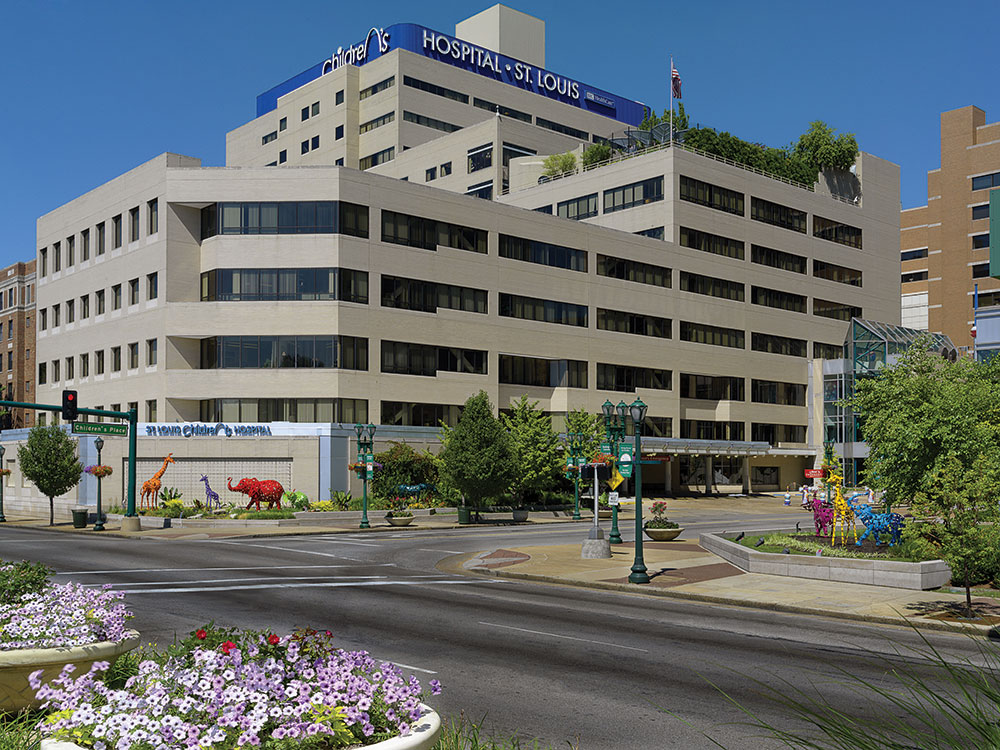
Siteman Kids at St. Louis Children’s Hospital

Siteman Kids at St. Louis Children’s Hospital

On Washington University Medical Campus
1 Children’s Place, St. Louis, MO 63110
Start Here. Get the Care You Need.

Our Siteman care coordinators – oncology-trained nurses who help with scheduling, finding the right specialist, and guidance – can help you through the process.

Call us directly or submit a form, and we will call you back.

Pediatric Lymphoma | Diagnosis

What is Pediatric Lymphoma? Are There Different Kinds?

Pediatric lymphoma is a cancer that begins within the lymphatic system. The lymphatic system, like the circulatory system, moves cells and fluid all throughout the body. One of its primary roles is to find and fight infections using lymphocytes, a kind of white blood cell. Pediatric lymphoma begins within lymphocyte cells.

A healthy body has signals to grow new cells when they are needed and signals to stop growing cells when there are enough. When lymphoma is present, the cells grow and do not recognize signals to stop producing additional cells. The growth and duplication of lymphocytes continues and is so rapid that soon, the organs in the lymphatic system become overwhelmed. This means that the lymph nodes, spleen and other organs can no longer take care of infections the way that they once did.

When lymphoma occurs, it begins in one area of the body, but because it is a part of a system, it can spread quickly throughout the body. Lymphoma is not like cancers found in a single organ that may stay in one location for a while.

There are several different types of pediatric lymphoma, but there are two main categories of the disease:

  • Hodgkin Lymphoma 
  • Non-Hodgkin Lymphoma  

There are many sub-types of both Hodgkin and non-Hodgkin lymphomas, so if lymphoma is suspected, your child’s physician will order several tests to determine if the illness is cancer and what type. Treatments can be customized based on the type of lymphoma the child has.  


What causes pediatric lymphoma?

It is important to know pediatric cancers like lymphoma can’t be prevented. WashU Medicine researchers and physician scientists at Siteman Kids are studying what may lead to developing Hodgkin or non-Hodgkin lymphoma. This kind of pediatric cancer can occur more frequently if a child has had infections like the Epstein-Barr virus or HIV. But these viruses don’t cause lymphoma.

The symptoms of lymphoma come on suddenly and become severe quickly. Before things escalate, symptoms may be like common illnesses.  

What Are the Early Symptoms of Pediatric Lymphoma?

Early symptoms of both Hodgkin’s lymphoma and non-Hodgkin’s lymphoma seem like other common complaints like headaches, a stomachache or growing pains. These symptoms can become more intense in a very short period of time, becoming severe enough for a visit to the doctor or emergency room.

Common early symptoms include:

  • Abdominal pain 
  • Nausea and vomiting 
  • Fever 
  • Trouble with bowel movements (constipation) 
  • Trouble breathing (dyspnea) 
  • Coughing and/or chest pain 
  • Painless swelling of the lymph nodes in neck, chest, abdomen, underarm, or groin 
  • Sore throat 
  • Bone and joint pain 
  • Night sweats 
  • Tiring easily (fatigue) 
  • Weight loss and/or poor appetite 
  • Itching of the skin (pruritus) 
  • Recurring infections 

How is Lymphoma Diagnosed in Children?

A child experiencing any of the symptoms above lasting more than a day or two and increasing in intensity should consult a physician. Your pediatrician will likely order blood work as a first step. A complete blood cell count can show how many lymphocytes there are and there are more or less than would be expected. From there, your pediatrician may order additional tests or refer to a specialist. 

Some tests that your physician may order include: 

  • Urine sample 
  • Lumbar puncture 
  • Pleural or peritoneal fluid sampling 
  • Chest X-ray 
  • MRI scan 
  • Ultrasound 
  • PET scan 
  • Biopsy of lymph node  
  • Aspiration of bone marrow 

Second Opinions

Parents often first hear their child has cancer during an emergency room visit. Getting care soon is important, and there are always options for what is best for your child. Siteman Kids welcomes second opinions and offers unique treatment plans for each patient.


Why Choose Siteman Kids for Treating Pediatric Lymphoma?  

After getting a correct diagnosis, the most important thing a parent or caregiver can do for their child is find the best care possible for them. Siteman Kids at St. Louis Children’s Hospital’s cutting-edge care stands out to families as they research pediatric oncology programs. 

Families at Siteman Kids are seen by WashU Medicine physicians who have specialized in pediatric medicine and are working on clinical trials and research studies to unlock new treatments for curing disease.

U.S. News and World Report ranks us #12 in the nation for neurosurgery and neurology programs and as one of the nation’s top children’s hospitals. We are the only children’s hospital in Missouri that receives funding from the National Cancer Institute for ongoing research.

In addition to providing the best pediatric cancer care in the St. Louis region, the Siteman Kids pediatric brain tumor program is a member of the following international organizations:

  • Pediatric Neuro-Oncology Consortium (PNOC)
  • Children’s Oncology Group (COG)
  • Childhood Brain Tumor Network (CBTN)
  • COllaborative Network for NEuro-oncology Clinical Trials (CONNECT)

These organizations of experts all conduct research on brain tumors. Siteman Kids is the only member of PNOC in the region, attracting not just families from the area but also drawing patients from across the globe to be a part of the clinical trials offered.

At Siteman Kids, we care for the whole family. Our support services are extensive, providing professionals who care for the well-being of our young patients, their siblings and their caregivers.

  • Psychologists guide children and their families through the many emotions that come from a cancer diagnosis with in-person and virtual visits.
  • Child Life specialists assist in practical ways, educating your child on what procedures will be like, helping them learn coping strategies for their fears and stress and more.
  • Educational liaisons help communicate and coordinate with your school district so there is a plan for continuing to learn, even when being in the classroom isn’t possible.
  • Social workers guide adults through the many responsibilities and realities related to caretaking while balancing work and parenting.
Start Here. Get the Care Your Child Needs.

Our oncology-trained care coordinators – nurses who help with scheduling and navigation – can help you through the process. Call us directly or submit a form, and we will call you back.

Clinical review by:

Jeffrey Magee, MD, PhD, Pediatric Hematologist/Oncologist Laura Schuettpelz, MD, PhD, Pediatric Hematologist/Oncologist

Pediatric Leukemia & Lymphoma | Pediatric Leukemia & Lymphoma Program

About Our Program

The Pediatric Leukemia and Lymphoma Program at Siteman Kids at St. Louis Children’s Hospital specializes in treating children who have been diagnosed with a type of blood cancer. Blood cancers include kinds of pediatric leukemia and pediatric lymphoma and make up the largest number of children diagnosed with cancer each year. Siteman Kids’ teams of specialists are experienced in treating and curing young children diagnosed with leukemia or lymphoma, and they are also researching why these diseases begin, how to prevent them and innovating new treatments.  

Ongoing research is a top priority of Siteman Kids’ Pediatric Leukemia and Lymphoma Program.  To unlock new treatment tools, physician-researchers have established strong, collaborative relationships. The group leads research within WashU Medicine’s McDonnell Pediatric Cancer Center. The program’s concentrations on basic and applied research accelerate the process of bringing new breakthroughs to children’s bedsides. Additionally, there is an active, close-working relationship with the Pediatric Hematopoietic Cell Transplant and Cellular Therapy Program

Why Choose Siteman Kids?

Siteman Kids at St. Louis Children’s Hospital offers cutting-edge care with a focus on not just your child, but on your family as well. Families at Siteman Kids are seen by WashU Medicine physicians who have specialized in pediatric medicine and are leading clinical trials and research studies to unlock new treatments for curing disease. U.S. News and World Report ranks us #1 in the St. Louis region for pediatric cancer care.  

How Siteman Kids’ expertise sets us apart from other pediatric cancer centers:  

  • We prioritize child and family well-being. Our pediatric hospital and oncology specialists prioritize a child’s learning, growth, and development when creating their unique treatment plan. And we deliver family-centered care through comprehensive support services for parents, caregivers, and siblings.  
  • We bring scientific breakthroughs to the bedside. Physicians at Siteman Kids are clinicians and researchers. Because they excel at caring for children and studying cancer in a lab, our physicians take innovative approaches to curing their patients’ cancers. 
  • We lead pediatric cancer research. Siteman Kids’ physician researchers lead and participate in national clinical trials. So our young patients have more opportunities to be enrolled and have access to the latest treatments at the earliest opportunity possible.

Second Opinions

Parents often first hear their child has cancer during an emergency room visit. Getting care soon is important, and there are always options for what is best for your child. Siteman Kids welcomes second opinions and offers unique treatment plans for each patient.

Our Locations

Siteman Kids at St. Louis Children’s Hospital

Siteman Kids at St. Louis Children’s Hospital

On Washington University Medical Campus
1 Children’s Place, St. Louis, MO 63110
Start Here. Get the Care Your Child Needs.

Our oncology-trained care coordinators – nurses who help with scheduling and navigation – can help you through the process. Call us directly or submit a form, and we will call you back.

Lymphoma | Risk Factors & Prevention

Researchers do not have clear answers as to what causes lymphoma, but they have identified factors that can increase a person’s risk. Understanding those factors can help you and your physician make informed decisions about monitoring and care. 

Lymphoma can happen to anyone, regardless of family history. Knowing your risk is the first step toward being proactive about your health. 

Who Is at Higher Risk for Lymphoma 

Certain groups of people have a statistically higher risk of developing lymphoma. If you are at higher risk, it does not mean certainty of developing lymphoma. It simply means awareness and monitoring are more important.  

Age and lymphoma risk 

Age is a factor for non-Hodgkin lymphoma, which is more common in older adults. Hodgkin lymphoma, by contrast, often affects younger people. Neither type is limited to a single age group. 

Health history and immune function 

A weakened immune system is one of the most consistent risk factors across lymphoma types. This can result from:


  • A serious illness like HIV/AIDS that affects immune function 
  • Organ transplant medications that suppress the immune system 
  • Living with an autoimmune disorder such as rheumatoid arthritis or lupus 
  • Certain infections, including helicobacter pylori bacteria or the Epstein-Barr virus 

Environmental exposures 

Long-term exposure to certain chemicals, including pesticides and herbicides, has been associated with an increased risk of some lymphoma types. If you work in agriculture or with chemical agents, talk to your physician about your risk. 

What You Can Do with This Information 

Knowing your risk profile is a reason to be proactive. 

If you have several of the risk factors listed above, talk to your doctor. Together you can decide whether additional monitoring, earlier or more frequent screenings, or a conversation with a specialist makes sense for you. 

If your symptoms match what is commonly experienced by patients with lymphoma and have not been explained by a doctor, do not wait. Catching lymphoma early, when it is most treatable, begins by paying attention to the signs. 

When to Talk to a Specialist 

You do not need a diagnosis to talk to a specialist. If you are concerned about your risk or your symptoms, the team at Siteman Cancer Center is here to help you understand what you are dealing with and what your options are. 

Talk to a care coordinator to get started and they will help you figure out the right next step. 

Start Here. Get the Care You Need.

Our Siteman care coordinators – oncology-trained nurses who help with scheduling, finding the right specialist, and guidance – can help you through the process.

Call us directly or submit a form, and we will call you back.

Lymphoma | Treatment

Lymphoma treatment is not one-size-fits-all. With more than 90 subtypes and a wide range of staging possibilities, your treatment plan needs to be built around your specific diagnosis. That’s why it matters that your oncologist specializes in lymphoma, not just cancer broadly. 

WashU Medicine oncologists at Siteman Cancer Center give each patient a treatment plan tailored to their exact lymphoma type, stage, and health profile. For some patients, chemotherapy is the right answer. Others benefit from a combination of immunotherapy, targeted therapy, and CAR T-cell therapy. Our team has the subspecialty expertise to make that call — and the clinical trial access to offer options that aren’t available anywhere else in the region. 

Your Siteman care team will walk through every option with you and answer every question. You will never have to navigate this alone. 

Matching the Treatment to the Diagnosis 

The type of lymphoma you have determines which treatments are most likely to work. Hodgkin lymphoma and non-Hodgkin lymphoma are treated differently, and the subtype within each category matters too. 

Treatments used for Hodgkin lymphoma 

Hodgkin lymphoma is one of the most treatable cancers when caught and managed by the right team. Treatment often depends on your stage. 

  • Stages 1 and 2: Chemotherapy, sometimes combined with radiation therapy 
  • Stages 3 and 4: A combination of chemotherapy and immunotherapy 
  • Relapsed or refractory cases: Stem cell transplant or CAR T-cell therapy 

Treatments used for non-Hodgkin lymphoma 

Non-Hodgkin lymphoma covers a broad range of subtypes, each with different behavior and different responses to treatment. Your oncologist will use your specific subtype and stage to determine the right combination. 

  • Chemotherapy 
  • Targeted therapy 
  • Immunotherapy 
  • CAR T-cell therapy 
  • Radiation therapy 
  • Stem cell transplant 

Drug Therapy  

Chemotherapy for lymphoma  

Chemotherapy is often the first line of treatment for lymphoma. These drugs work by targeting and killing rapidly dividing cancer cells. Patients may receive them as oral medications or as IV infusions. The treatment plan usually revolves in cycles, with treatment days followed by recovery days. 

Side effects like fatigue and nausea are common, and your Siteman care team will help you manage them from the start. If something is making you uncomfortable, tell us. There are real ways to reduce your side effects and protect your quality of life throughout treatment. 

Targeted therapy  

Targeted therapies block the specific pathways that cancer cells use to grow and multiply. Unlike chemotherapy, they are designed to act only on cancer cells, meaning there are fewer side effects on healthy tissue. Physicians administer targeted therapy by IV or as a daily pill, depending on the drug. 

Targeted therapy drugs are available for several lymphoma subtypes, and your oncologist will determine whether this approach fits your diagnosis. 

Immunotherapy  

Cancer cells are skilled at hiding from the immune system. Immunotherapy helps the immune system identify lymphoma cells as the threat they are, so the body can fight back. Several types of immunotherapies are used to treat lymphoma. 

Bispecific antibodies 

Bispecific antibodies are engineered to attach to two different types of cells: a lymphoma cell and one of the patient’s own T-cells. By binding them together, the antibody essentially introduces the lymphoma cell to the immune system, allowing the body to destroy it. 

Chemoimmunotherapy 

Chemoimmunotherapy combines antibodies with chemotherapy agents, using the antibody to deliver the chemotherapy directly to lymphoma cells. Physicians may use this as a standalone treatment or alongside traditional chemotherapy. 

Researchers at Siteman are also developing a vaccine for patients with follicular lymphoma. This development is an example of the next-generation immunotherapy work happening at WashU Medicine every day. 

CAR T-cell therapy: Siteman’s landmark contribution to lymphoma treatment 

CAR T-cell therapy is one of the most significant advances in lymphoma treatment in decades, and researchers at Siteman Cancer Center were there when it began (WashU Medicine’s Dr. Ghobadi was the clinical trial site principal investigator). This therapy reprograms a patient’s own immune cells to recognize and destroy lymphoma cells. It was developed through clinical trials, and Siteman was one of the centers that led that work. 

Today, CAR T-cell therapy is FDA-approved for patients with certain types of lymphoma. In a Siteman-led clinical trial, approximately 80% of patients with aggressive lymphoma achieved remission after CAR-T therapy, including patients who had already failed other treatments.  

Researchers at Siteman are now advancing next-generation CAR-T therapies through a phase 1 trial aimed at improving accessibility and reducing toxicity for patients with B-cell lymphoma. 

Read more about CAR T-cell therapy at Siteman.

Radiation Therapy  

Some patients with lymphoma receive radiation therapy as part of their treatment plan. Radiation uses focused energy beams to shrink tumors and destroy cancer cells. Radiation oncologists at Siteman are experts at delivering radiation precisely to reach the lymphoma cells while protecting the surrounding tissue. 

MR-guided adaptive radiation therapy 

Siteman Cancer Center was the first center in the world to use MR-guided adaptive radiation therapy (ART) for lymphoma. During treatment, the radiation oncologist uses MR imaging to watch the radiation in real time, making adjustments moment by moment as the tumor responds. This level of precision is not available at most centers. 

Proton beam therapy 

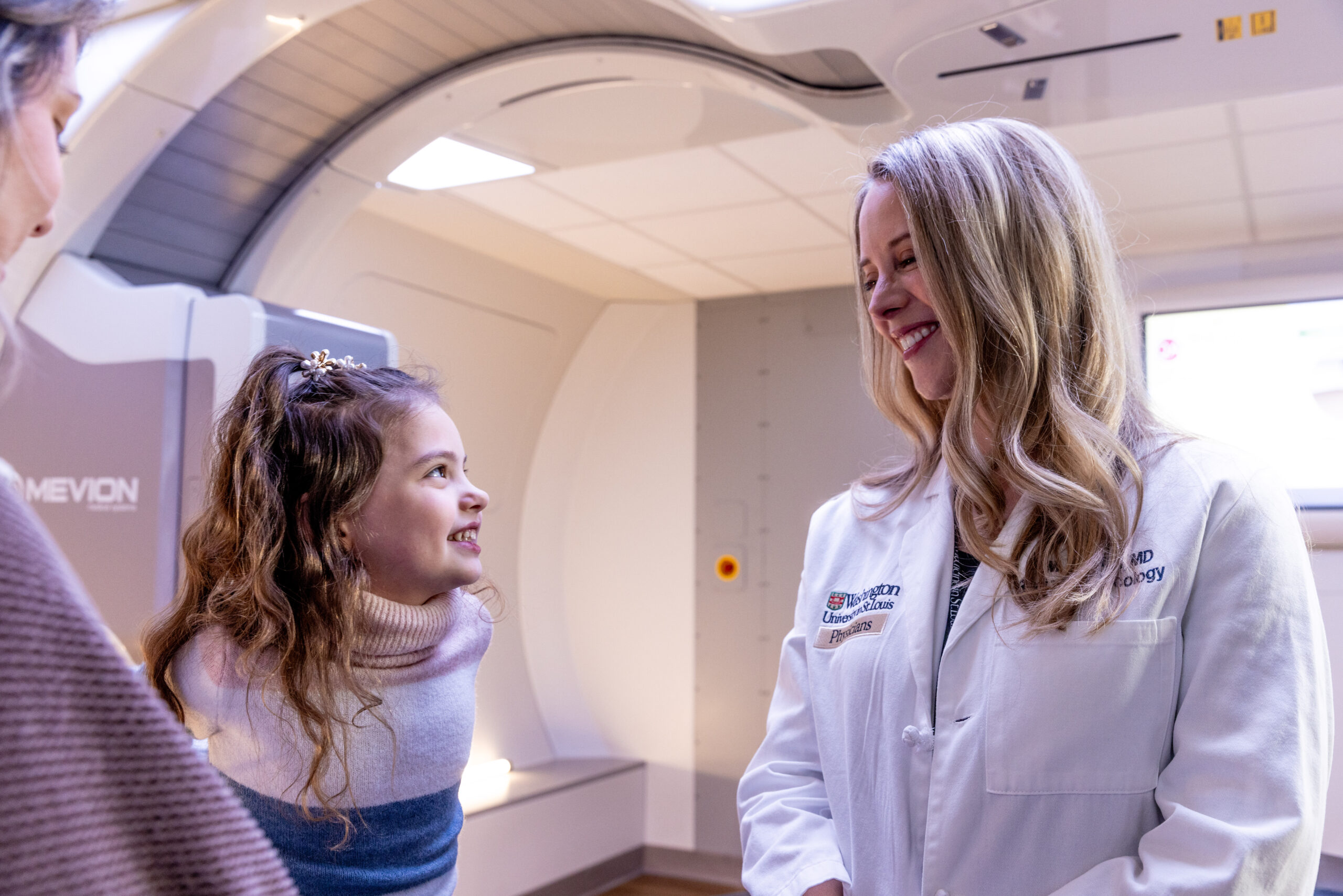
The S. Lee Kling Proton Therapy Center at Siteman was the first proton therapy center in Missouri and the surrounding region, and the first in the world to use a compact, single-room proton beam accelerator, the Mevion S250. Proton beams are different from traditional radiation — they stop directly on their target without passing through the body. This makes proton therapy ideal for tumors located near sensitive structures like the heart, brain, or spinal cord. 

Stem Cell Transplants  

Some patients with lymphoma need a stem cell transplant to achieve or sustain remission. Siteman Cancer Center has one of the largest stem cell transplant programs in the United States. As of 2024, our physicians have performed more than 10,000 transplants, giving us refined protocols and better outcomes than centers with less experience. 

Before high-dose chemotherapy, your team may collect and preserve your own stem cells to protect them from the treatment. After chemotherapy, those cells are returned to restore your body’s ability to produce healthy blood cells. 

Our care team knows that time outside the hospital matters to patients. Siteman’s Blood and Marrow Transplant Program and our Outpatient Cellular Therapy Center allow patients to receive this specialized care with fewer hospital stays.  

Exploring Clinical Trials as Part of Your Lymphoma Care 

Clinical trials give lymphoma patients access to treatments that aren’t yet available everywhere. Your Siteman physician may recommend a clinical trial as part of your treatment plan. You can also ask about them at any time. 

Siteman has more clinical trials available than any other cancer center in the region. That means our patients have options that patients elsewhere simply don’t have. Ask your care team what trials might be right for you. 

Thanks to clinical trials, lymphoma patients have three CAR T-cell therapies that are FDA approved. And clinical trials made several new FDA-approved bispecific antibody treatments available to patients, too.

Clinical Trials at Siteman Cancer Center

Clinical trials are research studies that help us find new ways to prevent, diagnose, and treat cancer. If you have a rare or complex diagnosis or your treatment path seems uncertain, you might qualify for a clinical trial.

Our team will help you find a study that is right for you. Call us to speak with a Siteman care coordinator.

Lymphoma | Diagnosis

A lymphoma diagnosis is rarely simple. With more than 90 subtypes, no two cases look exactly alike. The symptoms can mimic a cold or a lingering infection. The bloodwork may point in several directions at once. That complexity is exactly why it matters just as much where you get diagnosed — as it does the diagnosis itself. 

The lymphoma specialists at Siteman Cancer Center work exclusively with this disease every day. They are trained to read the specific combination of your symptoms, your bloodwork, and your biopsy results to arrive at a precise diagnosis. Once your diagnosis is dialed in, that drives a precise treatment plan. 

Common Lymphoma Symptoms 

Lymphoma symptoms can feel like something far less serious, such as a swollen lymph node, fatigue, or night sweats. These symptoms can be easy to dismiss or misread. But each symptom carries diagnostic information.  

The pattern of your symptoms, where they appear and how long they last, can help a specialist begin to narrow down which of the more than 90 types of lymphoma may be at work. 

When should I see a specialist for lymphoma symptoms? 

Call your doctor if you’ve noticed any of the following symptoms for more than two weeks.  

  • Swollen yet painless lymph nodes that appear in the neck, chest, groin, or underarms  
  • Tiredness (fatigue)  
  • Night sweats  
  • Fever, especially if you can’t figure out what’s causing it  
  • Unintentional weight loss or sudden loss of appetite 

Less common symptoms that still matter diagnostically 

Some lymphoma subtypes produce symptoms that are easy to attribute to other conditions. These less common signs can be just as important to share with your physician. 

  • Pain, tingling, or numbness in hands or feet 
  • Changes in vision, such as blurred vision or blind spots 
  • Unusual bruising or bleeding, such as nosebleeds or bleeding gums 
  • Pain or a full feeling below the ribs 
  • Itchy skin, red rash, thick patches (plaques) or nodules on the skin 

If any of these symptoms have persisted for more than a week or two without improvement, that’s your signal. Talk to your doctor. A WashU Medicine specialist at Siteman Cancer Center can help you understand what your symptoms are telling you. 

Why Diagnosing Lymphoma Takes More Than a Blood Test 

A standard blood count can raise a flag, but it cannot name your lymphoma. Arriving at the right diagnosis requires multiple layers of testing — and a specialist who knows what each result means. This is what makes lymphoma diagnosis different from many other cancers, and why precision matters from the very first test. 

Blood tests reveal the first layer of information 

A complete blood count, or CBC, is usually the first test your primary care physician orders. An abnormal white blood cell count, whether too high or too low, is often the first signal that something needs more investigation.  

From there, more specific lab work helps your care team understand what is happening at the cellular level. Additional blood tests may include: 

  • Peripheral blood smear, which shows the shape and makeup of individual blood cells 
  • Blood chemistry studies to assess organ function and overall health 
  • Immunophenotyping and flow cytometry, which identify the type of cells involved 
  • Cytogenetic analysis, which looks for chromosomal changes that can signal specific subtypes 

Biopsies confirm the diagnosis 

When blood tests suggest lymphoma, a biopsy is often the next and most definitive step. During a biopsy, a surgeon or imaging specialist removes a portion of a swollen lymph node or tissue. A pathologist examines the sample under a microscope to identify whether cancer is present, and which subtype it might be. 

The biopsy result is the foundation of your diagnosis. Getting it right the first time means your treatment plan starts on solid ground. 

Imaging maps where lymphoma has traveled 

PET and CT scans allow your care team to see beyond the lymph nodes — identifying tumors, tracing how far the disease has spread, and pinpointing areas that need attention. Both scans use contrast dye to highlight areas of concern. Together, they give your physician a complete picture of the disease before treatment begins. 

Understanding Lymphoma Stages 

Once your diagnosis is confirmed, your care team will determine your stage. Staging describes how far the lymphoma has spread through the lymphatic system. This information directly shapes your treatment plan — which therapies are recommended, in what order, and with what intensity. 

One important distinction: Lymphoma staging does not carry the same weight as staging in many other cancers. Stage 4 lymphoma often responds very well to treatment, and remission is achievable.  

  • Stage 1: Lymphoma is contained to one group of lymph nodes 
  • Stage 2: Lymphoma has spread to more than one group, but has not crossed the diaphragm 
  • Stage 3: Lymphoma is found on both sides of the diaphragm 
  • Stage 4: Lymphoma has spread to an organ outside the lymph nodes 

Additional staging designations your physician may use 

  • Stage A: No symptoms are present; lymphoma was found on imaging 
  • Stage E: Lymphoma is present in an organ or area outside the lymph nodes 
  • Stage S: Lymphoma is present in the spleen 

Staging for cutaneous lymphoma, or lymphoma of the skin, follows a separate system, which your care team will explain.  

Your Second Opinion at Siteman 

Siteman wants to be your first choice for cancer care, but that might not always be possible. If you have received a cancer diagnosis, started care somewhere else, or are a physician seeking specialized care for your patient, ask us about a second opinion. You can start the process. To make it easy, our care coordinators guide scheduling for yourself or your patient.   

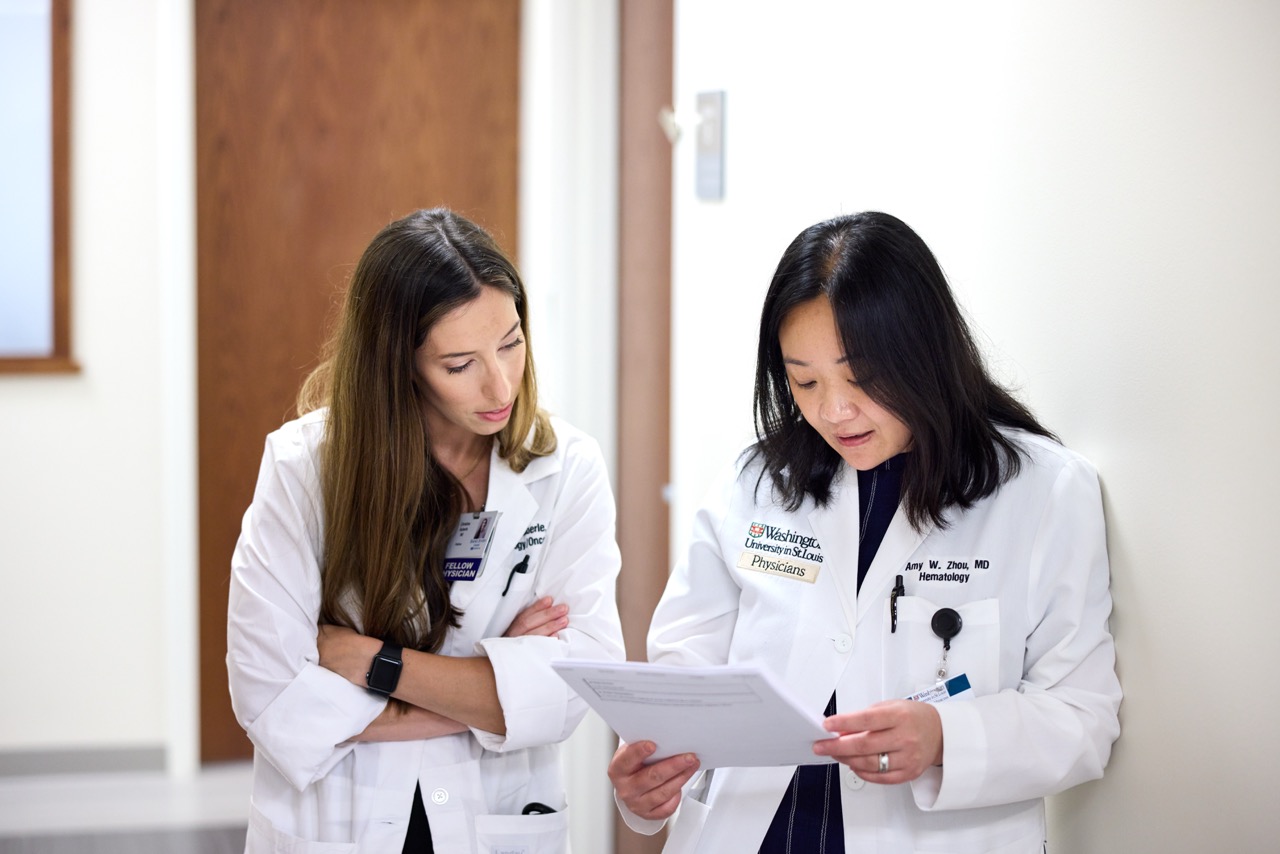
Two physicians converse while reviewing a patient file

What Your Prognosis Means 

The prognosis for lymphoma depends on factors that are specific to you: your subtype, your stage, how quickly the disease is growing, and your overall health.  

This is why the precision of your diagnosis is important. The more accurately your care team identifies your specific lymphoma, the more targeted and effective your treatment plan can be. 

Factors your care team considers when determining your prognosis include: 

  • The type and subtype of lymphoma 
  • Whether the lymphoma is slow-growing or aggressive 
  • How far the cancer has spread at the time of diagnosis 
  • Your age and overall health 
  • Whether your lymphoma is newly diagnosed or has returned after prior treatment 
  • Genetic changes in the lymphoma cells 

At Siteman Cancer Center, our lymphoma specialists draw on deep subspecialty expertise and hundreds of years of combined experience with access to the most advanced diagnostic tools. Their experience in this specific type of cancer gives you and your loved ones the clearest possible picture and the best possible path forward.  

Lymphoma | Care at Siteman

If you were newly diagnosed with lymphoma or looking for a second opinion and you’re wondering what to expect, Siteman Cancer Center at Barnes-Jewish Hospital and WashU Medicine is here to help guide you. Receiving a diagnosis can change everything in an instant — and every patient’s recovery path will look different. 

Lymphoma is a complex cancer with over 90 subcategories. That means there is no one-size-fits-all treatment, and the prognosis will vary greatly by type. No two lymphoma diagnoses are alike. The differences in staging and treatment options matter. At Siteman, that nuance is built into every care plan we create.

At Siteman Cancer Center, our experts understand the nuances of different subtypes, stages, and treatment options. That means you will get answers designed specifically for you, not just for lymphoma in general. 

Through leading research efforts and developing innovative therapies, Siteman is one of the best places in the region to receive lymphoma treatment — with patients traveling across the country for clinical trials and the most advanced treatment options. With clinical research from WashU Medicine and expertise from BJC HealthCare, Siteman is recognized nationally among the cancer centers for lymphoma treatment. 

On average, our physicians see more than 500 patients who have lymphoma each year, making us a center of expertise. Lymphoma falls into two main categories: Hodgkin and non-Hodgkin lymphoma, with many subtypes falling under those. Our physicians have experience with them all. 

We care for patients diagnosed with all subtypes of lymphoma, including: 

  • Diffuse large B-cell lymphoma (DLBCL) 
  • Follicular lymphoma 
  • CLL / small lymphocytic lymphoma 
  • Marginal zone lymphoma 
  • Mantle cell lymphoma 
  • T-cell lymphoma 
  • Burkitt lymphoma 

Why Siteman is a Leader in Lymphoma 

Lymphoma is a complex disease, with countless types and subtypes that can be difficult to diagnose. Different types of lymphoma need different treatments, so an accurate diagnosis is the first step to receiving the best treatment. 

The WashU Medicine lymphoma team at Siteman ensures that you get the right diagnosis and the right treatment plan based on your specific needs. Our physician-scientists are obsessed with finding answers to the complexities of lymphoma, and our specialists focus on treating lymphoma patients with precision. This helps deepen remission and boost survivability. 

Because our physicians dedicate their careers to lymphoma, they see patterns and options that others may miss — including clinical trial eligibility, genetic features that change treatment strategy, or sequencing decisions that protect future treatment options. 

Siteman Cancer Center is the only NCI-designated cancer center in the region and our patients can access more clinical trials than any other cancer center in the area. We have a decades-long history of driving research into lymphoma. These efforts have helped people across the country with hope for positive outcomes. 

As recently as 2025, physicians from WashU Medicine found a phase 1 immunotherapy trial to be safe to use for patients with B-cell lymphoma. This discovery means that our patients have greater access to CAR T-cell therapy at lower costs. Now, cutting-edge treatments are no longer used as a last resort — but as a standard for treatment. 

Fortunately, there are many other forms of treatment for lymphomas that we use at Siteman. Chemotherapy and stem cell transplants remain effective therapies for patients with lymphoma — treatments we excel in. Additionally, our research advancements in CAR T-cell therapy led to breakthrough designations by the FDA, giving patients greater access to immunotherapy. 

Start Here. Get the Care You Need.

Our Siteman care coordinators – oncology-trained nurses who help with scheduling, finding the right specialist, and guidance – can help you through the process.

Call us directly or submit a form, and we will call you back.

Siteman Leads in Lymphoma Treatment 

At Siteman, we tailor your lymphoma treatment to your exact subtype, stage, and specific needs. Siteman’s lymphoma treatment options include CAR T-cell therapy, stem cell transplants, bispecific antibodies, and more. 

Greater patient comfort through outpatient services 

Our physicians focus on patient comfort and quality of life to ensure that your lymphoma treatment options are as minimally invasive as possible. One of the ways Siteman has advanced patient care is through the opening of our Outpatient Cellular Therapy Center for patients undergoing CAR T-cell therapy, autologous stem cell transplant or immunotherapy with the use of bispecific T-cell engagers (BiTEs). Now, patients do not have to commit to long hospital stays to undergo their treatment.  

Leadership in immunotherapy 

WashU Medicine physicians were among the first in the U.S. to perform CAR T-cell therapy at Siteman, in 2017. Plus, the depth of our clinical trials means our oncologists have a wealth of experience in the technique. This means patients have better access to these novel treatments than they can find elsewhere and can be confident in their effectiveness. 

Immunotherapy has helped patients who don’t respond to other standard treatments for lymphoma. In clinical trials, CAR T-cell therapy has achieved 40 to 80% remission rates, with some patients remaining in remission for several years.  

We partner with WashU Medicine’s Center for Gene and Cellular Immunotherapy to advance immunotherapy even further. The center is internationally recognized for developing and offering some of the most innovative gene and cellular immunotherapies available to patients with blood cancer. This means patients have a wider range of treatment options available that could be more effective for their specific cases. 

Leadership in stem cell transplants 

Siteman is a pioneer in stem cell transplants, launching our program in 1982. Today, ours is one of the largest transplant programs in the world, with over 10,000 treatments performed to date. People have traveled from all over to receive this treatment with us. 

We offer both types of stem cell transplants for patients with lymphoma – autologous (using your own stem cells) and allogeneic (using stem cells from a matched donor). This treatment uses living cells to stimulate the immune system to fight cancer.   

Refer Your Patient to Siteman Cancer Center

A Siteman care coordinator is the fastest path to referral, consult, or second opinion. Our care coordinators – oncology nurses who help with scheduling and navigation – will guide you from your first call.

What Our Providers Say About Lymphoma Treatment 

Your care at Siteman Cancer Center is led by a multidisciplinary team with deep expertise in lymphoma, cellular therapy, and stem cell transplants. This expertise is integrated in your care to manage complex disease and deliver the most advanced treatment options available.   

Your team will include:  

  • Medical oncologists  
  • Hematologic oncologists  
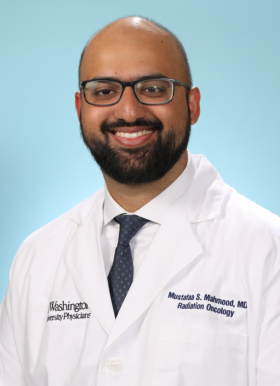
  • Radiation oncologists  
  • Bone marrow transplant specialists  
  • Psychologists  
  • Other lymphoma specialists 

Dilan Patel, MD

“We are all in the fight against cancer together. Ego is not tolerated here. We refer patients back and forth to community providers and work together to maximize patient well-being. We are colleagues, not competitors. 

The nurses, staff, advanced practice providers, and physicians really lead with their hearts and minds.”

Amanda Cashen, MD

“Blood cancers are very complex to diagnosis and treat. For instance, there are more than 50 types of non-Hodgkin lymphoma, and specialized molecular testing determines the most effective treatment for leukemias and multiple myeloma.  

To get the best chance for long-term remission and cure, patients should come to Siteman to see an oncologist who specializes in blood cancers.” 

Blood Cancer United Recognizes Siteman’s Efforts 

Researchers at Siteman received a $5 million Specializ ed Center of Research (SCOR) grant from Blood Cancer United (formerly called the Leukemia & Lymphoma Society) in 2024, the highest amount of funding possible. This grant helps researchers develop new immunotherapies for blood-based cancers. 

With this funding, researchers at WashU Medicine have divided their focus into three projects focusing on lymphoma treatment options: 

  1. Advancing CAR-NK cell therapy for patients with B-cell lymphoma, using the same general strategy as CAR T-cell therapy. 
  2. Addressing gene editing of T cells so they can target cancer cells without attacking a patient’s healthy tissue. This commonly occurs in graft-versus-host disease. 
  3. Advancing personalized cancer vaccines for patients with follicular lymphoma. This trains a patient’s immune system to recognize and attack abnormal proteins found on their specific cancer cells. 

Siteman is advancing care of patients through scientific discovery. Patients here have greater access to novel therapies because of their proximity to such advanced and thorough research. 

The discoveries Siteman develops are especially crucial in harder-to-treat cancers. Their research findings provide greater personalization since these therapies often use the patient’s own immune system to target and eliminate cancer cells. 

Lymphoma Breakthroughs From Clinical Ttrials 

Siteman has more clinical trials than any other center in the region, with dozens specifically focused on different types of lymphoma. When you enroll in a clinical trial, you not only receive novel treatment unavailable elsewhere, but you also help shape the future of cancer care for patients who come after you. 

Here are a few examples of clinical trials that led to breakthroughs for lymphoma treatment at Siteman: 

  • targeted therapy for patients with follicular lymphoma using bispecific antibodies. These drugs help your immune system attack malignant tumors and have received promising results for effectiveness, with fewer uncomfortable side effects for patients. 
  • A clinical trial conducted at Siteman led to the FDA’s Breakthrough Therapy designation for an innovative CAR-T cell therapy called WU-CART-007. This designation lowers some logistical and financial barriers linked to many cell-based therapies, reducing patients’ waiting time for treatment. 
  • The ECHELON-3 trial, led by Nancy Bartlett, MD, tested adding a drug called brentuximab vedotin with a combination of either lenalidomide or rituximab. It showed the combination was safe, giving patients with typically hard-to-treat cancer another option 

Our Groundbreaking Research Means More Treatment Options for Patients 

Treatment for blood cancers is notably complex, but treatments are rapidly evolving. Siteman opens the door for patients who have faced few options with lymphoma. Whether their cancer has come back, or they aren’t eligible for a certain type of treatment, there are several therapies we offer that can help even difficult-to-treat cancers. 

In just one example, Siteman was one of the first centers nationwide to offer a new therapy for non-Hodgkin lymphoma called Yescarta. This clinical trial at Siteman was approved by the FDA in 2017, giving hope for patients who had previously failed standard therapies. 

By moving research from the bench to the clinic, WashU Medicine physicians pave a path forward for patients with cancer and give them hope to keep fighting.

“We work as hard as possible to achieve research and clinical breakthroughs. We try our best and then reset the next day. We collaborate with other institutions around the world. If something is not here, we will gladly refer outside because patient well-being comes first rather than individual accolades or ego. We also have the ‘most’ fun in treating patients and getting people into remission!” 

Dilan Patel, MD

Talk with a Care Coordinator

Nurses at Siteman answer every call and every form. Speak with them directly 8:00 am to 4:30 pm CT Monday- Friday for guidance on appointments, second opinions, and referrals.

Lymphoma | Specialist Team

Lymphoma Specialist Team

Medical Oncologists
Radiation Oncologists
Psychologist

Our Locations