Researchers Establish Best Methods To Measure Genetic Variation Within the Body

Quantifying mutations that accumulate over time could give clues to diseases of aging, cancer development

Researchers at Washington University School of Medicine in St. Louis are leading national efforts to investigate small DNA changes over time that create genetic differences between tissues within the same person. Called somatic mosaicism, these variations alter how cells operate and play a critical role in aging and disease — especially cancer risk — across the lifespan.

Despite their importance, such DNA changes are rare and difficult to measure. Now, a package of papers publishing in Cell Press journals demonstrates new and innovative strategies to accurately measure and assess the significance of these types of DNA changes across multiple tissue types. WashU Medicine investigators led three of these studies, one published in Cell and two in Cell Genomics.

The research is part of the Somatic Mosaicism across Human Tissues (SMaHT) Network, which is supported by the National Institutes of Health’s (NIH) Common Fund.

WashU Medicine serves as the national organizing center, led by principal investigator Ting Wang, PhD, the Sanford C. and Karen P. Loewentheil Distinguished Professor of Medicine and head of the James S. McDonnell Department of Genetics. He is also a research member at Siteman Cancer Center, based at Barnes-Jewish Hospital and WashU Medicine.

WashU Medicine is the largest of five data production centers, also led by Wang, contributing more than 25% of all the data produced by the network since it launched in 2023.

A person’s genome sequence — all the “letters” making up a person’s complete set of DNA — is often thought of as identical in each cell throughout the body. In practice, DNA is far more complex, with various cells across multiple tissues accumulating different changes, or variants, over time. Much genetic research into disease has focused on inherited variants, which are passed from parents to offspring through the reproductive cells (sperm and eggs) and are a bit easier to identify because they are present in each cell throughout the body.

These new efforts are focused on genetic changes that emerge over the course of a person’s lifetime and in just some cells, which are known as somatic mutations or somatic variants.

“Many of these variations are neutral and harmless, but we also know a lot of diseases are directly linked to somatic variation, especially cancer,” Wang said. “We have a broad understanding that individuals are a genetic mosaic, but we need to define the spectrum of normal somatic variation. Once we have that reference spectrum of normal, we can start to delve into what may lead to disease with the goal of finding ways to mitigate it.”

According to Wang, only recently has genomic sequencing technology advanced to the point that scientists can study the distribution of somatic variants. The major goal of this first set of studies is to verify the accuracy of computational tools the scientists developed to correctly identify — with high statistical sensitivity and specificity — all the rare DNA changes that make up an individual’s genomic mosaic.

How To Dissect the Effects of Genetic Changes Sprinkled Throughout Our Bodies

In one of the two Cell Genomics studies, led by Wang, the researchers harnessed the extensive sequencing data from the Human Pangenome Reference Consortium, another national genomics effort, this one intended to increase the diversity of the human genome sequences that are pooled into the widely used reference human genome.

WashU Medicine also serves as the national coordinating center for this project, which is led by Wang. The pangenome project data has been heavily used in the past to find inherited genetic variants, but this study is the first to show that the data can also be used to identify somatic DNA variation across any tissue.

In the second Cell Genomics study, led by WashU Medicine’s Sheng Chih (Peter) Jin, PhD, an assistant professor of genetics, the researchers used data from the International HapMap Project, an NIH-funded genome sequencing project that ran from 2002 to 2010.

“We have essentially developed ways to create millions of known somatic mutations synthetically,” Jin said. “We can then use this as a resource to make sure we can accurately tackle the challenge of identifying rare somatic mutations across all types of tissues.”

The flagship paper for this first set of publications, published in Cell, summarizes the results for all of the papers in the package, establishing the accuracy of the sequencing approaches. In addition to co-leading work with the Mayo Clinic on the Cell paper and leading the two Cell Genomics papers, WashU Medicine investigators are co-authors on the remaining papers in the package.

The researchers conclude that three key sequencing strategies — called bulk sequencing, single-cell sequencing and duplex sequencing — are complementary to one another and that combining them provides a comprehensive picture of mosaicism within tissues. With the accuracy of their technologies verified, the researchers are now working toward the goal of analyzing multiple tissue samples from 150 human donors of diverse ancestries and across multiple life stages.


Kong N, Tang Z, Ruttenberg A, Macias-Velasco JF, Li Z, Zhang W, Miao B, Xin Z, Fu Q, Park H, Zhuo X, Mehinovic E, Belter Jr E, Tomlinson C, Garza JE, Dong S, Casey E, Johnson B, Majewski FM, Palmer T, Cheng Y, Lindsay T, Schedl T, Li D, Shen H, Fulton R, SMaHT Network Assembly/Pangenome Working Group, Wang T, Jin SC. A pangenomic method for establishing a synthetic somatic variant resource in HapMap mixtures. Cell Genomics. Oct. 15, 2026. DOI: 10.1016/j.xgen.2026.101358.

This work was supported by the NIH, grant numbers UM1DA058219, 3UM1DA058219-01S1, U24NS132103, U41HG010972 and R35GM152192. 

Fu Q, Xin Z, Miao B, Zhang W, Kong N, Tang Z, Ruttenberg A, Albracht D, Belter Jr EA, Garza JE, Tomlinson C, Mehinovic E, Shen J, Zhuo X, Dong S, Johnson BK, Majewski MF, Palmer T, Jang HJ, Cheng Y, Li Z, Lawson HA, Lindsay T, Li D, Fulton R, Shen H, Jin SC, SMaHT Network Assembly/Pangenome Working Group, Macias-Velasco JF, Wang T. Leveraging human pangenome for improved somatic variant detection. Cell Genomics. Nov. 5, 2026. DOI: 10.1016/j.xgen.2026.101419 

This work was supported by the National Institutes of Health (NIH), grant numbers UM1DA058219, 3UM1DA058219-01S1, U24NS132103, UM1HG010971 and U41HG010972. 

The Somatic Mosaicism across Human Tissues Network (SMaHT), Abyzov A. Comprehensive benchmarking of somatic mutation detection by the SMaHT Network. Cell. Oct. 15, 2026. DOI: 10.1016/j.cell.2026.09.037 

This research is supported by the NIH Common Fund, through the Office of Strategic Coordination/Office of the NIH Director under award numbers U24 MH133204, U24 NS132103, UG3 NS132024, UG3 NS132061, UG3 NS132084, UG3 NS132105, UG3 NS132127, UG3 NS132128, UG3 NS132132, UG3 NS132134, UG3 NS132135, UG3 NS132136, UG3 NS132138, UG3 NS132139, UG3 NS132144, UG3 NS132146, UM1 DA058219, UM1 DA058220, UM1 DA058229, UM1 DA058230, UM1 DA058235 and UM1 DA058236.

All the content is solely the responsibility of the authors and does not necessarily represent the official view of the NIH.

From an Elevated PSA Level to Precision Treatment

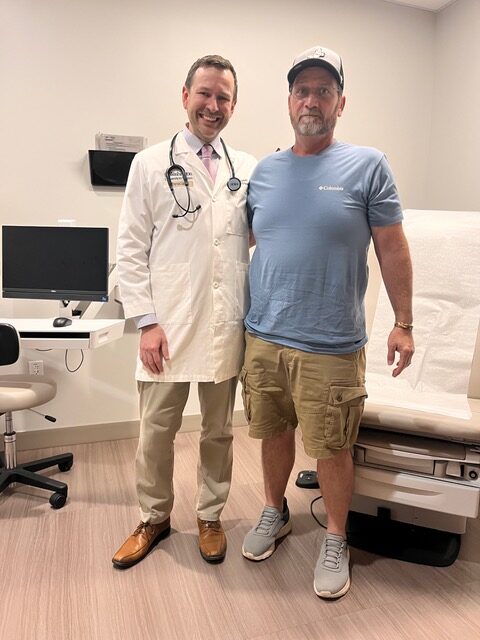
After switching his care to Siteman Cancer Center, Chuck Michel enrolled in a clinical trial and received a personalized treatment plan tailored to his prostate cancer

Chuck Michel is no stranger to a cancer diagnosis.

An avid music lover, guitarist and trade show marketing executive, Michel enjoys traveling with his wife, Suzanne, and planning trips around concerts and music festivals. In early 2024, cancer wasn’t something he expected to think about again. After successfully overcoming skin cancer and lung cancer years earlier and remaining diligent about his annual physical exams, a routine blood test brought cancer to the forefront a third time.

His prostate-specific antigen (PSA) level had risen.

Following his primary care physician’s recommendation, Michel met with R. Sherburne Figenshau, MD, a WashU Medicine urologist at Siteman Cancer Center, who recommended an FDA-approved blood test that gives patients and providers a clear, personalized probability of finding aggressive prostate cancer on biopsy.

“The test came back questionable,” Michel recalled. “Dr. Figenshau recommended an MRI, which we did. It confirmed something was going on. At that point, we decided to do a biopsy.”

The biopsy confirmed localized prostate cancer with a Gleason score of 6 on a scale of 2, the lowest grade, to 10. Michel’s score indicated a low-grade, slower-growing cancer.

“The standard protocol was to monitor my PSA levels moving forward. And that’s what we did,” he said. “It did go up, but it hadn’t changed much. At the one-year mark, we did another biopsy, which is routine when you have this diagnosis. This time, the results were surprising — Gleason score of 9.”

This aggressive growth meant immediate treatment was required. Michel and his wife met with community physicians to discuss a standard of care approach — weeks of radiation therapy, possibly followed by hormone therapy.

They were all prepared to move forward with that plan, until an unexpected conversation changed everything.

The Kentucky Derby Conversation

At a neighborhood Kentucky Derby party, Michel mentioned his diagnosis to friends and members of his pickleball group. One friend casually asked, “Well, have you talked to Diane about this?” Michel answered no, and she promptly texted fellow pickleball player Diane Bender, PhD, MT (ASCP), a lead scientist at WashU Medicine Bursky Center for Human Immunology and Immunotherapy.

“It was one of those moments when you realize you never know who is in your life for a reason,” Michel recalled. “Diane said she was going to talk to her colleague, Russell, whom I didn’t know. Diane quickly called me back and connected me with Russell.”

Russell K. Pachynski, MD, a WashU Medicine physician-scientist at Siteman Cancer Center, spoke on the phone with Michel and Suzanne, explaining emerging treatment options, including an early-phase immunotherapy clinical trial available through Siteman Cancer Center for patients with localized, nonmetastatic prostate cancer.  The clinical trial combined targeted immunotherapy — with a new class of drugs called “T cell engagers” that bind the tumor and the killer immune cells — before removing the prostate, eliminating the need for radiation. They met in person to discuss the trial further and Michel’s eligibility.

“Dr. Pachynski told me — and this phrase stuck with me — this trial and surgery would give me two shots on goal,” Michel recalled. “Radiation generally cannot be repeated, so it would still be an option for me in the future to take ‘another shot’ at the cancer if it came back.”

The last step was to meet with WashU Medicine urologist and surgeon Sam Bhayani, MD, who would perform a robotic prostatectomy to remove the prostate gland following the infusions. Michel remembers the meeting fondly: “As we were waiting for our appointment, Dr. Bhayani stuck his head in quickly and said, ‘I will be right with you, Chuck. Don’t worry, I already know all about you.’  And he did. He put us at ease immediately as he talked us through the procedure and recovery. I felt there was no stone left unturned in terms of needing any more information to make the decision. Every question or concern we had was answered and addressed thoroughly.”

After additional imaging and a multidisciplinary review confirmed he was indeed eligible, Michel enrolled in the clinical trial.

Exceptional Care Team

Michel began treatment in early June 2025. He received eight cycles of immunotherapy as part of the trial, first during a monitored hospital stay and then through outpatient infusions. While he experienced flu-like fatigue and soreness during treatment, he found the side effects manageable and was grateful for the exceptional care he received from the Siteman team. Mark Sundermeyer, MD, WashU Medicine oncologist, and Lisa Resnik, WashU Medicine clinical research coordinator, oversaw the treatment process, which was completed in about five weeks.

Next, Michel underwent robotic prostate surgery in late July 2025 at Barnes-Jewish West County Hospital. Recovery progressed smoothly, thanks to the detailed explanations before surgery and follow-up care received. He was able to return to work and activities as planned, including resuming concert travels with Suzanne.

“I knew the treatment was successful from the fact that Dr. Bhayani said he really liked what he saw in my tests following surgery. Everything ‘looks good,’ so to speak,” Michel shared.

“Chuck has had state-of-the-art treatment from Siteman Cancer Center, and with regular testing, we are cautiously optimistic that he will continue to win this battle with prostate cancer,” Bhayani said.

“Being a cancer survivor already, I know the next five years are critical. We’ll be monitoring my progress closely as part of the trial,” Michel explained. “I’m grateful to everyone involved in my patient journey.”

Learn more

Siteman’s Head and Neck Tumor Center Surpasses 1,000 Patients 

Driven by science, the multidisciplinary team of WashU physicians and researchers is ‘about helping people thrive after treatment’

In just three years, Siteman Cancer Center’s comprehensive Head and Neck Tumor Center has cared for more than 1,000 patients. It is a milestone that reflects the growing impact of a program that was among the first of its kind in the country when it was established to bring together multidisciplinary expertise, innovative treatment approaches and leading-edge research to improve outcomes and quality of life for patients with any type of head or neck cancer.

“We’re here to optimize clinical care and, especially, outcomes for our patients,” said Sidharth V. Puram, MD, PhD, Lindburg Professor and chair of WashU Medicine’s Department of Otolaryngology–Head and Neck Surgery and co-director of the Head and Neck Tumor Center at Siteman, based at Barnes-Jewish Hospital and WashU Medicine.

“We offer advanced surgical techniques, innovative chemotherapy and radiation treatments, and we have a robust portfolio of clinical trials focused on improving treatment options for head and neck cancers that is truly making a difference in the lives of our patients,” he said.

The Head and Neck Tumor Center — also led by co-directors Wade L. Thorstad, MD, a radiation oncologist, and Douglas R. Adkins, MD, a medical oncologist — brings together specialists in otolaryngology, medical oncology, radiation oncology, neurosurgery, ophthalmology, vascular surgery, thoracic surgery, plastic surgery, palliative care, endocrinology and radiology. The center also includes dentists, oral surgeons, prosthodontists, speech pathologists, nutritionists, social workers, clinical trial coordinators and patient navigators to support and guide patients along their cancer care journey and recovery.

A hallmark of the center is a multidisciplinary head and neck tumor board, a group of specialists across an array of disciplines that meets regularly to discuss patient cases. These comprehensive reviews of medical records and broad discussions of the latest treatment options result in optimal treatment plans for individual patients that take into consideration their unique circumstances.

‘We wanted to go to Siteman’

Rick Sparrow is among the latest patients treated at the center. Sparrow, from La Belle, a small town in northeast Missouri, came to Siteman after noticing a lump on the side of his neck. His primary care physician sent him for tests, and he was soon diagnosed with tonsillar squamous cell carcinoma associated with the human papillomavirus (HPV). 

Photograph of Rick and Dianna Sparrow smiling together outdoors while seated in a UTV.

“We wanted to go to Siteman,” Sparrow recalled. “And once I had the initial consultation here, I wouldn’t have gone anywhere else. I was seen by Dr. Puram, and he checked me out, looked at some lab and imaging results and sat us down that day to go over a game plan. It was such a relief to not only have a doctor with a great bedside manner, but one who very quickly said to us that my cancer could be treated.”

The treatment plan included surgery to remove both tonsils and 33 lymph nodes on the right side of Sparrow’s neck. (A typical adult can have more than 100 lymph nodes on each side of the neck.) Sparrow also would receive chemotherapy under the direction of WashU Medicine medical oncologist Peter Oppelt, MD, then 15 doses of radiation under the direction of Sana Karam, MD, PhD, the Elizabeth H. and James S McDonnell III Distinguished Professor of Radiation Oncology and chair of the Department of Radiation Oncology at WashU Medicine.

Sparrow also agreed to participate in a novel clinical trial known as The Minimalist Trial-2, also known as MINT-2. The Phase II trial is evaluating the effectiveness of fewer radiation treatments and less chemotherapy to treat throat cancers affiliated with HPV.

“There already were very high cure rates for patients with HPV-positive oropharynx cancer when treated with surgery followed by radiation or chemotherapy,” said Adkins, principal investigator for the MINT clinical trials. “We are exploring different de-escalated (reduced) schedules of adjuvant (after surgery) radiation and chemotherapy with the overarching goal to lower some of the side effects of these treatments while maintaining the high rate of cure.”

Thorstad and Puram are co-principal investigators of the MINT trials.

In the Phase I clinical trial, called MINT-1, 90% or more of patients who received fewer radiation treatments and less chemotherapy were alive four years later without their cancer recurring. They also experienced fewer side effects, such as swallowing complications, painful mouth sores, weight loss or kidney injury.

MINT-2 is currently exploring even lower doses of post-surgery radiation. The Head and Neck Tumor Center’s leadership team says that, as a result, Siteman has emerged as a national leader in the treatment and study of HPV-associated throat cancers, which now account for most cancers affecting the tonsils and the base of the tongue.

“The MINT trials represent a true paradigm shift in head and neck cancer treatment,” Karam said. “Dr. Wade Thorstad’s visionary work and quiet dedication to minimizing patient toxicity while maintaining exceptional cure rates have been the conceptual engine behind this approach. His foresight is a major reason why Siteman is a national pioneer in HPV-associated throat cancer research.”

Photograph of Rick Sparrow standing alongside Peter Oppelt, MD, in a medical office setting.

Navigating Care

A major resource within the Head and Neck Tumor Center is the team of oncology-trained nurse care coordinators and oncology nurse navigators who guide patients throughout their cancer journey. Services include coordination of all physician appointments, lab and imaging tests, as well as surgery, radiation and chemotherapy scheduling and referrals to supportive services such as nutritional planning, speech and swallowing rehabilitation services and social-work assistance.

“It was amazing having all of these resources available in one place,” said Dianna Sparrow, Rick’s wife of 27 years. “And the help of our nurse navigator, Crystal, was a lifesaver because it took a lot of pressure off us to figure out what was next and who to see. She made our experience at Siteman extra special and went above and beyond for us.”

Puram agrees, noting that the patient navigator program is a core principle in providing a full range of services to patients.

The day after Rick Sparrow’s last radiation treatment, he and Dianna went out and purchased a new off-road utility terrain vehicle (UTV) and got right back into a hobby they both loved — camping and having fun outdoors.

“We spent six hours climbing over rocks and just celebrating our life together,” he said. “It was a great feeling!”

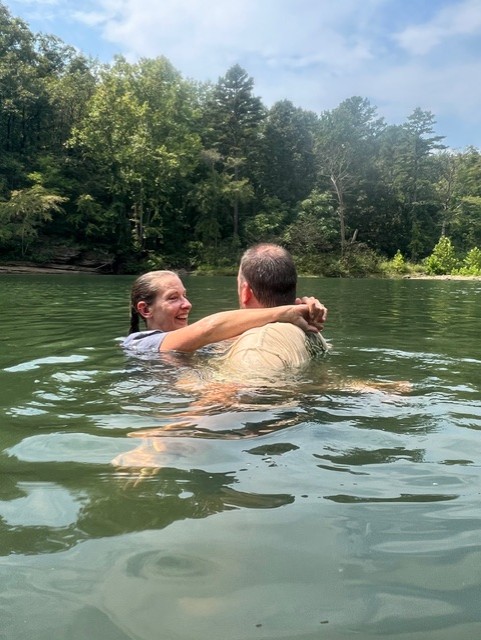
Rick and Dianna Sparrow smiling and embracing in a natural body of water surrounded by trees.

Looking Ahead

The Head and Neck Tumor Center’s long-term vision extends well beyond current treatment approaches. Researchers are studying tumors at the molecular and cellular levels, analyzing DNA, RNA and proteins to better understand why cancers develop, how they respond to therapy and which patients may benefit from emerging treatments.

“The next era of head and neck cancer care will be driven by science,” Puram said. “We’re identifying new biomarkers, discovering new therapeutic opportunities and working to deliver more personalized treatment for every patient.”

Said Karam, the chair of radiation oncology: “Mr. Sparrow’s experience is especially meaningful because it illustrates our ultimate goal: not only curing cancer but also helping patients return to the activities that matter most to them. Hearing he was able to resume riding his UTV, camping and hunting so soon after treatment is a wonderful example of the impact that coordinated, patient-centered care can have on both outcomes and quality of life.”

Puram agrees. “The Head and Neck Tumor Center is unique because patients benefit from both comprehensive clinical care and breakthrough research,” he said. “Reaching more than 1,000 patients in just three years reflects the success of a model built around multidisciplinary care, and it demonstrates how strongly patients value having surgeons, medical oncologists, radiation oncologists, navigators and support specialists working together as one team.”

Rick and Dianna Sparrow are now putting his treatment in the rearview mirror.

“We’ve got seven grandchildren, and we’ve got a lot of living to do,” she said. “We don’t sweat the small stuff anymore, and we don’t take life for granted.”

Puram smiles as he hears about the active lifestyle the Sparrows have returned to.

“Every advancement we’re making ultimately comes back to patients,” he said. “The future is not only about improving survival. It’s about helping people thrive after treatment. Seeing patients return to their families, their work and the activities they love reminds us why this work matters.”

Learn more

WashU Medicine Physician-Scientists at Siteman Cancer Center Developing New Combination Therapy to Treat Metastatic Melanoma

The approach could potentially treat multiple cancer types, researchers say

WashU Medicine researchers at Siteman Cancer Center, based at Barnes-Jewish Hospital and WashU Medicine, have developed a promising combination therapy for treating an aggressive form of melanoma. The early-phase research, led by George Ansstas, MD, David Y. Chen, MD, PhD, and Naresha Saligrama, PhD, appears in the Journal of Clinical Investigation.

The new therapy combines two commercially available drugs, tailmogene laherparepvec (also known as T-VEC) and binimetinib to treat patients with NRAS-mutated melanoma, a type of melanoma that is highly aggressive and occurs in up to 25% of patients diagnosed with cutaneous melanoma.

T-VEC, a genetically modified herpes virus, is already FDA-approved as a local therapy for the treatment of unresectable advanced melanoma. It was the first oncolytic virus therapy in the U.S. when it was approved in 2015. However, even though the modified virus can kill injected tumor cells, it doesn’t produce a strong enough immune response throughout the body on its own. Binimetinib is a MEK inhibitor that blocks the activity of MEK1 and MEK2 proteins to treat patients with NRAS-mutated melanoma. Currently, binimetinib is approved only in patients with two different types of cancer, BRAF-mutated melanoma and BRAF-mutated non-small cell lung cancer.

Early-phase research at Siteman investigated the use of T-VEC and binimetinib as a combination therapy in seven NRAS-mutated melanoma patients. Six patients achieved a complete response as compared to only two out of seven patients responding when treated with T-VEC alone.

“T-VEC works by replicating in cancer cells, causing them to burst, thereby stimulating the body’s immune response,” Ansstas said. “We have found that by combining T-VEC with binimetinib, we induced an exceptional clinical response in a small cohort of patients diagnosed with NRAS-mutated melanoma who participated in our early-phase trial.”

The findings point toward binimetinib’s role in amplifying T-VEC’s ability to kickstart the immune system and broaden the overall effectiveness of the immune response in patients. 

“The fact that we already have two commercially available therapeutics means that we can escalate the speed at which we move from early phase into larger clinical trials to test the dual therapy,” Ansstas said.

Patients diagnosed with NRAS-mutated melanoma currently are given immunotherapy as a standard first-line treatment. Other options include targeted therapies to slow tumor growth and other combination therapies in clinical trials. Now that there have been promising results in the early trial conducted at Siteman, the WashU Medicine researchers say larger, multicenter studies are needed to validate the T-VEC/binimetinib combination as a new option for treatment of NRAS-mutated melanoma.

“Once this observation is validated, we will expand our investigation to additional tumor types, as this mechanistic approach has the potential to be effective across multiple cancer types,” Ansstas said.

David Mutch Completes Term as President of Society of Pelvic Surgeons

David Mutch, MD, WashU Medicine professor of obstetrics and gynecology at Siteman Cancer Center, based at Barnes-Jewish Hospital and WashU Medicine, has completed his term as president of the Society of Pelvic Surgeons.

The organization convenes surgeons from across the globe and three specialties — gynecology, urology and colorectal surgery — to improve research, diagnosis and patient care.

Mutch completed the one-year term at the Society’s 2026 Annual Meeting, held earlier in October in Banff, Alberta. His presidential address there was titled, “Evolution of Teaching Surgery and the Dilemmas We Face Today.”

“I am thrilled to be a part of this prestigious society and to foster collaboration among my international colleagues,” Mutch said. “By convening specialists in gynecology, urology and colorectal surgery, we are better able to advance patient outcomes worldwide across a variety of cancers.”

Pelvic surgery is inherently multidisciplinary, encompassing gynecology, urology and colorectal surgery. Each field touts ongoing surgical and scientific advances, underscoring the importance of cross-disciplinary education and dialogue.

The Society’s annual meeting convenes experts across gynecology, urology and  colorectal surgery to share emerging research, refine surgical techniques and explore new diagnostic and treatment approaches to improve patient care.

Mutch’s service as president reflects his longstanding leadership and commitment to advancing the field.

At WashU Medicine and Siteman Cancer Center, he leads one of three prestigious Specialized Programs of Research Excellence, or SPORE. As head of the SPORE in Endometrial Cancer, Mutch oversees three areas of research designed to accelerate scientific discovery and translate new insights into more precise approaches to treating endometrial cancer. Learn about the work here.

Since joining the WashU Medicine faculty in 1987, he has held numerous executive roles, including director of the Division of Gynecologic Oncology and vice chair of gynecology. He has trained more than 50 fellows, many of whom now lead academic programs across the country.

In 2023, WashU Medicine established the David and Lynn Mutch Distinguished Chair in his honor — an enduring testament to his sustaining impact, made possible by a grateful patient’s generous gift.

Researchers Develop Clearer Guidance for Treating Intermediate‑Risk Acute Myeloid Leukemia

WashU Medicine physician-scientists at Siteman Cancer Center pioneer and validate a new method to determine which treatment option is most likely to improve patient outcomes

WashU Medicine researchers at Siteman Cancer Center, based at Barnes-Jewish Hospital and WashU Medicine, have found a way to determine which patients with intermediate-risk acute myeloid leukemia (AML) may do well with chemotherapy alone and which may benefit from an “upfront” stem-cell transplant early in their treatment course. The new approach, which tracks low-level residual cancer cells using personalized genetic testing, could help guide care for nearly half of people diagnosed with AML.

The pioneering research, published in NEJM Evidence, builds upon an initial study published by the same WashU Medicine team in The Journal of the American Medical Association in 2015, and provides clearer evidence on how to treat intermediate-risk AML patients.

AML is categorized into one of three risk groups based on recurrent genetic abnormalities at the time of diagnosis: favorable, adverse or intermediate-risk AML, explained WashU Medicine medical oncologist Meagan Jacoby, MD, PhD, first author of the new study. These risk groups do not account for the individual patient’s response to initial chemotherapy.

Favorable-risk patients typically respond well to chemotherapy alone, she said. Adverse-risk disease carries genetic features that make relapse likely, prompting an early referral for stem-cell transplant.

“In intermediate-risk AML, however, which occurs in nearly half of all cases diagnosed each year in the United States, the genetic profile at diagnosis alone does not always predict whether chemotherapy alone will be curative,” Jacoby said. “The leukemia may look cleared under the microscope after induction chemotherapy, but standard tests can miss residual disease or only detect specific mutations. We needed a better way to track measurable residual disease” — or MRD — “and determine the best treatment path for these intermediate-risk patients.”

To develop the guidance for intermediate-risk AML, Jacoby, along with co-author David Spencer, MD, PhD, senior author Timothy Ley, MD, and other WashU colleagues at Siteman Cancer Center, first used whole-exome sequencing to create a personalized list of leukemia-associated mutations. Then, one month after patients in the study received induction chemotherapy, the researchers used the same personalized list again to determine whether any of the mutations persisted.

Once they validated that whole-exome sequencing could accurately track the mutations before and after induction chemotherapy, the researchers then tracked how patients did with various treatment options.

Some intermediate-risk patients had cleared their leukemia‑associated mutations to extremely low levels. Others still had detectable leukemia-associated mutations despite normal-appearing bone marrow. 

Patients who cleared their mutations were assigned to a treatment arm that used high‑dose chemotherapy to “consolidate” their treatment. These patients had outcomes similar to that of favorable-risk disease, with a two‑year overall survival of nearly 80%. Even when relapse occurred, most were successfully treated with transplant later.

For patients whose mutations persisted, however, the outcomes were markedly different. Those who went straight to transplant did exceptionally well. Most patients who did not have a transplant relapsed quickly and had a median survival of 18 months. 

“Mutation clearance identified patients who could safely receive chemotherapy consolidation,” Spencer said. “Persistent mutations were a strong signal that transplant in first remission was the right choice.”

The new method — first creating the leukemia mutation list using whole-exome sequencing and then proving it can guide treatment — “repositions personalized molecular MRD beyond prognostic observation towards therapeutic decision‑making,” according to an accompanying editorial in NEJM Evidence.

The next step is for researchers to conduct randomized, multicenter clinical trials to further validate the method and update clinical guidelines.

“With nearly 23,000 people diagnosed with AML in the U.S. each year — and more than 10,000 falling into the intermediate‑risk category — the personalized whole-exome sequencing MRD approach developed here at WashU could become a new guidepost for post‑remission therapy for intermediate-risk AML patients,” Jacoby said.

Pioneering New Treatment for Advanced Melanoma is a First in the Region

WashU Medicine physician-researchers at Siteman Cancer Center expand options for patients whose advanced melanoma has progressed despite previous immunotherapy

Immunotherapy has brought important advances to melanoma care, but treatment resistance remains a challenge for patients whose cancer continues to progress.

WashU Medicine physicians at Siteman Cancer Center are the first in the region to offer the newly FDA-approved treatment vusolimogene oderparepvec-wtpg, known commercially as Tudriqev. The therapy uses an engineered virus injected directly into melanoma tumors to destroy cancer cells and help stimulate an immune response. It is administered with nivolumab, an established immunotherapy.

For Aubriana McEvoy, MD, MS, FAAD, a WashU Medicine dermatologic surgeon at Siteman Cancer Center whose expertise includes melanoma and treatments delivered directly into tumors, the significance of Tudriqev lies in what it means for patients and the physicians caring for them.

“Treatments like Tudriqev expand the options we have to tailor care to each patient and their individual cancer,” she said. “One of the things I find most rewarding about being part of WashU Medicine and Siteman Cancer Center is bringing the latest scientific advances to our patients, with the goal of helping people with advanced and metastatic melanoma live longer and live well.”

When Viruses Join the Fight Against Melanoma

Viruses enter living cells and use them to reproduce. In a type of treatment called oncolytic viral therapy, scientists genetically modify viruses to preferentially multiply inside tumors and destroy cancer cells.

Tudriqev uses an engineered form of herpes simplex virus type 1. As infected melanoma cells die and break apart, they release fragments that help the immune system recognize the cancer.

Some melanoma cells can also escape immune attack by displaying a protein called PD-L1, which can suppress cancer-fighting T cells. Nivolumab, given intravenously, blocks PD-1 on T cells to help prevent this suppression. Together, the treatments aim to stimulate a broader immune response.

Understanding these challenges is closely connected to the work of David Chen, MD, PhD, a WashU Medicine dermatologist and physician-scientist at Siteman who treats patients with advanced skin cancers and studies how cancers develop and respond to treatment. Chen also serves on the National Comprehensive Cancer Network (NCCN) Guidelines for Melanoma: Cutaneous panel.

“Melanoma can escape the immune system, and overcoming treatment resistance remains one of our greatest challenges,” he said. “Immune-activating treatments directly injected into the tumor offer a promising approach to help the immune system recognize and respond to tumors that have previously resisted treatment.”

WashU Medicine has years of clinical and research experience with talimogene laherparepvec, or T-VEC, another oncolytic viral therapy sold as Imlygic. In a 2025 study published in the Journal for ImmunoTherapy of Cancer, Chen, along with fellow WashU Medicine researchers Melissa Yamada and George Ansstas, MD, collaborated with investigators at the University of Washington and Fred Hutchinson Cancer Center. Among 121 patients treated with T-VEC, including 69 at WashU Medicine, researchers documented meaningful and durable responses in some patients, even after previous therapies.

A September 2026 study published in The Journal of Clinical Investigation, led by Ansstas and Chen and co-authored by Lynn Cornelius, MD, also of WashU Medicine and Siteman, investigated combining T-VEC with binimetinib, a targeted drug, in patients whose melanoma carried a specific genetic mutation. Six of seven patients receiving the combination achieved complete responses.

Beyond the Injection Site: A Wider Immune Response

Although Tudriqev is injected directly into selected tumors, the immune response may reach much further. Once activated, cancer-fighting T cells can circulate through the bloodstream and recognize melanoma cells elsewhere in the body.


Clinical studies of Tudriqev combined with nivolumab documented tumor shrinkage in both injected and noninjected lesions, including tumors in internal organs.

Among the 91 patients included in the FDA’s efficacy analysis, approximately one in four (24.2%) experienced an objective response, meaning their cancer measurably shrank or disappeared. For those who responded, the median duration of response was 14.1 months.

These findings supported Tudriqev’s accelerated FDA approval in August 2026, with additional clinical research required to confirm its benefits.

One Team, Bringing Discoveries Closer to Patients

Bringing new melanoma treatments into clinical care draws on the multidisciplinary expertise of WashU Medicine physician-scientists and other researchers at Siteman Cancer Center — connecting dermatology, medical oncology, surgical oncology and cancer research.

Ansstas, a professor of medicine and director of the Melanoma Program at WashU Medicine, helps lead the multidisciplinary approach to melanoma care at Siteman Cancer Center.

“We are uniquely positioned at WashU Medicine to deliver truly patient-centered care, where all key stakeholders convene in the same room, in real time, to make the best possible decisions for our patients,” he said. “This collaborative environment allows us to translate clinical observations into scientific discoveries and develop novel therapeutic strategies, particularly for patients whose cancers have resisted existing treatments.”

For Cornelius, the Winfred and Emma Showman Professor of Dermatology and chief of the Division of Dermatology, introducing Tudriqev represents an important milestone in expanding advanced melanoma care at WashU Medicine.

“Being the first in the region to offer this therapy reflects the strength of our multidisciplinary team and our commitment to expanding treatment options for patients whose melanoma has resisted previous therapies,” she said.

Learn more

Freezing Out Tumors: Heather Garrett Leads the Way in Innovative Breast Cancer Treatment

When Heather Garrett, MD, sees a good idea, she wastes no time in pursuing it. Four years ago, a colleague suggested that Garrett, an associate professor at WashU Medicine Mallinckrodt Institute of Radiology, look into a new procedure called cryoablation to treat breast cancer.

Cryoablation kills tumor tissue by freezing it. The procedure is a minimally invasive alternative to lumpectomy, a surgical removal of early-stage breast cancer tumors.

Garrett ran with the idea. She has since made Siteman Cancer Center, based at Barnes-Jewish Hospital and WashU Medicine, a high-volume treatment center that draws patients from around the region for breast cryoablation, and Garrett is now one of the country’s busiest practitioners, performing almost 50 procedures a year.

“We have some patients who cannot tolerate surgery due to underlying physical reasons, or they can’t tolerate the anesthesia or sometimes they have extreme anxiety about the operation,” said Garrett. “Those patients could only get radiation or chemotherapy. But we know that individuals who don’t have surgery for their cancer have worse outcomes. Cryoablation is a fantastic option for these cases.”

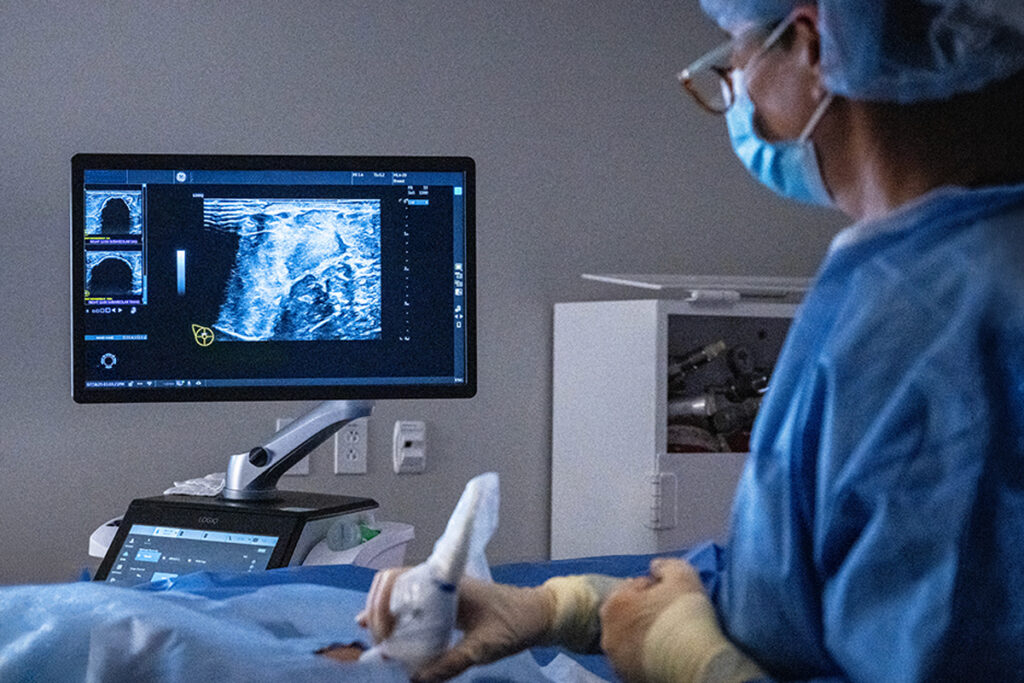
During cryoablation, the patient is awake and needs only local anesthesia, whereas lumpectomies normally require general anesthetic. A radiologist uses ultrasound imaging to insert a thin probe through the skin and then guide it to the tumor mass to freeze it with extremely low temperatures. The tumor tissue dies and is reabsorbed by the body.

Until recently, breast cryoablation had mainly been used for patients who, because of medical history or underlying health conditions, aren’t considered good candidates for surgery. The FDA has since broadened its use, approving cryoablation for older women with low-risk, early-stage breast cancers as an alternative to surgery. Lumpectomies remain the standard of care for early-stage and localized breast cancers, with decades of verified results for clinicians to rely on.

Garrett realized that more data were needed before clinicians and patients could make fully informed choices between the two procedures.

To provide that data, Garrett is now leading two separate clinical trials. The first, appropriately called COOL-IT-PRO, is a multicenter trial tracking long-term outcomes among patients who received cryoablation for breast cancer. This study includes patients of all ages and with cancers of varying severity.

The second — COOL-IT — is more narrowly focused and is the first U.S. phase III trial on cryoablation for breast cancer.  This study is co-led by Garrett and Julie Margenthaler, MD, FACS, a professor of surgery and the director of Breast Surgical Services at Siteman Cancer Center. The study is a randomized trial that aims to recruit 120 women ages 50 and older with early-stage breast cancer who are selected at random to receive either a standard lumpectomy or cryoablation at Siteman, with long-term follow-up for five years after their procedure.

“The way to ensure overall patient safety and the best long-term outcomes is to get high-quality evidence to guide how clinicians recommend newer procedures like cryoablation,” Garrett said. “As an academic medical center, this is what we can do better than anyone.”

A diagnosis becomes an opportunity to help others

While Garrett was growing the breast cryoablation service line at Siteman and establishing her clinical trials, Leslie Hernandez, now 63, was building her catering business in St. Louis. The company — Mama Pacha Sabor — was named for Hernandez’s mother, who died from breast cancer in 2007. Hernandez had been trying to ramp up the business, which sells homemade Puerto Rican cuisine, in order to raise money to buy computer tablets for low-income families that were struggling with pandemic-era lockdowns.

By 2024, with the lockdowns over, she was pursuing the business full time. The hectic demands of a new and growing enterprise led Hernandez to miss the annual mammogram she’d had faithfully since her mother’s death.

She scheduled another for January 2025 — at the same time Garrett was beginning to recruit patients for her COOL-IT clinical trial. That scan showed a lump. After subsequent scans and a biopsy, Garrett informed her that it was stage 1 breast cancer. Because it had not spread, Garrett asked Hernandez if she would be interested in participating in the trial.

For Hernandez, the answer was easy.

“I discussed it with my husband and children, so it was a family decision, but this was something I wanted — if this is something that I can be part of and also help others, then it’s very important to do,” she said.

Hernandez arrived at Siteman for her procedure on a February morning in 2025. Using ultrasound imaging, Garrett guided the cryoprobe to the tumor. After a 10-minute freeze, an eight-minute break and another 10-minute freeze, the procedure was done.

A healthcare professional in surgical scrubs, mask, and cap holds an ultrasound transducer while viewing a scan displayed on a monitor screen.
Heather Garrett, MD, associate professor of radiology, visits with former patient Leslie Hernandez at the Werths Building at Siteman Cancer Center. Garrett successfully treated Hernandez for stage 1 breast cancer in 2025 by freezing and destroying her tumor without needing surgery. (Photo by Matt Miller/WashU Medicine)

Hernandez was in and out in 90 minutes and able to drive herself home. She was back to work the next day and, like most patients who undergo the procedure, had minimal scarring or side effects. It can take some patients several days to recover from a lumpectomy, and the surgery often leaves visible scarring or deformations of the affected breast.

This reduced impact on the patient is in keeping with where cancer care and medicine overall have been heading the last few decades, Garrett noted — that is, toward increasingly personalized, targeted and minimally invasive care.

“I really see breast cryoablation as part of the general movement toward the de-escalation of breast cancer care — doing less while being just as effective,” she said. “It adds to the arsenal of tools that we have to treat breast cancer.”

Women in the Hispanic and Latino community tend to be diagnosed with breast cancer at somewhat older ages than national averages, often when their cancers are more advanced. Hernandez, who was already a champion for health and self-care in her community, has been sharing the story of her experience to encourage diligent preventive screenings.

“In the Hispanic and Latino community, we often put our self-care to the side, so I have been telling people about my experience at Siteman,” said Hernandez, who points to her own excellent post-treatment health as evidence of the outstanding care she received. “I went through everything with my health and my business, and I’m now the happiest lady in the world.”

Learn more about breast cancer treatment options at Siteman Cancer Center.

Building on a Legacy: Advancing Sarcoma Research and Care at Siteman Cancer Center

A mission that began with one physician, one patient and one conversation continues

When participants gather on Sunday, Oct. 11, for the annual STL Cure Sarcoma 6K Run/Walk in Creve Coeur Park in Maryland Heights, they will celebrate more than a fundraising event. They will honor a community built around improving the lives of people affected by sarcoma and advancing research toward better treatments and, ultimately, a cure.

Sarcoma, a cancer affecting bone, muscle and connective tissue, is rare, accounting for less than 1% of U.S. cancer diagnoses in adults and 7% in children. Its rarity makes the sarcoma community particularly tight knit.

Regionally, the sarcoma community traces its roots to a partnership between Brian Van Tine, MD, PhD, who was a nationally recognized sarcoma specialist at Siteman Cancer Center at Barnes-Jewish Hospital and WashU Medicine, and patient Felicia Doll, who was diagnosed with mesenchymal chondrosarcoma in 2012. Encouraged by Van Tine to use her experience to help others, she helped launch STL Cure Sarcoma, which has grown into a powerful force for both research funding and patient support.

Sadly, the community has since lost both Doll, who succumbed to the disease in 2019, and Van Tine, who passed away in 2025 following an acute illness. Their spirit and legacies continue to inspire the work of STL Cure Sarcoma.

“Dr. Van Tine understood that his patients were more than their diagnoses,” said Steve Doll, Felicia’s husband and president of STL Cure Sarcoma. “He encouraged them to continue finding purpose, meaning and joy throughout their journeys, even in the face of extraordinary challenges. Together, he and Felicia envisioned an event that would bring sarcoma patients, survivors, families, caregivers and supporters together, giving people facing similar experiences an opportunity to meet, develop meaningful relationships and build a strong and supportive community.”

Sarcomas encompass more than 100 distinct subtypes of bone and soft-tissue cancer, their numbers making them especially difficult to treat. WashU Medicine’s Sarcoma Program at Siteman is one of the largest such programs in the Midwest, with both extensive expertise in patient care and a portfolio of more than 20 active clinical trials for sarcoma patients.

Inspired by Van Tine’s vision, WashU Medicine medical oncologist Angela Hirbe, MD, PhD, now directs the program at Siteman Cancer Center, which sees more than 150 sarcoma patients a week from across the country. An internationally renowned physician-scientist, Hirbe researches biomarker discovery for cancer detection in patients with genetic risk factors for sarcomas. She also studies treatments for neurofibromatosis-associated tumors and other rare sarcomas. She recently merged her own lab with that of Van Tine’s, which was focused on metabolic research related to sarcomas.

“It’s a powerful research team,” Hirbe said. “Our visions are entwined because we had collaborated for years. I’m committed to maintaining that legacy.”

Over a decade ago, Van Tine and Hirbe co-founded the Midwest Sarcoma Trials Partnership, which has grown into a national research collaborative that includes Northwestern University, the University of Iowa, the University of Wisconsin, the Medical College of Wisconsin, Mayo Clinic, the University of Minnesota and the University of California, San Francisco. The partnership shares resources and research into a wide range of sarcomas.

Also built as a partnership 12 years ago, STL Cure Sarcoma has raised more than $1.7 million for research. Much of the funding, now administered through a partnership with Sarcoma Strong and the Musculoskeletal Tumor Society, has supported research at Siteman Cancer Center and WashU Medicine.

“STL Cure Sarcoma definitely has been a catalyst to move our research forward,” Hirbe said. “Philanthropy is incredibly important to help scientists get new ideas off the ground, and it serves to support the foundational research needed to later obtain larger federal funding grants.”

As the 13th annual STL Cure Sarcoma 6K Run/Walk approaches, organizers, researchers and participants share a common goal: carrying forward a mission that began with one physician, one patient and one conversation. 

“Without Dr. Van Tine’s vision, guidance and encouragement, STL Cure Sarcoma would not exist,” Doll said. “But the work he helped inspire will continue. The battle is not over.”

$11.7 Million From NIH Supports Research on Inflammation in Blood Cancers

Grant will fund four major projects, three core resources to study myeloproliferative neoplasms

Researchers at WashU Medicine have received an $11.7 million grant from the National Heart, Lung, and Blood Institute of the National Institutes of Health (NIH) to study the role of inflammation in myeloproliferative neoplasms (MPNs), a group of blood cancers characterized by an overproduction of red blood cells, white blood cells or platelets.

The WashU Medicine investigators are research members of Siteman Cancer Center, based at Barnes-Jewish Hospital and WashU Medicine, and include physician-scientists who treat patients at Siteman.

MPNs can be slow to progress, and patients can survive years or decades, but they are also at high risk of developing acute myeloid leukemia (AML), an aggressive blood cancer with limited treatment options and poor survival. A stem cell transplant can in some cases achieve remission, but few patients qualify for it because of advanced age or overall health.

Other current treatments improve MPN symptoms — such as unintended weight loss, night sweats, fatigue and an enlarged spleen that often causes pain — but they can’t slow the progression of the disease or reduce the risk of it transforming to AML. As such, there is a critical need to understand how the disease starts and evolves in order to guide development of better therapies for patients. In recent years, inflammation has emerged as a critical component driving these blood cancers.

The grant supports four major research projects and three new core resources that will provide shared resources to the investigators.

“This funding supports a true team-science effort because all four projects look at inflammation, but each in a different way,” said principal investigator Stephen T. Oh, MD, PhD, the Samuel B. Grant Professor of Clinical Medicine and co-director of WashU Medicine’s Division of Hematology. “Together, they will give us a more complete picture of how MPNs behave. If we understand the biology of the diseases more deeply, we can lay the groundwork for translating basic research into improved therapeutics that may one day change the course of these diseases.”

Four Projects Investigating Inflammation in Blood Cancers

The first project, led by Oh, will harness mouse models and human samples to understand how two cellular molecules that interact with one another — DUSP6 and RSK1 — drive inflammation and whether blocking their downstream effects can reduce the inflammatory signaling in or around the cancer cells and stop MPNs from progressing. RSK inhibitors are already under investigation in cancer patients, primarily for breast cancer but also for MPNs, including in a clinical trial at Siteman that is separate from this new grant and led by Amy W. Zhou, MD, an associate professor of medicine.

The second project, led by Grant A. Challen, PhD, a professor of medicine in the Division of Oncology, will investigate how inflammation produced by MPN cells influences the function of other stem cell clones in the bone marrow. Some MPN patients manifest a secondary leukemia descended from mutated stem cells that develop in parallel to the patients’ primary MPN disease. This project will look at how MPN-derived inflammation might govern which clones gain growth advantages in these patients and how they might interact with one another to accelerate the disease.

The third project, led by Daniel C. Link, MD, the Alan A. and Edith L. Wolff Professor of Medicine, chief of the Division of Oncology and deputy director of Siteman, will probe drivers of inflammation in the bone marrow to understand how it may boost or interfere with MPN progression. The project involves sophisticated spatial imaging to build maps of how MPN cells interact with the bone marrow environment, seeking clues to how those interactions may drive disease.

The fourth project, led by Jorge A. Di Paola, MD, who began this work as a professor of pediatrics at WashU Medicine, will focus on interfering with the activity of a molecule called TNFalpha that is often elevated in MPN patients. It is an inflammatory molecule known to increase the risk of blood clots, which are a leading cause of health complications and death among these patients. Di Paola is continuing this project in his new roles as director of the Versiti Blood Research Institute and associate dean of research at the Medical College of Wisconsin.

The grant also supports three core research facilities, which provide shared resources for the entire team, including an administrative core, led by Oh; a biospecimen and pathology core, led by Mark Watson, MD, PhD, the Margaret Gladys Smith Professor of Pathology and Immunology; and a bioinformatics and biostatistics core, led by Obi L. Griffith, PhD, a professor of medicine in the oncology division.

Oh credits institutional support for the group’s early research from WashU Medicine and Siteman as key to receiving the new NIH grant. That support included a Siteman Cancer Center Team Science Award and additional support from the John T. Milliken Department of Medicine, Division of Oncology, Division of Hematology, Department of Pediatrics, Siteman, and the McDonnell Pediatric Cancer Research Center.