Esophageal Cancer | Diagnosis

Siteman Cancer Center brings together the most specialized esophageal cancer expertise in the region, and we move swiftly. If you are facing a recent diagnosis or looking for a second opinion, you are in the right place. 

What Is Esophageal Cancer? 

Esophageal cancer develops in the lining of the esophagus, which is the muscular tube that carries food and liquid from your throat to your stomach. 

There are two main types of esophageal cancer:  

  • Esophageal squamous cell carcinoma (ESCC): This type forms in the flat cells lining the upper and middle esophagus.  
  • Esophageal adenocarcinoma (EAC): This usually develops in glandular cells near the stomach. 

EAC is the more common form of esophageal cancer in the United States and can develop after a diagnosis of Barrett’s esophagus. 

Early identification of these conditions is one of the most powerful tools in survivability. But even if you haven’t caught the cancer early, there is still help available at Siteman. 

What Are the First Signs of Esophageal Cancer? 

Esophageal cancer often develops without noticeable symptoms in its earliest stages, which is why understanding what to watch for matters. 

The most common first sign is dysphagia, or difficulty swallowing, particularly solid foods. Many patients describe a sensation that food feels stuck in the chest. 

Other symptoms to watch for include: 

  • Unintentional weight loss 
  • Persistent heartburn or acid reflux that is worsening 
  • Hoarseness or chronic cough 
  • Pain or pressure behind the breastbone 
  • Anemia or unexplained fatigue 
  • Vomiting blood or dark stools (signs of upper GI bleeding) 

Experiencing any of these symptoms does not necessarily mean you have esophageal cancer. Many other conditions share these signs. However, symptoms that persist beyond two weeks deserve prompt attention from your physician. 

An Accurate Diagnosis Is the Foundation of Effective Treatment 

Determining the exact type and stage of esophageal cancer requires a coordinated set of tests. At Siteman, a multidisciplinary team reviews each new patient’s case, called the care team.  

Your care team includes experts in:  

  • Gastroenterology  
  • Thoracic surgery  
  • Medical oncology  
  • Radiation oncology  
  • Pathology 

This care team approach ensures that staging is as accurate as possible before treatment begins. 

The importance of this step cannot be overstated because determining the stage of cancer will direct every treatment decision. 

Diagnostic tools that WashU Medicine physicians at Siteman could use include: 

  • Physical exam with medical history 
  • Esophagoscopy (upper endoscopy), where physicians collect a biopsy 
  • Chest X-ray with barium swallow 
  • CT scan 
  • PET scan 
  • Endoscopic ultrasound 
  • MRI 
  • Bronchoscopy in cases where the cancer is near the airway 

How Physicians Stage Esophageal Cancer 

Physicians stage esophageal cancer from 0 to 4, where Stage 0 reflects abnormal cells that have not yet become invasive, and Stage 4 indicates cancer that has spread to distant organs. Staging also considers tumor grade, measured on a scale of 1-3, and assesses how aggressive the cancer cells are. 

Accurate staging at a high-volume center like Siteman matters. WashU Medicine researchers are leaders in the field who have written about the strengths and weaknesses of common staging methods, defining how staging is conducted in many other cancer centers. They apply the full range of staging tools to build the most complete picture of your cancer before treatment begins. 

Survival Rates for Esophageal Cancer 

Siteman Cancer Center is a high-volume, highly specialized cancer center, performing more than 70 esophagectomies per year and treating an average of 1,000 patients each year with upper thoracic cancers, including esophageal. This can give you a dramatically different picture of treatment results and survivability rates than national averages. 

Aggregate numbers that you might find online include patients treated at all types of centers, at all stages, with widely varying surgical expertise. High- volume centers like Siteman reduce surgical mortality and complication rates and increase long-term survivability. 

The stage of your cancer matters, and so does where you receive care. Talk to a Siteman care coordinator to understand what your specific diagnosis means for you. 

Start Here. Get the Care You Need.

Our Siteman care coordinators – oncology-trained nurses who help with scheduling, finding the right specialist, and guidance – can help you through the process.

Call us directly or submit a form, and we will call you back.

Esophageal cancer can be treated 

Treatment results and survivability depend on the stage at diagnosis, the type of esophageal cancer, and the quality of care you receive. When doctors find esophageal cancer early, they can treat it to cure it. This means the aim is long-term remission and better survival rates. Even in more advanced cases, treatments can control disease, reduce symptoms, and extend quality of life. 

Siteman treats the full spectrum of esophageal cancer, from pre-cancerous to complex, advanced-stage disease. Patients can enroll in clinical trials for the latest treatment combinations—including multimodal therapies that combine treatment types to eliminate cancer from all angles. Many of these trials offer more approaches that are not available yet as standard care elsewhere. 

Early Detection of Barrett’s Esophagus Can End Cancer Before It Begins 

Barrett’s esophagus develops with chronic acid reflux (GERD) that causes stomach contents to go back up into the lower section of the esophagus. This condition irritates the esophagus and can change the normal cells of the lower esophagus, replacing them with intestinal-type cells. Over time, these cells can change and become abnormal. This process is called dysplasia. Eventually, they could develop into cancer. 

GERD can impact millions of adults in the US, of whom about 10% will develop Barrett’s esophagus. Among those with high-grade dysplasia, the risk of progression to cancer can be as high as 6% per year. Surveillance is critical for people diagnosed with it. 

The good news is that doctors often treat patients found to have high-grade dysplasia or T1a stage with simple, minimally invasive procedures. This means they usually won’t need major surgery. 

Treatment for patients with Barrett’s esophagus might include: 

  • Endoscopic mucosal resection (EMR), which removes abnormal tissue through the scope. 
  • Radiofrequency ablation (RFA), which uses heat from radio waves to destroy diseased tissue while leaving the deeper layers of the esophagus intact. 

Siteman began performing RFAs for Barrett’s esophagus as early as 2009. Physicians from Siteman co-authored the landmark study that introduced RFA for Barrett’s esophagus to the world. Patients with high-grade dysplasia might qualify for this method. It removes the abnormal tissue and greatly lowers cancer risk.

Esophageal Cancer | Risk & Prevention

Understanding your risk for esophageal cancer and knowing what to watch for can change the trajectory of this disease. The earlier doctors catch esophageal cancer, the more options they have and the better the outcomes. 

Siteman Cancer Center leads the region in esophageal cancer surveillance, early detection, and prevention. 

Who Is at Risk for Esophageal Cancer? 

Several factors increase a person’s likelihood of developing esophageal cancer. Having one or more of these risk factors does not mean cancer is inevitable, but it does mean surveillance and early conversations with your physician matter greatly. 

Risk factors include: 

  • Age over 55 
  • Being male 
  • Chronic acid reflux disease (GERD) 
  • Having Barrett’s esophagus 
  • History of tobacco use 
  • History of heavy alcohol use 
  • Obesity, particularly excess weight in the abdomen, which increases reflux risk 

Reducing Esophageal Cancer Risks 

While there is no guaranteed way to prevent esophageal cancer, meaningful risk reduction is possible. Early detection of pre-cancerous conditions can stop cancer before it starts. 
 
Steps that reduce risk include: 

  • Managing acid reflux (GERD) with appropriate medication and lifestyle modifications 
  • Maintaining a healthy weight 
  • Stopping tobacco use 
  • Limiting alcohol consumption 
  • Eating a diet rich in fruits and vegetables 
     

For patients with Barrett’s esophagus, regular surveillance endoscopy is crucial. It helps catch changes before they turn into cancer. Siteman’s gastroenterology and endoscopy teams manage surveillance programs for patients at elevated risk. 

What To Do If You Have Barrett’s Esophagus 

When Barrett’s esophagus shows no signs of abnormal cell growth (called dysplasia), the cancer risk is relatively low. Physicians will manage patients diagnosed with Barrett’s esophagus with periodic endoscopic surveillance. As the degree of dysplasia increases, monitoring becomes more frequent and intervention becomes more important. 

Patients found with high-grade dysplasia or T1a (early cancer) during surveillance can often use minimally invasive endoscopic procedures. This helps them avoid major surgery altogether. 

When to Talk to Your Doctor 

Do not wait for symptoms to become severe before seeking evaluation. Consider contacting your physician or requesting a Siteman consultation if you: 

  • Were told you have GERD and you are not responding to medication 
  • Have a prior diagnosis of Barrett’s esophagus and are due for surveillance 
  • Have difficulty swallowing or notice food “sticking” in your chest 
  • Have unexplained weight loss 
  • Have a family history of esophageal cancer 
  • Want a second opinion after a biopsy or diagnosis 
8IGHT WAYS® to Stay Healthy and Prevent Cancer

The power of healthy living is hard to overestimate. A large percentage of cancers and many other chronic diseases can be prevented by things like eating a healthy diet, getting regular exercise, keeping weight in check, and getting important screening tests.


The best part? These are things under your control. Take some simple steps to improve your health, and help your family do the same.


Explore Our 8IGHT WAYS® Resources

Watch Video

Esophageal Cancer | Treatment

Treatment for people who have esophageal cancer is never one-size-fits-all. Before starting treatment at Siteman Cancer Center, a team reviews your case. This team includes WashU Medicine surgeons, medical oncologists, radiation oncologists, gastroenterologists, pathologists, and other specialists. They meet to create a plan based on your cancer’s biology, stage, and overall health. This coordinated approach is the foundation of the care you will receive here. 

Multidisciplinary Care Changes Outcomes 

The multidisciplinary tumor board meets every week for each new esophageal cancer patient at Siteman. In these meetings, WashU Medicine specialists come together to review imaging, pathology, and staging results. They also consider individual health factors before suggesting a treatment plan. 

This model is a standard of care at Siteman and ensures that no single specialist makes a recommendation alone. Patients with complex or advanced diseases can access combined expertise where we leverage different combinations of therapies for their specific needs, a standard of care and level of personalization that isn’t available at general oncology practices.

Personalized Treatment for Esophageal Cancer 

Treatment for esophageal cancer typically combines more than one approach according to your stage, type, and goals. The most effective plan will be determined by the stage of the cancer, its location, the type of cells involved, and your health. 

The main treatment options are surgery, chemotherapy, radiation therapy, and newer targeted and immune-based therapies. Often, these methods will be combined to form a personalized treatment plan. 

Esophagectomy 

An esophagectomy is the surgical removal of part or all of the esophagus. It is the cornerstone of treatment for early and locally advanced esophageal cancer. It is one of the most technically complex operations in cancer surgery. 

During the procedure, the surgeon removes the affected portion of the esophagus and often nearby lymph nodes. The stomach is then repositioned and connected to the remaining esophagus, restoring the digestive pathway. Sometimes, a portion of the intestine is used to make that connection. 

WashU Medicine surgeons at Siteman are nationally recognized for their minimally invasive approach to esophagectomy. They perform this procedure with smaller incisions, sometimes by using robotic assistance. This results in shorter hospital stays, quicker recovery times, and less pain. They specialize in complex thoracic and upper gastrointestinal cancers, performing more than 70 esophagectomies each year. 

This situates Siteman as one of the highest-volume programs in the region for the procedure. Research consistently shows that surgical volume is one of the strongest predictors of outcomes in esophageal surgery. More experience means more precision, fewer complications, and better survivability. 

Robotic-assisted esophagectomy 

Robotic-assisted esophagectomies use a minimally invasive method. The surgeon operates four robotic arms from a special console in the operating room. The robot’s high-definition 3D camera allows the surgeon to see inside the body with far greater precision than the naked eye allows. 

The benefits for eligible patients include: 

  • Smaller incisions (typically less than one inch) rather than a single large opening, allowing for quicker recovery
  • Less blood loss during surgery 
  • Lower risk of complications 
  • A shorter hospital stay 

Patients who have not had prior abdominal or thoracic surgery are often good candidates for this approach. Some tumors that are larger or attached to nearby structures may be more safely removed with an open procedure. Your surgeon will determine what is right for your situation. 

Recovery from esophageal cancer surgery 

Recovery depends on the type of procedure, your overall health before surgery, and how well your body heals. 

Patients who have robotic-assisted esophagectomy usually go home sooner than those who have open surgery. Other patients may spend several days to a week in the hospital following an open esophagectomy. 

Full recovery, including returning to eating, activity, and daily routines can take weeks to months. Nutritional support, including a feeding tube during the healing period, is a routine part of recovery. 

Siteman’s care team includes surgeons, nurses, registered dietitians, and support specialists who guide patients through every stage of recovery. 

Chemotherapy 

For patients with advanced esophageal cancer, chemotherapy is a key treatment. It may be used alone or alongside surgery, both before and after the procedure. Chemotherapy drugs can be given by mouth or through an IV. They aim to attack and destroy cancer cells in the body. 

Chemotherapy for esophageal cancer has expanded significantly in recent years. New drugs and combination therapies give oncologists more precise options than ever. Your medical oncologist will talk about drug choices, dosing, and timing based on the features of your cancer. 

Radiation Therapy 

Radiation therapy plays an important role in treating esophageal cancer. It can eliminate cancer cells in the esophagus and nearby lymph nodes and provide symptom relief in more advanced stages. 

Siteman is a leader in precision radiation delivery. External beam radiation makes up 95% of all radiation treatment at Siteman. It’s guided by intensity-modulated therapy (IMRT) and CT-based 3D planning. This approach targets the tumor accurately and reduces exposure to nearby tissue. 

WashU Medicine’s radiation oncologists have active clinical trials studying how to minimize the duration and amount of radiation patients receive. They use shorter radiation durations than the national average, with results that are equal to or better than longer regimens. We make these decisions with the idea that we should treat the patient and their disease with precision, being careful not to overtreat them while ensuring maximum effectiveness.  

First in the world to use MRI-guided radiation 

Siteman’s radiation oncology team was the first in the world to use MRI to guide external radiation. They also were the first to treat patients with this technology. This innovation enables oncologists to adjust the treatment beam in real time based on how the tumor and surrounding tissue shift during treatment. With this level of precision, we reduce side effects and protect healthy tissues. 

Chemoradiation 

Chemotherapy and radiation are often delivered together for esophageal cancer. When combined, the two therapies can be more effective than either alone. This is referred to as multimodal treatment, where physicians use a combination of treatments to eliminate cancer. 

With this type of therapy, radiation sensitizes cancer cells to chemotherapy, and chemotherapy enhances the effects of radiation. The specific combination, sequence, and duration are tailored to each patient’s stage and treatment goals. 

Treating Barrett’s esophagus at Siteman 

Siteman Cancer Center began using radiofrequency ablation (RFA) to treat Barrett’s esophagus in 2009. In this procedure, a scope is inserted through the mouth and uses controlled heat to destroy abnormal tissue while preserving the healthy deeper layers of the esophagus. 

Patients with high-grade dysplasia may be eligible for RFA. Following ablation, patients continue anti-reflux medications to reduce the risk of new abnormal cells developing. For the small number of patients with severe dysplasia that does not respond to ablation, surgical options are evaluated by your multidisciplinary team. 

WashU Medicine physicians specialize in upper gastroenterology and thoracic cancers. The specialists doing your endoscopic evaluation and treatment are incredibly experienced. They will guide you to thoracic surgeons, medical oncologists, or enroll you in clinical trials if you need more care. 

Other therapies used to treat esophageal cancer 

Siteman provides more than just surgery, chemotherapy, and radiation. They also offer various other treatment options, such as: 

  • Immunotherapy, which uses immune checkpoint inhibitors to help the body’s own immune system recognize and attack cancer cells. 
  • Targeted therapy for cancers with specific genetic mutations or protein expressions. Targeted drugs can interrupt the signals cancer cells use to grow and spread. 
  • Laser therapy, which uses a focused laser beam to destroy cancer cells in the esophagus. 
  • Electrocoagulation, which is an electrical current that kills cancer cells and can relieve obstruction in the esophagus. 
  • Cryotherapy, which freezes targets and destroys cancer cells and is used in specific clinical contexts. 
     

We choose combinations of these approaches based on stage, tumor biology, and clinical trial eligibility. 
 
At Siteman, patients with esophageal cancer can join clinical trials. These trials test new combinations of multimodal and immune-based treatments. Often, these options are available here before other centers. 

Clinical Trials: Access to Tomorrow’s Treatments Today 

As an NCI-designated Comprehensive Cancer Center affiliated with WashU Medicine, Siteman Cancer Center leads and participates in clinical trials for esophageal cancer across medical oncology, surgery, and radiation oncology. Many of the physicians and researchers here serve as principal investigators on these trials. 

Clinical trials offer patients new treatment options. These include innovative immunotherapy regimens, fresh chemotherapy combinations, and multimodal approaches. Plus, patients receive complete support from Siteman’s clinical team. 

Clinical Trials at Siteman Cancer Center

Clinical trials are research studies that help us find new ways to prevent, diagnose, and treat cancer. If you have a rare or complex diagnosis or your treatment path seems uncertain, you might qualify for a clinical trial.

Our team will help you find a study that is right for you. Call us to speak with a Siteman care coordinator.

Managing the Effects of Treatment 

Specialists design cancer treatment for positive outcomes, but therapy can be physically demanding. Knowing what to expect helps patients prepare and advocate for the support they need. 

You may experience the following side effects of treatment: 

  • Fatigue 
  • Difficulty eating 
  • Nausea and vomiting 
  • Pain 
  • Peripheral neuropathy 
  • Vocal changes 
  • Changes in heart health 

Your care team includes helpful services like nutritionists, psychologists, occupational therapists, and cardio-oncologists. They will track your symptoms after treatment and support your recovery. Our main goal is to give you the best quality of life after treatment. We work with you to assess and manage your risks every step of the way. 

Esophageal Cancer | Care at Siteman

Esophageal cancer treatment is advancing quickly, and Siteman Cancer Center at Barnes-Jewish Hospital and WashU Medicine is driving breakthroughs for patients. It’s typical for this type of cancer to be diagnosed at later stages, because symptoms aren’t always noticeable until then—but now the survival rate of the disease is improving at every stage.  

Why Choose Siteman

Patients with esophageal cancer often think that something else causes their symptoms for months. Or doctors might place them under surveillance if they diagnose them with Barrett’s esophagus. If you have recently received a diagnosis or suspect that you might be showing signs of this cancer, where you go for treatment matters. 

WashU Medicine physicians and surgeons at Siteman Cancer Center lead in esophageal cancer staging and treatment, even for rare and complex cases. They manage esophageal cancer clinical trials to improve treatment options for those diagnosed with it. So, today’s treatments are very different from those of ten years ago, in part because of the work happening at Siteman. 

Each year, an average of 1,000 patients with upper thoracic cancers, which includes lung and esophageal cancer, choose their care with Siteman Cancer Center – the highest number in the region. The care team assigned to patients with esophageal cancer move patients swiftly from their first call to care. They work with precision to stage and diagnose, ensuring the best possible outcomes for patients.  

There are two main types of esophageal cancer:  

  • Esophageal squamous cell carcinoma (ESCC)  
  • Esophageal adenocarcinoma (EAC) 

EAC often develops after a diagnosis of Barrett’s esophagus. 

EAC is the most common esophageal cancer in the United States. However, ESCC is the most common worldwide. Together, they impact about 20,000 people in the United States and around 500,000 globally each year. We are experts in treating both. 

When you choose us for your esophageal cancer treatment, you’ll work with a team of experts. WashU Medicine surgeons at Siteman specialize in thoracic and upper gastrointestinal (GI) cancers, meaning you’ll receive care from some of the world’s top surgeons. Your team includes oncologists, radiation oncologists, nutritionists, and psychologists, among other specialists. They meet weekly to discuss treatment options and interpret imaging. This means we will be with you every step of the way. 

It’s not too late to choose care at an advanced treatment center. As the only NCI-designated Cancer Center in the region you can trust Siteman to treat you with the most advanced therapies available. If you are looking for a second opinion or want to refer your patient, reach out to one of our care coordinators to take advantage of our expertise and treatment options. 

Start Here. Get the Care You Need.

Our Siteman care coordinators – oncology-trained nurses who help with scheduling, finding the right specialist, and guidance – can help you through the process.

Call us directly or submit a form, and we will call you back.

Multidisciplinary Tumor Boards Guide Your Care 

At Siteman, your treatment plan is co-determined with you by a group of subspecialists who might review your case in a tumor board meeting. In these meetings, experts review your medical history and create a plan together as an integrated care team. They examine your medical records, imaging studies, biopsies, and genetic tests to ensure you receive an accurate diagnosis and staging before making any recommendations about treatment. 

Your care team will review all relevant data before recommending anything. Tumor boards significantly improve patient outcomes by bringing specialists in from different departments to determine the best options available. This is a standard of care not offered at other healthcare centers, giving you a distinct advantage over your cancer. 

Many specialists compose your care team, including: 

  • Surgical experts in oncology 
  • Radiation oncologists 
  • Diagnostic and interventional radiologists 
  • Gastroenterologists 
  • Palliative medicine physicians 
  • Pathologists 
  • Geneticists 
  • Researchers 

Plus, your team includes supportive care providers as needed, such as: 

  • Clinical pharmacists 
  • Social workers 
  • Psychologists 
  • Physical therapists 
  • Occupational therapists 
  • Nutritionists 

 
At Siteman, specialists from multiple disciplines review your case together to create a personalized treatment plan tailored to you. This coordinated approach helps ensure every treatment option is carefully evaluated and every aspect of your care is aligned around the best possible outcome. 

Refer Your Patient to Siteman Cancer Center

A Siteman care coordinator is the fastest path to referral, consult, or second opinion. Our care coordinators – oncology nurses who help with scheduling and navigation – will guide you from your first call.

Surgical Expertise in Esophagectomy 

WashU Medicine surgeons at Siteman specialize in esophagectomies – one of the best treatments available for patients whose cancer is diagnosed in earlier stages. In this procedure, an esophageal cancer surgeon will remove all or some of the esophagus, sometimes using robotic-assisted technology. Your surgeons will let you know if you are a good candidate for this surgery. 

WashU Medicine surgeons at Siteman specialize in complex thoracic and GI cancers. They perform about 70 open esophagectomies each year. This experience helps them reduce discomfort and shorten hospital stays during the procedure. Their experience also helps to create a comprehensive surgical plan to offset any complications that may arise, meaning the esophagectomy outcomes are better. 

Advanced Treatment Through Clinical Trials 

At Siteman, WashU Medicine researchers often improve treatments with clinical trials. They start by testing how a therapy works for one type of cancer. Then, they investigate applications for other cancers too. This reflects cancer research in general, where a research project can often focus on one type of cancer, with insights that then travel to other subtypes.   

Siteman Cancer Center led one of those breakthrough clinical trials in the upper GI area, CA-4948. What started as research into treatment for pancreatic cancer became a combined immunotherapy and chemotherapy approach. For pancreatic cancer studies in mice, their survivability doubled. 

Now, insights from the CA-4948 trial are helping physicians and researchers help people boost their body’s natural defense system against gastroesophageal cancer. Siteman offers more clinical trials for esophageal cancer patients, like HLX22 and ARTEMIDE-Gastric01

Clinical Trials at Siteman Cancer Center

Clinical trials are research studies that help us find new ways to prevent, diagnose, and treat cancer. If you have a rare or complex diagnosis or your treatment path seems uncertain, you might qualify for a clinical trial.

Our team will help you find a study that is right for you. Call us to speak with a Siteman care coordinator.

How Siteman Leads in Esophageal Cancer Research and Treatment 

In 2019, WashU Medicine researcher Yin Cao, ScD, MPH, was awarded a grant that funded research into the relationship between bacteria in the oral cavity and its connection to Barrett’s esophagus. Dr. Cao is a nationally recognized cancer epidemiologist and researcher at Siteman Cancer Center whose work advances understanding of the relationship between the oral microbiome and Barrett’s esophagus, helping uncover new pathways for earlier detection and prevention of esophageal cancer. The grant was awarded from a variety of sources to support and accelerate the pace of innovation in cancer research. 

In 2018, Dr. Meyers co-authored a landmark study about esophageal cancer called the CROSS trial.  In this, researchers tracked patients’ quality of life during and after treatment that involved multimodal methods combining chemotherapy, radiation, and surgery. The study found that patients who received radiation and therapy before chemotherapy had similar recovery to patients who received surgery alone. 

Research like this means that your care team isn’t just focused on treating cancer—they also focus on how you will respond to treatment, so they can support you through it.  

High-Quality Care in St. Louis 

With time-sensitive cancers like esophageal, where you go for treatment matters. The difference in survival rates can be significant between a high-volume center and a general hospital. At Siteman, specialists with esophageal experience lead your care team. 

Patients travel nationally and from across the St. Louis region for treatment at Siteman.  Our radiation oncologists are at the forefront of emerging approaches for thoracic cancers—including proton beam therapy, which may reduce radiation exposure to the heart and lungs for patients with esophageal cancer. We are home to one of the largest proton beam facilities in the region. 

WashU Medicine physicians at Siteman take great care of early and advanced-stage esophageal cancers and tackle even the most complex cases. By choosing to get your treatment here, you’ll benefit from precise staging, expert surgery, and clinical trials. These options can lead to better outcomes that you might not find elsewhere.

Esophageal Cancer | Specialist Team

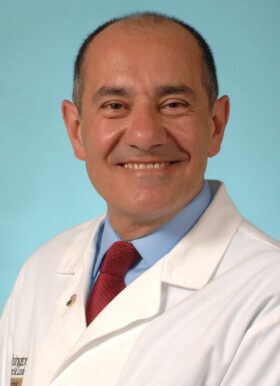
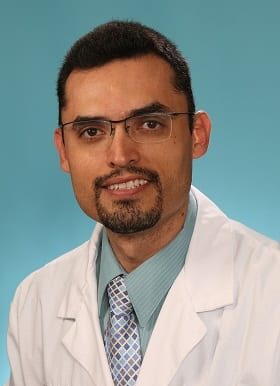
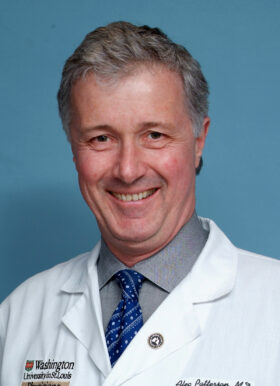
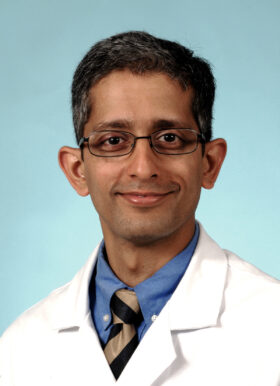
Esophageal Cancer Specialist Team

Medical Oncologists
Radiation Oncologists
Thoracic Surgeons
Psychologist

Our Locations