Lung Cancer | Screening

It is a fact that lung cancer is the deadliest cancer in the United States but early detection changes everything. Lung cancer can be found early through screening and treated effectively — and for eligible patients, a simple, painless scan could make all the difference. Quitting smoking can also improve outcomes and treatment effectiveness. 

Siteman leads the St. Louis region in lung cancer screening efforts to: 

  • Clarify risks based on your smoking history, including pack-year calculations 
  • Educate patients on the latest lung cancer screening guidelines 
  • Make low-dose CT scans easy to access across the St. Louis metro area 
  • Identify cancer at its earliest, most treatable stages using WashU radiologist expertise  
  • Support your ability to quit smoking through our Smoking Cessation Program.

Why Is Lung Cancer Screening So Important?

Right now, annual low-dose CT (LDCT) screening is the only proven screening test that can lower the risk of death from lung cancer — reducing deaths by 20% among higher-risk individuals. 

Screenings for lung cancer are important for finding lung nodules and lesions in the lung early.  

Lung nodules can be common and aren’t always a concern. People living in the Missouri region often have them. But it takes an expert to know for sure. WashU Medicine radiologists from Mallinckrodt Institute of Radiology interpret lung screenings to determine if nodules need additional testing or a biopsy.  

What If I Don’t Have Symptoms?

Lung cancer does not have symptoms at early stages, so screening is the best chance to find a tumor before it has grown or spread. Low-dose CT scans can also find nodules and lesions that may need to be tested or followed to rule out cancer.  

At an early stage: 

  • Treatment is more effective 
  • Survival rates are significantly higher 
  • You may have more treatment options, including surgery 
  • Treatment may be less intensive with fewer side effects 

Most of the time, lung cancer is caught at later, more advanced stages, but screenings are changing that. The sooner you know, the more options you have. 

Am I Eligible for Lung Cancer Screening?

The guidelines for lung cancer screenings can be difficult to understand. You need to be eligible and have a doctor refer you for one.  

Lung cancer screening eligibility has specific guidelines, and you will need a doctor’s referral. Your doctor may refer you for an annual low-dose CT scan if you are:  

Always tell your doctor if you have ever smoked. Even if you’ve quit, yearly screenings can help make sure you are as healthy as you feel. 

Lung Cancer Screenings 

Siteman’s lung cancer screenings are personalized to you. Every scan is read by board-certified WashU Medicine radiologists from the Mallinckrodt Institute of Radiology. Mallinckrodt is one of the nation’s leading radiology programs, so your results are accurate and trustworthy.  

We ensure the highest standard of care by: 

  • Carefully evaluating your individual risk factors to confirm screening is right for you 
  • Meeting rigorous national quality and safety standards set by:  
    • U.S. Preventive Services Task Force (USPSTF) 
    • Centers for Medicare and Medicaid Services (CMS) 
    • National Comprehensive Cancer Network (NCCN) 
    • American College of Radiology (ACR) 
  • Assigning you a dedicated Nurse Navigator who will guide you through every step, answer your questions, coordinate appointments, and make sure you never feel lost 
  • Communicating your results quickly and clearly 
  • Connecting you directly with a WashU Medicine thoracic surgeon at Siteman if your scan requires follow-up, monitoring, or treatment 

We offer eligible patients low-dose computed tomography (LDCT) scan. The scan provides precise, 3-D images of the lungs and can detect lung cancers before they can be seen on chest X-rays.  

You can ask your doctor to refer you for a Siteman lung cancer screening.   

Screening for Lung Cancer Close to St. Louis

If you are at risk for developing lung cancer, you have screening options. Siteman has the largest network of lung cancer screening locations in the region.  

If you live outside of the St. Louis metro area, you can use our ZIP code tool to find where you can go for screenings.

Frequently Asked Questions

Medicare and most private insurance plans cover annual low-dose CT screening for eligible patients at no cost. Ask your doctor or contact Siteman to confirm your coverage. 

If you are eligible for a low-dose CT scan, after your first scan, you will have one each year. The imaging from scans monitor changes in your lung tissue. If nodules appear, change, grow, or other abnormalities appear, an expert will have a good baseline for comparison. 

A pack year is a way to explain how many cigarettes a person smoked in a year’s time. But it can be confusing. 

If you smoked 1 pack of cigarettes every day for a year, you had a “1-pack year.” The number can go up or down based on how many packs you smoked each day. 

Our experienced team at Siteman works quickly to make sure you get accurate results quickly. After your scan, a WashU Medicine radiologist reads and interprets it. Having their input takes a few days. You will hear results directly seven days after your scan.  

Start Here. Get the Care You Need.

Our Siteman care coordinators – oncology-trained nurses who help with scheduling, finding the right specialist, and guidance – can help you through the process.

Call us directly or submit a form, and we will call you back.
Lung Cancer | Risk & Prevention

Lung cancer can happen to anyone, regardless of their age or smoking status. But some people, especially people who smoke tobacco, are at a higher risk for the disease. 

It’s important to have a clear understanding of: 

  • What risk factors are and  
  • What your personal risk is 

These give you the information you need to do to protect your health and lower your lifetime risk of lung cancer. 

Your doctor will be a part of the conversation, too. Speaking with them about your health history, including smoking, will be important for monitoring you every year.  

What is My Risk of Lung Cancer?

Together, you and your doctor can assess your individual lung cancer risk. There are many factors to consider to determine your level of risk.  

But there are many tools online that can help you on your own. They give an estimate and can’t replace your doctor’s advice. 

As a starting point, one tool we recommend is Your Disease Risk. Siteman developed it to give people more useful, trusted information.   

Who is at Risk for Lung Cancer?

There are several common risk factors for lung cancer including: 

  • Smoking tobacco in any form like cigarettes, cigars, and pipes.   
  • Having a history of smoking, even if you’ve quit 
  • Secondhand smoke exposure (Living or having frequent contact with someone who smokes) 
  • Working in an environment where people smoke 
  • Having other relatives with lung cancer 
  • Exposure to radon, chromium, nickel, soot, tar or arsenic 
  • Exposure to heavy air pollution 
  • Infection with HIV 
  • Undergoing radiation therapy to the chest or breast 

How Can I Lower My Risk of Lung Cancer?  

Even if you are at a higher risk for lung cancer, there are a few steps you can take to lower your risk for lung cancer.  

Quit smoking

Lungs are resilient parts of the body. After you quit smoking, they begin to heal. Even years of smoking can start to repair. Studies indicate it isn’t just long-term benefits. Quitting smoking can have a big impact soon and can improve lung function in several weeks or months. Your risk drops by about 50% ten years after quitting. This is why quitting at any age provides significant benefits. 

Can Siteman help me quit? 

Yes. Smoking impacts how effective cancer treatments are, so we encourage every patient who smokes to stop.     

We understand that quitting isn’t easy. Siteman leads the Smoking Cessation Program to support patients who are trying to stop the habit. We take participants’ struggles seriously and meet them with scientifically proven ways to quit so they have a better chance to succeed and suffer less from withdrawal. 

Plus, there are habits you can adopt to live a healthier life and lower your risk of several cancers.  Learn more about healthy habits that reduce your cancer risk

Get a low-dose CT screening

Lung cancer screenings are helpful in finding lung cancer at its earliest stages, even before it causes symptoms. These screenings are a low-dose CT scan. They create a 3-D image of the lung and can show abnormal growths or lesions before they appear in an X-ray.  

Screenings for lung cancer need a doctor’s referral, so we recommend you talk to them about your risk factors and concerns.  If you are eligible, you can get a screening each year. 

You should consider screening if you: 

  • Are 50-80 years old
  • Have a 20 pack-year smoking history (one pack per day for 20 years, or equivalent) 
  • Currently smoke   
  • Quit smoking within the past 15 years 

Screening saves lives: Low-dose CT screening can reduce lung cancer deaths by 20% in high-risk individuals.

Test your home for radon

Radon is a radioactive gas that seeps into homes from the ground. It’s the second leading cause of lung cancer and the leading cause among nonsmokers. 

How to check your home:  

  • Buy a radon test kit. They are sold in hardware stores 
  • If levels are high, hire a certified radon mitigation contractor 
  • Note: these systems can be expensive, but effective 

Limit and protect yourself from workplace exposures

Some jobs require you to work with asbestos, diesel exhaust, or other carcinogens. To limit how these impact your health: 

  • Follow all safety protocols and use protective equipment 
  • Don’t eat or smoke in work areas where chemicals are present 
  • Shower and change clothes before going home 
  • Talk to your doctor about lung cancer screening 
Start Here. Get the Care You Need.

Our Siteman care coordinators – oncology-trained nurses who help with scheduling, finding the right specialist, and guidance – can help you through the process.

Call us directly or submit a form, and we will call you back.
Lung Cancer | Diagnosis

Diagnosing Lung Cancer

At Siteman Cancer Center, we get your diagnosis right the first time. Our expertise in diagnostic testing makes a meaningful difference in the timing and treatments we can use for your cancer.  

Your diagnosis is the starting place for your personalized care plan. We tailor your care specifically for you, your cancer, and your life. 

Learn more about lung cancer, getting a diagnosis, and understanding what it means below.  

What is Lung Cancer?

Lung cancer is a disease that begins in the respiratory system. It’s the second most common kind of cancer in the United States. There are two main types of lung cancer and several sub-types that are rarer. WashU Medicine physicians at Siteman are experts in identifying and treating every kind of lung cancer.  

The two main types of lung cancer are: 

  • Adenocarcinoma, or non-small cell lung cancer, is the most common  
  • Small-cell lung cancer makes up about 10%-15% of patients 

If your lung screening leads you to need more diagnostic testing, you can come to Siteman for treatment or for a second opinion.  

What Causes Lung Cancer?

WashU Medicine physicians researching the disease were the first in the nation to link a major cause of lung cancer to smoking tobacco. While most understand the disease and smoking are linked, they may not know there are several other factors that can increase risks, too.


Risks aren’t the same as a direct cause of cancer. But they can increase the chances you could get the disease. Many risks of lung cancer have to do with your daily habits, your environment, and exposures to toxic substances like gases, heavy metals, and pollution. 


You can learn more about lung cancer risks and how to reduce it here

When Should I See a Doctor?

When you go to your annual checkup, it is a good time to talk to your doctor about lung cancer. If you are at risk, your primary care doctor can refer you for a lung cancer screening. This doesn’t mean you have lung cancer, but it does mean you can be monitored each year to see if anything has changed in your lungs. 

Early lung cancer doesn’t cause symptoms. That makes getting an annual lung cancer screening even more important.  

Lung cancer at later stages does cause symptoms. But some of these symptoms are not specific. If you have one or more of these, make an appointment with your doctor for an exam.   

  • Persistent or worsening cough 
  • Chest pain 
  • Coughing up blood 
  • Struggling to breathe 
  • Losing weight without trying 
  • Fatigue 
  • Swollen veins in the neck 
  • Facial swelling 
  • Difficulty swallowing 

Discover more about getting a lung cancer screening referral from a physician. 

Why Choose Siteman for Your Cancer Diagnosis? 

Siteman sets the standard for lung cancer diagnosis in the region. We use a team approach to determine the exact type of lung cancer our patients have.

Through precision diagnostic testing and pathology, we learn:  

  • What type of lung cancer it is, down to the kind of cells  
  • Where it is in your body, and if it has spread 
  • Genetic information to show which treatments will work best for you

What to Expect During a Diagnosis 

If your screening for lung cancer leads to a referral for more testing, your doctor will use several tests to diagnose lung cancer and determine its type and stage. Based on where the tumor is located, you may have imaging scans, procedures to examine inside the lungs and esophagus, and a biopsy to collect tissue samples.

For an accurate lung cancer diagnosis, we order these tests: 

  • Lab work and blood tests 
  • Internal tests like biopsies and endoscopy 
  • Imaging and scans like CT, MRI, PET-CT, and ultrasound 

Imaging tests 

These tests create precise 2-D and 3-D images inside of the body using sound, radiation, or magnets. Different machines are used depending on what the doctor needs to study.  

  • CT scans – Takes detailed X-ray pictures 
  • MRI scans – Uses magnets to create detailed images.  
  • PET scans – Uses a special sugar solution to find cancer cells 
  • PET-CT scans – Combines two types of scans for better pictures 
  • Ultrasound – Uses sound waves to see inside your body (often used for tongue tumors) 

Internal tests

Internal diagnostic tests enter your body to learn more about how the cancer is behaving within your systems, organs, and tissues. Some of these tests require you to have light or full sedation so you are comfortable. 


Biopsy: There are different kinds of biopsies. In all biopsies, a surgeon removes a piece of tissue to check for cancer cells. For some of these, you will need to be sedated.  

Bronchoscopy: A bronchoscopy is a kind of biopsy procedure. A physician guides a tube through nose or mouth into the airway and down into the lungs to allow your physician to examine your airways and retrieve a sample of tissue. Experts at Siteman may use an endobronchial ultrasound (EBUS) or robotic bronchoscopy to get more accurate biopsies of the tumor and lymph nodes. You will receive anesthesia for this diagnostic test.  

Mediastinoscopy: A mediastinoscopy is a kind of biopsy. A physician cuts a small incision and guides a mediastinoscope (a small tool) to look inside the chest and collect tissue samples. Patients receive anesthesia for this test so they don’t feel any discomfort. 

Thoracentesis (Fluid Removal from Chest): A thoracentesis procedure removes and studies fluid from the space between the lining of the chest and the lungs. A pathologist studies the fluid and cells it contains under a microscope. This allows physicians to make sure there are no cancer cells in the fluid surrounding the lungs and can provide relief from symptoms. 

Staging Lung Cancer

Staging is an important part of your diagnosis. The stage describes how large the tumor is and whether it has spread. This is crucial because treatment options and outcomes vary significantly based on the lung cancer stage. Cancers caught at earlier stages often have more treatment options and better cure rates. But even at later stages, Siteman can have options for your care, including clinical trials.  

Understanding lung cancer stages

Doctors assign lung cancer a stage from I to IV based on the tumor’s size, location, and whether it has spread beyond the lung. Keep in mind every treatment plan at Siteman is individualized for you. Your team will evaluate if these are the best options for you.


Here’s what each stage generally means:

Stage I 

At Stage 1 the cancer is small and confined to your lung. It hasn’t spread to lymph nodes or other parts of your body.

If your cancer is caught at Stage I, it will likely be treated with surgery or stereotactic radiation therapy. Surgery is usually performed using minimally invasive or robotic techniques. Also, radiation therapy has advanced significantly with modern technology.


Stage II 

At Stage 2, the cancer is larger or has spread to nearby lymph nodes but is still contained in the chest.  

WashU physicians at Siteman often treat Stage 2 lung cancer with surgery and chemotherapy, or chemoradiation (a combination of chemotherapy and radiation).


Stage III 

Stage 3 cancers are ones where the tumor is larger or in a location that makes it difficult to remove with surgery right away or at all.

The multidisciplinary teams at Siteman often give these patients chemoradiation to shrink the tumor. They may also receive immunotherapy after the chemoradiation. After these treatments, some patients are eligible for surgery.

Stage IV 

At stage IV, lung cancer has metastasized (spread) to other parts of the body. Patients who have Stage IV lung cancers may:  

  • Receive targeted therapy (if they have genomic alterations), 
  • Receive immunotherapy or 
  • Receive immunotherapy combined with chemotherapy (in those without alterations) 
  • Enroll in clinical trials. 

These treatments can improve quality of life and extend it by controlling the cancer. 

Start Here. Get the Care You Need.

Our Siteman care coordinators – oncology-trained nurses who help with scheduling, finding the right specialist, and guidance – can help you through the process.

Call us directly or submit a form, and we will call you back.
Lung Cancer | Treatment

You are more than just your cancer. We want you to thrive. 

If you’ve been diagnosed with lung cancer, Siteman is here to help. Our WashU Medicine physicians create a plan that’s customized to treat your cancer based on your age, your lifestyle, and your goals. Siteman’s advanced approach to lung cancer is redefining outcomes, with effective treatments available even for more advanced stages. 

What Are My Treatment Options for Lung Cancer?

Lung cancer treatment depends on several factors, including whether you have non-small cell lung cancer (NSCLC) or small cell lung cancer (SCLC), the stage of your cancer, and your overall health. Many patients receive a combination of treatments. Your WashU Medicine team will explain every option and what to expect. 

The main treatment options for lung cancer include: 

  • Surgery 
  • Radiation therapy 
  • Chemotherapy 
  • Chemoradiation 
  • Immunotherapy 
  • Targeted therapy 
  • Palliative care and supportive services 

What is drug therapy for lung cancer?

Drug therapy is a broad term for any lung cancer treatment delivered through medication. These medications can be a pill, capsule, or infusion. It is one of the most common and rapidly advancing areas of lung cancer care. 

Depending on your diagnosis, drug therapy may be used to shrink a tumor before surgery, destroy remaining cancer cells after surgery, slow the growth of advanced cancer, or improve your quality of life during treatment. 

Types of drug therapy

At Siteman Cancer Center, drug therapy for lung cancer includes: 

Chemotherapy uses drugs that destroy cancer cells. Patients usually get this medicine in cycles over several weeks.   

Chemoradiation increases the effectiveness of chemotherapy and radiation therapy by using them together. This is also called chemoradiotherapy. This approach is a standard of care for patients with locally advanced NSCLC, especially for those who can’t have surgery.  

Immunotherapy helps your body’s own immune system attack cancer cells. These medicines have become a standard treatment for patients whose cancer has spread or come back. These drugs usually cause fewer side effects than chemotherapy and may help some patients achieve long-lasting results.  

Targeted therapy medicines attack specific features of cancer cells that help them grow. These drugs cause cancer cells to stop growing and multiplying. Over time they cause cancer cells to die off.   

What surgeries does Siteman offer for lung cancer?  

For patients with early-stage lung cancer, surgery is often the most effective treatment option and may increase survivability.  

At Siteman Cancer Center, our WashU Medicine thoracic surgeons are among the most experienced in the region, using the latest minimally invasive techniques to remove cancer while preserving as much healthy lung tissue as possible. 

Types of surgery 

The type of surgery recommended depends on the size and location of your tumor, how much of your lung is affected, and your overall lung function. Your surgical team at Siteman will walk you through every option before making a recommendation. 

Robotic-Assisted Lobectomy A lobectomy removes an entire lobe of the lung and is the most common surgical treatment for early-stage non-small cell lung cancer. At Siteman, many lobectomies are performed using robotic-assisted surgery. This is a minimally invasive approach where your surgeon uses a precise robotic system to operate through several small incisions. Robotic-assisted lobectomy offers patients many benefits like shorter hospital stays, faster recovery, and fewer complications. 

Segmentectomy A segmentectomy removes a small, defined section of the lung rather than an entire lobe. This lung-sparing approach may be recommended for patients with small, early-stage tumors or those who may not tolerate the removal of a full lobe.  

Wedge Resection A wedge resection removes the tumor and a small margin of surrounding healthy tissue, without following the natural boundaries of a lung segment or lobe. It is typically used for very small tumors or for patients whose lung function makes a larger resection too risky. 

Pneumonectomy In some cases, when the tumor is centrally located or involves a large portion of the lung, removal of an entire lung — called a pneumonectomy — may be necessary.  

Video-Assisted Thoracoscopic Surgery (VATS) VATS is another minimally invasive surgical approach in which a small camera and instruments are inserted through tiny incisions in the chest wall. VATS offers patients a faster recovery and less post-operative discomfort compared to traditional open chest surgery. 

When do patients with lung cancer receive radiation therapy?

Radiation therapy uses high-energy beams to target and destroy cancer cells. It is a versatile treatment for lung cancer and can be used at nearly every stage of the disease. Sometimes it’s used as the primary treatment, and sometimes it works alongside surgery, chemotherapy, or immunotherapy. 

Your WashU Medicine radiation oncologist will make a personalized recommendation that accounts for your cancer type, stage, tumor location, and overall health. Radiation may be recommended:

  • Before surgery to shrink a tumor and make it easier to remove 
  • After surgery to destroy any remaining cancer cells 
  • Instead of surgery for patients with early-stage lung cancer who are not surgical candidates 
  • Alongside chemotherapy. Chemoradiation combines radiation and chemotherapy to increase the effectiveness of both for locally advanced lung cancer 
  • To treat metastatic sites where lung cancer has spread, such as the brain or bones 
  • To ease symptoms like pain, ease breathing, or address complications from advanced disease. This is called “palliative radiation.” 

At Siteman Cancer Center, radiation therapy for lung cancer is delivered with the exceptional precision it needs.  

Lungs move constantly, so with every breath, lung tumors become moving targets. Siteman’s radiation technology uses imaging technology to identify tumors in the chest while protecting surrounding healthy tissues, including the heart, spinal cord, and remaining lung.  

Siteman offers some of the most advanced radiation delivery systems available, including image-guided and MRI-guided radiation therapy. 

Types of radiation therapy

Image-Guided Radiation Therapy (IGRT) Image-guided radiation therapy uses real-time imaging immediately before and during each treatment session to pinpoint the exact location of the tumor before delivering radiation. Because lung tumors can shift slightly with breathing and body changes over the course of treatment, IGRT allows your radiation team to adjust the beam with precision each day. This ensures radiation hits the tumor accurately while minimizing exposure to healthy surrounding tissue.  

IGRT is now considered a standard component of high-quality lung cancer radiation treatment and is used at Siteman to improve both safety and effectiveness. 

MRI-Guided Radiation Therapy (MRgRT) MRI-guided radiation therapy is one of the most significant advances in radiation oncology in recent years. MRI provides superior soft tissue contrast, so your care team can see the tumor and the structures around it in exceptional detail, in real time, during treatment delivery. 

This level of precision is called adaptive radiation therapy. The radiation can be adjusted in real time to protect healthy structures near the lungs like the heart and esophagus. 

Brachytherapy is a form of internal radiation therapy. This means that the radiation is implanted inside the tumor, rather than transmitted from a machine. It allows less radiation exposure to surrounding organs. 

The radiation used for brachytherapy is contained in tiny seeds. After being implanted in the tumor, they will release the radiation over a period of time ranging from minutes to days. 

Intensity Modulated Radiation Therapy (IMRT) is an advanced treatment that maps radiation doses to match the exact 3D shape of your tumor. Doctors can control how much radiation goes into each beam and can turn it on and off during treatment. This helps keep radiation away from healthy tissue around the tumor and is especially useful for irregularly shaped tumors in the head and neck area. 

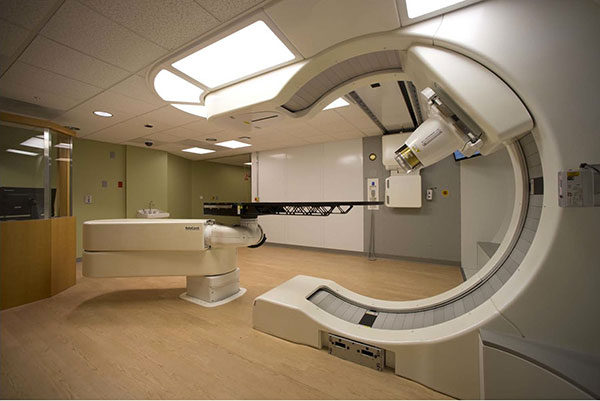
Proton Beam Therapy uses a narrow stream of particles called protons to attack cancer cells. The big advantage for proton therapy is that doctors can control exactly how deep the radiation goes and what shape it takes. Unlike regular radiation that passes through your body, proton beams stop right at the tumor, delivering most of their energy there and leaving little to no radiation beyond it. This treatment works well for tumors near sensitive areas. Siteman’s S. Lee Kling Proton Therapy Center was the first in the St. Louis region to offer patients this option.  

Stereotactic Body Radiation Therapy (SBRT) may be used for patients whose cancer has returned or spread. This treatment uses many radiation beams that come from different angles to meet right at the tumor. Where they meet, they deliver a powerful dose while limiting the amount of radiation exposure to surrounding tissues. This approach can also allow doctors to treat areas that have received radiation before. 

Clinical Trials at Siteman Cancer Center

Clinical trials are research studies that help us find new ways to prevent, diagnose, and treat cancer. If you have a rare or complex diagnosis or your treatment path seems uncertain, you might qualify for a clinical trial.

Our team will help you find a study that is right for you. Call us to speak with a Siteman care coordinator.

Lung Cancer | Care at Siteman

Lung cancer treatment options are advancing at a rapid pace, with more effective medications and procedures available today than even two years ago. WashU Medicine physicians and researchers at Siteman Cancer Center at Barnes-Jewish Hospital and WashU Medicine are responsible for many of those lung cancer breakthroughs – through early and accurate detection, accelerated research and clinical trials, and constant pursuit of new treatments only available here. 

If you have had an abnormal chest CT, a lung nodule, lung screening concern, or referral from a pulmonologist, the best first step is to talk with a care coordinator at Siteman Cancer Center. 

Our specialists at WashU Medicine and BJC HealthCare who treat lung disease focus only on the lung – with expert imaging, advanced pulmonology, and teams that bring together all disciplines of cancer care. We make sure you have an accurate diagnosis quickly, so you can understand what it means for you – and have the right next steps.  

Clinical Trials Increase Quality of Life

Siteman-led lung cancer clinical trials have increased survivability and quality of life for participants. Today, the new breakthrough drug that exploits genentic mutations is FDA approved. 

two researchers looking at test equipment

Why Choose Siteman for Lung Cancer

The most promising options for lung cancer and thoracic tumors in the world are happening at Siteman Cancer Center – making us known as the best Comprehensive Cancer Center in the region for lung cancer.  

Our seminal research has defined how oncologists understand the disease, and we offer every treatment available for lung cancer care. That’s why more than 1,000 new patients diagnosed with lung cancer and thoracic tumors choose Siteman each year.  

With the region’s largest thoracic tumor board, we have an experienced and nationally recognized multidisciplinary team of WashU Medicine medical oncologists, radiation oncologists, cardiothoracic surgeons, radiologists, pulmonologists and pathologists who collaborate to identify the very best treatment option for each patient. 

Our unique team approach combines WashU Medicine physicians and researchers with the expertise of BJC HealthCare, including Barnes-Jewish Hospital to create thorough, multidisciplinary care. That means, you will have many experts caring for you, not just one. That makes your care different at Siteman Cancer Center.  

Start Here. Get the Care You Need.

Our Siteman care coordinators – oncology-trained nurses who help with scheduling, finding the right specialist, and guidance – can help you through the process.

Call us directly or submit a form, and we will call you back.

Research and Clinical Trials at Siteman

Every cancer treatment we use today was tested in a clinical trial first. Siteman Cancer Center offers clinical trials that are not available anywhere else. We lead the region in unique clinical trials, so you have more options and the most recent research.
WashU Medicine consistently has 35+ leading-edge clinical trials available for patients diagnosed with thoracic cancer like lung cancer.

Siteman Cancer Center is investing more in basic, translation, and clinical research than nearly every other cancer center in the nation. Researchers at Siteman Cancer Center have ongoing research in lung cancer – currently studying causes and treatments from the relationship of genetic mutations and individualized therapy to the interactions between tumors that spread through air spaces (STAS).  

Refer Your Patient to Siteman Cancer Center

A Siteman care coordinator is the fastest path to referral, consult, or second opinion. Our care coordinators – oncology nurses who help with scheduling and navigation – will guide you from your first call.

Early Detection Means More Effective Treatment

We believe that early detection is the most powerful first step in lung cancer treatment. The Siteman Cancer Center path from an early, accurate diagnosis to advanced treatment options, means you can get the best options for the best outcomes more quickly. 

That’s why we lead risk and prevention outreach in the St. Louis metro area – and we bring lung cancer screenings closer to home. Siteman Cancer Center launched the region’s first and only mobile lung screening program in the region – providing high-quality, low-dose CT scans to anyone who is eligible. The mobile unit travels across Missouri to make getting a quick lung screening easy.

A High-Quality, Low-Dose CT Scan Near You

Getting a high-precision lung screening near you is an important step for your health. Siteman makes it easy. We schedule screenings at each of our locations plus on our mobile unit. 

Interpreting Results

WashU Medicine radiologists read every CT scan for the most accurate results. If they identify abnormal results, like a lung nodule or lesion, you will hear from your doctor directly. Our experts read scans 48-hours after you are seen, so you get information quickly. 

If you have an abnormal CT, we refer you to our treatment experts right away. You will know exactly what steps you need to take. 

WashU Medicine Discovery

WashU Medicine physicians were the first in the U.S. to link smoking to lung cancer. That legacy of research and innovation – and early detection – continues at Siteman today.

Learn More

When to Seek a Second Opinion for Lung Cancer

A second opinion can provide clarity, confirm your diagnosis, and ensure you are aware of all available treatment options.

 Many patients seek a second opinion after an abnormal lung scan, a new diagnosis, or when considering treatment decisions. It is a common and important step – especially for lung cancer, where treatment options continue to evolve. 

You may want to consider a second opinion if: 

  • You have been told you have a lung nodule or abnormal CT scan and want expert evaluation 
  • You have received a lung cancer diagnosis and want to confirm the type or stage 
  • You are deciding between treatment options such as surgery, radiation, or medication 
  • You want to know if clinical trials or newer therapies may be available 
  • Your cancer is not responding to treatment or has returned 

At Siteman Cancer Center, specialists from WashU Medicine review imaging, pathology, and prior treatment plans to provide a comprehensive evaluation. Many patients learn about additional treatment options, including our clinical trials and targeted therapies at Siteman, that might not have been previously considered. 

You do not need a referral to request a second opinion. Talk to a care coordinator to request a second opinion or discuss your next steps. 

Talk with a Care Coordinator

Nurses at Siteman answer every call and every form. Speak with them directly 8:00 am to 4:30 pm CT Monday- Friday for guidance on appointments, second opinions, and referrals.

Lung Cancer | Team & Locations

Lung Cancer Specialist Team

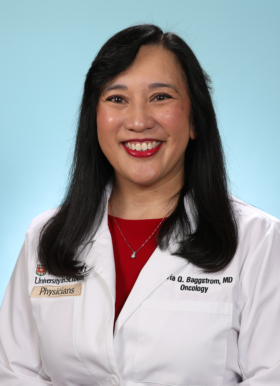
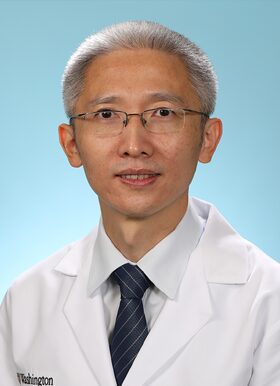
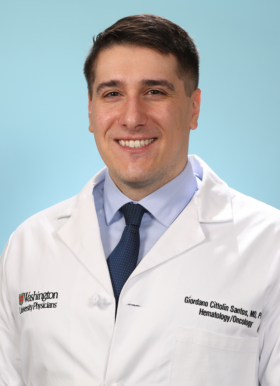
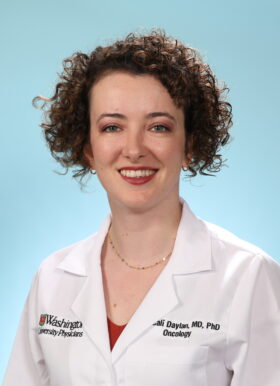
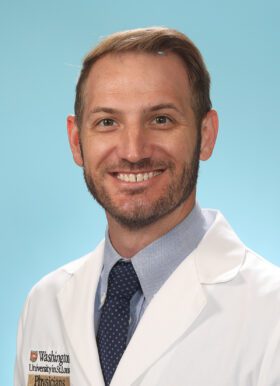
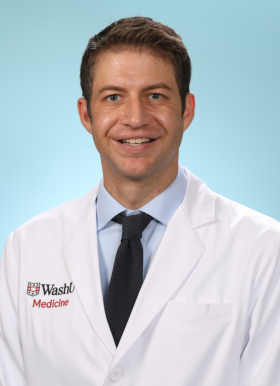
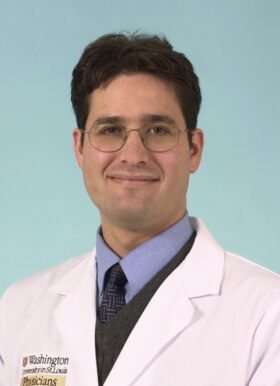
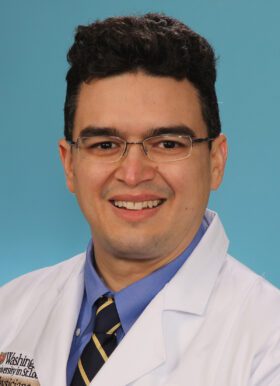
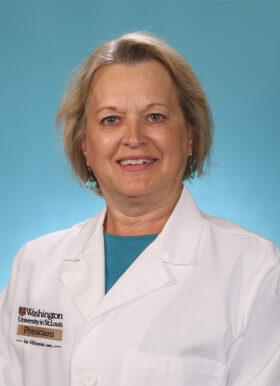
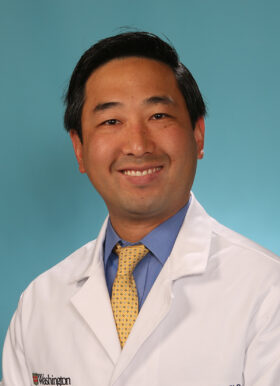
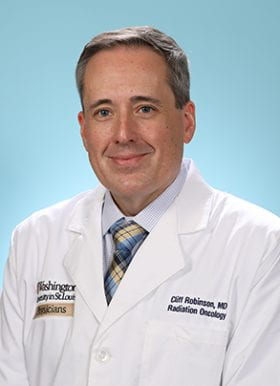
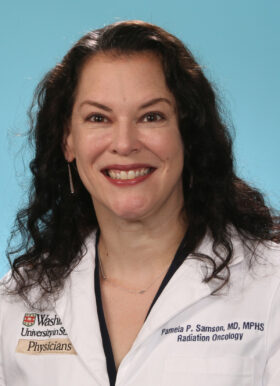
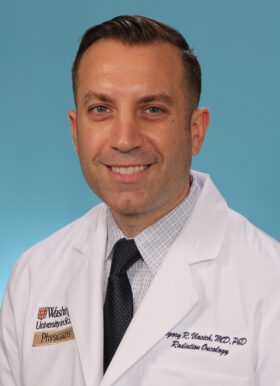
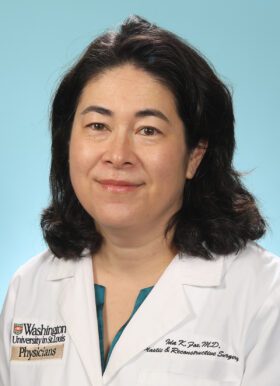
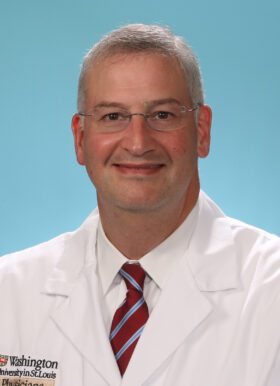
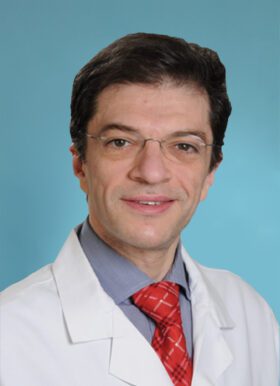
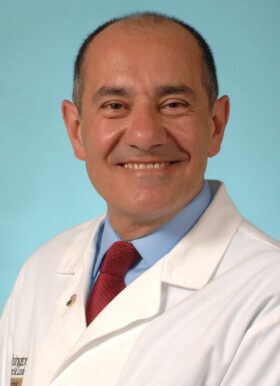
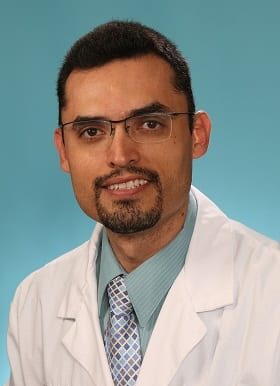
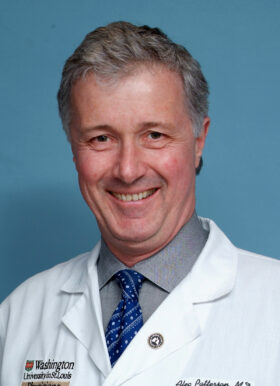
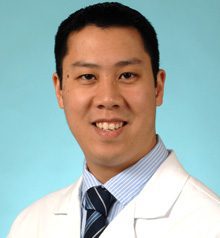
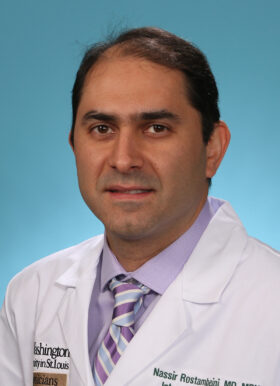
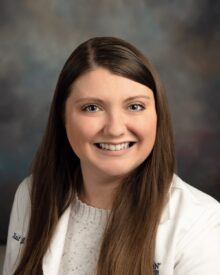
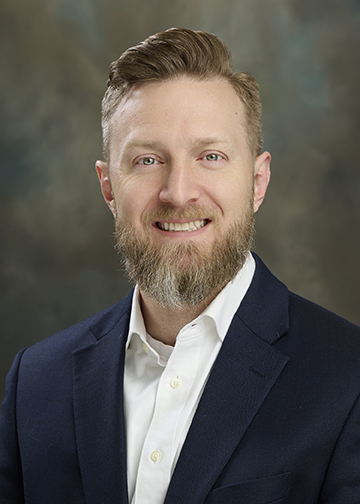
Our patient care team comprises a range of lung cancer specialists, including physicians, oncologists, surgeons and support staff. Our experts are leaders in the prevention, diagnosis and treatment of lung cancer. Click on any of our lung cancer doctors below to learn about their specific expertise, their research and their roles on the Siteman lung cancer care team.

Medical Oncologists
Radiation Oncologists
Surgeons & Thoracic Surgeons
Pulmonologists
Radiologists
Interventional Radiologists
Psychologist

Our Locations

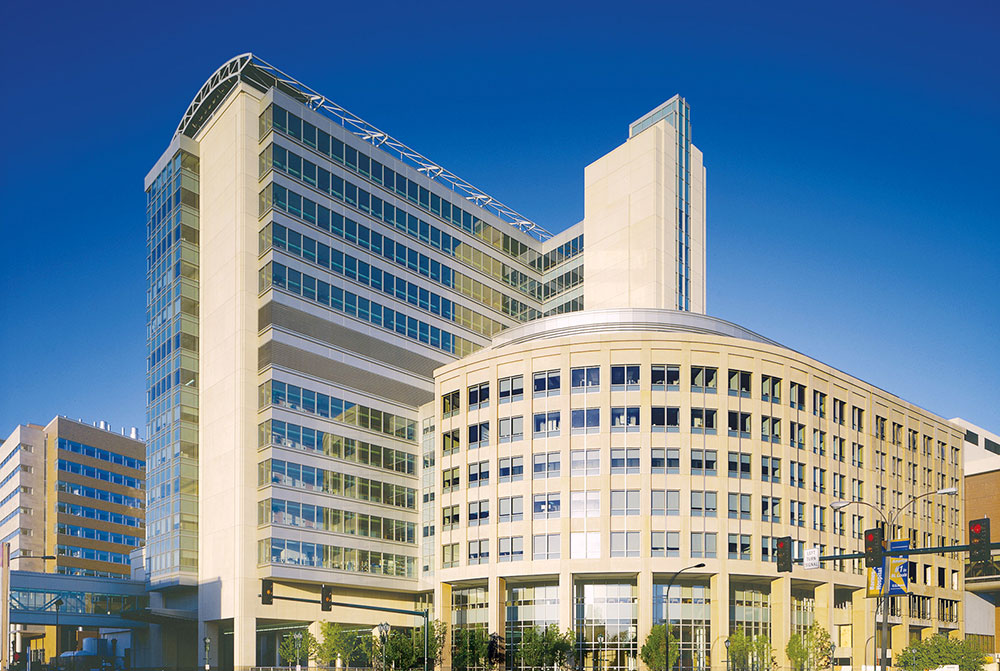
Center for Advanced Medicine

Center for Advanced Medicine

On Washington University Medical Campus
4921 Parkview Place, Saint Louis, MO 63110
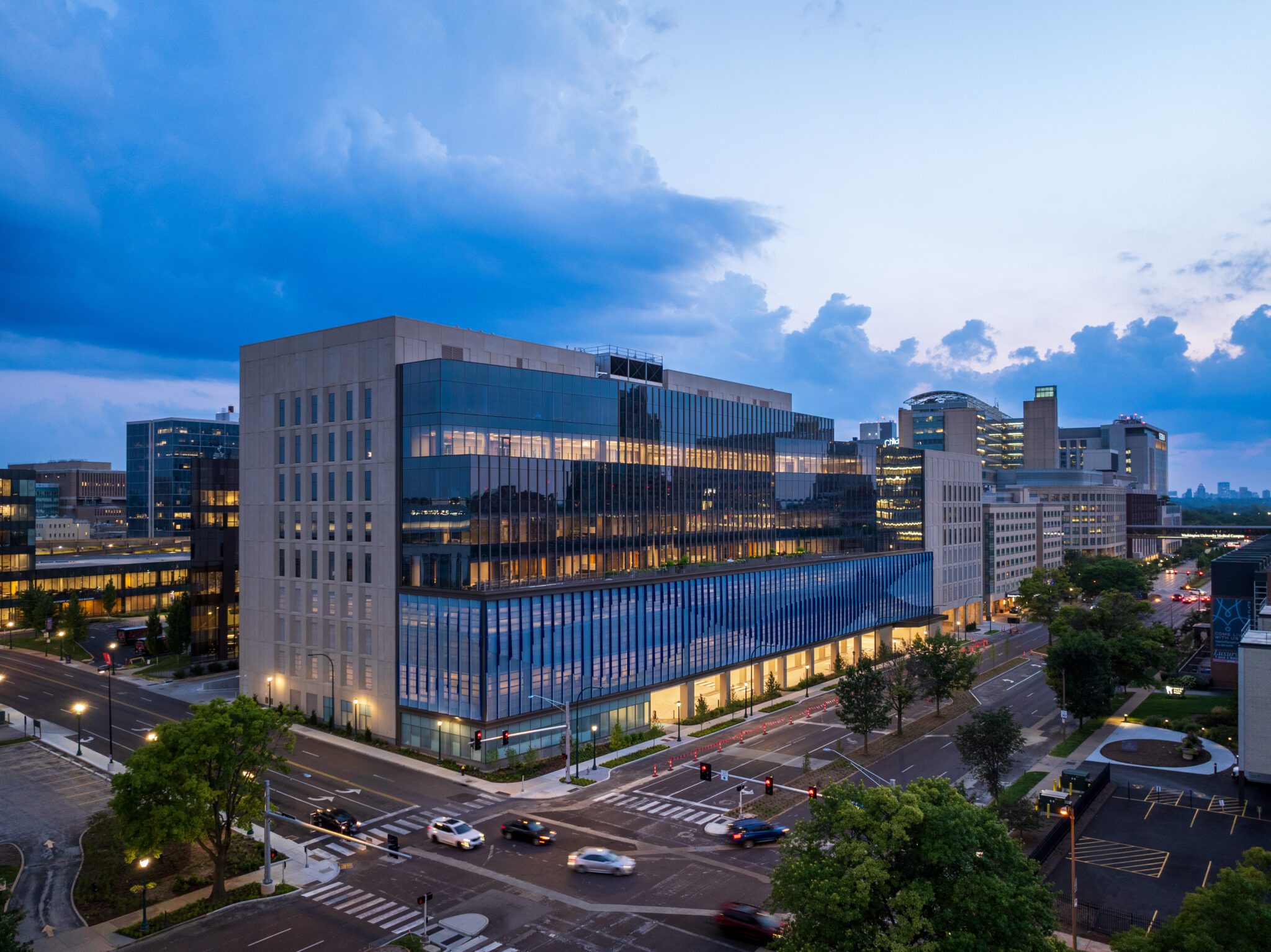
Gary C. Werths Building at Siteman Cancer Center

Gary C. Werths Building at Siteman Cancer Center

On Washington University Medical Campus
4500 Forest Park Avenue, Saint Louis, MO 63108
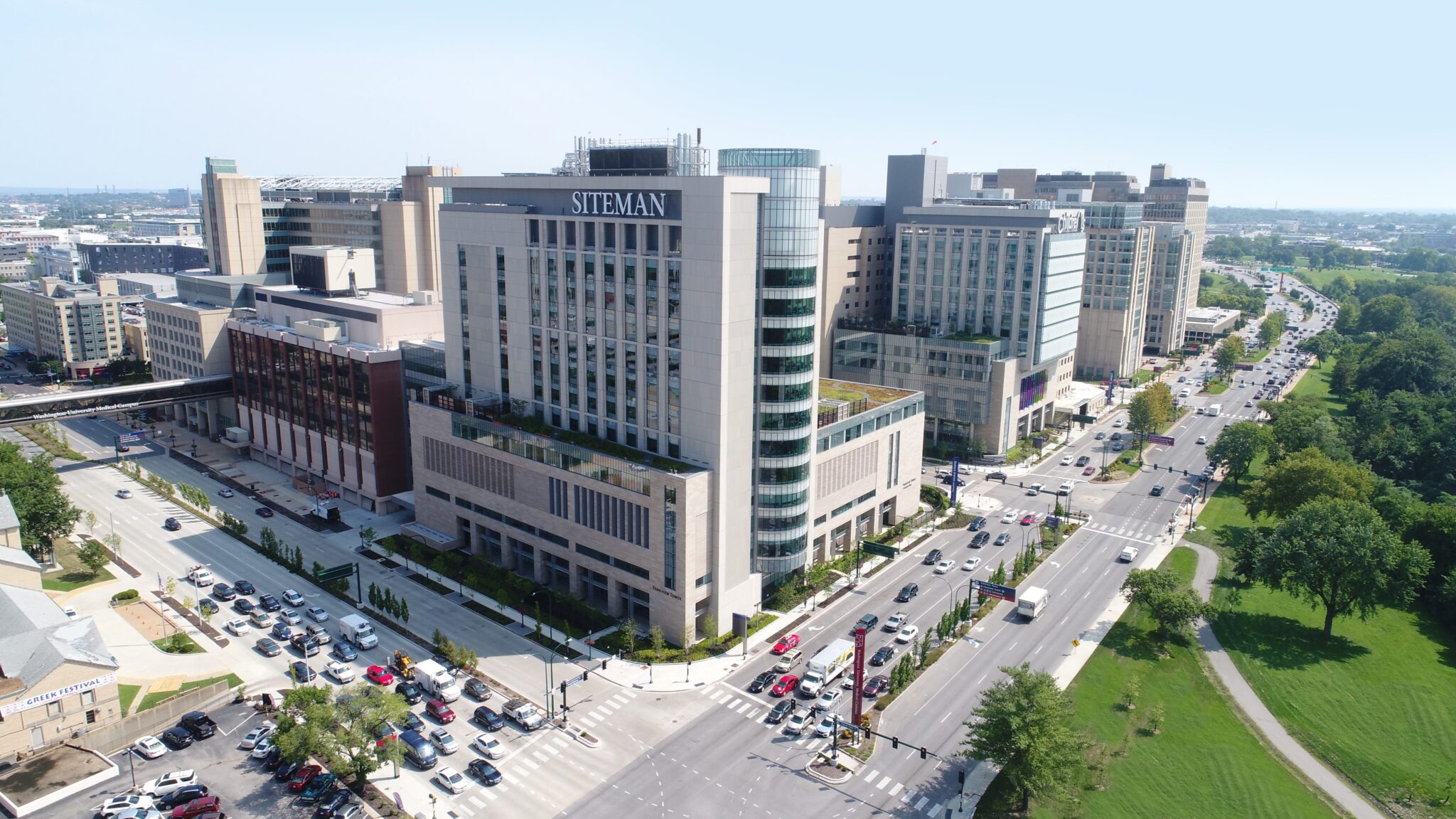
Parkview Tower at Barnes-Jewish Hospital

Parkview Tower at Barnes-Jewish Hospital

On Washington University Medical Campus
1 Parkview Place, Saint Louis, MO 63110
S. Lee Kling Proton Therapy Center

S. Lee Kling Proton Therapy Center

On Washington University Medical Campus
224 Euclid Ave. , Saint Louis, MO 63110
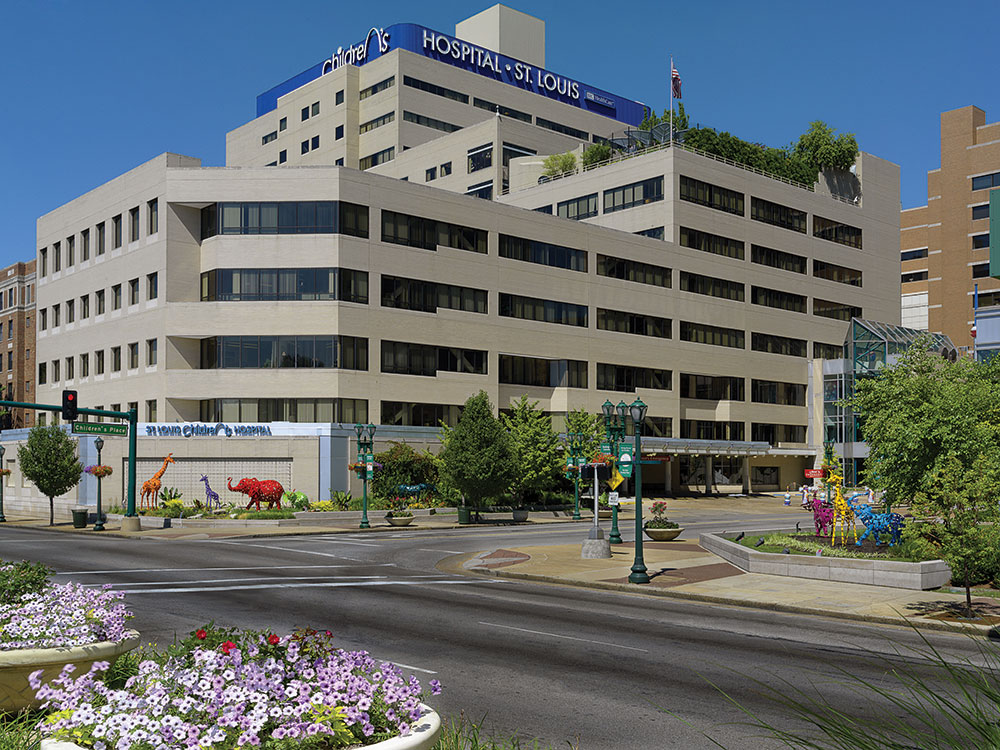
Siteman Kids at St. Louis Children’s Hospital

Siteman Kids at St. Louis Children’s Hospital

On Washington University Medical Campus
1 Children’s Place, St. Louis, MO 63110
Aerial view of Washington University Medical Campus.

Washington University Medical Campus

4921 Parkview Place, St. Louis, MO 63110
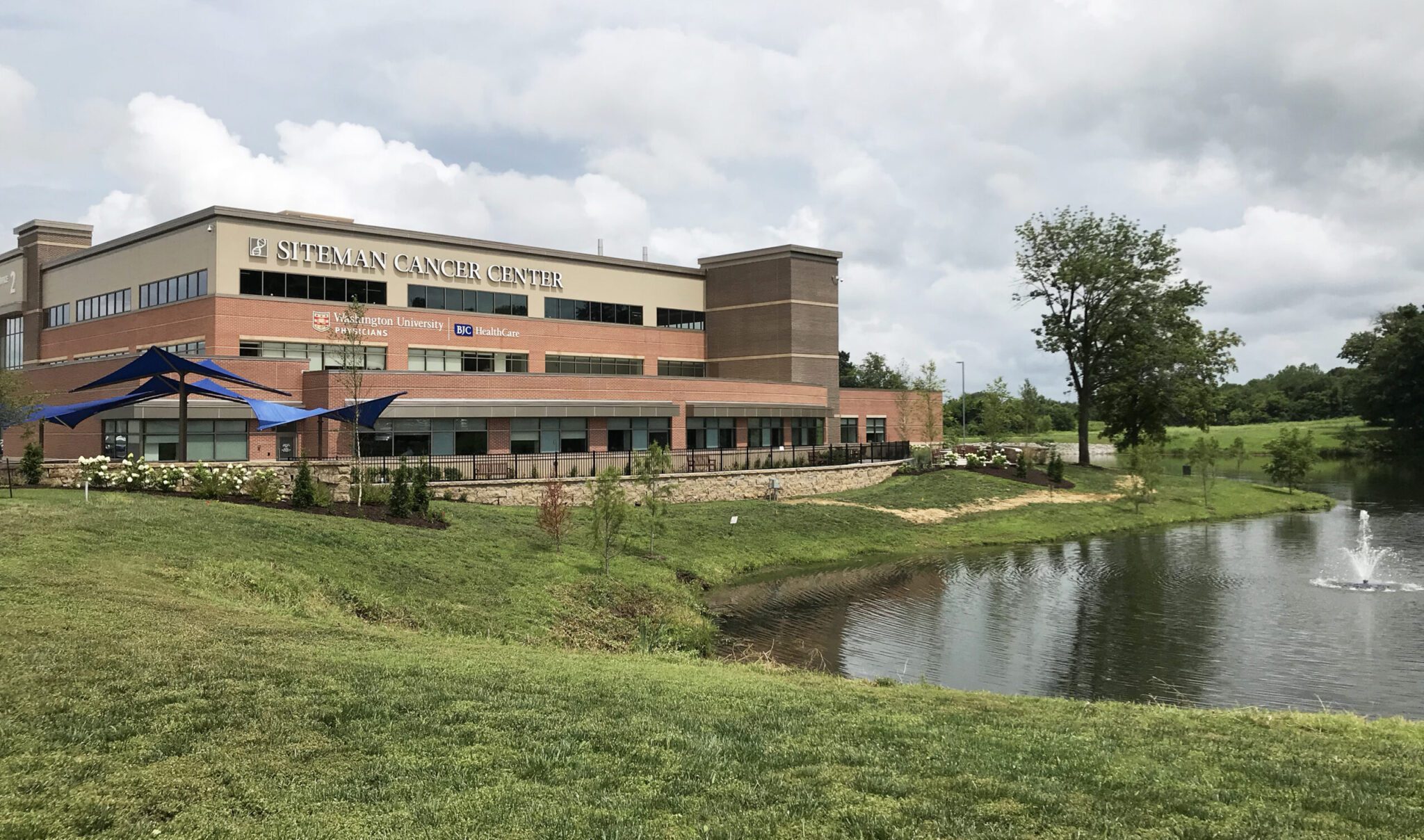
Siteman Cancer Center at Barnes-Jewish West County Hospital

Siteman Cancer Center at Barnes-Jewish West County Hospital

Medical Office Building 2, 10 Barnes West Drive, Creve Coeur, MO 63141