Pediatric Solid Tumors | Treatment & Support

Treatment Options for Solid Tumors at Siteman Kids

Patients at Siteman Kids are treated by WashU Medicine physicians. They are experts who provide excellent care to children at St. Louis Children’s Hospital while also working hard in a laboratory setting to learn more about disease and discover new ways to treat it. Because many Siteman Kids physicians are researching the biology of tumors and how they act in the body, they are able to administer research-based clinical care, thoughtfully considering the individual child and what they may need rather than rigidly following the protocols of a pre-determined treatment plan.  

Every child with cancer is different, and every treatment plan for a child with a tumor is unique. There are many considerations for how to treat a tumor, including your child’s overall health, the kind of tumor, the tumor’s location, its size, genetic factors, if there are multiple tumors and more. It is common for a treatment plan to combine different interventions at once or use them in stages.  

Many of the treatment options offered at Siteman Kids are not available everywhere. WashU Medicine physicians have pioneered the use of specific technology and treatments, like Proton Beam Therapy and Gamma Knife Radiosurgery, with pediatric patients. This allows our young patients access to cutting-edge interventions. After learning about their specific case, your child’s physician may recommend one or more of the following treatments: 

Brachytherapy is a form of precision therapy where a capsule about the size of a grain of rice containing radiation is implanted directly into the tumor. The tumor is exposed to radiation from the inside, killing the cancer cells while not exposing healthy tissues.

There are three kinds of brachytherapy used for pediatric patients: low dose, high dose and permanent. A benefit of brachytherapy is its precision. Where the implant is placed, the strength of the radiation inside the capsule, and the length of time it remains in the tumor are all adjusted specifically for the patient’s needs and how the tumor has responded to treatment.

Chemotherapy is a medicine that attacks cancer cells. It stops cancer cells from growing and reproducing and can reduce the tumor’s size. Chemotherapy (or chemo) may be given through a vein (IV) or spinal canal, injected into a muscle or deep tissue, or taken by mouth.  There are several medicines that make up chemotherapy, and they are often given at different times. Treatment can have side effects and can be hard on the body, so it is usually done in cycles, with rest periods in between. This gives your child time to recover. 

Cryotherapy is a tool that administers a cold substance, like nitrogen, to the tumor site. This freezes the cancer cells, making them unable to create new cancer cells and killing them.  

Another approach to chemotherapy can take place alongside a stem cell transplant. First, young blood cells, called stem cells, are taken from the child or from a donor. Then, high doses of chemotherapy medicine can be administered, eliminating cancer cells remaining in the body. After chemotherapy, the stem cells are replaced, rejuvenating the child’s immune system. 

Hyperthermic Intraperitoneal Chemotherapy, or HIPEC, is a highly specialized treatment where chemotherapy is heated to maximize its effectiveness in killing cancer cells for tumors located in and around the reproductive organs and abdomen. The chemotherapy dosage is high and localized, circulating in the abdomen for about 90 minutes. The whole procedure takes place in three stages with goals to shrink the size of tumors, surgically remove them, and kill those cancer cells that are undetectable at the time of the procedure.  

Intraoperative MRI is a treatment that uses magnetic resonance imaging (MRI) to view the brain during surgery. This clear imaging allows surgeons a precise view of the tumor as they work to remove it from the healthy tissue. This ability to see the tumor can reduce the number of surgeries needed to remove all of the cancer cells. Siteman Kids is one of a very few facilities in the nation that are equipped with this technology. 

Intra-arterial chemotherapy (IAC) is a therapy used to treat retinoblastomas. The procedure uses a tiny catheter to deliver chemotherapy right into the eye at tumor sites. Because chemotherapy in IAC is used in a localized, precise way, it can help avoid surgery to remove the eye. Siteman Kids is one of approximately 20 programs in the nation that perform IAC  and is the only pediatric cancer center in Missouri or Kansas where it is available.  

Immunotherapy uses the body’s immune system to fight cancer cells, or it uses antibodies to kill cancer cells. Immunotherapies come in many different forms, but the common thread is that the immune system can help kill leukemia cells that are otherwise resistant to chemotherapy. 

An organ transplant is a surgical procedure or procedures where an organ is removed and then replaced with a healthy donor’s organ, or in some cases, part of an organ. The pediatric organ transplant teams at St. Louis Children’s hospital most often conduct kidney, liver and lung transplants for pediatric cancer patients. Siteman Kids specializes in pre- and post-surgical care as well as innovative transplant techniques. Our transplant teams are experienced in lung lobe implantations and trimmed liver transplants, procedures that allow patients to receive lifesaving care sooner than waiting for a whole organ match.  

St. Louis Children’s Hospital has a dedicated, lead-lined room and adjoining suite specifically to administer MIGB therapy. MIGB therapy is an investigational radiation drug The adjoining suite allows families to be close to their child during and after the treatment.

Proton Beam Therapy uses a different form of radiation, proton particles, to destroy cancer cells. Proton particles act differently than other forms of radiation, so they are able to be used in patients in higher doses. The proton beam sends radiation to highly specific areas, concentrating on the tumor and minimizing the healthy tissue’s exposure to it.

Radiation therapy uses high-energy X-rays or other types of radiation to target cancer cells. The radiation itself changes the cancer cells’ ability to grow and damages them so they cannot reproduce. There are many different ways to administer radiation that are precise and limit exposure to the whole body. Radiation can be applied to a targeted location in the brain so that other areas are not impacted.

Surgery is often the first intervention used with pediatric brain tumors. As much of the tumor is surgically removed as possible.

Targeted therapy is a cutting-edge form of precision medicine that uses drugs to single out mutations or antibodies that are specific to how leukemia is created and spreads in the body. In some cases, the mutations that cause leukemia also make it vulnerable to specific drugs that have only limited effects on normal cells. This means that healthy cells have limited contact with the medicine, so they remain unharmed. Some of these medical therapies can be used in combination with chemotherapy.

Thermotherapy uses a laser to destroy cancer cells. This may be used for some small tumors, or it may be used in combination with chemotherapy or radiation for larger tumors.

Clinical trials are research studies designed to give patients access to innovative treatments before they are available everywhere while providing valuable information about treating pediatric cancers. Clinical trials for children often take place at multiple locations across the nation. Siteman Kids is proud to lead some of these research efforts.

Learn more about pediatric clinical trials here.

It is important to note that your child’s well-being is a priority during diagnostic testing. Our care team tries to ease any fears or pain a patient has during testing. If needed, we can use light sedation to limit stress and help children feel more comfortable for more involved procedures.  

Talk with a Care Coordinator

Nurses at Siteman answer every call and every form. Speak with them directly 8:00 am to 4:30 pm CT Monday- Friday for guidance on appointments, second opinions, and referrals.

Clinically reviewed by:

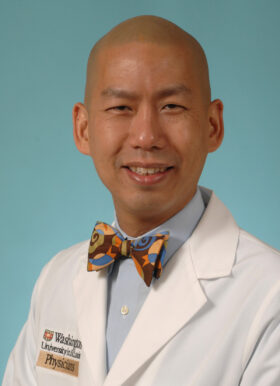
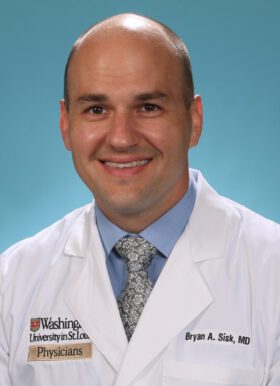
Amy Armstrong, MD, Pediatric Hematologist/Oncologist Michael Angelo Huang, MD, MS , Pediatric Neuro-Oncologist David Wilson, MD, PhD, Pediatric Hematologist/Oncologist

Pediatric Solid Tumors | Diagnosis

About Pediatric Solid Tumors

What Are Pediatric Solid Tumors? Are There Different Kinds?

A tumor is a term that describes a group of cells, or mass, that is not normally found in blood cells. A “solid” tumor is a way to describe the abnormal group of cells that make it up. Most cells that form a solid tumor are all the same type, without any cysts, liquids, or other kinds of cells inside of it.

There are many kinds of solid tumors and they can be grouped into two categories: malignant or benign. If the cells can spread, a tumor is considered cancerous, or malignant, and if the cells can’t spread, those tumors are called “benign.”

Solid tumors in children are rare, and they can develop in many different parts of the body. Identifying if a child has a solid tumor, if it is malignant or benign, and testing to see what kind of tumor cells are present are all important steps in the diagnostic process.

What kinds of solid tumors do children develop?

There are many different kinds of solid tumors that children can develop throughout the body. Most pediatric solid tumors are rare, with only a few cases in the U.S. each year. These young patients need a multidisciplinary approach to diagnose and treat them; our expertise is why so many families bring their child to Siteman Kids.

Siteman Kids’ experts treat every kind of solid tumor, including:


  • Adrenocortical carcinoma 
  • Paraganglioma 
  • Pheochromocytoma 

There are a few pediatric solid tumors that grow in or on the liver. All are rare in children. Through diagnostic testing, physicians can determine what kind of tumor is present and recommend specialized treatment.

  • Hepatoblastoma 
  • Hepatocellular carcinoma 
  • Hepatocellular neoplasm NOS 
  • Mesenchymal hamartomas 
  • Germ Cell tumors 
  • Dysgerminomas 
  • Teratoma 
  • Testicular seminoma 
  • Sex cord stromal tumor (juvenile granulosa cell tumor, Sertoli-Leydig cell tumor) 

Skin cancers that develop in children are not like skin cancers found in adults. These cancers in kids can appear anywhere on the skin are not caused by sun exposure. Sometimes a child’s birthmark predisposes them to develop a form of skin cancer. Certain skin cancers can develop in a wide age range of children and may appear in preteens and teenagers. 

  • Low and intermediate risk neuroblastoma 
  • High-risk neuroblastoma 
  • Neurogenic tumors such as ganglioneuroma 
  • Nasopharyngeal carcinoma 
  • Pleuropulmonary blastoma 
  • Clear cell sarcoma of the kidney 
  • Congenital Mesoblastic Nephroma 
  • Renal cell carcinoma 
  • Renal medullary carcinoma 
  • Renal angiomyolipoma 
  • Rhabdoid tumor 
  • Wilms tumor 

Retinoblastoma is a rare tumor that grows in the eye. It impacts the retina, which is located in the back of the eye.

A sarcoma is a solid tumor that grows within soft tissues in a child’s body – like muscles, tendons and connective tissue – or within their bones. Because bones and soft tissues are found within the entire body, sarcomas can grow anywhere and are able to spread. Most often children develop three kinds of sarcomas but our team of experts are experienced treating many more rare kinds of sarcoma. Some include: 

  • Desmoid tumors 
  • Infantile fibrosarcoma 
  • Non-rhabdomyosarcoma soft tissue sarcoma (synovial sarcoma, alveolar soft part sarcoma, desmoplastic small round cell tumor) 
  • Rhabdomyosarcoma

Thyroid cancer in children and young adults can sometimes be felt or seen as a lump in front of the neck on the thyroid gland or in the nearby lymph nodes. Thyroid cancer, also called thyroid carcinoma, can spread to the lymph nodes or beyond, sometimes into the lungs. There are a few different types of thyroid carcinoma that children develop, some of which are more common in adults. Siteman Kids experts have experience treating each of these thyroid cancers with a number of techniques including radiation, surgery and more. 

  • Anaplastic thyroid cancer 
  • Follicular thyroid carcinoma 
  • Medulary thyroid carcinoma 
  • Papillary thyroid carcinoma 

Is a brain tumor a kind of solid tumor?

Yes, a pediatric brain tumor is considered a kind of solid tumor. But because brain tumors are one of the most common kinds of pediatric cancer, and because treating them requires a neuro-oncologist, they are often discussed as a separate kind of cancer. If your child has a brain tumor diagnosis, and you would like to learn more about the specialized care Siteman Kids offers them, click here.

What Causes Solid Tumors in Children?

Hearing your child has a solid tumor is scary and brings up a lot of questions, including how this happened. Right now, the answer isn’t simple.

For the most part, the cause or causes of solid tumors that children develop are unknown, and physician-scientists are researching why they grow.

The most common and consistent risk factors are not preventable. These include inheriting certain genes that have a slight defect or having a syndrome such as Li-Fraumeni syndrome. But having an increased genetic risk, or even a syndrome doesn’t mean a child will develop cancer, and if there is a genetic risk, Siteman Kids can support your family through testing and counseling.

What Are the Early Symptoms of a Pediatric Solid Tumor?

The symptoms a child with a pediatric solid tumor may experience will depend on many different factors, like the tumor’s location, the type of cells it contains, and its size. The symptoms of Ewing sarcoma may not be the same as the symptoms of a Wilms tumor.

Solid tumor symptoms and their severity can vary, and some need immediate medical care. Seek medical care if your child is experiencing:

  • Abdominal pain  
  • A visible lump 
  • Nausea and vomiting  
  • Fever  
  • Trouble with bowel movements (constipation)  
  • Blood in urine 
  • Coughing, chest pain or trouble breathing (dyspnea) 
  • Painless swelling of the lymph nodes in the neck, chest, abdomen, underarm, or groin  
  • Sore throat  
  • Bone and joint pain  
  • A broken bone without known trauma 
  • Night sweats  
  • Tiring easily (fatigue)  
  • Weight loss and/or poor appetite  
  • Recurring infections  

Many of the symptoms of pediatric cancers, including solid tumors, are similar to other common illnesses. Not all pediatric solid tumors have symptoms even when they’ve grown very large.

Parents should see their pediatrician if they suspect their child is sick, especially if their child has been sick for more than a week. It’s also important to take your child for regular check-ups so the pediatrician can make sure they are growing and developing appropriately.

How Are Solid Tumors Diagnosed in Children?

There are several tests a physician can do to determine if your child has a solid tumor. Some of these will be tests your child has done before, like a blood test, and others will be new.

    • Blood tests: Blood tests may be done to check for substances that are released by some tumors. These are called tumor markers. 

    • Bone scan: A small amount of radioactive dye is injected into a vein. The whole body is scanned. The dye shows up in areas of bone where there may be cancer

    • CT scan: A CT scan uses a series of X-rays and a computer to make detailed pictures of the body.

    • MRI: An MRI uses large magnets, radio waves, and a computer to make detailed pictures of the body. Contrast dye may be injected into your child’s vein. It helps cancer cells be seen more clearly.

    • Positron emission tomography (PET) scan: For this test, radioactive sugar is injected into the bloodstream for cancer cells to take in. A PET scan can show cancer cells in different areas of the body and is often used in combination with a CT scan. This is called a PET/CT scan.

    • Tumor biopsy: To learn exactly what kind of cells are in a tumor, some of the cells are removed, or biopsied, and sent to a lab for testing. This is done to determine the type of tumor, how quickly it is likely to grow and if it is capable of spreading.

    • Ultrasound: In an ultrasound, sound waves and a computer are used to create images. An ultrasound may be done to check different areas in your child’s body like the abdomen, eyes, or kidneys. Sometimes an ultrasound is used to guide a needle during a biopsy.

    • X-rays: X-rays may be done to check your child’s chest or bones to see how dense they are and if any other growths have formed along them.

It is important to note that your child’s well-being is a priority during diagnostic testing. Our care team tries to ease any fears or pain a patient has during testing. If needed, we can use light sedation to limit stress and help children feel more comfortable for more involved procedures.

Second Opinions

Parents often first hear their child has cancer during an emergency room visit. Getting care soon is important, and there are always options for what is best for your child. Siteman Kids welcomes second opinions and offers unique treatment plans for each patient.


Why Choose Siteman Kids for Treating Pediatric Solid Tumors?  

After getting a correct diagnosis, the most important thing a parent or caregiver can do for their child is find the best care possible for them. Siteman Kids at St. Louis Children’s Hospital’s cutting-edge care stands out to families as they research pediatric oncology programs.

Families choose Siteman Kids for our:

Siteman Kids at St. Louis Children’s Hospital brings expertise to children’s bedsides with oncology specialists, nurses, therapists, Child Life specialists, and support services so that your child’s learning, growth, and development are all important aspects of the treatment plan.  

When children are treated for cancer, they may need pediatric specialists added to their oncology team. Pediatric surgeons, cardiologists, neurologists, and orthopedists from St. Louis Children’s Hospital can be added seamlessly to existing multidisciplinary care teams.  

Our physicians are often leading research in pediatric cancer as they work with young patients in the clinic, bringing innovation and breakthroughs to bedsides. 

Kids with cancer are often encouraged to participate in clinical trials. Because of their commitment to research, Siteman Kids is a site for many nationwide clinical trials and leads its own clinical trial research. This means eligible patients at Siteman Kids and their families won’t need to travel to enroll if they are eligible to participate.

Learn about clinical trials at Siteman Kids.

At Siteman Kids, we care for the whole family. Our support services are extensive, providing professionals who care for the well-being of our young patients, their siblings and their caregivers.

  • Psychologists guide children and their families through the many emotions that come from a cancer diagnosis with in-person and virtual visits.
  • Child Life specialists assist in practical ways, educating your child on what procedures will be like, helping them learn coping strategies for their fears and stress and more.
  • Educational liaisons help communicate and coordinate with your school district so there is a plan for continuing to learn, even when being in the classroom isn’t possible.
  • Social workers guide adults through the many responsibilities and realities related to caretaking while balancing work and parenting.
Start Here. Get the Care Your Child Needs.

Our oncology-trained care coordinators – nurses who help with scheduling and navigation – can help you through the process. Call us directly or submit a form, and we will call you back.

Clinically reviewed by:

Amy Armstrong, MD, Pediatric Hematologist/Oncologist Michael Angelo Huang, MD, MS , Pediatric Neuro-Oncologist David Wilson, MD, PhD, Pediatric Hematologist/Oncologist

Pediatric Solid Tumors | Team & Locations

Pediatric Solid Tumor Specialists

Pediatric Hematologists/Oncologists
Pediatric Surgeons
Orthopedic Surgeons
Pediatric Urologists
Siteman Kids at St. Louis Children’s Hospital

Siteman Kids at St. Louis Children’s Hospital

On Washington University Medical Campus
1 Children’s Place, St. Louis, MO 63110
Start Here. Get the Care Your Child Needs.

Our oncology-trained care coordinators – nurses who help with scheduling and navigation – can help you through the process. Call us directly or submit a form, and we will call you back.