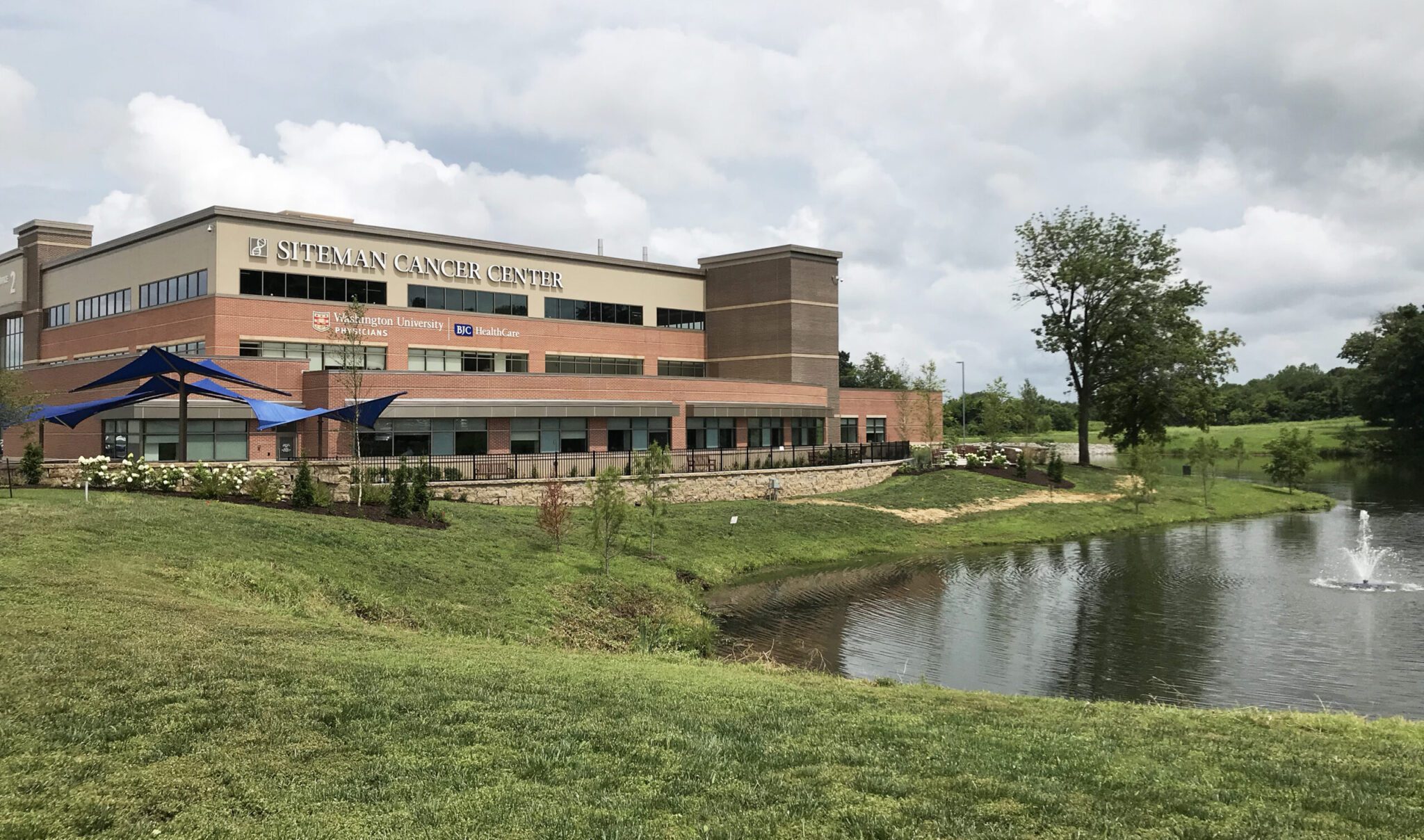
Stomach Cancer | Care at Siteman Cancer Center

If you’ve recently been diagnosed with stomach cancer, you’re probably wondering what comes next.


At Siteman Cancer Center at Barnes-Jewish Hospital and WashU Medicine, we will care for you with cutting-edge medicine grounded in the latest science. Our approach is holistic. WashU Medicine physicians work alongside dieticians and other support staff. We will treat your cancer while helping you feel the best you can.

Start Here. Get the Care You Need.

Our Siteman care coordinators – oncology-trained nurses who help with scheduling, finding the right specialist, and guidance – can help you through the process.

Call us directly or submit a form, and we will call you back.

About Stomach Cancer

Stomach cancer begins in the stomach. About 30,000 people in the U.S. will be diagnosed with stomach cancer every year.

There are three main types of cancer that happen in the stomach. The most common type is gastric adenocarcinoma. This is the type most people are referring to when they talk about “stomach cancer.”

Two other kinds of tumors also appear in the stomach. These are gastrointestinal neuroendocrine tumors (NETS) and gastrointestinal stromal tumors (GIST). They are treated differently from gastric adenocarcinomas.

How does stomach cancer develop?

Stomach cancer (gastric adenocarcinoma) develops when a cell in the lining of the stomach becomes abnormal. The cells start to multiply very fast. It makes more and more abnormal cells. Over time, the abnormal cells form a lump called a tumor. This can cause uncomfortable symptoms for patients.

Why Choose Siteman

Siteman Cancer Center has been a regional and national leader in cancer care for over 25 years. We are the only cancer center in the region to be recognized as a Comprehensive Cancer Center by the National Cancer Institute (NCI). U.S. News & World Report consistently ranks us among the top cancer facilities in the nation.


At Siteman, we have the expertise you need and the compassionate touch you want.

Clinical Trials

Clinical trials are research studies that evaluate new treatments for cancer. Many patients come to Siteman for our clinical trials. Patients who join clinical trials can access the newest drugs and therapies before they are officially approved by the FDA. Through clinical trials, you can receive treatments that may be more effective than the current standard of care.


Siteman Cancer Center is a leader in clinical trials. We offer many trials for stomach cancer, including trials for cutting-edge approaches such as immunotherapy. Your WashU Medicine physicians lead clinical trials. If a clinical trial could help you, they will let you know. You can always ask about a trial you’re interested in.

Holistic, Expert Care

When you come to Siteman, a team of WashU Medicine physicians will work together to make a treatment plan just for you. This team-based approach is called “multidisciplinary care.” It is the best way to treat stomach cancer. You’ll also benefit from the support of dieticians, psychologists, nurse practitioners, cancer care navigators, and pharmacists.


Your team will help you throughout your treatment and beyond.

High-risk Screening Program

Some patients are at high risk for stomach cancer because of genetic changes they’ve inherited from family members. Siteman offers a screening program to identify these patients and care for them and their families.

Minimally-invasive, Robotic Surgeries

WashU Medicine surgeons at Siteman are experts at removing stomach cancer safely. They use minimally-invasive techniques and robotic tools whenever possible to bring patients the best outcomes. We’ve also developed enhanced recovery protocols for our patients. These protocols guide them through the important period after surgery. This means our patients will heal better and faster.

Refer Your Patient to Siteman Cancer Center

A Siteman care coordinator is the fastest path to referral, consult, or second opinion. Our care coordinators – oncology nurses who help with scheduling and navigation – will guide you from your first call.

Stomach Cancer | Team & Location

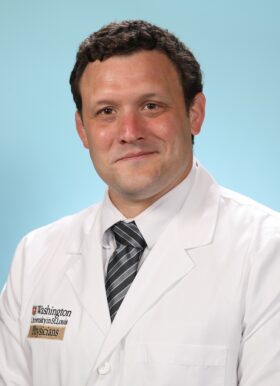
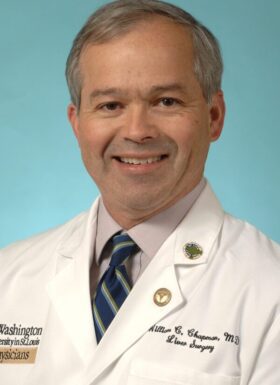
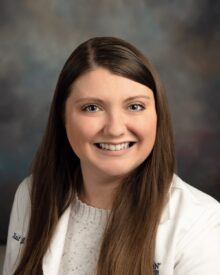
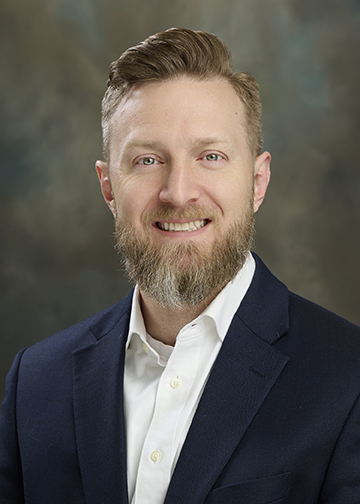
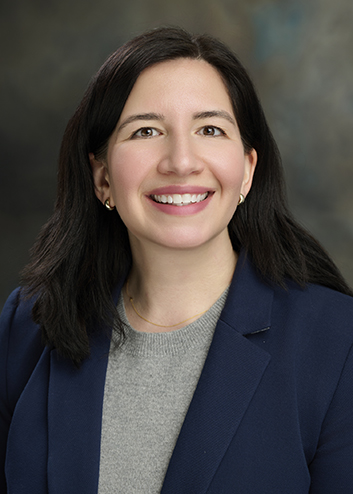
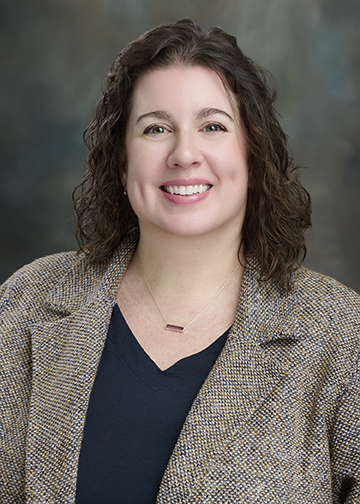
Stomach Cancer Specialist Team

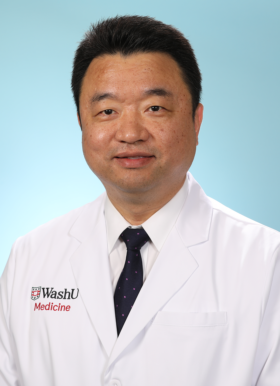
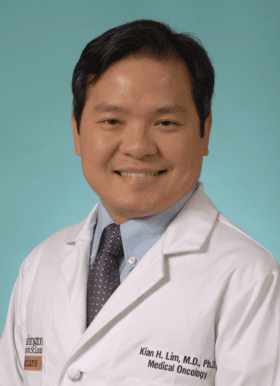
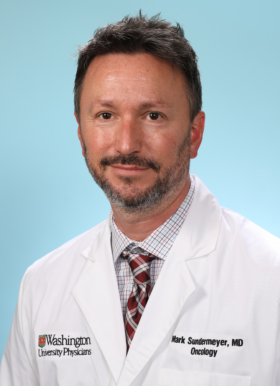
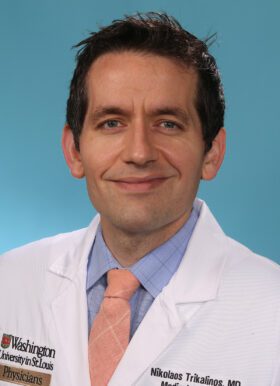
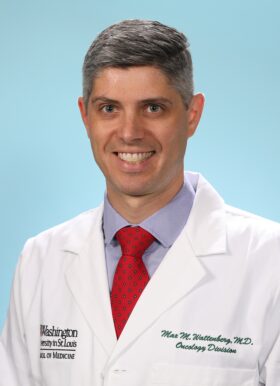
Medical Oncologists
Radiation Oncologists
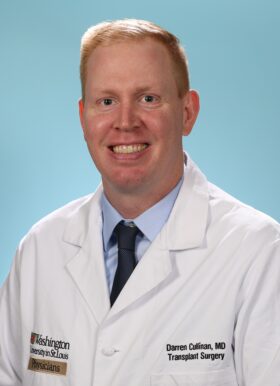
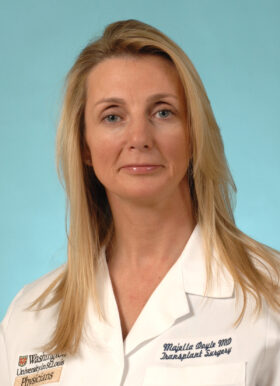
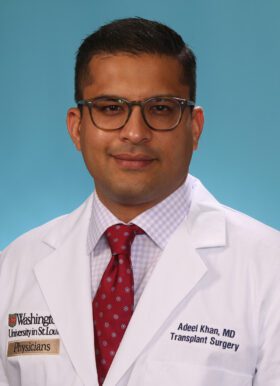
Transplant Surgeons
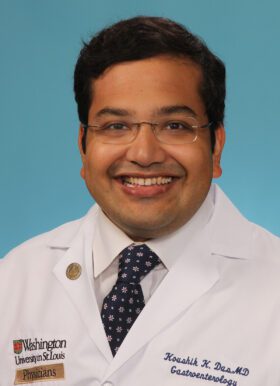
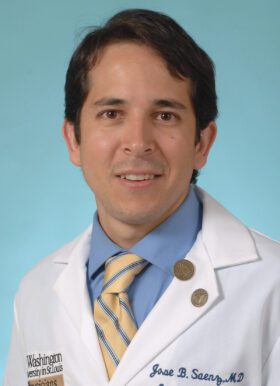
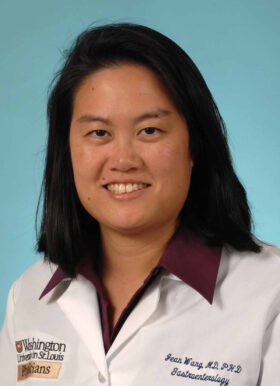
Gastroenterologists
Psychologist

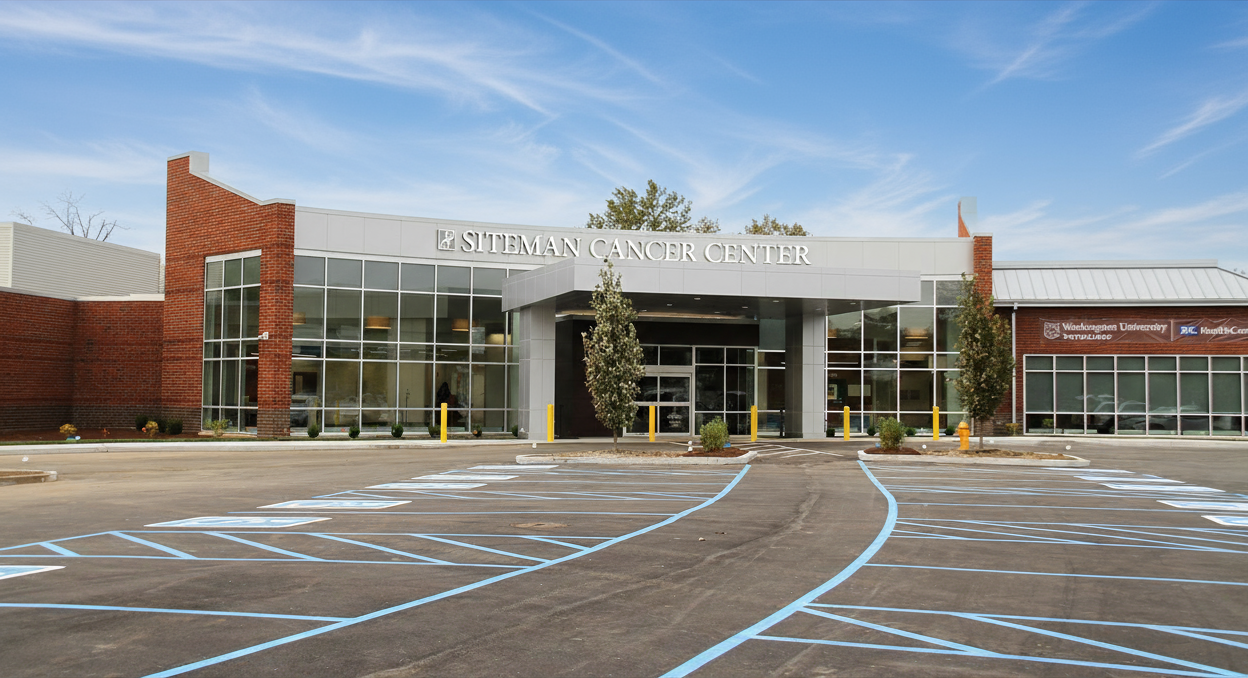
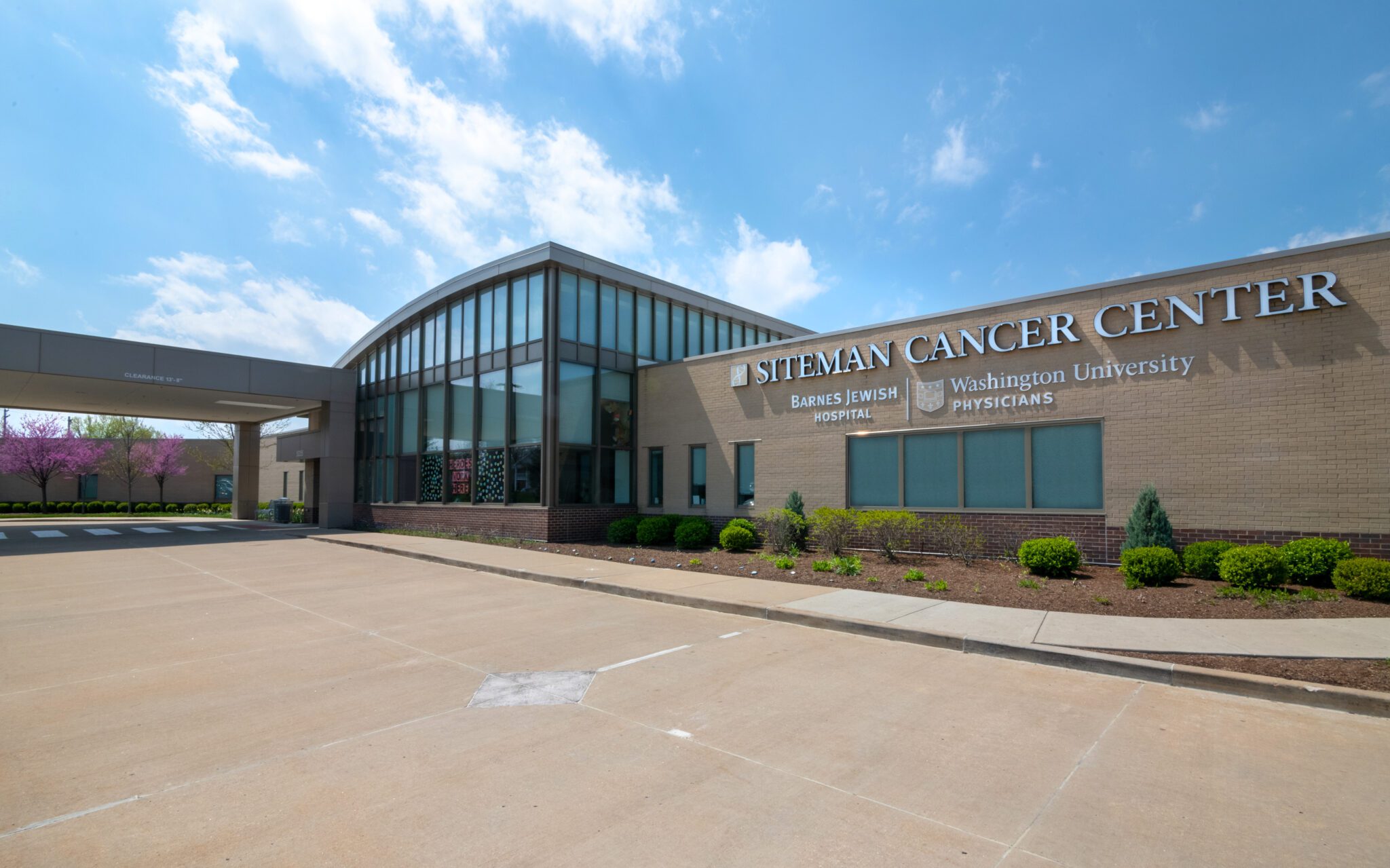
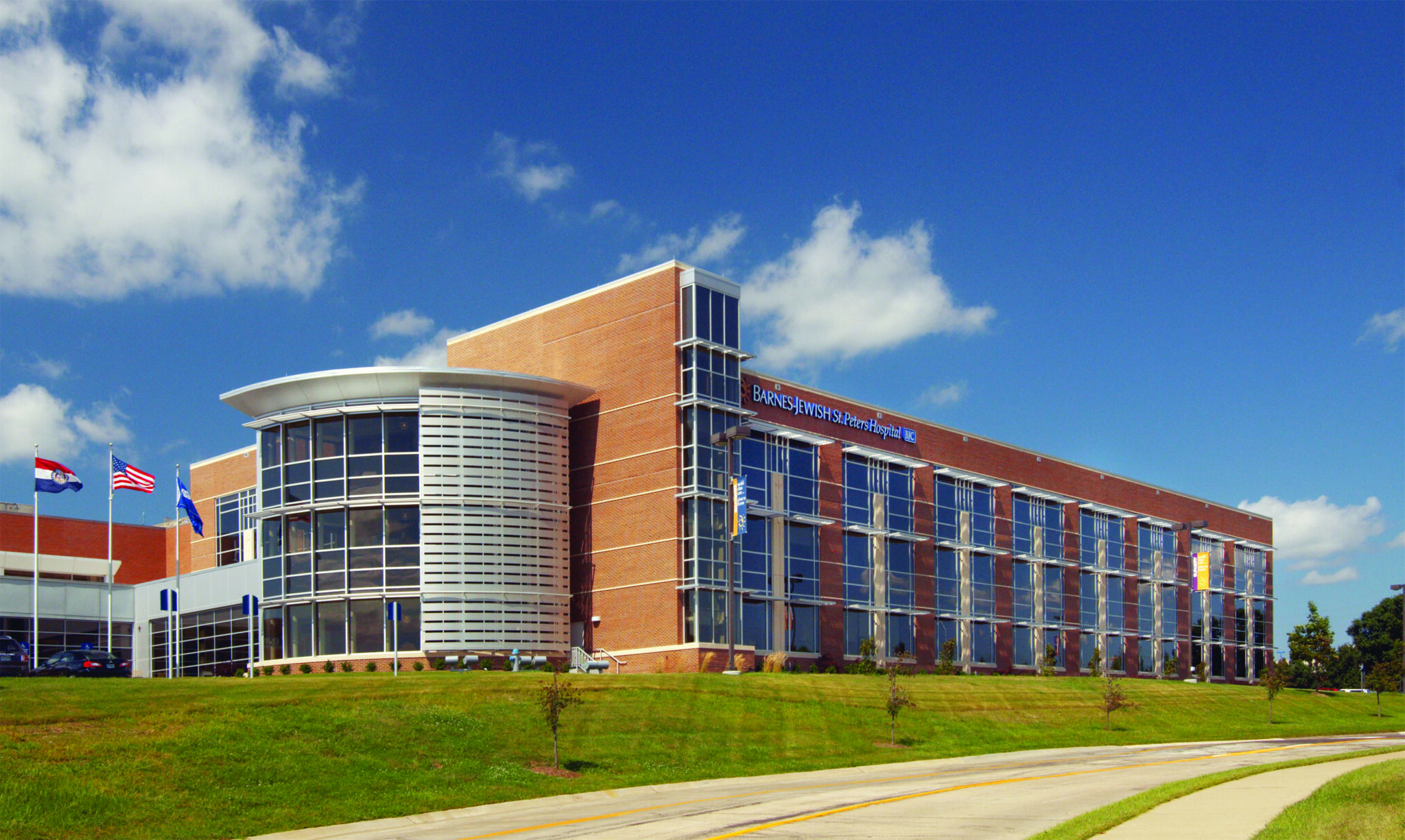
Our Locations

Stomach Cancer | Treatment & Support

When you come to Siteman for stomach cancer treatment, WashU Medicine physicians will design a unique treatment plan just for you. They will work to remove your cancer and stop it from growing. They will also do everything they can to help you heal and thrive. With the help of expert support staff such as dieticians, they will make sure you feel your best during and after treatment.


Most patients with stomach cancer get a combination of treatments. This usually includes surgery and drug therapy. Your treatment plan will depend on the type and stage of your tumor. Your doctors will also tailor treatments to your age, your lifestyle, and other goals you may have.


Many patients at Siteman receive treatment through clinical trials. Siteman offers more clinical trials than any other center in our region. If any clinical trials are a good fit for you, your care team will include them in your treatment plan.


The treatments described here are for the most common kind of stomach cancer (adenocarcinoma). For more information about treatments for GIST or GI NET tumors.

What is surgery for stomach cancer?

There are different types of surgery for stomach cancer. Your doctors will choose a surgery for you based on how far your cancer has spread.


Surgical procedures for stomach cancer include:


  • Removal of small tumors: This procedure is called an “endoscopic submucosal dissection.” It can work well for patients with small, early-stage cancers. Your doctor will remove your tumor through a tube placed through your mouth and into your stomach. This tool is called an endoscope. The surgeon does not make any incisions through your skin.
  • Partial removal of the stomach: This procedure is also called a subtotal gastrectomy. During the procedure, the surgeon will take out most of the stomach (about 80%).
  • Total removal of the stomach: This procedure is also called a total gastrectomy. After removing your stomach, your surgeon will connect your esophagus to your small intestine. After a period of recovery, you will be able to eat and digest food again.
  • Gastrojejunostomy: This procedure is for stomach tumors that block the connection between the stomach and the small intestine. Tumors in this area prevent patients from digesting their food because the food is trapped in the stomach. Your surgeon will take out the tumor and the surrounding stomach tissue. Then, they will connect the rest of your stomach to a lower part of your small intestine called the “jejunum.” A gastrojejunostomy can help patients with later-stage stomach cancer feel better.
  • Endoluminal stent placement: This procedure also helps patients with tumors blocking the passages into or out of the stomach. Your surgeon will place a thin tube called a stent to keep these passages open. After the procedure, you should be able to eat normally again.  

What are the advantages of stomach cancer surgery at Siteman?

Patients who come to Siteman benefit from the care of expert, WashU Medicine surgeons. Many of our patients can have their surgeries done using minimally-invasive techniques. This means, instead of making one large incision, your surgeons will make several smaller ones. They will use special tools and cameras to do the surgery inside your body.


WashU Medicine surgeons at Siteman are also skilled at using robotic tools during surgeries. The tools allow for extra precision and better outcomes.


There are many advantages to minimally-invasive surgeries for stomach cancer.

Short-term benefits include:


  • During surgery: shorter surgery times, less anesthesia needed, less blood loss
  • After surgery: fewer complications
  • Recovery:
    • Shorter time spent in the hospital
    • A quicker return to eating
    • Faster return to treatments like chemotherapy
    • Less rehabilitation needed overall

Not every patient is a candidate for minimally-invasive surgery. Your doctor will carefully evaluate your tumor to decide whether a minimally-invasive procedure is right for you.

Siteman’s SPAR Program for Better Surgical Outcomes

Stomach cancer patients who have surgery at Siteman participate in the SPAR program. SPAR stands for “Surgical Prehabilitation and Readiness.” The program helps patients prepare for surgery and get back to normal life sooner afterwards.


During this program, you will meet regularly with expert nurses. They will teach you how to care for yourself before surgery and during recovery. They may give you a plan to help you build strength through diet and exercise. They will also monitor your health for complications and setbacks.


Enhanced surgical recovery ensures that you:

  • Are in the best possible condition before surgery.
  • Have personalized care both during and after surgery.
  • Experience the best possible outcome and rehabilitation after surgery.

What is drug therapy for stomach cancer?

Drug therapies are medications that attack cancer cells. Patients with stomach cancer might take drug therapies before surgery to shrink their tumors. Or, they might take drug therapies after surgeries to kill any cancer cells that might be left behind.


Drug therapies can help prevent stomach cancer from spreading to other parts of the body  (metastasizing). They can also treat stomach cancer that has started to spread, or slow the cancer from spreading further.


Drug therapies for stomach cancer include:


  • Chemotherapy: Chemotherapy is a type of medication that kills cancer cells wherever they are found in the body. You might get chemotherapy through an IV or take it as pills. 
  • Immunotherapy: Immunotherapy is a new form of cancer treatment that trains your own immune system to recognize and attack cancer cells. Siteman offers a number of clinical trials examining chemotherapy drugs for stomach cancer patients.  
  • Targeted therapy: Targeted therapies are medications that stop cancer cells from growing and multiplying. Sometimes, stomach cancer patients have tumors that make a protein called HER2. We say that these tumors are “HER2-positive.” HER2 makes tumors grow very fast. Patients with HER2-positive tumors can take targeted therapies that stop the HER2 from making the cancer cells grow. 

When do patients with stomach cancer receive radiation therapy?

At this time, radiation therapy is not a primary treatment for patients with stomach cancer. In some cases, it can help patients with advanced stomach cancers feel better.

Clinical Trials for Stomach Cancer

Clinical trials are an important part of stomach cancer treatment at Siteman. These trials offer new options and opportunities for patients. Sometimes, a trial can be the key that unlocks a patient’s remission or recovery. The WashU Medicine physicians on your care team lead clinical trials. They will know if a trial is a good fit for you.


Learn more about clinical trials for stomach cancer at Siteman.

Gastrointestinal Neuroendocrine Tumors (GI NETs and GISTs)

Some tumors that occur in the stomach are not technically stomach cancer (adenomcarcinoma). These types of tumors are much rarer than adenocarcinomas. GI NETs (gastrointestinal neuroendocrine tumors) develop in cells that make hormones. These cells are called “neuroendocrine cells.” They are located throughout the body, including in the stomach and gastrointestinal tract. The most common type of GI NET is called a “carcinoid tumor.”

GISTs (gastrointestinal stromal tumors) develop in cells that help the muscles of the stomach and intestines contract. The contractions are how food moves through the digestive system.

Treatments for GI NETs and GISTs

Siteman Cancer Center offers a full range of treatment options for GI NETs and GISTs. These tumors are usually treated with a combination of surgery, drug therapy, and radiation therapy. We offer PRRT, an effective, leading-edge radiation therapy for GI NETs.

When do patients with GI NETs or GISTs have surgery?

Patients with GI NETs and GISTs often are treated with surgery. The procedure to remove them is called a “resection.”

At Siteman, WashU Medicine surgeons usually remove these tumors with a tool called an endoscope. This procedure is called an “endoscopic resection.” The endoscope is a tube that goes through the mouth and down into the stomach. Your surgeons will take the tumor out through the tube. You won’t need any incisions.

Drug Therapy for GI NETs and GISTs

Drug therapies are medicines that kill cancerous or abnormal cells. There are several types of drug therapies. All of them work differently. You might have one or more of the following drug therapies:

  • Targeted therapies: Targeted therapies are medications that change or block specific features of tumor cells in order to stop them from growing. They don’t harm normal cells. They are especially important for GI NET tumors.

Targeted therapies can stop these tumors from making hormones and causing symptoms. They can even prevent GI NETs from growing.


Patients with GISTs sometimes take targeted drugs called “tyrosine kinase inhibitors.” These drugs stop signals that tell the tumor to grow.


  • Chemotherapy: Chemotherapies are medicines that attack and kill cancer cells wherever they are found in the body. Patients with carcinoid tumors that have spread to the liver sometimes have chemotherapy injected. It treats the tumor directly at the tumor site.

Radiation Therapy for GI NETs and GISTs

Radiation therapy uses radiation to kill cancer cells. Sometimes, the radiation is in the form of a beam of energy.

Patients with GI NETs may also receive radiation through a medication. This treatment is called PRRT (Peptide Receptor Radionuclide Therapy). PRTT is a kind of theranostics treatment.

During PRRT, you’ll get a medication containing a small amount of radiation. The radiation will travel to your cancer cells. It will make them more visible on an imaging scan. Once the imaging scan has shown exactly where the cancer cells are, you will receive another medication containing radiation. The radiation will kill the cancer cells.


Stomach Cancer | Risk & Prevention

Stomach Cancer Risks

In many cases, stomach cancer happens without an obvious cause or reason. But there are certain risk factors that can make stomach cancer more likely.


The risk of stomach cancer can increase for a number of reasons:

  • Age: Stomach cancer happens more often in people who are older than 60
  • Lifestyle factors
    • Drinking alcohol
    • Smoking
    • Eating a diet high in salty, processed foods
    • Not exercising regularly
  • Health conditions
    • Having excess weight or obesity
    • Infection with a bacteria called Helicobacter pylori (H pylori)
    • Having a history of stomach ulcers or polyps called adenomas
  • Gender: Men are more likely to get stomach cancer than women
  • Racial/ethnic background: People of South American, Eastern European, or Asian
    descent are more likely to get stomach cancer.
  • Family history and genetic syndromes
    • Having one or more relatives with stomach cancer
    • Changes (mutations) in the CDH1 gene
    • Lynch Syndrome
    • Hereditary Diffuse Gastric Cancer (HDGC)
    • Familial Adenomatous Polyposis (FAP)
    • Li-Fraumeni Syndrome

How to Lower Your Risk

Some risk factors are things that can’t be changed, like your age, your gender, and your heritage. Other risk factors are things that you can take action on.

To lower your risk of stomach cancer, you can take these steps:


  • Reduce alcohol consumption: If you drink alcohol, especially more than three drinks a  day, look for ways to cut back.  
  • Improve your diet: Focus on eating a diet rich in whole grains and fruits and vegetables.  Limit processed and salty food.  
  • Get some exercise: Even a small amount of exercise can have a big impact. Try get about  half an hour of physical activity per day. “Activity” includes walking, gardening, and  housework. It can be spread throughout the day. 
  • Quit smoking: We understand that quitting smoking can be a major challenge. If you  need help making this change, Siteman has a plan for you
8IGHT WAYS® to Stay Healthy and Prevent Cancer

The power of healthy living is hard to overestimate. A large percentage of cancers and many other chronic diseases can be prevented by things like eating a healthy diet, getting regular exercise, keeping weight in check, and getting important screening tests.


The best part? These are things under your control. Take some simple steps to improve your health, and help your family do the same.


Explore Our 8IGHT WAYS® Resources

Watch Video

Stomach Cancer | Prevention and Screening

Some people have one or more family member with stomach cancer. These patients are more likely to develop stomach cancer themselves. This is called “high risk.”

Siteman cares for these patients and their family members through a high-risk screening program. We offer genetic testing and screening exams to high-risk patients. We often care for multiple members of the same family.

How does Siteman test for stomach cancer risk?

When you come to Siteman’s high-risk screening program for stomach cancer, WashU Medicine physicians will care for you. They will recommend genetic screening tests to see if you have a mutation or syndrome that could cause stomach cancer. These are simple blood tests that can be done in a lab or doctor’s office.

WashU Medicine physicians may also suggest that you have other diagnostic exams to check for early signs of stomach cancer. These might include:

  • Endoscopic ultrasound
  • Imaging tests
  • Biopsy

How does Siteman care for high-risk patients?

If you have a genetic syndrome or mutation that puts you at high risk for stomach cancer, WashU Medicine physicians will discuss your options with you.


Some high-risk patients decide to have their stomachs removed before they can develop cancer. This procedure is called a “gastrectomy.” Patients can live normal lives after having gastrectomies.


WashU Medicine surgeons at Siteman are highly skilled at this procedure. In many cases, they are able to perform it using robotic tools and minimally-invasive techniques. This means that they will not make large incisions.


Patients treated with minimally-invasive surgeries tend to recover more quickly. Laparoscopies are essential for getting an accurate, detailed diagnosis of stomach cancer. But not all cancer centers do them. At Siteman, we will make sure you get the thorough diagnosis you need.

Stomach Cancer | Diagnosis

Hearing you have stomach cancer is never easy. But it’s important to know exactly what is wrong. That way, your doctors can make a plan to help you feel better.


At Siteman, we understand what you’re going through. We’ll ensure that you have an accurate diagnosis, all while treating you with respect and dignity.


You don’t need a referral to come to Siteman. You can make an appointment with us yourself. Many patients come to Siteman for a second opinion.

The First Step in a Stomach Cancer Diagnosis

Most patients with stomach cancer (adenocarcinoma) don’t feel well. They make an appointment with their primary care physician to learn what is wrong.

Symptoms of Stomach Cancer

Sometimes, the symptoms of stomach cancer can be vague. Other times, they can be difficult to ignore. If you notice any of the following symptoms, make an appointment with your doctor:


  • Losing weight without trying
  • Belly pain
  • Feeling tired
  • Having trouble swallowing
  • Nausea and vomiting
  • Not feeling hungry
  • Feeling bloated or full after eating only a small amount
  • Black-colored stools

Why Choose Siteman

At Siteman Cancer Center, WashU Medicine physicians are experts at diagnosing stomach cancer accurately, the first time.


When you come to Siteman, WashU Medicine physicians will study your tumor. They will take samples of the cells and look at them under a microscope. They will test your tumor to see if it has any unique genetic features. They are thorough, careful, and compassionate.

What to Expect During a Stomach Cancer Diagnosis

If you suspect or have been told you have stomach cancer, WashU Medicine physicians will ask you to have a number of tests. These tests look closely at the stomach and the tissues around it.

At Siteman, we understand that many patients feel anxious about having medical tests. This is a normal feeling. If there is anything you need to feel safe or comfortable, please let us know. We are happy to answer any questions you may have.

Tests used to diagnose stomach cancer include:

  • Physical exam: The doctor will ask you questions about your symptoms. They will also feel your belly and check your heart rate and blood pressure. Depending on what they find, they may recommend further testing.
  • Blood tests: A blood test can’t prove whether or not you have stomach cancer. But it can provide important information. If a blood test shows that you don’t have enough red blood cells (anemia), for example, that could be a sign that you are bleeding somewhere inside your body. Stomach tumors can cause this type of bleeding.
  • Endoscopic ultrasound: An endoscopic ultrasound is a procedure to look at the lining of the stomach. You’ll get medicine to make you sleep. Then, your doctors will place a tube down your throat with a tiny ultrasound probe on the end of it. The probe will use sound waves to take pictures of the lining of your stomach as well as the surrounding tissues.
  • Biopsy: A biopsy is a test of a tissue sample. If your doctors identify a tumor in your stomach, they will collect a sample of cells so they can be examined under a microscope for signs of cancer. You can have a biopsy at the same time as an endoscopic ultrasound.
  • Imaging tests: Imaging tests take pictures of the inside of your body. These include CT scans and PET scans. They can show where the tumor is in your stomach. They can also show if stomach cancer has started to spread to other organs.
  • Laparoscopy: A laparoscopy is a minimally-invasive surgical procedure. While you are asleep, your doctor will make several small incisions in your belly. They will put a tiny camera through the incisions and look at the inside of your stomach. They can also collect tissue samples (biopsy).

Laparoscopies are essential for getting an accurate, detailed diagnosis of stomach cancer. But not all cancer centers do them. At Siteman, we will make sure you get the thorough diagnosis you need.

Staging Stomach Cancer

If you are diagnosed with stomach cancer, your WashU Medicine physicians will find out how far the cancer has spread. This is called “staging” the cancer. It helps your care team develop the right treatment plan for you.

There are five stages of stomach cancer, 0-4 (IV). Stage 0 stomach cancer has not spread beyond the site of the first abnormal cells. By Stage 4 (IV), stomach cancer has spread to other organs around the body.

Start Here. Get the Care You Need.

Our Siteman care coordinators – oncology-trained nurses who help with scheduling, finding the right specialist, and guidance – can help you through the process.

Call us directly or submit a form, and we will call you back.