What is Pediatric Leukemia? Are There Different Kinds?
Pediatric leukemia is a cancer that shows up in blood cells. It often starts in bone marrow, the center part of bones, where blood cells are created in the body. The causes of leukemia in children aren’t understood yet, but once it starts, the body makes blood cells that are not typical and those reproduce quickly. Soon the unhealthy cells outnumber the healthy blood cells and cause different physical symptoms. Many of these symptoms are because the blood cannot carry out its normal jobs like protecting against infections and carrying oxygen.
There are several different types of pediatric leukemias. Some are more common than others. WashU Medicine physicians at Siteman Kids at St. Louis Children’s Hospital are well-versed in treating even the rarest blood cancers.
It is important to know pediatric leukemia can’t be prevented, and the symptoms of leukemia can be easily taken for more common illnesses. If you are a parent or a caregiver of a child with leukemia, you did not do anything wrong.
What Are the Early Symptoms of Pediatric Leukemia?
If a physician suspects your child has leukemia, they will order further testing of a sample of your child’s blood, called a complete blood count. A complete blood count can show an abnormal level of red blood cells, white blood cells or platelet cells. You wouldn’t know for certain what was going on until a doctor or provider ordered blood work and studied the results.
Common early symptoms include:
Pale skin
Feeling tired, weak, or cold
Dizziness
Headaches
Shortness of breath, trouble breathing
Frequent or long-term infections
Fever
Easy bruising or bleeding, such as nosebleeds or bleeding gums
Bone and/or joint pain
Abdominal swelling
Poor appetite and weight loss
Swollen lymph glands (nodes)
How is Leukemia Diagnosed in Children?
If your child is experiencing these symptoms and has not had blood tests done, let your pediatrician know. They can assess your child and refer to a pediatric oncologist for additional workup. From there a pediatric leukemia diagnosis often requires more tests.
Some tests that your physician may order include:
Bone marrow samples, aspiration or biopsy
X-ray
Ultrasound (sonography)
Lymph node biopsy
Lumbar puncture
Second Opinions
Parents often first hear their child has cancer during an emergency room visit. Getting care soon is important, and there are always options for what is best for your child. Siteman Kids welcomes second opinions and offers unique treatment plans for each patient.
Why Choose Siteman Kids for Treating Pediatric Leukemia?
After getting a correct diagnosis, the most important thing a parent or caregiver can do for their child is find the best care possible for them. Siteman Kids at St. Louis Children’s Hospital’s cutting-edge care stands out to families as they research pediatric oncology programs.
Families at Siteman Kids are seen by WashU Medicine physicians who have specialized in pediatric medicine and are working on clinical trials and research studies to unlock new treatments for curing disease.
U.S. News and World Report ranks us #12 in the nation for neurosurgery and neurology programs and as one of the nation’s top children’s hospitals. We are the only children’s hospital in Missouri that receives funding from the National Cancer Institute for ongoing research.
In addition to providing the best pediatric cancer care in the St. Louis region, the Siteman Kids pediatric brain tumor program is a member of the following international organizations:
Pediatric Neuro-Oncology Consortium (PNOC)
Children’s Oncology Group (COG)
Childhood Brain Tumor Network (CBTN)
COllaborative Network for NEuro-oncology Clinical Trials (CONNECT)
These organizations of experts all conduct research on brain tumors. Siteman Kids is the only member of PNOC in the region, attracting not just families from the area but also drawing patients from across the globe to be a part of the clinical trials offered.
At Siteman Kids, we care for the whole family. Our support services are extensive, providing professionals who care for the well-being of our young patients, their siblings and their caregivers.
Psychologists guide children and their families through the many emotions that come from a cancer diagnosis with in-person and virtual visits.
Child Life specialists assist in practical ways, educating your child on what procedures will be like, helping them learn coping strategies for their fears and stress and more.
Educational liaisons help communicate and coordinate with your school district so there is a plan for continuing to learn, even when being in the classroom isn’t possible.
Social workers guide adults through the many responsibilities and realities related to caretaking while balancing work and parenting.
Our oncology-trained care coordinators – nurses who help with scheduling and navigation – can help you through the process.Call us directly or submit a form, and we will call you back.
The Pediatric Leukemia and Lymphoma Program at Siteman Kids at St. Louis Children’s Hospital specializes in treating children who have been diagnosed with a type of blood cancer. Blood cancers include kinds of pediatric leukemia and pediatric lymphoma and make up the largest number of children diagnosed with cancer each year. Siteman Kids’ teams of specialists are experienced in treating and curing young children diagnosed with leukemia or lymphoma, and they are also researching why these diseases begin, how to prevent them and innovating new treatments.
Ongoing research is a top priority of Siteman Kids’ Pediatric Leukemia and Lymphoma Program. To unlock new treatment tools, physician-researchers have established strong, collaborative relationships. The group leads research within WashU Medicine’s McDonnell Pediatric Cancer Center. The program’s concentrations on basic and applied research accelerate the process of bringing new breakthroughs to children’s bedsides. Additionally, there is an active, close-working relationship with the Pediatric Hematopoietic Cell Transplant and Cellular Therapy Program.
Siteman Kids at St. Louis Children’s Hospital offers cutting-edge care with a focus on not just your child, but on your family as well. Families at Siteman Kids are seen by WashU Medicine physicians who have specialized in pediatric medicine and are leading clinical trials and research studies to unlock new treatments for curing disease. U.S. News and World Report ranks us #1 in the St. Louis region for pediatric cancer care.
How Siteman Kids’ expertise sets us apart from other pediatric cancer centers:
We prioritize child and family well-being. Our pediatric hospital and oncology specialists prioritize a child’s learning, growth, and development when creating their unique treatment plan. And we deliver family-centered care through comprehensive support services for parents, caregivers, and siblings.
We bring scientific breakthroughs to the bedside. Physicians at Siteman Kids are clinicians and researchers. Because they excel at caring for children and studying cancer in a lab, our physicians take innovative approaches to curing their patients’ cancers.
We lead pediatric cancer research. Siteman Kids’ physician researchers lead and participate in national clinical trials. So our young patients have more opportunities to be enrolled and have access to the latest treatments at the earliest opportunity possible.
Second Opinions
Parents often first hear their child has cancer during an emergency room visit. Getting care soon is important, and there are always options for what is best for your child. Siteman Kids welcomes second opinions and offers unique treatment plans for each patient.
Our oncology-trained care coordinators – nurses who help with scheduling and navigation – can help you through the process.Call us directly or submit a form, and we will call you back.
Our oncology-trained care coordinators – nurses who help with scheduling and navigation – can help you through the process.Call us directly or submit a form, and we will call you back.
Researchers do not yet fully understand what causes leukemia. But they have identified biological, genetic, and environmental patterns that make some people more likely to develop it than others. Understanding those patterns can keep you informed and proactive about your health.
Leukemia can develop in anyone. It does not require a family history, and having risk factors does not mean you will ever receive a diagnosis. What risk factors do mean is that regular monitoring and open conversations with your physician become more important.
Who is at Higher Risk for Leukemia
Different types of leukemia carry different risk profiles, and what increases your risk for one type may not be relevant to another. Your physician can help you understand which risk factors are most meaningful for your specific situation.
Age and leukemia risk
Age is a significant risk factor for leukemia, but not in a simple way. Acute lymphoblastic leukemia (ALL) is the most common cancer in children and young adults. Chronic leukemias, including chronic lymphocytic leukemia (CLL) and chronic myeloid leukemia (CML), are far more common in older adults.
Acute myeloid leukemia (AML) is the most common acute leukemia in adults and becomes more prevalent with age.
Prior cancer treatment
Patients who have received chemotherapy or radiation therapy for another type of cancer have a higher risk of developing leukemia later in life. This is a recognized and monitored complication of cancer treatment, and physicians who know this part of your history will include it in their evaluation.
Family history and genetic conditions
A family history of leukemia may increase your risk. Certain inherited genetic conditions also carry elevated leukemia risk. Down syndrome is the most well-known example and is associated with a significantly higher likelihood of developing ALL or AML in childhood.
Environmental exposures
Long-term exposure to high levels of radiation or certain industrial chemicals, including benzene, has been associated with increased leukemia risk. If your work or environment has involved these exposures, tell your physician.
How To Use This Information
Most leukemia risk factors are not things you can change. But awareness of your risk profile is still useful, because it informs how proactively you and your physician approach monitoring, bloodwork, and evaluation of symptoms.
If you have multiple risk factors, or if you have symptoms that have not been explained, talk to your doctor and ask specifically about your CBC results. An abnormal white blood cell count is often the first measurable signal, and catching it early is the most important thing you can do for better treatment outcomes.
Siteman Cancer Center Leads in Research on Early Detection and Prevention
Among the most important work happening at Siteman right now is research focused on what occurs before a leukemia diagnosis. Identifying patients at high risk before the cancer develops gives physicians a chance to intervene earlier in the cancers’ development.
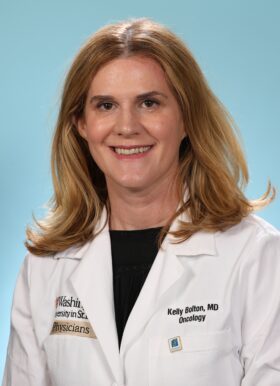
Kelly Bolton, MD, PhD, a researcher at Siteman, focuses on the genetic factors that put an individual at elevated risk for blood cancer. Her work has led to earlier detection and prevention strategies, which gives physicians working with patients the ability to identify changes and act earlier.
This kind of research is only possible at an institution like Siteman, where physician-researchers work at the intersection of patient care and laboratory discovery every day.
When to Reach Out to a Specialist
You do not need a diagnosis to contact Siteman. If you have received abnormal bloodwork, if your symptoms have not been explained, or if you have risk factors that concern you, our team is here to help you understand what the next step should be.
Our Siteman care coordinators – oncology-trained nurses who help with scheduling, finding the right specialist, and guidance – can help you through the process.
Call us directly or submit a form, and we will call you back.
Leukemia treatment is among the most complex in oncology. The right approach depends on which of the many leukemia types you have, the genetic profile of your specific cancer, your overall health, and whether you are newly diagnosed or experiencing a relapse. A treatment plan built for another patient will not look the same for you.
At Siteman Cancer Center, our WashU Medicine oncologists specialize in leukemia and dedicate research efforts to understanding the disease. That subspecialty depth means your care team brings targeted expertise to every decision about your treatment. Whatever your treatment plan may include, your physicians have the experience and the resources to deliver it.
We encourage all of our patients to explore clinical trials – and this is especially pertinent for those who have leukemia. Siteman offers more clinical trials than any other cancer center in the region, giving you access to new treatments before they are available in other parts of the country.
Siteman's Clinical Trials for Leukemia
Clinical trials for leukemiaatSitemanopen up new and unique treatment options for our patients. We give patients a level of access and options they can’t find everywhere. That means patients at Siteman have a distinct advantage over their disease.
Your Siteman care team will walk through every option with you. You will never be handed a plan without a full explanation of why it is the right one for you.
Why Your Leukemia Type Determines Your Treatment
Each type of leukemia behaves differently, responds to different drugs, and requires different sequencing of therapies. Acute leukemias move quickly and often require immediate treatment. Chronic leukemias may be managed over a longer timeline. Getting the classification right is what makes the treatment right.
Common treatment approaches by leukemia type
Acute lymphoblastic leukemia (ALL): Chemotherapy, blood and marrow transplant, CAR T-cell therapy
These are starting points, not fixed paths. Your treatment plan at Siteman will be built around your specific diagnosis, your genetic profile, and your overall health.
Medical Treatments for Leukemia
Chemotherapy for leukemia
Chemotherapy remains one of the primary treatments for many leukemia types. These drugs target rapidly dividing cancer cells in a way that is especially effective for blood cancers.
Depending on your diagnosis, you may receive chemotherapy as an oral medication or as an IV infusion, often in treatment cycles that alternate between active treatment days and recovery days.
Side effects like nausea and fatigue are common, and your Siteman care team will manage them proactively. There are interventions that can improve your comfort and protect your quality of life throughout treatment.
Targeted therapy for leukemia
Targeted therapies are drugs designed to block the specific biological pathways that leukemia cells depend on to survive and grow. Unlike chemotherapy, they act precisely on cancer cells rather than healthy tissue.
Targeted therapies have transformed treatment for several leukemia types, and may have fewer side effects than chemotherapy. This therapy is particularly helpful in chronic myeloid leukemia, where drugs like tyrosine kinase inhibitors turned a once-difficult diagnosis into a manageable condition for many patients.
Your care team will determine whether targeted therapy fits your specific leukemia profile after you receive a diagnosis.
Immunotherapy for leukemia
Under normal circumstances, your immune system is designed to recognize and destroy abnormal cells. With leukemia, cancer cells evolve mechanisms that make them difficult to recognize. This is where immunotherapy can change the outcome of disease progression.
Immunotherapy works by restoring the immune system’s ability to see and attack cancer cells. At Siteman, immunotherapy for leukemia includes several approaches, the most advanced of which is CAR T-cell therapy.
CAR T-cell therapy: Siteman’s landmark contribution to leukemia care
CAR T-cell therapy is one of the most significant advances in leukemia treatment in the past decade. It works by collecting a patient’s own T-cells, genetically reprogramming them to recognize leukemia cells, and returning them to the body so it can destroy the cancer.
This advancement in immunotherapy was developed by physicians through clinical trials, with Siteman leading as one of the first cancer centers in the United States authorized to administer it.
Stem cell transplants
For some patients with leukemia, a stem transplant (also referred to as a blood and marrow cell transplant) can be a path to remission. Leukemia can damage the stem cells in bone marrow so severely that they can no longer produce healthy blood cells. A transplant replaces those damaged cells with healthy ones, either from the patient’s own stored cells or from a matched donor.
Siteman Cancer Center has one of the largest stem cell transplant programs in the world. Since our program began in 1982, our physicians have performed more than 10,000 transplants and conduct an average of 400 transplants per year. That volume translates directly into refined protocols, experienced teams, and better outcomes for our patients.
Our Blood and Marrow Transplant Program and Outpatient Cellular Therapy Center allow patients to receive this highly specialized care while spending fewer days in the hospital.
A leukemia diagnosis often arrives without warning. For many patients, it starts with routine bloodwork, such as a CBC at an annual physical that comes back abnormal. For others, it’s a visit to the ER for symptoms that feel like the flu. Either way, the moment a leukemia diagnosis enters the picture, everything changes.
What happens next matters enormously. Leukemia is a group of blood cancers, each with a different biological profile, a different urgency, and a different treatment path. Getting an accurate diagnosis quickly, and from a team that specializes in leukemia, is the most important first step you can take.
At Siteman Cancer Center, your treatment plan starts on solid ground from day one.
Recognizing the Symptoms of Leukemia
Leukemia symptoms vary widely from person to person. This variability is part of what makes leukemia diagnostically complex, and part of why any persistent, unexplained symptom deserves attention.
Patients with acute leukemias often experience symptoms that are hard to ignore and escalate quickly. Patients with chronic leukemias are frequently diagnosed before symptoms appear, caught on routine bloodwork. Both paths lead to the same next step: specialized evaluation.
Common symptoms that warrant further evaluation
Unexplained fevers or frequent infections that keep coming back
Persistent night sweats
Swollen lymph nodes or an enlarged spleen
Abnormal bleeding or bruising without a clear cause
Petechiae, or tiny red or purple blood spots under the skin
Fatigue or shortness of breath that does not improve with rest
Unintentional weight loss
Most of these symptoms can have other explanations, which is exactly why leukemia can be missed on first evaluation. If you have experienced any combination of these symptoms for two weeks or more, it could be time to talk to your doctor and ask specifically about your bloodwork.
Risk Factors That Increase Your Likelihood of Leukemia
Leukemia can develop in anyone, regardless of family history. But certain factors are associated with a higher risk. Understanding your risk profile helps you and your physician make more informed decisions about monitoring and early evaluation.
Known risk factors for leukemia
Age: Different types of leukemia carry different age-related risks. Acute lymphoblastic leukemia (ALL) is most common in children, while chronic leukemias are more common in older adults.
Prior exposure to chemotherapy or radiation therapy for another cancer.
Family history of leukemia in a first-degree relative.
Genetic conditions such as Down syndrome.
Having one or more of these risk factors does not mean you will develop leukemia. But it does mean that regular bloodwork and physician monitoring are especially important for you.
How Leukemia is Diagnosed
An accurate leukemia diagnosis requires a sequence of increasingly specific tests, all done so that your care team has the precise information they need to build the right treatment plan.
At Siteman, every step of the process happens under one roof, with specialists who understand what every result means for your specific leukemia.
Blood tests are where the diagnosis begins
The complete blood count, or CBC, is almost always the first signal in a leukemia diagnosis. An abnormal white blood cell count, whether it’s too high or too low, alerts your physician that something needs further investigation.
This is why routine checkups matter: a CBC is included as part of your annual physical, and it can catch leukemia before symptoms appear. Reach out to a WashU Medicine physician to schedule an appointment today.
If you receive an abnormal CBC, your physician will order more specific lab work to understand what is happening at the cellular level. They will examine the shape, count, growth rate, and genetic markers of the cells involved.
Bone marrow biopsy confirms the diagnosis
When blood tests point to leukemia, a bone marrow biopsy is usually the next step. During a biopsy, a specialist removes a small sample of bone marrow, typically from the hipbone. A pathologist then examines the sample under a microscope to identify the specific type of leukemia cells present.
The biopsy is the definitive test in diagnosing your specific leukemia type. The results drive every decision about your treatment once received.
Imaging maps how far it has spread
PET and CT scans give your care team a full view of what is happening in your body. These tests identify problem areas, trace the spread of disease, and help your physicians understand the full scope of what they are treating. Both scans use contrast dye to highlight areas of concern.
How Leukemia Is Classified
Most cancers are described in stages, but leukemia classifications are different. Physicians classify leukemia based on two things: how the leukemia cells look under a microscope, and what genetic characteristics those cells carry.
The genetic profile of your leukemia tells your physician how aggressive the disease is, how it is likely to behave, and which therapies it will respond to best.
At Siteman, our researchers developed the ChromoSeq whole-genome sequencing test, which gives physicians a faster and more complete genetic picture than older multi-test approaches. That means your treatment plan is quickly tailored to your specific leukemia from the start of your care with us.
The Factors That Shape Your Prognosis
The prognosis for leukemia has improved significantly in recent years, driven by advances in targeted therapy, cellular therapy, and transplant medicine. Many of these advancements were pioneered at Siteman, ensuring you have advanced treatment options available now.
What your specific prognosis looks like will depend on factors unique to your situation and health history.
Factors your care team will consider
Whether your leukemia is newly diagnosed or has returned after prior treatment
The specific type and subtype of leukemia
The genetic profile of your leukemia cells
Your age and overall health at the time of diagnosis
Your Siteman care team will review all of these factors with you and explain what they mean for your specific situation. You will not have to interpret this alone.
Talk with a Care Coordinator
Nurses at Siteman answer every call and every form. Speak with them directly 8:00 am to 4:30 pm CT Monday- Friday for guidance on appointments, second opinions, and referrals.
By choosing your care at Siteman Cancer Center at Barnes-Jewish Hospital and WashU Medicine, you have access to breakthrough clinical trials and internationally recognized leukemia experts. Our work unites leading specialists and scientists at WashU Medicine with the strength of BJC HealthCare. Their medical discoveries have led to improved outcomes for hundreds of leukemia patients at Siteman each year – and for patients all over the world.
If you’ve received abnormal CBC results or a diagnosis of leukemia, the next step is clarity – and speed. Leukemia is a complex group of blood cancers that requires immediate evaluation by a specialized team.
Start Here. Get the Care You Need.
Our Siteman care coordinators – oncology-trained nurses who help with scheduling, finding the right specialist, and guidance – can help you through the process.
Call us directly or submit a form, and we will call you back.
Siteman Cancer Center is recognized internationally as one of the best cancer centers for leukemia treatment. Many patients travel from around the country for advanced diagnostics, cutting-edge cellular therapies and access to leading clinical trials.
Leukemia experts treat the most rare, recurring, and complex cases here. Specialists see hundreds of patients with leukemia at Siteman each year, and their medical breakthroughs have led to improved outcomes for patients all over the world.
Leukemia can look different for different people, with subtypes including:
Acute leukemias
Acute lymphocytic leukemia (ALL) – most common in children
Philadelphia chromosome positive or negative (Ph+ and Ph- ALL)
Acute myeloid leukemia (AML) – most common acute in adult
Acute promyelocytic leukemia (APL)
Chronic leukemias
Chronic lymphocytic leukemia (CLL) – most common in adults
Chronic myeloid leukemia (CML)
Hairy cell leukemia (HCL)
Myeloproliferative neoplasms (MPN)
Systemic mastocytosis (SM)
Leukemia remission rates have improved due to new targeted therapies and exceptional treatment options in recent years – with Siteman leading the way. No matter the type of leukemia, our team of sub-specialists has experience treating patients and improving survival rates. They will guide you through every step of the way with a level of care you won’t find anywhere else.
From IL to MO, Paul’s blood cancer treatments at Siteman
Paul, now cancer-free, reflects on both his acute myeloid leukemia diagnosis and 3-hour routes to St. Louis for appointments with his wife Evelyn. They celebrate their 20th wedding anniversary in town.
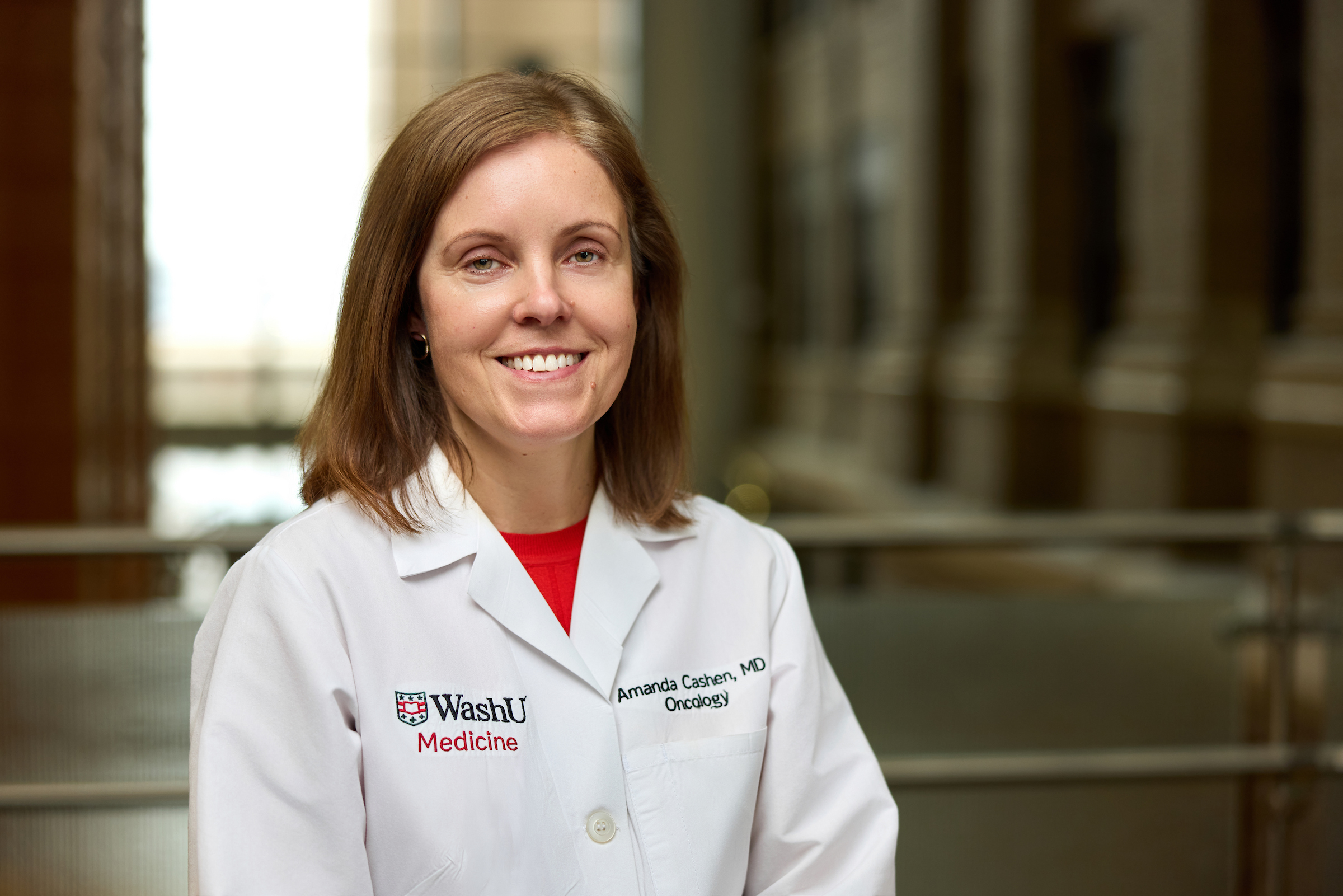
“I believe we are unquestionably the best blood cancer program in the region, with expertise in all blood cancers, stem cell transplant, and cellular therapies. We are highly regarded nationally—our physicians have leadership in national organizations and our transplant and cellular therapy programs are among the largest in the country.”
– Dr. Amanda Cashen, Professor of Medicine, Associate Chief of hematologic malignancies at WashU Medicine, and leading blood cancer specialist at Siteman Cancer Center.
Uniting Compassionate Patient Care with Groundbreaking Cancer Research and Treatment
Some of the most advanced treatment options you can receive for leukemia are only offered at a limited number of institutions – Siteman is one of them. At Siteman, we have a breadth of experience in an array of treatments, including stem cell transplants and CAR T-cell therapy.
The results of our researchers’ efforts have led to FDA approval for many cellular and gene therapies now offered as a standard of care, meaning that patients with leukemia all over the world benefit from our advancements.
Since Siteman’s Stem Cell Transplant Program began in 1982, physicians have conducted over 10,000 transplants. It is one of the largest stem cell transplant programs in the world, conducting on average 400 transplants a year. WashU Medicine physicians were one of the first to conduct an autologous bone marrow transplant in 1979, using a patient’s own cells to drive their treatment.
Additionally, Siteman was one of the first cancer centers in the United States authorized to administer CAR T-cell therapy. That means our oncologists are some of the most experienced practitioners that you can find. This innovative treatment uses the patient’s own T cells from the blood to fight cancer.
A Siteman care coordinator is the fastest path to referral, consult, or second opinion. Our care coordinators – oncology nurses who help with scheduling and navigation – will guide you from your first call.
How Siteman Cancer Center Leads in Leukemia Treatment
Siteman is one of only two programs in the United States to receive a specialized program of research excellence (SPORE) grant for leukemia from the National Cancer Institute. The NCI renewed the grant in 2024, ensuring that your care is in the most advanced hands for leukemia.
WashU Medicine physicians use the SPORE grant in leukemia to develop new biomarkers and treatments for leukemias and myelodysplastic syndromes (MDS). They split the grant into four main projects, where physicians can focus on specific challenges that patients with blood cancer face.
Our care teams take a multidisciplinary approach by using advanced tests and imaging procedures. This way, patients receive an accurate diagnosis of their leukemia. Researchers on Siteman’s leukemia team focus specifically on this type of blood cancer. This focus ensures that patients receive personalized treatment plans based on their specific subtype of leukemia.
Depending on your specific type and medical background, your treatment may include chemotherapy, targeted therapy, radiation therapy, stem cell transplants, or other types of cellular therapy. Siteman leads in the advancement of CAR T-cell therapy, which recently became FDA-approved for greater patient access.
The leukemia team at Siteman is composed of specialists who are experts in leukemia, ensuring a personalized treatment plan based on the specific type of leukemia and the patient’s overall health. Treatment options may include chemotherapy, targeted therapy, radiation therapy, and stem cell transplants, depending on the leukemia type and patient condition. Clinical trials and CAR T-cell therapy are also available for patients who may benefit from the latest treatments.
Whole-genome sequencing test developed at Siteman
Among other recent advances in leukemia care, Siteman pioneered a new whole-genome sequencing test for AML and myelodysplastic syndromes (MDS) that the Centers for Medicare and Medicaid Services (CMS) approved for reimbursement in 2023. This advancement helps Siteman lead in finding the best treatment options for each individual – and helps our patients access leukemia care at a more reasonable cost.
Physicians use the test, called ChromoSeq, to inform them of the best way to guide a patient through treatment. A team at Siteman, led by Eric Duncavage, MD Professor of Pathology and Immunology at WashU Medicine, developed the test.
WashU Medicine’s Pioneering Research in Leukemia
Siteman has stood out in leukemia care for decades. In 2008, WashU Medicine physicians and scientists and other researchers at Siteman were the first in history to sequence the DNA of a patient’s cancer. The research team at the Genome Sequencing Center sequenced the genome of a patient with AML to identify the genetic changes unique to her cancer.
This advancement helped set a foundation for developing more effective ways to diagnose and treat cancer. Earlier research efforts had not gone as far in studying the specific mutation leading to a patient’s cancer, leaving gaps in the understanding of the DNA variations relevant to disease risk.
Siteman Cancer Center continues to pioneer research in the field of blood cancers. Your team will use the latest information and therapies to make sure you receive the most optimal treatment for your leukemia.
Experts in Leukemia Treatment
Your care team at Siteman is directed by a multidisciplinary team with deep expertise in leukemia, cellular therapy, and stem cell transplants. Your team includes medical oncologists, radiation oncologists, bone marrow transplant specialists, hematologists, and psychologists to guide you through every step of treatment. This multidisciplinary approach is integrated to manage complex diseases and deliver the most advanced treatment options available.
John DiPersio, MD, PhD
John DiPersio, MD, PhD is a Bone Marrow Transplant Specialist and Medical Oncologist at WashU Medicine. He is also the director of the Center for Gene and Cellular Immunotherapy. His research focuses on leukemia and stem cell biology, exploring new treatment options and targeted interventions in AML and other hematological malignancies.
Geoffrey Uy, MD
Geoffrey Uy, MD is a Bone Marrow Transplant Specialist and Medical Oncologist at WashU Medicine, and the program co-leader of the Hematopoietic Development and Malignancy Program (HDMP). The primary goal of the program is to develop innovative strategies to prevent, diagnose, and treat blood cancers.
Kelly Bolton, MD, PhD
Kelly Bolton, MD, PhD‘s research focuses on what makes an individual high-risk for developing cancer, so doctors can intervene earlier to stop blood cells from transforming into leukemia. Her research has paved the way for earlier detection and prevention strategies in blood cancers.
Meet the Entire Leukemia Specialist Team at Siteman
Our experts specialize in blood cancers and lead research efforts that advance leukemia treatment in our region and around the world.
WashU Medicine physicians at Siteman Cancer Center work to advance patient care by easing the process of treatment. This ensures that the patient has the best quality of life, so they can spend more time outside of the hospital with their loved ones.
One of the ways they’ve advanced this approach is through a whole-genome sequencing test developed in 2021. This test, which relies on DNA instead of living cells, determines the complete genetic makeup of a patient’s sample. Earlier efforts to identify genetic changes relied on multiple tests using 60-year-old technology.
With whole-genome sequencing, physicians get test results faster, and it costs the patient less time in the office. The test streamlines the patient experience so that patients can start treatment sooner rather than waiting for multiple test results.
Even more important for patients, the test provides crucial information that physicians use to help determine the optimal treatment strategy for individual patients. That includes knowing if the patient is at low or high risk of aggressive disease, so physicians can assess treatment options appropriately.
Blood cancer breakthroughs from clinical trials
Clinical trials for leukemia at Siteman open up new and unique treatment options for our patients. We give patients a level of access and options they can’t find everywhere. That means patients at Siteman have a distinct advantage over their disease.
Siteman has one of the best reputations in the research world, so we lead many clinical trials each year.
One of the clinical trials conducted at Siteman led to the FDA’s Breakthrough Therapy designation for an innovative CAR-T cell therapy. WashU Medicine researchers developed the therapy and licensed it to Wugen, a startup biotech company based in St. Louis. Most significantly, this designation lowers some logistical and financial barriers linked to many cell-based therapies. For patients who have aggressive blood cancers, this makes a meaningful difference that reduces the waiting time for treatment.
This is only one example of many clinical trials that lead to important developments in leukemia survivorship.
If you are ready to begin your treatment at Siteman or want to refer your patient, reach out to one of our care coordinators.
Talk with a Care Coordinator
Nurses at Siteman answer every call and every form. Speak with them directly 8:00 am to 4:30 pm CT Monday- Friday for guidance on appointments, second opinions, and referrals.