Skin Cancer | Screening

Skin cancer screening is quick and painless. It could also save your life.


Like most cancers, skin cancer is easier to treat if it is caught early. You can find skin cancer early by paying attention to your skin and visiting your doctor. 

How do I get screened for skin cancer?

There are two ways you can get screened for skin cancer:


  • Check your skin at home.  
  • Make regular visits to a doctor who specializes in skin conditions, called a dermatologist. 

Both types of screening are important for preventing skin cancer. 

Screening for skin cancer at home

Screening yourself for skin cancer at home is simple. Look at your skin regularly to see if any new moles have developed or if a regular mole has started to change. By screening yourself at home, you will find abnormal areas before they can turn into something more serious.

Screening for skin cancer at the dermatologist

To get a thorough skin check, it’s important to visit a dermatologist. You’ll want to see a dermatologist regularly if you have light skin or other risk factors for skin cancer.


To check for skin cancer, the dermatologist will have you change into a gown. They will then look over your skin, from your face down to your feet.


They might use a special flashlight to get a closer look at moles or other areas of concern. They may be able to remove any suspicious moles right there in the office.

Start Here. Get the Care You Need.

Our Siteman care coordinators – oncology-trained nurses who help with scheduling, finding the right specialist, and guidance – can help you through the process.

Call us directly or submit a form, and we will call you back.

Skin Cancer | Risk & Prevention

The biggest cause of skin cancer is sun exposure. People who spend a lot of time in the sun without adequate sun protection are far more likely to get skin cancer. Skin cancer is also more common in light-skinned people with light or red hair, who get sunburns easily.


Not all cases of skin cancer are caused by the sun. In some cases, skin cancer will develop in a part of the body that isn’t exposed to the sun, such as inside the nose or on the sole of a foot. Still, even if there’s no way to guard against skin cancer completely, protecting your skin from the sun will significantly lower your risk.

How can I lower my risk of skin cancer?

Lowering your risk of skin cancer is straightforward. Avoid the sun and ultraviolet (UV) light, and your odds of getting skin cancer will decrease.


Of course, it’s impossible to stay out of the sun completely.


Some people have jobs that require them to spend long hours outside every day. And everyone should have a chance to enjoy a day at the pool or the beach. To safely spend time in the sun, here are some things you should do:


  • Wear a sunscreen that is SPF 30 or above. Layer the sunscreen over the areas of your body that the sun can reach. Make sure to reapply it often, especially if you’re swimming.  
  • Wear a hat with a wide brim and sunglasses. 
  • Wear long sleeves and long pants. 
  • Seek out the shade whenever possible. Don’t try to tan, or make your skin darker on purpose.  
  • Avoid tanning beds and UV light. 
Start Here. Get the Care You Need.

Our Siteman care coordinators – oncology-trained nurses who help with scheduling, finding the right specialist, and guidance – can help you through the process.

Call us directly or submit a form, and we will call you back.

Skin Cancer | Team & Location

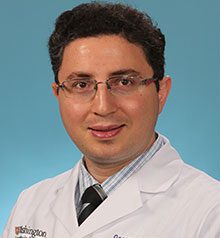
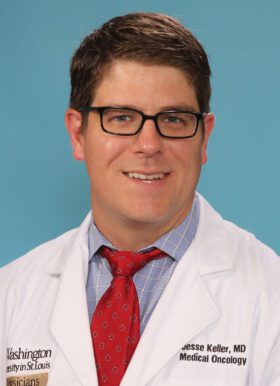
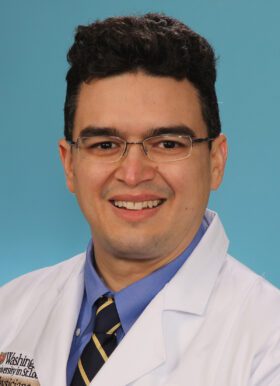
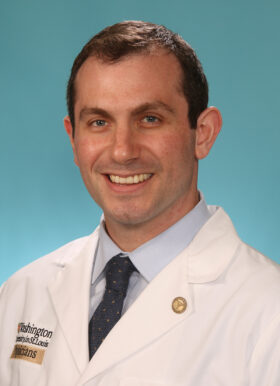
Skin Cancer Specialist Team

Medical Oncologists
Radiation Oncologists
Surgical Oncologists
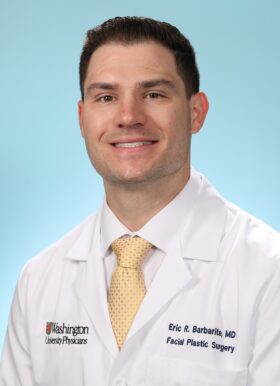
Dermatologic Surgeons
Reconstructive Surgeons
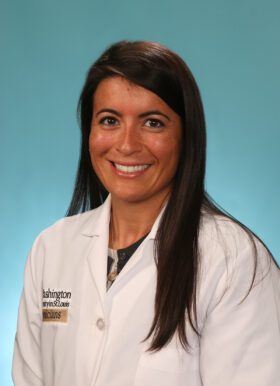
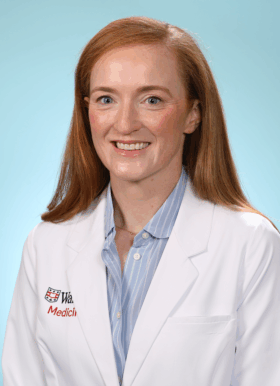
Dermatologists
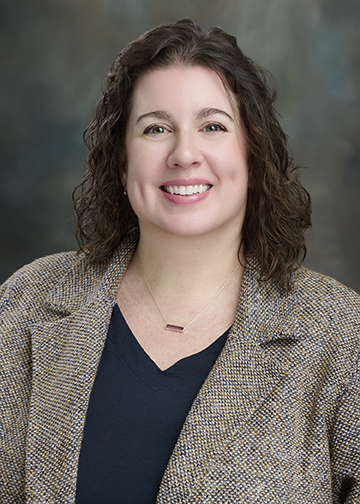
Psychologist

Prepare for a Visit

Skin Cancer | Treatment & Support

When you come to Siteman for the treatment of skin cancer, you will be treated as the unique person you are. You will receive a care plan designed for your specific cancer, but also for you: for your age, your lifestyle, and your goals.


Your treatment will depend on the type of skin cancer you have. Basal cell, squamous cell carcinoma, and less aggressive cancers don’t require as much treatment as more aggressive cancers, like melanoma.


No matter what type of cancer you have and what you’re coping with, Siteman is here for you. In addition to your WashU Medicine physicians, our experienced nurses, therapists, social workers, and other professionals are here to address your needs.


Cancer is a challenging disease. When you come to Siteman, you and your loved ones will have our full support

Treatments for Basal Cell and Squamous Cell Carcinoma

Treatment for basal cell and squamous cell carcinoma usually begins with surgery. Depending on the extent of the cancer, you may also receive radiation therapy, chemotherapy, photodynamic therapy, and immunotherapy.

Types of surgery for basal cell and squamous cell carcinoma

  • Simple tumor removal (simple excision): The surgeon cuts the tumor from the skin along with some of the normal skin around it. 
  • Tumor removal with electric current (electrodesiccation and curettage): The surgeon cuts the tumor from the skin with a curette (a sharp, spoon-shaped tool). Then, the surgeon uses a needle-shaped electrode to treat the area with an electric current. This stops the bleeding and destroys skin cancer cells that remain around the edge of the wound: 
  • Mohs microscopic surgery: This procedure usually treats tumors on the face. It involves cutting the tumor from the skin in thin layers, removing as little normal tissue as possible.  

Radiation Therapy for Basal Cell and Squamous Cell Carcinoma

Radiation therapy can be a good option for large basal cell or squamous cell carcinomas. We also use it for cancers on an area of the body that is difficult to treat.


During radiation therapy, experienced technicians aim high-energy particles at the cancerous spot. This kills the cancer cells.

Other treatments for basal cell and squamous cell skin cancer

You may need more treatment after surgery and radiation therapy. This might include:

  • Topical chemotherapy: To make sure no cancer cells are left behind, doctors may prescribe topical chemotherapy. This is applied to the skin as a cream or a lotion. 
  • Photodynamic therapy: This cancer treatment uses a drug and a certain type of laser light to kill cancer cells. It is a way of killing cancer cells without damaging healthy tissue. 
  • Immunotherapy: Also called biologic therapy, these drugs use your immune system to fight the cancer.  

Treatments for Melanoma

Melanoma can be a very serious disease, depending on where it is located and if it has spread. Patients who come to Siteman can be confident that we will work to cure your cancer or control it like a chronic illness.


Thanks to new drugs and clinical trials, patients with melanoma have more treatment options than ever. WashU Medicine physicians at Siteman are driving these developments for patients with skin cancer.

Surgery for Melanoma

Surgical procedures to treat melanoma include:


  • Removal of the tumor (wide local excision): Surgery to remove the tumor is the primary treatment of all stages of melanoma. A wide local excision is used to remove the melanoma and some of the normal tissue around it. 
  • Lymph node biopsies (lymph node sampling): Melanoma can spread to other areas of the body. Your doctors may biopsy lymph nodes that are large or close to the melanoma. This is called the “sentinel” lymph node.”  
  • Lymph node removal (lymphadenectomy): If there are cancer cells in the lymph nodes, the cancer may have spread. This means your physician will remove more lymph nodes and check tissue samples for signs of cancer.     

Drug Therapy for Melanoma

In many cases, patients with melanoma take medications that kill cancer cells. There are different types of medications for melanoma. Each of these drugs work differently.

  • Chemotherapy: This is a type of medication that kills cancer cells. You can take it as pills or through an IV. If your melanoma is only in one arm or leg, you might have “isolated limb perfusion.” This technique delivers medicine only to the affected arm or leg. This prevents the medicine from spreading to the whole body. Keeping the chemotherapy contained lessens side effects. 
  • Targeted Therapy: These drugs don’t kill cancer cells immediately. Instead, they target part of the cancer cell. Targeted therapy singles out what a cancer cell needs to live and grow. Then they block that part. This starves the cancer cells, killing them over time. As they die, cells can’t grow, spread, or cause more harm.   
  • Immunotherapy: Immunotherapy is a type of treatment that uses your own immune system to attack cancer cells. A new form of immunotherapy called “tumor-infiltrating lymphocyte therapy,” or TIL, has proven effective at treating melanoma. TIL focuses on a patient’s T-cells, which are a type of white blood cell that serve the immune system. TIL teaches these T-cells to kill melanoma cells.
        

WashU Medicine physicians at Siteman helped lead late-stage clinical trials for this promising new treatment. Now it is licensed for patients with advanced melanoma.

Radiation Therapy for Melanoma

Radiation therapy is not a common treatment for melanoma. But some patients see benefits. Your care team will evaluate whether radiation therapy is right for you.

Treatments for Eye Cancer

In rare cases, cancer can develop inside the eye. These are called “intraocular cancers.”


The most common type of eye cancer is called “choroidal melanoma.” It’s a form of melanoma that begins in the layer of the eye beneath the retina (the choroid).


Melanoma can also develop in the lining of the eyeball (the conjunctiva) and on the eyelid. Squamous cell cancers can also develop in the conjunctiva.


If you have a cancer in your eye, your Siteman care team will recommend one or more of the following treatments: 


  • Surgery: During surgery for intraocular melanoma, a surgeon will work to remove the cancer while taking out the smallest amount of tissue possible. In some cases, they will be able to save the eye. In other cases, it is necessary to remove the eye to preserve the patient’s life.  
  • Radiation therapy: Radiation can be an effective treatment for patients with intraocular melanoma. At Siteman, we offer special techniques, such as proton beam therapy, that work well for tumors in highly-sensitive areas. Proton beam therapy is one. It uses a single beam of particles called protons to kill cancer cells. The proton beam does not pass through the body, but stops directly inside the tumor. This limits radiation exposure to healthy tissue. 
  • Photocoagulation: Photocoagulation is a treatment option for patients with small tumors. It uses a laser light to destroy the tumor and its blood supply.  
  • Chemotherapy: Patients with intraocular melanoma or squamous cell carcinoma sometimes receive chemotherapy. The chemotherapy might be put into an eye drop, given through a vein, or injected into the eye.  
  • Active surveillance: Sometimes, cancers in the eye don’t need to be treated right away. Your care team will monitor you regularly to make sure the tumor isn’t growing.

Skin Cancer | Diagnosis   

Before treatment for skin cancer can begin, you need the correct diagnosis. That way, we can care for you with confidence.


Patients come to us for second opinions and new options. Even if you come to us with a diagnosis, we will run our own tests to verify it is correct.


Siteman experts diagnose your cancer type before treating you. There are three main types of skin cancer: basal cell carcinoma, squamous cell carcinoma, and melanoma. They are named for the types of cells they develop in.   

What is basal cell carcinoma?

Basal cell carcinoma is the most common type of skin cancer. It is also the most common type of all cancers in humans. About 8 out of 10 skin cancers are basal cell carcinomas.


They are usually found in skin that is exposed to sunlight. They rarely spread, but should be treated. Without expert care, they can cause problems. 

What is squamous cell carcinoma?

Squamous cell carcinoma is the second most common skin cancer. It appears on sun-exposed areas of the body like the face, ears, neck, top of the head, and back of the hands. Sometimes it develops into scars or chronic skin sores.

What is melanoma?

Melanoma is the least common skin cancer. Melanomas are much more serious and more likely to grow and spread if not diagnosed and treated early. They develop from melanocytes, the pigment-making cells of the skin.


Melanomas can start as moles that have changed or are growing. Melanoma is not always caused by sun exposure. It can appear in the eye, inside of the nose, vagina, and anus.

What are symptoms of skin cancer?

Most of the time, skin cancer will be a mark on your body that you can see. The mark may appear as a new mole or freckle. Sometimes, an existing freckle you have had for a while starts to change. 


Basal cell skin cancer can look like: 


  • A shiny, raised bump that might seem pearl-like or slightly clear. The bump’s color can range from pink to black and depends on your skin tone.  
  • An area that looks like a scar. 
  • A small sore that never heals. 

Squamous cell skin cancer can look like: 


  • A round, raised bump similar to a wart. 
  • A scaly red patch. 
  • A mouth sore.  

Melanoma cell skin cancer can look like: 


  • A mole that is changing in color, size, and shape. 
  • A mole that has an uneven shape with ragged edges.  
  • A mole that is wider than a pencil eraser. 
  • A mole that has more than one color. 

How is skin cancer diagnosed?

You may suspect skin cancer if you have an unusual mole or mark. Or, your primary care physician may find a spot that looks abnormal during a routine exam.


To get a correct diagnosis of skin cancer, you should schedule an exam with a physician who specializes in treating skin conditions. These experts are called dermatologists.


At your exam, the dermatologist will examine the area of concern and check your body for other spots. They will have you change out of your clothes and into a medical gown. They will check your skin all over your body, including the bottoms of your feet.


This is called an “all over skin check.” They will make detailed notes of marks, freckles, and moles and measure them. This will help track changes over time. 

Skin check biopsy

Most ovarian tumors are epithelial tumors. They develop in epithelial cells, which form the outermost layer of the ovIf the dermatologist sees a mole or spot that looks concerning, they may decide to biopsy it. This could happen during the same visit as your skin screening.


For a biopsy, they will numb the skin and take a sample of the tissue. Later, that tissue will be examined under a microscope.


Depending on the size and location of the mole, they may be able to remove it completely. If the mole is large, or in a sensitive area such as the face, you may need another procedure to remove it. 

Additional tests for skin cancer

If your doctor thinks the mole could be an aggressive skin cancer such as melanoma, you will likely need more tests. These could include: 


  • Biopsies of lymph nodes close to the mole to see if they have cancer cells. 
  • Imaging tests, such as a CT-scan or MRI, to look for cancer in other parts of your body. 

Skin Cancer | Care at Siteman Cancer Center

Skin cancer is one of the most common types of cancer. Some are simple and easy to treat. Others are complex and can affect multiple parts of the body. If you are worried about a symptom or patch of skin that doesn’t look right – or maybe you have a skin cancer diagnosis or biopsy from another doctor – you can talk to a WashU Medicine specialist at Siteman Cancer Center to make sure you’re receiving the best possible treatment plan by the best possible skin experts. We can help get a second opinion from a WashU Medicine dermatologist, explore treatment options from the most skilled surgeons and get a care plan that is right for your long-term health.
Why Choose Siteman for Skin Cancer Treatment

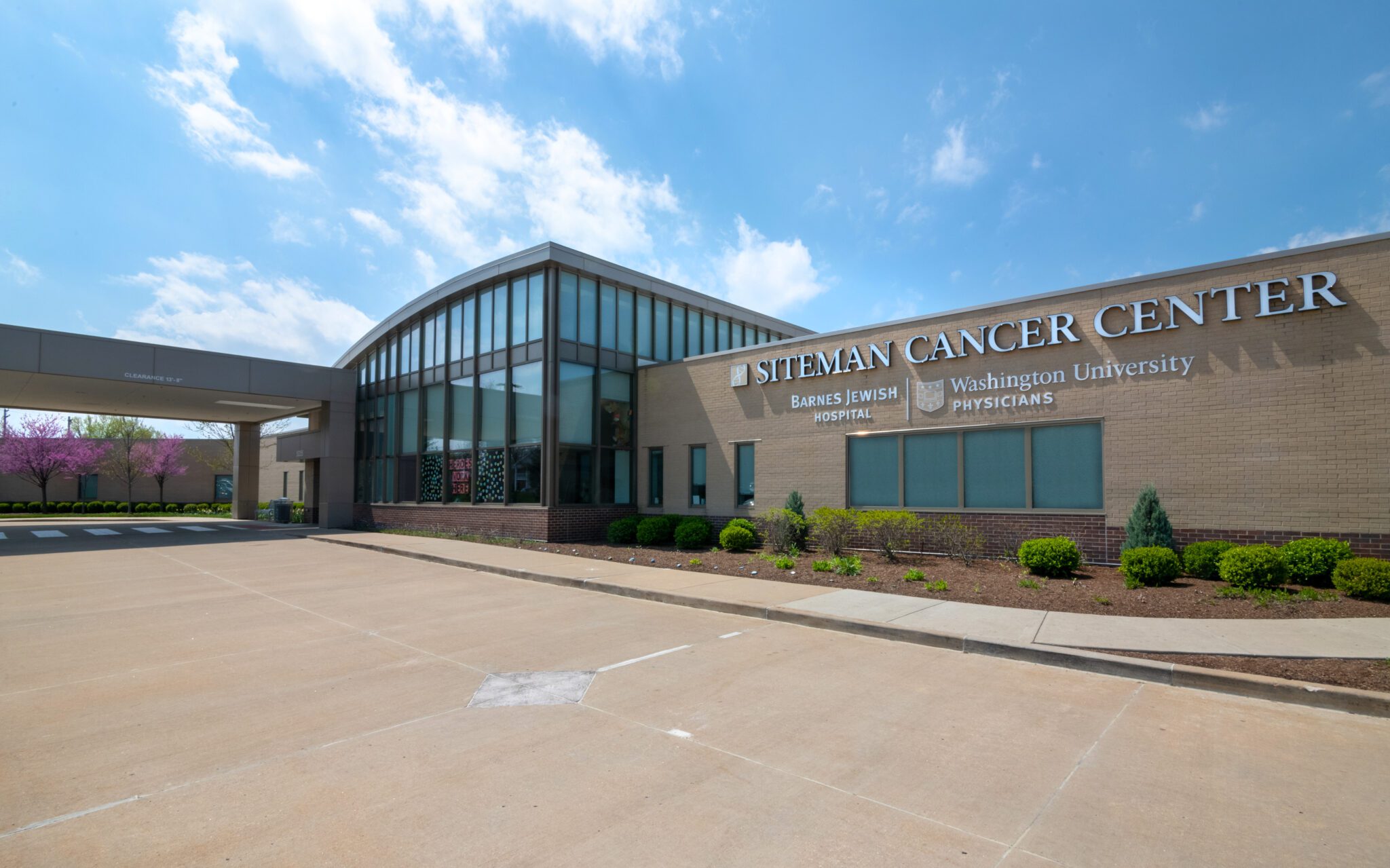
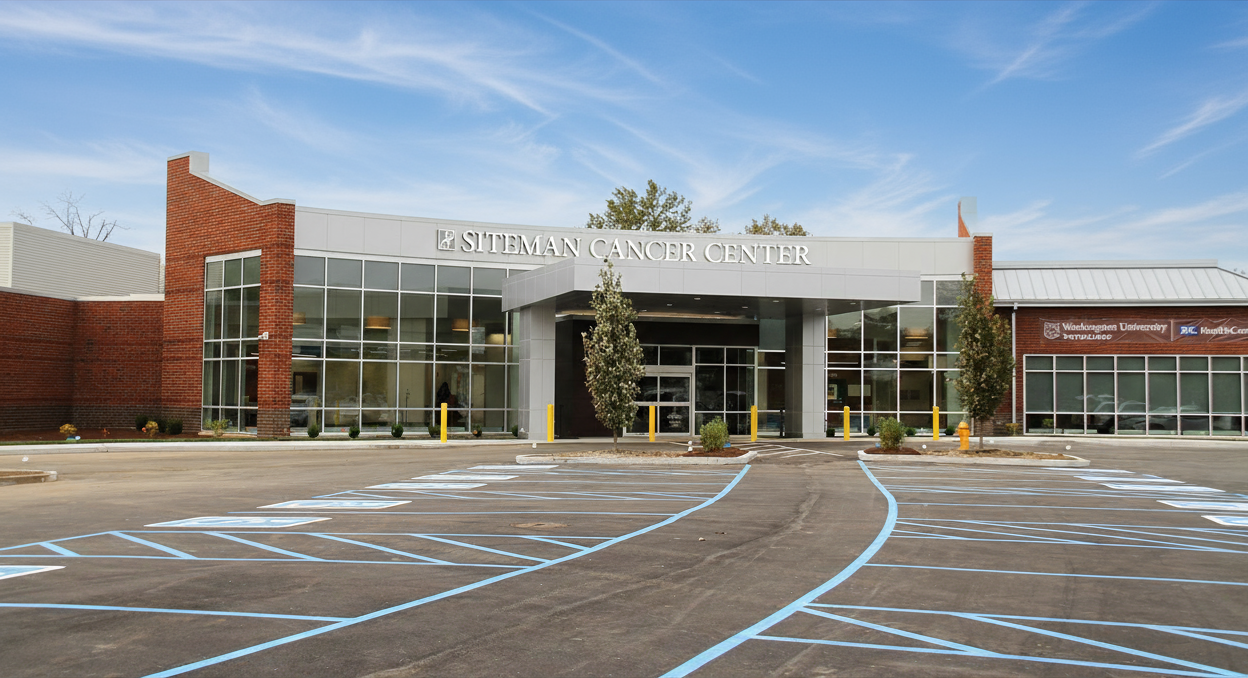
At Siteman Cancer Center at Barnes-Jewish Hospital and WashU Medicine, specialists care for thousands of patients with skin cancer each year – from routine second opinions to common basal and squamous cell carcinomas to advanced and high-risk melanoma.


As the region’s only NCI-designated Comprehensive Cancer Center, we bring together dermatologic surgeons, medical oncologists, surgical oncologists, radiation oncologists and pathologists who focus specifically on skin cancers. Many of our physicians are nationally recognized leaders in melanoma and immunotherapy research. And many community physicians and regional dermatologists refer complex or advanced melanoma cases to Siteman for evaluation.


Our multidisciplinary tumor board reviews complex cases to ensure each treatment plan reflects the most current evidence and the full expertise of our team. Patients also have access to clinical trials evaluating next-generation immunotherapies and targeted treatments – options that may not be available at most centers.


Whether your cancer is newly diagnosed, recurrent or advanced, we tailor care to the biology of your skin and the goals of your treatment.  

About Skin Cancer

The skin is the body’s largest organ and serves as a protective barrier against sunlight, heat, injury and infection. It also helps regulate body temperature and supports overall health.


Skin has two main layers: the outer layer (epidermis) and the deeper layer (dermis). Most skin cancers begin in the epidermis, which contains three primary types of cells — basal cells, squamous cells and melanocytes.


Skin cancer is common, and many cases can be treated effectively when detected early. Basal cell carcinoma is the most frequent type and often grows slowly. Squamous cell carcinoma can behave more aggressively, particularly if it is large, deeply invasive or left untreated.


Melanoma is less common but more serious. It has a higher risk of spreading to lymph nodes or other parts of the body and requires prompt evaluation and specialized care.


Because some skin cancers can progress or spread quickly, early diagnosis and expert treatment are important – especially for high-risk or advanced cases. Even if you’ve had a small case of skin cancer removed, it’s especially important to have regular checks with a dermatologist to prevent it from spreading or recurring.


Find a WashU Medicine dermatologist.

Breakthrough treatment for advanced melanoma

Melanoma is a challenging diagnosis, especially if conventional treatments aren’t working. WashU Medicine physicians at Siteman helped pioneer a new treatment for advanced melanoma called “tumor-infiltrating lymphocyte therapy.”


It uses the body’s own immune system to kill melanoma cells. Thanks to clinical trials here at Siteman, tumor-infiltrating lymphocyte therapy was licensed by the FDA in 2024.

Proton beam therapy for ocular melanoma

One type of melanoma, called ocular melanoma, can grow in the eyes. Proton beam therapy, a highly precise form of radiation therapy, can treat patients with this kind of skin cancer.


The proton beam is so thin, it can attack the melanoma while leaving the structures of the eye intact. This can help preserve vision.


Siteman Cancer Center was the first center in Missouri to offer proton beam therapy. Our WashU Medicine physicians are highly skilled at this form of treatment.

Clinical Trials

Patients who come to Siteman are often able to join one of our many clinical trials. Clinical trials are research studies examining new drugs and treatment approaches before they are widely available.


Many patients come to Siteman specifically for our clinical trials. We offer more clinical trials than any other facility in our region. Clinical trials can be part of a patient’s treatment plan when they first come to Siteman or can be added later.

Start Here. Get the Care You Need.

Our Siteman care coordinators – oncology-trained nurses who help with scheduling, finding the right specialist, and guidance – can help you through the process.

Call us directly or submit a form, and we will call you back.