Breast Cancer | Care at Siteman Cancer Center

Breast Cancer Care at Siteman Cancer Center

If you have been diagnosed with breast cancer or are worried about either symptoms or your own genetic risk for developing breast cancer, Siteman Cancer Center at Barnes-Jewish Hospital and WashU Medicine is ranked among the best in the country for breast care and outcomes.


We see more than 1,000 new breast cancer patients each year, putting us in the top five of the largest centers in the country for the number of patients seen.


That experience matters because we know exactly what to look for and precisely how to treat it.  

Even if you are at the beginning of your journey — if you need an initial screening, are concerned about symptoms, or have a family history of breast cancer and want to know your own risk — we are with you from the very first step through any treatment and lifelong support.


We specialize in multidisciplinary care that is personalized to your specific type of cancer, no matter what stage. Importantly, WashU Medicine physicians at Siteman understand that no two breast cancer cases are alike — and we treat each differently based on your unique needs.


At Siteman Cancer Center, we are focused on you, with extensive expertise to evaluate and offer you the best options. Our care coordinators — specially trained nurses who help with scheduling and navigation — will help guide you from your very first call.


Whether you need a screening or diagnostic mammogram, have just been diagnosed with breast cancer, or have a family member diagnosed with breast cancer, we are here to help.

Start Here. Get the Care You Need.

Our Siteman care coordinators – oncology-trained nurses who help with scheduling, finding the right specialist, and guidance – can help you through the process.

Call us directly or submit a form, and we will call you back.

Why Choose Siteman for Breast Cancer Care?

WashU Medicine physicians and scientists at Siteman Cancer Center are pioneers in many aspects of breast cancer diagnosis, care, and research. Here, you have access to a nationally recognized, experienced, and compassionate team that only focuses on breast cancer — including surgeons, medical oncologists, radiation oncologists, pathologists, and geneticists who work together to determine your risk, identify the best treatment plan, and care for you throughout your journey.


When it comes to treatment options, Siteman has the widest range and most advanced available, including surgery, cryoablation, chemotherapy, hormone therapy, targeted radiation therapies, and state-of-the-art immunotherapies and cancer vaccines. We also offer multiple clinical trials that evaluate new therapies for breast cancer treatment.


If you desire breast reconstruction surgery, we have the expertise to perform reconstruction and insertion of implants at the same time as your surgery to treat cancer. We also offer advanced procedures, including partial breast reconstruction after lumpectomy.

Experts in Breast Cancer

Many of the WashU Medicine physicians and scientists at Siteman were the first to develop and advance novel procedures for breast cancer. Among them:


  • Set the new standard and created a 50+-gene genomic test known as the Prosigna assay that enables oncologists to classify breast cancer into genetic subtypes and helps to determine whether you need chemotherapy after surgery or if you require more aggressive, targeted treatments. The test, pioneered here at WashU Medicine, is now widely accepted as the clinical standard for personalizing breast cancer care. 
  • First in the world to sequence the entire genetic code of a cancer patient, which laid the groundwork for more personalized treatments for all cancers that enable doctors to target specific gene mutations in your tumor(s).  
  • First in the world to develop and use MRI-guided radiation therapy, which allows doctors to see a tumor in real time while it is being treated and adjust radiation areas as your organs shift and you breathe. 
  • Invented Medical Vision Goggles also known as the Fluorescence Imaging Augmented Reality Raspberry Pi-based system (FAR-Pi), that helps surgeons see in real time cancer cells that have been dyed with an imaging agent. The high-tech goggles help surgeons minimize the removal of healthy tissue around a tumor. 
  • Lead the world in pioneering personalized cancer vaccines that are customized to everyone’s genetic signature. That’s good news because each cancer can be unique to each person. 
  • Discovered a way to use light-activated nanoparticles to deliver chemotherapy directly into cancer cells deep inside the body. 
  • Nationally recognized center for the use of cryoablation, which is a non-surgical treatment option that freezes tumors and destroys cancer cells. 
  • The only center in the region offering hyperthermia, which heats tumor cells to make them more sensitive to radiation and chemotherapy. 

At Siteman Cancer Center, we are constantly advancing research to improve treatment options and overall quality of life for breast cancer. When you want the best, we are here for you. 

Breast Cancer | Risk & Prevention

About Breast Cancer

Breast cancer is the most common cancer among females in the United States. Each year, more than 300,000 cases of breast cancer are diagnosed, and over a lifetime that is an average of 1 in 8 females. An estimated 1% of males also will develop breast cancer.


The good news is that both regular exams and screenings for breast cancer increase the chances of catching it early and treating it effectively. 

Breast Cancer Risk Factors

The most common risk factors for breast cancer are:


Being female 

99% of breast cancer patients are women. However, it is still possible for males to develop breast cancer. For females, risk factors include:


  • First menstrual period before age 12 
  • Menopause starting after age 55 
  • Having dense breast tissue 
  • First childbirth after 35 
  • Never having children 
  • Having a non-cancerous breast disease 

Age 

Risk rises as you age. However, it is important to know that breast cancer can develop at younger ages.


Family History 

Most women who develop breast cancer do not have a family history of the disease. But you have a higher risk if you have one or more close family members (mother, sister, daughter, father, brother) with breast cancer.  

You also carry an increased risk if you have family members with other types of cancers, such as ovarian cancer, pancreatic cancer, or metastatic prostate cancer.


Hereditary/Genetic Risk 

Up to 10% of breast cancers are caused by gene mutations inherited from a parent.


BRCA1/BRCA2: Mutations in these genes are the most common cause of hereditary breast cancer. They increase your risk for developing breast cancer at an earlier age.  You also are at risk for developing ovarian cancer. Gene mutations can be passed to you from your mother or your father.


HER2-Positive: These mutations are found in about 15-20% of all breast cancers and can signal that you have a more  aggressive cancer. HER2 cancers are highly treatable with precision therapies. 

Other gene mutations are linked to increased risk but are not as common as BRCA1/BRCA2 mutations. If you have a family history of breast cancer, you should think about genetic testing. These tests will look for gene mutations to gauge your risk.


At Siteman Cancer Center, we offer comprehensive genetic counseling and screenings and have the expertise to evaluate the results. We offer screenings in multiple locations.


Lifestyle Risk Factors 

Some things in your overall lifestyle can increase your risk for cancer, such as a poor diet, lack of regular exercise, and obesity.


We can help evaluate your own risk factors. The WashU Medicine physicians and researchers at Siteman Cancer Center have developed a specific risk assessment tool for many diseases and cancers called Your Disease Risk. Use it to learn more about your breast cancer risk and get personalized tips for lowering it.


You can also use the National Cancer Institute’s Breast Cancer Risk Assessment online tool.


These digital tools should be used only as general guidelines and should be discussed with your doctor.  

Early Signs That May Signal Breast Cancer

The first step of lifelong breast health is being self-aware about your own breasts. If you know how your breasts feel and look throughout your life, you can more quickly notice any changes that should be discussed with your doctor, no matter your age.


Things to keep a look out for:


  • Lump or “knots” in your breast or armpit 
  • Changes in the size or shape of your breast 
  • Dimpling or puckering on your breast 
  • Unusual changes in your nipple(s), such as a discharge or if the nipple has turned inward 
  • Unexplained and persistent breast pain or redness  
8IGHT WAYS® to Stay Healthy and Prevent Cancer

The power of healthy living is hard to overestimate. A large percentage of cancers and many other chronic diseases can be prevented by things like eating a healthy diet, getting regular exercise, keeping weight in check, and getting important screening tests.


The best part? These are things under your control. Take some simple steps to improve your health, and help your family do the same.


Explore Our 8IGHT WAYS® Resources

Watch Video

Breast Cancer | Team & Location

Breast Cancer Specialist Team

Medical Oncologists
Radiation Oncologists
Surgical Oncologists
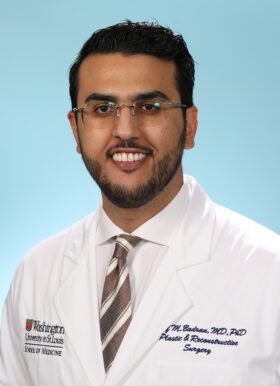
Plastic & Reconstructive Surgeons
Surgeons
Breast
Radiologists
Medical Physicists
Psychologist

Our Locations

Breast Cancer | Diagnosis

Breast Cancer Screening & Diagnosis

At Siteman Cancer Center, we have a long history of offering the best imaging services to screen for and diagnose breast cancer. Our doctors also invented and now regularly use a powerful AI-tool that reviews your mammograms over time to help predict your risk of developing breast cancer.


Our Joanne Knight Breast Health Center was one of the first facilities in the country to be designated by the American College of Radiology as a Breast Imaging Center of Excellence. In one coordinated, multidisciplinary program, we have a full array of services that includes screenings, diagnostic imaging, biopsies, and rapid access to oncologists, radiologists, and breast surgeons at Siteman Cancer Center.


We are a fully 3D digital breast health center. 3D mammography has been shown in studies to reduce call back rates by as much as 40%. Digital imaging also means that we can rapidly check that all the images we take are clear and capture the breast from multiple angles.

The Siteman Mammogram: Precise and Personalized

Where you receive your mammogram matters. Siteman brings excellence to every screening and diagnostic mammogram. The expertise and technology behind every Siteman mammogram set a standard other centers cannot match.


Siteman imaging specialists capture every image using all-digital 3D tomosynthesis, a technology that delivers exceptional clarity and precision, every time.


Every image is interpreted by WashU Medicine radiologists, specialists with hundreds of combined years of subspecialty training in breast cancer who are skilled at identifying signs of disease at its earliest, most treatable stage.


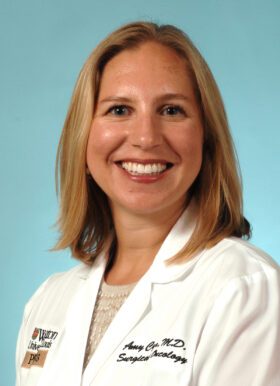
Siteman has the technological expertise and capability to personalize your mammogram. Your imaging is guided by your specific needs and risk factors, including dense breast tissue, implants, or piercings. For those with elevated risk, we use contrast-enhanced mammography and go beyond the annual mammogram, offering additional imaging, genetic counseling, and consultation with Amy Cyr, MD, who leads our high-risk breast clinic.

Imaging Services

  • All 3D digital mammography (tomosynthesis) 
  • Diagnostic mammograms 
  • Breast ultrasound 
  • Breast Magnetic Resonance Imaging (MRI) 
  • Contrast-Enhanced Mammography 

Biopsies and Diagnostic Procedures

  • Image-guided core needle biopsy 
  • Fine needle aspiration 
  • Cyst aspiration 
  • Ductography 

The Team of Breast Screening Specialists at Siteman

All members of our team are experts in breast screenings and care. Many are national and internationally recognized leaders in the field, pioneering new technologies and shaping guidelines for breast imaging. All our radiology technologists at Siteman also have advanced specialty certification in breast mammography and have undergone rigorous training in breast anatomy and physiology, positioning and compression, and imaging patients with breast implants.


With our expertise, you can be assured that you will get clear, accurate screenings with us.


Pioneers in Breast Cancer Risk Prediction

WashU Medicine researchers Graham A. Colditz, MD, DrPH, and Shu (Joy) Jiang, PhD, developed a powerful AI-software toolPrognosia Breastthat received Breakthrough Device designation by the Food & Drug Administration in 2025. The highly accurate software analyzes your mammograms to predict your five-year risk of developing breast cancer.  


Debbie L. Bennett, MDthe Ronald and Hanna Evens Endowed Professor of Women’s Health at Barnes-Jewish Hospital and chief of breast imaging for WashU Medicine Mallinckrodt, serves on the National Comprehensive Cancer Network Breast Cancer Screening and Diagnosis Panel, and is a leader in helping shape guidelines for breast cancer screenings within the American College of Radiology.  


Breast Screening Mammogram

Mammograms, which are low-dose X-rays of your breasts, are recommended as a preventive measure against breast cancer. Mammograms can oftentimes find cancer at its earliest stages, when it is most treatable, even when you do not notice any symptoms.
When to Start Screening Mammograms

At age 25, talk with your doctor about a breast cancer risk assessment. There are several online you can take yourself, but you will need an expert to guide you. Your doctor will review your medical and family history and suggest when you should start annual screenings.

If you are at average risk:


  • Between ages 25-40: Clinical breast exams should be done every one to three years. 
  • Age 40: Start annual screening mammograms and continue clinical breast exams.
  • Age 55+: You may be able to transition scheduling a mammogram to every two years if you have been healthy and your doctor recommends it.

Know your own breasts. Regardless of your age or when you had your last mammogram, talk with your doctor if you notice any unusual symptoms or if a family member has developed breast cancer.

Guidelines for High-Risk Individuals

Annual screenings should begin earlier if, based on your own medical and family history, you are considered at high risk.


You are at high risk if there is:


  • A family history (mother, sister, daughter) of breast cancer, ovarian cancer, or male breast cancer 
  • Several relatives on the same side of the family who have had breast cancer 
  • A gene mutation that increases your risk for developing cancer 
  • A personal history of radiation treatments to the chest before age 30 
  • Dense breast tissue that increases cancer risk and may make it difficult to see small tumors 

If you have a family history of breast cancer, our physicians recommend that you begin yearly mammograms and clinical breast exams 10 years before the age your youngest relative developed breast cancer.


The High- Risk Breast Cancer Clinic at Siteman cares for patients who may have elevated risks for breast cancer. The clinic coordinates genetic testing and counseling when a patient has a family history of cancer or an inherited breast cancer gene. Amy Cyr, MD, leads the clinic and closely follows patients over time with additional screenings and interventions, like risk-reducing therapies.


Talk with your doctor about receiving genetic counseling if you have a strong family history or a known inherited breast cancer gene.

Schedule Your Mammogram Today

You can refer yourself directly to our breast health specialists at Siteman Cancer Center for your Siteman mammogram.


Siteman accepts patients who want second opinions, also. Even if your screening or diagnostic mammograms were done elsewhere, call us, and we can transfer your images free of charge direct to our institution to review and discuss next steps.


Our oncology-trained care coordinators — nurses who help with scheduling and navigation — can help you through the process of setting up your Siteman mammogram.


Talk with them directly at 800-600-3606.

Mammograms if You Have Breast Implants or Nipple Piercings

Mammograms are safe and effective even if you have breast implants or nipple piercings. With implants, we can gently image breast tissue with minimal movement. Studies have shown that it takes 50 times the pressure of a mammogram to cause a rupture.


With piercings, you likely will be asked to remove nipple rings to prevent shadows on your X-rays, which can require additional scans. If you cannot remove your piercing, talk to us prior to coming in for a mammogram. There are certain techniques we can use, including the use of a non-metal covering, to enable you to get your mammogram.


Always inform our team if you have piercings or implants prior to and on the day of your screening.    

Breast Cancer Screenings for Men

Males also have breast tissue. While it is uncommon, the American Cancer Society and the National Cancer Institute estimate that 2,800 males develop breast cancer each year in the United States.


Males should know the early symptoms for breast cancer and, if you are at high risk, you should talk with your doctor about regular breast screenings, especially if you have a strong family history of breast and other cancers. You can call to set up a screening at Siteman to establish care with our experts.

Taking a Closer Look: Diagnostic Tests for Breast Cancer 

If your screening mammogram detects something unusual, or if you already have noticed early symptoms, such as a lump in the breast, or itchiness or redness that won’t go away, we recommend more comprehensive testing.


  • Diagnostic Mammogram: This is usually scheduled if your initial mammogram indicates something abnormal or if you have already noticed early symptoms. Diagnostic mammograms take images from multiple angles (more than in a screening mammogram) and usually focus on a specific area of concern. Diagnostic mammograms can help doctors determine if a lump is non-cancerous or is something that should be examined further.
  • Contrast-Enhanced Mammography (CEM): If you are at high risk or have dense breasts, CEM may be recommended. Most times, dye will be injected into your arm to help highlight any cancerous tissue before you have your diagnostic mammogram. CEM also is used to check the progress and effect of chemotherapy prior to surgery.
  • Breast MRI: More sensitive than mammography, breast MRIs are often recommended for high-risk individuals or those with dense breast tissue.
  • Breast Ultrasound: Uses sound waves to create images and helps doctors determine whether a mass that was identified in a screening or diagnostic mammogram is solid or a fluid-filled cyst. Breast ultrasound also can be used as a first or extra screening option for those who are pregnant or who have very dense breasts. 

Breast Tissue Biopsy 

If an imaging test finds something suspicious, or if doctors are concerned about a lump that does not go away, you may be asked to undergo a breast biopsy. A biopsy means that doctors will take a small sample of your breast tissue or remove some fluid to examine under a microscope.


A biopsy does not always mean you have cancer. In fact, biopsies can also confirm a lump is benign, or non-cancerous.


Types of Biopsies 

  • Image-guided core needle biopsy: This is one of the most common procedures for imaging follow-up. A doctor will use a small, hollow needle to remove tiny pieces of tissue from a suspicious area. During the procedure, imaging is used in real-time to help guide the needle to the exact spot to be tested.
  • Fine needle aspiration: As its name suggests, a very thin needle is used to withdraw cells or fluid. It is similar to how a nurse draws a blood sample from your arm. It is less invasive than a core needle biopsy but also collects fewer cells.
  • Cyst aspiration: A small needle is used to retrieve fluid from inside a cyst (fluid-filled sac). This procedure can be done to simply remove the fluid from a benign cyst that may be causing pain or discomfort as well as to check for cancer.
  • Ductography: If you have unusual nipple discharge, doctors will place a small tube into a duct at the nipple. Contrast dye is then added, and imaging will be done to check for blockages inside the milk ducts or to look for abnormal growths.

Breast Biopsy Clip 

At the time of your biopsy, radiologists may place a small metal clip, called a tissue marker, where the biopsy was done. This clip is so that future imaging tests will be able to accurately note the exact area that was biopsied. The clip is not noticeable, and you can’t feel it. You also can still get MRIs and go through metal detectors without a problem. 

Screenings find areas that need more evaluation. Diagnostic imaging takes a closer look. Biopsies confirm if you have cancer.   

Talk with a Care Coordinator

Nurses at Siteman answer every call and every form. Speak with them directly 8:00 am to 4:30 pm CT Monday- Friday for guidance on appointments, second opinions, and referrals.

Breast Cancer | Treatment & Support

Treatments for Breast Cancer 

At Siteman Cancer Center and WashU Medicine, we have one of the largest programs in the country for breast cancer treatment and care. With an extensive team of experienced breast specialists, you can be confident that you will receive the most comprehensive evaluation of your specific cancer and recommendations on how best to treat it. From small, early breast tumors to more advanced cancer, we have a multidisciplinary approach that includes reviews by medical oncologists, radiologists, surgeons, and immunotherapy specialists. 

Staging Your Cancer 

Once you have been diagnosed with breast cancer, the next step is for doctors to determine if it is contained in a small area or if it has spread. This is called staging.  


Breast cancers can be Stage 0, Stage 1, Stage 2, Stage 3, or Stage 4. The lower the stage number, the less the cancer has spread. The staging number is based on a comprehensive evaluation of imaging scans, laboratory tests, and biopsies. It also takes into account genetic testing that determines if you have a gene mutation that increases your risk for specific types of breast cancer. 


Advanced imaging will measure your precise tumor size (T) and check to see if any cancer has spread to nearby lymph nodes (N).  CT, PET, or MRI imaging scans also will determine if your cancer has spread, or metastasized, to other places in your body (M). This TNM designation helps to determine staging for cancer.  

Lab tests will check for biomarkers and identify if your breast cancer cells contain receptors for hormones such as estrogen and/or progesterone. Pathologists will take a close look at the breast tissue samples taken during your biopsy. You also may undergo a sentinel lymph node biopsy (SLNB) to obtain a tissue sample from a nearby lymph node to check for cancer spread. 

When everything is reviewed, doctors will use imaging, lab and genetic tests, pathology reports, and TNM status to stage your cancer and guide recommended treatment options.  

Treatment Options 

At Siteman Cancer Center and WashU Medicine, we have a broad range of treatment options for breast cancer. We also offer multiple clinical trials evaluating new treatments for breast cancer, including many that have been initiated or pioneered by WashU Medicine physicians and researchers at Siteman. 

Surgery

Your Siteman Cancer Center breast specialists will work together and help you choose what’s right for you based on your specific diagnosis and preferences.  

Our surgeons have played a key role in advancing innovative approaches to breast cancer surgery. In addition to developing novel surgical techniques to improve outcomes, we have published extensive research on nipple-sparing mastectomies. We also specialize in immediate, direct-to-implant reconstruction along with these sparing techniques to enhance the look of your breast after surgery. 

If surgery is recommended, you have several options: 

  • Lumpectomy 
    • Breast-conserving surgery that removes only the tumor and a small amount of surrounding tissue. This surgical procedure is often followed by radiation therapy. 
  • Multiple Lumpectomy/Breast Conservation  
    • If you have 2-3 small tumors, we offer a specialized procedure that can remove each tumor separately, sometimes preventing the need for a full mastectomy. 
  • Skin- and Nipple-Sparing Mastectomy 
    • Removal of breast tissue, but this procedure keeps most of your skin and sometimes your own nipple intact. 
  • Mastectomy 
    • Removal of one of both of your breasts. Lymph nodes under your arm may also be removed in some cases. 

Experts in Breast Surgery

WashU Medicine breast surgeons at Siteman Cancer Center like Julie Margenthaler, MD, FACS have long-standing expertise in skin- and nipple-sparing mastectomies, having performed 1000+ procedures. This makes us one of the largest volume centers in the United States for these procedures. 

Breast cancer surgeon and physician-scientist Rebecca Aft, MD, the Jeffrey Moley Professor of Endocrine and Oncologic Surgery, is a recognized leader in translational research to better understand why breast cancer spreads or returns after treatment. She investigates newer treatments, including next-generation hormone therapies, to improve outcomes for patients with ER-positive breast cancer. 

High-tech infrared Medical Vision Goggles

High-tech infrared Medical Vision Goggles, invented by WashU Medicine researchers, help surgeons see cancer cells in real time during surgery. 


Advanced Reconstructive Surgery 

We have the most comprehensive range of reconstructive surgeries to consider if you have breast cancer. Our team includes plastic and reconstructive surgeons who work closely with cancer surgeons to produce exceptional cosmetic results. 

  • Direct-to-implant reconstruction: This allows patients to receive permanent implants at the same time as their mastectomy, avoiding the common intermediate step of using tissue expanders and undergoing a second surgery later. 
  • Pre-pectoral implant reconstruction: We are leaders in this newer procedure that places the implant above the pectoral muscle, which can lead to a more natural appearance, less pain, and faster recovery than under-the-muscle placement later. 
  • Partial Breast Reconstruction (oncoplastic surgery): During this procedure, surgeons not only can remove large tumors, but they also reshape the breast to minimize dimpling or distortion. The procedure can be done immediately after a lumpectomy or after several months. In some cases, “fat grafting,” or volume replacement filler, is used to cosmetically improve the look and feel of your breast. 
  • Advanced Flap Procedures: If you prefer not to use synthetic implants, our specialists can rebuild your breast using your body’s own natural tissue. These advanced, microsurgical, muscle-sparing surgeries transfer healthy skin and fat from another part of your body — such as the abdomen, thighs or back — to rebuild your breast.  
  • Non-Surgical Reconstruction option: 3D-printed breast prostheses: If you choose not to have reconstructive surgery, we have the expertise with 3D printing and specialized photography to create highly customized, natural-fitting external prostheses that matchy our own breasts prior to treatment. Our 3D imaging simulator can also show you how your post-surgery breast will look before actual reconstruction surgery.

Radiation Therapy  

Radiation therapy for breast cancer has evolved rapidly in recent years, with shorter treatment plans, more precise radiation techniques, and personalized treatment plans. 

Siteman Cancer Center offers a wide range of radiation therapies for breast cancer, specializing in procedures that minimize damage to healthy tissue. Because we have precise technology for pinpointing the location of your tumors, radiation treatment plans are safer and more effective. 

MRI-Guided External Beam Radiation Therapy (EBRT): This is the most common form of radiation used after breast cancer surgery. It is used to destroy any microscopic cancer cells that may remain after surgery. It is considered standard practice after a lumpectomy. 

Brachytherapy: Siteman Cancer Center is a Center of Excellence for brachytherapy, which is ideal for treating small tumors in the breast. It involves placing small radiation “seeds” in the breast for about 5 days.  

Accelerated Partial Breast Irradiation (APBI):  This is a shorter course of treatment (one week or less) that is focused only on the area where a tumor was removed, rather than the entire breast.   

Hypofractionated Breast Radiation: This treatment plan uses fewer treatment sessions with slightly higher doses of radiation. It has been shown to be effective and safe, and some patients can receive just a handful of treatments versus multiple treatments over several weeks. 

Intensity-Modulated Radiation Therapy: These are advanced radiation procedures that can carefully shape the beams of radiation to minimize damage to healthy tissue and organs. 

Adaptive Radiation Therapy (ART): This makes radiation treatments more precise during the course of treatment. Based on daily CT scans, our radiologists adjust the treatment plan to account for changes in the tumor size. 

Whole Breast Radiation: If you need whole breast radiation, we have several methods to protect you during treatments, including the use of intensity-modulated radiation therapy (IMRT), which can carefully sculpt beams of radiation to protect the heart and minimize exposure to non-target areas. 

Radiation Procedures for Advanced Breast Cancer: We offer specialized procedures that deliver radiation directly into the lymph nodes under the arm, near the collarbone, or behind the breastbone. We also have radiation procedures that can shrink painful tumors in advanced (Stage 4) cases as part of a palliative care treatment plan. 

Cryoablation 

Cryoablation is a minimally invasive treatment that destroys cancer cells by exposing them to extremely cold temperatures. The procedure was approved by the FDA in 2025 for select patients with low-risk breast cancer. The American Society of Breast Surgeons also updated guidelines for breast cancer treatment in 2026 to include cryoablation as an option for certain patients. 


We are National Leaders in Cryoablation for Breast Cancer 

At Siteman Cancer Center and WashU Medicine, our physicians are pioneers in the use of cryoablation. We developed and started national clinical trials studying cryoablation as a potential alternative to surgery. We serve as the nation’s lead institution for the COOL-IT clinical trials now under way at several centers across the country. It is because of early promising results from these studies that the FDA approved cryoablation for select individuals with breast cancer. 


Who Can Get Cryoablation for Breast Cancer? 

Cryoablation could be an option if you have 

  • Small, early-stage, low-risk breast tumors 
  • Hormone receptor-positive, HER2-negative tumors 
  • Are age 70 or older 

It also may be an option if you have a medical condition that makes surgery more difficult or risky. 

Benefits of Cryoablation 

  • Minimally invasive 
  • Outpatient procedure 
  • Less pain and scarring  
  • Fast recovery 

How It Works 

Cryoablation is a team-based procedure that involves interventional radiologists and breast surgeons.  

Radiologists use ultrasound to guide a thin, hollow needle direct into the tumor. Gas then moves through the probe to create a frigid cold temperature at the tip of the needle that then freezes and destroys cancer cells.  

Clinical Trials

A national clinical trial led by WashU Medicine physicians is under way to compare cryoablation to lumpectomy, a standard surgical treatment option for small, early-stage, localized breast cancer. Studies began in 2024. 


  • The COOL-IT Trial: The first study to directly compare outcomes between cryoablation and the “gold standard” of lumpectomy surgery for early-stage tumors. 
    • Status: Actively enrolling patients 
  • COOL-IT-PRO Registry: A multicenter registry to help assess long-term safety and follow-up for patients who receive cryoablation. 
    • Status: Actively adding patients 

Expert on Breast Surgery

Julie Margenthaler, MD, FACS, the Director of Breast Surgical Services at Siteman Cancer Center and Endowed Chair for Surgical Excellence in Breast Cancer, and Heather Garrett, MDassociate professor of radiology and a breast imaging specialist, are leading the national COOL-IT trial. 

If you are interested in enrolling or learning more about the COOL-IT trials, contact the trial’s research nurse coordinator, Katie Evola, at [email protected], or call our breast health center nurses at 314-454-7430. 

Julie Margenthaler, MD, FACS Breast Surgen

Hormone Therapy

Hormone therapy is a treatment for certain types of breast cancer that grow in response to hormones like estrogen. It may be recommended for you before or after surgery and/or long-term treatment. It is also often combined with other treatments, such as targeted drug therapy or immunotherapy. 


Who Can Take Hormone Therapy? 

You may be given this treatment if you are diagnosed with hormone receptor-positive (HR+) breast cancer. It can be used if you have early or a more advanced stage cancer. 


Benefits of Hormone Therapy 

  • Before surgery: Can shrink tumors to make surgery easier 
  • After surgery: Reduces the risk of breast cancer recurrence  
  • Long Term: Helps control cancer if it has spread 
  • Easy to take — usually a pill 
  • Can be taken if you are premenopausal or postmenopausal  

How it Works 

Hormone therapy is designed to lower the amount of hormones in your body or by blocking the cancer cells from using those hormones. 

Chemotherapy

Chemotherapy uses strong drugs to destroy cancer cells. It may be given to you in pill form or intravenously (IV) into a vein in periodic cycles over 3-6 months. 

Chemotherapy is used to shrink tumors prior to surgery (neoadjuvant therapy) or used after surgery (adjuvant therapy) to destroy any remaining cancer cells and reduce the risk of recurrence.  


Hair Loss Prevention During Chemotherapy 

One of the concerns that you may have while undergoing chemotherapy is potential hair loss. Because the drugs are powerful, you may experience hair loss during your chemotherapy treatment. An innovative technique called scalp cooling can help.  

We were the first in St. Louis to offer automated scalp cooling technology. 

Call our Care Coordination Center to learn more about scalp cooling at Siteman Cancer Center.

Immunotherapy and Targeted Therapies for Breast Cancer 

Immunotherapy uses your body’s own immune system to help find and destroy cancer cells. Some treatments help immune cells recognize cancer better, while others deliver medicine directly to cancer cells. 

At Siteman Cancer Center, our doctors and researchers are recognized leaders in breast cancer research and are studying new immunotherapies and cancer vaccines. Some immunotherapy treatments have become part of standard care practices for certain aggressive breast cancers, especially triple-negative breast cancer (TNBC). Other immunotherapies are available only through clinical trials. 

Personalized Cancer Vaccines 

One of the most promising areas of research is personalized cancer vaccines, sometimes called neoantigen vaccines. Every breast cancer tumor has its own unique genetic fingerprint. Doctors can analyze the DNA of your tumor to identify special proteins, called neoantigens, that appear on your cancer cells. We can then create a vaccine that will help your immune system better recognize and attack your cancer. Such cancer vaccines are not yet FDA-approved but are available in clinical trials for eligible patients at Siteman Cancer Center. 

We have leaders in the field of personalized cancer vaccines. In an early clinical trial for people with triple-negative breast cancer initiated here at WashU Medicine and Siteman: 

  • Most patients who received a personalized vaccine remained cancer-free several years after treatment. 
  • Researchers here and elsewhere are now studying whether combining cancer vaccines with other immunotherapies can further lower the risk of cancer returning. 

Immune Checkpoint Inhibitors 

Cancer cells can sometimes “hide” from the immune system. Checkpoint inhibitors are medicines that help unmask the cancer cells so that your immune cells can “see” and then attack the cancer. 

Checkpoint inhibitors may be used for: 

  • High-risk, early-stage triple-negative breast cancer 
  • Metastatic breast cancer (cancer that has spread) 
  • Combination treatment with chemotherapy or other immunotherapies 

Antibody-Drug Conjugates (ADCs) 

Antibody-drug conjugates, or ADCs, are a newer type of targeted cancer treatment. 

These medicines combine: 

  • An antibody that recognizes your particular breast cancer cells 
  • A chemotherapy drug attached to the antibody 

The antibody acts like a guide, bringing the chemotherapy directly to cancer cells. This helps target cancer more precisely and may reduce damage to nearby healthy tissue. 

Aggressive Breast Cancers 

Aggressive breast cancers are treated by a multidisciplinary team that oversees a collaborative approach to chemotherapy, radiation, and surgery treatment. We have expertise in treating aggressive breast cancers with a multi-pronged approach that may include chemotherapy, radiation, surgery, targeted therapies, and immunotherapy. We also have several clinical trials under way. Among the aggressive cancers we see: 

  • Triple-Negative Breast Cancer (TNBC): This type of cancer does not respond to hormone therapy or HER2-targeted therapy, so immunotherapy has become an important treatment option. 
  • Inflammatory Breast Cancer (IBC): This is a rare and aggressive form of breast cancer that requires well-coordinated, intensive therapy. IBC is a specialized area at Siteman for both clinical care and research. Our researchers are actively studying new immunotherapies as well as heat-based therapies (hyperthermia) that may help your immune system respond better to treatment. 

Promising Cancer Vaccine Research

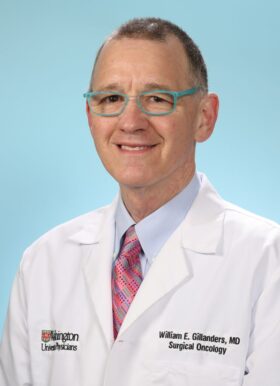
A team led by WashU Medicine’s William Gillanders, MD, an expert in thyroid and breast cancers, has helped to develop and is now studying a neoantigen DNA cancer vaccine targeting a specific protein called mammaglobin-A found in triple-negative breast cancers. Early-phase clinical trials with a small number of patients have found that the vaccine is safe and able to stimulate the immune system to attack breast cancer cells. 


Early results were better than we expected,” said Gillanders“We have continued to pursue this vaccine strategy since 2024 when we first published our results and have ongoing randomized controlled trials. We are still encouraged by what we’ve seen in patients so far.”    


Clinical Trials Focused on Breast Cancer

Clinical trials are a crucial part of breast cancer care at Siteman. These studies investigate new surgical procedures, radiation techniques, chemotherapy regimens, immunotherapies, targeted therapies (including vaccines), and lifestyle factors associated with breast cancer. 

We have more clinical trials than any other cancer center in the region, with around 350 studies currently underway. Some of these clinical trials were created by WashU Medicine  physician-scientists at Siteman and other breast cancer specialists. Several new drugs have emerged from our clinical studies and now have a promising impact on breast cancer,; including metastatic breast cancer. 

Learn more about Siteman’s breast cancer clinical trials

Breast Cancer Genetic Screening and Counseling

Know your risk for developing cancer or learn about the specific type of cancer you have with genetic screening.  

Why come to us for a genetic screening?  

We are leaders in the field. WashU Medicine breast cancer specialists helped to pioneer and patent the development of a 50-gene genomic test, ProSigna, that reliably identifies the four known types of breast cancer, thereby enabling oncologists to better personalize and better target you breast cancer treatment. 

Who should schedule a genetic screening? 

Anyone that has been diagnosed with breast cancer should schedule a genetic screening. Genetic screenings can tell you if your cancer was caused by an inherited mutation, which then guides the direction of your treatment options.  

Genetic screenings are also used for risk prediction. If there are family members or several close relatives that have had cancer, a screening will tell you if you carry an inherited gene that may increase the chance that you could develop cancer. 

Read more about the genetic testing and counseling process at Siteman. 

Support and Resources for You 

At Siteman Cancer Center, we understand that truly excellent cancer care requires compassion, expertise, and a personal touch tailored specifically to your life and your cancer type. 

From the moment you walk through our doors, you are surrounded by a team dedicated to addressing your needs and supporting your well-being. 

  • Your Personal Guide: When you come to the Joanne Knight Breast Health Center, you will have a Care Coordinator by your side every step of the way. You can reach out to them at any point to get answers and information about your cancer care journey. 
  • Your Mental Health: You and your family can receive free, specialized care from our dedicated psychologists who specialize in oncology care. They are here to help you through the emotional journey that cancer often creates. 
  • Your Nursing Team: You will be cared for by experienced registered oncology nurses specially trained to support you. They are your partners in care, helping you manage symptoms and navigate treatments. 
  • Your Personalized Nutrition: You have direct access to our registered dietitians. They are sub-specialists in oncology care and work with you to find meals and snacks that actually taste good and provide the strength you need during each phase of your treatment and beyond. 
  • Your Comfort: We have palliative care specialists who are focused on helping you manage pain and any side effects so you can stay as comfortable as possible. 
  • Your Life After Treatment: Through our Survivorship Program, we maintain a lifelong connection with you. We are committed to helping you embrace life to the fullest, long after your initial treatment ends. We also have breast cancer support groups that meet regularly. 

Get moreinformation about supportive services at Siteman. 

We Make It Easy 

We have a one-stop location for you to get all the information and help you need. The Barnard Health & Cancer Information Center (BHCIC), located in the lobby of the Center for Advanced Medicine on the Washington University Medical Campus, can provide information about parking and nearby short- and long-term lodging accommodations. We also can connect you to free lodging facilities available for patients and caregivers who travel to St. Louis for treatment and meet certain criteria. 

BHCIC staff also can offer concierge or interpreter services. A Business Center also is on- site. 

Learn more about the services offered in our Barnard Health and Cancer Information Center on Floor 1 of the Center for Advanced Medicine on Washington University Medical Campus.